
30 Heart Healthy Meals Worth Saving
Look, I’m not here to lecture you about eating your vegetables or giving up everything you love. But here’s the thing—your heart actually appreciates when you throw it a bone once in a while, and trust me, heart-healthy eating doesn’t have to taste like cardboard.
I spent way too many years thinking heart health meant bland chicken breasts and sad salads. Then I discovered you can actually enjoy food and keep your ticker happy. Wild concept, right? These 30 meals are legit delicious, and you’ll actually want to make them on repeat.
Whether you’re dealing with high cholesterol, trying to prevent heart issues, or just want to feel better overall, these recipes hit the sweet spot between tasty and nutritious. No weird ingredients you can’t pronounce, no complicated techniques that require a culinary degree.

Why Heart Health Actually Matters (And Why You Should Care)
Heart disease is still the leading cause of death in the U.S., which sounds scary until you realize how much control you actually have over your risk factors. The American Heart Association emphasizes that dietary patterns play a massive role in cardiovascular health, and honestly, the research backs this up consistently.
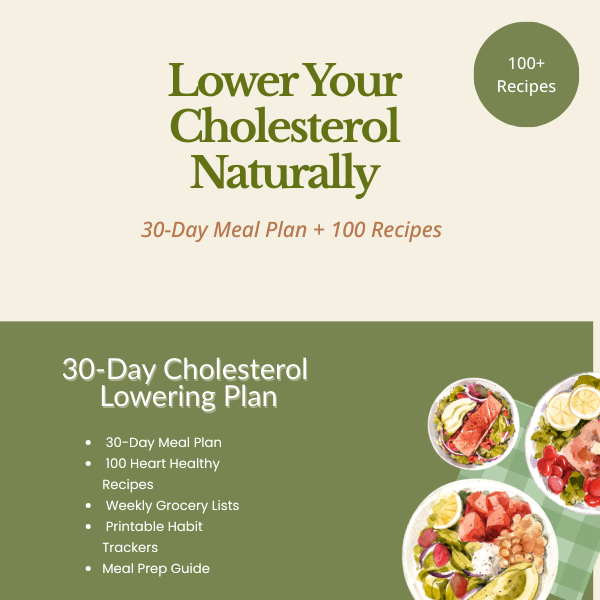
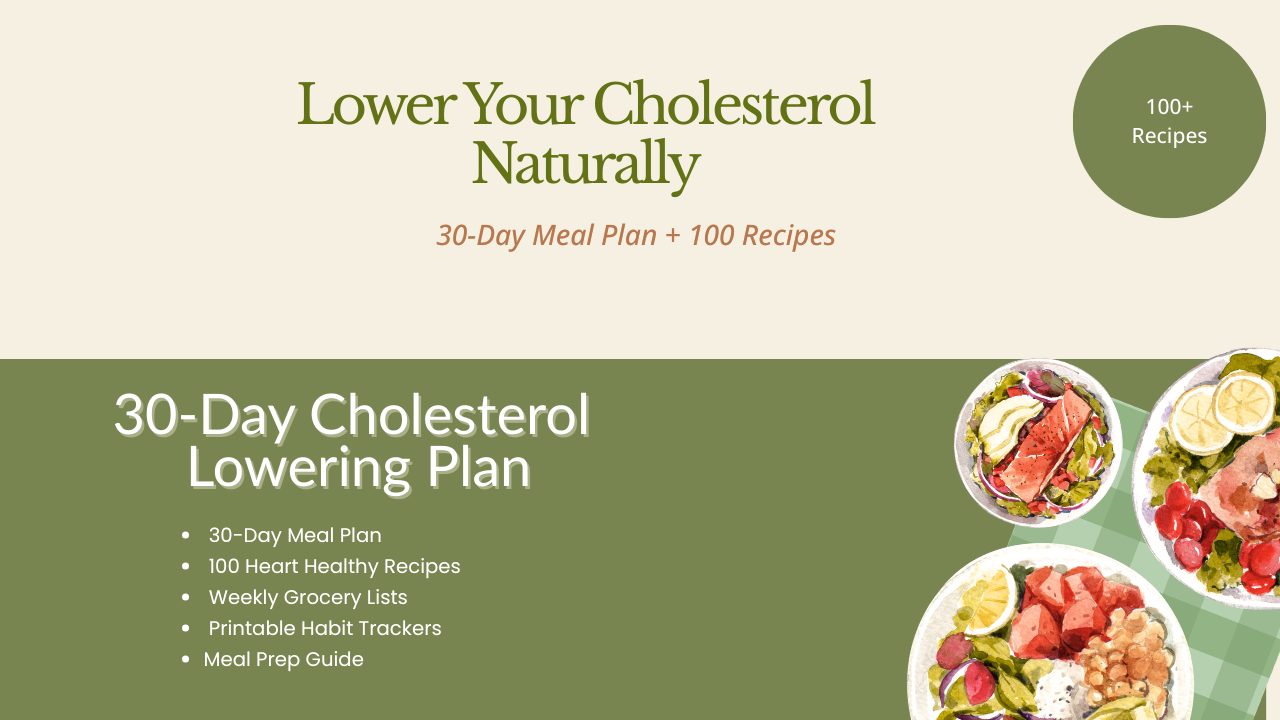
30-Day Cholesterol Reset System
A simple done-for-you plan to help you eat heart-healthy every day without confusion.
Over 1,000 people downloaded this guide
✔ 100 Easy Recipes
✔ Grocery Lists + Meal Prep Guide
🎁 FREE BONUSES:
✔ 7-Day Quick Start Plan
✔ Printable Grocery List
$29 $9
Get Instant AccessHere’s what really makes a difference: cutting back on saturated fats, loading up on fiber-rich foods, and choosing quality proteins. According to Mayo Clinic’s heart health guidelines, making simple dietary swaps can significantly lower your LDL cholesterol and reduce heart disease risk.
But nobody wants to eat like a rabbit forever. That’s where smart meal planning comes in—meals that actually satisfy you while supporting your cardiovascular system. Think Mediterranean-style eating patterns, plenty of omega-3s, and using the right cooking fats.
The Foundation: What Makes a Meal Heart-Healthy?
Before we dive into the actual meals, let’s talk basics. A heart-healthy meal isn’t just about avoiding certain foods—it’s about building your plate strategically.
The Good Fats vs. The Bad Fats
Not all fats are created equal, and honestly, some are downright beneficial. Monounsaturated and polyunsaturated fats—found in olive oil, avocados, nuts, and fatty fish—actually help lower your bad cholesterol. I use this cold-pressed extra virgin olive oil for pretty much everything, and it makes a noticeable difference in flavor too.
Saturated fats (think fatty meats and full-fat dairy) should be limited, while trans fats need to be avoided entirely. Reading labels becomes second nature once you start paying attention. When I’m sautéing vegetables or making salad dressings, I reach for my stainless steel oil dispenser filled with good olive oil—portion control without the guesswork.
Fiber Is Your Friend
Soluble fiber literally binds to cholesterol in your digestive system and helps escort it out of your body. How cool is that? Oats, beans, lentils, apples, and Brussels sprouts are your MVPs here.
I started adding a scoop of organic ground flaxseed to my morning smoothies and yogurt, and it’s an easy way to boost fiber without changing much. Plus, flaxseeds contain omega-3s, so you’re getting double benefits.
Protein Picks That Support Heart Health
Lean proteins are essential, but you don’t need to eat chicken breast every single day. Fish, especially fatty fish like salmon and mackerel, provides omega-3 fatty acids that actively reduce inflammation. Plant-based proteins like lentils and chickpeas are low in fat and high in fiber—total win-win.
If you’re incorporating more fish, these low cholesterol meals have some excellent seafood options that don’t feel repetitive.
30 Heart Healthy Meals You’ll Actually Want to Make
Quick Breakfast Wins
Breakfast sets the tone for your whole day, but it doesn’t need to be complicated. Overnight oats with berries and walnuts? Classic for a reason. Takes five minutes the night before, and you wake up to ready-made nutrition.
Smoothie bowls topped with hemp hearts and fresh fruit are another go-to. I blend frozen berries, spinach (you can’t taste it, promise), a banana, and almond milk. Top it with sliced almonds and you’ve got texture and nutrition in one bowl.
For something more substantial, veggie-packed egg white omelets with avocado never disappoint. Get Full Recipe for variations that keep breakfast interesting without adding bad cholesterol.
Greek yogurt parfaits with honey, granola, and mixed berries hit that sweet spot between indulgent and healthy. The key is choosing plain Greek yogurt and adding your own sweeteners—store-bought flavored versions are usually sugar bombs.
Speaking of breakfast inspiration, you’ll love these low cholesterol breakfasts under 300 calories if you’re also watching portions. And if smoothies are your thing, these heart-healthy smoothie recipes will keep your mornings fresh and exciting.
Lunch Ideas That Keep You Going
Mason jar salads are my secret weapon. Layer your dressing at the bottom, add sturdy veggies, grains, protein, and greens on top. When you’re ready to eat, shake it up. I use these wide-mouth mason jars because regular ones are too narrow for fork access—learned that the hard way.
Quinoa bowls with roasted chickpeas, sweet potato, and tahini dressing are filling without being heavy. Prep the components on Sunday and mix-and-match throughout the week. Get Full Recipe for grain bowl variations that won’t bore you.
Mediterranean-style wraps using whole wheat tortillas, hummus, grilled chicken or falafel, and plenty of veggies are portable and satisfying. Wrap them in foil and they hold together perfectly for eating on the go.
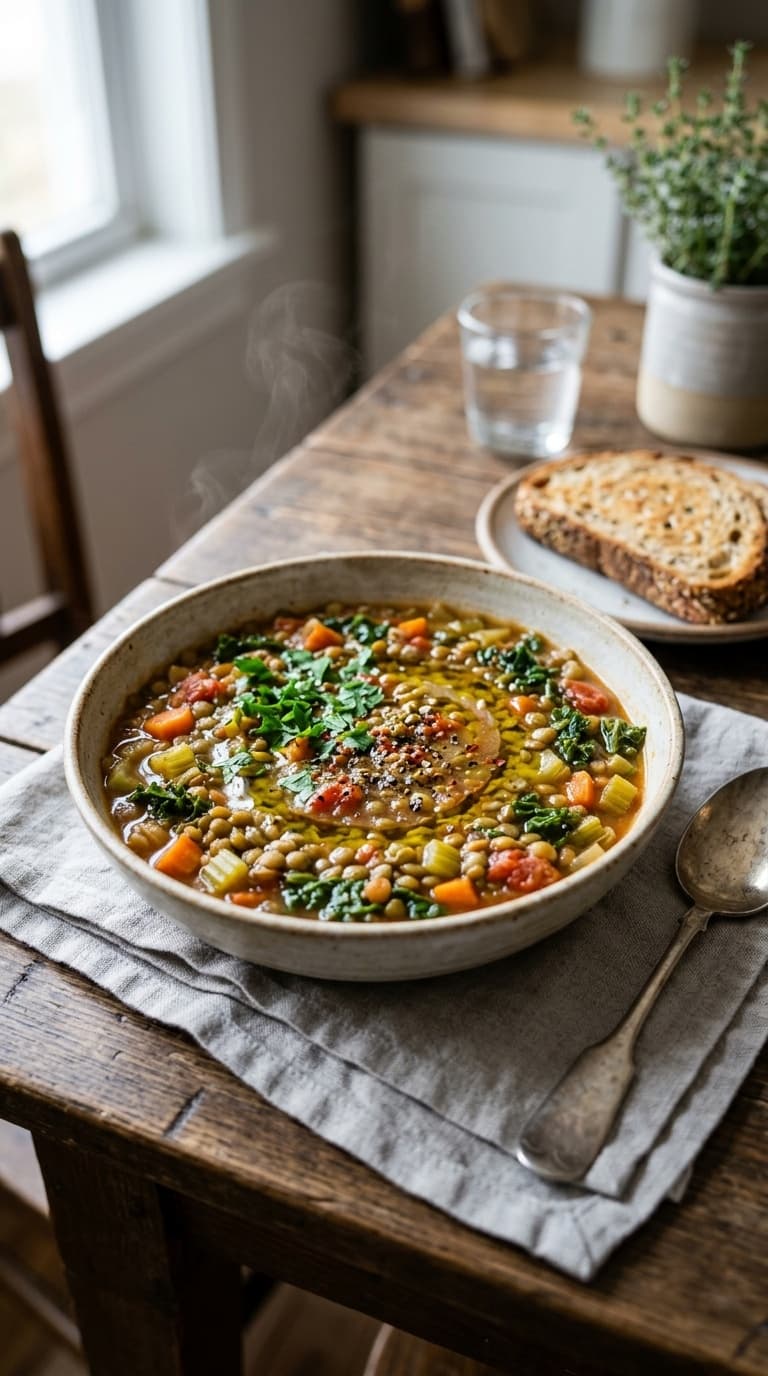
Lentil soup with whole grain bread is comfort food that happens to be incredibly heart-healthy. Make a big batch and freeze portions for those days when cooking feels impossible. Get Full Recipe for soup variations that work year-round.
Dinner Options Worth Making Twice
Baked salmon with roasted Brussels sprouts and sweet potato is dead simple but feels fancy enough for company. Season the salmon with lemon, dill, and a drizzle of olive oil. Everything goes on one sheet pan. I swear by my heavy-duty sheet pan for even cooking—cheap ones warp in the oven and create hot spots.
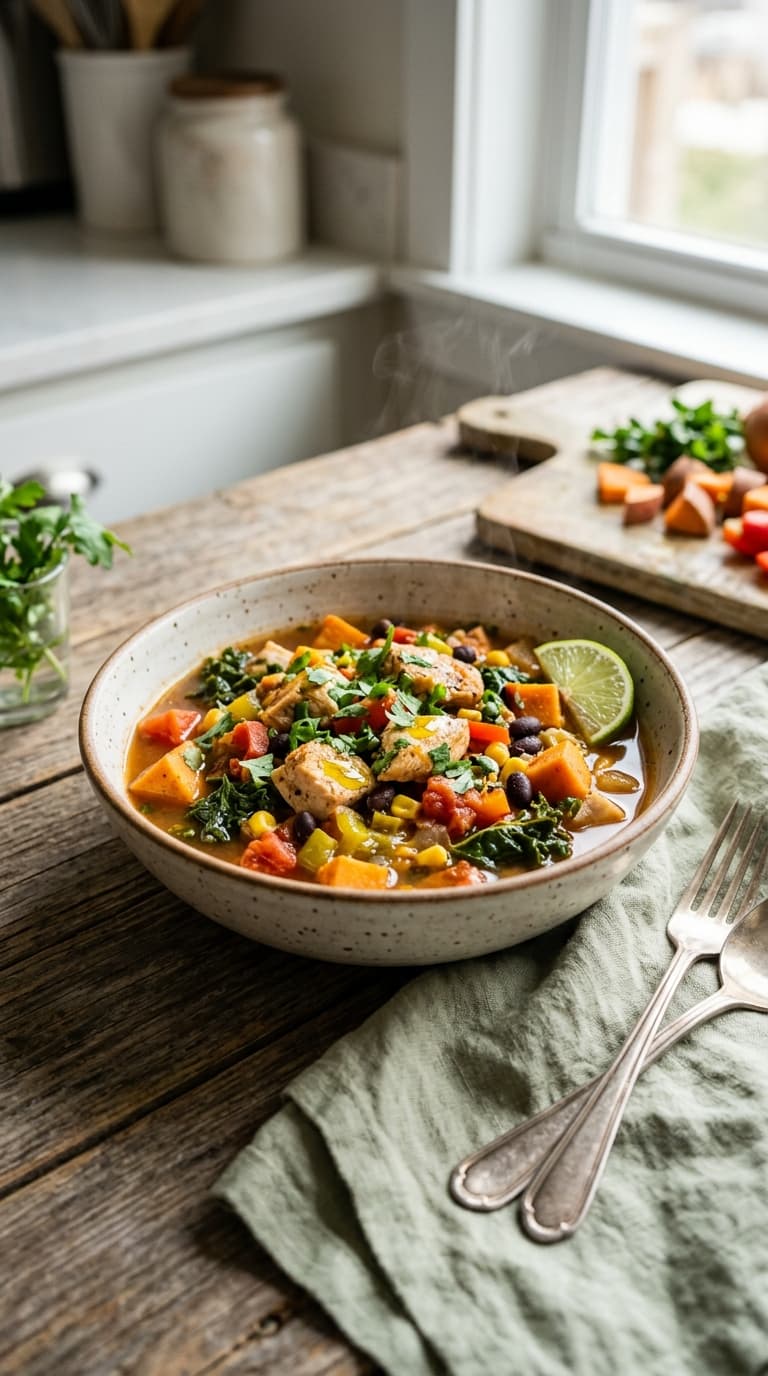
Turkey chili with beans is hearty, freezer-friendly, and easy to make in bulk. Use lean ground turkey, plenty of beans, and load it up with tomatoes and spices. Top with a tiny bit of cheese and some avocado. Get Full Recipe for dinner variations that satisfy the whole family.
Stir-fried vegetables with tofu or chicken over brown rice is another weeknight staple. The key is having your carbon steel wok properly heated before adding ingredients. High heat means less oil needed and better texture. For protein inspiration, check out these flavorful chicken recipes that don’t feel like diet food.
Stuffed bell peppers with lean ground turkey, quinoa, and marinara sauce are meal-prep gold. Make six at once, refrigerate or freeze, and you’ve got grab-and-go dinners ready. The peppers hold up surprisingly well.
Grilled fish tacos with cabbage slaw and avocado lime crema are lighter than traditional tacos but just as satisfying. Use corn tortillas and pile on the veggies. These feel indulgent without the guilt.
For more variety, these one-pan dinners make cleanup a breeze on busy nights. And if you’re into meal prep, these meal prep ideas will set you up for success all week long.
Vegetarian Options That Don’t Suck
Let’s be real—not every vegetarian meal is created equal. Some are amazing, some are… well, not. These ones actually deliver.
Black bean burgers on whole wheat buns with all the fixings are genuinely satisfying. Use a burger press to get uniform patties that hold together on the grill. Trust me on this—hand-formed veggie burgers have a tendency to fall apart.
Eggplant parmesan made with baked (not fried) eggplant slices, marinara, and a modest amount of part-skim mozzarella tastes indulgent but keeps the fat and calories in check. Get Full Recipe for more plant-based meals you’ll genuinely want to eat.
Vegetable curry with chickpeas served over brown rice or quinoa is warming and filling. The combination of spices, coconut milk (use light version), and loads of veggies creates serious comfort food vibes. Plus, leftovers taste even better the next day.
Portobello mushroom “steaks” marinated and grilled are surprisingly meaty in texture. Serve them with roasted vegetables and you won’t miss the actual steak. Well, mostly.
Snacks and Light Bites
Sometimes you need something between meals that won’t derail your efforts. Apple slices with almond butter hit that sweet and savory combo perfectly. I keep individual almond butter packets in my bag for emergency snacking.
Hummus with veggie sticks (carrots, bell peppers, cucumber) is classic for good reason. Make your own hummus in a food processor—it’s cheaper and you control the ingredients. Get Full Recipe for more snack ideas that satisfy without the junk.
Roasted chickpeas seasoned with your favorite spices are crunchy, protein-packed, and actually addictive. I keep a container on my counter and grab handfuls throughout the day.
Fresh fruit with a handful of unsalted nuts provides natural sweetness plus healthy fats. Keeps you full way longer than fruit alone.
Kitchen Tools That Make Heart-Healthy Cooking Easier
Meal Prep Essentials for Heart-Healthy Cooking
The right tools make healthy eating feel effortless instead of exhausting. Here’s what actually gets used in my kitchen weekly:
High-Speed Blender
For smoothies, homemade nut butters, and blending soups. The difference between a cheap blender and a good one is night and day—no chunks, perfectly smooth every time.
Glass Meal Prep Containers
Ditch the plastic. Glass doesn’t stain, doesn’t hold odors, and you can see what’s inside. Get the kind with divided sections for keeping ingredients separate until you’re ready to eat.
Digital Kitchen Scale
Portion control without the guesswork. Weighing ingredients keeps you honest about serving sizes, especially for calorie-dense foods like nuts and oils.
Digital Resources Worth Checking Out:
- Heart-Healthy Meal Planning App – Generates weekly meal plans based on your dietary preferences with automatic grocery lists
- Nutrition Tracking Software – Track your fiber, sodium, and healthy fats to see patterns and make adjustments
- Online Cooking Course for Heart Health – Video tutorials on knife skills, meal prep strategies, and heart-healthy cooking techniques
Making It Stick: Realistic Tips for Long-Term Success
Look, if I told you to overhaul your entire diet overnight, you’d probably do it for three days and then face-plant into a pizza. Been there. The key is making gradual changes that actually fit into your real life.
Start Small and Build Momentum
Pick one meal to focus on first. Maybe it’s breakfast—swap your usual bagel for oatmeal with berries. Once that feels automatic, move to lunch. Small wins build confidence and create sustainable habits.
Swap ingredients gradually instead of eliminating entire food groups. Use half whole wheat pasta and half regular at first. Replace half the ground beef with lentils in your chili. Your taste buds adjust faster than you think. If you’re looking for complete meal inspiration, these meals under 400 calories prove you can eat well without excessive portions.
Meal Prep Like Your Future Self’s Best Friend
Future you will thank present you for spending an hour on Sunday prepping. Chop vegetables, cook grains, grill proteins, portion snacks. It’s the difference between grabbing something healthy or ordering takeout at 8 PM when you’re exhausted.
I use my programmable slow cooker to make large batches of soups, stews, and chili. Set it before work, come home to ready-made meals. For busy people, check out these lazy meal options that require minimal effort but deliver maximum nutrition.
Keep It Interesting
Eating the same five meals on rotation gets old fast. Try one new recipe each week. Experiment with different cuisines—Mediterranean, Asian, Latin American cooking all have heart-healthy options. When you’re craving comfort food, these healthier comfort food versions hit the spot without the guilt.
Spices are your secret weapon for adding flavor without sodium or fat. Invest in quality spices and learn to use them. Smoked paprika, cumin, fresh herbs, garlic, ginger—these make boring chicken breast actually exciting.
Dining Out Doesn’t Have to Derail You
You can still eat at restaurants without abandoning your heart health goals. Look for grilled instead of fried, ask for dressing on the side, choose steamed or roasted vegetables instead of creamy sides. Most places will accommodate reasonable requests.
Order appetizer portions as your main if entrees are huge. Split dessert if you want something sweet. It’s about making better choices more often, not being perfect every single time.
Understanding the Numbers: Cholesterol, Sodium, and Portion Sizes
I’m not going to bore you with an entire nutrition lecture, but understanding a few key numbers helps you make informed choices.
Cholesterol 101
LDL is the “bad” cholesterol you want to lower. HDL is the “good” cholesterol you want higher. Triglycerides are another type of fat in your blood that should stay low. Your overall diet pattern matters more than obsessing over individual meals.
Foods high in soluble fiber and healthy fats naturally help lower LDL. That’s why oats, beans, nuts, and fatty fish show up constantly in heart-healthy eating plans. For comprehensive guidance on foods that help, this list of cholesterol-lowering foods is incredibly helpful.
Sodium Sneaks Up On You
The American Heart Association recommends no more than 2,300 mg of sodium daily, ideally closer to 1,500 mg. Processed and restaurant foods are loaded with sodium—canned soups, deli meats, frozen meals, bread, cheese.
Reading labels becomes crucial. “Low sodium” means 140 mg or less per serving. “Reduced sodium” just means 25% less than the original, which might still be a lot. Making food from scratch gives you control over sodium levels.
Portion Distortion Is Real
Restaurant portions are typically double or triple what you actually need. A serving of cooked pasta is one cup—most restaurant plates give you three or four cups. A serving of meat is three ounces, about the size of a deck of cards.
Using smaller plates at home actually helps with portion control—it’s a psychological trick that works. Your plate looks full even with appropriate portions. For meals that naturally control portions, these high-protein recipes keep you satisfied on reasonable serving sizes.
The Mediterranean Connection
Ever wonder why Mediterranean countries have lower rates of heart disease? It’s not just genetics—it’s their eating patterns. Lots of vegetables, olive oil as the primary fat, fish and poultry over red meat, whole grains, legumes, and moderate portions.
You don’t need to move to Greece to adopt Mediterranean-style eating. Focus on plant-based meals most days, use olive oil liberally (it’s one of the good fats), eat fish at least twice weekly, and enjoy meals with others when possible. Social eating actually matters for health—eating slowly, mindfully, with conversation, naturally leads to smaller portions.
Red wine gets mentioned a lot with Mediterranean diets, but the benefits come from the overall pattern, not the wine specifically. If you don’t drink, don’t start just for heart health. If you do drink, moderation is key—one glass for women, two for men, maximum.
For recipe inspiration that captures Mediterranean flavors, these salads prove healthy eating doesn’t mean bland or boring.
Debunking Heart Health Myths
Myth: You Need to Eliminate All Fat
Nope. Your body needs fat for hormone production, vitamin absorption, and brain function. The type of fat matters way more than the amount. Prioritize unsaturated fats from plants and fish, limit saturated fats from animal products, and avoid trans fats completely.
Myth: Egg Yolks Are Heart Disease Villains
The research on dietary cholesterol has evolved significantly. For most people, dietary cholesterol doesn’t dramatically impact blood cholesterol levels the way saturated and trans fats do. Whole eggs in moderation are fine for most people—they’re actually nutrient-dense.
Myth: Heart-Healthy Food Is Expensive
Beans, lentils, oats, brown rice, frozen vegetables, canned tomatoes—all incredibly cheap and incredibly healthy. Fresh berries and wild-caught salmon cost more, sure, but they’re not daily necessities. Eating heart-healthy on a budget is absolutely possible with smart shopping.
Myth: You Can Never Eat Dessert Again
Balance, not perfection. Having dessert occasionally won’t kill you. Choose smaller portions, savor them mindfully, and don’t make it a daily thing. Fresh fruit, dark chocolate, or baked fruit crisps can satisfy sweet cravings without derailing your efforts. Check out these guilt-free desserts that prove you can satisfy your sweet tooth and support heart health.
Frequently Asked Questions
How quickly will I see results from eating heart-healthy meals?
Some people see improvements in cholesterol levels within just a few weeks of dietary changes, though three to six months is more typical for significant changes. Blood pressure can respond even faster—sometimes within days of reducing sodium intake. Energy levels and how you feel overall often improve within the first couple weeks, which keeps you motivated while waiting for lab results to change.
Can I eat out at restaurants and still maintain a heart-healthy diet?
Absolutely. Look for grilled or baked proteins instead of fried, request sauces on the side, load up on vegetable sides, and watch portion sizes. Most restaurants will accommodate requests like leaving off cheese, using less oil, or substituting steamed veggies for fries. It’s about making better choices more often, not achieving perfection every time you eat out.
Do I need to completely give up red meat?
Not necessarily, but reducing red meat intake—especially processed meats like bacon and sausage—does benefit heart health. Think of red meat as an occasional treat rather than a daily staple. When you do eat it, choose lean cuts, keep portions to about three ounces, and pair it with plenty of vegetables. Many people find they feel better eating more fish, poultry, and plant proteins anyway.
Are frozen vegetables as good as fresh for heart health?
Yes, and sometimes frozen is actually better because vegetables are frozen at peak ripeness, locking in nutrients. Frozen vegetables are also more convenient and reduce food waste since they don’t spoil quickly. Just avoid versions with added sauces, butter, or excessive sodium. Plain frozen vegetables are just as nutritious as fresh and often more budget-friendly.
What’s the most important dietary change I can make for my heart?
If I had to pick just one, it’d be increasing your intake of fruits, vegetables, and whole grains while reducing processed foods. These changes naturally lower sodium, increase fiber, provide antioxidants, and improve overall nutrition. That single shift creates a ripple effect—better satiety, lower cholesterol, improved blood pressure, and reduced inflammation. Everything else builds from that foundation.
Final Thoughts: Make It Work for You
Here’s my honest take after years of figuring this out: heart-healthy eating isn’t about perfection or deprivation. It’s about finding meals you genuinely enjoy that happen to support your cardiovascular system. These 30 meals are just a starting point—your personal rotation will evolve based on what you like, what fits your schedule, and what makes you feel good.
Some weeks you’ll meal prep like a champion. Other weeks you’ll rely on sheet pan dinners and frozen vegetables. Both approaches work. The goal is progress, not perfection. When you slip up (and you will, because you’re human), just get back on track with your next meal. No guilt, no drama, just consistency over time.
Your heart is literally working for you every single second of every single day. Feeding it well is one of the most meaningful forms of self-care there is. These meals make that easier, more delicious, and way less intimidating than you probably thought.
Start with one or two recipes this week. See how you feel. Build from there. Your future self—and your heart—will appreciate the effort.
30-Day Cholesterol-Lowering Meal Plan
A simple step-by-step system to help you eat heart-healthy every day without stress.
Over 1,000 people downloaded this guide
$29$9
Get Instant Access