
27 Healthy Dinner Recipes for Long-Term Wellness
Real food. Real flavor. A dinner rotation you’ll actually want to keep.
Here’s the thing about “eating healthy for life” — most people tackle it with the energy of someone who just watched a wellness documentary, then quietly return to pasta and despair by Thursday. The plan collapses not because you lack willpower, but because the food is just not that good. Boiled chicken and sad steamed broccoli make excellent motivation to order takeout. So let’s not do that.
This collection of 27 healthy dinner recipes is built around the idea that long-term wellness only sticks when the food you eat genuinely satisfies you. That means bold flavors, smart ingredient swaps, and dinners that look forward to being made — not dreaded. Whether you’re cooking for heart health, managing cholesterol, losing weight, or just trying to get out of the same three-recipe loop, there’s something here for every week of the year.
I’ve pulled these together with real weeknight kitchens in mind: limited time, sometimes limited energy, but never limited appetite. These are the dinners that have made long-term healthy eating feel sustainable — not like a punishment.
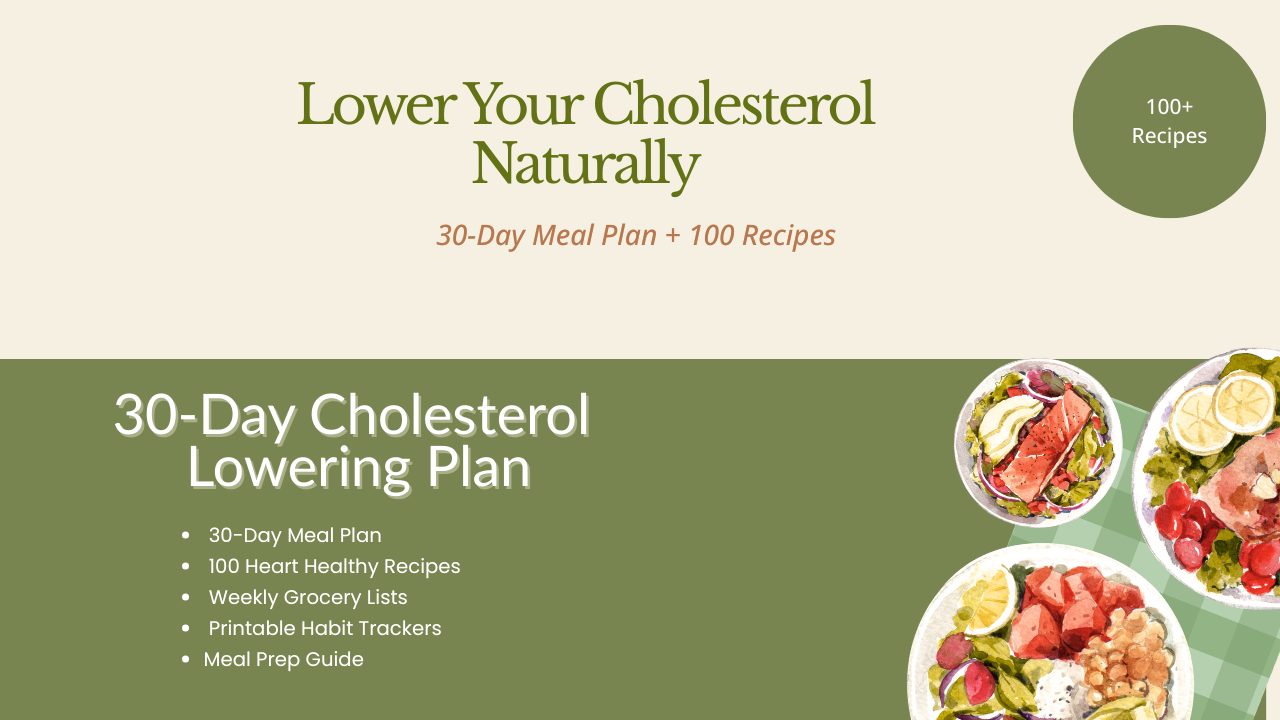
30-Day Cholesterol Reset System
A simple done-for-you plan to help you eat heart-healthy every day without confusion.
Over 1,000 people downloaded this guide
✔ 100 Easy Recipes
✔ Grocery Lists + Meal Prep Guide
🎁 FREE BONUSES:
✔ 7-Day Quick Start Plan
✔ Printable Grocery List
$29 $9
Get Instant Access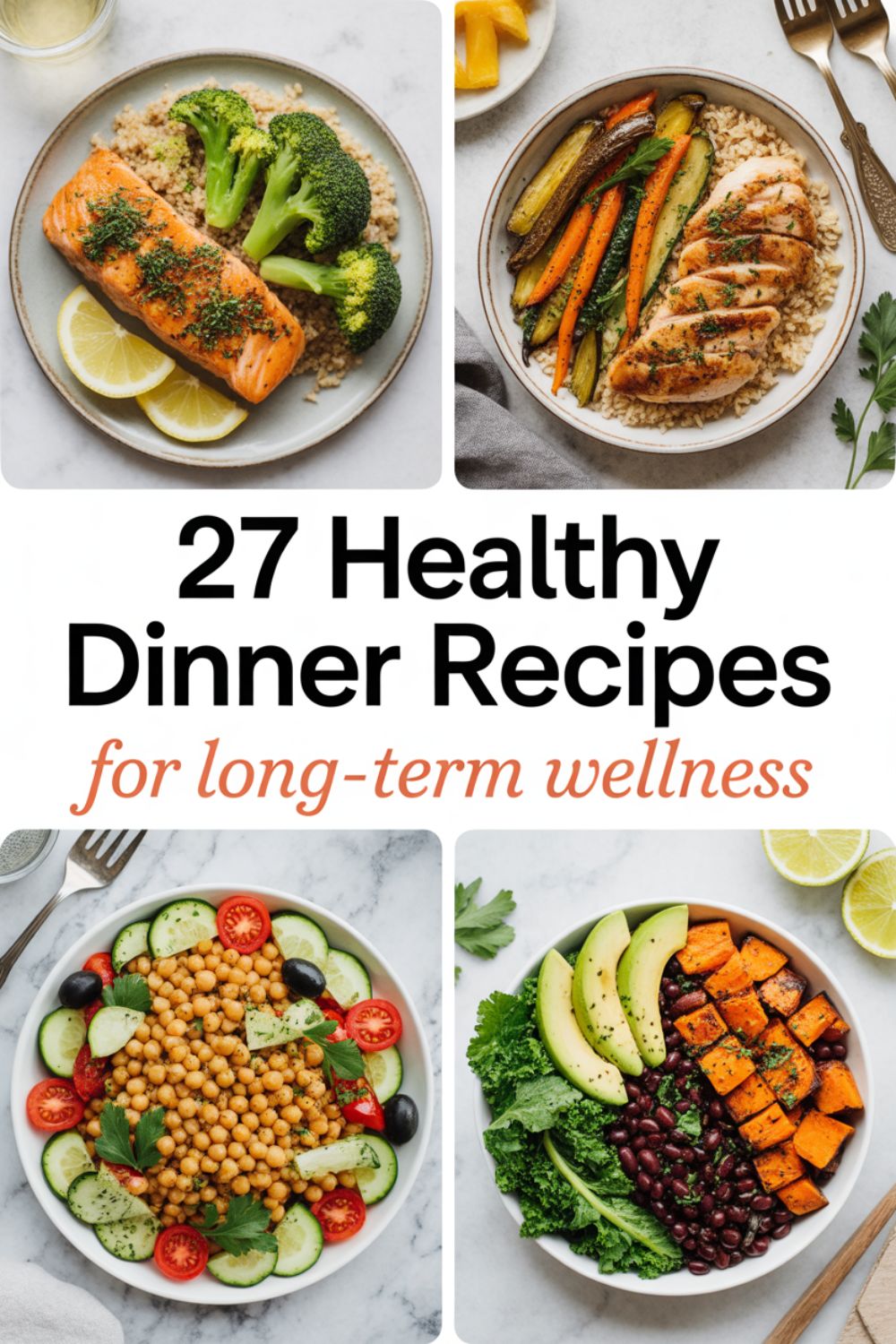
Why Dinner Is the Most Important Meal to Get Right
Breakfast gets all the health-food glory — overnight oats, smoothie bowls, avocado on everything. But dinner is actually where long-term dietary habits live or die. It’s the meal most likely to be skipped when you’re busy, swapped for fast food when you’re tired, or sabotaged by a “treat yourself” mentality after a rough day. Getting dinner right, consistently, changes the entire picture.
Research from Harvard Health Publishing consistently highlights that dietary patterns — not individual meals or superfoods — are what drive long-term cardiovascular health. That means the dinner rotation you build over months matters far more than the one “perfect” meal you cook on a Sunday. The goal isn’t perfection. It’s a reliable collection of recipes you actually want to eat.
The 27 dinners in this guide lean heavily on whole foods: lean proteins, fiber-rich vegetables, heart-healthy fats from olive oil and fatty fish, and whole grains that fuel without spiking blood sugar. Nothing in here requires a culinary degree or a grocery run to three specialty stores. That’s intentional.
Prep your proteins Sunday afternoon — marinated chicken, cooked lentils, or portioned salmon — and you cut weeknight dinner time in half without changing a single recipe.
The Foundation: What Makes a Dinner Actually Heart-Healthy
Before we get into the recipes themselves, it helps to understand what you’re actually building toward. A heart-healthy dinner isn’t just “low in bad stuff” — it actively includes ingredients that support cardiovascular function. Think omega-3 fatty acids from fatty fish, soluble fiber from legumes and oats, monounsaturated fats from olive oil and avocado, and antioxidants from colorful vegetables. These aren’t trendy buzzwords; they’re the evidence-based pillars behind dietary approaches like the Mediterranean and DASH diets that have decades of research supporting them.
The National Heart, Lung, and Blood Institute recommends building dinners around leafy greens, whole grains, lean proteins, and plant-based fats — a framework that maps perfectly to everything in this list. The beautiful thing is that these ingredients are also the foundation of genuinely delicious food. The Mediterranean diet and the DASH diet consistently rank as two of the most effective and most enjoyable eating patterns for long-term health, and both of them would approve of nearly every recipe here.
Ingredients That Do the Heavy Lifting
- Fatty fish (salmon, sardines, mackerel): Rich in omega-3s that support healthy triglyceride levels and reduce inflammation.
- Olive oil: The gold standard for cooking fat — packed with monounsaturated fats and polyphenols that protect arterial walls.
- Legumes (lentils, chickpeas, black beans): Soluble fiber powerhouses that actively help lower LDL cholesterol.
- Leafy greens and cruciferous vegetables: High in folate, vitamin K, and fiber. Kale, spinach, and broccoli are your dinner-table MVPs.
- Whole grains (quinoa, farro, brown rice): Slower-digesting, more fiber-dense alternatives to refined carbs. Quinoa in particular is a complete protein, which makes it great for plant-based meals.
- Nuts and seeds: Walnuts, flaxseed, and chia seeds add healthy fats and plant-based omega-3s without a lot of fuss.
If you’re wondering whether plant-based proteins can really hold their own against chicken or fish in terms of satiety and nutrition — yes, absolutely. Lentils, for example, deliver about 18 grams of protein per cooked cup alongside significant iron and folate. They’re not a compromise; they’re genuinely excellent. For a deep look at low-cholesterol vegetarian meals that punch well above their weight, that collection is worth bookmarking.
Recipes 1–9: The Weeknight Anchors
These are the dinners that form the backbone of any sustainable healthy eating plan. Nothing fussy, nothing that requires more than 40 minutes, and nothing you’ll need to drag yourself to make after a long day. IMO, this group alone could carry most of your weeknight cooking indefinitely.
1. Herb-Crusted Baked Salmon with Roasted Asparagus
A 25-minute dinner that reads as effort but asks almost nothing of you. A salmon fillet gets a quick coat of Dijon mustard, fresh dill, lemon zest, and crushed walnuts, then roasts while the asparagus spears do their thing on the same pan. The whole meal lands under 400 calories and delivers a significant hit of omega-3 fatty acids. I use a rimmed half-sheet baking pan for this — everything cooks evenly and cleanup is one rinse away. Get Full Recipe
2. One-Pan Lemon Garlic Chicken Thighs with Chickpeas
Bone-in chicken thighs get a bad reputation they don’t deserve. Yes, they have slightly more fat than breast meat, but that fat is predominantly unsaturated, and they stay juicy in a way that chicken breast often doesn’t. This version sears the thighs until the skin crisps, then finishes in a pan with chickpeas, cherry tomatoes, spinach, and a heavy pour of good extra-virgin olive oil. Serve it straight from the skillet and the only real cleanup is the pan itself. Get Full Recipe
3. Black Bean and Sweet Potato Tacos
Plant-based tacos that taste like an event, not a concession. Roasted sweet potato cubes develop a caramelized edge that plays perfectly against the earthy black beans and a quick lime crema made from non-fat Greek yogurt instead of sour cream. Greek yogurt vs. sour cream: the yogurt version adds protein, cuts saturated fat by about 70%, and honestly tastes just as good once you add the lime juice. This dinner is weeknight-fast and freezer-friendly if you double the filling.
4. Garlic Shrimp with Whole Wheat Orzo and Peas
Shrimp cook in under five minutes, which is basically a dinner miracle. Whole wheat orzo adds fiber without demanding any special treatment — it cooks just like regular pasta. A light sauce of white wine, garlic, cherry tomatoes, and olive oil pulls everything together. For the orzo, I keep a fine-mesh colander near the stove specifically for draining grains — the tiny holes mean nothing escapes while you’re dealing with the shrimp.
5. Lentil and Vegetable Stew
This one earns a permanent spot in any low-cholesterol meal prep rotation because it only gets better over three to four days. Red lentils break down into a thick, satisfying base while carrots, celery, canned tomatoes, and a generous handful of cumin and turmeric build the flavor. Make a large pot Sunday, portion it out, and you’ve solved three to four dinners before the week even starts.
6. Zucchini Noodles with Turkey Bolognese
Zucchini noodles get dismissed as a sad pasta substitute, which is only fair if you’ve eaten them soggy. The key is to salt them, let them sit for ten minutes, then pat dry before cooking — that eliminates most of the moisture and gives them actual texture. The turkey bolognese uses lean ground turkey, crushed tomatoes, fennel seeds, and a pour of red wine. Heavy enough to feel like comfort food, light enough to eat on a Tuesday without regret.
7. Quinoa Stuffed Bell Peppers
These look impressive but take about 20 minutes of active work. The filling is a mix of cooked quinoa, black beans, fire-roasted corn, cumin, and smoked paprika — everything gets stuffed into halved peppers, topped with a sprinkle of part-skim mozzarella, and baked until the peppers are tender and slightly charred at the edges. A solid source of plant-based complete protein. I prep the quinoa filling in batches using a 3-quart saucepan with a tight-fitting lid — it cuts absorption cooking time down and nothing scorches.
8. Ginger Turmeric Baked Cod
Cod is one of those proteins that absorbs whatever you put on it, which makes it versatile in a way that more expensive fish isn’t. A paste of fresh ginger, turmeric, garlic, and a small amount of sesame oil turns it into something genuinely exciting. Serve with steamed bok choy and a side of brown rice for a complete, anti-inflammatory dinner that comes together in about 20 minutes flat.
9. White Bean and Kale Soup
Simple, deeply satisfying, and packed with both soluble fiber and plant-based iron. White beans and kale are an underrated pairing — the beans go creamy while the kale holds its texture even after simmering. A parmesan rind dropped in while it cooks adds an umami depth that makes the whole pot taste like it’s been simmering for hours. It hasn’t. It’s been about 30 minutes. Don’t tell anyone. Get Full Recipe
If weeknight simplicity is your priority, you’ll also want to check out:
Recipes 10–18: The Flavor-Forward Dinners
These recipes take slightly more inspiration from global cuisines — the Mediterranean, Southeast Asian, and Middle Eastern pantries in particular. Healthy eating borrowed from these culinary traditions isn’t restrictive; it’s the opposite. These are the meals that remind you why you wanted to cook in the first place.
10. Mediterranean Chicken Sheet Pan
Everything goes on one pan: chicken breast or thighs, cherry tomatoes, Kalamata olives, red onion, sliced zucchini, and a serious drizzle of olive oil with dried oregano and lemon slices laid directly on top. The oven does everything. This is the template-style dinner that anchors any Mediterranean diet approach to cholesterol control — convenient, colorful, and genuinely good.
11. Thai-Inspired Peanut Noodles with Edamame
FYI, this might be the recipe that converts the most stubborn skeptics of healthy cooking. Whole wheat soba noodles get tossed in a sauce of natural peanut butter, low-sodium soy sauce, rice vinegar, sesame oil, fresh ginger, and a small amount of honey. Shelled edamame adds plant-based protein, shredded carrots and red cabbage add crunch, and everything gets finished with crushed peanuts and fresh cilantro. Peanut butter versus almond butter in this sauce: peanut butter wins on flavor depth and cost, while almond butter is slightly higher in vitamin E. Either works — use what you have.
12. Roasted Cauliflower Steaks with Tahini and Pomegranate
This one is genuinely impressive at a dinner table and nobody needs to know it took 30 minutes. Thick cauliflower steaks roast at high heat until golden brown and slightly crispy at the edges. They get finished with a generous drizzle of lemon-tahini sauce and a scatter of pomegranate arils that add both color and a bright tartness. Sesame tahini is rich in calcium and heart-healthy monounsaturated fats — it’s not just a condiment, it’s actually contributing to the nutritional profile here.
13. Salmon and Brown Rice Power Bowl
Power bowl is an overused term, but in this case it earns it. Brown rice as the base, seared salmon broken over the top, sliced avocado, pickled cucumber, shredded edamame, and a miso-ginger dressing that ties everything together. The omega-3 content of salmon combined with the fiber of brown rice and avocado’s monounsaturated fats makes this one of the most nutritionally complete single-bowl dinners you can build. I use a Japanese mandoline slicer for the cucumber — thin, even slices make it look and eat like a restaurant dish.
I started making the salmon bowl and the lentil stew every week about four months ago. My LDL cholesterol dropped 18 points at my last checkup and I honestly haven’t felt deprived once. The food is just good.
14. Chicken and Vegetable Stir-Fry with Brown Rice
A stir-fry done right is one of the most efficient meals in the healthy cooking arsenal. Thin-sliced chicken breast, broccoli, snap peas, bell peppers, and mushrooms get a fast cook in a wok or large skillet over high heat — that’s the key, high heat — with a sauce of low-sodium soy sauce, oyster sauce, garlic, and a small hit of chili paste. The whole thing is ready before the rice finishes cooking. I make this at least twice a month and it never feels like the same meal twice because the vegetable combination is always slightly different depending on what’s in the fridge.
15. Baked Falafel Bowls with Tzatziki
Traditional falafel is deep-fried, and yes, it’s delicious. The baked version is genuinely close — crispy exterior, tender and herb-flecked interior — and you skip the oil bath entirely. Serve over a bed of romaine and cucumber with homemade tzatziki (Greek yogurt, cucumber, garlic, dill), warmed whole wheat pita, and a scoop of hummus. Plant-based protein from chickpeas, fiber from the whole wheat, probiotics from the yogurt. This is the kind of dinner that makes you feel like you have your life together.
16. Stuffed Portobello Mushrooms with Quinoa and Spinach
Portobello mushrooms stuffed with a quinoa, baby spinach, sun-dried tomatoes, and goat cheese mixture. They roast in 20 minutes and emerge looking like something from a proper restaurant. The earthiness of the mushroom plays perfectly against the acidity of the sun-dried tomatoes and the creamy goat cheese. For meal prep fans, these reheat beautifully — make a tray of four or six on Sunday and dinner is sorted for the first half of the week.
17. Spiced Lentil and Spinach Curry
This is comfort food that happens to be exceptionally good for you. Red lentils simmer with crushed tomatoes, onion, garlic, fresh ginger, cumin, coriander, garam masala, and coconut milk — the light coconut milk version, not full-fat — until everything becomes thick and aromatic. Spinach wilts in at the end. Serve over basmati rice or with a whole wheat flatbread. The soluble fiber content of red lentils actively supports cholesterol reduction, and this curry is about as far from diet food as anything you’ll find.
18. Grilled Swordfish with Mango Avocado Salsa
Swordfish gets underused in home kitchens, which is a shame because it grills like a dream — firm, meaty, and it holds its shape where a more delicate fish wouldn’t. The mango-avocado salsa on top is all fresh ingredients: diced mango, avocado, red onion, jalapeño, cilantro, and lime. The combination of the sweet-acidic salsa against the savory seared fish makes this feel like a vacation dinner on a random Wednesday. I keep a cast iron grill pan on the stove for nights when I can’t be outside — it delivers those proper char marks year-round.
Double your grain batches — quinoa, farro, or brown rice — and refrigerate them. They become the base for two to three completely different dinners with zero extra cooking time.
Kitchen Tools for These Recipes
A friend asked me once what actually made a difference in my healthy cooking routine. Honest answer? A handful of tools that removed the friction — nothing revolutionary, just things that make the process smoother so you actually do it. Here’s what I’d recommend.
Heavy-Gauge Rimmed Baking Sheet (Half Sheet)
The backbone of one-pan dinners. A good heavy-gauge pan distributes heat evenly, doesn’t warp, and handles everything from roasted salmon to sheet pan veggies without the sticking drama.
Shop This Pan12-Inch Stainless Steel Skillet
Better than non-stick for searing proteins and building pan sauces. Once you learn to use it, you won’t go back. Oven-safe, dishwasher-safe, built for decades of use.
Shop This SkilletGlass Meal Prep Containers (Set of 10)
The unsung hero of the whole plan. Glass containers keep food tasting fresh through the week, they go from fridge to microwave without issue, and you can actually see what’s in them so nothing gets forgotten.
Shop These ContainersWeekly Meal Planner Template (Printable PDF)
A structured weekly grid that maps out dinner, a shopping list column, and a prep schedule. Planning on paper before the week starts is genuinely the single biggest factor in follow-through.
Get the TemplateHeart-Healthy Nutrition Guide (eBook)
A downloadable guide covering the nutritional logic behind heart-healthy cooking, with ingredient swaps, reading nutrition labels, and building balanced plates. The kind of reference you keep open on your phone.
Download the GuideHealthy Pantry Starter List (Digital Checklist)
A one-time setup list for stocking a heart-healthy pantry from scratch — organized by category so your first big grocery run is actually manageable and you’re not making a second trip for tahini.
Get the ChecklistRecipes 19–27: Weekend Worthy and Worth the Effort
These are the dinners you pull out when you have a bit more time, when you want to cook for people you actually like, or when you just want to remind yourself that healthy eating can feel genuinely celebratory. None of them are complicated by any real measure — they just reward a little extra care.
19. Slow-Roasted Chicken with Root Vegetables
Low and slow in the oven with a whole chicken, parsnips, carrots, turnips, and shallots underneath, everything swimming in a pool of chicken stock and a generous drizzle of olive oil. The vegetables absorb all of those roasting juices over two hours and become something transformative. Remove the skin before serving to cut most of the saturated fat without losing any of the flavor that developed during cooking.
20. Whole Roasted Cauliflower with Harissa and Herbs
This makes a genuinely dramatic centerpiece for a plant-based dinner. The whole head of cauliflower gets a rub of harissa paste, olive oil, cumin, and garlic and roasts for about an hour until deeply caramelized and tender all the way through. Slice it at the table. Serve with a yogurt dipping sauce and a grain salad on the side. It looks like more effort than it is, which is always a win.
21. Baked Sea Bass in Parchment with Fennel and Orange
Cooking en papillote — in a parchment paper parcel — is one of those techniques that sounds intimidating and is actually foolproof. The sea bass goes in with sliced fennel, orange rounds, olives, and a pour of white wine. The parcel seals, goes in the oven for 15 minutes, and the fish steams in its own aromatics. Open it at the table for the full effect. The simplicity of the ingredients makes the technique feel justified. I keep a roll of unbleached parchment paper in the drawer specifically for this method — worth every bit of cabinet space.
22. Turkey and Vegetable Meatballs with Zucchini Noodles
Lean turkey meatballs baked rather than fried, served over spiralized zucchini with a homemade marinara that uses canned San Marzano tomatoes, fresh basil, garlic, and olive oil. The key to good turkey meatballs is not overworking the mixture and not over-baking them — they come out tender and juicy rather than dense. This is the kind of dinner that makes a large batch naturally, so you’ll have leftovers for lunch the next two days.
23. Miso-Glazed Eggplant with Sesame Brown Rice
Eggplant halves get scored, brushed with a glaze of white miso, mirin, rice vinegar, and sesame oil, and broiled until caramelized and deeply savory. Brown rice with toasted sesame seeds and sliced scallions finishes the plate. This is Japanese-inspired cooking at its most practical — complex flavor from simple pantry ingredients. White miso is notably lower in sodium than red miso if you’re watching sodium intake, and it has a milder, more approachable flavor for the uninitiated.
24. Moroccan Spiced Chicken Tagine
A tagine in a Dutch oven or heavy-bottomed pot works just as well as an actual tagine vessel — don’t let the name intimidate you. Chicken pieces simmer low and slow with preserved lemon, Castelvetrano olives, saffron, chicken stock, and a blend of warming spices: ras el hanout, cumin, coriander, cinnamon. The result is a stew of extraordinary depth that improves overnight. Serve with whole grain couscous to keep it in the heart-healthy lane. A 5.5-quart enameled Dutch oven handles this beautifully and pulls double duty for everything from soups to braises.
25. Wild Mushroom and Farro Risotto-Style Dish
Farro treated like risotto — toasted in olive oil with shallots and garlic, then gradually hydrated with warm vegetable stock — develops a creamy, starchy quality that rivals the real thing. Wild mushrooms (cremini, shiitake, oyster) sautéed separately and folded in with fresh thyme, a squeeze of lemon, and a small amount of grated pecorino. Farro delivers significantly more fiber than Arborio rice and has a nutty, satisfying quality that makes the dish feel substantial without being heavy.
26. Baked Halibut with Tomato Caper Sauce
Halibut’s clean, mild flavor makes it the perfect canvas for a bold sauce. The tomato caper sauce is a simple reduction of cherry tomatoes, capers, white wine, garlic, and fresh basil — bright, briny, and acidic in a way that complements the fish without overwhelming it. Serve with roasted potatoes or crusty whole grain bread to catch the sauce. For a full look at how to build omega-3-rich fish dinners into a regular rotation, that collection covers a lot of ground.
27. Black-Eyed Pea and Collard Green Stew
This one closes the list because it deserves more attention than it gets. Black-eyed peas are an excellent source of folate, potassium, and plant-based protein. Paired with collard greens, smoked paprika, fire-roasted tomatoes, and a base of sautéed onion and garlic, the stew becomes something deeply satisfying — the kind of bowl that makes you feel looked after. Serve with warm whole grain cornbread if you want the full experience. Make a double batch because it freezes perfectly and future-you will be extremely grateful.
Want more inspiration along these lines? These collections go even deeper:
Building a Dinner Rotation That Actually Lasts
The collection above isn’t meant to be cooked start-to-finish in one month and forgotten. It’s a repertoire — a set of reliable dinners you cycle through based on mood, season, energy level, and what’s in the fridge. Long-term healthy eating isn’t a sprint of perfectly planned weeks. It’s a rotation of meals you’ve learned to make without consulting a recipe, cooking by feel, adjusting for what’s fresh or available.
Start with three or four recipes that immediately appeal to you. Make them a few times until they become genuinely easy. Then add two more. Over six to eight weeks, you’ll have built a dinner rotation of 10 or 12 recipes that you can execute confidently — and that rotation, maintained consistently, is what actually moves the needle on long-term health outcomes. For anyone building from the ground up, the beginner-approved low-cholesterol recipes are a great starting point.
Pick two “anchor recipes” per week — dishes you know cold — and use the rest of the week to experiment. This keeps the routine sustainable without making it boring.
Meal prep is the mechanism that makes all of this work in real life. Batch cooking grains, chopping vegetables, marinating proteins, and portioning into airtight glass storage containers on Sunday means that the effort you spend once gets distributed across five weeknight dinners. It’s not that the cooking gets easier — it’s that the decision fatigue disappears entirely. You already know what’s for dinner because you already partly made it.
I used to spend 45 minutes deciding what to make on weeknights. Now I spend 90 minutes on Sunday doing all my prep and I just pull things together during the week. It genuinely changed how I feel about cooking — it’s enjoyable now instead of stressful.
Frequently Asked Questions
What makes a dinner recipe heart-healthy?
A heart-healthy dinner actively includes ingredients that support cardiovascular health — omega-3-rich fish, soluble fiber from legumes and whole grains, monounsaturated fats from olive oil and avocado, and plenty of antioxidant-rich vegetables. It also limits saturated fat, excess sodium, and refined carbohydrates. The goal isn’t eliminating any single ingredient but building a pattern of meals where the nutritional balance consistently works in your favor.
Can healthy dinner recipes also taste satisfying and filling?
Absolutely, and this is the part most people underestimate. Healthy dinners become unsatisfying when they strip away fat and protein without replacing the satiety those provide. Recipes built around lean protein, healthy fats, and high-fiber carbohydrates are genuinely filling — often more so than calorie-dense fast food — because fiber and protein slow digestion and regulate hunger hormones. The meals in this collection all prioritize both nutrition and real satisfaction.
How many healthy dinners per week do I need to see results?
Most nutrition research suggests that consistency over time matters more than perfection in any given week. Eating heart-healthy dinners five out of seven nights consistently — rather than perfectly for two weeks, then not at all — produces meaningful results. Even three to four nights a week of genuinely nutritious dinners creates a positive dietary pattern that improves cholesterol, blood pressure, and energy over months.
Are these recipes suitable for the whole family?
Most of them, yes. Recipes like the one-pan chicken with chickpeas, the stuffed bell peppers, the turkey meatballs, and the slow-roasted chicken appeal broadly — including to kids who tend to have strong opinions about vegetables. The more adventurous dishes (miso eggplant, falafel bowls) may need mild adjustments for younger palates, but the flavors are largely approachable. For specifically family-focused options, the 18 low-cholesterol family dinners collection is targeted exactly at that.
Can I meal prep these recipes in advance?
Many of them are designed with meal prep in mind. The lentil stew, the spiced lentil curry, the turkey meatballs, the stuffed peppers, and the black-eyed pea stew all reheat beautifully and improve in flavor after a day or two in the fridge. Grain-based dishes like the farro risotto and the quinoa bowls hold well for three to four days. For a comprehensive approach to batch cooking, the 25 low-cholesterol meal prep ideas collection covers the full system.
The Real Long Game
Twenty-seven healthy dinner recipes is a solid collection. But what actually creates long-term wellness isn’t the number of recipes you know — it’s the handful of dinners you’ve made your own. The ones where you’ve tweaked the spice level, swapped an ingredient based on what was in season, made it for someone else and watched them ask for the recipe. That’s when healthy eating stops being a discipline and becomes just how you eat.
Start anywhere in this list. Cook it twice. Adjust it once. Make it yours. The research on long-term health is clear on one thing above all: the best diet is the one you’ll actually maintain. These 27 dinners are designed to make that maintenance feel less like effort and more like something to genuinely look forward to every evening.
Pick one recipe this week. That’s all it takes to start.
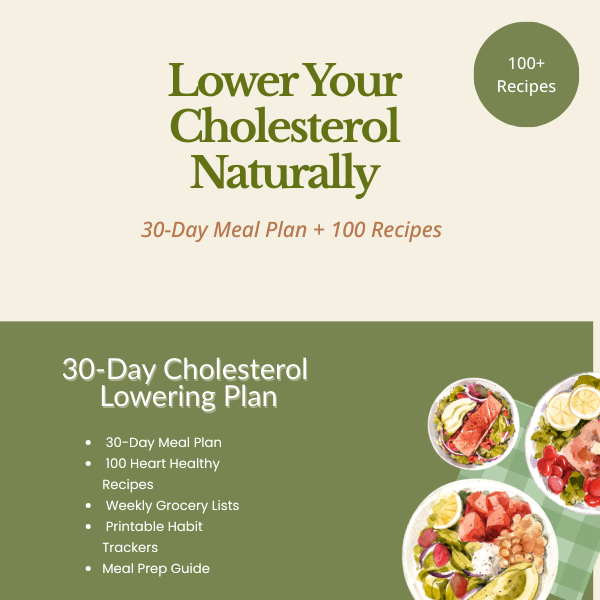
30-Day Cholesterol-Lowering Meal Plan
A simple step-by-step system to help you eat heart-healthy every day without stress.
Over 1,000 people downloaded this guide
$29$9
Get Instant Access