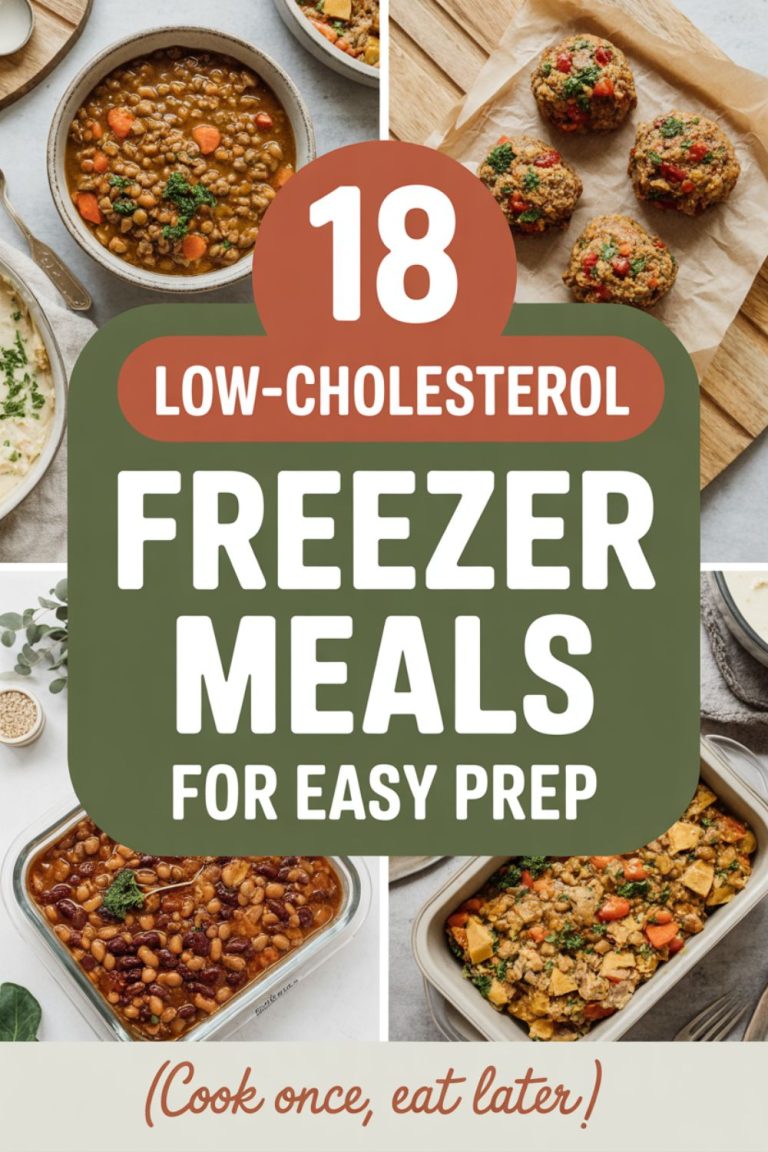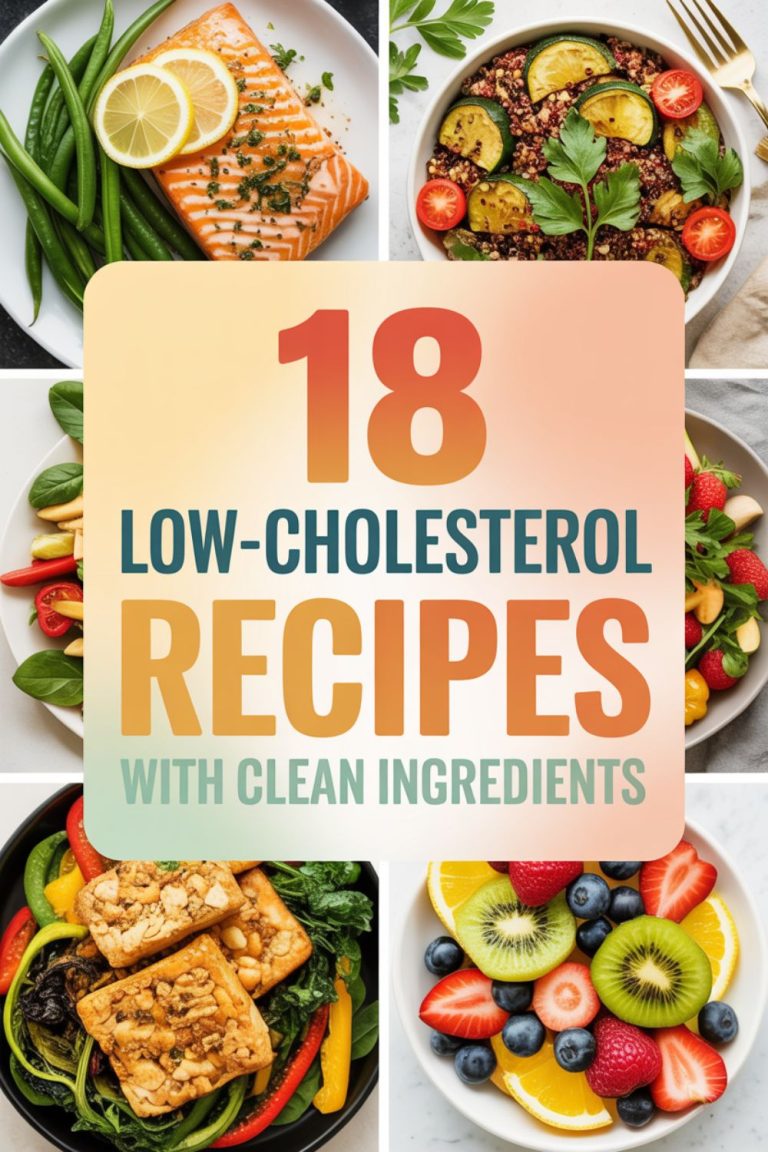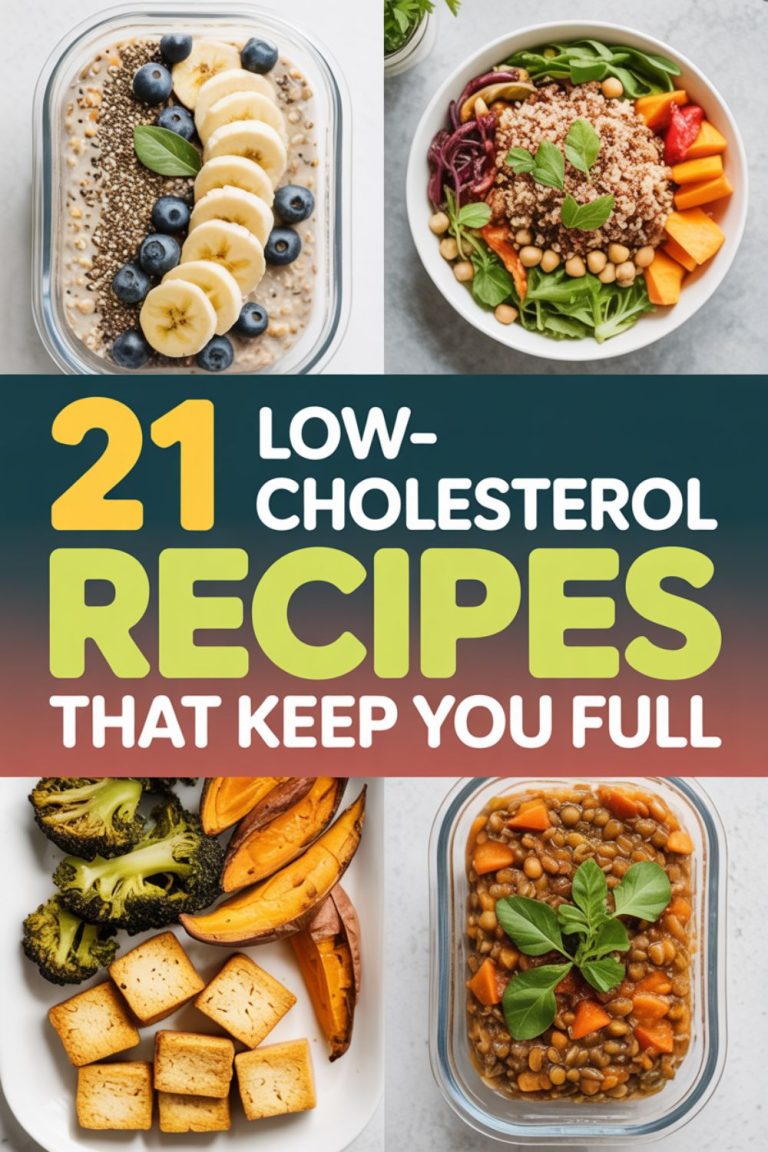

27 Heart-Healthy Recipes for Weight Loss That Actually Taste Good
Let’s be real for a second. Most “heart-healthy diet” content out there reads like a pamphlet you’d grab from a hospital waiting room — technically accurate, completely joyless. Nobody wants to eat flavorless steamed chicken seven days a week and call it a lifestyle. But here’s the thing: eating for your heart and actually losing weight does not have to feel like punishment.
I’ve spent a lot of time testing, tweaking, and eating my way through recipes that hit that sweet spot — genuinely good food that also happens to support cardiovascular health and nudge the scale in the right direction. These 27 heart-healthy recipes for weight loss are the result of that obsession. Some take ten minutes, some are worthy of a Sunday afternoon, and all of them are things you’ll actually want to eat again.
Whether you’re managing cholesterol, watching your blood pressure, or just trying to eat smarter without losing your mind in the kitchen, this list has something for every meal of the day. Let’s get into it.
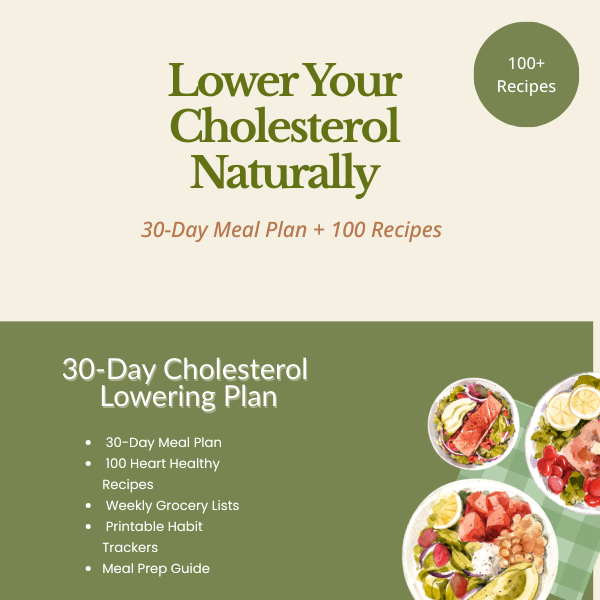
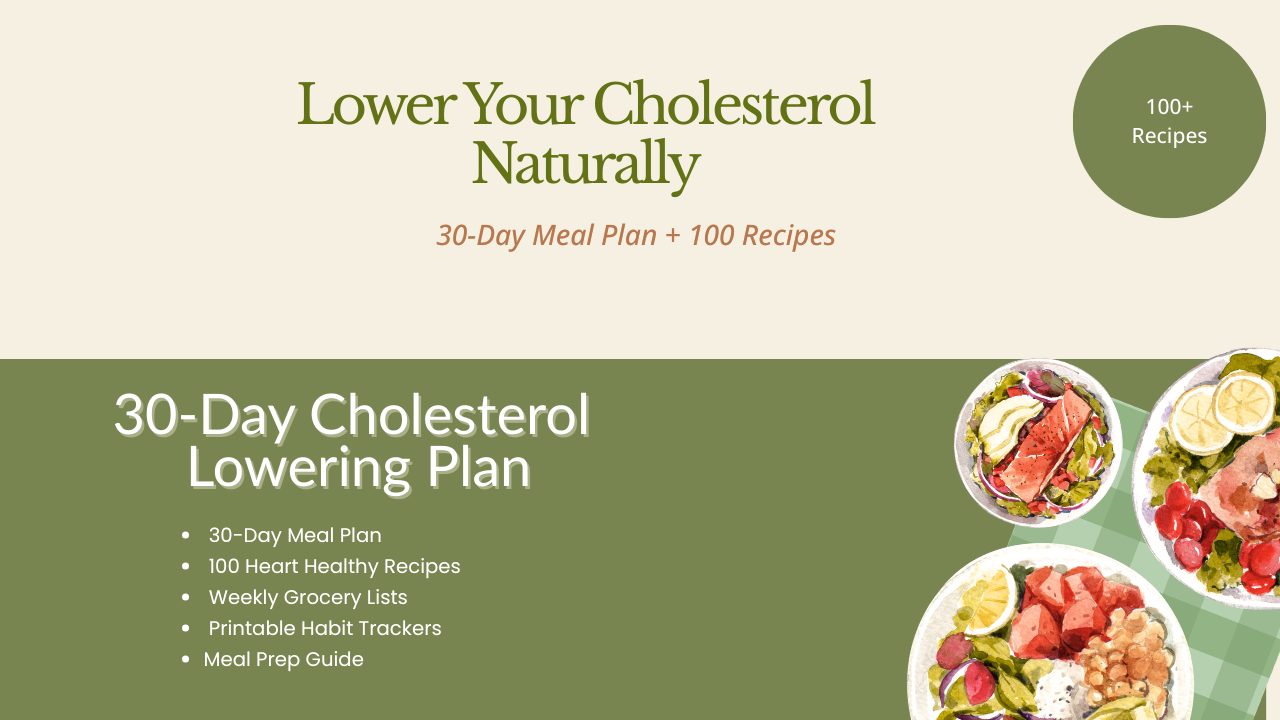
30-Day Cholesterol Reset System
A simple done-for-you plan to help you eat heart-healthy every day without confusion.
Over 1,000 people downloaded this guide
✔ 100 Easy Recipes
✔ Grocery Lists + Meal Prep Guide
🎁 FREE BONUSES:
✔ 7-Day Quick Start Plan
✔ Printable Grocery List
$29 $9
Get Instant AccessWhy Heart-Healthy Eating and Weight Loss Go Hand in Hand
Here’s something a lot of people don’t realize: the foods your heart loves most are also the foods that help your body shed excess weight. We’re talking fiber-rich whole grains, lean proteins, healthy fats like olive oil and avocado, and an abundance of vegetables. These aren’t diet foods in the miserable, rabbit-food sense. They’re satisfying, nutrient-dense ingredients that keep you full longer, stabilize blood sugar, and reduce the kind of inflammation that contributes to both weight gain and heart disease.
According to the Mayo Clinic’s heart-healthy diet guidelines, prioritizing foods low in saturated fat, sodium, and added sugar while increasing fiber and omega-3 intake can significantly reduce cardiovascular risk factors. Conveniently, those same principles align almost perfectly with what registered dietitians recommend for sustainable weight loss.
The overlap is not a coincidence. Chronic inflammation, poor gut health, and blood sugar instability are all threads that connect heart disease and obesity. Fix one, and you’re often fixing the other. So when you eat a meal built around salmon, lentils, leafy greens, and a drizzle of extra-virgin olive oil, you are simultaneously doing something great for your arteries and your waistline. That is a deal worth taking.
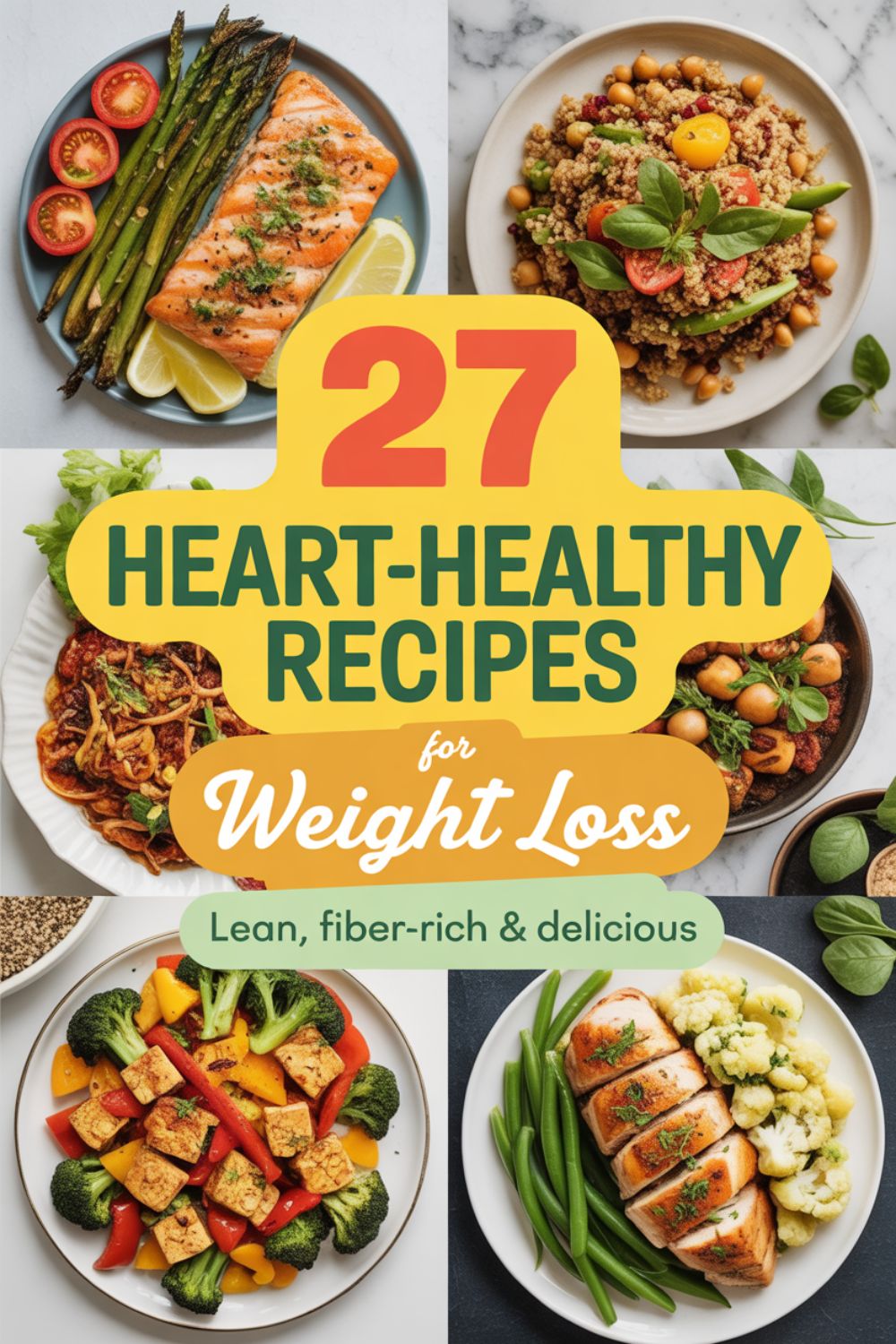
The 27 Heart-Healthy Recipes for Weight Loss
These recipes are organized by meal type so you can scan straight to what you need. Each one leans on whole foods, keeps sodium in check, and focuses on the kinds of fats that your cardiovascular system actually appreciates. IMO, the best part about this list is the variety — you’re not eating the same grilled chicken salad on loop.
Breakfast Recipes
- Overnight Oats with Chia Seeds and Berries Get Full Recipe High in soluble fiber (beta-glucan) which actively helps lower LDL cholesterol. Prep takes 5 minutes the night before.
- Avocado Toast on Whole Grain with Poached Egg Get Full Recipe Monounsaturated fats from avocado plus protein from the egg make this genuinely filling well into late morning.
- Greek Yogurt Parfait with Flaxseed and Walnuts Get Full Recipe Flaxseed delivers plant-based omega-3s; walnuts add crunch and heart-protective polyphenols.
- Spinach and Egg White Frittata Get Full Recipe Low in saturated fat, high in protein, and endlessly customizable with whatever vegetables need using up.
- Banana Oat Pancakes (No Flour) Get Full Recipe Two ingredients, zero refined sugar, and a surprisingly satisfying stack that tastes like a treat.
Speaking of strong mornings, if you want even more ideas to rotate through, check out these heart-healthy breakfasts for a stronger start — there’s a lot of variety there beyond the usual oatmeal. And if you’re tight on time, these quick spring breakfasts for heart health come together in under 15 minutes.
Lunch Recipes
- Mediterranean Quinoa Bowl with Chickpeas and Feta Get Full Recipe Plant-based protein, fiber, and healthy fats all in one bowl. The lemon-herb dressing pulls it together perfectly.
- Lentil and Roasted Vegetable Soup Get Full Recipe Lentils are one of the best foods for cholesterol management, and this soup proves they can taste incredible too.
- Tuna and White Bean Salad Get Full Recipe Ready in under 10 minutes. Tuna brings omega-3s; white beans bulk it up with fiber and plant protein.
- Turkey and Avocado Lettuce Wraps Get Full Recipe Light, crisp, and filling. Great for days when you want something substantial without the heaviness of bread.
- Roasted Sweet Potato and Black Bean Bowl Get Full Recipe Complex carbs, plant protein, and a creamy tahini drizzle. Meal preps beautifully for the week ahead.
I started rotating through the lunch recipes on this list back in January. By April, my cardiologist told me my LDL had dropped 22 points without any medication changes. I genuinely could not believe it was just the food.
— Marcus T., community memberDinner Recipes
- Baked Salmon with Lemon Dill and Asparagus Get Full Recipe The gold standard of heart-healthy dinners. Fatty fish two or more times per week is one of the most evidence-backed dietary moves for cardiovascular health.
- Turkey Stuffed Bell Peppers Get Full Recipe Lean ground turkey, brown rice, and tomatoes baked inside bell peppers. The whole family eats this without complaint.
- Garlic Shrimp and Zucchini Noodles Get Full Recipe Low-calorie, high-protein, and on the table in 20 minutes. Shrimp is leaner than you might think.
- One-Pan Baked Chicken Thighs with Roasted Veggies Get Full Recipe Skinless thighs keep it lean while staying juicy. One pan means minimal cleanup — a non-negotiable feature on weeknights.
- Black Bean and Vegetable Chili Get Full Recipe A fully plant-based chili that is outrageously satisfying. Loaded with fiber, potassium, and antioxidants from multiple vegetables.
- Seared Tuna Steak with Cucumber Mango Salsa Get Full Recipe Feels restaurant-level fancy. Ready in 15 minutes. Tuna is exceptional for heart health and weight management simultaneously.
- Lemon Herb Baked Cod with Steamed Broccoli Get Full Recipe Mild, flaky, and incredibly lean. A weeknight staple that never feels like diet food when seasoned properly.
Snack and Side Recipes
- Hummus with Sliced Vegetables and Whole Grain Crackers Get Full Recipe Chickpea-based hummus is a genuinely excellent snack for cholesterol control. This homemade version beats anything from a tub.
- Apple Slices with Almond Butter Get Full Recipe Simple but worth calling out. Almond butter edges out peanut butter here for its higher vitamin E content and slightly better fat profile.
- Roasted Edamame with Sea Salt Get Full Recipe Crunchy, protein-packed, and far more interesting than you’d expect. Great to have on hand for the 3 p.m. energy slump.
- Cucumber Rounds with Smoked Salmon and Cream Cheese Get Full Recipe Elegant enough for guests, easy enough for a Tuesday. Smoked salmon adds omega-3s even in snack-sized portions.
- Spiced Mixed Nuts (Baked, Not Fried) Get Full Recipe A batch of these lasts a week in an airtight container. Walnuts, almonds, and pecans are all exceptional for heart health in moderate portions.
Smoothies, Soups, and Light Desserts
- Green Detox Smoothie with Spinach, Banana, and Flaxseed Get Full Recipe FYI, this one tastes much better than it sounds. The banana masks the spinach completely and the flaxseed adds a subtle nuttiness.
- Tomato Basil Soup (Low-Sodium) Get Full Recipe Lycopene from tomatoes is linked to reduced cardiovascular risk. This version uses minimal sodium without sacrificing depth of flavor.
- Baked Pears with Cinnamon and Walnuts Get Full Recipe Tastes like dessert, counts as fruit. Cinnamon has mild blood sugar-stabilizing properties, and walnuts never hurt a heart.
- Dark Chocolate Bark with Dried Cherries and Pistachios Get Full Recipe Dark chocolate (70% cacao or higher) contains flavonoids that support healthy blood pressure. A small square satisfies even significant sweet cravings.
Key Ingredients That Do the Heavy Lifting
You’ll notice certain ingredients showing up across nearly every recipe on this list. That’s not laziness — it’s strategy. These are the nutritional workhorses of heart-healthy cooking, and once you understand what they’re doing, you’ll start reaching for them instinctively.
- Fatty fish (salmon, sardines, tuna, cod): Rich in omega-3 fatty acids EPA and DHA, which reduce triglycerides and lower the risk of arrhythmia.
- Legumes (lentils, chickpeas, black beans): Soluble fiber binds to cholesterol in the digestive tract and helps escort it out of the body. Also very filling for very few calories.
- Leafy greens (spinach, kale, arugula): High in nitrates which the body converts to nitric oxide — a compound that relaxes blood vessels and lowers blood pressure.
- Whole grains (oats, quinoa, brown rice, farro): Beta-glucan in oats is one of the most well-studied cholesterol-lowering dietary fibers available.
- Extra-virgin olive oil: The cornerstone of the Mediterranean diet, which the American Heart Association consistently ranks among the best evidence-based eating patterns for cardiovascular health.
- Nuts and seeds (walnuts, almonds, chia, flaxseed): Offer plant-based omega-3s, fiber, magnesium, and tocopherols — a combination that benefits both heart function and weight management.
- Berries (blueberries, strawberries, raspberries): Anthocyanins in berries have been shown to reduce oxidative stress and improve arterial flexibility.
One thing worth noting: the comparison between olive oil and other cooking fats matters here. Whereas butter and coconut oil are high in saturated fats that can raise LDL cholesterol, extra-virgin olive oil is predominantly oleic acid — a monounsaturated fat that has the opposite effect. Similarly, when a recipe calls for almond butter versus peanut butter, almond butter offers a slightly better fat profile and significantly more vitamin E, which acts as an antioxidant in the cardiovascular system. These small swaps accumulate into meaningful differences over time.
Swap your cooking oil first. If you do nothing else from this article, replace whatever oil you’re currently cooking with for extra-virgin olive oil. That single change, applied consistently, can produce measurable improvements in cholesterol levels within a few weeks.
Meal Prep Essentials Used in These Recipes
Look, the right tools genuinely make cooking these recipes faster, less frustrating, and honestly more enjoyable. Here’s what I keep going back to — equal parts physical kitchen gear and digital tools that make planning easier.
Worth every penny. I use mine for searing fish, toasting spices, and finishing frittatas in the oven. A good cast iron like this pre-seasoned Lodge skillet will outlast every other pan you own by decades.
Plastic containers absorb odors and stain with anything tomato-based. These glass meal prep containers with snap lids are airtight, microwave-safe, and stack neatly in any fridge. Game changer for batch cooking.
Non-negotiable for the smoothies on this list, but also for making silky soups and dressings. This compact personal blender handles everything without taking up half your counter space.
A printable heart-healthy meal planner that maps out breakfast, lunch, dinner, and snacks for the full week. Makes grocery shopping faster and removes the “what do I eat tonight” paralysis completely.
Tracking sodium, fiber, and saturated fat is eye-opening when you first start. A good macro-tracking app subscription pays for itself in awareness alone — most people dramatically underestimate their sodium intake.
A downloadable 30-day heart-healthy recipe guide with built-in shopping lists and nutritional breakdowns per recipe. Particularly useful if you’re cooking for someone managing specific cardiovascular concerns.
How to Build a Weekly Heart-Healthy Meal Plan
Having 27 recipes is great. Knowing how to actually use them in a week without burning out is better. The key is not trying to cook something new every single night — that’s a fast road to ordering pizza by Wednesday. Instead, think in cooking sessions rather than individual meals.
Pick two or three recipes per week to cook in larger batches. The lentil soup doubles as both a lunch and a light dinner. The roasted sweet potato bowl keeps well for three days in the fridge. The overnight oats are assembled in five minutes Sunday night and ready Monday through Thursday morning without any additional effort.
For the full meal prep breakdown with timing and storage tips, that resource maps out exactly how to structure a week of low-cholesterol cooking without spending your entire weekend in the kitchen.
A rough framework that works well:
- Sunday: Batch cook grains, prep raw vegetables, make one large soup or stew
- Monday/Tuesday: Lean on the prepped components for quick assembly meals
- Wednesday: Fresh protein — bake or pan-sear fish or chicken in 20 minutes
- Thursday: Use any leftover grains and vegetables in a bowl or wrap
- Friday: One-pan dinner that requires minimal cleanup
- Weekend: More time means more interesting cooking — try a new recipe from this list
Cooking Techniques That Protect the Nutrition in Your Food
Here’s something the recipe cards don’t always spell out: how you cook matters almost as much as what you cook. You can start with the healthiest ingredients on earth and still compromise their nutritional value with the wrong method. The good news is that heart-healthy cooking techniques are also, generally speaking, the techniques that produce the best-tasting food.
Roasting concentrates flavors without added fat and caramelizes vegetables in a way that makes even the most skeptical vegetable-avoider rethink their position. A heavy-gauge rimmed baking sheet is essential here — thin, flimsy sheets warp under high heat and cook unevenly.
Steaming and poaching preserve water-soluble nutrients like B vitamins and vitamin C that leach out into boiling water. For fish especially, poaching in a light herb broth adds flavor without adding fat. Sautéing in olive oil over medium rather than high heat protects the oil’s polyphenols, which degrade at very high temperatures. A silicone cooking spoon set is better for non-stick and ceramic surfaces than metal utensils if you’re cooking this way daily.
What you want to minimize: deep frying (obviously), cooking with partially hydrogenated oils, and adding large amounts of sodium through sauces or table salt. The American Heart Association’s dietary guidelines recommend keeping sodium under 2,300 mg per day for most adults, with an ideal target of 1,500 mg for those managing blood pressure. Most restaurant meals blow past that figure in a single dish — which is exactly why cooking at home with these recipes is such a meaningful lever for cardiovascular health.
Toast your spices before adding them. 30 seconds in a dry pan before adding olive oil activates the essential oils in cumin, coriander, and paprika and dramatically deepens the flavor of any recipe. It costs nothing and the difference is immediately noticeable.
I was intimidated by “heart-healthy cooking” because I thought it meant giving up flavor. These recipes changed that completely. The baked salmon alone has become a weekly staple in our household — my husband requests it specifically now.
— Diane K., reader from our communityWhat to Keep Stocked for Heart-Healthy Cooking Success
The biggest barrier to eating well consistently isn’t willpower — it’s not having the right ingredients on hand when hunger hits at 6:30 p.m. A well-stocked pantry makes the difference between cooking a smart meal and ordering something you’ll regret thirty minutes later.
Here’s what your pantry and fridge should always have if you want to execute most of the recipes on this list without a dedicated grocery run every single time:
- Canned or dried lentils, chickpeas, and black beans
- Whole grains: rolled oats, quinoa, brown rice, farro
- Extra-virgin olive oil (buy a quality cold-pressed bottle — the difference in flavor and polyphenol content is real)
- Canned tomatoes (no salt added), tomato paste
- Nut butters: almond and tahini
- Nuts and seeds: walnuts, almonds, chia seeds, flaxseed meal
- Frozen vegetables: spinach, edamame, broccoli, mixed vegetables
- Frozen fish fillets: salmon, cod, tuna steaks
- Fresh produce rotation: leafy greens, avocados, garlic, onions, sweet potatoes
- Dairy or plant-based alternatives: Greek yogurt, unsweetened oat milk
- Spices: cumin, turmeric, smoked paprika, cinnamon, dried herbs
- Dark chocolate (70%+ cacao) for when dessert is non-negotiable
If you want to expand this pantry guide into a broader understanding of which whole foods do the most for your heart, this deep-dive on the best heart-healthy foods to eat more often is worth bookmarking.
Frequently Asked Questions
What makes a recipe heart-healthy?
A heart-healthy recipe typically emphasizes whole, unprocessed ingredients that are low in saturated fat, trans fat, and sodium while being rich in fiber, lean protein, and beneficial fats like omega-3s and monounsaturated fats. Practically speaking, that means leaning on fish, legumes, whole grains, vegetables, and olive oil as your primary building blocks. It also means minimizing heavily processed foods, refined sugar, and anything with a long list of ingredients you can’t pronounce.
Can heart-healthy recipes actually help with weight loss?
Yes, and the reason is straightforward. The foods that support cardiovascular health — high-fiber legumes, lean proteins, complex carbohydrates, healthy fats — are also the foods that create sustained satiety, stabilize blood sugar, and reduce calorie-dense processed food cravings. People who shift toward a heart-healthy eating pattern almost always find that weight loss happens as a side effect rather than a battle, particularly when sodium reduction also reduces water retention.
How often should I eat fish for heart health?
The American Heart Association recommends eating fish — particularly fatty fish like salmon, mackerel, sardines, or tuna — at least twice per week. The omega-3 fatty acids EPA and DHA in fatty fish are among the most evidence-supported dietary interventions for cardiovascular health. If you dislike fish or follow a plant-based diet, algae-based omega-3 supplements and flaxseed oil are reasonable alternatives, though the conversion of plant-based ALA to EPA and DHA is less efficient in the body.
Are these recipes suitable for someone with high cholesterol?
Most of these recipes are specifically built around foods that support healthy cholesterol levels — oats, legumes, fatty fish, olive oil, nuts, and fiber-rich vegetables are all established dietary tools for managing LDL and triglycerides. That said, individual responses to dietary changes vary, and if you’re managing a diagnosed cardiovascular condition, it’s worth discussing any significant dietary shifts with your doctor or a registered dietitian who can account for your specific situation and any medications you’re taking.
How do I make heart-healthy cooking practical on busy weeknights?
The short answer: batch cooking and a well-stocked pantry. When you cook a large batch of grains, a pot of soup, or a tray of roasted vegetables on the weekend, weeknight dinners become assembly jobs rather than full cooking sessions. Many of the recipes on this list are specifically designed to come together in 20 minutes or less when you have those components ready. The lazy low-cholesterol meals for busy people list is also worth a look for the absolute minimum-effort end of the spectrum.
The Bottom Line
Eating for heart health and weight loss is not about deprivation. It’s about building a plate that works for your body without making you miserable in the process. These 27 recipes prove that you don’t have to choose between food that tastes good and food that’s genuinely good for you.
Start with two or three recipes from this list this week. Build from there. Stock your pantry with the staple ingredients. Set aside a couple of hours on the weekend to get ahead of the week. Most importantly, stop treating healthy eating like a temporary project and start treating it like a permanent upgrade.
Your heart — and frankly your tastebuds — will thank you for it. The food really is that good.
30-Day Cholesterol-Lowering Meal Plan
A simple step-by-step system to help you eat heart-healthy every day without stress.
Over 1,000 people downloaded this guide
$29$9
Get Instant Access