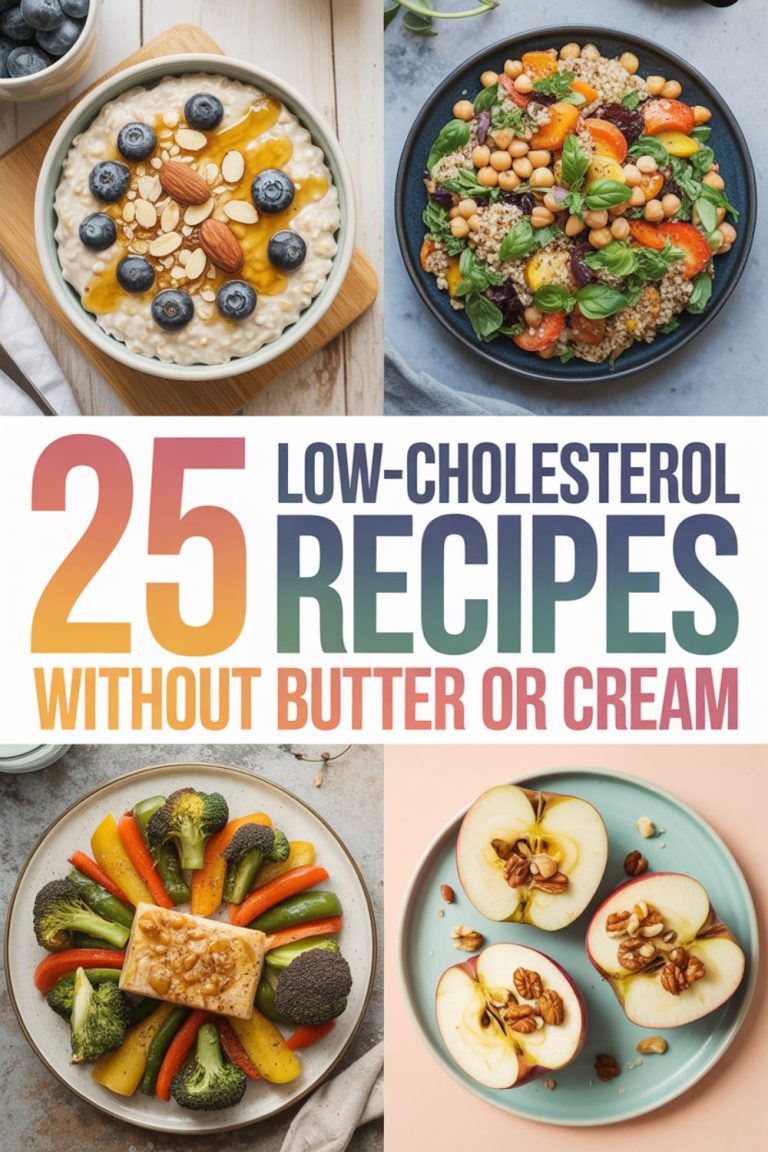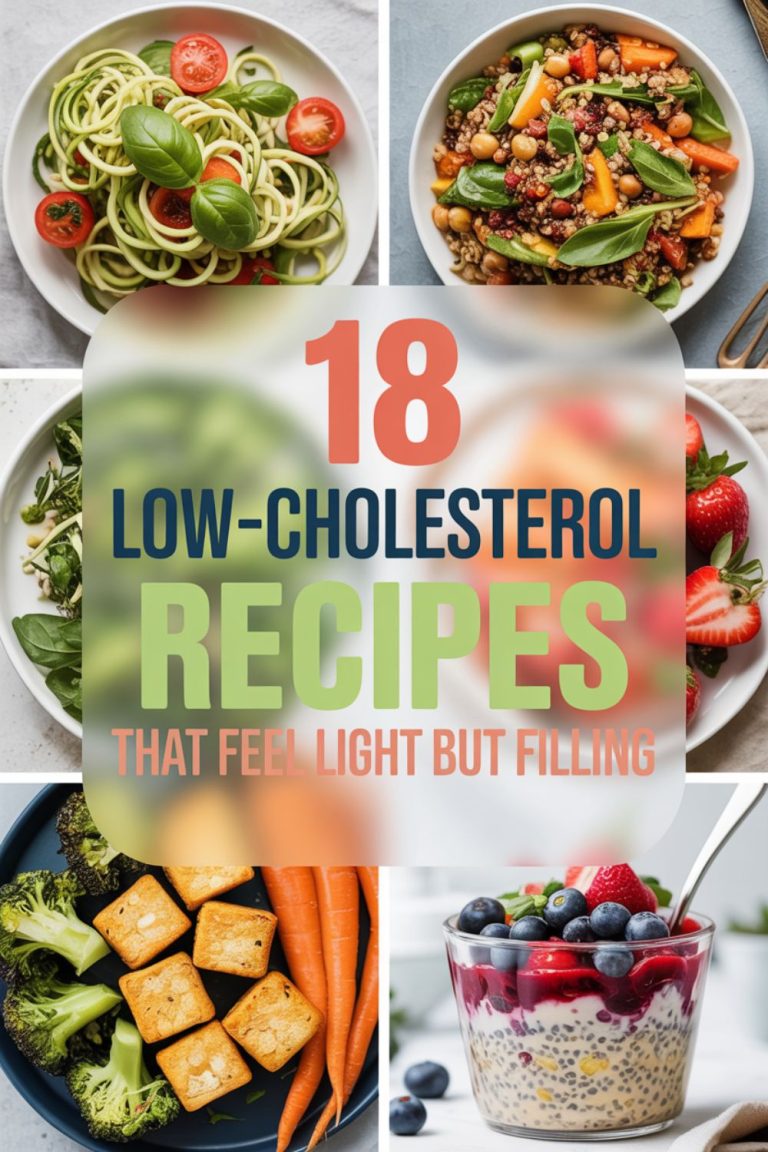
30 Low-Cholesterol Recipes That Taste Restaurant-Style
Let’s be real here—telling someone they need to eat low-cholesterol food is like announcing their favorite restaurant just closed. The automatic assumption? Bland chicken breast, steamed broccoli, and a lifetime of culinary sadness. But what if I told you that managing cholesterol doesn’t mean you’re sentenced to eating cardboard disguised as dinner?
I’ve spent the last few years figuring out how to make food that actually tastes like something worth eating while keeping my cholesterol in check. These recipes aren’t just “healthy”—they’re legitimately delicious. The kind of food you’d order at a restaurant without thinking twice. No sacrifices, no settling, just genuinely good eating that happens to be good for your heart.
Here’s what you need to know: reducing saturated fats and increasing plant-based foods can dramatically improve your cholesterol numbers. But you already knew that. What you probably didn’t know is how to make that shift without feeling like you’re punishing yourself.

Why Restaurant-Style Matters When You’re Watching Cholesterol
Most “heart-healthy” recipes read like punishment. Five ingredients, minimal flavor, maximum disappointment. I get it—simplicity has its place. But when you’re trying to stick with a low-cholesterol eating plan long-term, you need food that makes you excited to eat, not food that reminds you of everything you’re supposedly giving up.
Restaurant-style cooking is all about layering flavors, using technique to build complexity, and making food look as good as it tastes. There’s absolutely no reason you can’t do all of that while keeping saturated fat low and cholesterol in check. You just need to know which ingredients to lean on and which ones to leave behind.
The secret? Healthy fats from plants, aggressive seasoning, and cooking methods that actually develop flavor. Once you nail those three things, you’re not making “diet food.” You’re just making good food that happens to be heart-healthy. The American Heart Association emphasizes that cooking with the right techniques and ingredients can make all the difference.
The Foundation: Building Blocks of Low-Cholesterol Cooking
Fats That Actually Taste Good
Let’s talk about fat for a second. Your body needs it. Your taste buds want it. And honestly, food without fat is just sad. The difference between foods that raise your cholesterol and foods that don’t has everything to do with the type of fat you’re using.
Extra virgin olive oil is your best friend here. I keep a bottle near my stove at all times—one that I use for everyday cooking like this reliable organic option. It’s got that fruity, peppery thing going on that makes even the simplest vegetables taste expensive. Avocado oil works great for high-heat cooking when you need something neutral.
Then there’s nuts and seeds. Walnuts, almonds, chia seeds, flax—these aren’t just crunchy toppings. They’re bringing omega-3s, fiber, and a richness that makes dishes feel indulgent. I keep them in these glass storage jars with tight lids because nothing’s worse than rancid nuts ruining your carefully planned meal.
Proteins Without the Guilt
Here’s where people get tripped up. They think low-cholesterol means endless chicken breast and nothing else. Wrong. You’ve got options, and they’re all delicious if you know how to treat them right.
Fish is obviously the star player. Salmon, mackerel, sardines—anything with omega-3s is your friend. But don’t sleep on white fish like cod or halibut. They’re lean, mild, and they take on whatever flavors you throw at them. I usually cook them in my cast iron skillet that I’ve had for years with a little olive oil and whatever herbs I’m feeling that day.
Plant proteins are criminally underrated. Lentils, chickpeas, black beans—they’re hearty, they’re filling, and they don’t need much to taste good. A little cumin, some garlic, maybe a squeeze of lime, and you’re done. Speaking of which, if you’re looking for more ideas, check out these low-cholesterol vegetarian meals that’ll change how you think about plant-based eating.
Chicken and turkey work if you stick with the lean cuts. Skip the skin, keep the seasoning aggressive, and you’re golden. The key is not overcooking them—dry poultry is nobody’s friend.
Breakfast Dishes That Don’t Feel Like a Compromise
Starting the Day Right
Breakfast was the hardest meal for me to crack. Traditional breakfast is basically a celebration of saturated fat—butter, bacon, cheese, full-fat dairy. But once I stopped trying to recreate those exact flavors and started thinking about what actually makes breakfast satisfying, everything changed.
Overnight oats became my go-to. Not because they’re trendy, but because you can make them taste like dessert while loading them with fiber and healthy fats. Rolled oats, almond milk, chia seeds, a little maple syrup, and whatever fruit is in season. Mix it the night before, wake up to something that actually tastes good. Get Full Recipe.
Smoothie bowls are another winner. Frozen berries, a banana, some spinach that you won’t even taste, almond butter, and a good quality plant-based protein powder. Blend it thick, top it with granola and fresh fruit, and suddenly you’re eating something that looks Instagram-worthy and keeps you full until lunch.
Avocado toast gets a bad rap, but hear me out. Good bread, mashed avocado with lime and chili flakes, maybe some cherry tomatoes or a soft-poached egg if you’re feeling fancy. It’s simple, it’s satisfying, and it’s got the kind of fats that actually help your cholesterol numbers.
“I thought going low-cholesterol meant giving up everything I loved about breakfast. Then I tried the overnight oats with berries and almonds. Three months later, my LDL dropped 30 points and I’m actually excited to eat breakfast again.” — Jessica from our community
For more morning inspiration, these low-cholesterol breakfast ideas cover everything from quick weekday options to leisurely weekend meals. And if you want something filling that won’t spike your numbers, these breakfasts under 300 calories prove you don’t need to load up on calories to feel satisfied.
Lunch: The Midday Reset
Salads That Don’t Suck
Let me say this clearly: salads can be incredible or they can be punishment, and the difference is about six ingredients. A pile of lettuce with some sad vegetables is not lunch. It’s what you eat when you’ve given up on joy.
Start with greens that have actual flavor—arugula, spinach, mixed baby greens. Add something with texture and substance—roasted chickpeas, quinoa, or grilled chicken. Throw in something sweet—dried cranberries, apple slices, or roasted butternut squash. Include something rich—avocado, nuts, or a really good olive oil dressing.
The dressing is where most people blow it. Store-bought stuff is usually loaded with sugar and weird oils. Make your own with olive oil, lemon juice, Dijon mustard, and whatever herbs you have lying around. I mix mine in one of those mini mason jars with the wire bail—shake it up and you’re done. Three minutes, tops.
Try these restaurant-quality salads that prove this meal category doesn’t have to be boring. Or if you’re really pressed for time, check out these quick lunches under 10 minutes that don’t sacrifice flavor for speed.
Soups and Grain Bowls
Soup is criminally underrated for lunch. Not the canned stuff—I’m talking about real soup with depth and character. Lentil soup with carrots, celery, and a ton of garlic. Tomato soup with white beans and kale. Coconut curry soup with chickpeas and sweet potato.
The key is building layers of flavor. Start by sautéing your aromatics—onions, garlic, ginger, whatever. Let them actually caramelize a bit. Then add your spices and let them toast until fragrant. Only then do you add your liquid. This isn’t complicated; it’s just technique.
Grain bowls are basically deconstructed salads with warm components. Brown rice or quinoa as a base, roasted vegetables, some kind of protein, and a flavorful sauce. I prep components on Sunday—roast a bunch of vegetables, cook a batch of quinoa, make a tahini dressing—and then assemble bowls all week. Efficient and actually enjoyable.
If you’re into meal prep, these weekly meal prep ideas will save you time and keep your numbers in check. And for those cozy, warming meals, explore these soups and stews that work year-round.
Dinner: Where Restaurant Vibes Really Shine
Sheet Pan Magic
Sheet pan dinners are the closest thing to magic I’ve found in the kitchen. Everything goes on one pan, roasts together, and comes out looking like you actually tried. Brussels sprouts, sweet potatoes, and salmon with lemon and dill. Chicken thighs with peppers and onions. Cauliflower, chickpeas, and whatever spices smell good.
The trick is cutting everything to similar sizes so it all cooks evenly. And don’t crowd the pan—if things are too close together, they’ll steam instead of roast, and you’ll end up with mush instead of that crispy, caramelized goodness you’re after.
I line my pans with these reusable silicone baking mats because I’m lazy about cleanup and these things are indestructible. Nothing sticks, nothing burns onto the pan, and I can actually enjoy my meal instead of dreading the dishes.
One-Pan Wonders
Similar concept, different execution. One-pan meals usually involve a skillet or a large pot, and they’re perfect for those nights when you want something warm and comforting without a sink full of dishes.
Stir-fries are the obvious choice. High heat, quick cooking, tons of vegetables with a protein and some kind of sauce. The sauce is crucial—soy sauce, rice vinegar, a little honey or maple syrup, garlic, ginger, maybe some chili paste if you’re feeling spicy. Mix it in a bowl before you start cooking so you can just pour it in at the end.
Pasta dishes work too, as long as you’re strategic. Whole grain pasta, lots of vegetables, maybe some white beans or shrimp for protein, and a sauce based on olive oil instead of cream. Lemon, garlic, white wine, fresh herbs. It’s not complicated, but it tastes like something from a trattoria.
For easy cleanup and maximum flavor, try these one-pan dinners. If you’re working with specific protein preferences, these chicken recipes are loaded with flavor without the saturated fat.
The Power of Marinades and Rubs
This is where you make up for the richness you’re not getting from butter and cream. Marinades and dry rubs add so much flavor that you won’t miss the fat at all.
For marinades, you need acid (citrus juice, vinegar), fat (olive oil), and aromatics (garlic, herbs, spices). Let your protein sit in this mixture for at least 30 minutes, preferably a few hours. The acid tenderizes, the oil helps with moisture, and the aromatics infuse everything with flavor.
Dry rubs are even easier. Mix spices together, coat your protein, let it sit for a bit, then cook. Smoked paprika, cumin, garlic powder, a little brown sugar, salt, and pepper. Done. Rub it on chicken, fish, or even vegetables before roasting.
Snacks That Keep You Satisfied
Snacking is where most people’s cholesterol management falls apart. You get hungry between meals, reach for whatever’s convenient, and suddenly you’re eating half a bag of chips or a handful of cookies without thinking.
The solution isn’t willpower—it’s having better options actually available. Hummus with vegetables. Apple slices with almond butter. A handful of almonds and dried fruit. Greek yogurt with berries and a drizzle of honey.
I keep my snacks in these small glass containers so I can grab them without thinking. Portion them out once a week and you’ve eliminated the decision fatigue that leads to bad choices.
For a complete guide, check out these snacks that support heart health. They’re satisfying enough to tide you over but won’t wreck your progress.
“I started meal prepping my snacks in small containers every Sunday. Lost 12 pounds in two months without even trying, and my doctor was shocked at how much my cholesterol improved.” — Marcus from Philadelphia
Desserts Without the Compromise
Yes, you can have dessert. No, it doesn’t have to be a rice cake with a smear of banana. The key is rethinking what makes dessert satisfying.
Fruit-based desserts are your friend. Baked apples with cinnamon and a little brown sugar. Poached pears with vanilla and a drizzle of dark chocolate. Grilled peaches with a dollop of coconut whipped cream.
Dark chocolate is fair game—the real stuff, with at least 70% cacao. A couple squares after dinner hits that sweet spot between satisfaction and moderation. I keep mine in the freezer in these airtight containers so it lasts longer and I don’t mindlessly eat the entire bar.
Frozen banana “nice cream” sounds gimmicky until you try it. Frozen bananas blended smooth with a little cocoa powder and almond butter. It’s creamy, it’s sweet, and it genuinely tastes like ice cream without any of the dairy or added sugar.
For more sweet options that won’t derail your efforts, these guilt-free desserts prove that managing cholesterol doesn’t mean giving up everything you love.
The Techniques That Make Everything Better
Roasting Over Everything
Roasting vegetables at high heat caramelizes their natural sugars and creates depth you can’t get any other way. Brussels sprouts go from bitter to sweet. Cauliflower develops crispy edges and nutty flavor. Even tomatoes become concentrated bombs of umami.
Set your oven to 425°F, toss your vegetables with olive oil and salt, spread them on a sheet pan, and leave them alone. The key is not moving them around too much—let them actually develop that golden brown color before you flip them.
Building Flavor in Layers
This is what separates restaurant food from home cooking. Professional kitchens don’t just throw everything in a pan at once. They build flavor in stages.
Start with aromatics—onions, garlic, ginger. Let them cook until they smell amazing. Add your spices and let them toast. Then add your main ingredients. Deglaze the pan with wine or broth to pick up all those browned bits. Add your sauce or liquid. Each step adds another layer of flavor.
It sounds complicated, but it’s literally just cooking things in order instead of all at once. Five extra minutes that make a massive difference in the final dish.
Fresh Herbs Are Non-Negotiable
Dried herbs have their place, but fresh herbs are what make food taste alive. Basil, cilantro, parsley, mint—they brighten everything and add complexity you can’t fake with dried versions.
I grow mine on my windowsill in these small planters with drainage trays. Snip what you need, rinse it, chop it, and throw it on whatever you’re eating. Game changer.
Kitchen Tools That Actually Matter
You don’t need a kitchen full of gadgets, but a few good tools make low-cholesterol cooking significantly easier.
A quality chef’s knife is essential. You’ll use it for everything, so get one that feels good in your hand and keep it sharp. I use this affordable knife sharpener every few weeks because a dull knife is dangerous and frustrating.
A food processor isn’t mandatory, but it makes things like hummus, pestos, and vegetable prep about ten times faster. I use mine constantly for chopping onions alone—no tears, no drama, just perfectly minced onions in seconds.
Good storage containers matter more than you’d think. Glass is better than plastic—it doesn’t stain, doesn’t hold onto smells, and you can see what’s inside without opening every container in your fridge.
A digital kitchen scale helps with portion control without being obsessive about it. Weigh your nuts, measure your olive oil, keep yourself honest without turning every meal into a math problem.
Making It Work in Real Life
The Weekly Prep Session
Sunday afternoons are when I set myself up for success. Two hours of work means I’m not scrambling every night trying to figure out what to eat.
I cook a batch of quinoa or brown rice. Roast a few sheet pans of vegetables. Make a big batch of soup or chili. Prep salad ingredients and store them separately so they don’t get soggy. Mix up salad dressings and sauces.
It’s not about cooking every meal in advance—that’s depressing and everything tastes reheated. It’s about having components ready so you can throw together a good meal in ten minutes instead of thirty.
Restaurant Strategies That Work at Home
Restaurants plate food intentionally. They think about color, height, and composition. You should too, even if it’s just you eating on your couch.
Put greens on the bottom, add your protein and vegetables, drizzle sauce artfully instead of drowning everything, add a garnish. It takes 30 seconds and makes the meal feel special instead of utilitarian.
Restaurants also serve meals in courses. Try it at home—start with a small salad, then your main dish, maybe finish with fruit and dark chocolate. It makes the meal feel more substantial without actually eating more food.
Common Pitfalls and How to Avoid Them
The Bland Food Trap
Low-cholesterol doesn’t mean low-flavor. If your food tastes like nothing, you’re doing it wrong. Salt, acid, heat, aromatics—use them liberally. The problem with most health food is under-seasoning, not the ingredients themselves.
The All-or-Nothing Mentality
You don’t have to be perfect. You don’t even have to be good all the time. Managing cholesterol is about patterns, not individual meals. Had pizza with friends? Fine. Just make sure your next several meals are back on track.
The Deprivation Spiral
When you feel like you’re constantly denying yourself, you’re going to snap eventually. Build in flexibility. Have the occasional burger. Enjoy birthday cake. Just make sure it’s occasional, not habitual.
If you need some wiggle room in your routine, these lazy meals for busy people prove you don’t have to be perfect to make progress. And when you want comfort food without the guilt, check out these comfort foods made healthy.
Understanding the Science Without Overthinking It
You don’t need a PhD in nutrition to eat well, but understanding a few basics helps make better choices without constantly googling everything.
Cholesterol in food isn’t the same as cholesterol in your blood. Eating eggs won’t automatically raise your numbers—it’s more complicated than that. What matters more is saturated fat intake and the overall pattern of what you’re eating.
Fiber is your friend because it actually helps remove cholesterol from your body. Soluble fiber especially—found in oats, beans, apples, and barley. This is why those foods show up constantly in heart-healthy recipes.
Omega-3 fatty acids from fish, walnuts, and flaxseed have anti-inflammatory properties that benefit your entire cardiovascular system, not just your cholesterol numbers. They’re worth prioritizing even beyond the cholesterol conversation.
For a deeper understanding of what actually works, check out these foods that naturally lower cholesterol. It’s not about restriction—it’s about strategic inclusion.
Batch Cooking Without Boredom
The biggest complaint about meal prep is eating the same thing five days in a row. Fair enough—I don’t want that either. The solution is cooking components, not complete meals.
Make three different proteins using three different flavor profiles. Roast vegetables in different ways. Cook two different grains. Then mix and match throughout the week. Monday’s lunch looks nothing like Wednesday’s dinner, even though you used some of the same base ingredients.
Sauces and dressings are how you keep things interesting. Make four different ones at the beginning of the week—tahini lemon, chimichurri, peanut sauce, balsamic vinaigrette. Same roasted vegetables taste completely different depending on what you drizzle over them.
These freezer meals make it even easier—cook once, eat multiple times without the repetition problem.
Special Occasions and Social Situations
Managing cholesterol gets tricky when you’re not in control of the menu. Holidays, restaurants, dinner parties—these situations require strategy, not stress.
At restaurants, scan the menu for anything that’s grilled, roasted, or steamed. Ask for dressings and sauces on the side. Order extra vegetables instead of fries. You can usually find something reasonable on any menu if you’re willing to modify slightly.
At dinner parties, offer to bring a dish so you know there’s at least one thing you can eat. Fill your plate with vegetables and lean proteins, take small portions of the richer stuff, and call it good.
During holidays, pick your battles. Have the foods that actually matter to you, skip the ones you could take or leave. Aunt Martha’s pie is worth it. The mediocre dinner rolls from the grocery store? Probably not.
When You Need Something Fast
The reality is that you’re not always going to have time for elaborate cooking. That’s fine. Quick meals don’t have to be unhealthy meals.
Keep frozen vegetables, canned beans, and quick-cooking grains on hand. You can throw together a decent meal in less time than it takes to order delivery. Frozen shrimp cooks in minutes. Pre-marinated tofu is ready to go. Rotisserie chicken from the grocery store works in a pinch.
Smoothies are legitimately fast food when you need something portable. Protein powder, frozen fruit, greens, nut butter, liquid of choice. Blend and go. If you’ve got one of those single-serve blenders with the portable cups, you can make it and take it in under three minutes.
Avocado toast, omelets with vegetables, grain bowls with pre-cooked components—all of these take less than ten minutes if your kitchen is stocked right. The key is having the right ingredients already available.
Budget-Friendly Approaches
Eating heart-healthy doesn’t require expensive ingredients or specialty stores. Beans and lentils are dirt cheap and incredibly nutritious. Frozen vegetables are just as good as fresh and often cheaper. Seasonal produce costs less and tastes better.
Buy proteins in bulk when they’re on sale and freeze them in portions. Same with nuts and whole grains—buy the big bags and store them properly. Shop the perimeter of the grocery store first, where the real food lives.
Skip the overpriced “health food” marketing. You don’t need ancient grains or superfoods or anything labeled “clean.” Plain oats, regular brown rice, standard frozen vegetables—these work just fine and cost a fraction of the trendy alternatives.
Making your own sauces, dressings, and snacks saves money and tastes better than pre-packaged versions. It’s also easier than you think—most recipes are just mixing things together, not actual cooking.
Adjusting Recipes You Already Love
You probably have favorite recipes you’re worried about giving up. Most of them can be modified without losing what makes them good.
Replace butter with olive oil in most savory dishes. Use Greek yogurt instead of sour cream. Swap heavy cream for coconut milk or cashew cream. Choose leaner cuts of meat or replace half the meat with beans or mushrooms.
The point isn’t to make things that taste exactly like the original—that’s usually impossible. The point is to make something different that’s still delicious in its own right.
Sometimes you’ll nail it on the first try. Sometimes you’ll need to experiment. That’s fine. The process of figuring out what works is part of cooking, not a sign you’re doing something wrong.
Frequently Asked Questions
Can I eat eggs if I’m watching my cholesterol?
Yes, for most people. The dietary cholesterol in eggs has less impact on blood cholesterol than previously thought. The bigger issue is the saturated fat in your overall diet. Current guidelines from the American Heart Association suggest keeping dietary cholesterol as low as possible without compromising nutritional adequacy, but moderate egg consumption fits into a heart-healthy diet for most people.
Do I need to go completely fat-free to lower my cholesterol?
Absolutely not. Your body needs fat, and eliminating it entirely can actually worsen your cholesterol profile. The key is choosing the right fats—unsaturated fats from plants instead of saturated fats from animal products. Olive oil, avocados, nuts, and seeds should be staples in a low-cholesterol diet, not things you avoid.
How long does it take to see changes in cholesterol levels with diet?
Most people start seeing improvements within 4-6 weeks of consistent dietary changes. Some studies show significant reductions in as little as 30 days when people make comprehensive changes to their eating patterns. However, results vary based on your starting numbers, genetics, and how strictly you follow the plan.
Are low-cholesterol recipes automatically low-calorie?
Not necessarily. Many low-cholesterol foods like nuts, olive oil, and avocados are calorie-dense despite being heart-healthy. If weight loss is also a goal, you’ll need to watch portion sizes alongside choosing the right types of fats. But don’t conflate the two—managing cholesterol is about food quality, while weight management is primarily about quantity.
Can I still eat out at restaurants while managing my cholesterol?
Yes, with smart choices. Look for grilled, baked, or steamed options instead of fried foods. Request sauces on the side. Load up on vegetables. Most restaurants will accommodate modifications if you ask. The occasional indulgence won’t derail your progress—it’s your regular eating patterns that matter most.
The Bottom Line
Managing your cholesterol through food isn’t about deprivation or eating things that taste like cardboard. It’s about learning which ingredients work for you and which techniques bring out their best flavors. Restaurant-style cooking at home is completely possible—it just requires shifting your approach slightly.
The recipes and strategies here aren’t revolutionary. They’re practical, tested, and realistic for people who don’t have unlimited time or energy. They’re built around the idea that food should taste good first and be healthy second, because if it doesn’t taste good, you’re not going to stick with it long enough for the health benefits to matter.
Start with a few changes. Pick three recipes that sound appealing and make them this week. See what works, what doesn’t, and adjust from there. This isn’t about perfection—it’s about finding a sustainable way to eat that supports your health without making you miserable.
Your cholesterol numbers matter, but so does enjoying your food. The good news is you don’t have to choose between them.