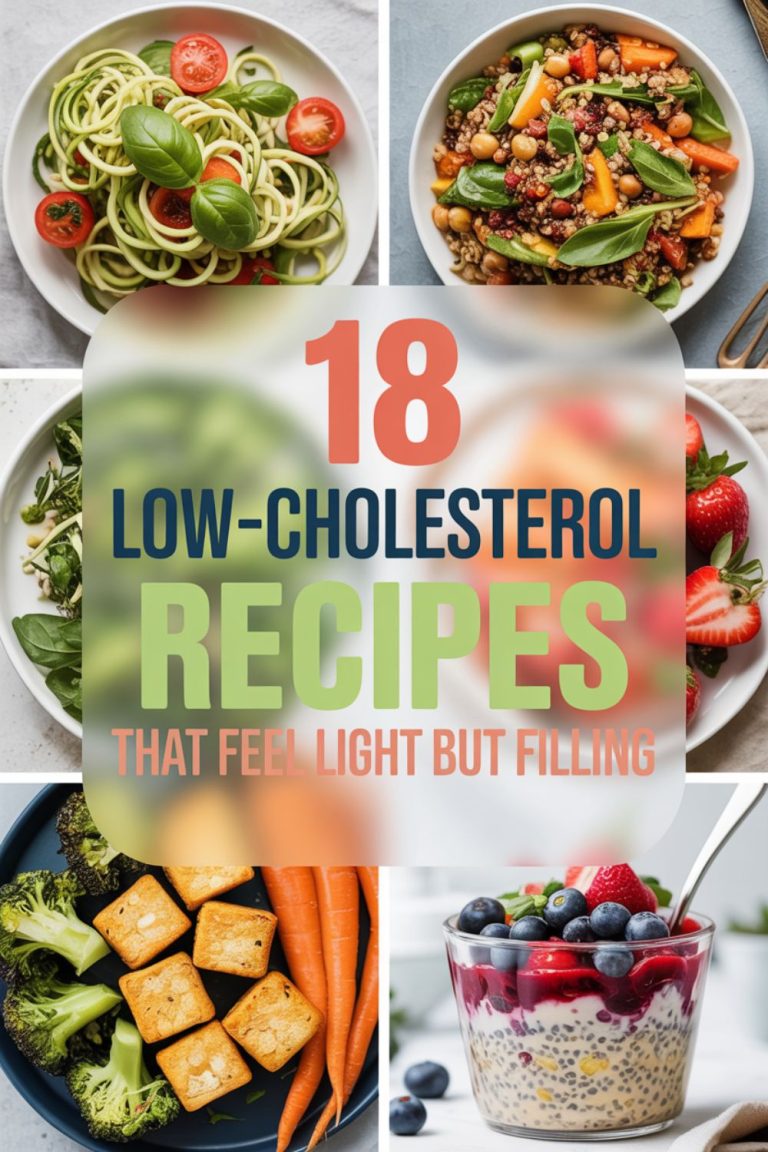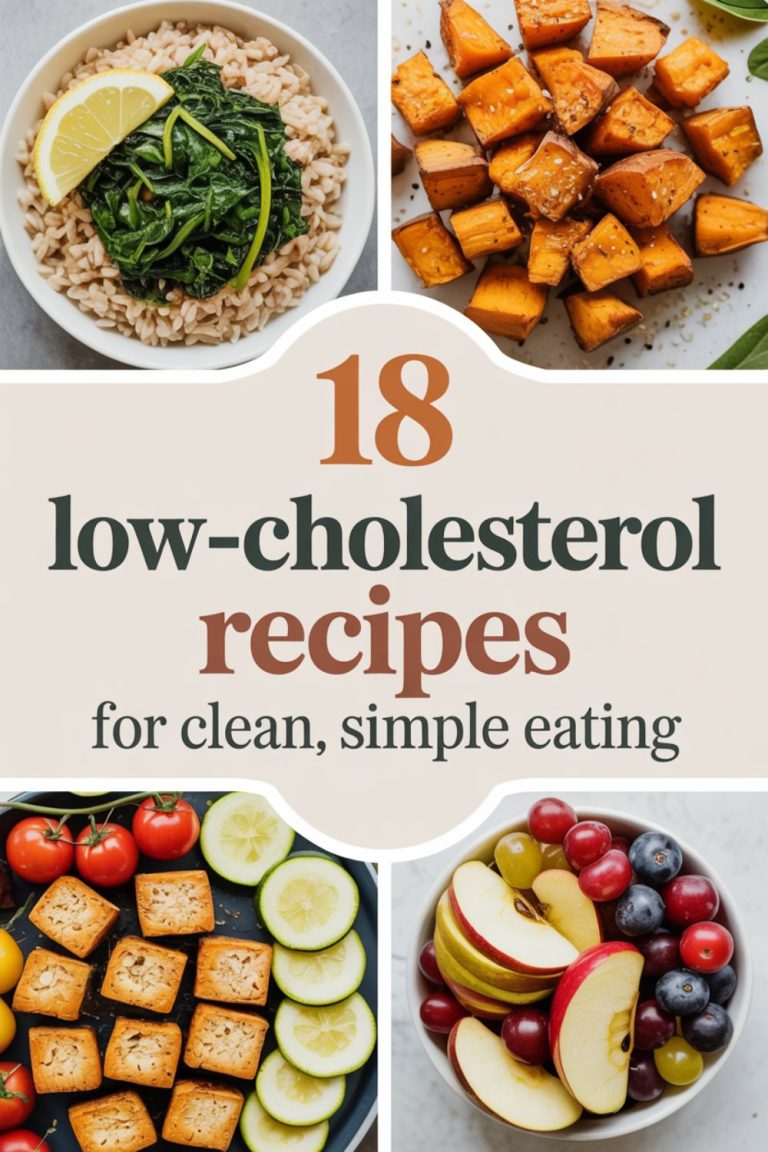

18 Low-Cholesterol Recipes You Can Make in 30 Minutes
Look, I get it. You’re staring at your cholesterol numbers wondering if you’ll ever enjoy food again. Spoiler alert: you absolutely will. And no, you don’t need to spend hours in the kitchen or eat nothing but sad salads for the rest of your life.
When my doctor handed me that little slip of paper with my LDL levels circled in red, I went through the five stages of grief. But somewhere between denial and acceptance, I discovered something wild: cooking heart-healthy meals doesn’t have to be complicated, time-consuming, or taste like cardboard.
The reality is that managing cholesterol through diet is less about restriction and more about smart swaps. Research shows that replacing saturated fats with unsaturated fats can significantly lower blood cholesterol levels. And the best part? You can throw together satisfying, flavor-packed meals in the time it takes to order takeout.
These 18 recipes are my go-to lifesavers. They’re quick, they’re delicious, and they won’t send your cholesterol through the roof. Let’s get into it.
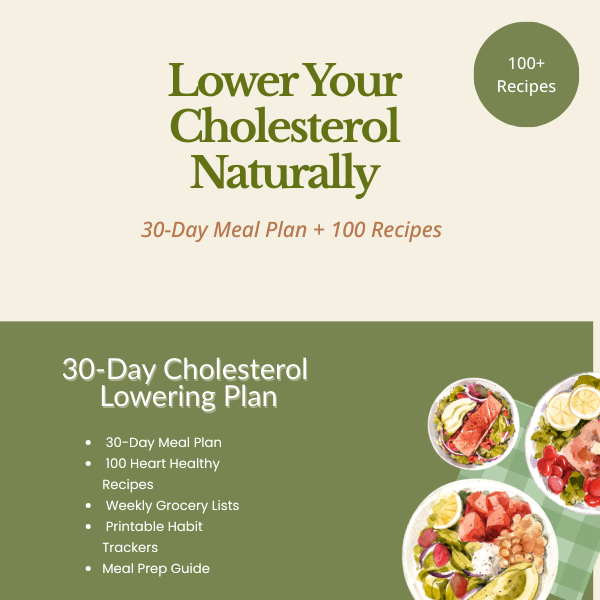
30-Day Cholesterol Reset System
A simple done-for-you plan to help you eat heart-healthy every day without confusion.
Over 1,000 people downloaded this guide
✔ 100 Easy Recipes
✔ Grocery Lists + Meal Prep Guide
🎁 FREE BONUSES:
✔ 7-Day Quick Start Plan
✔ Printable Grocery List
$29 $9
Get Instant Access
Why 30 Minutes Actually Matters
Here’s the thing about cooking when you’re trying to manage cholesterol: consistency beats perfection every single time. You can have the world’s most heart-healthy recipe, but if it takes two hours to make, you’ll order pizza instead. Been there, done that, regretted it.
The 30-minute mark is sort of magical. It’s fast enough that you won’t bail on cooking after a long day, but long enough to actually make something good. Plus, most of these recipes use one pan or pot, which means less cleanup and more time for literally anything else.
According to the American Heart Association, cooking at home gives you complete control over ingredients, portions, and cooking methods. You can ditch the excess saturated fat and sodium that restaurants sneak into everything.
Quick Breakfast Winners That Won’t Spike Your Cholesterol
1. Avocado Toast with Tomatoes and White Beans
I know, I know—avocado toast feels like peak millennial cliché. But hear me out. This version packs in white beans for extra protein and fiber, both of which help manage cholesterol levels. Mash half an avocado on whole grain toast, top with halved cherry tomatoes and warmed white beans, then hit it with a squeeze of lemon and red pepper flakes.
The monounsaturated fats in avocado are actually your friends here. They help lower LDL cholesterol while maintaining your HDL (the good stuff). I use this toast rack to get my bread perfectly crispy without burning it—game changer for someone who burns everything.
2. Berry Oatmeal with Walnuts
Steel-cut oats take forever, but old-fashioned rolled oats? Five minutes, tops. Cook them with unsweetened almond milk, stir in fresh or frozen berries, and top with chopped walnuts. The soluble fiber in oats literally binds to cholesterol in your digestive system and escorts it out of your body. Pretty cool, right?
Walnuts bring omega-3s to the party, which research suggests can help reduce triglycerides. I keep mine in this airtight container so they don’t go rancid and taste like sadness. Get Full Recipe.
3. Veggie-Loaded Scrambled Egg Whites
Look, I’m not going to tell you that egg whites taste as good as whole eggs. They don’t. But if you load them up with sautéed spinach, mushrooms, tomatoes, and a sprinkle of nutritional yeast, you won’t miss the yolks as much. The key is cooking them low and slow with a tiny bit of olive oil so they stay creamy, not rubbery.
For more morning inspiration that doesn’t feel like you’re punishing yourself, check out these heart-healthy breakfast ideas or try these low-calorie breakfast options that won’t leave you starving by 10 AM.
Lunch Ideas That Actually Keep You Full
4. Mediterranean Chickpea Salad
This is basically a salad that eats like a meal. Drain a can of chickpeas, toss them with diced cucumber, tomatoes, red onion, olives, and a simple lemon-olive oil dressing. The combination of plant-based protein and fiber means you won’t be raiding the snack drawer two hours later.
Chickpeas are legit cholesterol-fighting powerhouses. They’re loaded with soluble fiber that helps lower LDL levels. Plus, they’re cheap, which is a nice bonus when you’re buying a lot of fresh produce. Get Full Recipe.
5. Turkey and Veggie Lettuce Wraps
Swap the tortilla for big romaine or butter lettuce leaves, pile on ground turkey (or chicken), shredded carrots, bell peppers, and a drizzle of low-sodium soy sauce mixed with a touch of honey and lime. It’s crunchy, satisfying, and you can eat like three of them guilt-free.
I use this mini food processor to make quick work of chopping veggies. Worth every penny for the time it saves.
6. Lentil Soup with Spinach
Red lentils cook in about 15 minutes, which makes them perfect for a fast lunch. Sauté onion and garlic in a tablespoon of olive oil, add vegetable broth, red lentils, diced tomatoes, and whatever spices you’re feeling (cumin and paprika are my go-tos). Stir in a few handfuls of spinach at the end until wilted.
This soup is ridiculously filling and costs like three bucks to make. Plus, lentils have been shown to help reduce total and LDL cholesterol. Speaking of soups that don’t suck, you might want to explore these satisfying soup options or these comfort soups that won’t wreck your heart health goals.
Dinner Solutions When You’re Too Tired to Think
7. Baked Salmon with Roasted Vegetables
This is probably the easiest “fancy” dinner you’ll ever make. Line a baking sheet with parchment (I swear by these reusable silicone mats), toss broccoli and bell peppers with a tiny bit of olive oil, place salmon fillets on top, season everything, and bake at 400°F for 15-18 minutes.
Salmon is loaded with omega-3 fatty acids that help reduce inflammation and triglyceride levels. The American Heart Association recommends eating fish at least twice a week, and salmon makes that incredibly easy. Get Full Recipe.
8. One-Pan Chicken and Quinoa
Cut chicken breast into bite-sized pieces, season with garlic powder, paprika, and a pinch of salt. Sauté in a large skillet with a drizzle of olive oil until browned. Add quinoa, chicken broth, diced tomatoes, and frozen peas. Cover and simmer for about 20 minutes. Done.
Quinoa is a complete protein and has more fiber than most grains, which helps keep cholesterol in check. This recipe is stupid-easy and makes great leftovers. For more chicken recipes that don’t involve deep-frying, check out these flavor-packed chicken dishes.
9. Shrimp Stir-Fry with Snow Peas
Shrimp cooks in literally three minutes, which makes it perfect for busy nights. Toss them in a hot wok or large skillet with snow peas, bell peppers, and sliced mushrooms. Season with low-sodium soy sauce, fresh ginger, and garlic. Serve over brown rice or cauliflower rice if you’re cutting carbs.
Fun fact: shrimp contains cholesterol but virtually no saturated fat, and research suggests dietary cholesterol from seafood doesn’t impact blood cholesterol the way saturated fat does. Still, moderation is key—stick to 3-4 ounces per serving.
10. Black Bean and Sweet Potato Tacos
Dice a sweet potato into small cubes (the smaller, the faster they cook) and roast at 425°F for about 20 minutes. Meanwhile, warm black beans with cumin and chili powder. Stuff everything into corn tortillas with shredded cabbage, salsa, and a squeeze of lime.
This is one of my favorite meatless meals that doesn’t feel like you’re missing anything. Black beans are fiber bombs that help keep cholesterol levels stable. If you’re into plant-based eating, these vegetarian meals are seriously crave-worthy. Get Full Recipe.
Lighter Dinners That Won’t Leave You Hungry
11. Grilled Chicken Salad with Strawberries
Grill or pan-sear a chicken breast (about 6 minutes per side), slice it up, and toss it with mixed greens, sliced strawberries, slivered almonds, and a balsamic vinaigrette. The combination of lean protein, fruit, and nuts makes this way more satisfying than a regular salad.
Almonds provide vitamin E and healthy fats that support heart health. I keep a jar of pre-slivered almonds in my pantry because I’m lazy and they’re perfect for throwing on salads. For more salad inspiration that doesn’t feel like diet food, try these actually satisfying salads.
12. Zucchini Noodles with Turkey Meatballs
Make quick turkey meatballs by mixing ground turkey with minced garlic, Italian seasoning, and a bit of breadcrumb. Bake at 400°F for 12-15 minutes while you spiralize zucchini (or use this handheld spiralizer that lives in my utensil drawer). Toss the zoodles with marinara sauce and top with meatballs.
Turkey is leaner than beef and lower in saturated fat, making it a better choice for cholesterol management. Plus, using zucchini noodles instead of pasta cuts calories without making you feel deprived.
13. Stuffed Bell Peppers with Ground Turkey
Cut bell peppers in half lengthwise, remove seeds, and stuff them with a mixture of cooked ground turkey, brown rice, diced tomatoes, and spices. Bake at 375°F for about 25 minutes until the peppers are tender. These are ridiculously filling and meal prep like a dream.
Bell peppers are loaded with vitamins C and A, plus antioxidants that support overall heart health. This recipe makes for great lunches throughout the week. If you’re into meal planning, these meal prep ideas will change your life. Get Full Recipe.
Quick Fixes for When You Need Food Now
14. White Fish with Lemon and Herbs
Take any white fish (cod, tilapia, halibut—whatever’s on sale), season it with lemon juice, fresh or dried herbs, and a sprinkle of salt. Bake at 400°F for 12-15 minutes. Serve with steamed green beans or asparagus that you can literally throw in the oven next to the fish.
White fish is incredibly lean and cooks fast, making it perfect for those nights when you’re questioning all your life choices. I use this fish spatula because regular spatulas always break my fish into sad little pieces.
15. Veggie Fried Rice with Egg Whites
This works best with leftover rice (freshly cooked rice gets mushy). Heat a large skillet or wok, scramble some egg whites, set them aside, then stir-fry frozen mixed vegetables with garlic and ginger. Add the rice, egg whites, and a splash of low-sodium soy sauce. Done in 10 minutes flat.
Using egg whites instead of whole eggs cuts cholesterol while keeping the protein. Plus, this recipe is infinitely customizable—throw in whatever vegetables you have lying around. Looking for more quick meal solutions? These lazy-friendly meals are specifically designed for people who can’t be bothered.
16. Chicken and Vegetable Skewers
Thread chunks of chicken breast, bell peppers, red onion, and zucchini onto skewers (if using wooden ones, soak them first so they don’t catch fire—ask me how I know). Brush with a mixture of olive oil, lemon juice, and herbs. Grill or broil for about 10 minutes, turning once.
Skewers make portion control super easy, and the variety of vegetables means you’re getting different nutrients and fiber types that all support healthy cholesterol levels. Get Full Recipe.
Satisfying Sides and Light Mains
17. Roasted Chickpeas and Vegetables
Toss chickpeas with whatever vegetables you have (cauliflower, Brussels sprouts, carrots all work great), a drizzle of olive oil, and your favorite spices. Roast at 425°F for 20-25 minutes, shaking the pan halfway through. The chickpeas get crispy and addictive.
This can work as a side dish or a light main, depending on how hungry you are. Chickpeas provide that satisfying crunch and protein that keeps you full. I roast everything on these non-stick baking sheets that make cleanup a breeze.
18. Cauliflower Rice Burrito Bowl
This is basically Chipotle at home but healthier and cheaper. Start with cauliflower rice (you can buy it pre-riced or make your own), add black beans, grilled chicken or tofu, pico de gallo, corn, and a dollop of Greek yogurt instead of sour cream. Top with fresh cilantro and lime juice.
Using cauliflower rice instead of regular rice cuts calories and carbs while adding extra vegetables to your meal. Greek yogurt provides probiotics and protein while being lower in fat than sour cream. For more creative ways to bulk up meals without cholesterol, check out these delicious low-cholesterol meals. Get Full Recipe.
Smart Ingredient Swaps That Actually Matter
Real talk: managing cholesterol through food isn’t about eating perfectly 100% of the time. It’s about making smart swaps that add up over time. Instead of butter, I use olive oil or avocado oil for cooking. Instead of heavy cream, I reach for unsweetened almond or oat milk. Instead of regular ground beef, I buy 93% lean ground turkey or chicken.
These aren’t life-changing swaps on their own, but when you make them consistently? They matter. My cholesterol dropped 30 points in six months just from cooking at home more often and being intentional about ingredients.
The Mediterranean diet approach—which emphasizes fruits, vegetables, whole grains, and healthy fats—has been extensively studied for its cholesterol-lowering benefits. You don’t have to follow it perfectly, but borrowing principles from it makes a real difference.
Want to dive deeper into foods that naturally support heart health? These cholesterol-fighting foods are worth adding to your grocery list, and these heart-strengthening foods offer even more options.
Kitchen Tools That Make This Easier
You don’t need a kitchen full of gadgets, but a few key tools make cooking these recipes way less annoying. A good chef’s knife that’s actually sharp will cut your prep time in half. A large nonstick skillet means you can use way less oil without food sticking. And a rimmed baking sheet is essential for those one-pan dinners.
I also swear by glass meal prep containers for storing leftovers. They’re microwave-safe, dishwasher-safe, and don’t stain like plastic does. Plus, being able to see what’s in your fridge means you’ll actually eat those leftovers instead of ordering pizza.
If you’re serious about managing cholesterol through diet, investing in a few quality tools makes the whole process less painful. You’re more likely to cook at home when it doesn’t feel like a massive production every single time.
Making It Work in Real Life
Here’s what nobody tells you about eating for lower cholesterol: it’s not about perfection, it’s about patterns. Some weeks I nail it and cook every meal at home. Other weeks I eat out more than I should. The difference is that now, even when I eat out, I make better choices because I’ve retrained my palate.
The recipes I’ve shared aren’t miracle cures. They’re just solid, tasty meals that happen to support heart health. You don’t need to make all 18 of them—pick three or four that sound good and start there. Master those, then add a few more to your rotation.
And listen, if you’re struggling to come up with variety, these dinner recipes and these lunch options will keep things interesting. Because the biggest threat to eating well isn’t cravings—it’s boredom.
Frequently Asked Questions
Can I really lower my cholesterol just by changing what I eat?
Absolutely. Diet plays a huge role in cholesterol management. Studies show that eating more fiber, healthy fats, and plant-based foods while cutting back on saturated fat can lower LDL cholesterol by 5-10% or more. That said, some people need medication too—work with your doctor to figure out the right approach for you.
Do I have to give up eggs completely?
Nope. Current research suggests that for most people, eating one whole egg per day is fine. The key is watching your overall saturated fat intake from other sources like red meat and full-fat dairy. If you’re worried, stick to egg whites or use mostly whites with one whole egg for flavor.
How long until I see my cholesterol levels improve?
It varies, but most people see changes within 4-6 weeks of consistently eating better. That’s why it’s so important to make these recipes part of your regular rotation rather than just trying them once. The changes add up over time when you’re consistent.
What if I don’t like fish?
No worries. Focus on other lean proteins like chicken breast, turkey, and plant-based options like beans and lentils. You can also get omega-3s from walnuts, flaxseeds, and chia seeds. The goal is variety, not forcing yourself to eat foods you hate.
Are these recipes good for the whole family or just for people with high cholesterol?
They’re good for everyone, honestly. Heart-healthy eating benefits people whether their cholesterol is high or not. These recipes aren’t “special diet food”—they’re just good, balanced meals that happen to support cardiovascular health. Your family probably won’t even notice you’re being sneaky about it.
The Bottom Line
Managing cholesterol doesn’t mean resigning yourself to a lifetime of bland, boring meals. These 18 recipes prove you can eat food that’s both good for your heart and actually enjoyable to eat. The 30-minute time limit means you’re more likely to actually make them instead of defaulting to takeout.
Start with a few recipes that sound appealing, master those, and gradually expand your rotation. Pay attention to how you feel when you eat better—more energy, better sleep, less afternoon crashes. Those benefits show up way before your cholesterol numbers do, which helps keep you motivated.
Your heart will thank you. And honestly? Your taste buds will too.
30-Day Cholesterol-Lowering Meal Plan
A simple step-by-step system to help you eat heart-healthy every day without stress.
Over 1,000 people downloaded this guide
$29$9
Get Instant Access