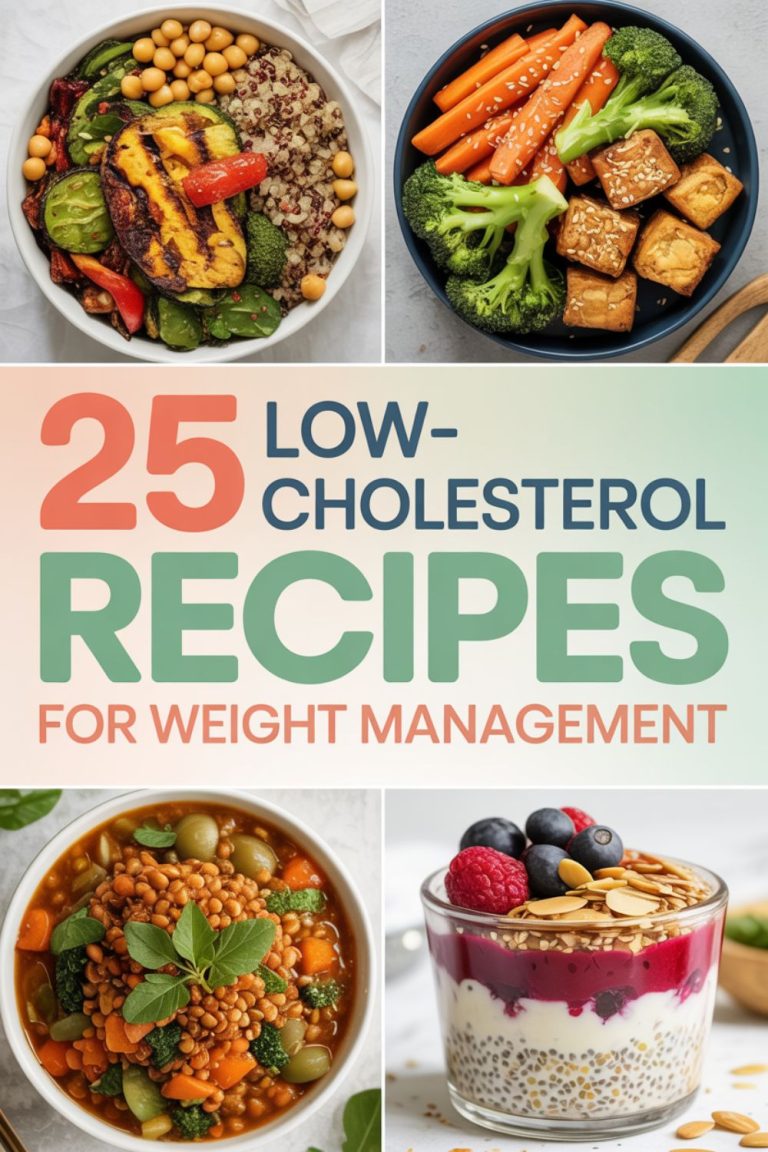
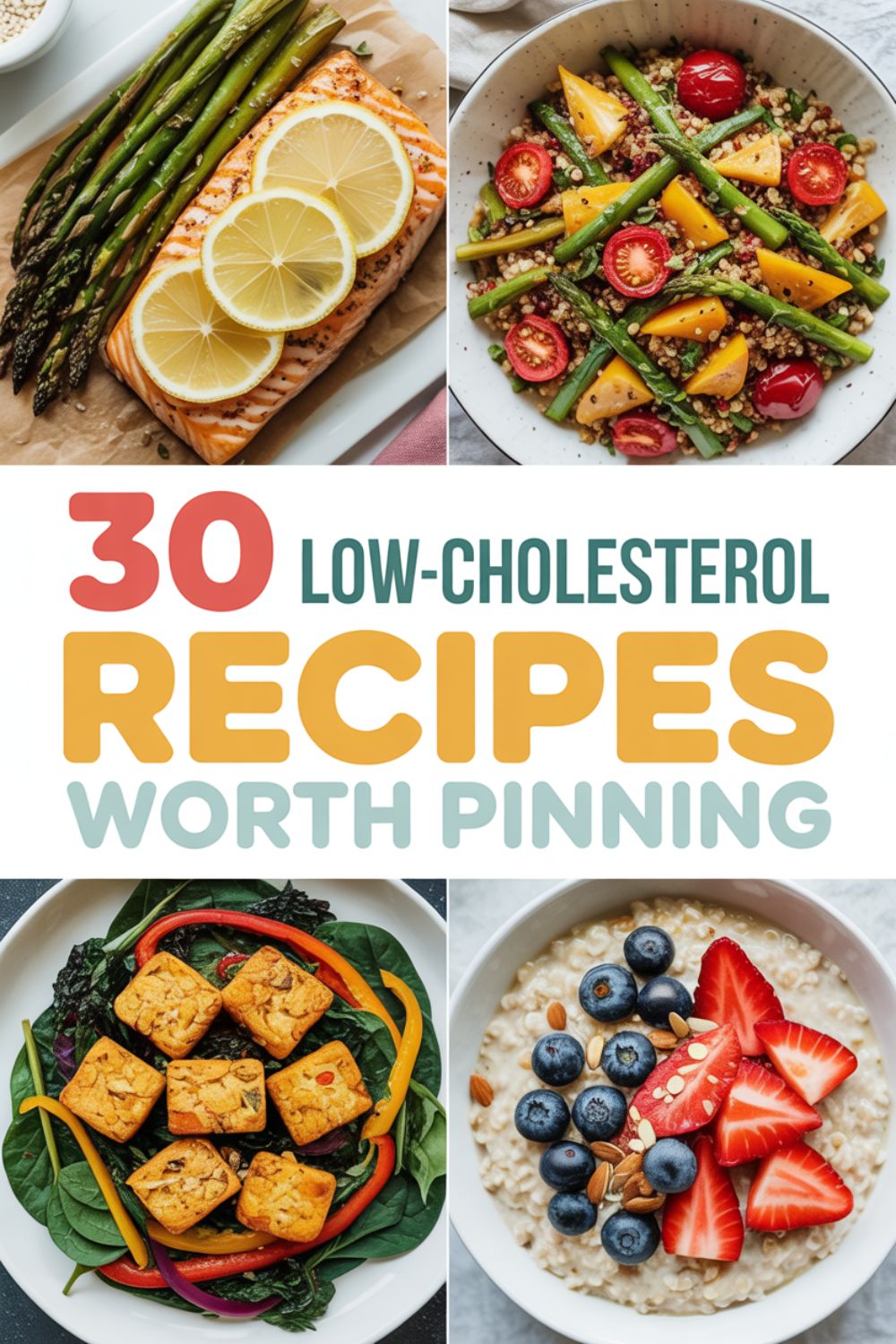
30 Low-Cholesterol Recipes Worth Pinning
Look, I get it. You’ve been told to watch your cholesterol, and suddenly every meal feels like a minefield of “can I eat this?” anxiety. But here’s the thing—eating for heart health doesn’t mean saying goodbye to flavor or spending hours in the kitchen pretending you’re on a cooking show.
I’ve rounded up 30 seriously delicious recipes that just happen to be low in cholesterol. These aren’t sad salads or boiled chicken breasts (please, no). We’re talking real food that you’ll actually want to make again. And yeah, they’re totally Pinterest-worthy too.
Whether you’re meal prepping for the week or just trying to get dinner on the table without ordering takeout for the third time, these recipes have your back. Let’s dive in.
Why Low-Cholesterol Cooking Actually Matters
Before we get to the good stuff, let’s talk about why this matters. High cholesterol isn’t just some abstract health buzzword your doctor throws around. It’s a legitimate risk factor for heart disease and stroke. But here’s what most people don’t realize: dietary changes can dramatically lower cholesterol levels when combined with an overall healthy lifestyle.
The key players? Reducing saturated fat, adding more soluble fiber, and swapping out unhealthy fats for heart-healthy options like olive oil and omega-3s. Foods high in soluble fiber literally bind to cholesterol in your digestive system and help remove it before it enters your bloodstream. Pretty cool, right?
And contrary to what you might think, eating cholesterol in food isn’t the main villain here. It’s the saturated and trans fats that cause your body to produce more cholesterol. So yeah, that means choosing foods that naturally lower cholesterol and saying no to fried foods and fatty red meats most of the time.
Breakfast Champions That Won’t Spike Your Cholesterol
Breakfast is where most people stumble. Bacon, eggs, buttery pastries—all delicious, all terrible for cholesterol. But trust me, you won’t miss them when you try these alternatives.
Start your morning with overnight oats packed with berries and chia seeds. The soluble fiber in oats is basically your cholesterol’s worst enemy (in a good way). Toss in some chia seeds and a handful of frozen blueberries, and you’ve got a breakfast that actually keeps you full until lunch.
Or go savory with a veggie-loaded frittata using mostly egg whites. I know, I know—egg whites sound boring. But when you load them up with spinach, tomatoes, and mushrooms sautéed in extra virgin olive oil, they’re anything but bland. Get Full Recipe.
Smoothie bowls are another winner, especially when you blend in some avocado for creaminess and heart-healthy fats. Top with sliced almonds and fresh fruit, and you’ve got yourself an Instagram-worthy breakfast that also happens to love your arteries.
Looking for more morning inspiration? Check out these low-cholesterol breakfast ideas for heart health or try some breakfasts under 300 calories if you’re also watching your weight.
Lunch Ideas That Actually Keep You Full
Let me tell you something about lunch—if you’re hungry two hours later, you did it wrong. The secret is combining fiber-rich whole grains with lean protein and plenty of vegetables.
Think quinoa bowls loaded with roasted chickpeas, cherry tomatoes, cucumber, and a lemon-tahini dressing. Quinoa is a complete protein, meaning it has all nine essential amino acids your body needs. Plus, it’s got more fiber than most grains.
Grain bowls with grilled chicken breast (skinless, obviously) over brown rice with a rainbow of veggies work every single time. I use this grill pan when I don’t feel like firing up the outdoor grill, and it gives you those satisfying char marks without any added oil.
Big, hearty salads can work too, as long as you’re not drowning them in ranch dressing. Make your own vinaigrette with olive oil, balsamic vinegar, and Dijon mustard. Store it in a glass jar with a lid and shake it up when you need it.
For more satisfying midday meals, browse through these lunches that keep you full or try some quick options under 10 minutes for those hectic days.
Dinner Recipes That Don’t Feel Like Diet Food
Here’s where things get interesting. Dinner is when you want something that feels substantial, comforting, and worth the effort. Good news: you can have all that without the cholesterol spike.
Baked salmon with herbs is probably the most obvious choice, but it’s obvious for a reason—it works. Salmon is loaded with omega-3 fatty acids, which help lower triglycerides and support overall heart health. Season it with dill, lemon, and garlic, and it’s restaurant-quality with minimal effort. Get Full Recipe.
Turkey chili loaded with beans is another go-to. Swap ground beef for lean ground turkey, and throw in three types of beans for that fiber punch. Top with a dollop of Greek yogurt instead of sour cream, and nobody will know the difference.
Veggie stir-fries are your friend when you need dinner fast. Load up on broccoli, bell peppers, snap peas, and carrots. Use a wok or large skillet and just a touch of sesame oil for flavor. Serve over cauliflower rice if you’re cutting carbs, or regular brown rice if you’re not.
Craving something more indulgent? Try comfort foods made healthy—think healthier versions of lasagna, pot pie, and mac and cheese. Or explore these family dinners everyone will love when you need to please picky eaters.
One-Pan Wonders for Lazy Nights
Some nights, the thought of using more than one dish is just too much. I feel you. That’s where sheet pan dinners come in clutch.
Throw chicken thighs (skin removed) on a rimmed baking sheet with Brussels sprouts, sweet potatoes, and red onion. Drizzle with olive oil, season with rosemary and garlic, and roast everything at 425°F for about 35 minutes. One pan, minimal cleanup, maximum flavor.
Fish works beautifully for one-pan dinners too. Cod or halibut with cherry tomatoes, zucchini, and olives gives you those Mediterranean vibes without the plane ticket. The fish cooks in like 15 minutes, and you can use parchment paper to line the pan if you really hate scrubbing.
Speaking of easy nights, check out these one-pan dinners or browse lazy meals for busy people when motivation is at an all-time low.
Snacks That Won’t Derail Your Progress
Let’s be real—snacking is where good intentions go to die. You’re hungry, you want something now, and suddenly you’re elbow-deep in a bag of chips.
Keep it simple with apple slices and almond butter. I use this apple slicer tool that cores and cuts in one motion—sounds unnecessary until you use it and realize you’ve been living like a caveman.
Hummus with veggie sticks never gets old if you rotate your vegetables. Carrots one day, bell peppers the next, cucumber after that. Make your own hummus in a food processor and you’ll never go back to store-bought. Get Full Recipe.
Trail mix works too, but make your own. Store-bought versions are usually loaded with added sugar and chocolate. Mix raw almonds, walnuts, pumpkin seeds, and a handful of dried cranberries. Store in small portioned containers so you don’t accidentally eat half a pound in one sitting.
For a complete list of options, check out these snacks that support heart health—you’ll find 25 ideas that actually taste good.
Soups and Stews for Every Season
Soup is underrated. It’s hydrating, filling, and you can sneak in an absurd amount of vegetables without anyone noticing.
Lentil soup is a powerhouse. Lentils are packed with soluble fiber and plant-based protein, and they cost basically nothing. Simmer them with carrots, celery, tomatoes, and a bay leaf. That’s it. Maybe add some spinach at the end if you’re feeling fancy.
Minestrone loaded with beans, pasta, and vegetables is like a warm hug in a bowl. Use whole wheat pasta and white beans, and you’ve got a meal that keeps you full for hours. I make big batches in my Dutch oven and freeze portions for lazy weeknights.
Butternut squash soup is another winner, especially in fall. Roast the squash first to bring out the sweetness, then blend it with vegetable broth and a touch of coconut milk. FYI, the roasting step makes all the difference—don’t skip it.
Find more warming options in these soups and stews for any season or try heart-healthy soups that lower cholesterol naturally.
Vegetarian Meals You’ll Actually Crave
You don’t have to go full vegetarian to benefit from plant-based meals. Even a couple of meatless dinners per week can make a difference for your cholesterol levels.
Black bean burgers beat any frozen veggie burger you can buy. Mash black beans with oats, spices, and a flax egg, form into patties, and pan-fry until crispy. Serve on whole wheat buns with all the fixings, and you won’t miss the beef.
Eggplant parmesan (baked, not fried) satisfies that Italian comfort food craving without the guilt. Slice the eggplant, brush lightly with olive oil, bake until tender, then layer with marinara and a sprinkle of part-skim mozzarella.
Stuffed bell peppers with quinoa, black beans, corn, and salsa are basically a fiesta in pepper form. They’re colorful, filling, and you can make a whole batch on Sunday for easy weeknight dinners. Get Full Recipe.
Dive deeper into plant-based cooking with these vegetarian meals you’ll crave—trust me, there’s not a bland tofu scramble in sight.
Kitchen Tools That Make Heart-Healthy Cooking Easier
Look, you don’t need a kitchen full of gadgets, but a few key tools really do make cholesterol-friendly cooking less of a chore. Here’s what actually gets used in my kitchen:
- High-Quality Non-Stick Skillet – For cooking with minimal oil without everything sticking and burning. Game changer for egg whites and fish.
- Instant-Read Thermometer – Takes the guesswork out of cooking chicken and fish to perfection. No more dried-out, overcooked protein.
- Glass Meal Prep Containers – BPA-free, microwave-safe, and they don’t stain like plastic. Makes weekly meal prep actually manageable.
- MyFitnessPal Premium – Tracks not just calories but cholesterol and saturated fat. Helps you stay on target without obsessing.
- Heart-Healthy Meal Plan eBook – 30 days of pre-planned meals with shopping lists. Perfect if you’re tired of the “what’s for dinner” daily panic.
- Low-Cholesterol Cooking Course – Video tutorials showing you how to make your favorite comfort foods heart-healthy. Worth every penny.
Meal Prep Strategies That Actually Work
Meal prep sounds tedious until you’re standing in your kitchen at 7 PM on a Tuesday with no plan and a growling stomach. Then it sounds like a brilliant idea you wish you’d implemented.
Start small. You don’t need to prep every single meal for the week. Just prep your proteins and grains, then throw together meals with fresh vegetables as you go. Grill five chicken breasts, cook a big pot of brown rice and quinoa, roast a sheet pan of vegetables. Done.
Invest in good storage containers that stack nicely in your fridge. Nothing kills meal prep motivation faster than containers that leak or don’t fit properly. I learned this the hard way after ruining a work bag with leaky soup.
Batch-cook soups, chilis, and stews. These freeze beautifully and taste even better the second day. Make a double batch of anything you’re already cooking and freeze half. Future you will be grateful.
Get organized with these meal prep ideas for the week or try freezer meals for easy prep when you want to stock up.
Desserts That Won’t Tank Your Numbers
Yes, you can have dessert. No, it doesn’t have to be a bowl of sad fruit (though fruit is great, don’t get me wrong).
Baked apples stuffed with oats, cinnamon, and a drizzle of honey hit that sweet spot between healthy and indulgent. Core the apples with an apple corer, stuff them, and bake until tender. The smell alone is worth making them.
Dark chocolate (70% cacao or higher) with almond butter is my go-to when I need something sweet after dinner. A small square of quality dark chocolate has antioxidants and won’t spike your cholesterol like milk chocolate.
Berry crumble made with oats, almond flour, and coconut oil instead of butter tastes just as good as the traditional version. Serve it warm with a scoop of dairy-free vanilla ice cream. Nobody will know it’s “healthy.”
For more sweet treats, check out these guilt-free desserts that satisfy without sabotaging your progress.
Quick Wins for Busy Weeknights
Some nights you just need food on the table in 20 minutes or less. Period. No elaborate cooking projects, no specialty ingredients, just dinner that doesn’t come from a drive-through.
Rotisserie chicken (skin removed) with a bagged salad and some whole grain bread. It’s not fancy, but it works. Add some canned chickpeas to the salad for extra protein and fiber.
Pasta with marinara sauce and white beans takes maybe 15 minutes. Use whole wheat pasta, heat up jarred marinara (check for low sodium), add a can of rinsed white beans. Top with fresh basil if you have it. Done.
Scrambled egg whites with whole wheat toast and sliced avocado. Breakfast for dinner is totally acceptable when you’re exhausted. Add some cherry tomatoes and you’ve got a balanced meal.
IMO, having a few ultra-simple meals in your back pocket is the difference between eating well and ordering pizza for the third time this week. Find more fast options in these Instant Pot and air fryer recipes.
Restaurant-Quality Meals You Can Make at Home
Let’s talk about making restaurant-quality food at home, because takeout adds up and you have zero control over what oils and fats they’re using.
Seared scallops with lemon and herbs sound fancy but take like 10 minutes. Pat the scallops dry, season with salt and pepper, sear in a hot pan with a tiny bit of olive oil for 2-3 minutes per side. Squeeze lemon over the top, sprinkle with fresh parsley. That’s it. You just made something that costs $30 at a restaurant. Get Full Recipe.
Greek-style chicken with tzatziki made from Greek yogurt, cucumber, garlic, and dill is restaurant-worthy and cholesterol-friendly. Marinate the chicken in lemon juice, olive oil, and oregano, then grill or bake. The tzatziki pulls the whole thing together.
Shrimp stir-fry with colorful vegetables over brown rice beats any takeout version. Shrimp cooks in minutes, the vegetables stay crisp, and you know exactly what went into your meal. Use a good quality soy sauce and you’re golden.
Want more upscale options? Try these restaurant-quality salads that actually feel special.
Smoothies and Drinks That Support Heart Health
Smoothies get a bad rap because people treat them like milkshakes. But done right, they’re an easy way to pack in fruits, vegetables, and heart-healthy ingredients.
Start with a base of unsweetened almond milk or coconut water. Add a handful of spinach (you won’t taste it, I promise), frozen berries, half a banana, and a tablespoon of ground flaxseed. Blend in a high-powered blender until smooth.
Green smoothies work too, even if they look a little scary. Kale, pineapple, ginger, and coconut water blended together tastes way better than it sounds. The pineapple completely masks the kale.
For something more filling, make a smoothie bowl and top it with sliced fruit, nuts, and chia seeds. Use a spoon to eat it and suddenly it feels like a proper meal instead of just a drink.
Explore more blended options with these smoothies and juices for a healthy heart or try easy smoothie bowls for breakfast variety.
Sides That Go With Everything
Let’s not forget about sides, because plain steamed broccoli gets old real fast. These sides are flavorful enough to make any protein interesting.
Roasted Brussels sprouts with balsamic glaze are borderline addictive. Halve them, toss with olive oil and salt, roast at 400°F until crispy on the edges. Drizzle with balsamic reduction and you’ve got a side that people actually fight over.
Quinoa pilaf with dried cranberries and toasted almonds brings some sophistication to your plate. Cook the quinoa in vegetable broth instead of water for extra flavor, then stir in the cranberries and almonds at the end.
Cauliflower mash is your mashed potato substitute when you want to cut back on the heavy starches. Steam cauliflower until tender, blend with a little garlic, olive oil, and vegetable broth. Season well. It won’t fool anyone into thinking it’s actual mashed potatoes, but it’s delicious in its own right.
Round out any meal with these sides that go with everything—because nobody wants to eat plain chicken breast alone on a plate.
High-Protein Options for Weight Management
If you’re trying to manage both cholesterol and weight, protein is your best friend. It keeps you full, supports muscle mass, and helps prevent those mid-afternoon snack attacks.
Turkey meatballs made with lean ground turkey, oats instead of breadcrumbs, and Italian seasonings are protein-packed and freezer-friendly. Make a huge batch and freeze them in portions. Add to marinara sauce, toss with zucchini noodles, or eat them plain.
Grilled chicken breast (yes, again, because it’s versatile and effective) can be seasoned a thousand different ways. Mexican spices with lime, Asian-inspired with ginger and garlic, Mediterranean with lemon and herbs. Never boring if you rotate your seasonings.
White fish like cod, tilapia, or halibut is high in protein and naturally low in fat. Season it well—fish needs more seasoning than you think—and it’s fantastic. Bake it with a crust of crushed almonds and herbs for something special.
For more protein-focused meals, check out these high-protein meals for weight loss or browse low-calorie recipes that satisfy.
Making the Most of Your Meal Plan
Having recipes is great. Knowing how to organize them into an actual weekly plan is better. Here’s how to make it work without losing your mind.
Pick a prep day—Sunday works for most people—and block out 2-3 hours. Yes, it sounds like a lot, but it saves you way more time during the week when you’re not standing in front of the fridge at 6 PM wondering what the hell to make.
Cook your proteins, grains, and chop vegetables. Don’t assemble full meals unless they’re specifically meant to be meal-prepped. You want components you can mix and match throughout the week so you don’t get bored eating the same thing five days in a row.
Plan for leftovers intentionally. Make recipes that serve 6-8 even if you’re only feeding 2-3 people. Pack lunches from dinner leftovers. Freeze extras for future lazy nights.
Keep a running list of what’s in your freezer. Nothing worse than buying chicken when you already have three pounds in the freezer you forgot about. Ask me how I know.
Get strategic with meals that are actually delicious and mix in some dinners you’ll want to make again for a rotation that doesn’t feel repetitive.
Frequently Asked Questions
Can I eat eggs on a low-cholesterol diet?
Yes, but focus mainly on egg whites. The yolk contains most of the dietary cholesterol in eggs. Most health experts agree that eating whole eggs occasionally is fine for most people, but if you’re having eggs frequently, stick with egg whites or use a 3:1 ratio of whites to yolks. The protein in egg whites is excellent and cholesterol-free.
How quickly will I see my cholesterol numbers improve?
Most people start seeing improvements within 4-6 weeks of consistently following a low-cholesterol diet, though results vary. Research shows that dietary changes can dramatically decrease cholesterol levels when combined with regular exercise and healthy lifestyle habits. Your doctor can monitor your progress with regular blood tests.
What’s the biggest dietary change I should make first?
Swap saturated fats for unsaturated ones—that means replacing butter with olive oil, choosing fish over red meat, and adding more nuts and avocados. This single change impacts your cholesterol production more than anything else you can do diet-wise. Start there and build from it.
Are all fats bad for cholesterol?
Absolutely not. Healthy fats from sources like olive oil, avocados, nuts, and fatty fish actually help lower bad cholesterol (LDL) while raising good cholesterol (HDL). It’s the saturated fats from fatty red meat, full-fat dairy, and processed foods you want to limit. Trans fats should be avoided completely.
Can I still eat out at restaurants?
Sure, but you need to be strategic. Choose grilled or baked proteins instead of fried, ask for dressings on the side, load up on vegetable sides, and don’t be shy about asking how something is prepared. Most restaurants are happy to accommodate dietary requests. Skip the bread basket and you’re already ahead of the game.
The Bottom Line on Low-Cholesterol Cooking
Here’s the truth: eating for heart health doesn’t have to be complicated or miserable. You don’t need to give up flavor, spend hours meal prepping, or eat plain grilled chicken every single day.
What you do need is a solid collection of recipes you actually enjoy making and eating. Start with a few favorites from this list, work them into your weekly rotation, and gradually add more as you get comfortable. Mix in some foods that naturally lower cholesterol and pay attention to how you feel.
The recipes worth pinning aren’t just the ones that look pretty—they’re the ones you’ll actually make again. The ones that fit into your real life, with your real schedule, and your real taste preferences. These 30 recipes check all those boxes, plus they happen to be excellent for your cholesterol levels.
Remember, this is about progress, not perfection. Cook at home more often than you order out. Choose fish or chicken instead of red meat most of the time. Load up on vegetables and whole grains. The small changes add up faster than you think.
Now get in the kitchen and start cooking. Your heart will thank you, and your taste buds won’t even realize they’re eating “healthy.”