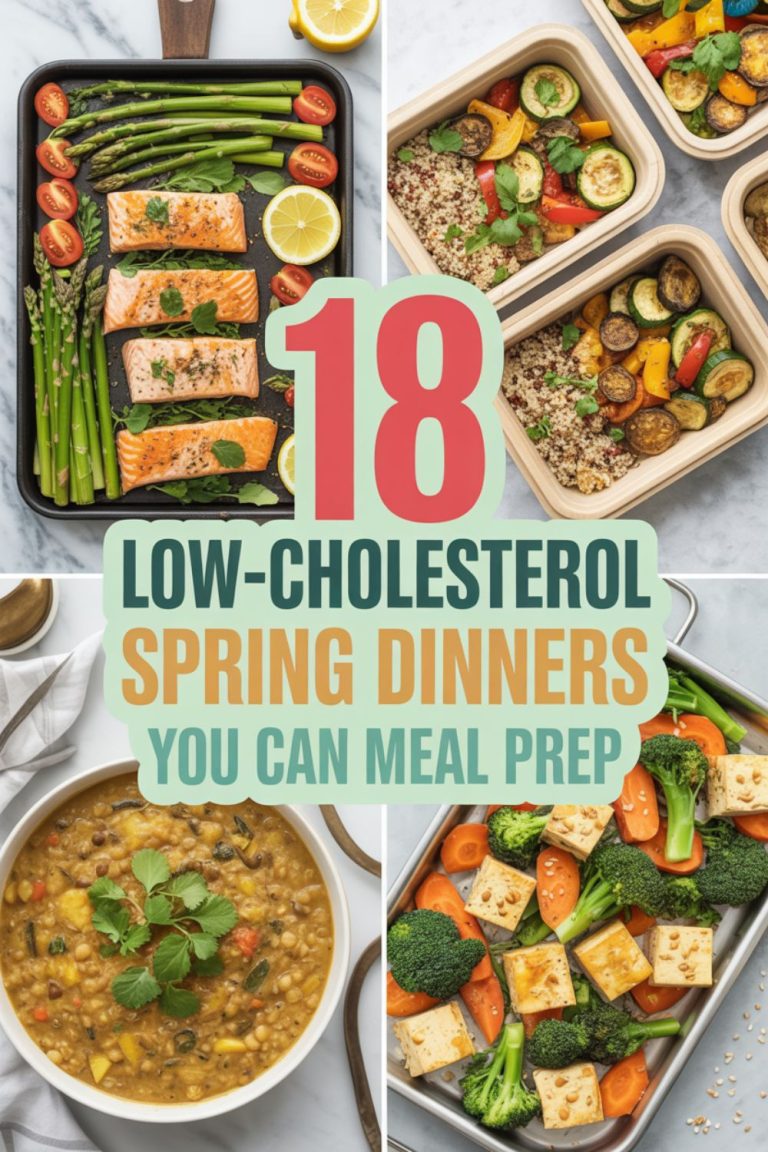

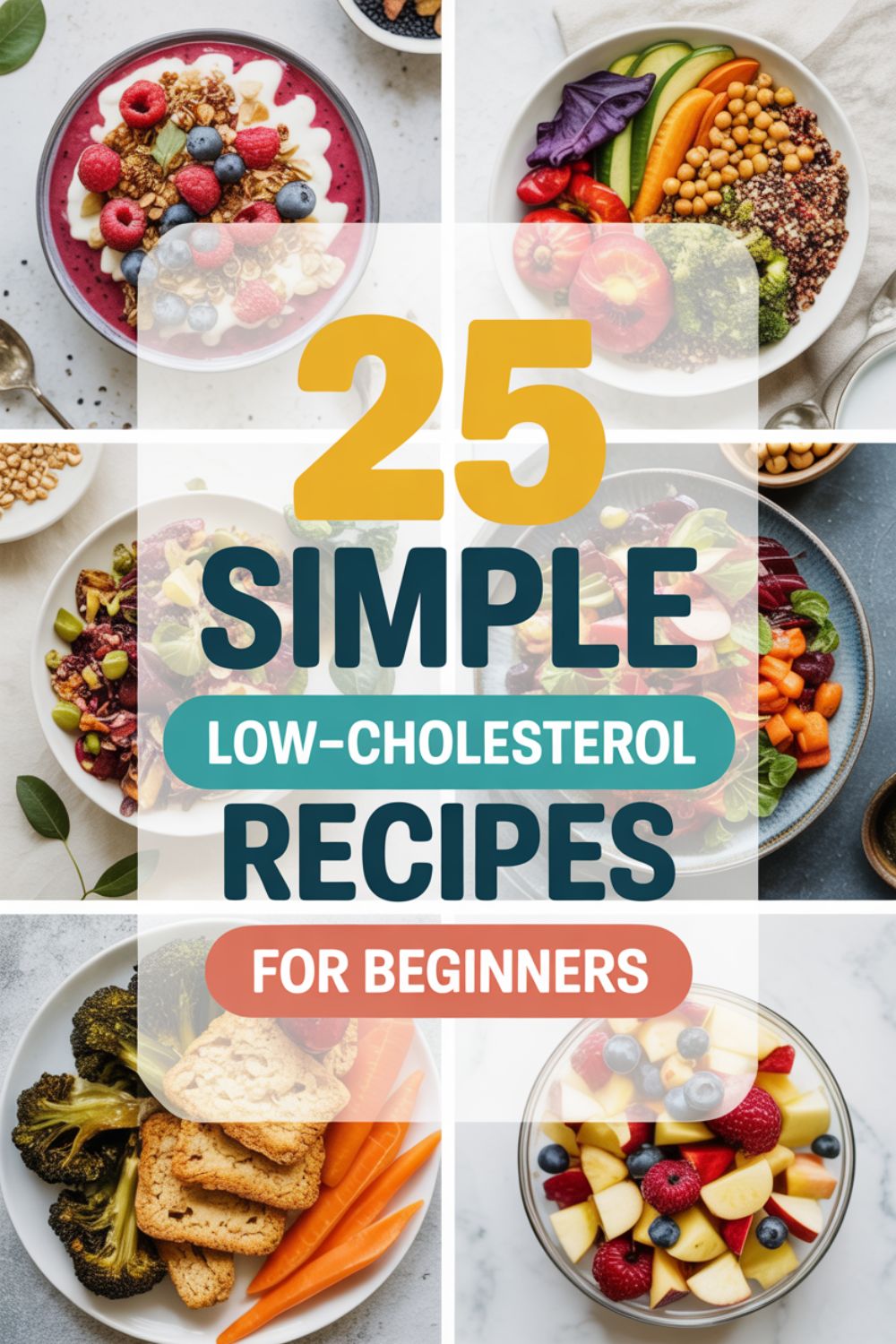
25 Simple Low-Cholesterol Recipes for Beginners
Look, I get it. Your doctor just told you to watch your cholesterol, and now you’re staring at your pantry like it’s suddenly full of forbidden treasures. The butter, the cheese, that glorious bacon you’ve been hoarding—suddenly everything feels off-limits.
But here’s the thing: eating low-cholesterol doesn’t mean you’re signing up for a lifetime of bland salads and cardboard-tasting “health food.” I’ve spent years figuring out how to make heart-healthy meals that actually taste like something I’d want to eat on a regular Tuesday night, not just when I’m feeling virtuous.
These 25 recipes aren’t just good for your cholesterol—they’re genuinely delicious, simple enough for anyone who can operate a stove without setting off the smoke alarm, and won’t leave you feeling like you’re missing out. No weird ingredients you can’t pronounce. No complicated techniques that require a culinary degree. Just real food that happens to be kind to your heart.
Why Low-Cholesterol Eating Actually Matters
Before we dive into recipes, let’s talk about why you’re even bothering with this. High cholesterol isn’t just some random number your doctor obsesses over. According to Mayo Clinic, elevated LDL cholesterol can lead to plaque buildup in your arteries, which is basically like clogging up your body’s highway system. Not ideal.
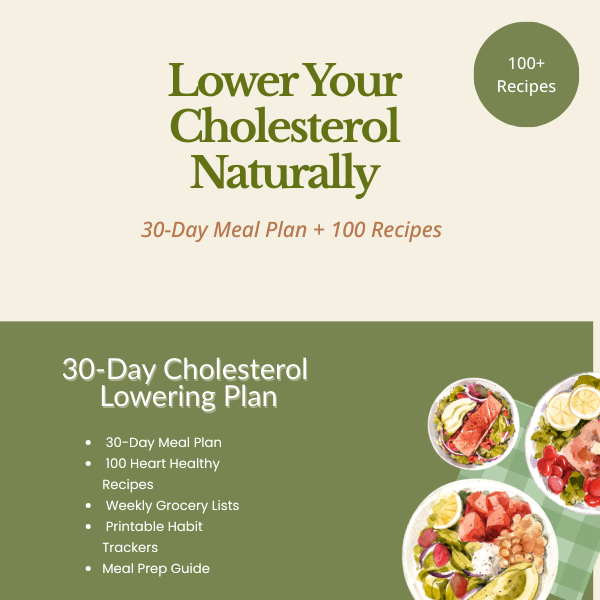
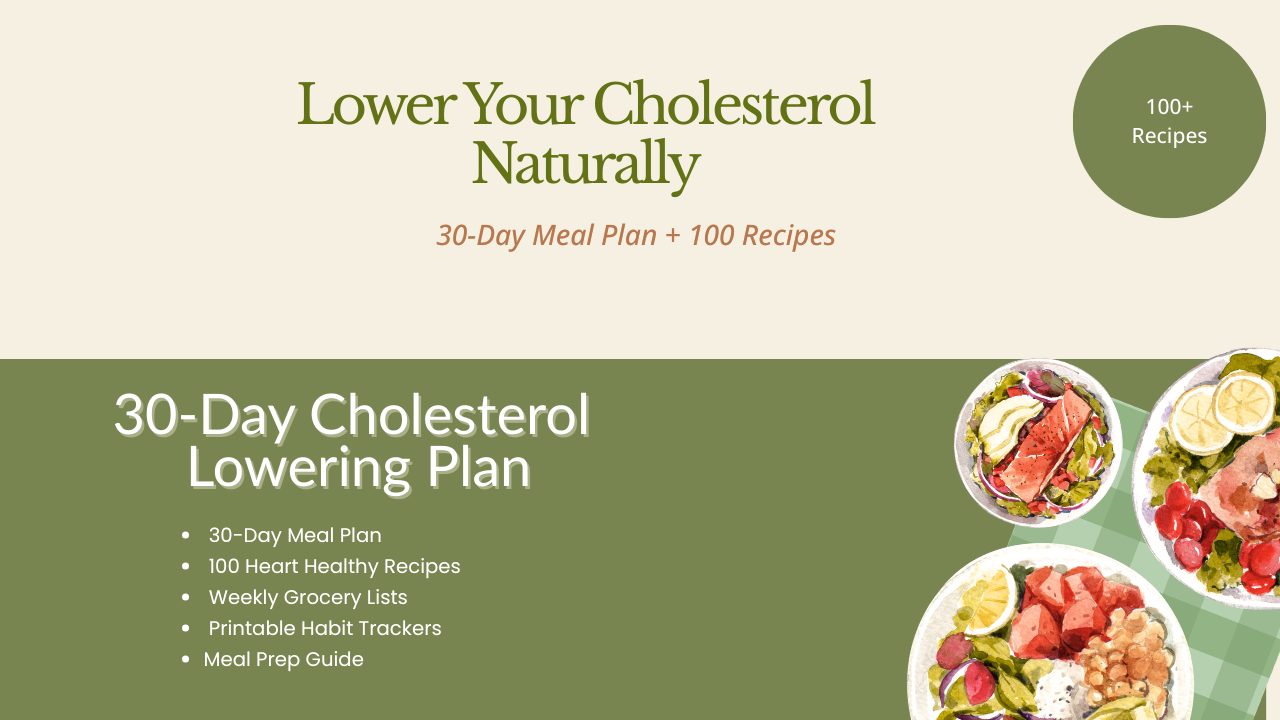
30-Day Cholesterol Reset System
A simple done-for-you plan to help you eat heart-healthy every day without confusion.
Over 1,000 people downloaded this guide
✔ 100 Easy Recipes
✔ Grocery Lists + Meal Prep Guide
🎁 FREE BONUSES:
✔ 7-Day Quick Start Plan
✔ Printable Grocery List
$29 $9
Get Instant AccessThe good news? Research published in the American Heart Association’s journal Circulation shows that dietary changes—especially increasing soluble fiber—can significantly lower cholesterol levels. We’re talking actual, measurable improvements that your doctor will notice at your next checkup.
Soluble fiber works like a tiny sponge in your digestive system, soaking up cholesterol before it even gets into your bloodstream. Foods like oats, beans, apples, and barley are loaded with this stuff. The trick is finding ways to eat them that don’t feel like punishment.
What Makes a Recipe “Low-Cholesterol”
Here’s the deal: a low-cholesterol recipe typically means limiting saturated fats (the stuff in butter, fatty meats, and full-fat dairy) and ditching trans fats entirely. You’re also focusing on foods that actively help lower cholesterol—think fiber-rich whole grains, omega-3 fatty fish, nuts, and loads of vegetables.
I’m not going to pretend you need to memorize a bunch of nutritional values. Just remember this: more plants, better fats, reasonable portions. That’s honestly 90% of the battle right there.
Breakfast Ideas That Don’t Feel Like Diet Food
Mornings are rough enough without choking down something that tastes like punishment. These breakfast options are genuinely satisfying and happen to be cholesterol-friendly. Win-win.
Overnight Oats with Berries and Walnuts
Overnight oats are my answer to “I have zero time in the morning.” Mix old-fashioned oats with almond milk, throw in some chia seeds for extra fiber, top with fresh berries and crushed walnuts. Done. You prep it the night before, grab it from the fridge, and you’re out the door.
The oats give you that cholesterol-lowering soluble fiber, the walnuts add omega-3s, and the berries make it actually taste good. I keep these glass meal prep containers stocked for making five days’ worth at once. Total game-changer for busy mornings.
For more morning inspiration, check out these low-cholesterol breakfast ideas that cover everything from savory to sweet options.
Veggie-Packed Egg White Scramble
Full eggs have cholesterol in the yolks, but egg whites? Pure protein with zero cholesterol. I throw in whatever vegetables are lurking in my crisper drawer—spinach, tomatoes, mushrooms, bell peppers. Season with herbs instead of loading up on cheese, and you’ve got a breakfast that’ll actually keep you full until lunch.
Honestly, I don’t even miss the yolks when there’s enough flavor from the veggies. A good non-stick pan is crucial here so you’re not using a ton of oil. Get Full Recipe
Whole Grain Toast with Avocado and Tomato
Yeah, avocado toast is kind of a cliché at this point, but there’s a reason it’s everywhere. Avocados have monounsaturated fats—the good kind that can actually help lower bad cholesterol. Smash it on whole grain toast, add sliced tomatoes, a sprinkle of everything bagel seasoning, and maybe some red pepper flakes if you’re feeling spicy.
The whole grain bread adds fiber, and the entire thing takes maybe five minutes to make. I use this avocado tool for perfectly sliced avocado every time without turning my cutting board into a crime scene. Get Full Recipe
If you need more quick morning options, these low-cholesterol breakfasts under 300 calories are perfect when you’re watching portions too.
📚 Heart-Healthy Recipe Collection: 100+ Low-Cholesterol Meals
Tired of searching for recipes that actually work for your cholesterol goals? I’ve been using this comprehensive recipe ebook that’s specifically designed for lowering cholesterol—not just “healthy eating” in general. It includes nutritional breakdowns for every single recipe, so you know exactly what you’re getting. No guessing, no calculating.
The best part? Every recipe includes heart-healthy swaps and modifications, plus a shopping list feature that makes meal planning actually doable. It’s saved me hours of Pinterest scrolling trying to figure out what’s actually low-cholesterol versus what just sounds healthy.
Get the Recipe CollectionLunches That Keep You Satisfied
Lunch is where a lot of people fall off the wagon. You’re busy, you’re hungry, and suddenly that drive-through burger is looking pretty appealing. But these lunches are quick, filling, and you won’t spend the afternoon feeling like you need a nap.
Mediterranean Chickpea Salad
Chickpeas are basically little fiber bombs—one cup has about 12 grams. Mix them with diced cucumber, tomatoes, red onion, and a dressing made from olive oil, lemon juice, and herbs. Add some crumbled feta if you want (a little cheese isn’t going to derail everything), and you’ve got a lunch that travels well.
I make a big batch on Sunday and portion it into containers. These leak-proof containers are worth every penny when you’re carrying lunch to work. Get Full Recipe
Looking for more midday options? These lunches that keep you full are specifically designed to prevent that 3 PM snack attack.
Turkey and Veggie Wrap
Lean turkey breast, a whole wheat wrap, and whatever vegetables you can fit in there. I usually go with lettuce, tomato, cucumber, shredded carrots, and a smear of hummus instead of mayo. The hummus adds creaminess and more fiber from the chickpeas.
If you’re meal prepping, prep all the components separately and assemble day-of so the wrap doesn’t get soggy. Trust me on this one. Get Full Recipe
Lentil Soup with Vegetables
Lentils are one of those foods that make you feel like you’re eating something substantial without the cholesterol baggage. Brown or green lentils, vegetable broth, diced tomatoes, carrots, celery, onions, and whatever spices you’re into. Let it simmer until everything’s tender.
I make a huge pot and freeze individual portions in these freezer-safe containers. Instant healthy lunch whenever you need it, and your future self will thank you. Get Full Recipe
For even more variety, check out these quick lunches under 10 minutes for those days when time is not on your side.
Dinner Recipes Your Whole Family Will Actually Eat
This is where the rubber meets the road. Dinner needs to work for everyone, not just you and your cholesterol goals. These recipes are family-tested, meaning I’ve served them to actual picky eaters who didn’t realize they were eating “health food.”
Baked Salmon with Roasted Vegetables
Salmon is packed with omega-3 fatty acids, which are basically the MVPs of heart health. Season a salmon fillet with lemon, garlic, and dill. Throw it in the oven with whatever vegetables you have—Brussels sprouts, broccoli, bell peppers, zucchini. Everything roasts together on one sheet pan.
The best part? Minimal cleanup. I line my pan with parchment paper so there’s literally nothing to scrub afterward. Get Full Recipe
If fish is your thing, definitely explore these low-cholesterol dinners that you’ll actually want to make on repeat.
Grilled Chicken with Quinoa and Steamed Broccoli
Simple, boring, and exactly what you need sometimes. Skinless chicken breast, seasoned well (because bland chicken is a crime), grilled or baked until it’s done. Serve with quinoa and steamed broccoli. The quinoa adds protein and fiber, and broccoli is one of those vegetables that just works.
Season everything properly—that’s the secret. Garlic powder, paprika, a squeeze of lemon. Don’t be afraid of spices. Get Full Recipe
Vegetable Stir-Fry with Brown Rice
Stir-fries are your friend when you need dinner fast. Whatever vegetables you have, cut them up small, toss them in a hot pan with a tiny bit of oil, add some garlic and ginger, finish with low-sodium soy sauce or tamari. Serve over brown rice.
I use this wok because it gets hot fast and vegetables actually get that nice char instead of steaming. Makes all the difference. Get Full Recipe
Speaking of vegetable-focused meals, these vegetarian low-cholesterol meals prove you don’t need meat for satisfying dinners.
Turkey Chili with Beans
Ground turkey instead of beef keeps the saturated fat down. Add kidney beans, black beans, diced tomatoes, chili powder, cumin, and whatever else makes you happy. Let it simmer until the flavors meld together.
Beans add tons of fiber, and this is another recipe that freezes beautifully. Make a double batch and you’ve got future dinners sorted. Get Full Recipe
For more chicken-based options, check out these chicken recipes packed with flavor—because chicken doesn’t have to be boring.
🐟 High-Potency Omega-3 Fish Oil (My Go-To Supplement)
Look, I’m not huge on supplements, but omega-3s are one thing I don’t skip. If you’re not eating fatty fish 2-3 times a week (and let’s be honest, most of us aren’t), you’re probably not getting enough omega-3 fatty acids—which are crucial for heart health and lowering triglycerides.
I’ve tried a bunch of fish oil supplements, and this one is the only one that doesn’t leave me with that gross fishy aftertaste. It’s molecularly distilled to remove contaminants, has 1,400mg of omega-3s per serving, and comes in a lemon-flavored softgel that actually works.
Key benefits for cholesterol management:
- Helps lower triglycerides by up to 30%
- Supports healthy HDL (good) cholesterol levels
- Reduces inflammation in blood vessels
- No fishy burps (seriously, this matters)
- Sustainably sourced from wild-caught fish
Snacks and Sides That Support Your Goals
Let’s be real—snacking is where a lot of us mess up our good intentions. But having the right snacks prepped means you’re not desperately rifling through the pantry at 4 PM looking for anything remotely edible.
Hummus and Veggie Sticks
Carrots, celery, bell peppers, cucumber—cut them into sticks and dip them in hummus. The chickpeas in hummus provide protein and fiber, and the vegetables add crunch and volume. You can buy hummus or make it yourself if you’re feeling ambitious.
I store the veggie sticks in these containers with water to keep them crisp all week. Game-changer for meal prep. Get Full Recipe
For more ideas, browse these heart-healthy snacks that actually taste good.
Apple Slices with Almond Butter
Apples have soluble fiber (especially if you eat the peel), and almond butter adds healthy fats and protein. This combo keeps you satisfied without spiking your blood sugar and then crashing.
Just watch your portion size on the almond butter—it’s calorie-dense. I use these small containers to portion out two tablespoons so I’m not standing at the counter with a jar and a spoon. We all know how that ends. Get Full Recipe
Air-Popped Popcorn
Plain popcorn is actually a whole grain and pretty low-calorie. Skip the butter and try nutritional yeast, which gives it a cheesy flavor without any cheese. Or just season with salt and whatever spices you like.
I use this air popper and it’s stupid simple—dump in kernels, turn it on, done. No oil needed. Get Full Recipe
🌱 Plant Sterols Supplement (The Secret Weapon)
Here’s something most people don’t know: plant sterols can block cholesterol absorption in your gut. Like, literally prevent it from getting into your bloodstream. The research on this is solid—consuming 2 grams of plant sterols daily can lower LDL cholesterol by 5-15%.
The problem? You’d need to eat a ridiculous amount of certain foods to get that much naturally. That’s where this plant sterol supplement comes in. I take it with my largest meal of the day, and my doctor actually noticed the difference in my numbers after three months.
What makes this supplement worth it:
- Provides the full 2g daily dose recommended by cardiologists
- Backed by over 40 clinical studies
- No weird additives or fillers
- Works alongside dietary changes (not instead of them)
- Easy softgel format—take with your biggest meal
Simple Swaps That Make Everything Easier
You don’t have to overhaul your entire pantry overnight. Start with a few strategic swaps and build from there.
Butter → Olive Oil: For cooking and even some baking, olive oil works great and gives you those heart-healthy monounsaturated fats. Your arteries will appreciate it.
Whole Milk → Almond or Oat Milk: Same versatility, zero cholesterol. I barely notice the difference in my morning coffee anymore.
Sour Cream → Greek Yogurt: Plain Greek yogurt can sub in for sour cream in almost everything. More protein, less saturated fat. FYI, this works on tacos and baked potatoes too.
Ground Beef → Ground Turkey or Chicken: Leaner meat means less saturated fat. Season it well and you won’t miss the beef. Probably. Okay, sometimes I miss the beef, but my cholesterol numbers don’t.
White Rice → Brown Rice or Quinoa: More fiber, better for your cholesterol. The texture takes some getting used to, but after a few weeks, white rice tastes kind of boring anyway.
If you’re looking to understand which foods naturally support lower cholesterol, check out this guide on foods that naturally lower cholesterol.
Meal Prep Strategies for Beginners
IMO, meal prep is the difference between success and ordering takeout five nights a week. You don’t need to go full Instagram-influencer with matching containers and color-coded labels. Just make things easier for Future You.
Pick One Day: Sunday works for most people. Carve out two hours, put on a podcast, and knock out as much prep as possible. Cook grains, chop vegetables, prep proteins, portion out snacks.
Start Small: Don’t try to prep 21 meals in one go. Start with just lunches, or just breakfasts. Get that down, then expand.
Invest in Containers: You need containers that won’t leak, won’t stain, and stack nicely. I learned this the hard way after a tomato sauce incident in my work bag. These glass containers are pricey up front but they last forever.
Embrace Batch Cooking: Make big portions of things that freeze well—soups, chili, grains. Freeze in individual portions and you’ve basically created your own healthy frozen dinner section.
Prep Ingredients, Not Just Meals: Sometimes just having vegetables already chopped, chicken already cooked, and grains ready to go is enough. You can mix and match throughout the week without eating the exact same thing every day.
For comprehensive prep strategies, these meal prep ideas break down exactly how to prep a week’s worth of heart-healthy meals.
📊 Cholesterol & Heart Health Tracker App
Honestly, tracking my meals and cholesterol levels used to feel like a part-time job. Then I found this tracker app that’s specifically built for managing cholesterol—not just generic calorie counting. It automatically calculates your daily saturated fat, fiber, and cholesterol intake, and shows you trends over time so you can actually see what’s working.
The app syncs with your doctor’s recommendations and sends you gentle reminders about fiber intake (because let’s be real, we all forget). It also has a barcode scanner for checking foods at the grocery store. Worth every penny if you’re serious about lowering your numbers without losing your mind tracking everything manually.
Try the Tracker AppRestaurant Strategies When You Can’t Cook
Look, you’re not going to cook every single meal. Life happens. Here’s how to not completely derail your progress when you’re eating out.
Scan the Menu First: Most restaurants post menus online. Figure out what you’re ordering before you get there so you’re not making decisions while hungry and staring at a picture of loaded cheese fries.
Ask Questions: How is this cooked? Can I get that steamed instead of fried? Dressing on the side? Most places are happy to accommodate reasonable requests.
Default to These Options: Grilled fish, grilled chicken, steamed vegetables, side salads, broth-based soups. These are available almost everywhere and usually safe bets.
Watch Portion Sizes: Restaurant portions are usually massive. Either share, or immediately box up half to take home. Don’t clean your plate just because it’s in front of you.
Skip the Bread Basket: I know, I know. But it’s usually just empty calories swimming in butter, and you’ll fill up on that instead of actual food.
Dealing with Cravings and Special Occasions
You’re going to crave things. You’re going to have birthday parties and holidays and office potlucks. You don’t have to be perfect 100% of the time. That’s not sustainable and honestly sounds miserable.
Here’s what I do: follow the 80/20 rule. If 80% of what you eat is heart-healthy, that other 20% isn’t going to wreck everything. Have the birthday cake. Enjoy Thanksgiving dinner. Just get back to your regular routine the next day.
For those comfort food cravings, check out these comfort foods made healthy—because you shouldn’t have to give up everything you love.
The trick is not using special occasions as an excuse to completely abandon everything for a week. One meal isn’t going to ruin your progress, but a week-long binge might set you back.
💊 Psyllium Husk Fiber Powder (Cholesterol-Lowering Powerhouse)
Okay, so fiber supplements aren’t exactly sexy, but hear me out. Psyllium husk is one of the most researched supplements for lowering cholesterol—we’re talking clinical studies showing 5-10% reductions in LDL when taken consistently. It’s pure soluble fiber that binds to cholesterol in your digestive system and escorts it out of your body.
This psyllium husk powder is the one I actually use daily. Mix a tablespoon in water, juice, or even blend it into a smoothie. It’s tasteless and dissolves pretty well (unlike some gritty alternatives I’ve tried). Take it 30 minutes before your largest meal for maximum cholesterol-blocking effect.
Benefits for heart health:
- Clinically proven to lower LDL cholesterol by 5-10%
- 100% natural, plant-based soluble fiber
- Supports healthy digestion and regularity
- Helps maintain stable blood sugar levels
- No artificial ingredients or additives
Kitchen Tools That Make Everything Easier
You don’t need a kitchen full of gadgets, but a few key tools make healthy cooking significantly less annoying.
A Good Chef’s Knife: Chopping vegetables is half the battle. A sharp knife makes it actually bearable. This knife isn’t crazy expensive but makes prep work so much faster.
Sheet Pans: For roasting vegetables and one-pan dinners. Get a couple of good quality ones that won’t warp. Line with parchment paper or silicone baking mats for easy cleanup.
A Rice Cooker or Instant Pot: Set it and forget it. Perfect grains every time without having to watch a pot. This rice cooker is basic but reliable.
Food Storage Containers: Already mentioned these, but seriously, they’re crucial. Get various sizes for different needs.
A Salad Spinner: If you’re eating more vegetables, you need to wash them properly. This salad spinner makes the job take two minutes instead of standing at the sink forever.
🍽️ 30-Day Heart-Healthy Meal Planner
If you’re like me and decision fatigue is real, this meal planner has been a lifesaver. It’s a complete 30-day plan specifically designed to lower cholesterol, with every single meal, snack, and shopping list already done for you. No more staring at the fridge at 6 PM wondering what’s for dinner.
What I love most is that it’s flexible—you can swap meals around based on what you actually feel like eating, and it automatically adjusts your shopping list. The recipes are simple (nothing with 47 ingredients), and it includes prep-ahead tips so you’re not cooking from scratch every single night. It’s basically meal planning for people who hate meal planning.
Get the Meal PlannerReading Labels Like You Mean It
Food labels can be sneaky. Here’s what to actually look for when you’re trying to eat low-cholesterol.
Saturated Fat: This is your main concern. Keep it low. The American Heart Association recommends less than 7% of your total daily calories from saturated fat.
Trans Fat: Should be zero or as close to zero as possible. Even if a label says “0g trans fat,” check the ingredients for “partially hydrogenated oils”—that’s trans fat hiding in plain sight.
Cholesterol: Dietary cholesterol affects blood cholesterol less than saturated fat does, but still worth paying attention to. Under 300mg per day is the general guideline, less if you’re really trying to make changes.
Fiber: Higher is better. You want at least 25-30 grams of fiber daily. If a bread or cereal has less than 3 grams of fiber per serving, keep looking.
Ingredients List: Shorter is usually better. If you can’t pronounce it or don’t know what it is, maybe skip it.
Frequently Asked Questions
Can I really lower my cholesterol just by changing what I eat?
Yes, absolutely. Diet changes can make a significant difference—we’re talking drops of 10-20% or more in your LDL cholesterol. It’s not magic, and it takes consistency, but focusing on fiber-rich foods, healthy fats, and lean proteins really does work. Obviously, talk to your doctor about your specific situation, but for a lot of people, dietary changes either eliminate or reduce the need for medication.
How long does it take to see results?
Most people start seeing changes in their cholesterol levels within 2-3 months of consistently eating better. Some see improvements even sooner. The key word here is “consistently”—having a few good meals and then falling back into old patterns won’t cut it. You need to stick with it long enough for your body to actually respond to the changes.
Do I have to give up all the foods I love?
No, you really don’t. You might need to moderate them or find healthier versions, but complete deprivation usually leads to bingeing. The goal is sustainable changes you can actually live with. If you love cheese, have some cheese—just maybe not a whole block in one sitting. Balance is the name of the game here.
What’s the most important thing to focus on?
If I had to pick one thing, it’s increasing your fiber intake—especially soluble fiber from oats, beans, fruits, and vegetables. Fiber actively helps remove cholesterol from your body, and most people don’t eat nearly enough of it. Start there, and a lot of other things tend to fall into place because you’re naturally eating more whole foods and fewer processed ones.
Is low-cholesterol eating expensive?
It can be, but it doesn’t have to be. Beans, lentils, oats, brown rice, and frozen vegetables are all cheap and heart-healthy. Fresh fish and lean meats can add up, but you can balance that with more plant-based proteins. Honestly, cutting out restaurant meals and processed snacks often saves more money than buying healthy ingredients costs. It’s all about smart shopping and meal planning.
The Bottom Line
Eating low-cholesterol doesn’t mean resigning yourself to a life of boring, tasteless food. It just means being a bit more intentional about what you’re putting on your plate. Focus on whole foods, load up on fiber, choose better fats, and don’t stress about being perfect.
These 25 recipes are just the starting point. Once you get comfortable with the basics, you can start experimenting and finding what works for you. The goal isn’t perfection—it’s progress. Your heart will thank you, your doctor will be impressed, and hopefully you’ll feel better too.
For more inspiration and meal ideas, explore these heart-healthy meals under 400 calories or dive into soups specifically designed for lowering cholesterol. There’s a whole world of delicious, heart-friendly food out there once you know where to look.
Now stop reading and go cook something. Your future self is counting on you.
30-Day Cholesterol-Lowering Meal Plan
A simple step-by-step system to help you eat heart-healthy every day without stress.
Over 1,000 people downloaded this guide
$29$9
Get Instant Access