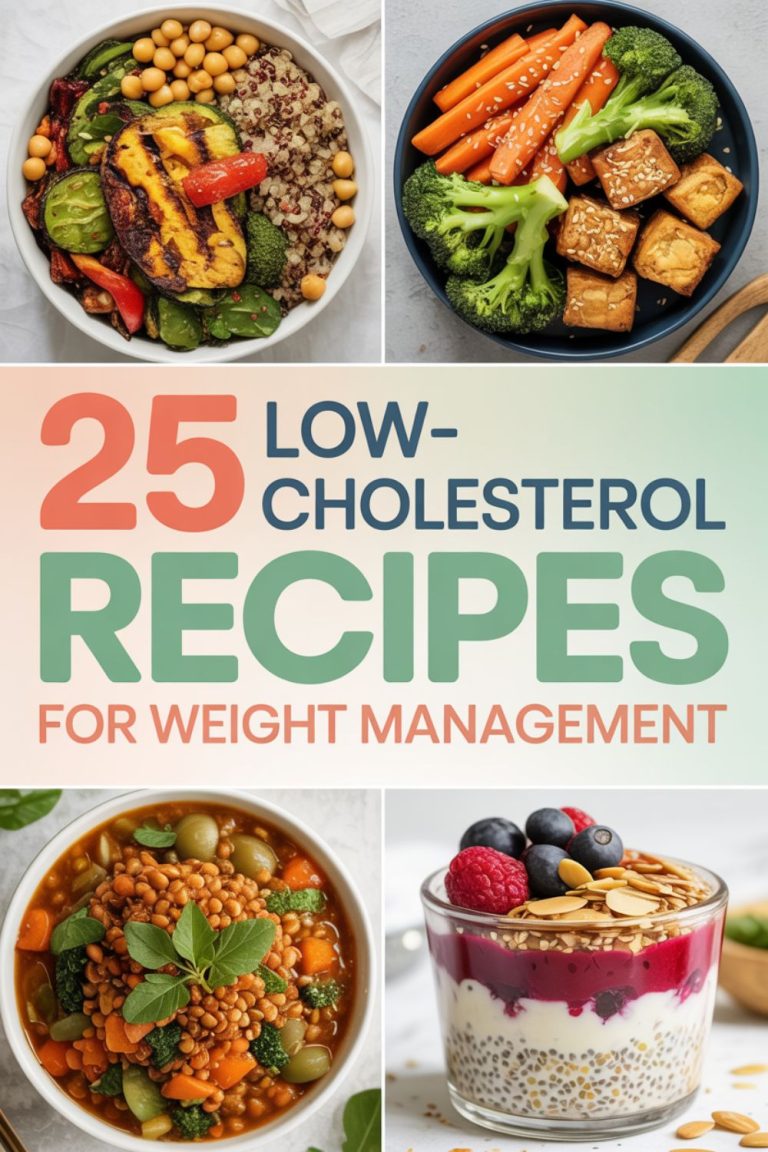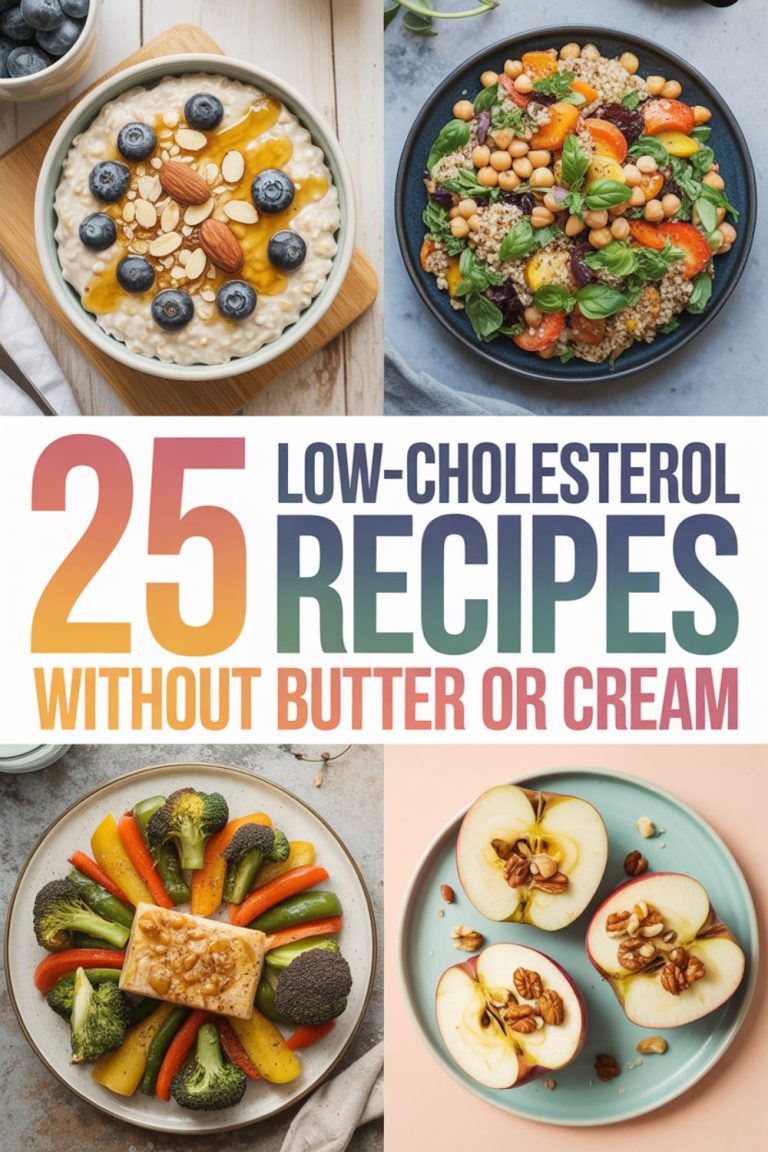

21 Low-Cholesterol Recipes That Keep You Full

Why Low-Cholesterol Meals Matter More Than You Think
Your heart’s basically a workhorse that never gets a day off. Every single beat, every single second—it’s pumping blood through your entire body. So when your cholesterol levels creep up, you’re essentially asking that workhorse to pull a heavier load. Research from Harvard Health shows that dietary changes can genuinely make a difference in managing cholesterol levels, especially when you focus on soluble fiber and healthy fats.
The foods you eat directly impact your LDL (the “bad” cholesterol) and HDL (the “good” stuff). When you swap out saturated fats for heart-healthy alternatives, you’re not just following some trendy diet—you’re giving your cardiovascular system a fighting chance. And honestly? Once you nail down a few go-to recipes, it becomes second nature.
If you’re looking for variety beyond these 21 recipes, check out these 25 delicious low-cholesterol meals that prove healthy eating doesn’t have to be boring.
The Secret to Staying Full on Low-Cholesterol Foods
Here’s where most people mess up—they think “low cholesterol” automatically means “low calorie” or “low satisfaction.” Wrong. The key is understanding what actually keeps you full. It’s not about eating less; it’s about eating smarter.
30-Day Cholesterol Reset System
A simple done-for-you plan to help you eat heart-healthy every day without confusion.
Over 1,000 people downloaded this guide
✔ 100 Easy Recipes
✔ Grocery Lists + Meal Prep Guide
🎁 FREE BONUSES:
✔ 7-Day Quick Start Plan
✔ Printable Grocery List
$29 $9
Get Instant AccessProtein, fiber, and healthy fats are your best friends here. When you combine all three in a meal, you get that satiety that lasts for hours. Think of it this way: a plain piece of grilled chicken might be low in cholesterol, but add some quinoa, roasted vegetables, and a drizzle of olive oil, and suddenly you’ve got a meal that’ll power you through your afternoon without reaching for chips.
The Protein Powerhouse Strategy
Lean proteins like chicken breast, turkey, fish, and plant-based options don’t spike your cholesterol the way fatty cuts of red meat do. I’m a big fan of boneless, skinless chicken thighs—they stay juicy even if you slightly overcook them (we’ve all been there). Fish like salmon and mackerel bring omega-3s to the table, which the American Heart Association notes can help reduce your risk of heart disease.
For comprehensive meal ideas that focus on high protein content, browse through these high-protein, low-cholesterol meals designed specifically for weight loss and satiety.
Fiber: The Unsung Hero
Soluble fiber is legitimately magic when it comes to cholesterol management. It binds to cholesterol in your digestive system and escorts it right out of your body. Oats, beans, lentils, apples, and barley are all loaded with this stuff. I keep steel-cut oats in my pantry at all times—they’re heartier than the instant stuff and keep me full until lunch.
Adding vegetables to every meal isn’t just nutritionist talk—it actually works. A huge pile of roasted Brussels sprouts or sautéed spinach adds volume to your plate without adding cholesterol or tons of calories.
My Go-To Breakfast Recipes That Actually Fill You Up
Breakfast sets the tone for your entire day. Skip it or eat something that doesn’t satisfy you, and you’ll be scrounging around for snacks by 10 AM. These morning meals pack enough protein and fiber to keep hunger at bay.
Overnight Oats with Chia Seeds and Berries
This one’s stupid easy and you literally make it the night before. Mix half a cup of rolled oats with chia seeds, unsweetened almond milk, a handful of frozen berries, and a dash of cinnamon. Let it sit in your fridge overnight in a mason jar, and boom—breakfast is ready when you wake up. The chia seeds add omega-3s and extra fiber, which helps with that fullness factor. Get Full Recipe.
Need more morning inspiration? Check out 25 heart-healthy breakfast ideas that’ll change how you think about your first meal of the day.
Veggie-Packed Egg White Scramble
I know, I know—egg whites don’t sound exciting. But hear me out. When you load them up with sautéed bell peppers, onions, mushrooms, and spinach, plus some nutritional yeast for a cheesy flavor without the cholesterol, you get a breakfast that’s genuinely satisfying. I use a non-stick skillet because nothing’s worse than scrambled eggs that stick to the pan. Get Full Recipe.
Whole Grain Toast with Mashed Avocado
Avocado toast isn’t just Instagram hype—it’s actually a smart choice. Avocados contain monounsaturated fats that can help raise your HDL cholesterol. I like using sprouted grain bread (you can find it in the freezer section), topping it with mashed avocado, a squeeze of lime, some red pepper flakes, and a sprinkle of hemp seeds. Sometimes I add everything bagel seasoning because I’m not a monk. Get Full Recipe.
Lunch Ideas That Won’t Leave You Starving by 3 PM
The struggle is real when it comes to lunch. You need something that’s filling but won’t make you want to nap under your desk. These recipes hit that sweet spot.
Mediterranean Chickpea Salad
This is one of those recipes I make in bulk because it keeps well for days. Chickpeas are the star here—they’re packed with protein and fiber. Toss them with diced cucumber, cherry tomatoes, red onion, Kalamata olives, and a simple dressing made from extra virgin olive oil, lemon juice, and dried oregano. You can eat it straight up or stuff it into a whole wheat pita. Get Full Recipe.
For even more lunch variety that’ll keep you satisfied, explore 20 low-cholesterol lunch options that are perfect for meal prep.
Grilled Chicken and Quinoa Bowl
Bowl meals are ridiculously versatile. Start with a base of cooked quinoa, add grilled chicken breast (I marinate mine in lemon juice, garlic, and herbs), pile on roasted vegetables like broccoli and carrots, and drizzle with tahini sauce thinned out with a little water. The combination of protein from the chicken, complex carbs from the quinoa, and fiber from the veggies keeps me full for hours. Pro tip: I use this meal prep container set to portion everything out for the week. Get Full Recipe.
Lentil and Vegetable Soup
Soup gets a bad rap for not being filling, but lentil soup is different. Lentils are ridiculously high in both protein and fiber. I make a big pot with brown lentils, diced tomatoes, carrots, celery, onion, and spinach. Season it with cumin, turmeric, and a bay leaf. This soup is so hearty that it feels like a proper meal, not some watery appetizer. I swear by my Dutch oven for making soups—it distributes heat evenly and makes cleanup easier. Get Full Recipe.
Speaking of soups, if you’re a soup person like me, you’ll love these 21 soups and stews that work for literally any season.
Dinner Recipes You’ll Actually Want to Make Again
Dinner’s when I want something that feels like comfort food but doesn’t wreck my cholesterol levels. These recipes deliver on both fronts.
Baked Salmon with Roasted Vegetables
Salmon is one of those foods that’s as good for you as it is delicious. The omega-3 fatty acids in fatty fish like salmon help reduce triglycerides and support overall heart health. I keep things simple: season the salmon with salt, pepper, and dill, then bake it at 400°F for about 15 minutes. Roast some Brussels sprouts, sweet potato chunks, and red onion on the same baking sheet. The whole thing comes together in under 30 minutes. Get Full Recipe.
Need more ideas for dinner? Check out 21 low-cholesterol dinners that you’ll legitimately want to cook on repeat.
Turkey and Black Bean Chili
Chili is one of those meals that actually tastes better the next day. I use lean ground turkey instead of beef, add plenty of black beans and kidney beans for fiber and protein, diced tomatoes, onions, bell peppers, and a solid mix of chili powder, cumin, and smoked paprika. Let it simmer for at least 30 minutes. Top it with diced avocado and a dollop of Greek yogurt (which has way less fat than sour cream). I use my slow cooker for this when I know I’ll be out all day. Get Full Recipe.
Stir-Fried Tofu with Vegetables
Tofu gets a lot of hate, but that’s usually because people don’t know how to cook it. The trick is pressing out the water first (I use a tofu press—game changer), then cutting it into cubes and pan-frying it until it’s crispy on the outside. Toss it with stir-fried broccoli, snap peas, carrots, and bell peppers, and season everything with low-sodium soy sauce, fresh ginger, and garlic. Serve it over brown rice. Get Full Recipe.
One-Pan Chicken and Vegetable Bake
This is my go-to when I’m too tired to deal with multiple pots and pans. Toss chicken breasts (or thighs) with chopped zucchini, cherry tomatoes, red onion, and bell peppers on a sheet pan. Drizzle everything with olive oil, add minced garlic, dried Italian herbs, salt, and pepper. Bake at 425°F for 25-30 minutes. Dinner’s done, and you only have one pan to clean. Get Full Recipe.
For more dump-and-go dinner ideas, browse through these one-pan dinners that make weeknight cooking stupid easy.
Snacks That Won’t Sabotage Your Progress
Snacking is where a lot of people fall off the wagon. You’re hungry between meals, and suddenly you’re elbow-deep in a bag of chips. Having the right snacks on hand makes all the difference.
Homemade Hummus with Veggie Sticks
Store-bought hummus is fine, but making your own is ridiculously easy and you can control the ingredients. Blend chickpeas, tahini, lemon juice, garlic, and a bit of olive oil in your food processor. Cut up carrots, celery, bell peppers, and cucumber for dipping. The combination of protein from the chickpeas and fiber from the veggies keeps hunger in check. Get Full Recipe.
Apple Slices with Almond Butter
This snack is almost too simple to call a recipe, but it works. Apples provide soluble fiber (pectin, specifically), and almond butter adds healthy fats and protein. Just slice up an apple and spread natural almond butter on each slice. FYI, natural nut butters are better because they don’t have added sugars or hydrogenated oils. Get Full Recipe.
Air-Popped Popcorn with Nutritional Yeast
Popcorn is actually a whole grain, which makes it a pretty solid snack choice. I use an air popper to make it without oil, then sprinkle on nutritional yeast for a cheesy flavor without the actual cheese. Add a tiny bit of salt and you’ve got a crunchy snack that’s way more satisfying than you’d think. Get Full Recipe.
If you’re constantly battling the snack monster, you’ll find 25 snack ideas here that actually support your heart health instead of working against it.
Making Low-Cholesterol Eating Work in Real Life
Look, I’m not going to pretend that changing your eating habits is easy. It’s not. But it gets easier when you have a strategy that doesn’t feel like punishment.
First off, meal prep is your secret weapon. I know it sounds like a hassle, but spending two hours on Sunday cooking and portioning out meals saves you so much time and mental energy during the week. Plus, when you’re tired and hungry after work, having a healthy meal ready to go means you’re less likely to order pizza.
Second, don’t try to overhaul everything at once. Start with breakfast. Get that dialed in for a couple of weeks, then move on to lunch, then dinner. Small, sustainable changes beat massive overhauls that you can’t maintain.
Third, experiment with herbs and spices. A lot of people think healthy food is bland because they’re used to getting flavor from butter, cheese, and salt. But there’s a whole world of flavor out there—cumin, smoked paprika, fresh herbs like cilantro and basil, garlic, ginger. Once you start playing around with these, you realize you don’t need all that extra fat to make food taste good.
For busy weeks when you barely have time to think, check out these lazy-friendly meals that require minimal effort but still support your health goals.
Understanding Cholesterol-Friendly Ingredients
Not all fats are created equal, and understanding this makes shopping and cooking way easier. Saturated fats—the kind you find in fatty meats, full-fat dairy, and processed foods—raise your LDL cholesterol. Trans fats (mostly in highly processed foods) are even worse.
On the flip side, monounsaturated and polyunsaturated fats can actually help improve your cholesterol profile. That’s why olive oil, avocados, nuts, and fatty fish keep showing up in these recipes. They’re not just allowed—they’re encouraged.
Soluble fiber deserves its own standing ovation. Foods like oats, barley, beans, lentils, apples, and flaxseeds literally grab onto cholesterol in your digestive tract and carry it out of your body. It’s like having a tiny cleanup crew working for you from the inside.
Plant sterols and stanols are another powerful tool. These compounds, found naturally in small amounts in vegetables, fruits, nuts, and seeds, block your body from absorbing cholesterol. Some foods are fortified with them (like certain margarines and orange juices), but honestly, you can get plenty from whole foods if you eat a varied diet.
Want a deep dive into ingredients that work for you? Read up on 25 foods that naturally lower cholesterol and why they’re so effective.
Practical Tips That Make This Lifestyle Stick
IMO, the biggest mistake people make is thinking they need to eat perfectly all the time. Perfection isn’t the goal. Consistency is. If you eat well 80% of the time, you’re doing great.
Keep your pantry stocked with the right stuff. When you always have canned beans, brown rice, quinoa, canned tomatoes, olive oil, and a variety of spices on hand, you can throw together a healthy meal even when your fridge is looking sad. I also keep frozen vegetables in my freezer—they’re just as nutritious as fresh, and they don’t go bad.
Another thing: read labels at the grocery store. You’d be surprised how much saturated fat and sodium hide in seemingly innocent products. When you start paying attention, you make better choices without even thinking about it.
Restaurant eating doesn’t have to derail you either. Most places will grill chicken or fish without butter if you ask. Load up on vegetables, skip the bread basket, and go easy on sauces (they’re usually loaded with butter and cream).
For structured meal planning that takes the guesswork out, explore these weekly meal prep ideas that set you up for success.
Frequently Asked Questions
Can I really lower my cholesterol just by changing what I eat?
Yes, dietary changes can make a significant impact on your cholesterol levels, especially your LDL (bad cholesterol). Research consistently shows that swapping saturated fats for healthier alternatives, adding soluble fiber, and eating more plant-based foods can lower LDL by 10-15% or more. That said, some people have genetic factors that require medication in addition to diet changes, so always work with your doctor to develop the right plan for you.
How long does it take to see results from eating low-cholesterol meals?
Most people start seeing changes in their cholesterol numbers within 4-6 weeks of consistently following a heart-healthy diet. Your doctor will likely recheck your levels after about three months to see how your dietary changes are working. Keep in mind that sustainable results come from long-term habit changes, not short-term diets.
Do I have to give up all my favorite foods forever?
Absolutely not. The goal is progress, not perfection. You can still enjoy foods you love—just less frequently and in smaller portions. Many people find that once they adjust to eating healthier versions of their favorites, they don’t even miss the old versions. It’s about finding balance and making the majority of your meals work in your favor.
What’s the difference between dietary cholesterol and blood cholesterol?
Dietary cholesterol is what you eat (found in animal products), while blood cholesterol is what’s in your bloodstream. Research shows that saturated fat and trans fat in your diet have a much bigger impact on your blood cholesterol than dietary cholesterol itself. That’s why eggs and shrimp, which are high in dietary cholesterol but low in saturated fat, are generally considered okay to eat in moderation for most people.
Are low-cholesterol meals automatically low-calorie?
Not necessarily. Low cholesterol simply means the meal doesn’t contain much saturated fat or dietary cholesterol. You can absolutely have satisfying, calorie-appropriate meals that are also low in cholesterol by focusing on lean proteins, whole grains, plenty of vegetables, and healthy fats like those found in nuts, avocados, and olive oil. The recipes in this article are designed to keep you full precisely because they balance all these elements.
The Bottom Line on Low-Cholesterol Eating
Changing how you eat to support your heart health isn’t about deprivation or suffering through meals you hate. It’s about discovering that food can be both delicious and good for you. These 21 recipes prove that you can eat meals that fill you up, taste amazing, and support healthy cholesterol levels all at the same time.
Start with a few recipes that sound good to you. Get comfortable with those, then branch out. Before you know it, you’ll have a whole rotation of meals that you genuinely look forward to eating. Your heart will thank you, and honestly, you might just feel better overall—more energy, better digestion, less sluggishness after meals.
The key is consistency, not perfection. Some days you’ll nail it. Some days you’ll order takeout. That’s life. What matters is that you keep coming back to these healthier choices more often than not. That’s how real, lasting change happens.
30-Day Cholesterol-Lowering Meal Plan
A simple step-by-step system to help you eat heart-healthy every day without stress.
Over 1,000 people downloaded this guide
$29$9
Get Instant Access