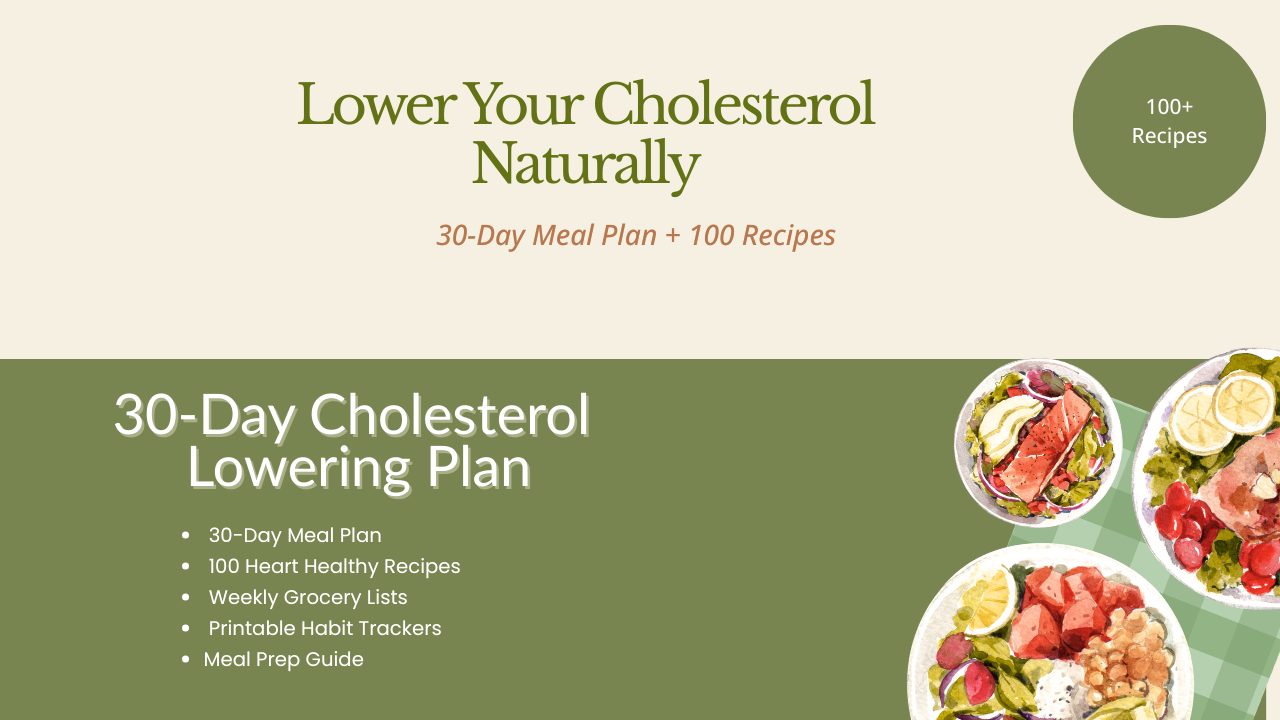

30 Best Low-Cholesterol Recipes for Heart Health
Over the past few years, I’ve experimented with more heart-healthy recipes than I can count, and I’ve learned something important: the best low-cholesterol cooking isn’t about what you’re giving up—it’s about discovering ingredients and techniques that make your taste buds and your arteries equally happy. Whether you’re dealing with high cholesterol numbers yourself or just want to eat more preventatively, these 30 recipes will completely change how you think about heart-healthy eating.

Why Low-Cholesterol Eating Actually Matters
Before we get into the recipes, let’s talk science for a second—but I promise to keep it painless. Your body actually needs cholesterol to function properly. It helps build cells, produces hormones, and aids in digestion. The problem comes when you have too much LDL (low-density lipoprotein) cholesterol, which can build up in your arteries and increase your risk of heart disease and stroke.
According to the American Heart Association, managing cholesterol through diet is one of the most effective ways to support cardiovascular health. The key is focusing on whole foods that are naturally low in saturated fats and dietary cholesterol while being rich in fiber, healthy fats, and plant-based nutrients.
The Mayo Clinic emphasizes that dietary patterns like the Mediterranean diet—which focuses on fruits, vegetables, whole grains, and healthy fats—can significantly lower LDL cholesterol levels. And honestly? That style of eating is delicious, not depressing.
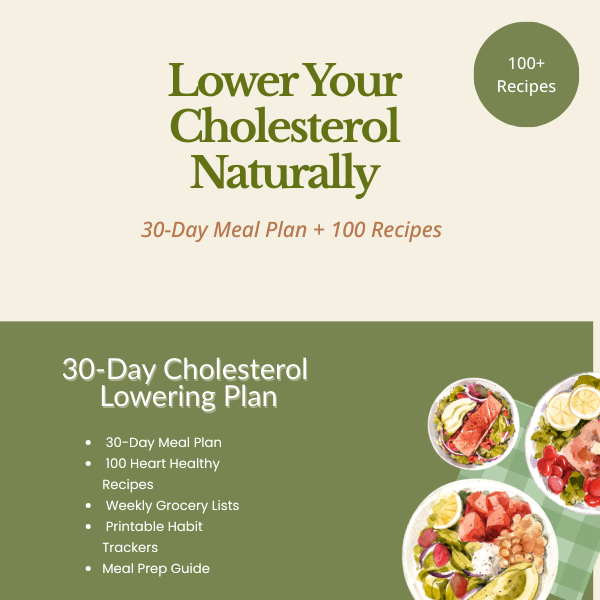
30-Day Cholesterol Reset System
A simple done-for-you plan to help you eat heart-healthy every day without confusion.
Over 1,000 people downloaded this guide
✔ 100 Easy Recipes
✔ Grocery Lists + Meal Prep Guide
🎁 FREE BONUSES:
✔ 7-Day Quick Start Plan
✔ Printable Grocery List
$29 $9
Get Instant AccessUnderstanding the Cholesterol-Food Connection
Here’s where things get interesting. For years, we were told that eating cholesterol-rich foods like eggs would automatically spike your blood cholesterol. Turns out, it’s not that simple. Saturated fats and trans fats have a much bigger impact on your cholesterol levels than dietary cholesterol itself.
That means the real troublemakers are things like fatty cuts of red meat, full-fat dairy, processed foods, and anything deep-fried in questionable oils. Meanwhile, foods rich in soluble fiber (oats, beans, fruits) actually help remove cholesterol from your bloodstream. Wild, right?
The Power of Soluble Fiber
If cholesterol management had a superhero, it would be soluble fiber. This stuff binds to cholesterol in your digestive system and helps escort it out of your body before it can cause problems. You’ll find it in oats, barley, beans, lentils, apples, and citrus fruits.
I started my mornings with Get Full Recipe for steel-cut oats topped with berries and walnuts, and I swear it made a difference in my energy levels—plus my doctor was actually impressed at my next checkup.
Premium Omega-3 Fish Oil (Triple Strength)
Not getting enough fatty fish in your diet? This pharmaceutical-grade fish oil delivers 2,000mg of omega-3s per serving (EPA & DHA), clinically proven to support healthy triglyceride levels and cardiovascular function. Molecularly distilled for purity, mercury-free, and burp-free formula. I take these daily and haven’t had that fishy aftertaste issue at all.
30 Low-Cholesterol Recipes That Don’t Suck
Alright, let’s get to the good stuff. I’ve organized these recipes by meal type because nobody has time to scroll through random dishes when you’re trying to figure out what to make for dinner tonight.
Breakfast: Start Your Day Right
1. Mediterranean Veggie Scramble – Forget boring eggs. This one’s loaded with spinach, tomatoes, and mushrooms, plus a quality non-stick pan makes the whole thing come together in under 10 minutes. Use egg whites or a mix of whole eggs and whites to keep cholesterol in check.
2. Overnight Oats with Chia Seeds – I prep these Sunday night and thank myself all week. Mix oats, almond milk, chia seeds, and a touch of maple syrup. Top with whatever fruit you have lying around. FYI, chia seeds are packed with omega-3s, which are basically the opposite of cholesterol villains.
3. Avocado Toast with Everything Bagel Seasoning – Yeah, I know, very millennial of me. But hear me out—avocados contain heart-healthy monounsaturated fats that can actually help lower bad cholesterol. Plus, it’s delicious. I use a sturdy whole-grain bread that doesn’t fall apart when you spread the avocado.
4. Berry Protein Smoothie Bowl – Blend frozen berries, banana, plant-based protein powder, and almond milk. Top with sliced almonds and hemp seeds. The antioxidants in berries help protect your heart, and the protein keeps you full until lunch.
5. Veggie-Packed Breakfast Burrito – Scrambled egg whites, black beans, salsa, and a whole wheat tortilla. Sometimes I throw in leftover roasted vegetables from dinner. It’s filling, flavorful, and legitimately heart-healthy.
If you’re looking for more morning inspiration, these breakfast ideas and breakfasts under 300 calories have become my go-to resources when I’m in a breakfast rut.
“I started making the overnight oats every week after my doctor told me to watch my cholesterol. Three months later, my LDL dropped by 20 points. I’m not saying it was just the oats, but I’m also not NOT saying that.” – Maria, from our community
Heart-Healthy Recipe Collection eBook
Struggling to come up with new low-cholesterol meals every week? This comprehensive eBook features 100+ doctor-approved recipes specifically designed to lower LDL cholesterol naturally. Each recipe includes complete nutritional information, cholesterol content, and heart-health benefits. Perfect for meal planning and includes a bonus grocery shopping guide organized by heart-healthy food categories.
Lunch: Midday Meals That Keep You Going
6. Mediterranean Quinoa Bowl – Quinoa is a complete protein and has zero cholesterol. I load mine with chickpeas, cucumber, tomatoes, red onion, and a lemon-tahini dressing. Sometimes I meal prep five of these on Sunday, and honestly, they taste even better on day three.
7. Lentil Soup with Spinach – This is stupid easy and stupid good. Sauté onions and garlic, add vegetable broth, lentils, and whatever vegetables need to get used up. I make a huge batch in my Dutch oven and freeze portions for lazy days.
8. Grilled Chicken Salad with Balsamic Vinaigrette – Skinless chicken breast, mixed greens, cherry tomatoes, and a homemade balsamic dressing. Skip the store-bought dressing—those are loaded with sugar and weird oils. Making your own takes literally two minutes.
9. Veggie-Packed Hummus Wrap – Whole wheat wrap, hummus, shredded carrots, cucumber, bell peppers, and spinach. It’s crunchy, satisfying, and you can eat it with one hand while answering emails. Not that I would ever do that.
10. Black Bean and Sweet Potato Bowl – Roasted sweet potato cubes, black beans, corn, avocado, and a squeeze of lime. The combination of fiber from the beans and sweet potato helps manage cholesterol naturally. Plus, the colors make you feel like you’re eating something fancy.
Need more lunch ideas? Check out these lunches that actually keep you full or these quick lunches under 10 minutes for those days when you’re pressed for time.
Dinner: The Main Event
11. Baked Salmon with Roasted Vegetables – Salmon is rich in omega-3 fatty acids, which can help reduce triglycerides and increase HDL (the good cholesterol). I season mine simply with lemon, garlic, and dill, then roast it alongside broccoli and bell peppers on a silicone baking mat. No sticking, no scrubbing, no problem.
12. Turkey Chili with Beans – Lean ground turkey, kidney beans, tomatoes, and a ton of spices. This is comfort food that won’t wreck your cholesterol. I make a massive pot and freeze half for future me, who will definitely appreciate it.
13. Veggie Stir-Fry with Tofu – Tofu is a fantastic protein source with zero cholesterol. Press it well (I use a tofu press because I’m fancy like that), cube it, and stir-fry with whatever vegetables you have. Add some tamari and sesame oil, and you’re living.
14. Grilled Chicken with Chimichurri – Chimichurri is an Argentinian sauce made with parsley, garlic, olive oil, and vinegar. It’s bright, herbaceous, and makes plain chicken breast taste like something you’d order at a restaurant. Get Full Recipe from my collection—it’s legitimately one of my favorites.
15. Baked Cod with Herbs – White fish is incredibly low in cholesterol and high in lean protein. I coat cod fillets with a mixture of herbs, lemon zest, and a tiny bit of olive oil, then bake until flaky. Pair it with roasted asparagus and you’ve got yourself a heart-healthy dinner that took 20 minutes.
Cholesterol & Heart Health Tracker App
Knowledge is power when it comes to managing cholesterol. This intuitive tracking app helps you monitor your daily cholesterol intake, saturated fat consumption, and fiber goals. It syncs with popular fitness apps and generates weekly reports showing how your dietary choices impact your heart health. The built-in food database includes cholesterol and nutritional info for 500,000+ foods, making logging effortless.
16. Stuffed Bell Peppers – Bell peppers stuffed with quinoa, black beans, corn, and spices, then baked until tender. These are so good that you’ll forget you’re eating something healthy. I sometimes top them with a little bit of low-fat cheese, but they’re honestly great without it too.
17. Chickpea Curry – Chickpeas, coconut milk, tomatoes, and curry spices. This is one of those recipes where the longer it simmers, the better it gets. Serve over brown rice for a complete meal. The fiber in chickpeas is excellent for cholesterol management.
18. Zucchini Noodles with Turkey Meatballs – I use a spiralizer to make zucchini noodles, which gives you the pasta experience without the refined carbs. The turkey meatballs are made with lean ground turkey, herbs, and just enough breadcrumbs to hold them together.
19. Sheet Pan Chicken Fajitas – Chicken breast, bell peppers, onions, and fajita seasoning all roasted on one pan. Serve with whole wheat tortillas and all the fixings. The cleanup is minimal, which is crucial for weeknight dinners.
20. Lentil Bolognese – Swap ground meat for lentils in your bolognese sauce. I know it sounds weird, but trust me—the texture is surprisingly similar, and the flavor is rich and satisfying. Plus, lentils are loaded with soluble fiber that helps lower cholesterol.
For more dinner inspiration, these dinners you’ll want to make again, one-pan dinners, and family dinners everyone will love have seriously saved my weeknight sanity.
Snacks: Because Life Happens Between Meals
21. Hummus with Veggie Sticks – Carrot sticks, cucumber, bell peppers, and cherry tomatoes with homemade or store-bought hummus. It’s crunchy, satisfying, and the fiber from the vegetables helps keep you full.
22. Apple Slices with Almond Butter – Apples contain pectin, a type of soluble fiber that’s particularly effective at lowering cholesterol. Pair with almond butter for healthy fats and protein. I keep a jar of no-sugar-added almond butter in my pantry at all times.
23. Roasted Chickpeas – Toss chickpeas with olive oil and your favorite spices, then roast until crispy. These are dangerously addictive and a million times better than potato chips. Plus, they’re packed with protein and fiber.
24. Mixed Nuts and Seeds – A small handful of walnuts, almonds, and pumpkin seeds makes for a perfectly portable snack. Walnuts are especially good for heart health—they’re loaded with omega-3s and have been shown to help lower LDL cholesterol.
25. Greek Yogurt with Berries – Choose low-fat or non-fat Greek yogurt to keep saturated fat in check. Top with fresh berries and a drizzle of honey. The probiotics in yogurt may also help with cholesterol management, though more research is needed.
Craving more snack ideas? These heart-healthy snacks have become my afternoon go-tos.
Organic Plant-Based Protein Powder (Vanilla)
Need more protein without the cholesterol? This blend combines pea, brown rice, and hemp proteins for a complete amino acid profile—zero cholesterol, zero dairy. Each scoop delivers 25g of protein and 5g of fiber. Mix it into smoothies, oatmeal, or even baking. The vanilla flavor is actually good (not that weird chalky taste some plant proteins have). Great for post-workout recovery or meal replacement when you’re short on time.
Soups and Stews: Comfort in a Bowl
26. Minestrone Soup – This Italian vegetable soup is packed with beans, tomatoes, and whatever vegetables you have on hand. It’s hearty, filling, and naturally low in cholesterol. I like to make a big pot and eat it all week.
27. White Bean and Kale Soup – White beans, kale, garlic, and vegetable broth. It’s simple but incredibly flavorful. The beans provide plant-based protein and tons of fiber, while the kale adds vitamins and minerals.
28. Moroccan Vegetable Stew – Chickpeas, sweet potatoes, tomatoes, and warm spices like cumin and cinnamon. This stew is exotic, aromatic, and perfect for those days when you want something different. Serve over couscous or quinoa.
29. Thai-Inspired Coconut Soup – Light coconut milk, vegetables, tofu, and Thai spices create a soup that’s creamy without being heavy. The lemongrass and ginger add brightness, while the coconut milk provides healthy fats.
30. Split Pea Soup – Split peas, carrots, celery, and onions simmered until thick and creamy. This soup is proof that healthy food doesn’t have to be complicated or expensive. A bag of split peas costs next to nothing and makes a massive pot of soup.
Love soups as much as I do? Check out these soups and stews for any season and heart-healthy soups that I rotate through all year long.
Making It Work in Real Life
Look, I’m not going to pretend that eating for heart health is always easy. There are days when you just want pizza, and that’s fine. The goal isn’t perfection—it’s making better choices most of the time.
One thing that’s really helped me is meal prepping. I know, I know, meal prep sounds like something only extremely organized people do. But honestly, it’s just cooking once and eating multiple times. On Sunday, I’ll make a big batch of Get Full Recipe for quinoa or brown rice, roast a bunch of vegetables, and grill some chicken or salmon. Then during the week, I just mix and match components to create different meals.
For more meal prep strategies, these meal prep ideas and freezer meals have been absolute game-changers for me.
Heart-Smart Weekly Meal Planner
Stop stressing about what to cook every night. This interactive meal planner generates customized weekly menus based on your cholesterol goals, dietary preferences, and family size. Each plan ensures you hit your daily fiber targets while keeping saturated fat and cholesterol in check. Includes automated grocery lists organized by store section, prep-ahead tips, and leftover reinvention ideas to minimize food waste.
Restaurant Strategies That Actually Work
Eating out doesn’t have to derail your cholesterol-lowering efforts. I’ve learned to scan menus for grilled, baked, or roasted options rather than fried. Ask for dressings and sauces on the side. Choose fish or chicken over red meat most of the time. And honestly, don’t be afraid to ask for modifications—most restaurants are happy to accommodate.
Also, portion sizes at restaurants are ridiculous. I usually eat half and take the rest home for lunch the next day. Your wallet and your cholesterol will thank you.
“I thought eating out was going to be impossible after my diagnosis, but learning to navigate menus has been empowering. I can enjoy meals with friends and still stay on track with my cholesterol goals.” – David, community member
The Role of Physical Activity
I hate to break it to you, but diet alone isn’t enough. Exercise plays a crucial role in managing cholesterol levels. Regular physical activity can help raise HDL (good cholesterol) while lowering LDL (bad cholesterol) and triglycerides.
You don’t need to become a marathon runner or gym rat. Even moderate activities like brisk walking, swimming, or cycling for 30 minutes most days of the week can make a difference. I started with daily walks around my neighborhood, and gradually worked up to more intense activities.
Smart Fitness Tracker with Heart Rate Monitor
Track your heart health journey with precision. This waterproof fitness tracker monitors heart rate 24/7, counts steps, tracks calories burned, and even analyzes sleep quality. The best part? It syncs with your phone to show trends over time, so you can actually see how your lifestyle changes impact your cardiovascular fitness. Battery lasts a week on a single charge. I wear mine constantly and it’s been eye-opening to see my resting heart rate improve as my diet got better.
Beyond Recipes: Foods That Naturally Lower Cholesterol
While specific recipes are helpful, understanding which foods have cholesterol-lowering properties empowers you to create your own heart-healthy meals. According to research, certain foods are particularly effective at reducing LDL cholesterol.
Oats and barley contain beta-glucan, a type of soluble fiber that’s incredibly effective at lowering cholesterol. Just one and a half cups of cooked oatmeal provides 6 grams of fiber.
Nuts, especially almonds and walnuts, have been shown to lower cholesterol when eaten regularly. Just a small handful daily can make a difference. The key is to eat them plain or dry-roasted, not coated in sugar or salt.
Fatty fish like salmon, mackerel, and sardines are rich in omega-3 fatty acids, which don’t directly lower LDL cholesterol but can reduce triglycerides and increase HDL cholesterol. Aim for at least two servings of fatty fish per week.
Beans and legumes are cholesterol-fighting superstars. They’re loaded with soluble fiber and can help lower LDL cholesterol by 5% when eaten regularly. Plus, they’re cheap, versatile, and filling.
Avocados are rich in monounsaturated fats and fiber, both of which can help lower cholesterol. Studies have shown that eating one avocado a day can significantly reduce LDL cholesterol in overweight individuals.
For a comprehensive list, check out these foods that naturally lower cholesterol and foods for a stronger heart.
What About Desserts?
Yes, you can still have dessert while managing your cholesterol. The key is choosing desserts that use healthier fats and natural sweeteners. Fruit-based desserts are your friend—think baked apples with cinnamon, berry crisps with oat toppings, or dark chocolate-dipped strawberries.
IMO, dessert shouldn’t feel like punishment. There are plenty of ways to satisfy your sweet tooth without sabotaging your health goals. These low-cholesterol desserts have saved me from feeling deprived.
Understanding Different Dietary Approaches
While we’ve covered specific recipes, it’s worth mentioning that several dietary patterns have been shown to effectively lower cholesterol. The Mediterranean diet, which emphasizes fruits, vegetables, whole grains, fish, and olive oil, has been extensively studied and shown to reduce cardiovascular risk.
The DASH (Dietary Approaches to Stop Hypertension) diet, while originally designed for blood pressure, also effectively lowers cholesterol. It focuses on whole grains, fruits, vegetables, and lean proteins while limiting sodium and saturated fats.
A plant-based or vegetarian approach can also be highly effective. These vegetarian meals prove that plant-based eating is anything but boring.
Reading Labels Like a Pro
One skill that’s been invaluable in my cholesterol-lowering journey is learning to read nutrition labels effectively. Here’s what I look for: Keep saturated fat as low as possible—ideally under 1-2 grams per serving. Watch out for trans fats (anything that says “partially hydrogenated oil”). Check the fiber content—higher is better. And look at the ingredient list—the fewer ingredients and the more you recognize, the better.
Also, serving sizes are often deceptively small. That package of crackers might look like it has only 2 grams of saturated fat until you realize the serving size is 5 crackers and you just ate 20.
Frequently Asked Questions
Can I still eat eggs if I have high cholesterol?
Yes, but in moderation. Current research suggests that dietary cholesterol has less impact on blood cholesterol than previously thought. The bigger concern is saturated and trans fats. Most people can safely eat one whole egg per day, or you can use egg whites, which contain no cholesterol. If you’re really concerned, talk to your doctor about what’s right for your specific situation.
How long does it take to lower cholesterol through diet?
You can start seeing changes in as little as 3-4 weeks of consistent dietary changes, though more significant improvements typically take 2-3 months. The key is consistency—occasional healthy meals won’t cut it. You need to make sustainable changes to your overall eating pattern. Most doctors will recheck your cholesterol levels after about 3 months to see if dietary changes are working or if medication might be needed.
Are plant-based proteins better than animal proteins for cholesterol?
Generally speaking, yes. Plant-based proteins like beans, lentils, and tofu contain zero cholesterol and are typically lower in saturated fat than animal proteins. That said, lean animal proteins like skinless chicken breast and fish (especially fatty fish high in omega-3s) can absolutely be part of a cholesterol-lowering diet. The key is choosing lean cuts and watching your portion sizes.
What’s the deal with coconut oil—is it good or bad for cholesterol?
Coconut oil is high in saturated fat, which can raise LDL cholesterol. While some studies suggest it might raise HDL (good) cholesterol too, most heart health organizations recommend limiting coconut oil and choosing oils high in unsaturated fats instead, like olive oil, avocado oil, or canola oil. I know coconut oil had a health halo for a while, but the science doesn’t really support it for heart health.
Can I lower my cholesterol without giving up all my favorite foods?
Absolutely. This isn’t about perfection—it’s about making better choices most of the time. You can still enjoy your favorite foods occasionally; the key is moderation and finding healthier versions of things you love. I still have pizza sometimes, but I make it at home with whole wheat crust, load it with vegetables, and use less cheese. The goal is progress, not perfection.
The Bottom Line
Managing your cholesterol through diet isn’t about deprivation or eating tasteless food for the rest of your life. It’s about discovering a whole world of flavorful, satisfying meals that just happen to be good for your heart too.
These 30 recipes are just a starting point. Once you get comfortable with the basics—loading up on fiber, choosing healthy fats, and emphasizing plant-based foods—you’ll find yourself naturally gravitating toward heart-healthy choices without feeling like you’re constantly on a diet.
Your heart is literally working for you 24/7, pumping blood and keeping you alive. The least you can do is feed it well. And honestly, eating for heart health doesn’t have to feel like a chore. With the right recipes and a bit of planning, it can actually be pretty enjoyable.
Start with one or two recipes that appeal to you. Maybe prep a big pot of soup this weekend or try that Mediterranean quinoa bowl for lunch. Small changes add up to big results over time. Your future self—and your arteries—will thank you.
30-Day Cholesterol-Lowering Meal Plan
A simple step-by-step system to help you eat heart-healthy every day without stress.
Over 1,000 people downloaded this guide
$29$9
Get Instant Access

