
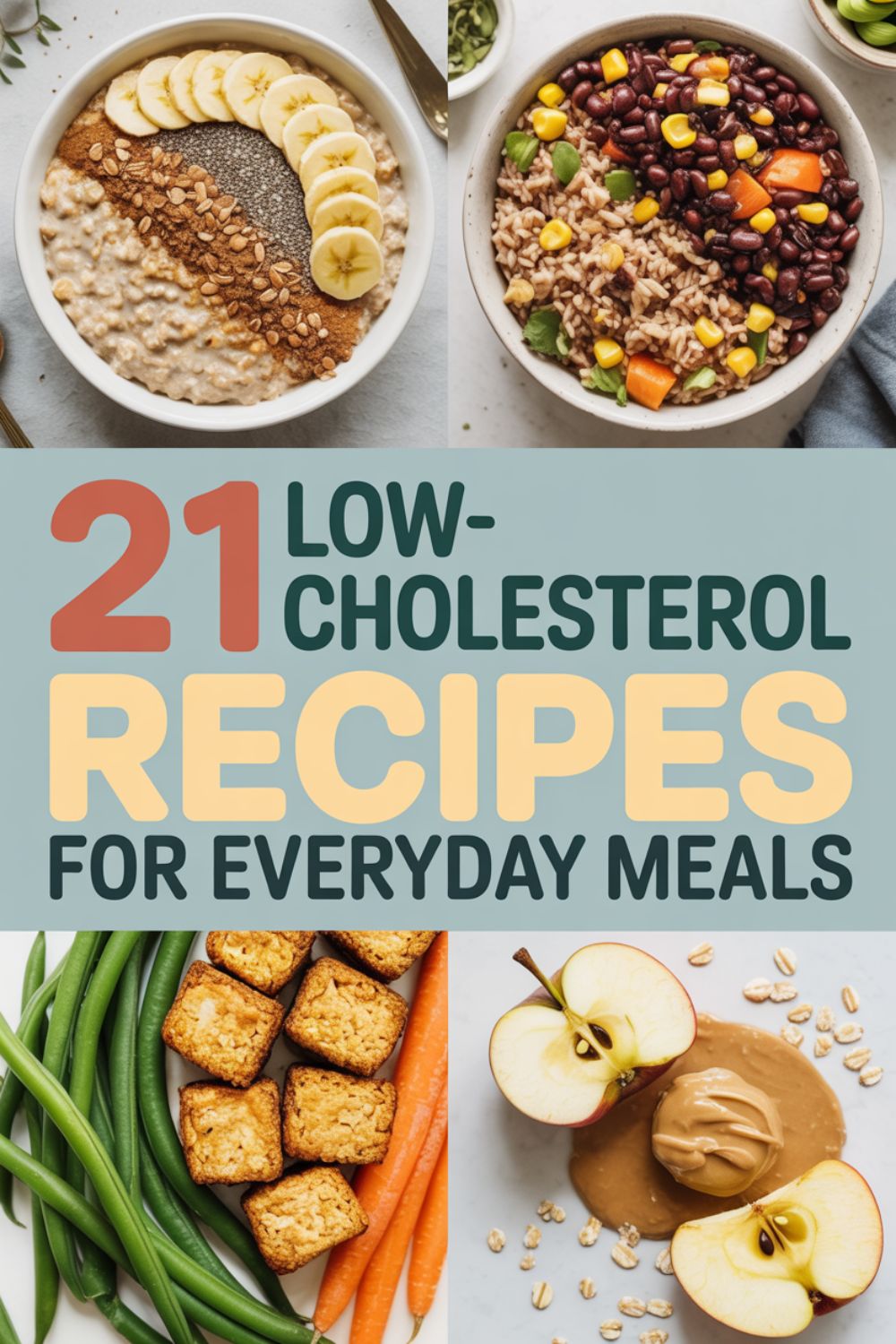
21 Low-Cholesterol Recipes for Everyday Meals
Look, I get it. Someone told you to watch your cholesterol, and now you’re convinced you’ll be eating nothing but steamed broccoli and sadness for the rest of your life. But here’s the thing—eating low-cholesterol doesn’t mean sacrificing flavor or spending three hours in the kitchen pretending you’re a chef. I’ve been cooking heart-healthy meals for years, and honestly? Some of my best recipes happen to be the ones that keep my cholesterol in check.
These 21 recipes aren’t just thrown together because they fit some arbitrary health criteria. They’re meals I actually make on repeat, the kind that have you scraping the pan for seconds and forgetting you’re technically eating “healthy food.” We’re talking real meals here—breakfasts that don’t leave you starving by 10 AM, lunches that make your coworkers jealous, and dinners that feel like comfort food without the guilt.
And before you ask—no, you don’t need to be a nutritionist to understand this stuff. The basics are simple: limit saturated fats, skip the trans fats, and load up on fiber. The rest is just cooking smart, which is exactly what we’re about to do.
Why Low-Cholesterol Cooking Actually Makes Sense
Let me level with you—I didn’t start cooking low-cholesterol meals because I suddenly became obsessed with health metrics. My doctor gave me that look, you know the one, and basically said I needed to get my act together. Turns out, what you eat directly impacts your LDL levels, and consistently high cholesterol can lead to plaque buildup in your arteries. Not exactly dinner table conversation, but it’s worth knowing.
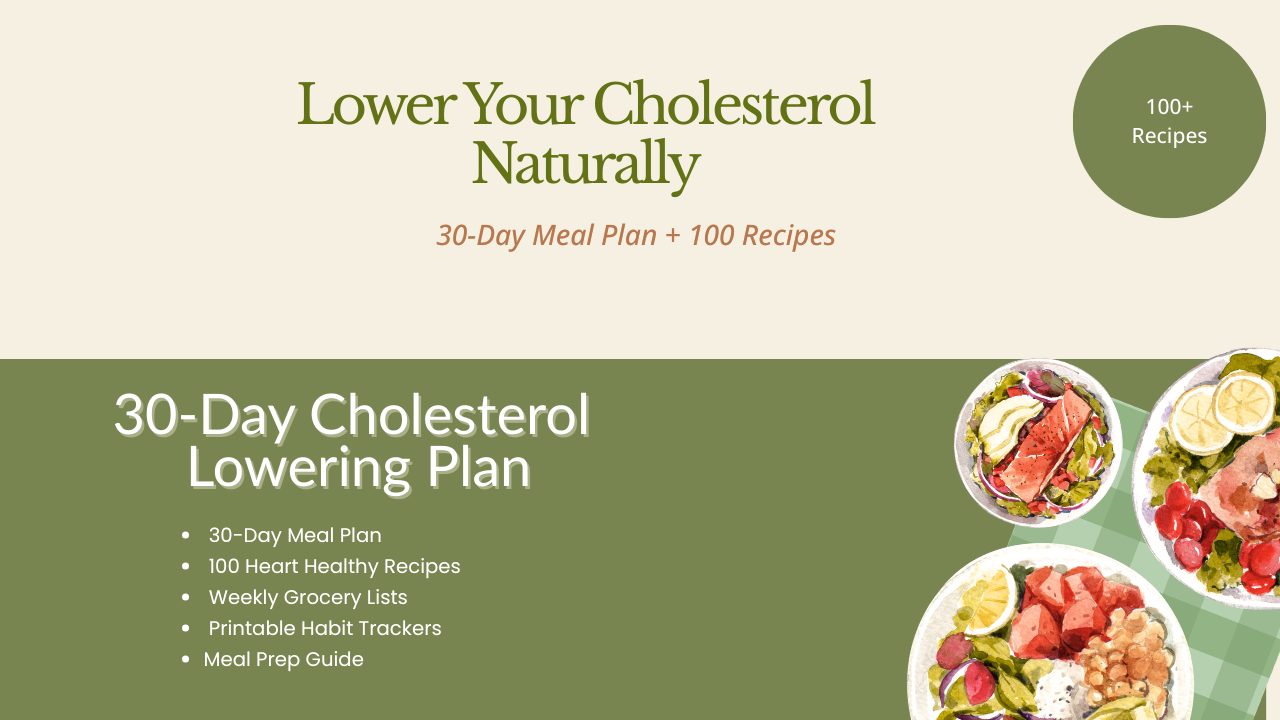
30-Day Cholesterol Reset System
A simple done-for-you plan to help you eat heart-healthy every day without confusion.
Over 1,000 people downloaded this guide
✔ 100 Easy Recipes
✔ Grocery Lists + Meal Prep Guide
🎁 FREE BONUSES:
✔ 7-Day Quick Start Plan
✔ Printable Grocery List
$29 $9
Get Instant AccessThe cool part? You don’t need medications to make a real difference. Plant-based foods, lean proteins, and healthy fats can do serious work when it comes to lowering your numbers. I’m not saying throw out your prescriptions—I’m saying give your body the tools it actually needs.
Here’s what changed for me: once I stopped seeing this as a diet and started seeing it as just… eating better, everything clicked. These recipes aren’t about deprivation. They’re about eating food that happens to work with your body instead of against it. Simple as that.
Breakfast Recipes That Don’t Bore You to Death
Overnight Oats with Berries and Walnuts
I’ll be honest—I used to think overnight oats were some kind of hippie nonsense until I actually tried them. Now? They’re my weekday lifesaver. You throw everything in a jar the night before, and boom, breakfast is done. Oats are packed with soluble fiber, which basically grabs cholesterol in your digestive system and shows it the door. Add some walnuts for omega-3s and berries for antioxidants, and you’ve got yourself a meal that tastes like dessert but works like medicine. Get Full Recipe.
The key is using rolled oats, not the instant stuff. Mix them with unsweetened almond milk, a handful of berries, and some chopped walnuts. I add a tiny drizzle of maple syrup because I’m not a monster, but that’s optional. Let it sit overnight in the fridge, and you’re golden. When you’re ready to eat, you can top it with more fresh berries or a sprinkle of chia seeds for extra nutrition.
Veggie-Packed Egg White Scramble
If you’re team whole eggs, I respect that. But when you’re watching cholesterol, egg whites are your friend. Before you roll your eyes, hear me out—this isn’t about eating sad, flavorless scrambled whites. Load them up with vegetables, and suddenly you’ve got a breakfast that’s actually interesting.
I use spinach, bell peppers, mushrooms, and whatever else is hanging out in my fridge. Sauté the veggies in a bit of olive oil first, then pour in your egg whites. Season with garlic powder, black pepper, and maybe some red pepper flakes if you like heat. Seriously, it’s good. And if you’re meal prepping, make a big batch and reheat throughout the week. For more heart-healthy morning ideas, check out these low-cholesterol breakfast recipes or try these breakfasts under 300 calories.
Greek Yogurt Parfait with Granola
This one’s almost too easy to call a recipe, but it’s a staple for a reason. Grab some plain Greek yogurt—go for the low-fat or fat-free version if you’re being strict about it. Layer it with fresh berries and a small handful of granola. The probiotics in yogurt help with overall gut health, and the protein keeps you full longer than most breakfast options.
Just watch the granola—some brands sneak in way too much sugar and saturated fat. I make my own using oats, a touch of honey, and some slivered almonds, then bake it until it’s crispy. Takes maybe 20 minutes total, and you’ll have granola for weeks. Store it in one of those airtight glass containers to keep it fresh.
Lunch Ideas That Actually Fill You Up
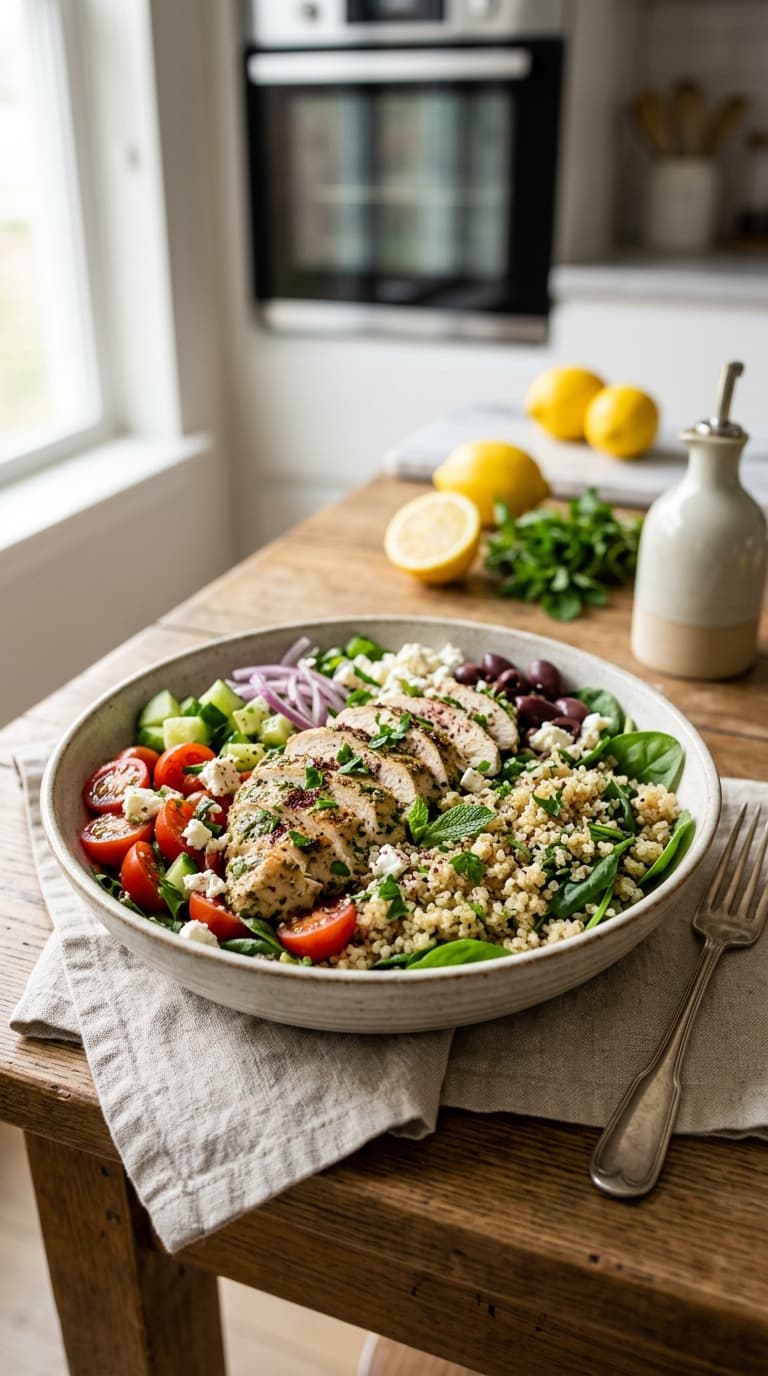
Quinoa Buddha Bowl with Roasted Chickpeas
Buddha bowls sound fancy, but they’re basically just “throw a bunch of healthy stuff in a bowl” meals. And I mean that in the best way possible. Start with a base of quinoa—it’s a complete protein, which is rare for a grain. Add roasted chickpeas for crunch and extra protein, then pile on the vegetables. I’m talking kale, shredded carrots, cucumber, avocado, whatever you’ve got.
The magic is in the dressing. I whisk together tahini, lemon juice, a tiny bit of maple syrup, and water until it’s smooth. Drizzle that over everything, and suddenly your healthy lunch tastes like something you’d pay fifteen bucks for at a trendy cafe. Get Full Recipe. These low-cholesterol salads are perfect if you want more bowl-style meals that don’t taste like diet food.
Lentil Soup with Vegetables
Soup is criminally underrated for lunch, probably because most people think it won’t keep them full. But lentils change that equation completely. They’re loaded with fiber and protein, plus they’re dirt cheap. I make a big pot at the beginning of the week and eat it for days.
Sauté onions, carrots, and celery in a bit of olive oil. Add your lentils (I use green or brown, not the red ones that turn mushy), vegetable broth, diced tomatoes, and whatever seasonings you like. I go heavy on the garlic and throw in some cumin for warmth. Let it simmer until the lentils are tender, and you’re done. The best part? It gets better as it sits, so day-three lentil soup is somehow even more flavorful than day one. You’ll want a good soup ladle for serving—sounds basic, but trust me, it matters.
Grilled Chicken Wrap with Hummus
When I need something fast but don’t want to resort to takeout, this wrap saves me every time. Grill some chicken breast with basic seasonings—salt, pepper, paprika, done. Let it rest, then slice it thin. Spread hummus on a whole wheat tortilla, add your chicken, and load up with lettuce, tomatoes, cucumbers, and whatever other raw veggies you like.
The hummus adds creaminess without the saturated fat you’d get from mayo or cheese. Plus, chickpeas bring fiber and plant-based protein to the party. Roll it up tight, cut it in half, and you’ve got lunch. For more quick lunch inspiration, try these lunches under 10 minutes—they’re lifesavers on busy days.
Dinner Recipes Worth Making Twice
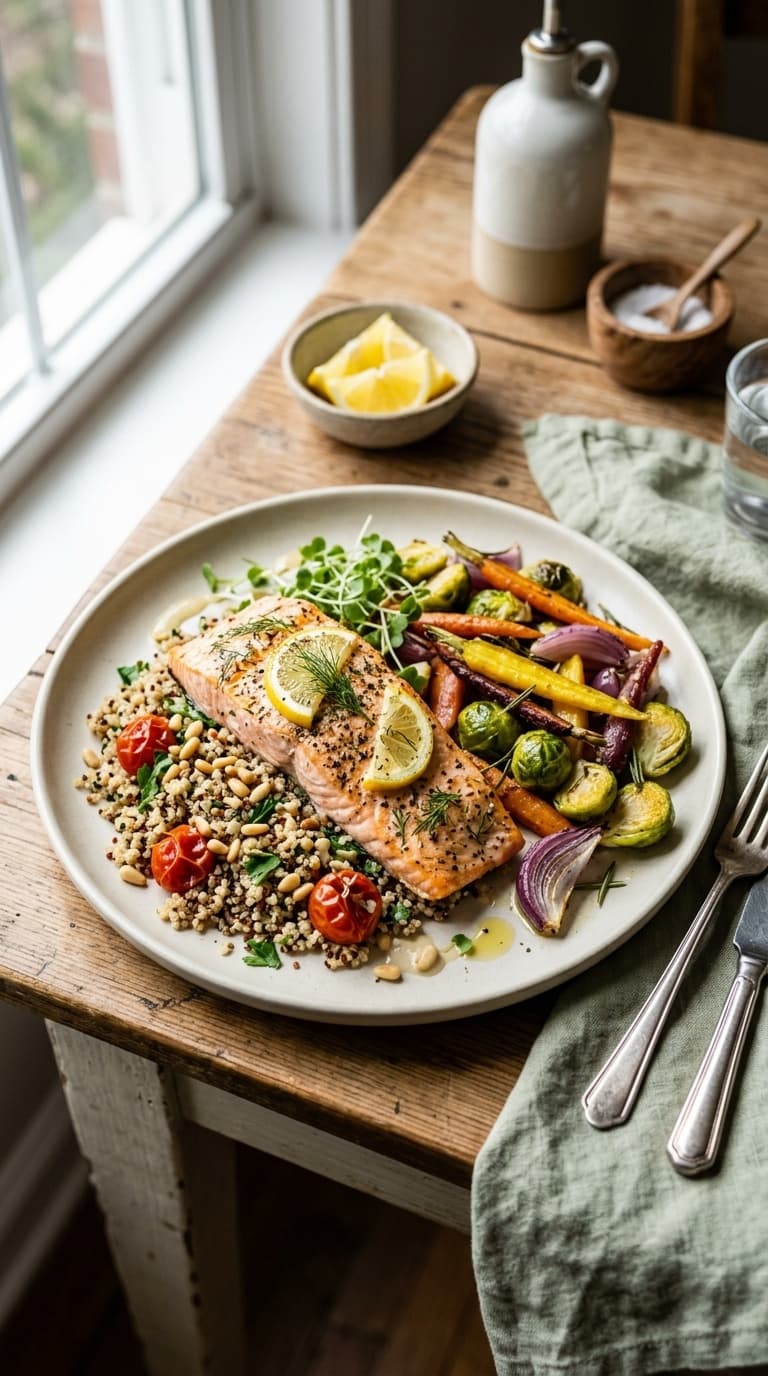
Baked Salmon with Lemon and Dill
If there’s one fish you should get comfortable cooking, it’s salmon. The omega-3 fatty acids in salmon actively help lower triglycerides, and honestly, it’s one of the easiest proteins to cook without screwing up. I place salmon fillets on a parchment-lined baking sheet, squeeze fresh lemon over them, sprinkle with dill, salt, and pepper, then bake at 400°F for about 12-15 minutes.
That’s it. The fish comes out moist and flaky every single time. Serve it with roasted Brussels sprouts and quinoa, and you’ve got a dinner that looks impressive but took you maybe 25 minutes start to finish. Get Full Recipe. If you’re into salmon as much as I am, these chicken recipes offer similar ease and flavor for when you want to switch things up.
Stir-Fried Tofu with Broccoli and Brown Rice
I know, tofu gets a bad rap. But when you cook it right—and I mean really crispy on the outside—it’s genuinely good. Press your tofu first to get rid of excess water. Cut it into cubes, toss with a bit of cornstarch, then pan-fry in a hot skillet with a small amount of sesame oil until it’s golden and crispy.
Add broccoli florets and stir-fry until they’re tender-crisp. The sauce is simple: soy sauce, rice vinegar, ginger, garlic, and a touch of honey. Pour it over everything and let it bubble for a minute. Serve over brown rice, and you’ve got a meal that’s packed with plant-based protein and fiber. For the best results, use a good non-stick wok—makes the whole process so much easier.
Turkey and Vegetable Chili
Chili season is every season if you ask me. I make mine with ground turkey instead of beef to keep the saturated fat down. Brown the turkey in a big pot, then add diced onions, bell peppers, and plenty of garlic. Throw in canned tomatoes, kidney beans, black beans, chili powder, cumin, and a little cayenne for kick.
Let it simmer for at least 30 minutes so all the flavors meld together. The longer it cooks, the better it gets. This is one of those recipes where I make a huge batch and freeze half for later. Top it with a dollop of Greek yogurt instead of sour cream, and maybe some fresh cilantro if you’re feeling fancy. Get Full Recipe.
Grilled Portobello Mushroom Steaks
When I first tried grilling portobello caps as a main dish, I was skeptical. But man, these things are meaty and satisfying in a way that surprised me. Marinate them in balsamic vinegar, olive oil, garlic, and herbs for at least 30 minutes. Grill them on medium-high heat for about 5 minutes per side until they’re tender and slightly charred.
Serve them whole with a side of roasted vegetables and maybe some couscous. The umami flavor from the mushrooms is intense enough that you won’t miss the steak. Plus, they’re basically all fiber and nutrients with zero cholesterol. A solid grill pan works great if you don’t have an outdoor grill.
Speaking of easy dinners, you might love these one-pan dinners for nights when you want minimal cleanup. Or if you’re really pressed for time, check out these lazy meals for busy people—no judgment, we all have those days.
Snacks and Sides That Don’t Sabotage Your Progress
Roasted Chickpeas with Spices
These are addictive, FYI. Drain and rinse a can of chickpeas, pat them really dry with a towel, then toss with olive oil and your choice of seasonings. I like smoked paprika, garlic powder, and a pinch of cayenne. Spread them on a baking sheet and roast at 400°F for about 40 minutes, shaking the pan every 10 minutes or so.
They get super crunchy and taste like a healthier version of chips. Chickpeas are loaded with fiber and plant protein, making them an ideal snack when you need something with actual substance. Store them in an airtight container, though they’re best eaten within a day or two of making them. For more snack ideas, these heart-healthy snacks are all winners.
Guacamole with Veggie Sticks
Avocados get a weird rap because people freak out about the fat content. But it’s monounsaturated fat, the kind that actually helps your cholesterol. Mash up a couple of ripe avocados with lime juice, diced tomatoes, red onion, cilantro, and a bit of salt. Done.
Pair it with carrot sticks, bell pepper strips, or cucumber slices instead of tortilla chips, and you’ve got a snack that’s actually doing you favors. I’m not saying you can never have chips again—just maybe not every single time.
Apple Slices with Almond Butter
This is stupid simple but weirdly satisfying. Slice up an apple and dip it in almond butter. That’s the recipe. The fiber in the apple plus the healthy fats and protein in the almond butter keep you full way longer than you’d expect. Just watch the portion on the nut butter—it’s calorically dense, so a tablespoon or two is plenty. I use a mandoline slicer to get uniform apple slices, but honestly, a knife works fine too.
Kitchen Tools That Make These Recipes Actually Doable
Let’s be real—having the right tools makes everything easier. You don’t need a kitchen full of gadgets, but these few things will save you time and frustration.
Physical Products:- Quality Chef’s Knife – Seriously, get one good knife. Chopping vegetables becomes way less of a chore when your knife isn’t fighting you.
- Cast Iron Skillet – This thing does everything. I use mine almost daily for searing, roasting, even baking.
- Glass Meal Prep Containers – Plastic is fine, but glass containers don’t stain and they heat evenly in the microwave. Plus they last forever.
- Recipe Organization App – Stop losing recipes in browser tabs. Save everything in one place and build your own collection.
- Meal Planning Template – Having a visual weekly plan takes so much decision fatigue out of weeknight dinners.
- Nutrition Tracking Tool – If you’re genuinely curious about your numbers, tracking for even a week can be super eye-opening. Not saying you need to do it forever, but the data helps.
Desserts That Won’t Wreck Your Cholesterol Numbers
Baked Apples with Cinnamon
When you want something sweet but don’t want to undo all your good work, baked apples are clutch. Core an apple (leave the bottom intact), fill the center with a mixture of oats, cinnamon, and a tiny bit of brown sugar, then bake until tender. The apple gets soft and caramelized, and the filling turns into this warm, comforting situation that honestly tastes better than most traditional desserts.
Apples are full of soluble fiber, specifically pectin, which helps lower LDL cholesterol. Plus, the whole dessert is naturally sweet, so you’re not loading up on added sugar. Top with a small spoonful of Greek yogurt if you want to get fancy. Get Full Recipe. For more guilt-free sweet treats, check out these low-cholesterol desserts.
Dark Chocolate with Almonds
Dark chocolate isn’t just allowed—it’s actually beneficial in moderation. Look for chocolate that’s at least 70% cacao. The flavonoids in dark chocolate can improve heart health, and pairing it with almonds adds some healthy fats and protein to balance things out. Just keep the portion reasonable—we’re talking a small square or two, not half a bar.
Frozen Banana “Nice Cream”
This is one of those things that sounds too simple to be good, but it works. Slice ripe bananas and freeze them. When you’re ready for dessert, throw the frozen slices in a food processor and blend until smooth and creamy. It legitimately has the texture of soft-serve ice cream.
You can add cocoa powder for chocolate nice cream, or blend in some berries for a fruity version. Top with a few cacao nibs for crunch. No added sugar, no dairy, just fruit. And somehow it’s delicious enough that you’ll forget you’re eating what is essentially just frozen bananas.
Soups and Stews for Comfort Without the Cholesterol
Vegetable Minestrone
Minestrone is basically Italian vegetable soup, and it’s one of those recipes where you can use whatever vegetables are in your fridge. I start with a base of sautéed onions, carrots, and celery. Add vegetable broth, canned tomatoes, white beans, zucchini, spinach, and small pasta like ditalini. Season with Italian herbs, garlic, and a bay leaf.
Let it simmer until everything is tender and the flavors have melded. The combination of vegetables and beans makes this incredibly filling without any meat or heavy cream. Plus, it’s one of those soups that tastes even better the next day. Make a big batch and freeze individual portions in freezer-safe soup containers. For more warming options, try these soups and stews perfect for any time of year.
White Bean and Kale Soup
This soup is stupid easy and packed with nutrients. Sauté garlic and onions in olive oil, add vegetable or chicken broth, throw in a couple cans of white beans and a bunch of chopped kale. Season with rosemary, thyme, salt, and pepper. Simmer until the kale is tender.
The beans make it creamy without adding any cream, and the kale brings a ton of vitamins and minerals to the table. I like to finish mine with a squeeze of lemon juice and a drizzle of good olive oil. It’s the kind of soup that feels nourishing in that deep, satisfying way. Get Full Recipe.
Butternut Squash Soup
Fall or not, this soup is a winner. Roast cubed butternut squash until it’s caramelized and tender. Meanwhile, sauté onions and garlic in a pot. Add the roasted squash, vegetable broth, and a touch of nutmeg. Blend everything until smooth—I use an immersion blender right in the pot to save on dishes.
The natural sweetness of the squash means you don’t need to add sugar, and it’s rich and creamy despite having no cream or butter. Squash is packed with vitamins and antioxidants, making this a soup that actually does good things for your body while tasting like comfort food.
One-Pan Dinners for When You Can’t Deal
Sheet Pan Chicken and Vegetables
Sometimes you just need dinner to be easy, and sheet pan meals deliver. Place chicken breasts (or thighs if you prefer dark meat) on a baking sheet. Surround them with chopped vegetables—I use Brussels sprouts, sweet potatoes, and red onions. Drizzle everything with olive oil, season with salt, pepper, and whatever herbs you like, then roast at 425°F for about 25-30 minutes.
Everything cooks at the same time, and the cleanup is literally one pan. The vegetables get slightly charred and caramelized, and the chicken stays juicy. It’s the kind of meal that feels like you put in effort but actually required minimal work. These one-pan dinners are perfect when you’re too tired to think straight.
Mediterranean Baked Fish
Put white fish fillets (like cod or halibut) in a baking dish. Top with cherry tomatoes, olives, capers, garlic, and fresh herbs. Drizzle with olive oil and a squeeze of lemon. Bake at 400°F for about 15-20 minutes until the fish flakes easily.
The Mediterranean ingredients add so much flavor that you don’t need butter or cream-based sauces. The tomatoes and olives bring healthy fats and antioxidants, and the fish provides lean protein and omega-3s. Serve it with a side of quinoa or whole wheat couscous. Get Full Recipe.
Making This Work in Real Life
Here’s the truth nobody tells you: eating low-cholesterol isn’t about being perfect. It’s about making better choices most of the time and not beating yourself up when you don’t. I still eat pizza sometimes. I have dessert more often than my doctor probably wants to know about. But the majority of my meals look something like what I’ve shared here.
The key is finding recipes you actually like so you’re not constantly feeling deprived. When healthy food tastes good, it stops being a chore and just becomes… food. Your cholesterol levels will respond to consistent changes, not occasional perfection. So pick a few recipes from this list, add them to your rotation, and see what happens.
Meal prep helps more than you’d think. Spending an hour on Sunday cooking grains, roasting vegetables, and prepping proteins makes weeknight dinners exponentially easier. You’re way more likely to stick with this when you have components ready to go. And when you inevitably have a crazy week where cooking feels impossible, cut yourself some slack. Order something reasonable, and get back to it the next day.
If you’re looking for a more structured approach, these meal prep ideas will set you up for success. Or check out these freezer meals for ultimate convenience.
Related Recipes You’ll Love
Looking for more ideas? Here are some recipes that pair perfectly with what we’ve covered:
More Meal Ideas:
25 Low-Cholesterol Meals That Are Actually Delicious
21 Low-Cholesterol Dinners You’ll Want to Make Again
20 Low-Cholesterol Lunches That Keep You Full
Specialized Options:
25 Low-Cholesterol Vegetarian Meals You’ll Crave
25 High-Protein Meals for Weight Loss
25 Heart-Healthy Meals Under 400 Calories
Frequently Asked Questions
Can I really lower my cholesterol just by changing what I eat?
Absolutely. Research shows dietary changes can significantly impact cholesterol levels, especially when you focus on reducing saturated fats and increasing fiber intake. Some people see substantial improvements in just a few weeks. That said, everyone’s body responds differently, so work with your doctor to monitor your progress.
Do I have to completely give up meat and dairy?
Nope, not at all. You just need to be smarter about your choices. Opt for lean meats like chicken breast and turkey, choose fish rich in omega-3s, and go for low-fat or fat-free dairy products when possible. The goal is to limit saturated fat, not eliminate entire food groups. Moderation beats deprivation every time.
What are the best fats to include in a low-cholesterol diet?
Focus on monounsaturated and polyunsaturated fats found in foods like olive oil, avocados, nuts, seeds, and fatty fish. These fats can actually help improve your cholesterol profile by lowering LDL (bad cholesterol) while maintaining or even raising HDL (good cholesterol). Just remember that all fats are calorie-dense, so watch your portions.
How quickly will I see results from eating these recipes?
Most people start seeing changes in their cholesterol levels within 4-6 weeks of consistently eating a heart-healthy diet. Some see improvements even sooner. The key word is “consistently”—making these changes a few times a week won’t cut it. You need to shift your overall eating pattern for lasting results. Get your levels checked after a couple months to see how you’re doing.
Are plant-based proteins better than animal proteins for cholesterol?
Generally speaking, yes. Plant-based proteins like beans, lentils, tofu, and tempeh have zero cholesterol and are typically lower in saturated fat compared to animal proteins. That doesn’t mean you can’t eat animal proteins—just balance them with plenty of plant-based options throughout the week. The Mediterranean diet offers a great model for this balance.
The Bottom Line
Managing your cholesterol through food isn’t about punishment or eating boring meals for the rest of your life. It’s about learning to cook in a way that supports your health without sacrificing flavor or satisfaction. These 21 recipes give you a solid foundation—breakfasts that energize you, lunches that keep you full, dinners that feel like real meals, and even desserts that won’t sabotage your progress.
Start with a few recipes that sound good to you. Master those, then add more to your rotation. Before you know it, you’ll have a whole repertoire of meals that just happen to be heart-healthy. Your cholesterol numbers will improve, sure, but more importantly, you’ll feel better. More energy, better sleep, less sluggishness after meals—that’s the real payoff.
And remember, this isn’t all-or-nothing. Cook these meals most of the time, enjoy your favorite less-healthy foods occasionally, and don’t stress about being perfect. Consistency beats perfection every single time.
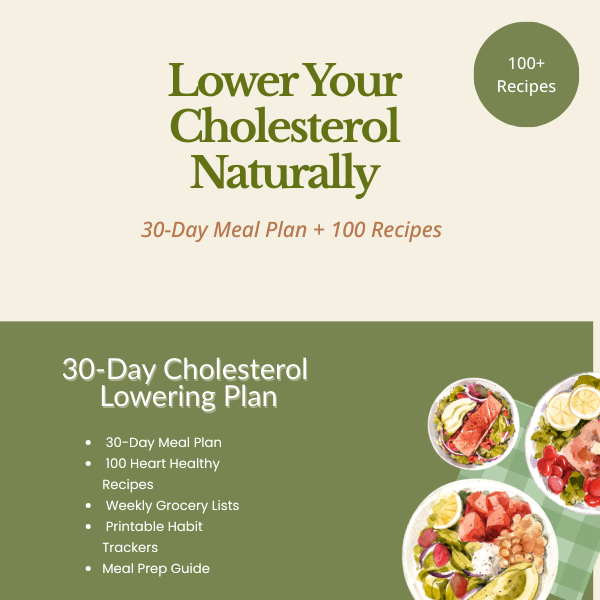
30-Day Cholesterol-Lowering Meal Plan
A simple step-by-step system to help you eat heart-healthy every day without stress.
Over 1,000 people downloaded this guide
$29$9
Get Instant Access