
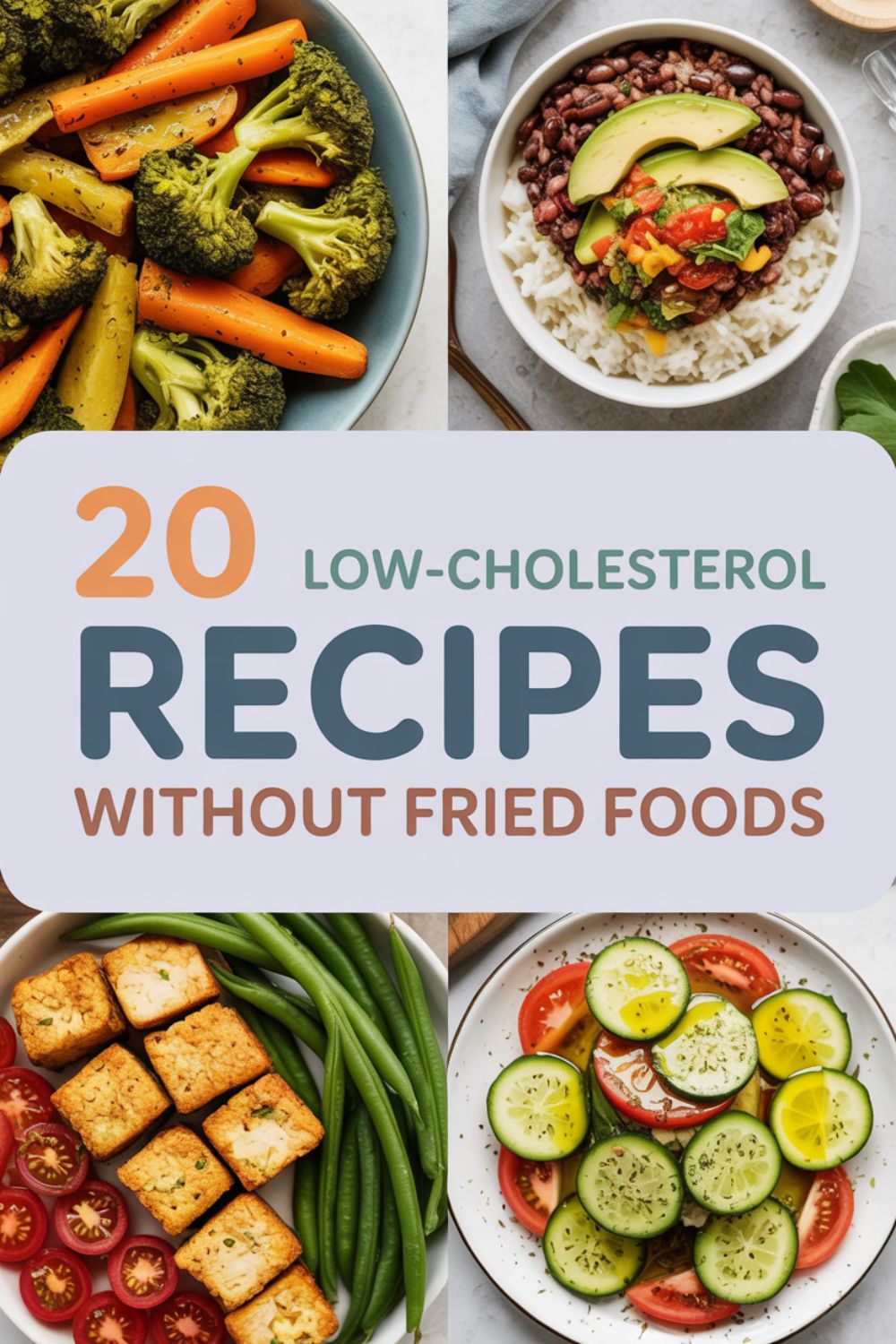
20 Low-Cholesterol Recipes Without Fried Foods
Let’s be real—when your doctor tells you to cut the fried food, it feels like they’ve just cancelled your favorite TV show mid-season. But here’s the thing: ditching the deep fryer doesn’t mean waving goodbye to flavor or satisfaction. In fact, some of the most delicious meals I’ve made recently have been completely fry-free, and my cholesterol numbers are thanking me for it.
I’m not here to preach about kale smoothies or tell you that baked chicken tastes “just like fried” (it doesn’t, and we all know it). What I’m sharing are 20 genuinely tasty low-cholesterol recipes that happen to skip the frying pan. These are meals I actually want to eat—not punishment food disguised as health.
Whether you’re managing high cholesterol, trying to support heart health, or just curious about cleaner cooking methods, these recipes prove you can eat well without compromise. No sad salads, no tasteless broiled fish, just real food that happens to be better for your arteries.
Understanding Cholesterol and Why Cooking Methods Matter
Before we jump into recipes, let’s talk about why frying is such a cholesterol culprit. When you deep fry food, you’re typically using oils high in saturated fats or—even worse—trans fats. These fats are the real troublemakers when it comes to raising LDL (that’s the “bad” cholesterol) in your bloodstream.
But it’s not just about the oil. Frying food at high temperatures can create compounds that promote inflammation and oxidative stress, which are linked to heart disease. According to the American Heart Association, cooking methods like baking, grilling, steaming, and sautéing with heart-healthy oils are much better choices for managing cholesterol levels.
The good news? You have so many other cooking techniques at your disposal. Roasting brings out natural sweetness in vegetables. Grilling adds that satisfying char without the oil bath. Steaming preserves nutrients while keeping things light. And honestly, once you master these methods, you might not even miss the fryer.
Invest in parchment paper and a good silicone baking mat—they’re game-changers for oil-free cooking. Nothing sticks, cleanup is a breeze, and you’ll use way less fat overall.
Recipe 1: Mediterranean Baked Salmon with Herbs
Salmon is one of nature’s best cholesterol-fighting foods, packed with omega-3 fatty acids that actually help lower triglycerides. This recipe takes about 20 minutes total and requires minimal cleanup—my kind of dinner.
30-Day Cholesterol Reset System
A simple done-for-you plan to help you eat heart-healthy every day without confusion.
Over 1,000 people downloaded this guide
✔ 100 Easy Recipes
✔ Grocery Lists + Meal Prep Guide
🎁 FREE BONUSES:
✔ 7-Day Quick Start Plan
✔ Printable Grocery List
$29 $9
Get Instant AccessStart with a fresh salmon fillet, brush it lightly with olive oil, then top with minced garlic, fresh dill, lemon slices, and a sprinkle of sea salt. Bake at 400°F for 12-15 minutes until it flakes easily. The result? Tender, flavorful fish that tastes like you spent way more effort than you did.
I use a fish spatula to flip delicate fillets without breaking them—seriously worth the $12. Serve this alongside roasted asparagus or a simple arugula salad. If you’re looking for more omega-3 packed meals, check out these low-cholesterol meals that are actually delicious.
Recipe 2: Oven-Roasted Chicken Breast with Garlic and Rosemary
Chicken breast gets a bad rap for being dry and boring, but that’s only if you overcook it. The trick is roasting at a high temperature for a shorter time, which keeps moisture locked in while creating a beautiful golden exterior.
Season boneless, skinless chicken breasts generously with fresh rosemary, garlic powder, black pepper, and a touch of olive oil. Roast at 425°F for about 22-25 minutes. Use a meat thermometer to check for an internal temp of 165°F—this tool has saved me from countless rubbery chicken disasters.
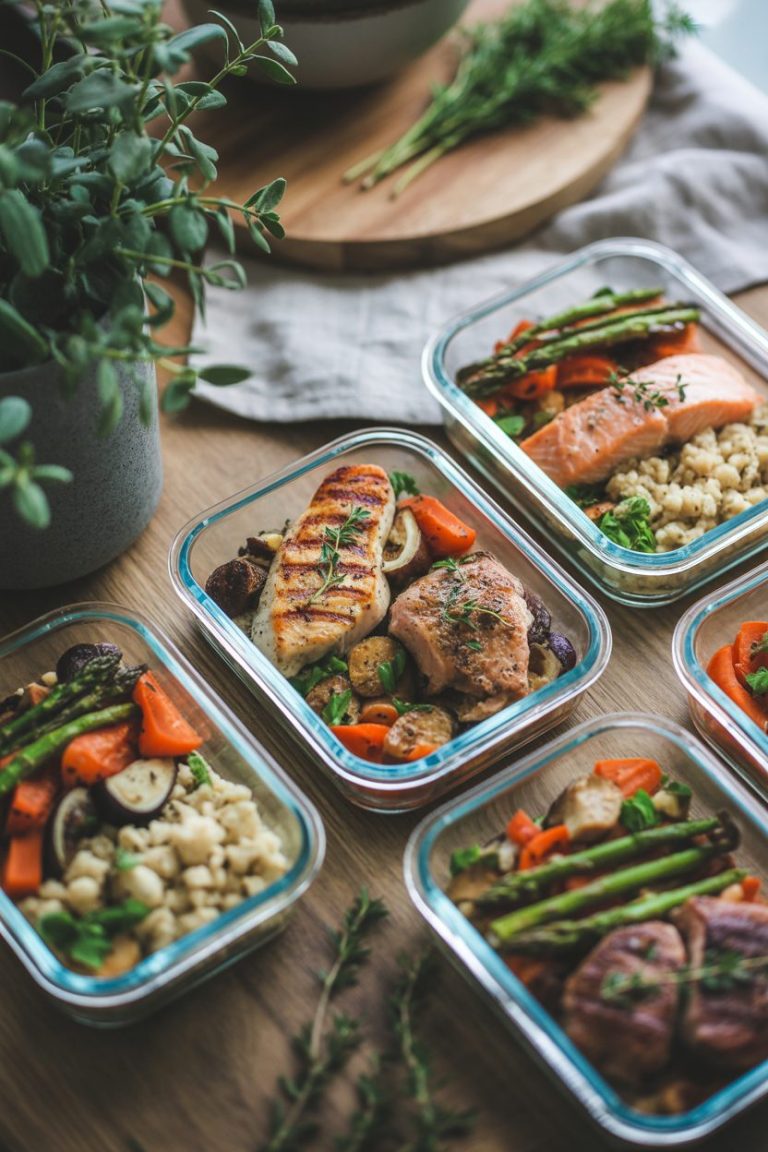
This is meal prep gold. Make a batch on Sunday and you’ve got protein ready for salads, grain bowls, or quick dinners all week. Speaking of which, our low-cholesterol meal prep guide has tons more ideas for planning ahead.
Why Skinless Poultry Matters
Removing the skin from chicken cuts the saturated fat content significantly. Chicken skin is delicious, I won’t lie, but it’s also where most of the cholesterol-raising fats hide. By going skinless, you’re getting lean protein without the arterial baggage.
“I used to think low-cholesterol eating meant giving up everything tasty. Then I tried these oven-roasted chicken recipes and realized I’d been doing it all wrong. Down 35 points on my LDL in three months!”
Recipe 3: Quinoa-Stuffed Bell Peppers
Bell peppers are naturally cholesterol-free, and when you stuff them with quinoa, black beans, and vegetables, you get a fiber-packed meal that helps flush cholesterol from your system. Fiber is basically a broom for your arteries—it grabs excess cholesterol and escorts it out.
Cut bell peppers in half, remove seeds, and fill with a mixture of cooked quinoa, black beans, diced tomatoes, corn, cumin, and chili powder. Top with a sprinkle of low-fat cheese if you want (I usually skip it). Bake at 375°F for 30-35 minutes until the peppers are tender.
These freeze beautifully, which makes them perfect for low-cholesterol freezer meal prep. Just wrap individually and reheat whenever you need a quick dinner.
Recipe 4: Grilled Vegetable Skewers with Balsamic Glaze
Vegetables are your best friends when managing cholesterol. They’re naturally low in fat, high in fiber, and loaded with antioxidants that protect your heart. Grilling them on skewers makes them fun to eat and adds that smoky flavor everyone loves.
Thread chunks of zucchini, mushrooms, cherry tomatoes, red onion, and bell peppers onto skewers (if using wooden skewers, soak them first to prevent burning). Brush lightly with olive oil and season with Italian herbs. Grill for 10-12 minutes, turning occasionally, then drizzle with balsamic reduction.
I use these stainless steel skewers instead of disposable wooden ones—they’re reusable, conduct heat better for even cooking, and don’t require soaking. For more veggie-forward ideas, try these low-cholesterol vegetarian meals.
Prep all your vegetables on Sunday evening and store them in containers. When you’re ready to cook, just thread and grill—dinner in 15 minutes flat.
Recipe 5: Baked Sweet Potato Fries with Smoked Paprika
Yes, you can have “fries” on a low-cholesterol diet. Sweet potatoes are rich in beta-carotene and fiber, both of which support heart health. The key is baking them at high heat to get crispy edges without drowning them in oil.
Cut sweet potatoes into thin wedges, toss with a tablespoon of olive oil, smoked paprika, garlic powder, and a pinch of cayenne. Spread in a single layer on a large baking sheet (don’t crowd them or they’ll steam instead of crisp). Bake at 425°F for 25-30 minutes, flipping halfway through.
The smoked paprika gives them a flavor depth that regular paprika just can’t match. Trust me on this one—it’s the secret ingredient that makes people ask for the recipe.
Recipe 6: Lemon-Herb Tilapia in Parchment Paper
Cooking fish in parchment paper (en papillote, if you want to sound fancy) is a foolproof method that keeps everything moist and infuses the fish with whatever aromatics you add. Plus, cleanup is literally just tossing the paper.
Place tilapia fillets on parchment paper, top with lemon slices, fresh thyme, thin-sliced garlic, and a splash of white wine or broth. Fold the parchment into packets and bake at 400°F for 15 minutes. The fish steams in its own juices, staying incredibly tender.
Tilapia is lean, mild, and budget-friendly—a triple win. For more protein-forward options that won’t spike your cholesterol, browse these high-protein, low-cholesterol meals.
Recipe 7: Chickpea and Spinach Curry (Stovetop, No Frying)
Curries get this reputation for being heavy and oily, but they don’t have to be. This version uses sautéing instead of frying, and the chickpeas provide protein and soluble fiber—both excellent for cholesterol management.
In a large pot, sauté onions and garlic in a small amount of olive oil. Add curry powder, turmeric, and ginger, cook until fragrant, then add canned chickpeas (drained), diced tomatoes, coconut milk (use light if you’re watching saturated fat), and fresh spinach. Simmer for 20 minutes.
Coconut milk does contain saturated fat, but studies suggest the type of fat in coconuts may not affect cholesterol the same way as animal-based saturated fats. Still, I use the light version to be safe. Serve over brown rice or cauliflower rice for extra fiber.
Looking for more warming meals? These low-cholesterol soups and stews are perfect for chilly evenings.
Kitchen Tools That Make Heart-Healthy Cooking Easier
Digital Meat Thermometer
Stop guessing when your chicken or fish is done. This instant-read thermometer takes the anxiety out of cooking lean proteins perfectly every time—no more dry, overcooked disasters.
Cast Iron Grill Pan
Get those beautiful grill marks indoors without added oils. The ridges allow fat to drip away from food, making it perfect for grilling chicken, vegetables, or fish year-round.
Glass Meal Prep Containers (Set of 10)
Prep your week of heart-healthy meals in these BPA-free containers. They’re microwave and dishwasher safe, and seeing your food stored neatly actually motivates you to stick with your plan.
30-Day Low-Cholesterol Meal Plan eBook
Take the guesswork out of meal planning with this comprehensive digital guide. Includes shopping lists, prep instructions, and macro breakdowns for every recipe.
Heart-Healthy Cookbook Bundle (Digital)
Three bestselling cookbooks in one download: breakfast recipes, 15-minute dinners, and desserts that won’t sabotage your cholesterol goals. Over 200 recipes total.
Printable Cholesterol Tracking Journal
Monitor your numbers, meals, and how you feel with this beautifully designed PDF tracker. Research shows people who track consistently see better results—this makes it simple.
Recipe 8: Turkey Meatballs Baked with Marinara
Ground turkey is significantly leaner than beef, making it a smarter choice for cholesterol management. These meatballs are baked, not fried, which cuts the fat even more while still delivering that comforting, hearty bite.
Mix ground turkey breast with breadcrumbs (whole wheat preferably), minced garlic, Italian seasoning, one egg white, and a bit of grated Parmesan. Roll into balls and bake on a rimmed baking sheet at 400°F for 20 minutes. Then nestle them in marinara sauce and bake another 10 minutes.
Serve over whole wheat pasta or zucchini noodles. The marinara adds moisture so they never taste dry. These also work great for family dinners since even picky eaters tend to love them.
Recipe 9: Roasted Brussels Sprouts with Balsamic Reduction
Brussels sprouts were vilified for decades because people boiled them into submission. Roasting transforms them into crispy, caramelized little flavor bombs. They’re also loaded with fiber and antioxidants that support cardiovascular health.
Halve Brussels sprouts, toss with a drizzle of olive oil, salt, and pepper. Roast at 425°F for 25-30 minutes, shaking the pan halfway through. Drizzle with balsamic reduction before serving. That’s it—three ingredients, restaurant-quality results.
The natural sugars in Brussels sprouts caramelize during roasting, creating a sweet-savory balance that converts even the most adamant sprout-haters. I’ve served these at dinner parties and watched people who “don’t like vegetables” go back for seconds.
For more creative ways to enjoy vegetables, check out these low-cholesterol side dishes that pair with just about any main course.
Recipe 10: Black Bean and Corn Salad (No Cooking Required)
Sometimes the best recipes require zero heat. This fresh, Southwestern-inspired salad comes together in minutes and packs serious fiber—the kind that binds to cholesterol and helps remove it from your body.
Combine canned black beans (rinsed), frozen corn (thawed), diced bell peppers, red onion, cherry tomatoes, cilantro, lime juice, and a touch of olive oil. Season with cumin, chili powder, salt, and pepper. Let it sit in the fridge for at least 30 minutes so flavors meld.
This works as a side dish, a topping for grilled chicken, or stuffed into lettuce wraps for a light lunch. It’s one of those recipes I always have components for, making it perfect for those nights when cooking feels like too much effort.
Recipe 11: Zucchini Noodles with Pesto and Cherry Tomatoes
Zucchini noodles (zoodles, if you’re into that) are a genius way to cut carbs and increase veggie intake simultaneously. Traditional pesto uses pine nuts, which are heart-healthy but expensive. I often swap in walnuts, which also provide omega-3s and cost half as much.
Spiralize zucchini into noodles (or buy pre-spiralized to save time). Toss raw zoodles with homemade or store-bought pesto, halved cherry tomatoes, and a squeeze of lemon. The moisture from the tomatoes and pesto “cooks” the zoodles slightly without making them mushy.
I use this handheld spiralizer that’s way easier to clean than the big contraptions. If you’re interested in more quick, no-fuss meals, browse these 10-minute lunch ideas.
Salt your zucchini noodles and let them sit in a colander for 10 minutes, then pat dry. This draws out excess moisture so your dish isn’t watery.
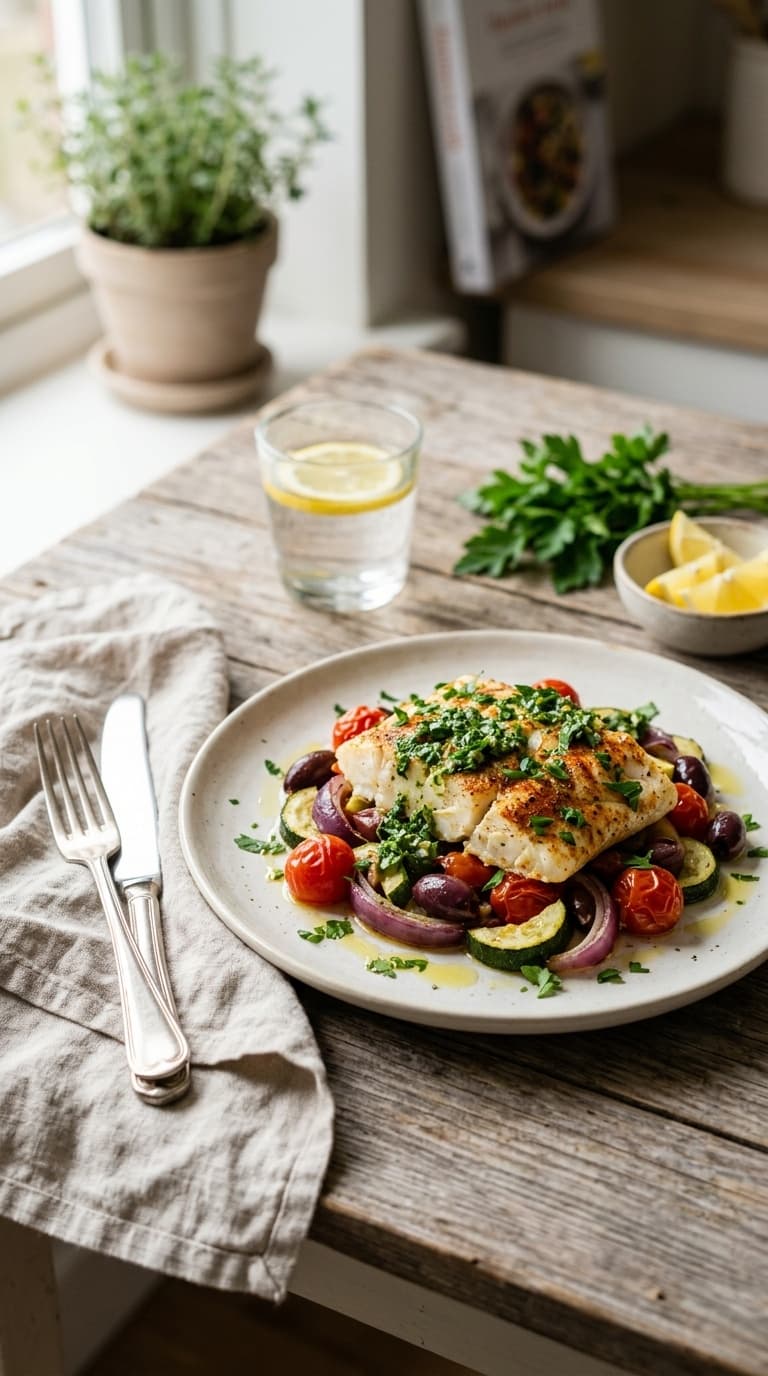
Recipe 12: Baked Cod with Tomato and Olives
Cod is another lean fish that’s incredibly mild and takes on whatever flavors you pair it with. This Mediterranean-inspired version uses tomatoes and olives—both staples in heart-healthy Mediterranean diets.
Place cod fillets in a baking dish, surround with cherry tomatoes, Kalamata olives, garlic, and fresh basil. Drizzle with a bit of olive oil and white wine. Cover with foil and bake at 375°F for 20 minutes. The fish stays moist while absorbing all those bright, briny flavors.
Olives do contain fat, but it’s the monounsaturated kind that actually helps lower bad cholesterol while raising good cholesterol. Portion control is key—a handful is plenty for flavor without overdoing the calories.
Recipe 13: Lentil and Vegetable Soup
Lentils are a cholesterol-lowering superstar. They’re packed with soluble fiber, which literally binds to cholesterol in your digestive system and prevents it from being absorbed into your bloodstream. Plus, they’re ridiculously cheap and shelf-stable.
Sauté onions, carrots, and celery in a large pot with a touch of olive oil. Add dried lentils, vegetable broth, canned tomatoes, garlic, and your favorite herbs (thyme and bay leaf work great). Simmer for 30-40 minutes until lentils are tender. Finish with a handful of spinach or kale.
This freezes beautifully and actually tastes better the next day. Make a big batch and portion it out for easy lunches. For more warming, comforting options, check out these heart-healthy soups.
Recipe 14: Cauliflower Steaks with Chimichurri
Cauliflower gets a bad rap as “diet food,” but when you slice it into thick steaks and roast it, the texture becomes meaty and satisfying. Chimichurri sauce (made with parsley, garlic, olive oil, and vinegar) adds so much brightness that you forget you’re eating something virtuous.
Slice a head of cauliflower vertically into 1-inch steaks. Brush with olive oil, season with salt and pepper, roast at 425°F for 25-30 minutes, flipping once. Serve topped with homemade chimichurri.
The edges get crispy and caramelized while the center stays tender. It’s substantial enough to serve as a main course, especially if you pair it with a grain or legume. This is one of those recipes that makes people question whether low-cholesterol eating is really that hard.
Recipe 15: Baked Eggplant Parmesan (Lightened Up)
Traditional eggplant Parmesan is breaded and deep-fried, which pretty much defeats any health benefits of the eggplant. This version bakes the eggplant instead, cutting the fat dramatically while keeping all the comfort-food vibes.
Slice eggplant into rounds, brush lightly with olive oil, and bake at 400°F for 20 minutes until tender. Layer in a baking dish with marinara sauce and a light sprinkle of part-skim mozzarella (use it sparingly). Bake until bubbly.
I use a mandoline slicer to get uniform eggplant slices, which ensures even cooking. The result tastes decadent but won’t send your cholesterol skyrocketing. Pair it with a side salad for a complete meal.
“I thought giving up fried foods would be torture, but these baked versions are honestly just as good—sometimes better. The eggplant parmesan is now a weekly staple in our house.”
Recipe 16: Grilled Portobello Mushroom Burgers
Portobello mushrooms have a meaty texture that makes them perfect burger substitutes. They’re naturally cholesterol-free and low in calories, but they’re so satisfying that you won’t feel like you’re missing out on anything.
Marinate whole portobello caps in balsamic vinegar, olive oil, garlic, and herbs for at least 30 minutes. Grill for 5-7 minutes per side until tender. Serve on whole wheat buns with all your favorite toppings—lettuce, tomato, avocado, mustard.
The balsamic marinade is key—it adds moisture and a tangy-sweet flavor that makes these taste gourmet. If you’re looking for more plant-based options, these vegetarian meals offer tons of variety.
Recipe 17: Baked Falafel with Tahini Sauce
Falafel is traditionally deep-fried, but baking them works just as well and cuts the oil content significantly. Chickpeas are the base, which means you’re getting plant protein and fiber—both excellent for cholesterol management.
Pulse chickpeas, onion, garlic, parsley, cilantro, cumin, and coriander in a food processor until crumbly but not mushy. Form into small patties, place on a parchment-lined baking sheet, brush lightly with oil, and bake at 375°F for 25-30 minutes, flipping once.
Serve in whole wheat pita with lettuce, tomatoes, cucumbers, and a drizzle of tahini sauce (mix tahini with lemon juice and water until pourable). These are perfect for meal prep—make a batch and reheat throughout the week.
Recipe 18: Spaghetti Squash with Marinara and Vegetables
Spaghetti squash naturally separates into noodle-like strands when cooked, making it a fantastic low-calorie, low-fat pasta alternative. It’s mild enough to pair with any sauce, and the texture is surprisingly pasta-like.
Cut spaghetti squash in half lengthwise, scoop out seeds, brush the cut sides with olive oil, and place cut-side down on a baking sheet. Roast at 400°F for 40 minutes. Use a fork to scrape out the strands, top with marinara sauce and sautéed vegetables.
This is one of those meals that feels indulgent but is actually incredibly light. The squash provides volume and satisfaction without the carb load of traditional pasta. For more creative takes on comfort food, try these healthier comfort foods.
Recipe 19: Asian-Inspired Lettuce Wraps
Lettuce wraps are naturally low in fat and calories while being high in crunch and flavor. This version uses ground turkey instead of pork, which slashes the saturated fat without sacrificing taste.
Cook ground turkey in a skillet with garlic, ginger, and a sauce made from low-sodium soy sauce, rice vinegar, and a touch of honey. Add water chestnuts and green onions for texture. Spoon into butter lettuce leaves and top with shredded carrots and cilantro.
These are interactive and fun to eat, which makes them great for family dinners. Kids especially love assembling their own wraps. The combination of flavors and textures means you don’t miss the fried wrappers at all.
Recipe 20: Baked Apple Slices with Cinnamon and Walnuts
Yes, this is technically a dessert, but it’s so simple and wholesome that it feels more like a snack. Apples are high in soluble fiber (especially the peel), and walnuts provide heart-healthy omega-3s.
Slice apples thinly, arrange on a baking sheet, sprinkle with cinnamon and a handful of chopped walnuts. Bake at 350°F for 15-20 minutes until the apples are tender. Drizzle with a tiny bit of honey if you want added sweetness.
This satisfies sweet cravings without refined sugar or unhealthy fats. It’s warm, comforting, and feels like a treat even though it’s basically just baked fruit. For more guilt-free sweet options, explore these low-cholesterol desserts.
The Science Behind Food and Cholesterol
Here’s something that surprised me when I started researching this: dietary cholesterol (the cholesterol in food) doesn’t affect blood cholesterol as much as saturated and trans fats do. The American Heart Association now focuses more on limiting saturated fat than counting cholesterol milligrams.
That means foods like shrimp or eggs aren’t the villains they once were. The real troublemakers are the saturated fats in fried foods, fatty meats, and full-fat dairy. When you eliminate frying and focus on cooking methods that use minimal added fat, you’re already winning half the battle.
Fiber is your secret weapon. Soluble fiber, found in oats, beans, lentils, and many fruits and vegetables, actually binds to cholesterol in your digestive system and helps remove it before it enters your bloodstream. That’s why so many of these recipes emphasize whole grains, legumes, and produce.
What About Plant Sterols?
Plant sterols and stanols are compounds found naturally in plants that block cholesterol absorption. Research from Mayo Clinic suggests consuming 2 grams of plant sterols daily can lower LDL cholesterol by 5-15%. You’ll find them in nuts, seeds, whole grains, and fortified foods.
That’s another reason these recipes work—they’re naturally rich in the compounds your body needs to manage cholesterol effectively. You’re not just avoiding bad stuff; you’re actively eating foods that help.
Practical Tips for Cooking Without Frying
Making the switch from frying to other cooking methods is easier than you think. Here are the techniques I rely on most:
- Roasting: High heat (400-450°F) caramelizes natural sugars and creates crispy exteriors without deep frying. Works for everything from vegetables to proteins.
- Grilling: Adds smokiness and char while allowing fat to drip away. Indoor grill pans work just as well as outdoor grills for most recipes.
- Baking: Gentle, even cooking that requires minimal added fat. Perfect for fish, chicken, and casseroles.
- Steaming: Preserves nutrients and natural flavors without any added fat. Underrated for vegetables and fish.
- Sautéing: Uses just a tablespoon or two of healthy oil to cook food quickly over medium-high heat. Way less fat than frying.
Invest in good nonstick cookware or well-seasoned cast iron to reduce the amount of oil you need. A quality nonstick skillet is worth every penny when you’re trying to cook with less fat.
Use broth, wine, or even water to deglaze pans instead of adding more oil. You’ll get all the flavor with a fraction of the fat.
Foods That Naturally Lower Cholesterol
Beyond cooking methods, certain foods actively work to lower cholesterol. I try to incorporate these into my meals as often as possible:
- Oats and barley: Rich in beta-glucan, a type of soluble fiber that reduces LDL cholesterol.
- Fatty fish: Salmon, mackerel, sardines—omega-3s lower triglycerides and reduce inflammation.
- Nuts: Almonds, walnuts, and pistachios improve cholesterol ratios when eaten regularly.
- Legumes: Beans, lentils, chickpeas—loaded with soluble fiber and plant protein.
- Avocados: High in monounsaturated fats that lower LDL while raising HDL.
- Olive oil: Another source of heart-healthy monounsaturated fats.
Notice a pattern? These are all whole, minimally processed foods. When you build meals around these ingredients and skip the fryer, you’re setting yourself up for success. For a comprehensive list, check out these foods that naturally lower cholesterol.
For more creative breakfast options that incorporate these cholesterol-fighting foods, try these heart-healthy breakfast ideas. And if you’re always pressed for time in the morning, these 300-calorie breakfasts come together fast.
Meal Planning for Success
Here’s the truth: you’re way more likely to stick with healthy eating if you have a plan. I meal prep on Sundays—nothing elaborate, just cooking a few proteins, chopping vegetables, and making a big batch of grains.
Having cooked chicken, roasted vegetables, and quinoa in the fridge means I can throw together a healthy meal in 10 minutes instead of ordering takeout. It’s the difference between success and “I’ll start eating better tomorrow.”
For complete meal planning strategies, check out these meal prep ideas. If you’re really short on time, these lazy meal options require minimal effort but still support your health goals.
When dinner needs to be ready fast, these one-pan dinners are lifesavers. Everything cooks together, and cleanup is a breeze. And for those nights when you want something warm and comforting, these comfort soups hit the spot without the guilt.
Frequently Asked Questions
Can I still use olive oil when cooking for low cholesterol?
Absolutely. Olive oil is actually recommended as part of a heart-healthy diet because it’s rich in monounsaturated fats, which help lower bad cholesterol while maintaining good cholesterol. The key is using it in moderation—about 1-2 tablespoons per serving. Drizzling it over vegetables or using it for light sautéing is much better than deep frying in any oil.
How much can I lower my cholesterol just by changing my diet?
It varies by person, but dietary changes can typically lower LDL cholesterol by 10-20% within a few weeks to months. Some people respond even better, especially if they incorporate foods rich in soluble fiber, plant sterols, and omega-3s while cutting saturated and trans fats. Combine diet changes with regular exercise, and the impact is even more significant.
Are air fryers a healthy alternative to deep frying?
Yes, air fryers use circulating hot air to create crispy textures with minimal oil—usually just a tablespoon or less. They’re a great middle ground if you miss fried textures but want to reduce fat intake. Just be mindful of what you’re cooking; heavily breaded foods will still be calorie-dense even if air-fried.
Do I need to avoid eggs if I have high cholesterol?
Not necessarily. Current research shows dietary cholesterol doesn’t impact blood cholesterol as much as once thought. Most healthy people can safely eat one egg daily. The American Heart Association notes that eggs are high in dietary cholesterol but low in saturated fat, making them a reasonable choice when prepared without butter or cheese.
What’s the best oil for cooking when managing cholesterol?
Olive oil and avocado oil are top choices due to their high monounsaturated fat content. Canola oil is also good and has a more neutral flavor. Avoid coconut oil and palm oil despite health claims—they’re high in saturated fat. For high-heat cooking, avocado oil works best since it has a higher smoke point than olive oil.
Final Thoughts on Eating Well Without the Fryer
Let me be clear: eliminating fried foods isn’t about deprivation. It’s about discovering that food can taste amazing—sometimes even better—when you use techniques that let natural flavors shine through. Roasted vegetables are sweeter and more complex than anything that’s been dunked in oil. Grilled chicken has more depth than fried ever could.
I won’t pretend I never crave fried chicken or French fries. But here’s the weird thing—after a few months of eating this way, those cravings come less often. Your taste buds actually adjust. Foods that used to taste bland now taste vibrant. And when you do occasionally have something fried, it doesn’t taste as good as you remembered.
Managing cholesterol through diet isn’t about perfection. It’s about consistently making better choices most of the time. These 20 recipes prove you can eat food you genuinely enjoy while supporting your heart health. No martyrdom required.
Start with one or two recipes that appeal to you. See how you feel. Check your cholesterol numbers in a few months. I’m betting you’ll be surprised at how much impact these small changes can make. And more importantly, you’ll realize that eating for your health doesn’t mean giving up on flavor, satisfaction, or joy.
So ditch the deep fryer guilt-free. Your arteries will thank you, and your taste buds might just discover they’ve been missing out on something better all along.
30-Day Cholesterol-Lowering Meal Plan
A simple step-by-step system to help you eat heart-healthy every day without stress.
Over 1,000 people downloaded this guide
$29$9
Get Instant Access