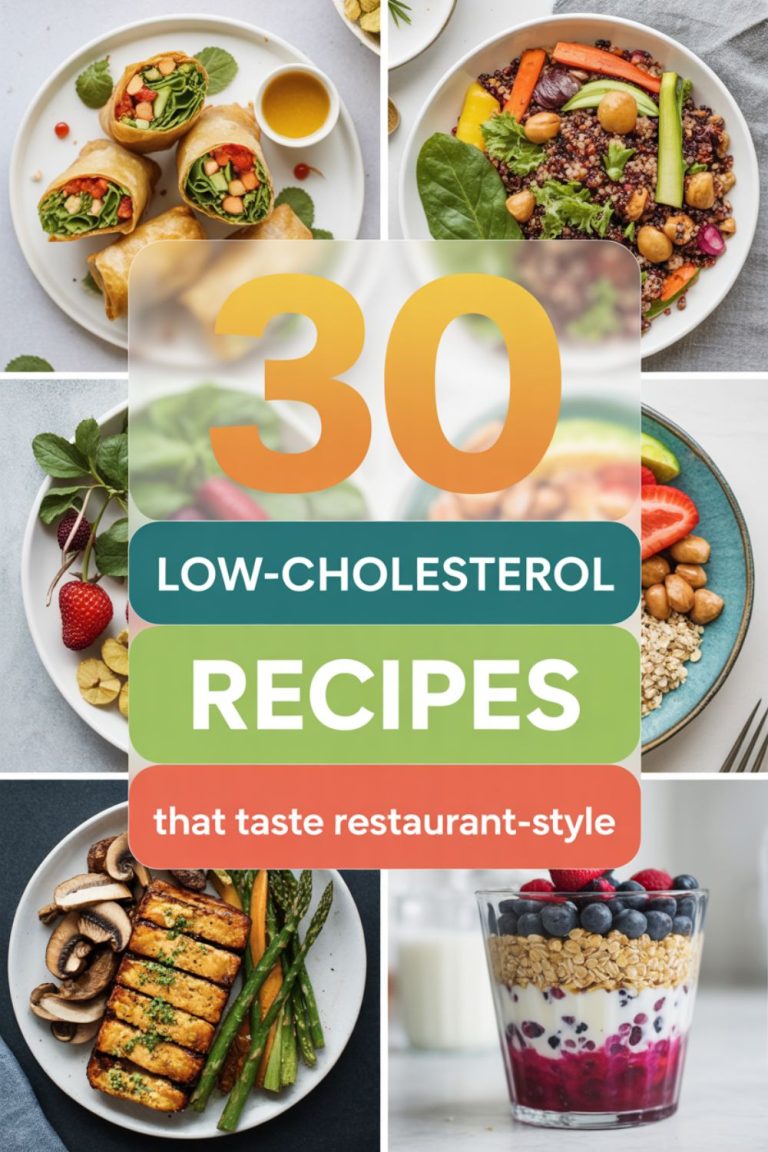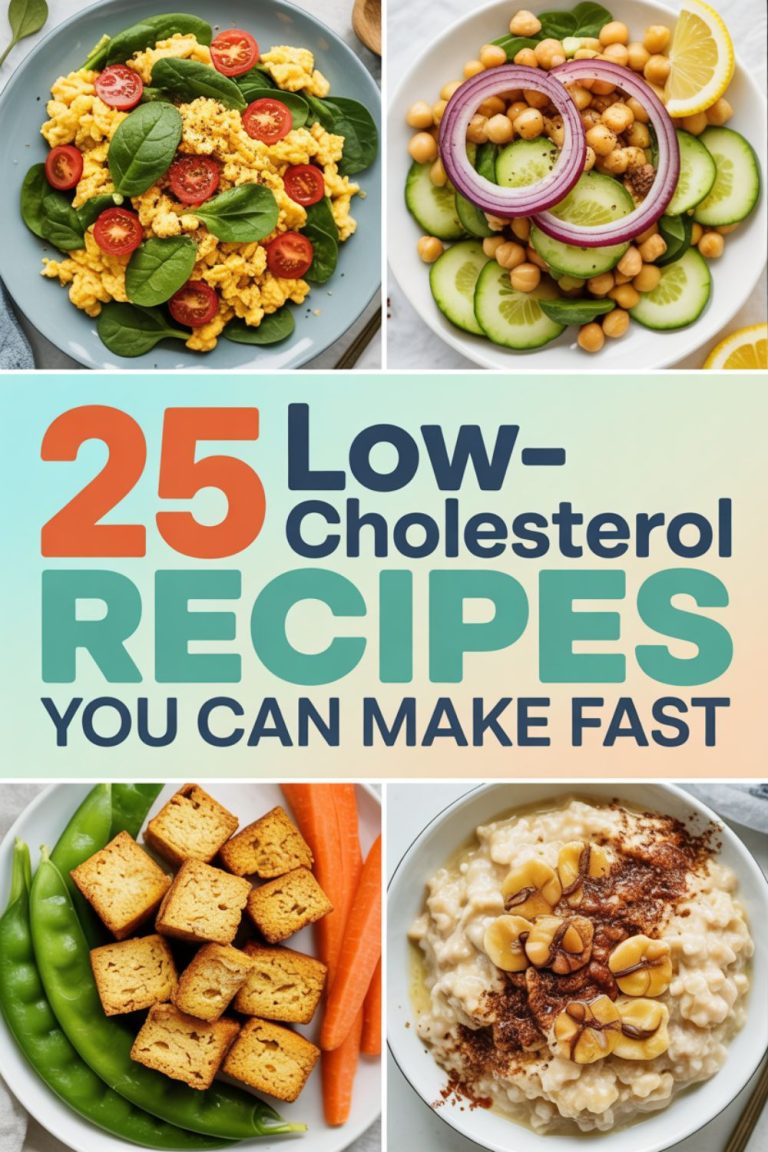
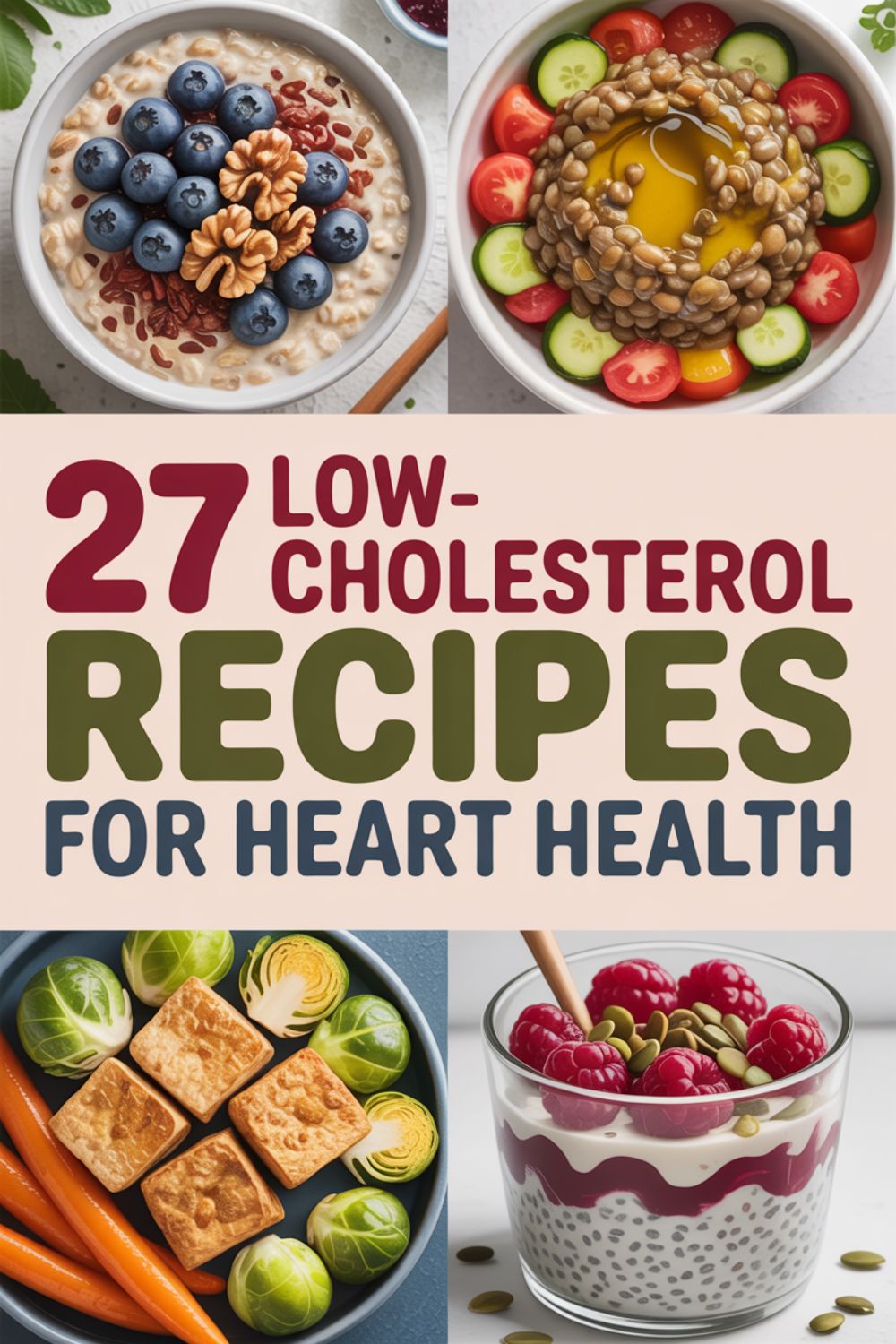
27 Low-Cholesterol Recipes That Support Heart Health
I’ve spent the better part of two years figuring out how to make heart-healthy food that actually tastes like something I’d want to eat on a Tuesday night after work. Not fancy restaurant food, not Instagram-perfect bowls that take three hours to prep—just real, honest-to-goodness meals that happen to be good for your cholesterol levels.
The truth is, managing cholesterol through diet is less about restriction and more about substitution. It’s about knowing which fats are your friends (hello, olive oil and avocados) and which ones aren’t pulling their weight in your arteries.
Why Your Cholesterol Numbers Actually Matter
Before we dive into recipes, let’s talk about why this stuff matters. Your body needs cholesterol—it’s not some villain from a health documentary. The problem happens when you’ve got too much LDL (the stuff that clogs your arteries) and not enough HDL (the cleanup crew).
According to Mayo Clinic research, making dietary changes can lower your cholesterol in as little as two weeks. Two weeks. That’s faster than most New Year’s resolutions fall apart.
The magic happens when you start swapping saturated fats for healthier alternatives. Nobody’s saying you can never eat cheese again—I certainly haven’t stopped—but maybe you reach for the good olive oil more often than butter when you’re cooking.
The Foundation: Understanding Heart-Healthy Ingredients
Look, I’m not a nutritionist, but I’ve learned enough to know that certain ingredients show up repeatedly in heart-healthy cooking. Fatty fish like salmon and mackerel are packed with omega-3s. Oats and beans give you soluble fiber that actually helps remove cholesterol from your bloodstream. Nuts and seeds—especially walnuts and flaxseeds—are basically tiny nutritional powerhouses.
The cool part? These ingredients are actually delicious when you cook them right. That’s the whole point of these 27 recipes—proving that heart-healthy food can be something you genuinely look forward to eating.
Breakfast: Starting Your Day Without Cholesterol Chaos
Mornings used to mean eggs and bacon for me. Then I discovered you can make oatmeal that doesn’t taste like wallpaper paste. Get Full Recipe for my go-to overnight oats—I prep five jars on Sunday and grab one each morning. Zero thinking required before coffee.
Smoothie bowls get a lot of hate for being trendy, but they’re genuinely efficient. Blend frozen berries, spinach (you won’t taste it, I promise), a banana, and some almond milk, then top with whatever nuts and seeds are in your pantry. Done in five minutes.
Whole grain toast with avocado isn’t just millennial food—it’s actually a solid breakfast. The healthy fats in avocado help you absorb nutrients better, and whole grains give you fiber that keeps cholesterol in check. I use this digital toaster because the settings are actually consistent, which matters more than you’d think when you’re half-awake.
Speaking of morning routines, if you’re looking for more ways to start your day right, check out these low-calorie breakfast options that won’t leave you hungry by 10 AM.
Lunch: The Midday Meal That Doesn’t Tank Your Energy
Lunch is where most people either nail their nutrition or completely fall apart because they’re starving and the nearest option is a drive-through. The secret is having stuff you can throw together quickly.
Quinoa bowls have become my default because quinoa cooks in 15 minutes and you can top it with literally anything. Grilled chicken (if you’re not vegetarian), roasted vegetables, a handful of chickpeas, drizzle of tahini—boom, lunch that’ll keep you going until dinner. Get Full Recipe for the exact combination I make most often.
Salads don’t have to be sad desk food. The trick is treating them like a real meal. I’m talking nuts for crunch, beans for protein, fruit for sweetness, and enough vegetables that you’re not hungry an hour later. My salad spinner changed my life—properly dried greens actually hold dressing instead of creating a watery mess at the bottom of the bowl.
Wraps are underrated. Whole grain tortilla, hummus as the base layer (way better than mayo), whatever protein you’ve got, pile on the vegetables, roll it up. If you want to get fancy, throw it in a panini press for two minutes. Crispy outside, warm inside, no cholesterol spike.
Dinner: Where Heart Health Meets Actual Flavor
Dinner is where people think they have to sacrifice taste for health, and that’s just not true. You absolutely can make food that’s good for your cholesterol and also makes your kitchen smell amazing.
Fish: Your Heart’s Best Friend
Salmon gets all the attention, but don’t sleep on other fatty fish. Mackerel, sardines, even trout—they’re all packed with omega-3s that help lower triglycerides. The key is not overcooking them into hockey pucks.
My favorite salmon preparation takes 20 minutes total. Pat it dry, season it properly (this is where most people mess up), stick it in the oven at 400°F, and check it after 12 minutes. Get Full Recipe for the exact timing and temperature that works every single time.
If you’re worried about the mercury thing, smaller fish like sardines are actually better for you and significantly cheaper. They’re not pretty, but mixed into a pasta with whole wheat noodles, garlic, cherry tomatoes, and olive oil? Actually delicious.
For more seafood ideas that won’t break the bank or your heart health goals, explore these delicious low-cholesterol meals that prove healthy eating doesn’t have to be boring.
Chicken That Doesn’t Bore You to Tears
Chicken breast gets a bad rap because people cook it until it’s drier than a philosophy textbook. But here’s the thing: if you brine it for even 30 minutes, it stays juicy. Mix water, salt, maybe some herbs, soak the chicken, then cook it however you want.
I use my cast iron skillet for most chicken dishes because it gets a proper sear without needing much oil. High heat, don’t move it around, let it develop a crust, flip once. That’s it.
Pairing chicken with vegetables that actually taste good is crucial. Roasted Brussels sprouts, sautéed green beans with garlic, roasted sweet potato—these aren’t punishment vegetables, they’re legitimately tasty when you season them properly and cook them at high enough heat that they caramelize.
Vegetarian Options That Even Meat-Eaters Respect
I’m not vegetarian, but I eat meatless probably three nights a week now because beans and lentils are stupidly cheap and surprisingly filling. Plus, they’re loaded with soluble fiber—the exact stuff that helps lower cholesterol.
Lentil curry might sound intimidating, but it’s basically just sautéing onions, adding curry paste (store-bought is fine), throwing in lentils and coconut milk, and simmering for 25 minutes. Serve it over brown rice and suddenly you’ve made a restaurant-quality meal at home. Check out these vegetarian meals if you want more plant-based ideas.
Black bean tacos are my lazy dinner MVP. Drain and rinse canned black beans, heat them with cumin and garlic powder, warm up some corn tortillas (I have this tortilla warmer that keeps them perfect), top with salsa, avocado, and cilantro. Ten minutes, start to finish.
Kitchen Tools That Actually Make Low-Cholesterol Cooking Easier
After two years of cooking this way, here are the tools that earn their counter space and the resources that actually helped me figure this out:
Snacks That Don’t Sabotage Your Progress
The space between meals is where good intentions go to die. You’re hungry, you’re tired, and suddenly you’re eating half a bag of chips while staring into the fridge.
The fix is having snacks that are actually satisfying. Apple slices with almond butter hit the sweet-and-salty craving. Raw vegetables with hummus give you crunch without the guilt. A handful of mixed nuts (measured, because otherwise a handful becomes three handfuls) keeps you full until dinner.
I keep these portion-controlled containers in my desk drawer, pre-filled with almonds and dried fruit. When the afternoon slump hits, I’ve got something ready that won’t spike my cholesterol. For more ideas, check out these snacks that support heart health without tasting like cardboard.
Desserts That Won’t Wreck Your Week
Yes, you can eat dessert while managing cholesterol. The secret is choosing desserts built around fruit and whole grains instead of butter and cream.
Baked apples with cinnamon and a sprinkle of oats taste like apple pie filling without the inflammatory crust. Dark chocolate (70% cacao or higher) has antioxidants that might actually help your heart—in moderation, obviously. A small square after dinner satisfies the sweet tooth without derailing anything.
Banana nice cream is what happens when you freeze bananas and blend them until they’re creamy. Sounds fake, tastes surprisingly real. Top it with dark chocolate chips or berries. My high-speed blender makes this possible—cheap blenders just turn frozen bananas into chunks and sadness.
Greek yogurt with honey and walnuts isn’t technically dessert, but it scratches the same itch. The protein keeps you satisfied and the walnuts add healthy fats. If you need more sweet options, these guilt-free desserts prove that you don’t have to give up everything good.
Meal Prep: The Secret Weapon Nobody Talks About
Want to know the real reason I actually stick to heart-healthy eating? Meal prep. Not the Instagram version where everything is color-coordinated in matching containers. Just practical prep that makes weeknight cooking possible when you’re exhausted.
Sunday afternoon, I spend about two hours getting ahead. Chop vegetables for the week and store them in containers. Cook a big batch of brown rice or quinoa. Grill some chicken or bake a couple salmon fillets. This isn’t exciting, but it means Wednesday night dinner takes 15 minutes instead of an hour.
I use these glass meal prep containers because they go from fridge to microwave without turning everything into plastic-flavored mush. The investment paid for itself in one month of not ordering takeout.
One-pan dinners are your friend when you’re tired. Sheet pan meals where everything cooks together on one baking sheet—protein plus vegetables plus maybe some potatoes. Minimal dishes, maximum flavor. These one-pan dinners became my go-to for busy weeknights.
If batch cooking is your style, these meal prep ideas will set you up for success all week long. And for those nights when you need dinner in under 10 minutes, check out these quick lunches that work just as well for dinner.
Soups and Stews: Comfort Food That Comforts Your Heart
When it’s cold outside or you’re feeling under the weather, nothing beats a good soup. The beauty of heart-healthy soups is they’re mostly vegetables and lean proteins simmered in broth—literally designed to be good for you.
Lentil soup with vegetables is my winter staple. Sauté onions, carrots, and celery in a bit of olive oil. Add lentils, diced tomatoes, vegetable broth, and whatever spices sound good. Simmer for 40 minutes. That’s it. Freezes beautifully, reheats perfectly, tastes better the next day.
White bean and kale soup sounds fancy but takes about 30 minutes. The beans add protein and fiber, the kale brings vitamins and minerals, and using homemade chicken broth (or quality store-bought if you’re not making your own) keeps the sodium reasonable.
I make most of my soups in this Dutch oven because it goes from stovetop to oven seamlessly and the heavy lid keeps everything moist. For more soup inspiration throughout the year, check out these seasonal soups and stews.
The Recipes Nobody Tells You About
Some of the best heart-healthy meals aren’t in cookbooks because they’re too simple or too obvious. But they work, and that’s what matters.
Baked sweet potato with black beans and salsa. Literally just bake the sweet potato, split it open, top with warmed black beans and your favorite salsa. Maybe add some Greek yogurt as a sour cream substitute. Five minutes of active work, nutritionally complete, tastes great.
Whole wheat pasta with roasted vegetables and a light olive oil-lemon sauce. Roast whatever vegetables need to be used up, toss them with pasta, dress it simply. The whole “pasta is bad” thing is overblown—it’s what you put on the pasta that matters. Keep the portions reasonable and use whole grain pasta, you’re fine.
Grilled vegetables as a main course, not a side dish. When you treat vegetables like the star of the meal—seasoning them properly, cooking them right, serving generous portions—they’re actually satisfying. I use my grill pan year-round for this because it gives that charred flavor even when it’s too cold to grill outside.
Making It Sustainable: The Long Game
Here’s what nobody tells you about eating for heart health: perfection is the enemy of progress. I still eat pizza sometimes. I still have ice cream. The difference is it’s occasional, not daily, and most days I’m eating stuff that’s actually good for my cholesterol.
The 80/20 rule works here. If 80% of what you eat supports your heart health, the other 20% isn’t going to ruin everything. This isn’t a diet with an end date—it’s just learning to cook and eat differently most of the time.
Track your progress, but don’t obsess. I check my cholesterol every three months, not every week. The numbers go down gradually, not dramatically overnight. After six months of cooking this way, my LDL dropped 28 points without medication. That’s worth the effort of learning new recipes.
Looking for complete meal ideas that cover all your bases? These heart-healthy meals under 400 calories prove you can eat satisfying portions while supporting your health goals. And if you’re trying to lose weight while managing cholesterol, check out these high-protein meal options.
What Your Doctor Won’t Tell You (Because They Don’t Have Time)
Doctors are great at diagnosing high cholesterol and prescribing statins. What they often don’t have time for is explaining how to actually eat differently in a way that fits your real life.
Cooking oils matter more than people think. Olive oil, avocado oil, and even small amounts of sesame oil are fine. Butter in moderation is okay. Margarine and partially hydrogenated oils? Hard pass. Read labels, because “heart-healthy” on the package doesn’t always mean what you think it means.
The order you eat food might matter. Some research suggests eating vegetables and proteins before carbs can help with blood sugar and cholesterol management. I’m not saying you need to eat in a specific order every meal, but when I remember to start with a salad, I tend to eat less of the bread basket.
Stress and sleep affect your cholesterol too. You can eat perfectly and still have high numbers if you’re chronically stressed or sleeping five hours a night. I’m not good at this part yet, but I’m working on it. It’s all connected.
Questions People Actually Ask About Low-Cholesterol Cooking
Can I really lower my cholesterol just by changing what I eat?
According to research from Mayo Clinic, yes—dietary changes can lower cholesterol significantly in as little as two weeks. Some people see reductions of 20-30% with food changes alone. It depends on your genetics and how dramatically you change your diet, but for many people, diet is more powerful than they realize. FYI, this doesn’t mean you should skip medication if your doctor prescribes it, but food is definitely part of the equation.
Do I have to give up eggs completely?
Not necessarily. Current guidelines from the American Heart Association suggest focusing on overall dietary patterns rather than specific cholesterol targets. Eggs are high in dietary cholesterol but low in saturated fat, which matters more for most people’s blood cholesterol levels. Most folks can have eggs in moderation—maybe 4-5 per week instead of 2 per day. Talk to your doctor about your specific situation.
Are plant-based diets better for cholesterol than eating meat?
Generally, yes. Plants don’t contain cholesterol, and they’re typically higher in the fiber that helps remove cholesterol from your system. That said, you don’t have to go completely vegetarian to see benefits. Even adding more plant-based meals while keeping some lean proteins like fish and chicken can make a significant difference in your numbers.
How much will these recipes actually help my cholesterol numbers?
It varies by person, but studies show people can reduce LDL cholesterol by 5-15% through dietary changes alone, sometimes more. Your genetics play a role—some people are hyper-responders to dietary cholesterol while others aren’t. The only way to know is to try it for 8-12 weeks and get your levels rechecked. Most people see at least some improvement.
Is it expensive to eat this way?
It doesn’t have to be. Beans, lentils, oats, and frozen vegetables are all incredibly cheap and heart-healthy. Fresh salmon is pricey, but canned salmon works great in many recipes and costs a fraction of the price. IMO, you might spend more at the grocery store but less on takeout and medical bills, so it balances out over time.
The Bottom Line (Without the Lecture)
Managing cholesterol through food isn’t about eating perfectly every single day. It’s about making enough good choices that they outnumber the less-good ones. It’s about learning what works for your taste buds, your schedule, and your life.
These 27 recipes aren’t magic bullets. They’re just real food that happens to be good for your heart. Some of them you’ll love, some you’ll modify, and some might not be your thing at all. That’s fine. The goal is finding enough options that eating for heart health becomes your default, not something you have to force yourself to do.
Your cholesterol numbers are information, not a judgment. They tell you where you are and help you figure out where you want to go. If food changes help you get there without medication, great. If you need medication too, that’s also fine. The point is doing what works for you.
Start small. Pick three recipes from this list that sound good. Make them. See how you feel. Check your numbers in a few months. Adjust from there. That’s the whole strategy. No pressure, no perfection, just progress.