
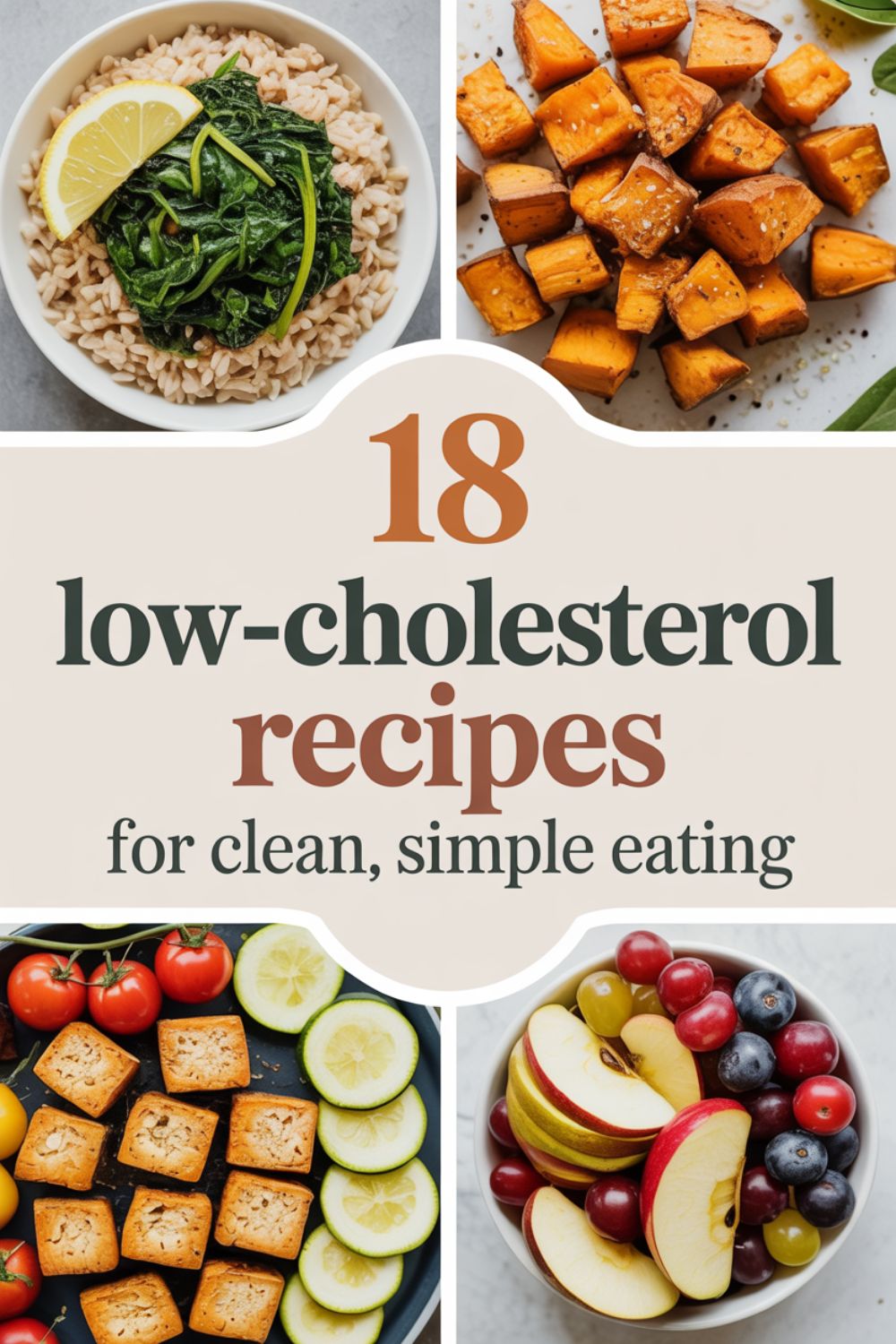
18 Low-Cholesterol Recipes for Clean, Simple Eating
Look, I get it. You’ve been told to watch your cholesterol, and suddenly everything delicious feels off-limits. But here’s the thing—eating for heart health doesn’t mean surviving on celery sticks and sadness. I’ve been cooking low-cholesterol meals for years now, and honestly? Some of my favorite recipes came from this journey.
These 18 recipes aren’t your typical “diet food” that tastes like cardboard wrapped in disappointment. They’re actually good—like, genuinely crave-worthy. We’re talking about meals that satisfy without sending your LDL through the roof. Ready to eat clean without feeling like you’re punishing yourself? Let’s get into it.
Why Low-Cholesterol Eating Matters (Without the Lecture)
Before we jump into recipes, let’s talk real quick about why this matters. Recent research from the American Heart Association shows that the relationship between diet and cholesterol is more nuanced than we thought. It’s not just about avoiding cholesterol—it’s about eating foods that actively support heart health.
Here’s what actually matters: saturated fats and trans fats are the real troublemakers. Meanwhile, foods rich in fiber, omega-3s, and plant-based nutrients can actually help lower your LDL cholesterol naturally. The good news? You can build an entire menu around these ingredients without feeling deprived.
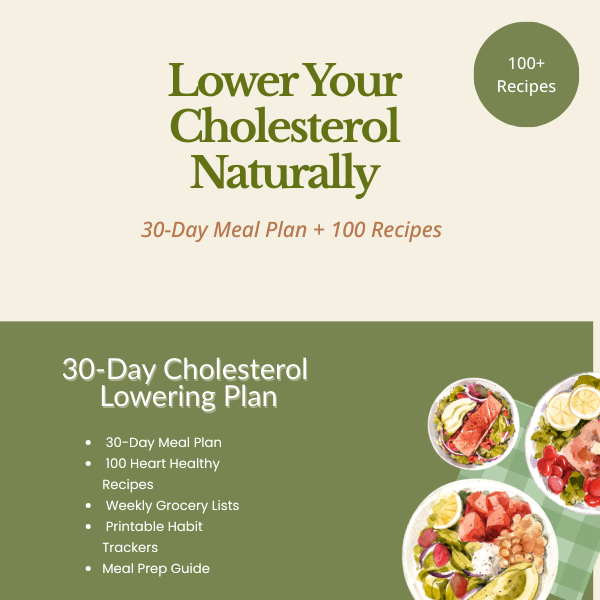
30-Day Cholesterol Reset System
A simple done-for-you plan to help you eat heart-healthy every day without confusion.
Over 1,000 people downloaded this guide
✔ 100 Easy Recipes
✔ Grocery Lists + Meal Prep Guide
🎁 FREE BONUSES:
✔ 7-Day Quick Start Plan
✔ Printable Grocery List
$29 $9
Get Instant AccessBreakfast: Starting Your Day Right
Overnight Oats with Berries and Walnuts
Overnight oats are my lazy-morning savior. You literally mix everything the night before, toss it in the fridge, and wake up to breakfast that’s already done. The soluble fiber in oats is scientifically proven to help lower cholesterol—bonus points for not requiring actual morning brain function.
I use this set of glass meal prep containers to make five servings at once. Game changer for the week. Top with fresh berries (antioxidant powerhouses), a handful of walnuts for omega-3s, and maybe a drizzle of honey if you’re feeling fancy.
Want more morning inspiration? Check out these 25 Low-Cholesterol Breakfast Ideas for Heart Health that’ll keep your mornings interesting.
Veggie-Packed Egg White Scramble
Egg whites get a bad rap for being boring, but honestly, they’re a blank canvas. I throw in whatever vegetables are lurking in my fridge—spinach, tomatoes, bell peppers, mushrooms. According to the American Heart Association’s dietary guidelines, egg whites are pure protein without the cholesterol found in yolks.
My secret weapon? A good non-stick ceramic pan that doesn’t require a swimming pool of oil. Season aggressively—we’re talking garlic powder, smoked paprika, fresh herbs. Nobody said heart-healthy had to be bland.
Green Smoothie Bowl
Before you roll your eyes at another green smoothie, hear me out. This isn’t some Instagram-perfect bowl that tastes like grass clippings. Blend frozen banana, spinach, almond milk, and a scoop of plant-based protein powder. The banana masks any veggie taste, I promise.
Top with sliced almonds, chia seeds, and fresh fruit. The fiber from the greens and seeds helps your body process cholesterol more efficiently. Plus, it actually tastes good—shocking, right?
If smoothies are your thing, you’ll definitely want to explore these 18 Low-Cholesterol Smoothies and Juices for even more variety.
Lunch: Midday Meals That Keep You Going
Mediterranean Quinoa Bowl
This bowl is basically the Mediterranean diet in one dish. Quinoa provides complete protein and fiber, while the veggies add volume without calories. I pile on cucumbers, tomatoes, red onion, chickpeas, and a handful of olives.
The dressing is where magic happens: lemon juice, olive oil, garlic, and oregano. Extra virgin olive oil is rich in monounsaturated fats that can help improve your cholesterol ratio. Just don’t go overboard—it’s still calorically dense.
Lentil and Vegetable Soup
Lentils are criminally underrated. They’re packed with soluble fiber—the kind that literally binds to cholesterol in your digestive system and escorts it out of your body. Plus, they’re dirt cheap and practically impossible to screw up.
I make mine in this programmable slow cooker because I’m fundamentally lazy. Throw in lentils, diced tomatoes, carrots, celery, vegetable broth, and whatever spices you’re feeling. Come home to soup. It’s not rocket science, but it works. Get Full Recipe
Need more lunch ideas that won’t leave you starving by 3 PM? These 20 Low-Cholesterol Lunches That Keep You Full have got your back.
Grilled Chicken and Avocado Wrap
Wraps are the ultimate portable lunch. Use whole wheat tortillas for extra fiber, then layer grilled chicken breast (skinless, obviously), sliced avocado, mixed greens, and tomatoes. The avocado provides healthy fats that can help raise your HDL (the good cholesterol).
I grill chicken breasts in batches using this indoor electric grill when it’s too cold or lazy to go outside. Season them well, and they’re anything but boring.
Dinner: Evening Meals Without the Guilt
Baked Salmon with Roasted Vegetables
Salmon is basically a cholesterol-fighting superhero in fish form. The omega-3 fatty acids can help lower triglycerides and reduce inflammation. Plus, it’s one of those meals that looks impressive but requires minimal effort.
Season your salmon with lemon, dill, and garlic. Roast it alongside whatever vegetables you have—Brussels sprouts, asparagus, bell peppers, whatever. Everything cooks on one rimmed baking sheet, which means minimal cleanup. I’m all about that life. Get Full Recipe
Speaking of salmon and easy dinners, don’t miss these 21 Low-Cholesterol Dinners You’ll Want to Make Again—seriously good stuff.
Turkey and Vegetable Stir-Fry
Stir-fries are perfect for using up random vegetables before they go bad. Ground turkey is leaner than beef but still satisfying. I load mine with broccoli, snap peas, carrots, and water chestnuts for crunch.
The sauce matters: low-sodium soy sauce, ginger, garlic, and a touch of honey. Skip the store-bought stuff that’s loaded with sugar and questionable ingredients. Making your own takes like two minutes.
Stuffed Bell Peppers
These are basically edible bowls, which is fun. Hollow out bell peppers and stuff them with a mixture of ground turkey or lean beef, brown rice, diced tomatoes, and black beans. Bake until the peppers are tender.
Black beans add extra fiber and protein without any cholesterol. Plus, they make the filling more substantial so you’re not hungry an hour later. Get Full Recipe
For more protein-packed dinner ideas, try these 25 Low-Cholesterol High-Protein Meals that’ll keep you satisfied.
Chickpea and Spinach Curry
Going meatless a few times a week can significantly impact your cholesterol levels. This curry is so flavorful that you won’t even miss the meat. Chickpeas provide plant-based protein and fiber, while coconut milk makes it creamy without dairy.
I use this affordable spice grinder for fresh curry spices. The difference between pre-ground and freshly ground is night and day. Serve over brown rice or quinoa.
Snacks and Sides
Hummus with Veggie Sticks
Store-bought hummus works fine, but making your own is ridiculously easy if you have a decent food processor. Chickpeas, tahini, lemon juice, garlic, olive oil—blend until smooth. That’s literally it.
Cut up carrots, celery, bell peppers, and cucumbers for dipping. It’s crunchy, satisfying, and won’t spike your cholesterol. FYI, tahini (sesame seed paste) contains healthy fats that can help improve your cholesterol profile.
Looking for more snack options that won’t derail your progress? Check out these 25 Low-Cholesterol Snacks That Support Heart Health.
Roasted Chickpeas
These are dangerously addictive. Toss drained chickpeas with olive oil and your choice of seasonings—I’m partial to smoked paprika and garlic powder. Roast at 400°F until crispy, about 30-40 minutes.
They’re crunchy like chips but actually good for you. The fiber in chickpeas helps lower LDL cholesterol, and they’re way more interesting than raw vegetables.
Apple Slices with Almond Butter
Simple doesn’t mean boring. Apples provide soluble fiber (there’s that cholesterol-fighting fiber again), while almond butter adds healthy fats and protein. Just make sure your almond butter doesn’t have added sugar or oils—it should basically be just almonds and maybe salt.
Soups and Comfort Food
Vegetable Minestrone
This Italian soup is loaded with vegetables, beans, and whole grain pasta. It’s hearty enough to be a meal but light enough that you won’t need a nap afterward. The beans provide protein and fiber, while the vegetables add vitamins and bulk.
I make a huge pot on Sunday and eat it all week. It actually gets better as the flavors meld. Get Full Recipe
Soup season is real, friend. Dive into these 21 Low-Cholesterol Soups and Stews for maximum coziness without the cholesterol spike.
White Bean and Kale Soup
Kale is one of those vegetables that went from trendy to mainstream because it’s genuinely nutritious. Combined with white beans and a flavorful broth, it makes a soup that’s both comforting and good for your heart.
The key is not overcooking the kale—add it toward the end so it stays bright green and doesn’t turn into mush. Season generously with garlic, red pepper flakes, and a squeeze of lemon at the end.
Butternut Squash Soup
This soup is naturally creamy without any cream, which is kind of amazing. Roast butternut squash with onions and garlic, blend with vegetable broth, and you’ve got a velvety soup that feels indulgent but isn’t.
Top with toasted pumpkin seeds for crunch and extra heart-healthy fats. My immersion blender makes this so much easier than transferring hot soup to a regular blender in batches.
Sweet Treats (Yes, Really)
Berry Parfait
Layer Greek yogurt (use the low-fat or non-fat version) with fresh berries and a sprinkle of granola. The Greek yogurt provides protein without the cholesterol concerns of ice cream, and berries are packed with antioxidants.
Make your own granola with oats, nuts, and a touch of honey if you want to control the sugar. Store-bought granola is often basically candy masquerading as health food.
Got a sweet tooth that won’t quit? These 18 Low-Cholesterol Desserts prove you can have your cake and eat it too (or at least something equally satisfying).
Baked Cinnamon Apples
Core apples, stuff them with a mixture of oats, cinnamon, and a tiny bit of maple syrup, then bake until tender. It smells like fall and tastes like dessert, but it’s basically just fruit with extra steps.
The soluble fiber in apples helps lower cholesterol, and cinnamon may help regulate blood sugar. It’s a win-win situation that satisfies your sweet tooth without derailing your health goals.
Dark Chocolate Strawberries
Melt dark chocolate (70% cacao or higher) and dip strawberries in it. Let them set on parchment paper. That’s it. That’s the recipe. Dark chocolate contains flavonoids that may help improve heart health, and strawberries are loaded with vitamin C and fiber.
The key is portion control—we’re talking a few strawberries, not the entire flat from Costco. But having something genuinely enjoyable means you’re less likely to fall off the wagon and eat an entire pizza out of deprivation.
Kitchen Tools That Make Healthy Cooking Easier
Look, you don’t need a kitchen full of fancy gadgets to eat well. But a few key tools can make the difference between actually cooking these meals and ordering takeout because you’re frustrated. Here’s what I actually use:
Physical Products
- Quality Non-Stick Cookware Set – Makes cooking with minimal oil possible. I’m talking eggs that actually slide around the pan, not stick and require a chisel to remove.
- Glass Meal Prep Containers (10-pack) – For batch cooking and not having to decide what to eat every single day. These are microwave and dishwasher safe, which is non-negotiable for me.
- High-Speed Blender – For smoothies, soups, sauces, and anything else that needs to be obliterated into submission. A weak blender will give you chunky smoothies and nobody wants that.
Digital Resources
- Meal Planning App Subscription – Takes the mental load out of figuring out what to eat. Some of them even generate shopping lists automatically.
- Heart-Healthy Cookbook (eBook) – Having a digital cookbook means you can search for specific ingredients you need to use up. Way better than flipping through pages covered in flour.
- Nutrition Tracking App (Premium) – If you’re serious about managing cholesterol, tracking what you eat helps identify patterns. The free versions work fine, but premium removes the ads and adds useful features.
None of these are absolutely necessary, but they’ve made my life easier. The meal prep containers alone have probably saved me hundreds in takeout costs because I actually have food ready to go.
Making It Work in Real Life
Here’s the truth: having a list of recipes is great, but actually cooking them consistently is where most people struggle. I’m not going to pretend like I meal prep every Sunday and never eat cereal for dinner. Life happens.
But here’s what works for me: Start small. Pick three recipes from this list and rotate them for a week. Once they become automatic, add a few more. Trying to overhaul your entire diet overnight is a recipe for burnout and a pizza delivery binge.
Speaking of real life, these 20 Lazy Low-Cholesterol Meals are perfect for those nights when you just can’t even. We’ve all been there.
Batch cooking is your friend. Make double portions when you cook and freeze half. Your future self—the one who’s exhausted and doesn’t want to cook—will thank you. Trust me on this.
Also, don’t be a hero about everything. Pre-washed salad greens cost a bit more but if it means you’ll actually eat salad instead of ordering wings, it’s worth it. Frozen vegetables are just as nutritious as fresh and they won’t go bad if you forget about them for a week.
Understanding Cholesterol and Food Choices
Let’s get real about what actually affects your cholesterol. Dietary cholesterol (the kind in food) has less impact on your blood cholesterol than previously thought. Research published in recent years shows that saturated fats and trans fats are the real culprits when it comes to raising LDL cholesterol.
This means you can occasionally have eggs or shrimp without panicking. What you want to limit are foods high in saturated fat: fatty cuts of meat, full-fat dairy, butter, and tropical oils like coconut and palm oil.
IMO, the focus should be on eating more of the good stuff—fruits, vegetables, whole grains, legumes, nuts, and seeds—rather than obsessing over every gram of dietary cholesterol. These foods contain soluble fiber and plant sterols that actively help lower cholesterol.
Need a comprehensive guide to what actually lowers cholesterol? This article on 25 Foods That Naturally Lower Cholesterol breaks it down in detail.
Meal Prep Strategy That Actually Works
I used to think meal prep meant spending four hours every Sunday cooking everything for the week. No wonder I never did it. Here’s a better approach: prep components, not complete meals.
Cook a big batch of quinoa or brown rice. Grill several chicken breasts. Chop vegetables and store them in containers. Roast a sheet pan of vegetables. Make a big batch of soup or chili. Then during the week, you mix and match these components into different meals.
Monday: Quinoa bowl with grilled chicken and roasted vegetables. Tuesday: Chicken wrap with the same roasted vegetables. Wednesday: Quinoa and black bean salad. Same ingredients, different combinations, minimal cooking required.
For a week’s worth of ideas already planned out, check out these 25 Low-Cholesterol Meal Prep Ideas. It takes the guesswork out completely.
The best part? When you have prepped components ready, throwing together a healthy meal takes less time than waiting for delivery. Plus, you’re not making decisions when you’re already hungry and likely to make questionable choices.
When You’re Cooking for a Family
Trying to eat low-cholesterol when you’re cooking for other people who may or may not care about heart health? Yeah, that’s challenging. The good news is that most of these recipes are crowd-pleasers.
The stuffed bell peppers, stir-fries, and pasta dishes don’t scream “diet food.” They’re just good food that happens to be healthy. I’ve served the turkey stir-fry to people who didn’t realize they were eating lean meat because it was so flavorful.
For picky eaters, start with familiar flavors and gradually introduce new ingredients. The chickpea curry might be a stretch initially, but the baked salmon or turkey tacos? Those are pretty universal.
These 18 Low-Cholesterol Family Dinners are specifically designed to satisfy everyone at the table, not just the person watching their cholesterol.
Frequently Asked Questions
Can I eat eggs if I have high cholesterol?
Yes, but in moderation. Recent research shows that dietary cholesterol has less impact on blood cholesterol than previously thought. The American Heart Association suggests healthy people can eat up to one whole egg daily, while those with high cholesterol should focus on egg whites or limit whole eggs to a few per week. The key is watching your overall saturated fat intake, not obsessing over individual eggs.
How quickly can diet changes lower my cholesterol?
You can see improvements in as little as 4-6 weeks with consistent dietary changes, though significant reductions typically take 3-6 months. The biggest impacts come from increasing soluble fiber, reducing saturated fats, and adding plant sterols to your diet. Everyone responds differently, so give it time and work with your doctor to track progress.
Are low-cholesterol recipes more expensive?
Not necessarily. While some specialty items like salmon and fresh berries can be pricey, many cholesterol-lowering foods are budget-friendly: beans, lentils, oats, seasonal vegetables, and brown rice are all affordable. Buying in bulk, choosing frozen vegetables, and meal prepping can actually make eating for heart health cheaper than buying convenience foods or eating out.
Can I still eat meat on a low-cholesterol diet?
Absolutely. Choose lean cuts of meat, remove visible fat, and watch portion sizes (3-4 ounces per serving). Skinless chicken and turkey breast are excellent options. You can also include fish, especially fatty fish like salmon and mackerel, which provide omega-3s that help lower triglycerides. The goal is balance, not elimination.
Do I need to give up all dairy products?
No, but switch to low-fat or fat-free versions. Regular dairy contains saturated fat that can raise LDL cholesterol. Low-fat Greek yogurt, skim milk, and reduced-fat cheese let you enjoy dairy while minimizing the cholesterol impact. Plant-based alternatives like almond or oat milk are also great options if you want to reduce dairy overall.
The Bottom Line
Eating for lower cholesterol doesn’t mean resigning yourself to boring, tasteless meals. These 18 recipes prove you can eat food that’s actually enjoyable while supporting your heart health. The key is focusing on whole foods, plenty of vegetables, lean proteins, and healthy fats.
Start with a few recipes that sound appealing to you. Don’t try to be perfect—even small changes add up over time. Swap your Saturday morning bacon for overnight oats. Choose the salmon instead of the steak. Snack on hummus and vegetables instead of chips. These small decisions compound.
Your cholesterol levels didn’t change overnight, and they won’t improve overnight either. But stick with it. Give these recipes a real shot. Most importantly, stop thinking of this as a diet and start thinking of it as just… how you eat now. Because when you find meals you genuinely enjoy, it stops feeling like deprivation and starts feeling like taking care of yourself.
And honestly? That’s when the real change happens. Not when you’re white-knuckling your way through another week of foods you hate, but when you’re excited about what you’re making for dinner. That’s the goal. Now get in the kitchen and prove to yourself that heart-healthy eating can actually be delicious.
30-Day Cholesterol-Lowering Meal Plan
A simple step-by-step system to help you eat heart-healthy every day without stress.
Over 1,000 people downloaded this guide
$29$9
Get Instant Access


