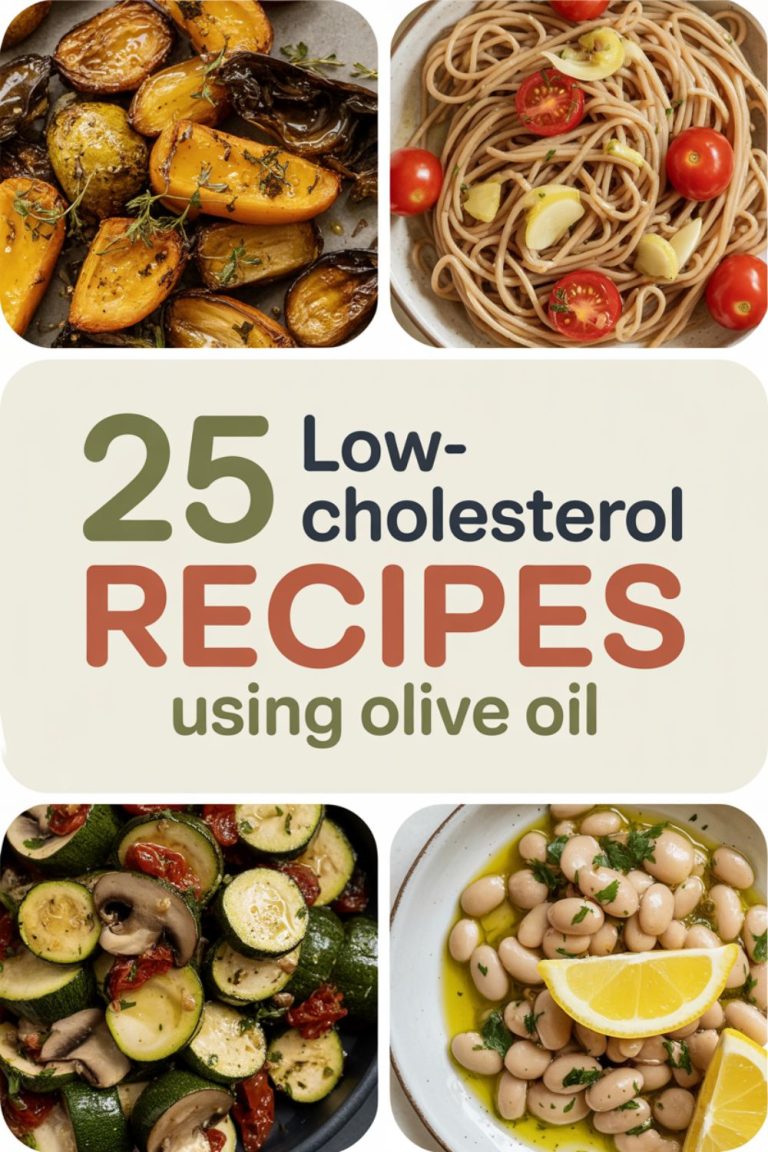

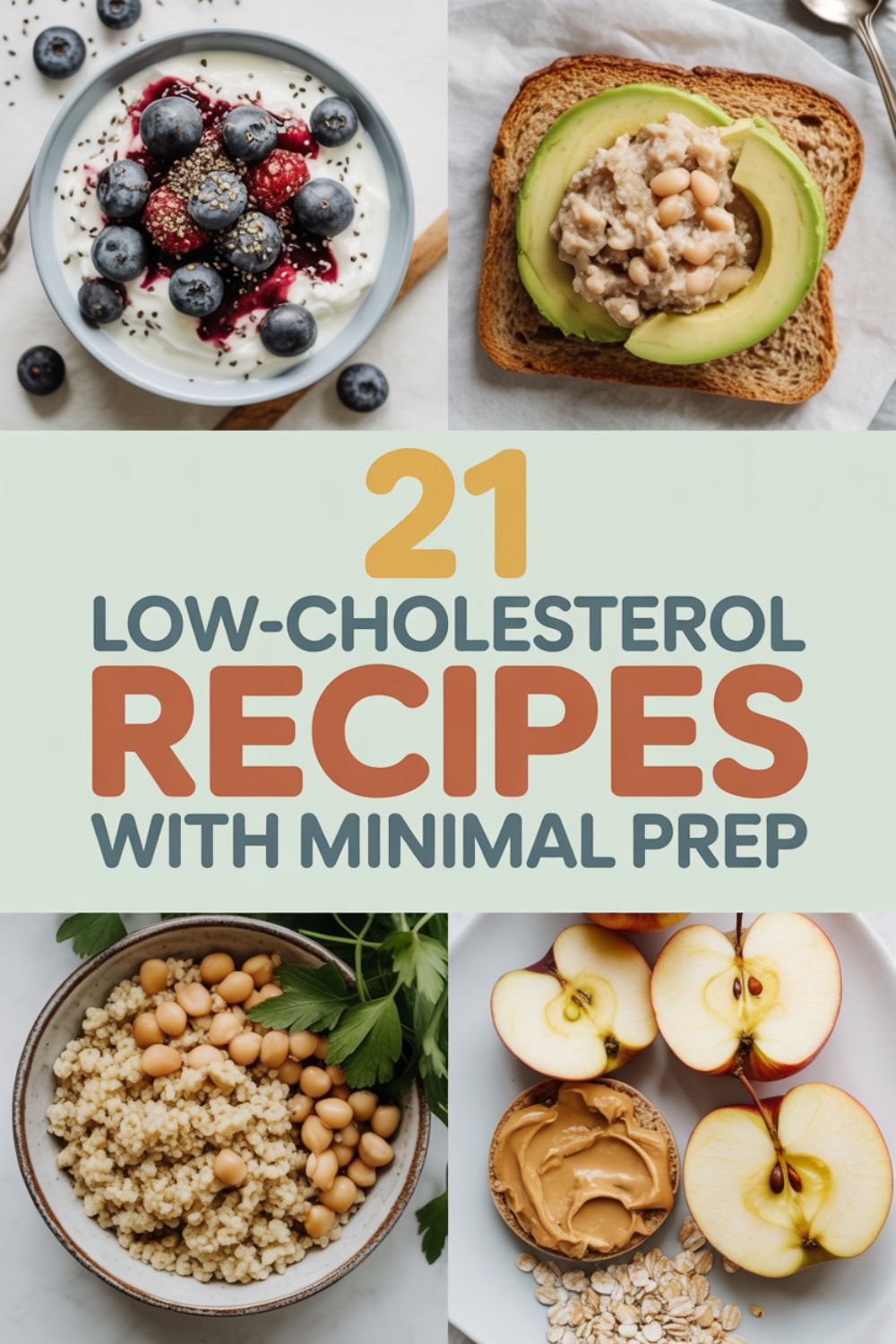
21 Low-Cholesterol Recipes with Minimal Prep
Look, I’m not going to pretend that managing cholesterol is anyone’s idea of a good time. But here’s the thing—it doesn’t have to mean eating bland chicken and steamed broccoli for the rest of your life. I’ve spent the better part of two years figuring out how to make heart-healthy food that actually tastes like something worth eating, and I’m here to tell you it’s entirely possible.
These 21 recipes are my go-to arsenal when I need something fast, satisfying, and genuinely good for my ticker. No complicated techniques, no ingredients you’ve never heard of, and definitely no spending two hours in the kitchen after a long day at work. Just real food that happens to be kind to your arteries.
Why Low-Cholesterol Eating Actually Matters
Before we jump into recipes, let’s talk about why this matters—because understanding the “why” makes the “what” a lot easier to stick with. According to Mayo Clinic, high cholesterol contributes to atherosclerosis, where your arteries harden and narrow from plaque buildup. Not exactly the kind of remodeling project you want happening in your body.
The good news? Food choices make a real difference. The American Heart Association emphasizes limiting saturated fat to less than 6% of daily calories and completely avoiding trans fats. That might sound restrictive until you realize how many delicious foods naturally fit these guidelines.
Here’s what I’ve learned: you don’t need to eliminate entire food groups or eat like a rabbit. You just need to be smart about what ends up on your plate. Think more plants, lean proteins, and healthy fats from sources like nuts and olive oil. FYI, this isn’t diet culture nonsense—it’s just strategic eating that happens to support your cardiovascular system.
Pro Tip: Prep your vegetables on Sunday night. Seriously. Wash, chop, and store them in clear containers. You’ll thank yourself every single weeknight when dinner comes together in 15 minutes instead of 45.
The Real Talk About Meal Prep
I used to think meal prep meant spending your entire Sunday cooking chicken breasts in bulk and dividing them into sad little containers. Turns out, that’s not meal prep—that’s a recipe for eating takeout by Wednesday because you’re sick of looking at the same food.
30-Day Cholesterol Reset System
A simple done-for-you plan to help you eat heart-healthy every day without confusion.
Over 1,000 people downloaded this guide
✔ 100 Easy Recipes
✔ Grocery Lists + Meal Prep Guide
🎁 FREE BONUSES:
✔ 7-Day Quick Start Plan
✔ Printable Grocery List
$29 $9
Get Instant AccessReal meal prep is about setting yourself up for success without losing your mind. It’s having pre-chopped vegetables in the fridge so you’re not starting from scratch every night. It’s keeping canned chickpeas and beans in the pantry for quick protein boosts. It’s owning a decent set of storage containers that don’t stain or smell weird after three uses.
The recipes I’m sharing below are specifically designed for people who want to eat well without spending half their lives in the kitchen. Most take 30 minutes or less. Some are literally dump-and-go. All of them have gotten me through busy weeks without resorting to drive-thrus.
Breakfast: Starting Your Day Right
Breakfast is where a lot of people stumble with cholesterol-conscious eating. I get it—eggs are quick, bacon is delicious, and who has time for anything elaborate before 8 AM? But there are genuinely tasty alternatives that won’t spike your LDL.
Overnight Oats Three Ways
I’ll die on this hill: overnight oats are the superior breakfast. Mix them before bed, grab them on your way out the door, and you’ve got a meal that keeps you full until lunch. The fiber in oats actually helps lower cholesterol—win-win. Get Full Recipe
Try variations with fresh berries and walnuts, or go savory with tomatoes and herbs. Use old-fashioned rolled oats, not the instant stuff—the texture is infinitely better and they’re less processed. A set of mason jars with lids makes prep ridiculously easy.
“I started making overnight oats after my doctor said my cholesterol was creeping up. Two months later, my numbers had improved and I’d lost 8 pounds without even trying. The apple cinnamon version is my go-to.” —Jessica M., community member
Green Smoothie Bowls
Before you roll your eyes, hear me out. A properly made smoothie bowl isn’t one of those Instagram things that tastes like frozen grass clippings. It’s thick, creamy, and satisfying—especially when you top it with sliced almonds and chia seeds for crunch.
The secret is using frozen banana for sweetness and creaminess without dairy. Add spinach (you won’t taste it, I promise), a scoop of plant-based protein powder, and whatever fruit you have on hand. Blend until thick, top strategically, and you’ve got breakfast that looks fancy but took five minutes.
Looking for more morning inspiration? These low-cholesterol breakfast ideas have been game-changers on busy mornings, and this collection of breakfasts under 300 calories proves you don’t have to choose between satisfying and sensible.
Lunch: The Midday Slump Solution
Lunch is tricky. You’re hungry, possibly tired, and likely staring at a sad desk or kitchen table wondering what to eat. This is where having a rotation of reliable recipes becomes crucial.
Mediterranean Chickpea Salad
This is my absolute desert island lunch. Canned chickpeas, diced cucumber, cherry tomatoes, red onion, and a simple lemon-olive oil dressing. Takes maybe 10 minutes to throw together, keeps well in the fridge for days, and the protein from chickpeas actually keeps you satisfied. Get Full Recipe
I make a big batch on Sunday and eat it throughout the week. Sometimes over mixed greens, sometimes stuffed in a whole wheat pita, sometimes just straight from the container while standing at the counter. No judgment here.
Quick Win: Keep a jar of pre-mixed vinaigrette in your fridge. Olive oil, lemon juice, Dijon mustard, minced garlic, salt, pepper. Shake before using. Makes salad assembly basically effortless.
Asian-Inspired Lettuce Wraps
Ground turkey or chicken, water chestnuts for crunch, and a sauce made with low-sodium soy sauce and rice vinegar. Wrap it all in butter lettuce leaves and you’ve got something that feels indulgent but is actually heart-smart. The satisfying part? It comes together faster than waiting for delivery.
Use a non-stick skillet to minimize oil, and don’t skip the water chestnuts—they add a textural contrast that makes these feel more substantial. Fresh ginger makes a huge difference too, and a microplane grater makes mincing it painless.
For days when you need something even faster, check out these 10-minute lunch ideas or browse through lunches designed to actually keep you satisfied until dinner.
Loaded Sweet Potato
Bake a sweet potato, split it open, and pile on black beans, salsa, avocado, and cilantro. That’s it. That’s the whole recipe. The fiber and nutrients in sweet potatoes support heart health, and the combination of complex carbs and protein means you won’t be raiding the snack drawer an hour later. Get Full Recipe
Dinner: Where It All Comes Together
Dinner is where people tend to default to their old habits—meat-heavy plates, rich sauces, and portion sizes that could feed three people. But it doesn’t have to be that way. These dinner recipes are designed to satisfy everyone at the table, not just the person watching their cholesterol.
Sheet Pan Salmon with Vegetables
I’ll be honest—sheet pan dinners changed my life. Everything cooks on one pan, cleanup is minimal, and the results are consistently good. For this one, you’ll toss broccoli, bell peppers, and red onion with olive oil, season your salmon filets, and roast it all together. The salmon fat (the healthy omega-3 kind) naturally bastes the vegetables. Dinner in 25 minutes, one pan to wash. Get Full Recipe
A rimmed baking sheet with sides is essential here—otherwise your vegetables roll right off. And grab some parchment paper for even easier cleanup.
Turkey and Vegetable Stir-Fry
Stir-fry is the ultimate quick dinner, and it’s naturally low-cholesterol if you skip the heavy sauces. Ground turkey, whatever vegetables are in your crisper drawer, garlic, ginger, and a splash of low-sodium soy sauce over brown rice or quinoa. Use a large wok or deep skillet to give everything room to cook properly—crowding the pan just steams everything into mush.
The trick is getting your pan smoking hot before you add anything. That’s how restaurants get that slightly charred flavor. Don’t be timid with the heat.
Pro Tip: Mise en place isn’t just for fancy chefs. Having everything chopped and ready before you start cooking makes stir-fry infinitely less stressful. You’re moving fast once the pan heats up.
Lentil and Vegetable Soup
This is comfort food that happens to be incredibly good for you. Lentils are packed with fiber and protein, and they create this naturally creamy texture without any dairy. Dice up some carrots, celery, and onion, add lentils and vegetable broth, season generously, and let it simmer. That’s it. Get Full Recipe
Make a big batch and freeze half—future you will be grateful. The soup actually gets better after a day or two as the flavors meld together. If you’re craving more warming options, these soups and stews for any season have seen me through countless cold evenings, and these comfort soup recipes prove healthy food can absolutely be cozy.
Grilled Chicken with Mango Salsa
Sometimes you just want grilled chicken, and that’s fine. Make it interesting with a fresh mango salsa—diced mango, red onion, jalapeño, cilantro, and lime juice. The sweetness of the mango plays beautifully against the savory chicken, and the whole meal comes together in about 30 minutes.
IMO, a good instant-read thermometer is the difference between juicy chicken and rubber. Take your chicken off the grill at 160°F and let it rest—carryover cooking will bring it to 165°F while keeping it moist.
Eggplant Parmesan (Without the Guilt)
Traditional eggplant parm is a cheese and oil festival. This version gets crispy by baking breaded eggplant slices instead of frying them, uses a light hand with mozzarella, and leans heavily on a good marinara sauce for flavor. The result? All the satisfaction of the original with a fraction of the saturated fat. Get Full Recipe
For more satisfying dinner options that won’t leave you feeling deprived, dive into these dinners you’ll want to make again or check out vegetarian meals that deliver on flavor.
One-Pan Wonders That Save Time and Sanity
Let’s talk about the holy grail of weeknight cooking: meals that require minimal dishes. Because honestly, if I have to wash five pots and three cutting boards after dinner, I’m ordering pizza instead.
Quinoa and Black Bean Skillet
Cook quinoa in vegetable broth directly in your skillet, add canned black beans, corn, diced tomatoes, and taco seasoning. Top with avocado and cilantro. One pan, complete protein, done in 25 minutes. This is the kind of recipe that makes meal prep less of a chore and more of a quick win. Get Full Recipe
Moroccan-Spiced Chicken and Vegetables
Chicken thighs (yes, thighs—dark meat is fine in moderation and has way more flavor), chickpeas, dried apricots, and a blend of warm spices all roasted together on one sheet pan. The natural sugars in the apricots caramelize and create this incredible sauce. Serve over couscous or skip the grain entirely.
When you’re looking for more streamlined dinner solutions, these one-pan dinner recipes have saved me on countless hectic evenings. And if you’ve got an Instant Pot collecting dust, these Instant Pot and air fryer recipes might just become your new best friends.
Kitchen Tools That Make Low-Cholesterol Cooking Easier
Look, you don’t need a kitchen full of gadgets to eat well. But a few strategic tools make the difference between cooking feeling like a chore versus actually being kind of pleasant. Here’s what I genuinely use multiple times per week:
Physical Products:
Digital Resources:
Snacks That Actually Keep You Satisfied
The 3 PM slump is real, and it’s when good intentions usually crumble. Having strategic snacks ready prevents the vending machine from looking tempting or the drive-through from calling your name.
Hummus and Vegetable Sticks
It’s basic, but it works. Make your own hummus in five minutes with canned chickpeas, tahini, lemon juice, garlic, and olive oil. Or buy the good stuff from the store—no shame in that. Pair it with bell pepper strips, carrots, or cucumber. The combination of protein, fiber, and healthy fats keeps hunger at bay for hours. Get Full Recipe
Roasted Chickpeas
These are dangerously addictive. Drain and dry canned chickpeas, toss with olive oil and whatever seasonings you’re feeling (smoked paprika, cumin, garlic powder), and roast until crispy. They’re crunchy, savory, and packed with protein and fiber. Fair warning: it’s hard to stop at one handful.
For more smart snacking options, check out these snacks that support heart health. They’re specifically designed to keep you satisfied between meals without derailing your goals.
Apple Slices with Almond Butter
Simple doesn’t mean boring. A crisp apple with a tablespoon of natural almond butter hits the sweet-savory-crunchy trifecta. The fiber in the apple slows down digestion, and the healthy fats in almond butter provide sustained energy. Just watch your portion on the nut butter—it’s calorically dense.
Desserts That Won’t Sabotage Your Progress
Let’s address the elephant in the room: you’re going to want dessert sometimes. Pretending you won’t is setting yourself up for failure. The solution isn’t deprivation—it’s having better options available.
Dark Chocolate Avocado Mousse
Before you click away, trust me on this. Ripe avocados blended with cocoa powder, a touch of maple syrup, and vanilla extract create this incredibly rich mousse that has zero cholesterol and plenty of heart-healthy fats. The texture is legitimately indulgent. Nobody who’s tried my version has guessed the secret ingredient. Get Full Recipe
Baked Pears with Walnuts
Halve some pears, core them, drizzle with a tiny bit of honey, top with chopped walnuts, and bake until tender. Warm, sweet, and satisfying—especially with a small scoop of frozen yogurt if you’re feeling fancy. The omega-3s in walnuts are particularly good for heart health.
If you’re looking for more ways to satisfy your sweet tooth without the guilt, these guilt-free dessert recipes prove you don’t have to give up treats entirely. Sometimes you just need something sweet, and that’s completely normal.
Frozen Banana “Nice Cream”
Freeze ripe bananas, blend them in a high-powered blender until smooth, and you’ve got ice cream. Add cocoa powder for chocolate, peanut butter for richness, or berries for fruit flavor. The consistency is shockingly similar to soft-serve, and there’s literally no added sugar—just fruit.
“I was skeptical about the avocado mousse but made it for a dinner party. Everyone asked for the recipe, and when I revealed the ingredients, two people literally didn’t believe me until I showed them the empty avocado skins in the trash.” —Marcus T., community member
Making This Sustainable: The Real Key to Success
Here’s what nobody tells you about eating for better cholesterol: perfection is the enemy. I’ve seen too many people go all-in on a restrictive plan, burn out after three weeks, and end up worse off than when they started.
The recipes I’ve shared work because they fit into real life. They’re quick enough for weeknights, delicious enough that you actually want to eat them, and flexible enough to adapt based on what’s in your fridge. Some days you’ll meal prep like a champion. Other days you’ll throw together a chickpea salad in five minutes and call it good. Both are fine.
The goal isn’t to cook every meal from scratch or to never eat out again. It’s to have a repertoire of reliable recipes that make healthy eating feel less like punishment and more like just… eating. When you’ve got a handful of meals you genuinely enjoy that also happen to be good for your heart, making the right choice stops feeling like work.
Pro Tip: Keep a running list on your phone of meals that worked. When you’re staring blankly into the fridge at 6 PM wondering what to make, having that list eliminates decision fatigue. Mine lives in my Notes app and gets referenced at least three times per week.
The Bigger Picture: Food as One Piece of the Puzzle
While we’re here talking about recipes, it’s worth mentioning that diet is just one factor in cholesterol management. Physical activity matters too—even just 150 minutes of moderate exercise per week can improve your cholesterol profile. Stress management, sleep quality, and genetics all play roles.
But food? Food is the variable you have the most control over, three times per day, every single day. That’s powerful. These recipes give you concrete tools to exercise that control without feeling like you’re on some restrictive diet that makes you miserable.
For those looking to create more comprehensive eating strategies, these weekly meal prep ideas can help you plan ahead, and this guide to foods that naturally lower cholesterol provides the foundational knowledge for making better daily choices.
When Eating Out: Navigating Restaurants
You can’t cook every meal forever, nor should you have to. Part of maintaining this long-term is learning how to make reasonable choices when you’re not in your own kitchen.
General rules: opt for grilled over fried, ask for dressings and sauces on the side, load up on vegetables, and don’t be shy about asking how things are prepared. Most restaurants are surprisingly accommodating if you’re polite about it. I’ve yet to encounter a place that won’t grill fish instead of pan-frying it if you ask.
Mediterranean and Asian restaurants tend to be your safest bets—their cuisines naturally align with heart-healthy eating patterns. Steakhouses and Italian joints require more strategic navigation, but it’s doable. Order the fish, skip the cream sauces, double the vegetables. You’ll be fine.
Frequently Asked Questions
Can I still eat eggs on a low-cholesterol diet?
Yes, but with some awareness. Recent research from the American Heart Association shows that eating one whole egg daily is reasonable for most people as part of an overall heart-healthy diet. The key is what you eat with those eggs—skip the bacon and buttered toast, and you’re generally fine. Egg whites are essentially cholesterol-free if you want to use those more frequently.
How quickly will changing my diet affect my cholesterol levels?
Most doctors recommend giving dietary changes at least 8-12 weeks before rechecking your cholesterol levels. Some people see changes sooner, but your body needs time to respond. Be patient and consistent—the results will come. If you’re not seeing improvement after three months of genuine effort, that’s when you should talk to your doctor about other interventions.
Is all cholesterol bad?
No, and this is where it gets nuanced. Your body needs cholesterol for essential functions like building cells. The issue is having too much LDL cholesterol (the “bad” kind) and not enough HDL cholesterol (the “good” kind). The recipes here focus on reducing saturated fat intake, which helps lower LDL while maintaining or improving HDL levels.
What about plant-based meat alternatives—are they better for cholesterol?
It depends on the product. Many plant-based meats are cholesterol-free, which is good. However, some are also high in sodium and saturated fat from coconut or palm oil, which partially negates the benefit. Read labels carefully. Whole food plant proteins like beans, lentils, and tofu are generally your best bet.
Can I reverse high cholesterol with diet alone?
For some people, yes. For others, genetics play a significant role and medication may be necessary. Dietary changes can reduce LDL cholesterol by about 10-15% according to Mayo Clinic research, while medications can reduce it by 60-65%. Work with your doctor to determine the right approach for your specific situation. Diet should always be part of the plan, but it may not be the entire plan.
Final Thoughts: You’ve Got This
Managing cholesterol through diet doesn’t mean signing up for a lifetime of bland, boring food. It means being strategic about what you eat while still enjoying meals. These 21 recipes are proof that you can eat well, support your cardiovascular health, and actually look forward to dinner.
Start with a few recipes that sound appealing. Get comfortable with those. Then branch out and try a couple more. Before you know it, you’ll have a whole rotation of go-to meals that just happen to be good for your heart. The hardest part is getting started—after that, it’s just cooking.
And remember: progress over perfection. Some weeks you’ll meal prep like a champion and stick to your plan flawlessly. Other weeks you’ll survive on chickpea salad and frozen vegetables because life got hectic. Both are fine. Both are moving you in the right direction. The goal is sustainable change, not temporary perfection.
Your arteries will thank you, your energy levels will improve, and you might even find you enjoy cooking more when the recipes are this straightforward and satisfying. Now stop reading and go make something delicious.
30-Day Cholesterol-Lowering Meal Plan
A simple step-by-step system to help you eat heart-healthy every day without stress.
Over 1,000 people downloaded this guide
$29$9
Get Instant Access