
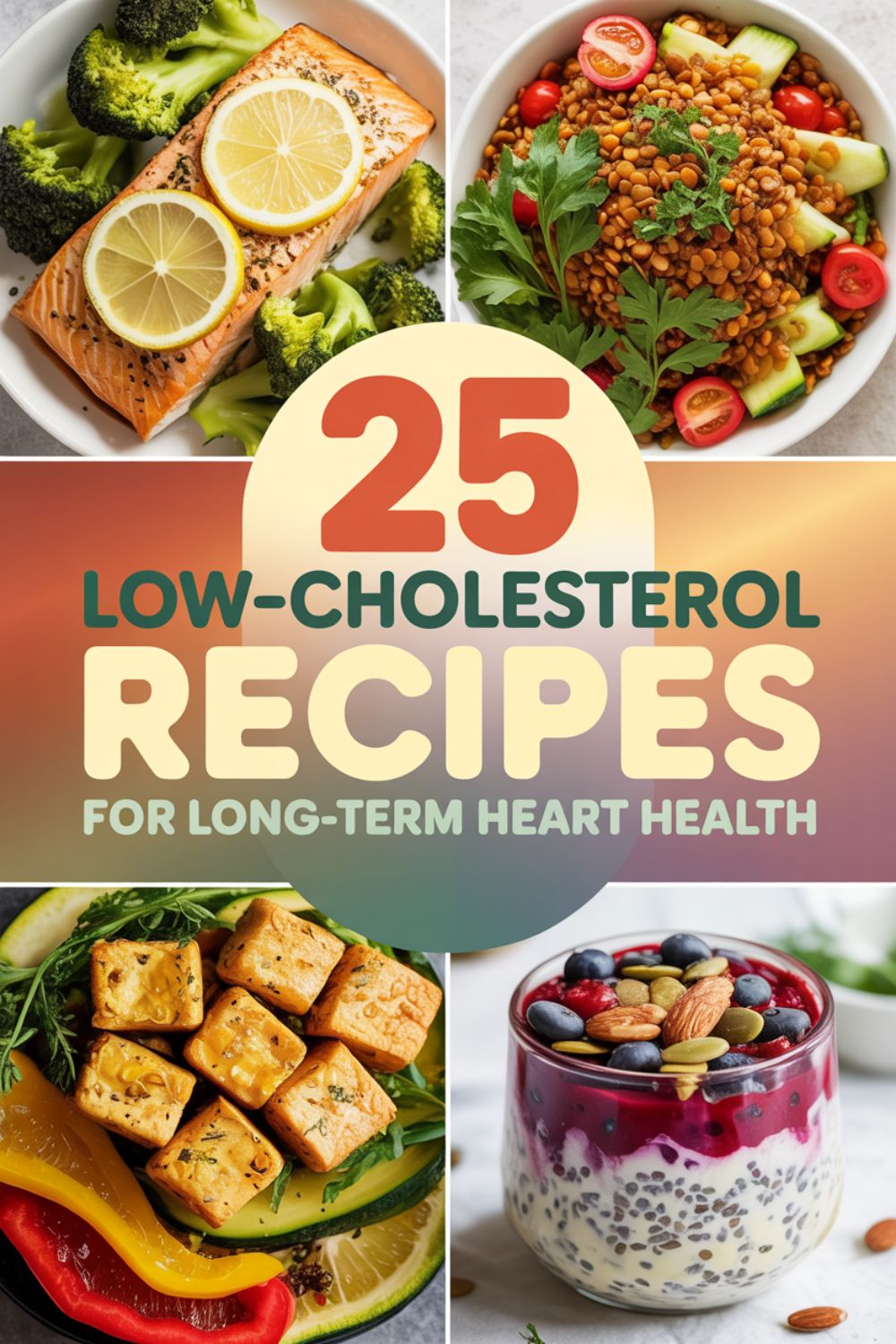
25 Low-Cholesterol Recipes for Long-Term Heart Health
Look, I get it. The moment your doctor mentions cholesterol, your brain immediately goes to a lifetime of bland chicken breasts and sad steamed broccoli. But here’s the thing—eating for heart health doesn’t mean kissing flavor goodbye. I’ve spent the last few years figuring out how to keep my cholesterol in check without feeling like I’m punishing myself at every meal, and honestly? Some of my favorite dishes now happen to be the ones that are actually good for my ticker.
The recipes I’m sharing here aren’t just low in cholesterol—they’re legitimately delicious, satisfying meals that won’t leave you counting down the minutes until you can eat something “real” again. Whether you’re dealing with high cholesterol yourself, trying to prevent it, or just want to eat cleaner without the sacrifice, these 25 recipes are about to become your new rotation.

Why Low-Cholesterol Eating Actually Matters
Before we dive into the good stuff, let’s talk about why this matters. High cholesterol isn’t just some abstract number your doctor obsesses over—it’s literally about keeping your arteries clear and your heart pumping strong for the long haul. According to Mayo Clinic research, elevated LDL cholesterol can lead to plaque buildup in your arteries, which significantly increases your risk of heart disease and stroke.
The cool thing is that what you eat has a massive impact on your cholesterol levels. I’m talking about real, measurable changes—not just tiny improvements that don’t actually move the needle. Studies show that incorporating more fiber-rich foods, healthy fats, and plant-based options can lower your LDL (the bad stuff) while potentially boosting your HDL (the good stuff).
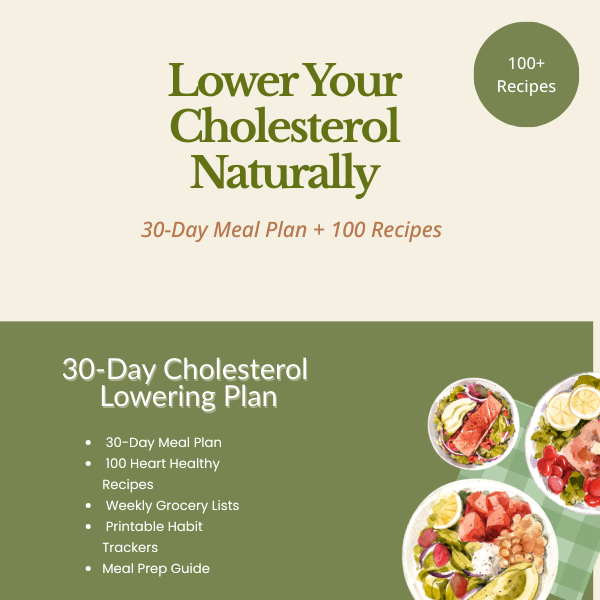
30-Day Cholesterol Reset System
A simple done-for-you plan to help you eat heart-healthy every day without confusion.
Over 1,000 people downloaded this guide
✔ 100 Easy Recipes
✔ Grocery Lists + Meal Prep Guide
🎁 FREE BONUSES:
✔ 7-Day Quick Start Plan
✔ Printable Grocery List
$29 $9
Get Instant AccessAnd no, this doesn’t mean you need to become a full-blown vegetarian or give up everything you enjoy. It just means getting smarter about your choices and finding recipes that work with your body instead of against it.
The Foundation: What Makes a Recipe Low-Cholesterol?
Not all “healthy” recipes are created equal. When I’m looking for genuinely heart-friendly options, I focus on a few key things: minimal saturated fat, zero trans fats, and plenty of soluble fiber. Harvard Health Publishing notes that soluble fiber is particularly effective at binding to cholesterol in your digestive system and helping your body eliminate it.
Think oats, beans, lentils, apples, and barley. These aren’t just filler ingredients—they’re legitimately powerful when it comes to managing cholesterol. I also prioritize recipes with omega-3 fatty acids from sources like salmon, walnuts, and flaxseeds. These healthy fats actually help reduce inflammation and support overall cardiovascular health.
Another thing I’ve learned? Cooking methods matter just as much as ingredients. Grilling, baking, steaming, or sautéing with a quality olive oil mister beats deep-frying every single time. I picked up this olive oil sprayer a while back and it’s been a game-changer for portion control without sacrificing flavor.
Breakfast: Start Your Day Right
Breakfast sets the tone for your entire day, so why waste it on something that spikes your cholesterol? I’m a huge fan of overnight oats—they’re ridiculously easy to prep and loaded with soluble fiber. Just combine oats, almond milk, chia seeds, and whatever fruit you’re feeling, then let it sit in the fridge overnight. Boom. Breakfast done.
Another go-to is a veggie-packed egg white scramble. I know, egg whites sound boring, but hear me out. When you load them up with spinach, tomatoes, mushrooms, and a sprinkle of nutritional yeast (seriously, try it), they’re actually pretty incredible. Get Full Recipe.
If you’re more of a smoothie person, blend up some frozen berries, spinach, banana, ground flaxseed, and unsweetened almond milk. The flax adds omega-3s and the berries bring antioxidants that support heart health. Plus, you can drink it on the go, which is perfect for those mornings when sitting down isn’t an option.
Looking for more morning inspiration? Try these low-cholesterol breakfast ideas or check out breakfasts under 300 calories that still keep you full until lunch.
Lunch Options That Keep You Full
Lunchtime is where a lot of people fall off the wagon. You’re busy, you’re hungry, and that drive-through is right there. But here’s where having solid recipes in your back pocket makes all the difference. I’m obsessed with grain bowls lately—quinoa or brown rice as the base, grilled chicken or chickpeas for protein, and then you just pile on the veggies.
One of my favorites is a Mediterranean-style bowl with quinoa, cucumber, cherry tomatoes, olives, red onion, and a lemon-tahini dressing. The whole thing comes together in like 15 minutes if you’ve got pre-cooked quinoa on hand. Speaking of which, investing in a good meal prep container set has been huge for me. I cook grains and proteins in bulk on Sundays, then mix and match throughout the week.
Salads are another obvious choice, but they don’t have to be sad desk lunches. Load them up with ingredients that have some heft—roasted sweet potato, avocado, walnuts, grilled salmon. The key is making sure there’s enough substance so you’re not starving an hour later. Check out these low-cholesterol salads that don’t feel like diet food for proof that salads can actually be satisfying.
If you need something super quick, these quick low-cholesterol lunches under 10 minutes are lifesavers on hectic days.
Dinner Recipes That Actually Satisfy
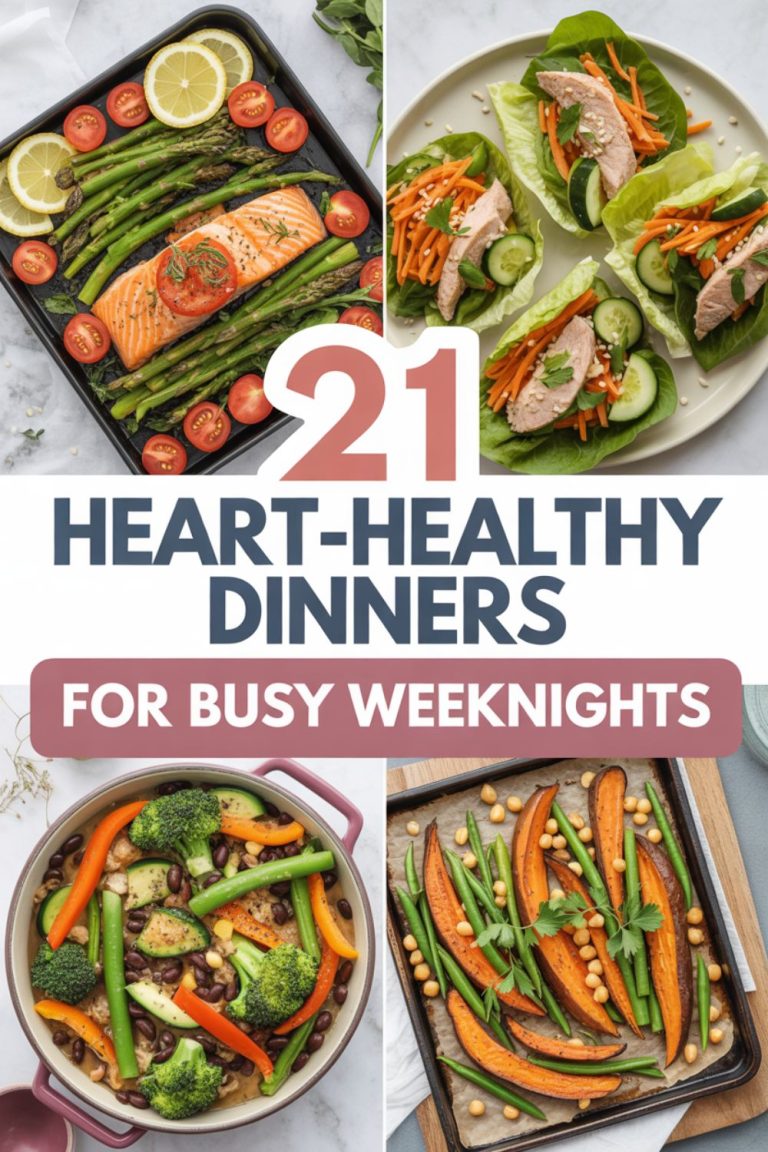
Dinner is where I refuse to compromise. I want something that tastes good, fills me up, and doesn’t require a culinary degree to pull off. Baked salmon with roasted vegetables is a staple in my house—it’s simple, it’s healthy, and it never gets old when you rotate your veggies and seasonings.
I season the salmon with garlic, lemon, and fresh dill, then throw it in the oven on a silicone baking mat (no oil needed, nothing sticks, cleanup is a breeze). While that’s cooking, I roast whatever vegetables I have on hand—Brussels sprouts, carrots, bell peppers, zucchini. Toss them with a tiny bit of olive oil, salt, pepper, and maybe some herbs, and you’ve got a complete meal.
Another dinner win? Turkey chili loaded with beans. Beans are a cholesterol-fighting powerhouse thanks to their soluble fiber content, plus they make the chili incredibly hearty. I use lean ground turkey instead of beef, add in kidney beans, black beans, tomatoes, and spices, then let it simmer. Make a big batch and freeze the leftovers—you’ll thank yourself later.
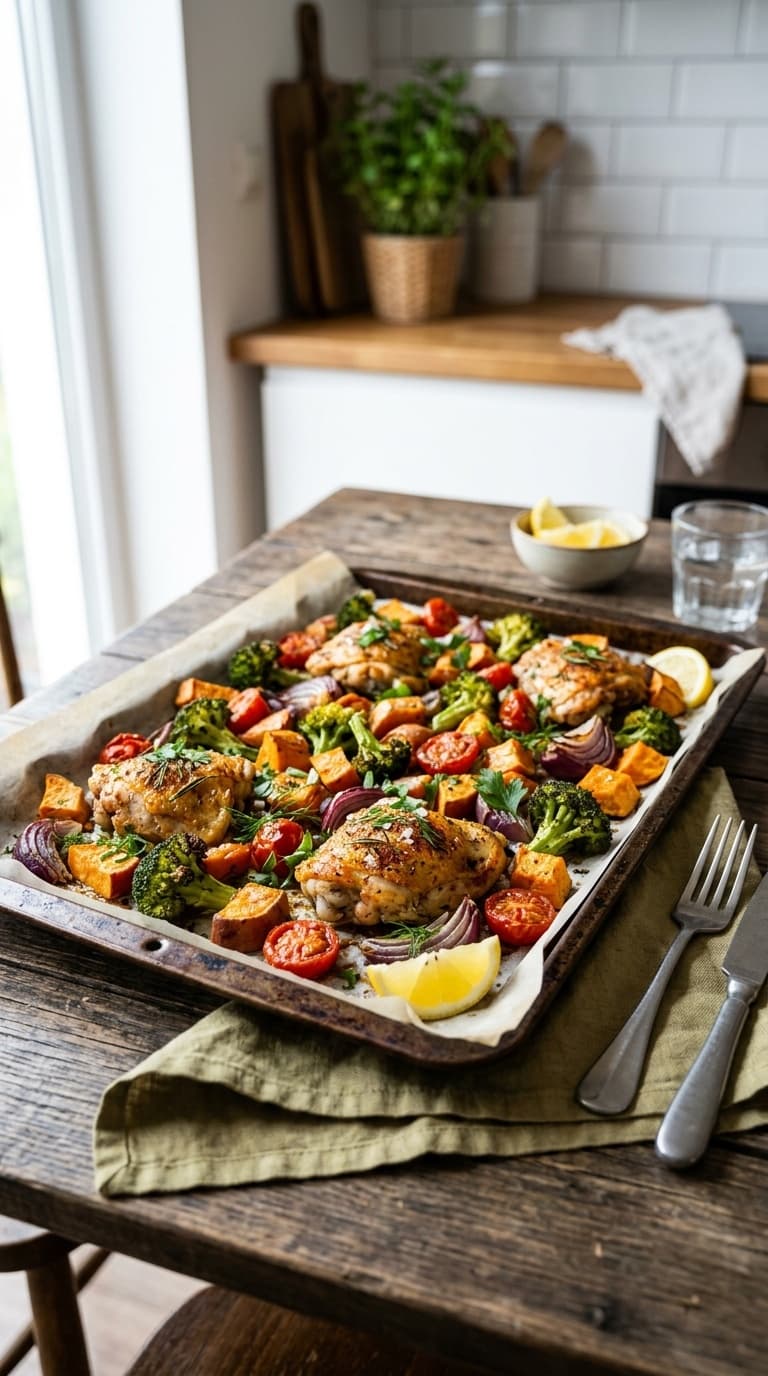
For more dinner inspiration, check out these low-cholesterol dinners you’ll want to make again or try these one-pan dinners for easy nights when you can’t be bothered with a million dishes.
If you’re craving comfort food without the guilt, these low-cholesterol comfort foods made healthy prove you can have both flavor and heart health.
Snacks That Support Heart Health
Snacking is where things can go sideways fast if you’re not prepared. Instead of reaching for chips or cookies, I keep heart-healthy options ready to go. Fresh fruit with a handful of almonds or walnuts is always a safe bet. The nuts provide healthy fats and protein, while the fruit brings fiber and natural sweetness.
Hummus with veggie sticks is another favorite. Chickpeas (the base of hummus) are fantastic for cholesterol management, and when you pair them with crunchy carrots, celery, or bell peppers, you’ve got a snack that’s actually satisfying. I’ve started making my own hummus in a small food processor—it takes about five minutes and tastes way better than store-bought.
Air-popped popcorn is also surprisingly great for you. Just skip the butter and load it up with nutritional yeast or your favorite spices instead. If you don’t have an air popper yet, seriously consider grabbing one of these countertop air poppers—it’s way cheaper than constantly buying microwave popcorn and you can control exactly what goes on it.
For a full list of options, check out these low-cholesterol snacks that support heart health. They’re perfect for keeping your energy up between meals without sabotaging your progress.
The Power of Meal Prep
I cannot stress this enough: meal prep is the difference between success and ending up in the drive-through line at 8 PM because you’re starving and have nothing ready. Every Sunday, I spend about two hours cooking proteins, grains, and chopping veggies for the week ahead.
It’s not glamorous, but it works. I’ll grill chicken breasts, bake sweet potatoes, cook a big pot of brown rice or quinoa, and prep a massive salad that I portion out into individual containers. Then during the week, I just grab and go. No thinking required, no excuses.
Having reliable storage containers matters here. I use a mix of glass meal prep containers and BPA-free plastic ones depending on what I’m storing. Glass is great for reheating, plastic is lighter for taking to work.
If meal prep feels overwhelming, start small. Just prep breakfast or lunch for a few days and work your way up. These low-cholesterol meal prep ideas will give you a solid starting point, and these freezer meals are perfect for those weeks when you know you’ll be slammed.
Kitchen Tools That Make Cooking Easier
After years of trial and error, these are the tools I genuinely use every week. They make cooking low-cholesterol meals so much easier that I actually look forward to it.
- Instant Pot or Multi-Cooker – Hands down the best investment for making soups, stews, grains, and lean proteins without babysitting the stove. You can set it and forget it.
- High-Speed Blender – Essential for smoothies, sauces, and homemade hummus. A good blender pulverizes flax seeds and breaks down leafy greens like nobody’s business.
- Quality Chef’s Knife – Sounds basic, but chopping vegetables becomes so much faster (and safer) when you’ve got a sharp, well-balanced knife. Game changer for meal prep.
- Meal Planning App Subscription – Takes the guesswork out of what to cook each week. Many apps let you filter by dietary needs, including low-cholesterol options.
- Online Nutrition Course – Understanding the science behind cholesterol management helped me make better choices without obsessing. Knowledge is power.
- Recipe Database Membership – Access to thousands of tested, heart-healthy recipes with nutritional breakdowns. Saves you from endlessly Googling and hoping for the best.
Vegetarian and Plant-Based Options
You don’t need to eat meat to get enough protein or have satisfying meals. Some of my favorite low-cholesterol recipes are completely plant-based. Lentil curry, black bean tacos, chickpea stir-fry—these dishes are packed with flavor and fiber, and they happen to be fantastic for managing cholesterol.
The beauty of plant-based eating is that you’re automatically avoiding dietary cholesterol (which only comes from animal products) while loading up on fiber that helps eliminate the cholesterol your body produces naturally. It’s a win-win.
One of my weekly staples is a big pot of vegetable and lentil soup. I use whatever veggies are in season, add dried lentils, vegetable broth, and spices, then let it simmer until everything’s tender. The lentils make it incredibly filling, and the leftovers taste even better the next day.
If you’re curious about going meatless more often, these low-cholesterol vegetarian meals will show you just how satisfying plant-based eating can be. And for lighter options, check out these smoothies and juices that support heart health.
Soups and Stews for Every Season
There’s something deeply comforting about a bowl of homemade soup, and the best part is that most soups are naturally low in cholesterol when you build them right. I’m talking about broth-based soups loaded with vegetables, beans, and lean proteins.
Minestrone, vegetable barley soup, chicken and vegetable soup—these are my cold-weather go-tos. They’re filling, they freeze beautifully, and they’re stupidly easy to make in large batches. Plus, the high water content helps you feel full without overdoing calories.
The key is building flavor without relying on butter or cream. I use lots of herbs, garlic, onions, and a good low-sodium broth as the base. Sometimes I’ll add a splash of balsamic vinegar or lemon juice at the end to brighten everything up.
For more inspiration, check out these low-cholesterol soups and stews or these heart-healthy soups for lowering cholesterol naturally.
Desserts That Won’t Derail Your Progress
Yeah, you read that right. You can still have dessert while managing your cholesterol. The trick is choosing options that rely on natural sweetness and healthy fats instead of butter, cream, and eggs.
Fruit-based desserts are your best friend here. Baked apples with cinnamon and a sprinkle of oats, berry crumbles made with almond flour, or even just a bowl of fresh berries with a dollop of coconut whipped cream. These satisfy your sweet tooth without loading you up with saturated fat.
I’ve also gotten into making nice cream—frozen bananas blended until creamy with a splash of almond milk and whatever mix-ins you want (cocoa powder, peanut butter, berries). It’s legitimately delicious and feels like a treat, but it’s just fruit.
If you want proper dessert recipes that won’t mess with your cholesterol, check out these low-cholesterol desserts you’ll love guilt-free. They prove you don’t have to give up sweets entirely.
Foods That Naturally Lower Cholesterol
Some foods don’t just avoid adding cholesterol—they actively help lower it. Oats are probably the most well-known thanks to their beta-glucan content, a type of soluble fiber that’s been extensively studied for its cholesterol-lowering effects.
Nuts, especially almonds and walnuts, are also powerful. They provide healthy fats that can improve your cholesterol ratio when eaten in moderation. Fatty fish like salmon, mackerel, and sardines bring omega-3 fatty acids that reduce inflammation and support overall heart health.
And don’t sleep on legumes—beans, lentils, chickpeas. These are fiber superstars that help your body eliminate excess cholesterol. I try to include at least one serving of legumes in my diet every single day, whether that’s in a soup, salad, or as a side dish.
For a comprehensive list, check out these foods that naturally lower cholesterol. Understanding which ingredients to prioritize makes meal planning so much easier.
Quick and Easy Options for Busy People
Not every meal needs to be an elaborate production. Some days, you just need something fast that still supports your health goals. That’s where having a arsenal of quick recipes becomes crucial.
Grilled chicken with a side of steamed broccoli and quinoa? Takes 20 minutes tops. Whole wheat pasta with marinara sauce and a big salad? Even faster. The point is to have options that don’t require you to be a master chef or spend hours in the kitchen.
I keep my pantry stocked with staples that make quick meals possible: canned beans, canned tomatoes, whole grains, frozen vegetables, and spices. With those on hand, I can throw together a decent meal even when the fridge is looking sparse.
For more ideas, check out these lazy low-cholesterol meals for busy people. Sometimes good enough is exactly what you need.
High-Protein, Low-Cholesterol Combinations
Getting enough protein while keeping cholesterol low is totally doable. Chicken breast, turkey, fish, egg whites, Greek yogurt, tofu, tempeh, and legumes all provide solid protein without excessive saturated fat or dietary cholesterol.
One of my favorite high-protein meals is grilled chicken over a bed of mixed greens with chickpeas, avocado, and a light vinaigrette. You’re getting protein from both the chicken and the chickpeas, healthy fats from the avocado, and tons of fiber from the greens and beans.
Another go-to is baked tofu with stir-fried vegetables and brown rice. The tofu soaks up whatever marinade you use, and when you bake it, it gets this perfect crispy texture that’s honestly addicting. For inspiration, check out these high-protein, low-cholesterol meals for weight loss.
If you’re a chicken fan, these low-cholesterol chicken recipes packed with flavor will keep your meal rotation interesting.
Staying Satisfied Without the Calories
One of the biggest challenges with any healthy eating plan is feeling satisfied without overdoing it on calories. The secret is choosing foods with high water content and fiber—they take up space in your stomach and signal fullness without packing in tons of calories.
Vegetables are obviously king here. You can eat massive portions of leafy greens, cruciferous veggies, and non-starchy vegetables for very few calories. Pair them with lean protein and a moderate amount of healthy fats, and you’ve got a meal that’ll keep you full for hours.
Soups and stews are also excellent for this. The liquid content helps fill you up, and when you load them with vegetables and beans, you’re getting tons of nutrients and fiber. These low-cholesterol, low-calorie recipes that satisfy prove you don’t have to choose between feeling full and staying within your calorie goals.
For lighter options that still deliver, check out these heart-healthy meals under 400 calories.
Making It Work for the Whole Family
Eating low-cholesterol doesn’t mean cooking separate meals for yourself while everyone else eats “normal” food. Most of these recipes are crowd-pleasers that just happen to be heart-healthy. Your family probably won’t even notice they’re eating something good for them.
Tacos, pasta dishes, stir-fries, grilled meats with roasted vegetables—these are all family-friendly options that can be tweaked to be low-cholesterol without sacrificing flavor. The key is focusing on whole foods and flavorful seasonings instead of relying on butter, cream, and cheese for taste.
I’ve found that when I cook this way, my whole household eats better by default. Nobody’s complaining, everyone feels good, and I’m not burning myself out making multiple dinners. For recipes the whole family will love, check out these low-cholesterol family dinners.
Modern Cooking Tools: Instant Pot and Air Fryer Recipes
If you’ve got an Instant Pot or air fryer, you’re already ahead of the game. These tools make low-cholesterol cooking ridiculously easy because they require minimal added fat and hands-on time.
The Instant Pot is perfect for soups, stews, grains, and lean proteins. You can throw in chicken breasts, some broth, and vegetables, set it for 20 minutes, and come back to a complete meal. The air fryer is great for getting that crispy texture without deep-frying—think crispy tofu, roasted chickpeas, or even salmon with a perfect crust.
I use both of these appliances weekly. They’ve completely changed how I approach cooking because they’re so foolproof and fast. For specific recipes, check out these low-cholesterol Instant Pot and air fryer recipes.
Frequently Asked Questions
Can I really lower my cholesterol through diet alone?
For many people, yes—dietary changes can make a significant impact on cholesterol levels. According to research, incorporating more soluble fiber, reducing saturated fats, and eating foods rich in omega-3s can lower LDL cholesterol by 10-20% in some cases. However, if you have familial hypercholesterolemia or very high levels, you might need medication in addition to diet changes. Always work with your doctor to create a plan that’s right for you.
Do I need to completely avoid eggs if I have high cholesterol?
Not necessarily. The relationship between dietary cholesterol and blood cholesterol is more complex than we once thought. For most people, eating eggs in moderation (a few times a week) doesn’t significantly impact cholesterol levels, especially when prepared without added saturated fats. That said, if your doctor has given you specific guidance, follow their recommendations. Egg whites are always a safe bet since they contain zero cholesterol.
How long does it take to see results from changing my diet?
Most people start seeing measurable changes in their cholesterol levels within 4-6 weeks of consistently following a heart-healthy diet. Some may notice improvements sooner, especially if they’re making significant changes from a previously poor diet. Keep in mind that sustainable change takes time, and the goal is long-term heart health, not just quick numbers on a test.
Are low-cholesterol recipes more expensive?
Not at all. In fact, many staples of a low-cholesterol diet—like beans, lentils, oats, and seasonal vegetables—are incredibly affordable. You might spend more on certain items like wild-caught salmon or organic produce, but you’ll save money by cutting back on processed foods and eating out less. Buying in bulk, meal prepping, and cooking from scratch all help keep costs down.
Can I still eat out while following a low-cholesterol diet?
Absolutely. Most restaurants offer grilled or baked proteins, vegetable sides, and salads that fit perfectly into a low-cholesterol eating plan. The key is making smart choices—ask for dressings and sauces on the side, choose lean proteins over fried options, and load up on vegetables. Don’t be afraid to ask how something is prepared or request modifications. Your health is worth it.
Conclusion
Managing your cholesterol through diet isn’t about deprivation or eating food that tastes like cardboard. It’s about finding recipes that you genuinely enjoy and that happen to support your long-term health. The 25 recipes and strategies I’ve shared here have worked for me, and I’m confident they’ll work for you too.
Start small. Pick one or two recipes that sound good and try them this week. See how you feel. Pay attention to what satisfies you and what leaves you wanting more. This isn’t about perfection—it’s about progress and finding a sustainable way of eating that supports your heart health for years to come.
Your cholesterol numbers don’t define you, but the choices you make every day absolutely shape your future health. And honestly? Once you get into the rhythm of cooking this way, you might find (like I did) that you actually prefer these meals over the old standbys. Who knew heart-healthy could taste this good?
30-Day Cholesterol-Lowering Meal Plan
A simple step-by-step system to help you eat heart-healthy every day without stress.
Over 1,000 people downloaded this guide
$29$9
Get Instant Access