
20 Low-Cholesterol Recipes That Are Beginner-Approved
Why Low-Cholesterol Cooking Isn’t the Punishment You Think It Is
Here’s what nobody tells you about cooking for lower cholesterol: it’s actually easier than regular cooking in a lot of ways. You’re skipping heavy cream sauces that break if you breathe on them wrong. You’re ditching fatty meats that shrink to nothing in the pan. Instead, you’re working with ingredients that actually behave themselves.
I spent years thinking heart-healthy meant boring. Then I realized I’d been doing it wrong. According to Mayo Clinic, the foods that naturally lower cholesterol are the same ones that pack the most flavor: fresh vegetables, whole grains, lean proteins, and healthy fats like olive oil and avocados.
The trick isn’t eliminating everything good. It’s swapping smarter. Trade butter for quality extra virgin olive oil, ditch heavy cream for cashew cream, use Greek yogurt instead of sour cream. Tiny switches that make huge differences.
Pro Tip: Keep a batch of homemade vegetable broth in your freezer. It’s your secret weapon for adding depth to any dish without butter or oil. I make mine in this 8-quart stock pot every other Sunday.
The Foundation: Understanding What Actually Matters
Before we jump into recipes, let’s talk about what you’re actually avoiding. Saturated fats and trans fats are the real villains here. They’re what mess with your LDL levels (that’s the bad cholesterol, FYI). Dietary cholesterol itself? The American Heart Association says it’s less of a concern than we used to think.
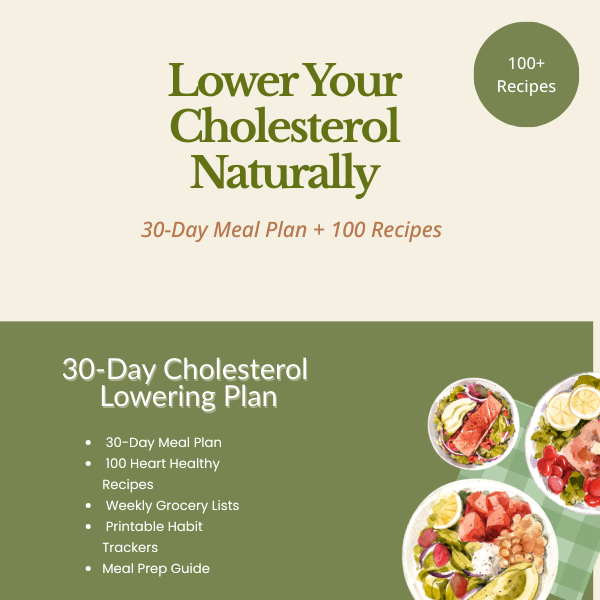
30-Day Cholesterol Reset System
A simple done-for-you plan to help you eat heart-healthy every day without confusion.
Over 1,000 people downloaded this guide
✔ 100 Easy Recipes
✔ Grocery Lists + Meal Prep Guide
🎁 FREE BONUSES:
✔ 7-Day Quick Start Plan
✔ Printable Grocery List
$29 $9
Get Instant AccessWhat matters more is building meals around fiber, healthy fats, and lean proteins. Think Mediterranean-style eating: lots of vegetables, whole grains, fish, nuts, and olive oil. Less red meat, fewer full-fat dairy products, minimal processed junk.
And honestly? This way of eating tastes better anyway. Your taste buds adjust faster than you’d think. Give it two weeks and suddenly that heavily buttered stuff tastes overwhelming.
If you’re looking to build out your meal planning, these low-cholesterol meal prep ideas have been a total game-changer in my kitchen. Seriously cuts down on the weeknight stress.
Breakfast Wins That Don’t Taste Like Punishment
Overnight Oats with Fresh Berries
This is the recipe that converted me. Mix rolled oats with almond milk, chia seeds, a touch of maple syrup, and whatever berries are on sale. Let it sit overnight. Wake up to breakfast that’s already done. The soluble fiber from the oats literally binds to cholesterol in your digestive system, helping your body get rid of it.
I use these glass meal prep jars to make five at once. Sunday night prep, weekday morning hero status.
Veggie-Packed Scrambled Eggs
Yeah, eggs used to be the enemy. Not anymore. Turns out the cholesterol in eggs doesn’t affect your blood cholesterol the way saturated fat does. One whole egg a day is perfectly fine for most people. I throw in spinach, tomatoes, and mushrooms—bulks it up without adding calories.
Pro move: scramble them in a quality non-stick pan with just a spritz of oil. No butter needed, and cleanup takes 30 seconds.
Whole Grain Toast with Avocado and Tomato
Basic? Sure. Delicious? Absolutely. Get some actual good bread—whole grain, seedy, the kind that has texture. Mash half an avocado on top, add sliced tomato, hit it with salt, pepper, and red pepper flakes. Get Full Recipe.
The monounsaturated fats in avocado actually help lower your bad cholesterol while maintaining the good kind. Plus it keeps you full for hours.
For more morning inspiration, these heart-healthy breakfast ideas have seriously expanded my rotation beyond the same three things I used to make.
Lunch Solutions That Actually Fill You Up
Mediterranean Chickpea Salad
Chickpeas, cucumbers, tomatoes, red onion, parsley, lemon juice, and olive oil. That’s it. Takes maybe ten minutes to throw together. The fiber in chickpeas is ridiculous—like 12 grams per cup. Your digestive system will thank you.
I meal prep this in these divided containers with some whole grain pita on the side. Stays fresh for four days, though it never lasts that long.
Asian-Inspired Lettuce Wraps
Ground turkey, water chestnuts, ginger, garlic, low-sodium soy sauce, wrapped in butter lettuce. Crunchy, savory, satisfying. Zero guilt. The key is getting lean ground turkey—like 93/7 or even 99/1 if you can find it.
Cook it in this wok with just a tiny bit of sesame oil. The high heat gives you that restaurant-quality sear without drowning everything in fat. Get Full Recipe.
Quinoa Power Bowl
Quinoa is one of those foods that sounds fancy but is stupid easy to make. Just cook it like rice. Then load it up: roasted vegetables, grilled chicken or tofu, tahini drizzle, handful of greens. Complete protein, tons of fiber, keeps you full for hours.
The whole thing comes together in under 30 minutes if you roast your veggies while the quinoa cooks. Efficiency for the win.
Need more quick lunch options? Check out these low-cholesterol lunches that actually satisfy or these 10-minute lunch ideas for those crazy busy days.
Kitchen Tools That Make These Recipes Actually Doable
Look, you don’t need a million gadgets. But these six things? They’re the difference between cooking being a chore and cooking being something you actually want to do.
Physical Products:
High-Quality Non-Stick Pan
Seriously changed my life. You need zero butter or oil for eggs, vegetables, basically everything. Get one that’s oven-safe and you’ve got even more options. Mine’s been going strong for three years.
Instant-Read Thermometer
The secret to perfect chicken every time. No more cutting it open and watching all the juices run out. Stick this in, wait three seconds, done. Changed my chicken game completely.
Glass Meal Prep Containers
Plastic ones get gross. These stay clear, don’t absorb smells, and you can reheat right in them. I’ve got a set of twelve and use every single one. Game changer for batch cooking.
Digital Products:
Low-Cholesterol Meal Planning App
Takes the guesswork out of weekly planning. You punch in your dietary needs, it spits out a meal plan and shopping list. Saves me at least two hours every week.
Heart-Healthy Recipe Database Subscription
Thousands of tested recipes with full nutrition info. Searchable by ingredient, cook time, dietary restriction. Worth every penny when you’re stuck in a cooking rut.
Digital Kitchen Scale
Portion control without the guesswork. Especially helpful when you’re trying to figure out serving sizes. Plus it converts between grams and ounces, which is clutch for international recipes.
Dinner Recipes That Won’t Bore Your Family
Herb-Crusted Baked Salmon
Salmon is basically a cholesterol-lowering superhero. Those omega-3 fatty acids don’t just help with cholesterol—they fight inflammation, support brain health, the whole nine yards. And it’s criminally easy to make.
Pat the salmon dry, brush with a tiny bit of olive oil, coat with a mix of panko, fresh herbs, and lemon zest. Bake at 400°F for 12-15 minutes. That’s it. Use this instant-read thermometer and you’ll never overcook it again. Get Full Recipe.
One-Pan Chicken and Vegetables
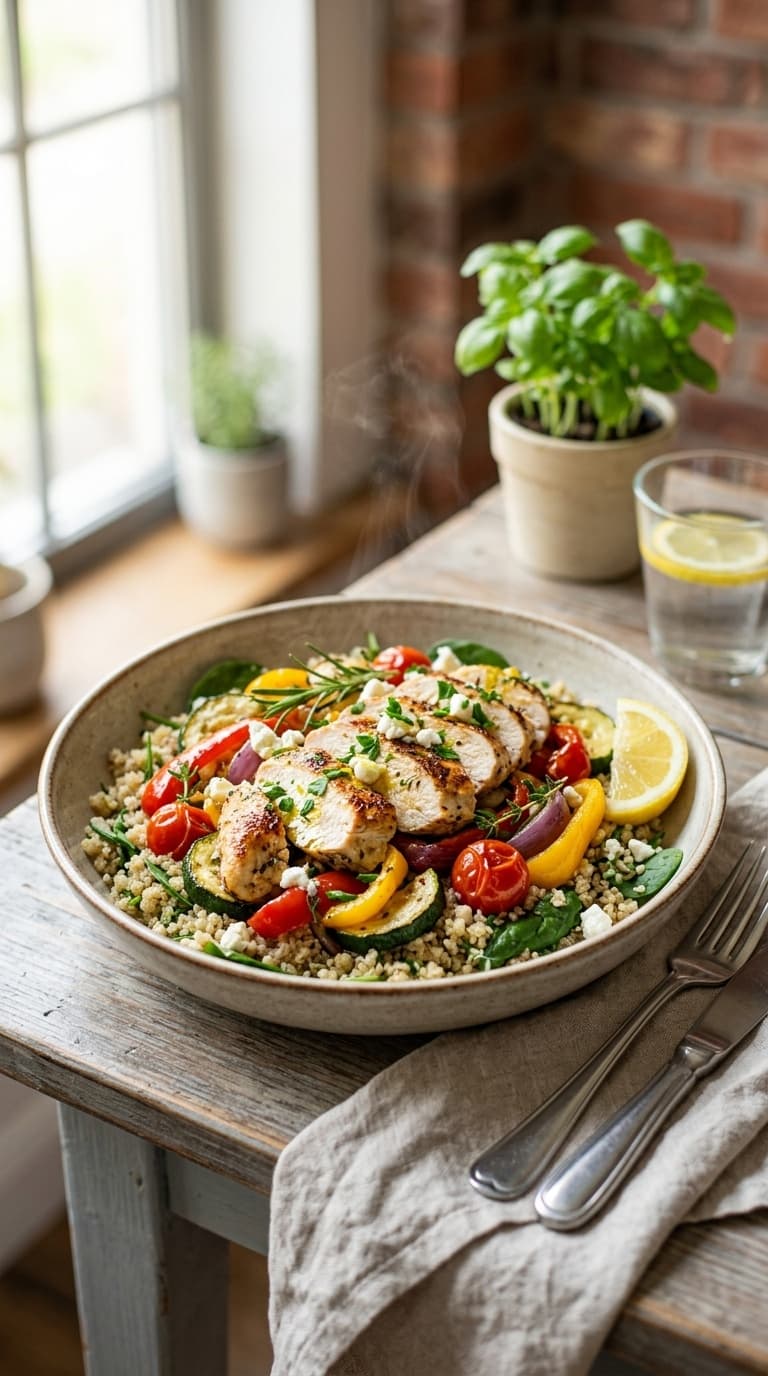
Boneless, skinless chicken thighs (yes, thighs—they stay juicier), tossed with whatever vegetables you have, olive oil, herbs, salt, pepper. Everything on one sheet pan. Roast at 425°F for 25 minutes. Dinner and cleanup both done in under 30 minutes.
The magic is in getting your chicken and veggies roughly the same size so they cook evenly. Cut the sweet potato smaller than the broccoli, that kind of thing.
These low-cholesterol chicken recipes have become my weeknight rotation. Real flavors, zero fuss.
Vegetarian Chili
Beans, tomatoes, peppers, onions, spices. Cook it low and slow, or throw it in an Instant Pot for 20 minutes. Either way works. Beans are packed with soluble fiber, which is exactly what you want for lowering cholesterol.
I make a huge batch in this 6-quart Dutch oven and freeze half. Future me is always grateful. Top with a dollop of Greek yogurt instead of sour cream and you’re golden.
Shrimp Stir-Fry
Shrimp gets a bad rap because it’s technically high in cholesterol. But plot twist: the cholesterol in shrimp doesn’t actually raise your blood cholesterol. It’s low in saturated fat, which is what matters. Plus it cooks in like three minutes.
High heat, good wok, tons of vegetables, minimal oil. Add ginger, garlic, low-sodium soy sauce. Serve over brown rice. Restaurant-quality meal in the time it takes to order takeout. Get Full Recipe.
Quick Win: Prep all your vegetables on Sunday night. Store them in these airtight containers and you’ll actually cook during the week instead of ordering pizza. Trust me on this one.
Lentil Bolognese
Sounds weird, tastes incredible. Brown lentils, crushed tomatoes, carrots, celery, onions, Italian herbs. Simmer it for 30 minutes and it gets this rich, meaty texture without any actual meat. Serve over whole wheat pasta.
Lentils are basically a nutritional powerhouse—protein, fiber, iron, B vitamins. And they’re like a dollar a bag. Your wallet and your arteries both win.
For more satisfying plant-based options, these vegetarian meals have some serious flavor going on.
Snacks and Sides That Actually Matter
Hummus and Veggie Sticks
Basic but effective. Chickpeas, tahini, lemon, garlic. Blend it smooth, taste it, adjust. Way better than store-bought and takes five minutes in a food processor. Dip everything: carrots, cucumbers, bell peppers, whatever.
I blend mine in this food processor that I’ve had for years. Still going strong, still makes perfect hummus every time.
Roasted Chickpeas
Drain a can of chickpeas, dry them really well, toss with olive oil and spices, roast at 400°F until crispy. Takes about 30 minutes. Crunchy, salty, satisfying, and loaded with fiber.
They’re perfect for that 3 PM snack attack when you’re about to raid the vending machine. Keep a batch at your desk and you’re set. Get Full Recipe.
Apple Slices with Almond Butter
Sometimes simple is perfect. Slice an apple, spread some natural almond butter on it. The fiber in apples plus the healthy fats in almonds make this the ultimate satisfying snack.
Go for almond butter with just almonds in the ingredient list. None of that added sugar nonsense.
Looking for more snack ideas? These heart-healthy snacks have saved me from so many bad vending machine decisions.
Homemade Trail Mix
Almonds, walnuts, pumpkin seeds, dried cranberries (unsweetened), dark chocolate chips. Mix it up, portion it into small containers, grab one when you’re running out the door. Nuts are proven to lower LDL cholesterol when eaten regularly.
The key is portion control. Those healthy fats add up fast, so stick to a small handful.
Soups That’ll Get You Through Winter
Lentil Vegetable Soup
This is my go-to when I need something warm and comforting without the cream or butter. Red lentils, carrots, celery, tomatoes, vegetable broth, cumin, and turmeric. Simmer until everything’s tender.
Lentils break down and create this naturally creamy texture without any dairy. Plus they’re ridiculously cheap. Like, feed-a-family-for-five-bucks cheap. Get Full Recipe.
Minestrone
Basically whatever vegetables you have, canned tomatoes, beans, pasta, vegetable broth. No rules here. Clean out your fridge and call it minestrone. The combination of vegetables and beans gives you incredible fiber content.
I make mine in batches and freeze individual portions. Microwave a container on a cold day and suddenly life feels manageable again.
Thai-Inspired Coconut Curry Soup
Light coconut milk (not the full-fat can), red curry paste, vegetables, tofu or shrimp, lime juice. It’s bright, flavorful, and completely different from your standard soup rotation.
The light coconut milk gives you that creamy richness with way less saturated fat than the regular stuff. And curry paste is your flavor shortcut—one spoonful does all the heavy lifting.
For more warming options, check out these heart-healthy soups that work year-round.
Yes, You Can Still Have Dessert
Baked Apples with Cinnamon
Core an apple, stuff it with a mixture of oats, cinnamon, a tiny bit of brown sugar, and chopped walnuts. Bake until soft. The natural sweetness of baked apples means you need way less added sugar than you’d think.
Serve with a small scoop of low-fat vanilla frozen yogurt if you’re feeling fancy. Feels indulgent, actually healthy. Get Full Recipe.
Dark Chocolate-Dipped Strawberries
Real dark chocolate (70% cacao or higher), melted. Dip strawberries. Let them set. Dark chocolate contains flavonoids that can actually help with heart health when eaten in moderation.
I melt mine in this double boiler—no burning, perfect control. Way easier than trying to do it in the microwave.
Banana “Nice Cream”
Freeze ripe bananas, blend them in a food processor until creamy. That’s it. Add cocoa powder for chocolate, or berries for fruit versions. Just frozen fruit, zero dairy, tastes exactly like soft-serve ice cream.
My food processor gets a workout with this one. Kids love it, adults love it, everyone’s happy and nobody’s cholesterol is suffering.
Want more sweet treats? These guilt-free desserts prove you don’t have to give up everything good.
Pro Tip: Sarah from our community started batch-cooking these recipes every Sunday. She lost 15 pounds in three months without even trying, and her cholesterol dropped 40 points. The real secret? Having healthy food ready to go means you actually eat it instead of ordering takeout.
Putting It All Together: Making This Actually Work
Here’s the thing about cooking for lower cholesterol: it only works if you actually do it. And you only do it if it’s not a massive pain. So let’s talk strategy.
Start with three recipes. Not twenty. Just three. Make them this week. See which ones you like. Add those to your rotation. Next week, try three more. Build your repertoire slowly instead of overwhelming yourself and giving up by Wednesday.
Meal prep is your friend, but it doesn’t have to be Instagram-perfect. Chop vegetables for the week. Cook a big batch of quinoa or brown rice. Grill six chicken breasts. Store everything separately and mix and match throughout the week.
Keep your pantry stocked with the basics: olive oil, canned beans, whole grain pasta, brown rice, quinoa, canned tomatoes, low-sodium broth. When you have the foundation ready, throwing together a meal becomes way less daunting.
And please, give yourself permission to not be perfect. Mayo Clinic emphasizes that sustainable diet changes work better than extreme restrictions. You’re aiming for progress, not perfection.
These delicious low-cholesterol meals and these dinner ideas worth repeating have been my secret weapons for staying consistent without getting bored.
The Science Bit (But Make It Interesting)
Quick nutrition lesson that actually matters: soluble fiber is your MVP here. It literally binds to cholesterol in your digestive tract and helps remove it from your body. You find it in oats, beans, lentils, apples, Brussels sprouts.
Healthy fats—the monounsaturated and polyunsaturated kind—help lower your bad cholesterol while maintaining or even raising your good cholesterol. Olive oil, avocados, nuts, fatty fish. These are your friends.
Plant sterols and stanols naturally block cholesterol absorption. They’re in nuts, seeds, whole grains, legumes. Eat more plants, basically.
And omega-3 fatty acids from fish? The American Heart Association recommends at least two servings of fish per week, especially fatty fish like salmon, mackerel, or sardines. They fight inflammation and improve your overall heart health.
The cool thing is that these recipes naturally include all this stuff without you having to think about it. Eat the food, get the benefits.
Common Mistakes to Actually Avoid
Thinking fat-free means healthy. Nope. Fat-free products usually replace fat with sugar. Not helpful. Stick with small amounts of healthy fats instead.
Overdoing it on “healthy” foods. Yeah, nuts are great. But a whole bag in one sitting? That’s like 1,500 calories. Portion control matters even with good stuff.
Skipping meals and getting too hungry. That’s when you make terrible decisions. Keep healthy snacks around. Don’t let yourself get to the point where you’ll eat anything.
Making everything bland because you think healthy food can’t taste good. Herbs, spices, citrus, garlic—use them generously. Your food should taste like something you actually want to eat.
Trying to change everything at once. Start small. Build habits. One recipe at a time, one week at a time.
If you’re dealing with time constraints, these quick low-cholesterol meals are perfect for those nights when cooking feels impossible.
Questions People Actually Ask
Can I really lower my cholesterol just by changing what I eat?
For a lot of people, yeah. Diet changes can drop LDL cholesterol by 10-15% or even more, especially when combined with exercise and weight loss. Obviously talk to your doctor about your specific situation, but food is powerful. I’ve seen my own numbers improve significantly just by swapping in more plant-based meals and cutting back on saturated fats.
Do I have to give up eggs completely?
Nope. The cholesterol in eggs doesn’t impact your blood cholesterol the way saturated fat does. Most people can safely eat one whole egg daily. If you’re worried, use one whole egg plus egg whites to bulk up your scrambles. The key is what you eat with the eggs—skip the bacon and buttered toast.
How long before I see results in my cholesterol numbers?
Most people see changes in 4-6 weeks of consistent healthy eating. Some see improvements faster. Get your levels checked regularly so you can track what’s working. IMO, the non-scale victories come even sooner—more energy, better sleep, feeling less sluggish after meals.
Are these recipes okay for my whole family, even if they don’t have cholesterol issues?
Absolutely. Heart-healthy eating benefits everyone, regardless of their cholesterol levels. Kids, adults, athletes, whoever. These recipes focus on whole foods, lean proteins, and healthy fats—that’s just good nutrition across the board. Plus nobody wants to cook separate meals for different people.
Can I eat out while trying to lower my cholesterol?
Sure, you just need to be strategic. Look for grilled or baked proteins, ask for vegetables instead of fries, request dressings on the side, skip the bread basket. Most restaurants are happy to accommodate. And honestly, when you’re cooking healthy food at home most of the time, the occasional restaurant meal isn’t going to derail everything.
The Bottom Line
Cooking for lower cholesterol doesn’t mean suffering through boring food. It means learning to cook with ingredients that happen to be better for your heart. Vegetables, whole grains, lean proteins, healthy fats—they all taste incredible when you treat them right.
Start with the recipes that sound most appealing to you. Master those. Add more gradually. Build a repertoire that works for your life, your schedule, your taste preferences. This isn’t about perfection. It’s about progress and sustainability.
Your cholesterol numbers matter, but they’re not the whole story. The energy you feel, the way your clothes fit, how well you sleep, your overall health—all of that improves when you start feeding yourself real food. The numbers are just confirmation that it’s working.
So pick a recipe. Go shopping. Cook something. See how it goes. You might be surprised at how good taking care of yourself can actually taste.
30-Day Cholesterol-Lowering Meal Plan
A simple step-by-step system to help you eat heart-healthy every day without stress.
Over 1,000 people downloaded this guide
$29$9
Get Instant Access