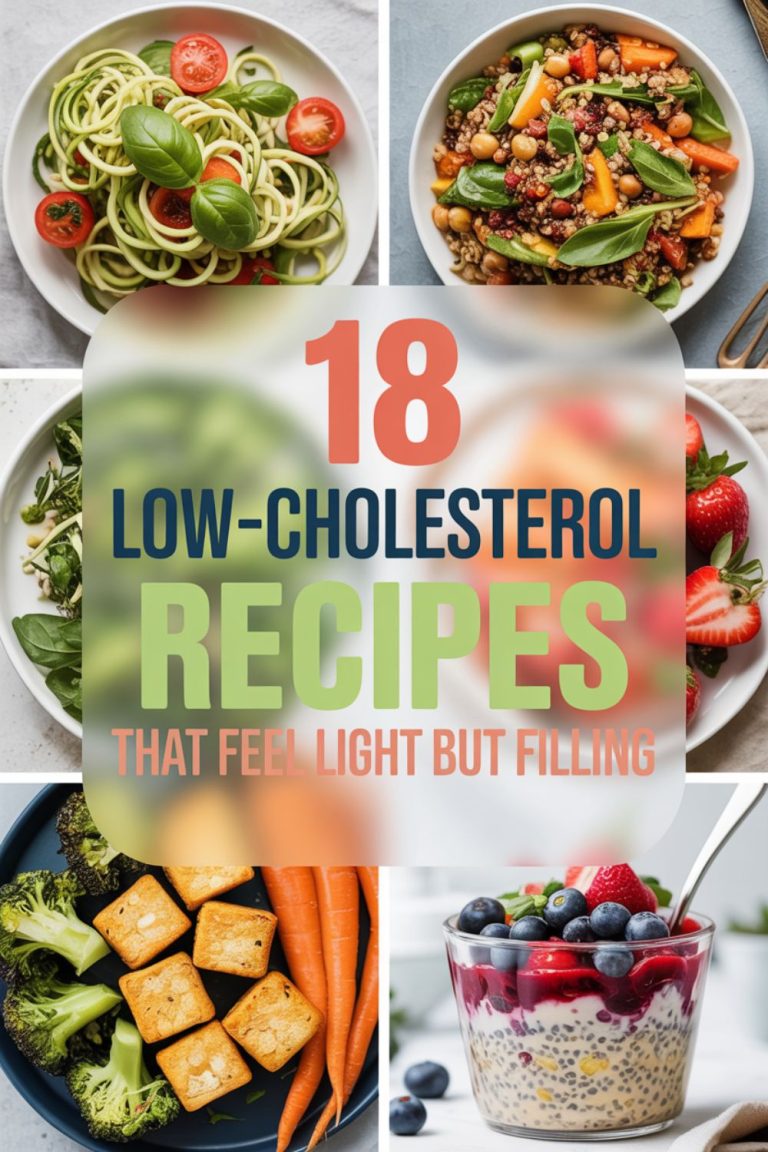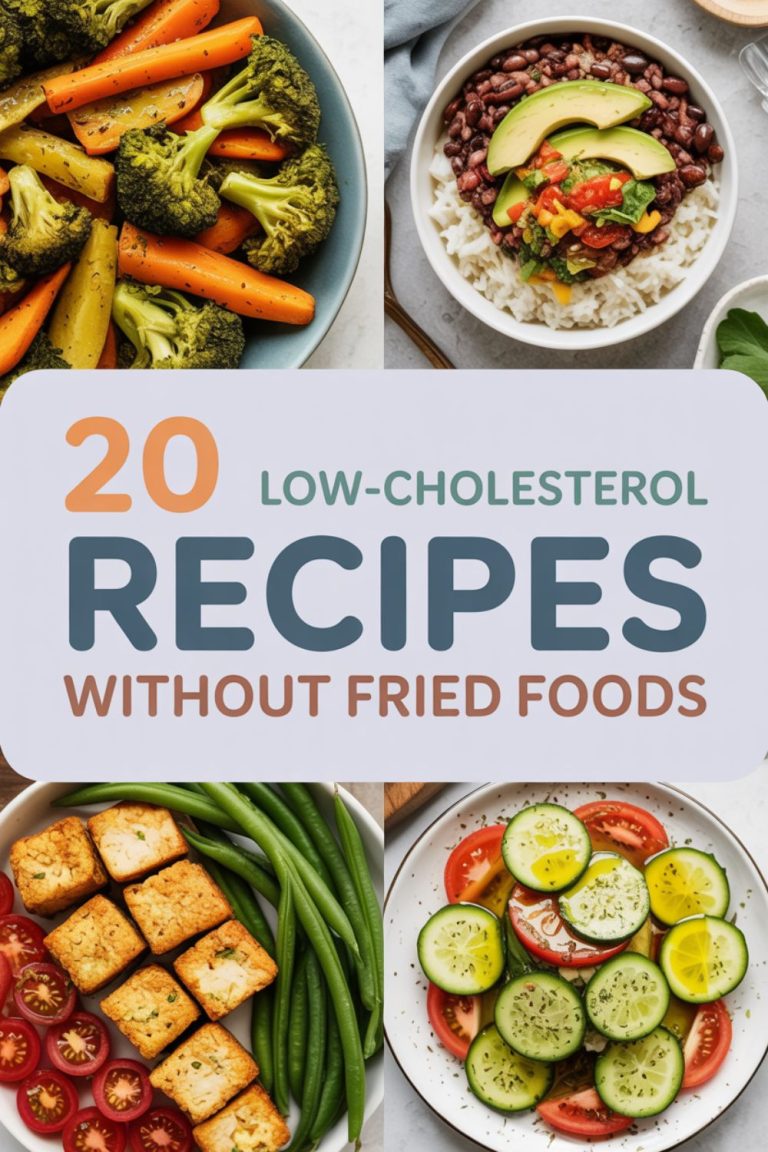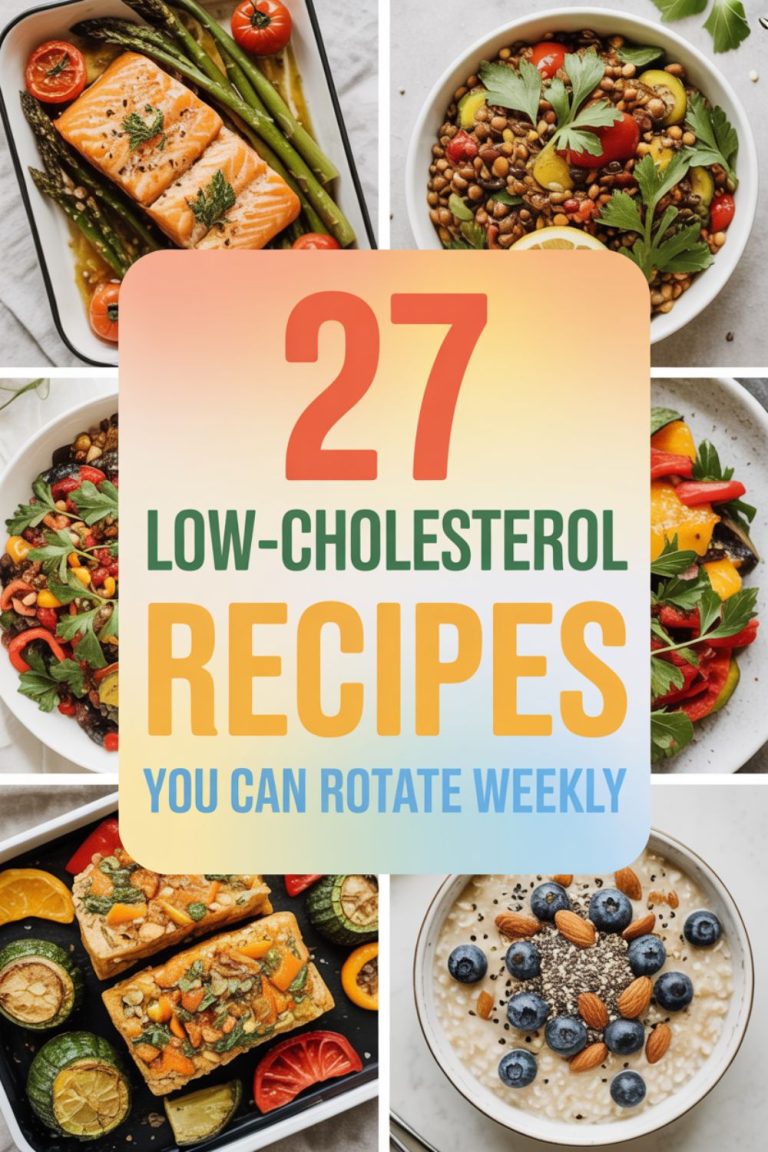

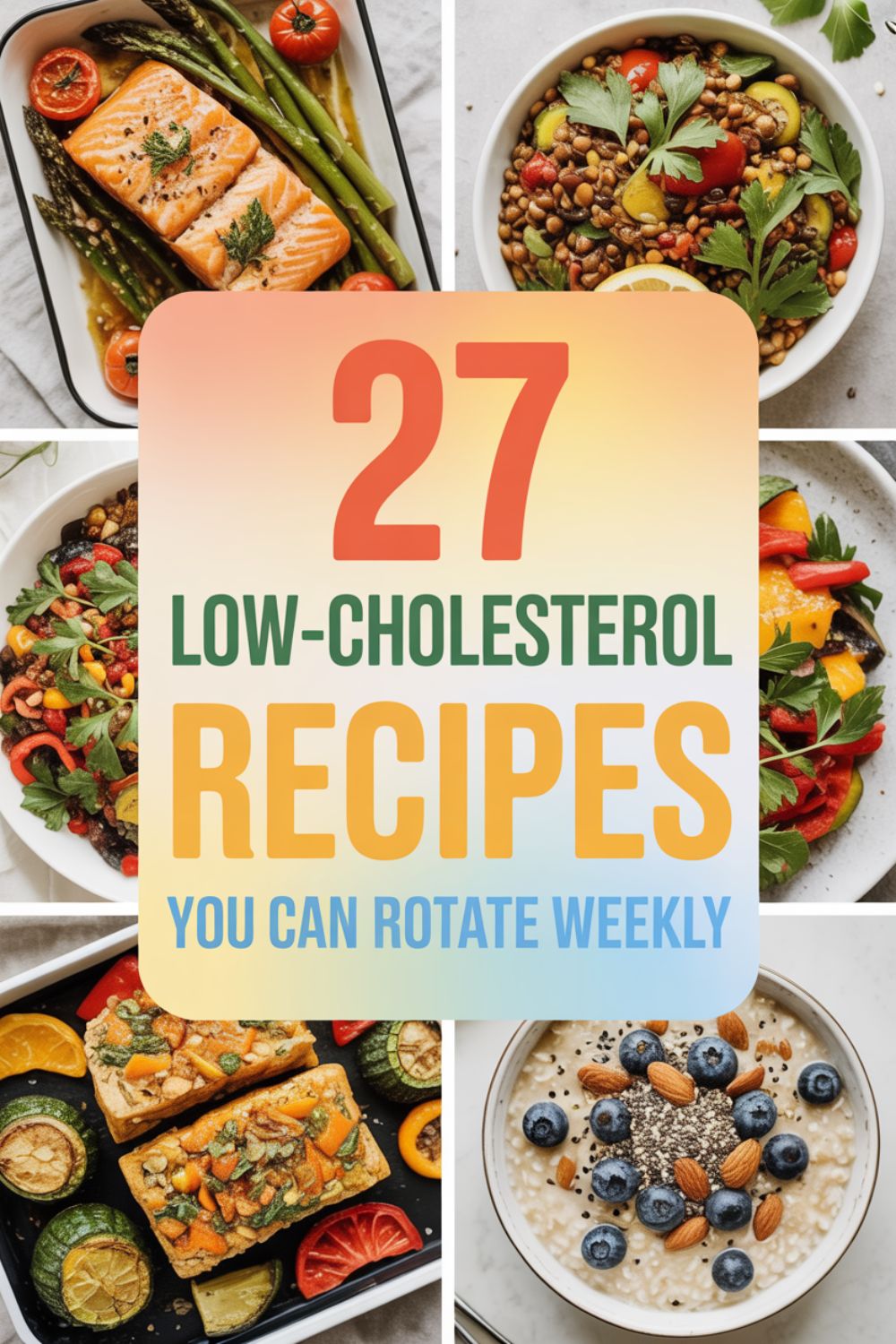
27 Low-Cholesterol Recipes That Feel Comfort-Food-Inspired
Let’s be real for a second. When your doctor hands you that paper with your cholesterol numbers and starts talking about dietary changes, your brain immediately pictures bland chicken breast and sad steamed broccoli for the rest of your life. I’ve been there, and I’m here to tell you that’s complete nonsense.
The truth? You can eat comfort food that feels genuinely satisfying while keeping your cholesterol in check. I’m talking about the kind of meals that make you look forward to dinner, not dread it. The kind that your family actually wants seconds of, not the “healthy” dishes they politely push around their plates.
These 27 recipes prove that heart-healthy eating doesn’t mean sacrificing flavor or that cozy, comforting vibe we all crave after a long day. They’re built around ingredients that research shows can naturally support healthy cholesterol levels, but they taste like the food you’d order at your favorite restaurant.

Why Comfort Food Gets a Bad Rap (And Why It Shouldn’t)
Here’s the thing about traditional comfort food. It’s not inherently bad for you. The problem is how most of it gets made—loads of butter, heavy cream, deep frying, and cuts of meat that are basically swimming in saturated fat.
30-Day Cholesterol Reset System
A simple done-for-you plan to help you eat heart-healthy every day without confusion.
Over 1,000 people downloaded this guide
✔ 100 Easy Recipes
✔ Grocery Lists + Meal Prep Guide
🎁 FREE BONUSES:
✔ 7-Day Quick Start Plan
✔ Printable Grocery List
$29 $9
Get Instant AccessBut strip away those preparation methods and focus on what comfort food really is at its core, and you’ll find something interesting. It’s about warmth, satisfaction, and flavors that feel familiar. None of those things require a stick of butter or a deep fryer.
According to current guidelines from the American Heart Association, the focus has shifted from obsessing over dietary cholesterol to managing saturated fat intake and building dietary patterns around whole foods. That’s actually great news for home cooks, because it opens up way more possibilities than the old restrictive approach.
The Secret Formula for Comfort Food That Loves Your Heart Back
I’ve spent years testing recipes and talking to people who’ve successfully lowered their cholesterol through diet changes. The ones who actually stick with it long-term? They’re not eating rabbit food. They’ve figured out how to recreate the textures and flavors they love using smarter ingredient swaps.
The formula is surprisingly simple. Start with whole grains for that satisfying, stick-to-your-ribs feeling. Add lean proteins or plant-based options that actually have flavor. Load up on vegetables cooked in ways that make them taste good, not like punishment. Use heart-healthy fats like olive oil strategically for richness. Season aggressively—because bland food is the enemy of long-term success.
Toast your spices in a dry pan for 30 seconds before using them. This simple step releases oils that make everything taste more complex and satisfying, which means you won’t miss the extra butter or cream.
Breakfast Comfort That Doesn’t Wreck Your Numbers
Morning meals are where a lot of people struggle. Traditional breakfast comfort food—think biscuits and gravy, bacon and eggs, buttery pancakes—tends to be loaded with saturated fat and cholesterol. But there are genuinely delicious alternatives that hit that same cozy morning vibe.
Steel-cut oats cooked low and slow until they’re creamy, topped with cinnamon-roasted apples and a handful of walnuts. Whole grain toast with mashed avocado, a soft-cooked egg (yes, eggs are fine in moderation), and everything bagel seasoning. Smoothie bowls that feel like eating ice cream for breakfast but are packed with fiber and omega-3s.
The key is building meals that feel indulgent, not virtuous. Nobody wants to eat “health food” first thing in the morning. We want food that tastes good and gives us energy without making us feel sluggish an hour later. For more inspiration on starting your day right, check out these heart-healthy breakfast ideas that actually work in real life.
Why Fiber Matters More Than You Think
Let’s talk about something that sounds boring but is actually a game-changer: soluble fiber. This is the stuff that binds to cholesterol in your digestive system and helps your body get rid of it before it enters your bloodstream. Research published by the National Heart, Lung, and Blood Institute shows that getting adequate soluble fiber can meaningfully impact your LDL cholesterol levels.
You’ll find it in oats, barley, beans, lentils, apples, and citrus fruits. The good news? All of these things can be incredibly comforting when prepared right. Creamy bean soups. Warm apple crisps with an oat topping. Lentil shepherd’s pie that tastes like the real thing.
I swear by this overnight oats container that makes prep ridiculously easy—you just layer everything the night before, grab it in the morning, and you’re done. Way better than skipping breakfast or hitting a drive-through.
Lunch Ideas That Keep You Full Without the Afternoon Crash
Midday meals need to do two things: satisfy you enough that you’re not ravenous by 3pm, and avoid making you so tired you need a nap under your desk. Traditional comfort lunches often fail on both counts. They’re either too heavy or not substantial enough.
The solution lies in balanced plates that combine complex carbs, lean protein, and healthy fats with plenty of vegetables. Think grain bowls with roasted chickpeas and tahini dressing. Hearty vegetable soups with whole grain crackers. Turkey and avocado wraps in whole wheat tortillas with a side of fruit.
If you’re meal prepping, these lunches that actually keep you satisfied are worth bookmarking. They’re designed to hold up in the fridge for a few days without getting gross, which is honestly half the battle.
Batch-cook grains and proteins on Sunday. When you’ve got cooked quinoa, brown rice, or farro in the fridge along with grilled chicken or roasted chickpeas, throwing together a satisfying lunch takes five minutes instead of feeling like a whole production.
The Art of Making Salads That Don’t Suck
I know, I know. Salads have a reputation for being sad and unsatisfying. But here’s what I’ve learned: a good salad is just a deconstructed comfort meal that happens to be served cold (or warm, if you add roasted vegetables).
The secret is thinking in layers of flavor and texture. Start with interesting greens—not just iceberg, but arugula, spinach, or mixed greens with actual personality. Add something crunchy, something creamy, something sweet, and something savory. Include a grain or legume for substance. Dress it generously with a flavorful vinaigrette made with olive oil.
I use these glass meal prep containers with dividers to keep dressing separate until I’m ready to eat. Total game-changer for packed lunches because nobody likes soggy lettuce. Speaking of which, these salads that actually feel like real meals will change your mind if you’re a salad skeptic.
Dinner Solutions That Your Whole Family Will Actually Eat
This is where the rubber meets the road. Breakfast and lunch? Those are usually solo missions. But dinner is when you have to convince other people—kids, partners, roommates—to get on board with your heart-healthy goals. And if the food tastes like cardboard, that’s not happening.
The good news is that comfort food dinners are totally doable without the cholesterol spike. You just need to get creative with preparation methods and ingredient swaps. Baked “fried” chicken with a crispy coating made from whole wheat panko and herbs. Pasta dishes loaded with vegetables and tossed with olive oil and garlic instead of heavy cream. Slow cooker chili that’s so rich and satisfying you won’t miss the ground beef (or you can use extra-lean ground turkey).
One-Pan Wonders That Save Your Sanity
Let’s be honest about something. The biggest barrier to eating well isn’t usually the food itself—it’s the hassle of cooking and cleaning up. This is where one-pan dinners become your best friend.
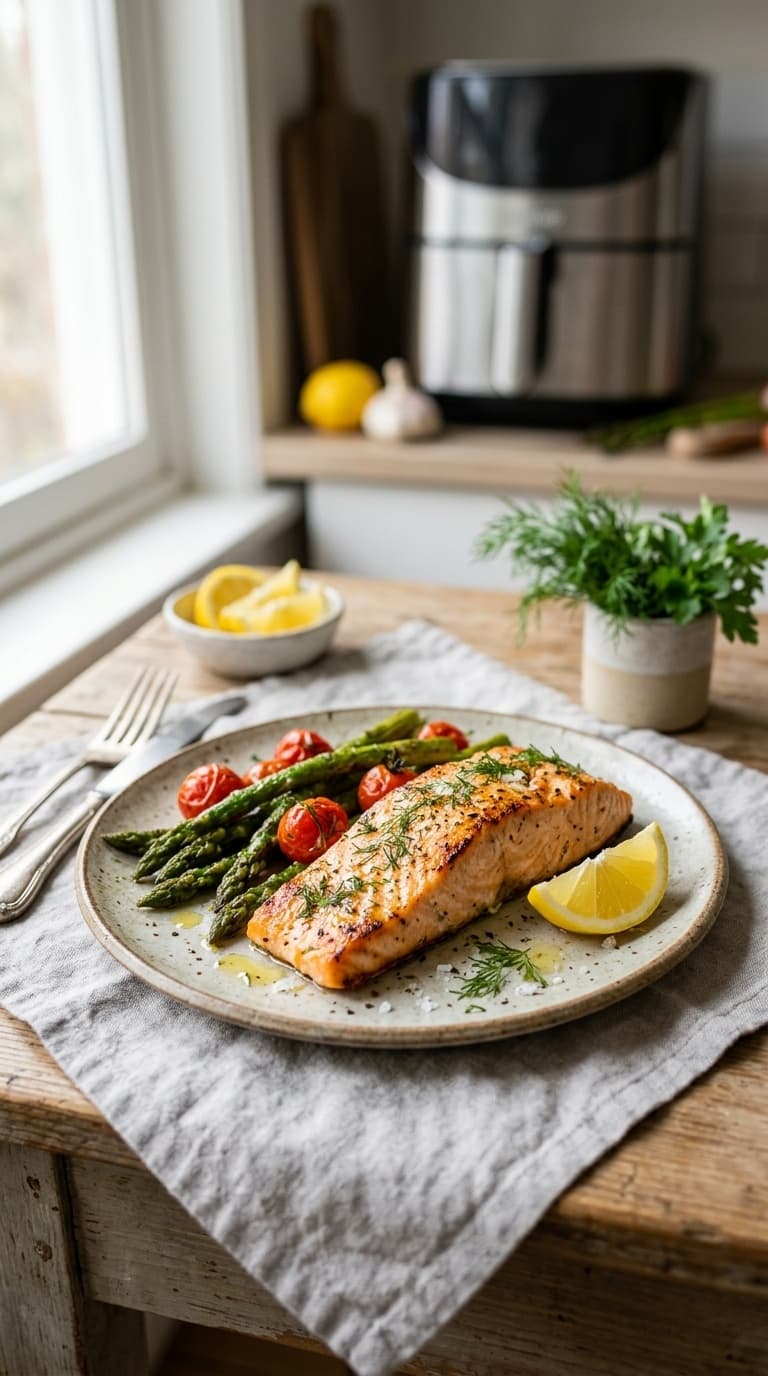
Sheet pan meals with salmon or chicken breast, loads of vegetables, and a drizzle of olive oil. Everything roasts together, picks up flavor from each other, and you’ve got dinner plus tomorrow’s lunch done in 30 minutes with one pan to wash. I’m obsessed with this heavy-duty half-sheet pan that doesn’t warp in the oven—cheap pans are genuinely frustrating when they buckle and everything slides to one corner.
For nights when you’re truly wiped, these one-pan dinner ideas have saved me more times than I can count. They’re exactly what you need when cooking feels impossible but ordering takeout would blow your whole week.
Looking for more everyday meal inspiration? These genuinely delicious low-cholesterol meals and dinners worth repeating have become regulars in my rotation.
Slow Cooker and Instant Pot Comfort
There’s something deeply satisfying about walking into your house and smelling dinner already cooking. Slow cookers and Instant Pots let you do that without spending your morning in the kitchen.
Hearty bean stews. Fall-apart-tender chicken with vegetables. Vegetarian chili that tastes like it simmered for hours. The beauty of these methods is that they coax maximum flavor out of ingredients without needing lots of added fat. Plus, they make tougher cuts of lean meat actually tender and delicious.
If you’re ready to embrace this style of cooking, check out these Instant Pot and air fryer recipes that take the guesswork out of it. The air fryer, by the way, is legitimately magic for making vegetables crispy without deep frying.
Kitchen Tools That Make Heart-Healthy Cooking Actually Doable
Look, I’m all for minimalism, but having the right tools makes the difference between cooking regularly and ordering pizza three nights a week. Here’s what’s genuinely worth it:
Quality Chef’s Knife
Prepping vegetables goes from annoying to satisfying when your knife is actually sharp. A good 8-inch chef’s knife handles 90% of cutting tasks.
Glass Meal Prep Containers (Set of 10)
These don’t absorb smells or stains, they’re microwave-safe, and you can see what’s inside without opening them. Makes batch cooking worth the effort.
Digital Instant-Read Thermometer
Stop guessing whether chicken is done. This tells you in 2 seconds, which means you’ll never overcook protein again.
Heart-Healthy Meal Planning Template
A downloadable planner that helps you build balanced weekly menus without the stress. Includes grocery list templates and prep schedules.
Low-Cholesterol Recipe Database
Digital cookbook with 200+ tested recipes, all nutritionally analyzed. Searchable by meal type, prep time, and dietary restrictions.
Cholesterol-Tracking App Guide
Comprehensive guide to the best apps for monitoring your dietary cholesterol and saturated fat intake. Includes setup tutorials and tips.
Snacks and Smaller Meals That Hit the Spot
Let’s address the elephant in the room: snacking. This is where a lot of well-intentioned eating plans fall apart. You get hungry between meals, the options in front of you are either processed junk or nothing, and boom—you end up at a vending machine making questionable choices.
The solution isn’t white-knuckling it through hunger. That’s miserable and unsustainable. Instead, keep genuinely satisfying snacks around that align with your goals. Hummus with vegetables and whole grain crackers. Apple slices with almond butter. A handful of walnuts and a piece of dark chocolate.
These snacks that support heart health go way beyond carrot sticks. They’re actual food that keeps you satisfied until your next meal. And if you’ve got a sweet tooth that won’t quit, these desserts you’ll actually enjoy prove you don’t have to swear off treats forever.
I keep these small portion containers filled with measured snacks in my desk drawer and car. Having them pre-portioned means I’m not mindlessly eating from a bag, but I also don’t feel deprived.
Comfort Food from Different Cuisines
Here’s something interesting I’ve noticed. A lot of traditional cuisines around the world are naturally lower in cholesterol and saturated fat compared to the standard American diet. Mediterranean, Japanese, and many plant-forward cuisines have been supporting heart health for generations.
That means you can explore flavor profiles that feel exciting and new while also supporting your health goals. Think vegetable-loaded stir-fries with brown rice. Mediterranean chickpea stews with whole grain bread. Mexican-inspired bean bowls with all the fixings.
Building Flavor Without Butter or Cream
This is probably the most important skill to develop when you’re transitioning to lower-cholesterol cooking. Butter and cream add richness and depth, but they’re not the only ways to achieve that.
Caramelizing vegetables brings out natural sweetness and complexity. Roasting intensifies flavors and adds texture. Using citrus, vinegar, or wine to deglaze pans captures all those flavorful browned bits. Building layers of aromatics—garlic, onions, ginger, spices—creates depth. Finishing dishes with a drizzle of high-quality olive oil adds richness and carries flavors.
I actually prefer this olive oil dispenser over pouring from the bottle because it controls the amount and makes it easy to drizzle. Olive oil is healthy, but it’s still calorie-dense, so a little portion control helps. For more ideas on cooking with heart-healthy fats, these recipes using olive oil properly show you how to do it right.
Soups and Stews: The Ultimate Comfort Category
Is there anything more comforting than a bowl of hot soup on a cold day? Soups and stews are naturally suited to heart-healthy eating because they’re typically vegetable-forward, can incorporate lean proteins or legumes easily, and don’t require added fat for cooking if you start with aromatic vegetables.
Minestrone loaded with vegetables and white beans. Split pea soup with just a bit of turkey bacon for smokiness. Thai-inspired coconut curry soup with tofu and vegetables. Chicken and wild rice soup that tastes like your grandmother made it, but with less butter and more vegetables.
The great thing about soups is they often taste even better the next day, which makes them perfect for meal prep. Make a big pot on Sunday, portion it out, and you’ve got lunch sorted for half the week. These soups and stews for every season have been rotation staples for years now.
For times when you want that really rich, creamy soup texture without heavy cream, puree some of the vegetables or beans back into the soup. It creates body and makes the whole thing feel more substantial. Some people swear by adding a bit of nutritional yeast for a subtle umami boost too.
Freeze soup in single-serve portions in mason jars (leave 2 inches of headspace for expansion). You’ll have homemade “instant” soup ready whenever you need it, which beats a can any day.
Plant-Based Comfort That Doesn’t Feel Like a Sacrifice
Even if you’re not fully vegetarian or vegan, incorporating more plant-based meals into your routine is one of the most effective ways to lower cholesterol naturally. Plants don’t contain cholesterol, period. And they’re typically lower in saturated fat while being higher in fiber and other beneficial compounds.
But here’s the thing—nobody wants to eat a veggie burger that tastes like compressed cardboard. The key is finding plant-based meals that are satisfying in their own right, not trying to be poor imitations of meat dishes.
Black bean burgers with all the fixings on a whole wheat bun. Creamy cashew-based pasta sauces that hit all the comfort notes. Chickpea “tuna” salad that’s weirdly good. Mushroom-based dishes that have that savory, umami-rich quality meat usually provides.
If you’re curious about this direction, these vegetarian meals you’ll actually crave are a great starting point. They’re designed for people who like eating meat but are trying to cut back, not hardcore vegans.
Quick Wins for Busy People
Let’s be practical. Some nights you have time to make an elaborate meal, and some nights you’re staring into the fridge at 7pm wondering how dinner is going to happen. For those nights, you need an arsenal of quick, actually-tasty recipes that don’t require a grocery run.
Pasta with vegetables and white beans tossed with olive oil and garlic—15 minutes. Scrambled eggs with vegetables on whole grain toast—12 minutes. Quesadillas with black beans and vegetables—10 minutes. Stir-fried vegetables with tofu and brown rice—20 minutes if you’ve got leftover rice.
The key is keeping your pantry and freezer stocked with versatile ingredients that can combine in different ways. Canned beans, frozen vegetables, whole grain pasta, olive oil, and a good spice collection will get you surprisingly far. These meals you can make in under 10 minutes are lifesavers for those absolutely chaotic days.
Meal Prep Without Losing Your Mind
I’m not going to suggest you spend your entire Sunday cooking. That’s not sustainable for most people, and it makes healthy eating feel like a part-time job. Instead, do strategic prep that gives you a head start during the week.
Wash and chop vegetables once, use them all week. Cook a big batch of grains. Marinate proteins so they’re ready to cook. Make one or two full meals you can reheat. It’s enough to make weeknights easier without taking over your weekend.
For a more comprehensive approach, these meal prep strategies for the whole week break it down step by step. And if you’re specifically looking for make-ahead options, these freezer meals are clutch for those weeks when life gets completely overwhelming.
Making Protein Work for You
Protein is essential for feeling satisfied after meals, but not all protein sources are created equal from a cholesterol standpoint. Fatty cuts of red meat and full-fat dairy can be problematic, while other options are much more heart-friendly.
Fatty fish like salmon, mackerel, and sardines are absolute superstars because they’re high in omega-3 fatty acids that support heart health. Chicken and turkey breast (without skin) are lean and versatile. Legumes—beans, lentils, chickpeas—provide plant-based protein with bonus fiber. Even eggs in moderation are fine for most people, despite their cholesterol content.
These chicken recipes packed with flavor prove that lean protein doesn’t have to be boring. And for broader options, these high-protein meals help if you’re also trying to lose weight.
The Real Deal on Red Meat
Look, I’m not going to tell you to never eat red meat again. That’s unrealistic for most people. But if you’re serious about managing cholesterol, treating it as an occasional thing rather than a daily staple makes a real difference.
When you do have it, choose the leanest cuts available—sirloin, tenderloin, flank steak. Trim visible fat. Keep portions reasonable (3-4 ounces, which is smaller than most restaurant servings). And balance it out with lots of vegetables and whole grains.
The Mediterranean approach to meat is actually pretty smart: use it more as a flavoring than as the centerpiece of the meal. A little bit of lean beef in a vegetable stew. Thin slices of steak over a massive salad. You get the flavor and satisfaction without overdoing it.
Beverages and Smoothies That Count
We spend a lot of mental energy on what we eat, but what we drink matters too. Sugary sodas, fancy coffee drinks, and even some fruit juices can pack unexpected calories and sugar without contributing much nutrition.
The good news is there are plenty of satisfying alternatives. Smoothies made with fruits, vegetables, and a scoop of nut butter can serve as meal replacements when you’re rushed. Herbal teas provide comfort and warmth without calories. Infused water makes hydration less boring.
If you’re into smoothies, these heart-healthy smoothie combinations and smoothie bowl ideas are way better than anything you’d buy pre-made. Plus, making them at home means you control exactly what goes in.
I finally invested in a decent blender that actually pulverizes greens instead of leaving chunks, and honestly, it transformed my smoothie game. Cheap blenders are frustrating and make smoothies you don’t want to drink.
Side Dishes That Complete the Meal
Main dishes get all the glory, but sides are where you can really load up on vegetables and whole grains without it feeling like a chore. Roasted Brussels sprouts with balsamic. Quinoa pilaf with herbs. Mashed cauliflower that scratches the comfort food itch. Sweet potato fries baked until crispy.
The trick with sides is making them interesting enough that you actually want to eat them. Nobody gets excited about plain steamed broccoli. But roasted broccoli with garlic and a squeeze of lemon? That’s a different story.
These versatile side dishes work with pretty much any main course and don’t require complicated prep. They’re the supporting cast that makes everything better.
Real Talk: What to Actually Avoid
Most of this article has been about what you can eat, but let’s spend a minute on what genuinely doesn’t help when you’re trying to manage cholesterol. I’m not talking about never eating these things again—I’m talking about recognizing what should be occasional treats versus regular menu items.
Fried foods, especially from restaurants where you can’t control the oil quality. Processed meats like bacon, sausage, and deli meat. Full-fat dairy products in large quantities. Baked goods made with butter or shortening. Foods with trans fats (check labels for “partially hydrogenated oils”).
The thing is, you probably already knew that stuff. What’s more useful is figuring out how to satisfy the same cravings with better options. Want something crunchy and salty? Roasted chickpeas or air-fried vegetables. Craving rich and creamy? Mashed avocado or hummus. Need something sweet? Fresh fruit with a drizzle of dark chocolate or a small serving of dark chocolate itself.
For more specific guidance on building a balanced approach, check out these foods that naturally support healthy cholesterol and work them into your regular rotation.
Frequently Asked Questions
Can I really eat comfort food while managing high cholesterol?
Absolutely. The key is redefining what comfort food means. You can achieve the same satisfying textures and flavors using heart-healthy cooking methods and ingredient swaps. Focus on whole grains, lean proteins, plenty of vegetables, and healthy fats like olive oil. The result is food that tastes comforting without the cholesterol spike.
How much can diet really affect my cholesterol numbers?
For most people, dietary changes can make a meaningful difference in LDL cholesterol levels. Studies show that following a heart-healthy eating pattern can lower LDL by 10-15% or more. The biggest impact comes from reducing saturated fat intake and increasing soluble fiber, not from obsessing over dietary cholesterol itself.
Do I need to give up eggs completely?
Not for most people. Current guidelines suggest that healthy individuals can include up to one whole egg daily as part of a balanced diet. If you have existing heart disease or very high cholesterol, discuss egg consumption with your doctor. But for many people, eggs in moderation are fine and provide valuable nutrients.
What’s the fastest way to lower cholesterol through food?
There’s no magic overnight solution, but you’ll see the most impact by making several changes together. Cut back on saturated fat, increase soluble fiber intake, add foods with plant sterols, include omega-3 rich fish twice weekly, and build your meals around whole plant foods. Consistency matters more than perfection.
Can I still eat out at restaurants while watching my cholesterol?
Yes, but it requires some strategy. Look for grilled, baked, or roasted items instead of fried. Ask for sauces on the side. Choose dishes that are vegetable-heavy. Don’t be afraid to make modifications—most restaurants are happy to accommodate reasonable requests. And remember, occasional indulgences won’t wreck your progress if your everyday eating is solid.
The Bottom Line on Comfort Food and Heart Health
Here’s what I want you to take away from all this. Managing cholesterol through diet doesn’t mean eating food that makes you miserable. It means getting creative with how you prepare the foods you love and being willing to try some new approaches.
The recipes and strategies we’ve covered here prove that comfort food and heart health aren’t mutually exclusive. They can coexist beautifully when you focus on whole ingredients, smart cooking methods, and building flavor through technique rather than just dumping in butter and cream.
Start small if this feels overwhelming. Pick three recipes that sound appealing and make those your go-to meals for a few weeks. Once they feel comfortable and familiar, add a few more to your rotation. Build from there. This isn’t about perfection—it’s about finding a sustainable way to eat that supports your health without making you feel deprived.
Your taste buds will adapt more quickly than you think. Foods that seemed bland at first start tasting more interesting as you retrain your palate. And honestly? Most people find they feel so much better physically that it becomes its own reward.
If you’re looking for more ways to make this lifestyle stick, these recipes for a healthier lifestyle, recipes you’ll actually enjoy, and recipes that don’t feel restrictive are all worth exploring. They’re built on the same principle: food should taste good and make you feel good.
Managing cholesterol is a long game, not a sprint. Focus on progress over perfection, celebrate small wins, and give yourself permission to enjoy the process of discovering new favorite meals. You’ve got this.
30-Day Cholesterol-Lowering Meal Plan
A simple step-by-step system to help you eat heart-healthy every day without stress.
Over 1,000 people downloaded this guide
$29$9
Get Instant Access