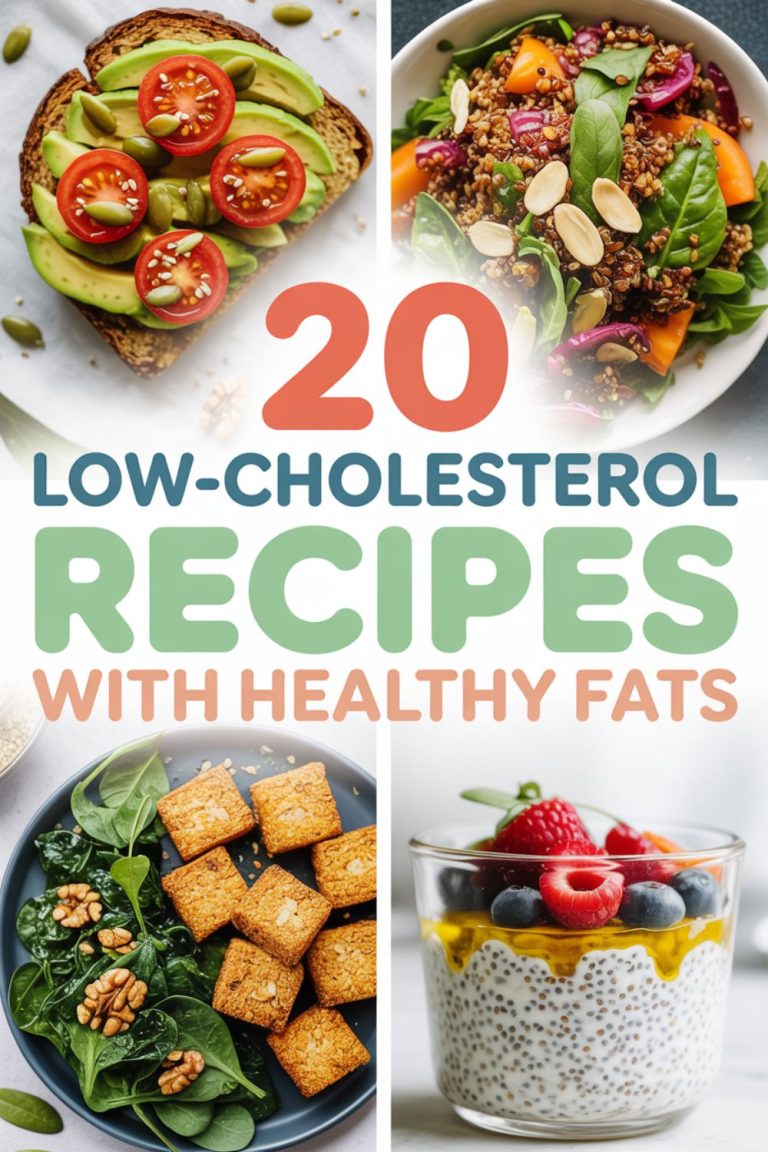

25 Simple Heart Healthy Recipes for Beginners
Let’s be real—starting a heart-healthy diet can feel overwhelming when you’re staring at complicated recipes that require ingredients you can’t even pronounce. You want to take care of your ticker, but you also want food that actually tastes good and doesn’t turn your kitchen into a chemistry lab.
Here’s the good news: eating for heart health doesn’t mean sacrificing flavor or spending hours meal prepping. I’m talking about simple, straightforward recipes that work for actual beginners—not aspiring chefs with fancy knife skills and a pantry full of exotic spices.
These 25 recipes focus on what really matters: whole foods, healthy fats, lean proteins, and plenty of fiber. No weird tricks, no impossible-to-find ingredients. Just honest-to-goodness cooking that’ll make your heart (and taste buds) happy.

Why Heart-Healthy Cooking Matters (Even If You’re Just Starting Out)
Before we jump into recipes, let’s talk about why this stuff matters. According to the American Heart Association, what you eat directly impacts your cholesterol levels, blood pressure, and overall cardiovascular health. The cool part? You don’t need a complete lifestyle overhaul to see real benefits.
30-Day Cholesterol Reset System
A simple done-for-you plan to help you eat heart-healthy every day without confusion.
Over 1,000 people downloaded this guide
✔ 100 Easy Recipes
✔ Grocery Lists + Meal Prep Guide
🎁 FREE BONUSES:
✔ 7-Day Quick Start Plan
✔ Printable Grocery List
$29 $9
Get Instant AccessSmall, consistent changes add up. Swapping saturated fats for healthier options, loading up on fiber-rich foods, and cutting back on sodium can make a legitimate difference. Research from Mayo Clinic shows that even modest dietary improvements can lower LDL cholesterol and reduce inflammation.
The recipes I’m sharing aren’t just theoretically healthy—they’re built around ingredients that have actual science backing them up. Think olive oil instead of butter, fatty fish loaded with omega-3s, and whole grains that keep you full without spiking your blood sugar.
Pro Tip: Don’t try to overhaul everything at once. Pick 2-3 recipes that sound doable and rotate them for a week. Once they become second nature, add more to your rotation.
The Building Blocks of Heart-Healthy Recipes
Every solid heart-healthy recipe starts with a few key principles. You want ingredients that actively support cardiovascular health, not just stuff that won’t hurt you. Here’s what I look for when I’m building a meal plan.
Healthy Fats Are Your Friend
Fat isn’t the enemy—bad fats are the enemy. Monounsaturated and polyunsaturated fats actually help lower bad cholesterol when you use them in place of saturated and trans fats. We’re talking olive oil, avocados, nuts, and fatty fish like salmon.
I keep a good bottle of extra virgin olive oil on my counter at all times. It’s the backbone of Mediterranean cooking and one of the easiest ways to add heart-healthy fat to basically anything. The American Heart Association recommends using it for sautéing, roasting, and even as a salad dressing base.
Fiber Does the Heavy Lifting
Soluble fiber is like a sponge for cholesterol—it literally binds to it in your digestive tract and helps flush it out. Foods like oats, beans, lentils, apples, and Brussels sprouts are loaded with the stuff.
The trick is sneaking fiber into meals without making them feel like diet food. A bowl of low-cholesterol oatmeal with fresh berries doesn’t feel like a sacrifice when it actually tastes good. Same goes for adding white beans to soup or tossing chickpeas into a salad.
Lean Proteins Keep You Satisfied
Protein is essential, but the source matters. Skinless chicken, turkey, fish, legumes, and plant-based proteins give you what you need without the saturated fat bomb that comes with fatty cuts of red meat.
That doesn’t mean you can never have a steak—it just means being strategic about it. Most of the time, I’m reaching for grilled chicken, baked fish, or black bean tacos. And honestly? When they’re seasoned well, you don’t miss the grease.
Speaking of protein, if you’re looking for variety beyond the basics, check out these low-cholesterol chicken recipes that prove lean doesn’t have to mean boring. You might also love these vegetarian meals if you want to experiment with plant-based options.
25 Heart-Healthy Recipes You’ll Actually Want to Make
Alright, let’s get into it. These recipes are organized by meal type so you can plan your day without overthinking it. Each one uses simple ingredients you can find at any grocery store, and none of them require advanced cooking skills.
Breakfast Ideas That Don’t Feel Like Diet Food
1. Overnight Oats with Berries and Walnuts
This is my go-to when I’m too lazy to cook in the morning. Combine rolled oats, unsweetened almond milk, chia seeds, and a handful of fresh or frozen berries in a jar the night before. Top with crushed walnuts in the morning. The chia seeds add extra fiber, and walnuts bring omega-3s to the table. Get Full Recipe
2. Avocado Toast with Poached Egg
Yeah, it’s cliché, but it works. Mash half an avocado on whole-grain bread, add a pinch of sea salt and red pepper flakes, then top with a poached egg. The healthy fats from the avocado plus the protein from the egg keep you full until lunch. I use this silicone egg poacher because I’m terrible at the traditional method.
3. Greek Yogurt Parfait with Flaxseed
Layer low-fat Greek yogurt with fresh fruit and a sprinkle of ground flaxseed. The flaxseed adds omega-3s and fiber without changing the taste. I grind mine fresh using a small coffee grinder that I keep just for seeds and spices. Get Full Recipe
4. Veggie-Packed Egg White Scramble
Sauté spinach, mushrooms, and cherry tomatoes in a bit of olive oil, then scramble in egg whites. Add a sprinkle of feta if you want some extra flavor. This is one of those meals that feels indulgent but is actually doing your heart a favor.
5. Whole Grain Pancakes with Almond Butter
Use whole wheat or oat flour instead of white flour, and top with a thin spread of almond butter and sliced bananas instead of syrup. It’s sweet enough to feel like a treat but won’t spike your blood sugar. If you’re looking for more morning inspiration, these low-cholesterol breakfast ideas have you covered.
Quick Win: Prep your overnight oats and parfait ingredients on Sunday night. You’ll thank yourself all week when breakfast takes 30 seconds.
Lunch Recipes That Keep You Full Without the Food Coma
6. Mediterranean Chickpea Salad
Toss chickpeas, cucumber, cherry tomatoes, red onion, and Kalamata olives with olive oil, lemon juice, and a bit of oregano. Serve over mixed greens or stuff it into a whole wheat pita. The chickpeas give you plant-based protein and fiber, while the olive oil adds those heart-healthy monounsaturated fats.
7. Turkey and Avocado Wrap
Use a whole grain tortilla, layer with sliced turkey breast, avocado, lettuce, tomato, and a smear of hummus. Roll it up and you’re done. This is my go-to when I need something portable. I wrap mine in parchment paper secured with these reusable food wrap bands. Get Full Recipe
8. Quinoa Bowl with Roasted Vegetables
Cook quinoa according to package directions, then top with roasted bell peppers, zucchini, and red onion. Drizzle with tahini dressing and sprinkle with sunflower seeds. The quinoa provides complete protein, and the veggies add vitamins and antioxidants.
9. Lentil Soup with Spinach
Simmer lentils with vegetable broth, diced tomatoes, carrots, celery, and garlic. Add fresh spinach at the end. This soup is ridiculously high in fiber and protein, plus it freezes beautifully. I make a huge batch in my Dutch oven and portion it out for the week.
10. Tuna Salad Lettuce Wraps
Mix canned tuna (packed in water) with diced celery, red grapes, a tiny bit of olive oil mayo, and a squeeze of lemon. Serve in butter lettuce cups. It’s light but satisfying, and the omega-3s in tuna are clutch for heart health. For more ideas that won’t leave you hungry by 3 PM, check out these low-cholesterol lunches.
Dinner Recipes That Won’t Stress You Out
11. Baked Salmon with Asparagus
Place a salmon fillet on a sheet pan with asparagus spears, drizzle everything with olive oil and lemon juice, season with garlic and dill, then bake at 400°F for about 15 minutes. One pan, minimal cleanup, maximum heart-healthy omega-3s. Get Full Recipe
12. Chicken and Vegetable Stir-Fry
Slice chicken breast thin, stir-fry in a wok or large skillet with broccoli, snap peas, and bell peppers. Use low-sodium soy sauce, garlic, and ginger for flavor. Serve over brown rice. The key here is high heat and constant movement—food cooks fast and stays crisp.
13. Black Bean and Sweet Potato Tacos
Roast diced sweet potatoes with cumin and paprika, then stuff into corn tortillas with black beans, shredded cabbage, and avocado. Add a squeeze of lime and a dollop of Greek yogurt. These tacos are so flavorful you won’t miss the meat.
14. Whole Wheat Pasta with Marinara and Turkey Meatballs
Make meatballs using lean ground turkey, whole wheat breadcrumbs, and Italian herbs. Bake them, then simmer in low-sodium marinara sauce. Serve over whole wheat pasta. The fiber from the pasta plus the lean protein keeps this meal balanced. If you need more one-pan options for busy nights, these one-pan dinners are lifesavers.
15. Grilled Chicken with Roasted Brussels Sprouts
Season chicken breast with herbs and grill (or bake if you don’t have a grill). Toss Brussels sprouts with olive oil, salt, and pepper, then roast until crispy. Simple, classic, and ridiculously good for your heart.
Looking for more dinner variety? You’ll want to bookmark these low-cholesterol dinners and these family-friendly dinners that even picky eaters approve of.
Snacks and Sides That Support Heart Health
16. Apple Slices with Almond Butter
Cut an apple into slices and dip in almond butter. The fiber from the apple plus the healthy fats from the almond butter make this a satisfying snack that won’t spike your blood sugar.
17. Roasted Chickpeas
Drain and rinse canned chickpeas, toss with olive oil and spices (try cumin and paprika), then roast at 400°F until crispy. These are dangerously addictive and way healthier than chips. I store mine in small glass jars for easy grabbing.
18. Veggie Sticks with Hummus
Carrots, celery, bell peppers, and cucumber with a side of hummus. It’s basic, but it works. The hummus gives you plant-based protein and fiber, and the veggies add crunch and vitamins.
19. Mixed Nuts (Unsalted)
A small handful of almonds, walnuts, and cashews is the perfect afternoon pick-me-up. Nuts are high in calories, so portion control matters, but they’re packed with heart-healthy fats and protein. For more snacking inspiration, check out these low-cholesterol snacks.
20. Edamame with Sea Salt
Steam frozen edamame and sprinkle with a tiny bit of sea salt. It’s basically nature’s popcorn—fun to eat, high in protein, and good for your heart.
Desserts That Won’t Derail Your Progress
21. Dark Chocolate and Strawberries
Choose dark chocolate with at least 70% cocoa, and dip fresh strawberries in melted chocolate. Let them set on parchment paper. Dark chocolate has antioxidants that are actually beneficial for cardiovascular health when consumed in moderation.
22. Baked Apple with Cinnamon and Oats
Core an apple, stuff with a mixture of oats, cinnamon, and a drizzle of honey, then bake until tender. It tastes like apple pie but without all the butter and sugar. I bake mine in small ramekins for perfect portioning.
23. Frozen Banana “Nice Cream”
Blend frozen banana slices in a food processor until smooth and creamy. Add cocoa powder or peanut butter if you want to switch it up. It’s surprisingly dessert-like considering it’s just fruit.
24. Greek Yogurt with Honey and Walnuts
Top low-fat Greek yogurt with a small drizzle of honey and crushed walnuts. The yogurt provides protein, the honey adds just enough sweetness, and the walnuts bring omega-3s.
25. Chia Pudding with Mango
Mix chia seeds with unsweetened almond milk and a touch of vanilla. Let it sit overnight in the fridge, then top with fresh mango chunks. Chia seeds are fiber powerhouses, and this dessert feels way more indulgent than it actually is. If you want more guilt-free treats, these low-cholesterol desserts are seriously good.
Kitchen Tools That Make Heart-Healthy Cooking Easier
The right tools can turn cooking from a chore into something you actually enjoy. Here are the essentials I use constantly, plus a few digital resources that have genuinely helped me stay consistent.
Physical Products:
Cast Iron Skillet – Versatile, lasts forever, and you can go from stovetop to oven without switching pans. I use mine for everything from searing salmon to roasting vegetables.
High-Speed Blender – Essential for smoothies, soups, and homemade nut butters. A good blender makes meal prep so much faster and opens up a ton of recipe possibilities.
Food Scale – Portion control matters when you’re watching cholesterol. A digital scale takes the guesswork out of serving sizes and helps you stay on track without obsessing.
Digital Tools & Resources:
Heart-Healthy Meal Plan Template – A simple weekly planner that helps you organize recipes and shopping lists. Having a plan eliminates the “what’s for dinner?” stress that usually leads to takeout.
Cholesterol-Lowering Recipe eBook – A collection of 50+ beginner-friendly recipes with nutritional breakdowns. It’s nice to have everything in one place instead of hunting through random blogs.
Portion Control Guide – A downloadable visual guide that shows what serving sizes actually look like. Way more helpful than trying to memorize grams and ounces.
Making Heart-Healthy Cooking Part of Your Routine
The biggest challenge isn’t learning new recipes—it’s building habits that stick. You can have all the knowledge in the world, but if you’re exhausted after work and staring at an empty fridge, you’re probably ordering pizza.
Meal Prep Is Your Secret Weapon
I know, I know—meal prep sounds boring. But hear me out. Spending an hour on Sunday cooking a few basics makes weeknight dinners absurdly easy. Cook a big batch of quinoa or brown rice, roast a sheet pan of vegetables, grill or bake chicken breast, and portion everything into containers.
During the week, you just mix and match. Quinoa plus roasted veggies plus chicken with a drizzle of tahini. Rice plus black beans plus avocado. You’re eating variety without starting from scratch every night. These meal prep ideas will show you exactly how to set up a system that works.
Stock Your Pantry Smart
Having the right staples on hand eliminates the excuse of “I don’t have the right ingredients.” Keep olive oil, canned beans, canned tomatoes, whole grain pasta, brown rice, quinoa, nuts, and low-sodium broth in your pantry at all times.
In the fridge, always have fresh or frozen vegetables, lean protein, Greek yogurt, and eggs. With just these basics, you can throw together dozens of heart-healthy meals without a special grocery run.
Don’t Be a Perfectionist
Some days you’re going to eat takeout. Some weeks you’re going to fall off the wagon. That’s fine. The goal isn’t perfection—it’s consistency over time. If you eat heart-healthy meals most of the time, the occasional burger or slice of pizza isn’t going to undo your progress.
One reader from our community, Sarah, tried this approach and lost 15 pounds in three months while improving her cholesterol numbers. Her secret? She didn’t try to be perfect—she just aimed for 80% good choices and let the other 20% be flexible.
Pro Tip: Keep a “lazy day” list of meals you can make in under 15 minutes using pantry staples. Mine includes scrambled eggs with veggies, tuna salad, and black bean quesadillas.
Understanding Cholesterol and Heart Health
Let’s talk about cholesterol for a second, because understanding what’s actually happening in your body makes it easier to stay motivated. LDL cholesterol (the “bad” kind) can build up in your arteries and increase your risk of heart disease. HDL cholesterol (the “good” kind) helps remove LDL from your bloodstream.
The foods in these recipes are specifically chosen to lower LDL and either raise or maintain HDL. Soluble fiber binds to cholesterol in your gut and helps eliminate it. Omega-3 fatty acids reduce inflammation and lower triglycerides. Monounsaturated fats improve your cholesterol profile when used instead of saturated fats.
It’s not magic—it’s just smart eating backed by actual science. If you want a deeper dive into which specific foods make the biggest impact, check out this list of foods that naturally lower cholesterol.
Eating Out Without Sabotaging Your Progress
You don’t have to become a hermit to eat heart-healthy. Restaurants are getting better about offering options that aren’t deep-fried or drowning in butter. Here’s how I navigate eating out without overthinking it.
Look for grilled, baked, or steamed options. Skip anything labeled “crispy” or “fried”—that’s code for “soaked in oil.” Ask for dressings and sauces on the side so you control how much goes on your food. Load up on vegetable sides instead of fries or mashed potatoes.
IMO, the best strategy is to scan the menu for fish or chicken dishes with lots of vegetables. Mediterranean and Asian restaurants usually have solid options that align with heart-healthy eating. When in doubt, ask the server what can be prepared with olive oil instead of butter.
For more tips on keeping your meals both delicious and heart-smart, especially when you’re pressed for time, these lazy low-cholesterol meals are perfect for those “I can’t even” days.
The Role of Exercise and Lifestyle Factors
Food is a huge piece of the heart health puzzle, but it’s not the only piece. Regular physical activity, stress management, and getting enough sleep all play into how well your cardiovascular system functions.
You don’t need to become a marathon runner. Even moderate exercise like walking, swimming, or cycling for 30 minutes most days of the week can improve your cholesterol levels and strengthen your heart. The American Heart Association recommends pairing healthy eating with at least 150 minutes of moderate-intensity exercise per week.
Stress is another factor people overlook. Chronic stress can raise blood pressure and contribute to unhealthy eating habits (hello, emotional snacking). Finding ways to manage stress—whether that’s meditation, yoga, spending time outdoors, or just saying no to unnecessary commitments—supports your heart health just as much as eating well.
Frequently Asked Questions
Can I really lower my cholesterol just by changing what I eat?
Yes, diet can have a significant impact on cholesterol levels. Studies show that eating more soluble fiber, healthy fats, and plant-based foods while reducing saturated fat can lower LDL cholesterol by 5-10% or more. For some people, dietary changes alone are enough to get their numbers into a healthy range. For others, diet combined with medication works best. Always talk to your doctor about what’s right for you.
How long does it take to see results from eating heart-healthy?
Most people see improvements in cholesterol levels within 4-6 weeks of making consistent dietary changes. Blood pressure can improve even faster—sometimes within a few weeks. The key word here is “consistent.” Eating well for a few days then reverting back to old habits won’t move the needle.
Do I have to give up all my favorite foods?
Absolutely not. This isn’t about deprivation—it’s about balance. You can still enjoy treats occasionally; the goal is to make heart-healthy choices most of the time. FYI, many people find that once they adjust to eating cleaner foods, they don’t even crave the heavy, greasy stuff as much. Your taste buds actually adapt.
What if I don’t have time to cook every day?
Meal prep is your answer. Spend one or two hours on the weekend preparing components you can mix and match throughout the week. You can also rely on simple meals that take 15 minutes or less—things like scrambled eggs with veggies, tuna salad, or a quick stir-fry. Check out these quick lunches under 10 minutes for proof that healthy eating doesn’t have to be time-consuming.
Are frozen vegetables as good as fresh?
Yes! Frozen vegetables are flash-frozen at peak ripeness, which actually preserves their nutrients really well. They’re often more affordable and last longer, which makes them perfect for meal prep and those weeks when you don’t make it to the store. Just avoid ones with added sauces or salt.
Final Thoughts
Starting a heart-healthy eating plan doesn’t have to be complicated or miserable. These 25 recipes prove that you can eat food that’s both good for your cardiovascular system and actually enjoyable to eat. No weird ingredients, no impossible techniques—just straightforward cooking that fits into real life.
The biggest mistake people make is trying to overhaul everything at once, burning out, and then giving up entirely. Instead, pick a few recipes that sound appealing, make them part of your rotation, and gradually expand from there. Small, sustainable changes beat dramatic short-term efforts every single time.
Your heart will thank you for the effort. And honestly? Once you get into a groove with this style of eating, it stops feeling like “healthy food” and just becomes… food. Good food that happens to support your long-term health. That’s the sweet spot.
30-Day Cholesterol-Lowering Meal Plan
A simple step-by-step system to help you eat heart-healthy every day without stress.
Over 1,000 people downloaded this guide
$29$9
Get Instant AccessSimilar Posts
20 Lazy Low-Cholesterol Meals for Busy People
20 Lazy Low-Cholesterol Meals for Busy People Let’s be honest: you’re tired, you’re busy, and the last thing you want to do after a long day is spend an hour cooking some elaborate “heart-healthy” meal that requires seventeen ingredients and multiple pots. I get it. Some nights, ordering takeout feels like the only option that…
18 Low-Cholesterol Comfort Soups and Stews
18 Low-Cholesterol Comfort Soups and Stews 18 Low-Cholesterol Comfort Soups and Stews Look, I get it. You want to keep your cholesterol in check, but you’re not about to give up those soul-warming bowls of soup that make winter bearable. The good news? You don’t have to choose between heart health and comfort food. I’ve…
20 Low-Cholesterol Recipes with Healthy Fats
20 Low-Cholesterol Recipes with Healthy Fats | Life Nourish Co 20 Low-Cholesterol Recipes with Healthy Fats Look, I’m going to be straight with you—when someone told me I needed to watch my cholesterol, my first thought was that I’d be living on plain chicken breast and steamed broccoli forever. Turns out, I was completely wrong…
21 Heart Healthy Meals You Can Rotate Weekly
21 Heart Healthy Meals You Can Rotate Weekly 21 Heart Healthy Meals You Can Rotate Weekly Look, I get it. You’re trying to take better care of your heart, but every article you’ve read makes it sound like you need a nutrition degree and a personal chef to pull it off. Honestly? That’s just not…