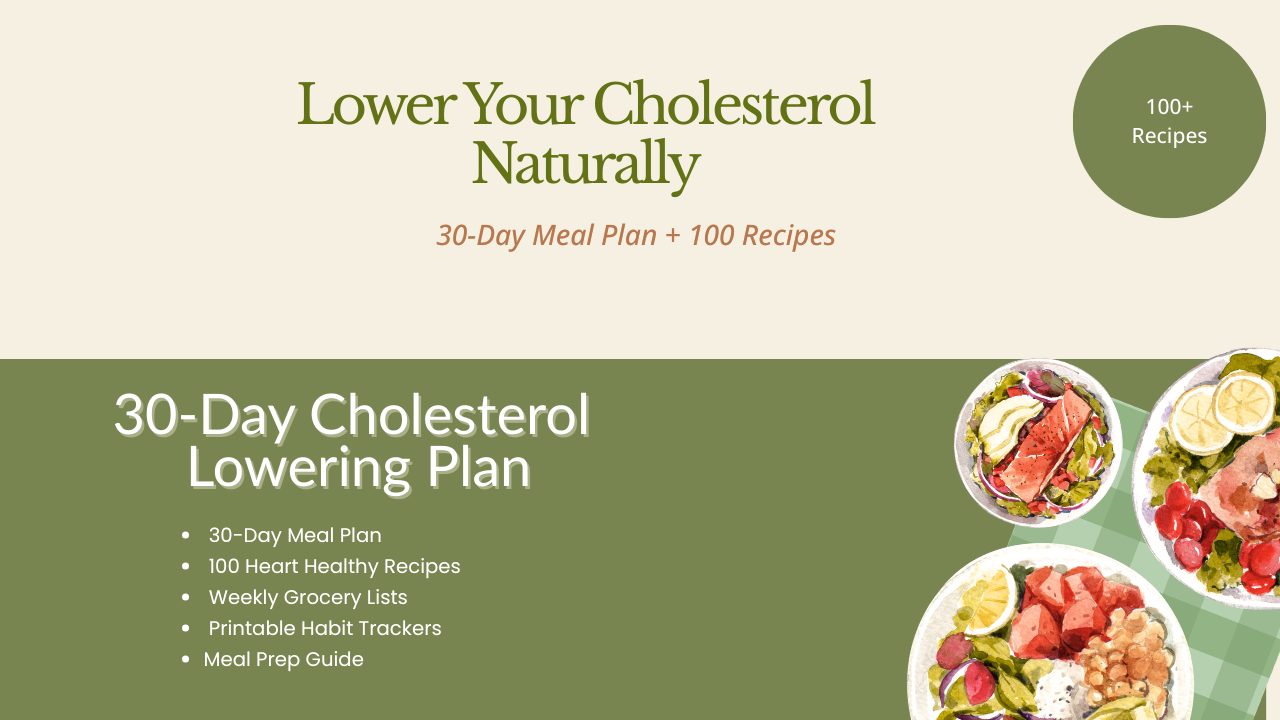

21 Heart Healthy Meals You Can Rotate Weekly
Look, I get it. You’re trying to take better care of your heart, but every article you’ve read makes it sound like you need a nutrition degree and a personal chef to pull it off. Honestly? That’s just not true. Building a rotation of heart-healthy meals is way less complicated than people make it out to be—and it doesn’t mean eating boring food or spending three hours in the kitchen every night.
After years of juggling meal plans, cholesterol concerns, and trying not to fall into the trap of ordering takeout at 9 PM, I’ve learned something important: consistency beats perfection. Having a solid rotation of meals you actually enjoy makes eating well feel less like a chore and more like, well, dinner. Just dinner. Nothing fancy.
So if you’re ready to simplify your weekly cooking while keeping your heart happy, stick around. We’re breaking down 21 meals that are legit delicious, easy to repeat, and genuinely good for your cardiovascular health.

Why Rotating Your Meals Actually Works
Here’s the thing nobody tells you: meal planning fatigue is real. When you’re staring at your fridge on a Wednesday night with zero inspiration and even less energy, that’s when bad decisions happen. But when you’ve got a mental list of 21 go-to meals? Game changer.
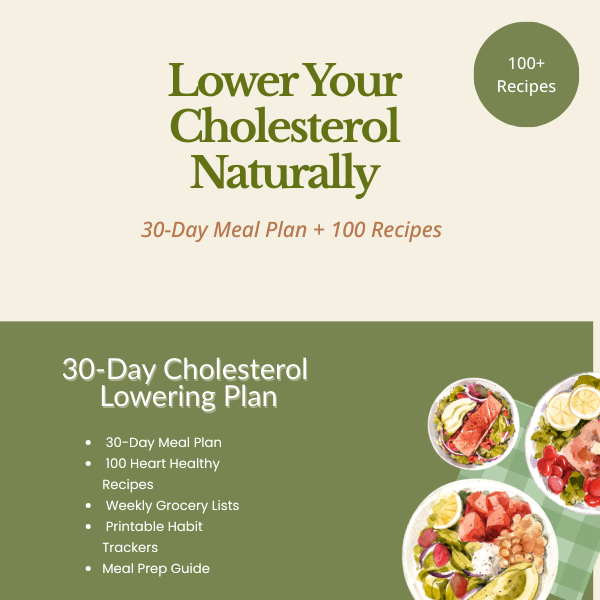
30-Day Cholesterol Reset System
A simple done-for-you plan to help you eat heart-healthy every day without confusion.
Over 1,000 people downloaded this guide
✔ 100 Easy Recipes
✔ Grocery Lists + Meal Prep Guide
🎁 FREE BONUSES:
✔ 7-Day Quick Start Plan
✔ Printable Grocery List
$29 $9
Get Instant AccessThe rotation method works because it removes decision fatigue while keeping things interesting enough that you won’t get bored. Three weeks of variety means you’re not eating the same thing twice in a row, but you’re also not reinventing the wheel every single night. Plus, according to the American Heart Association, maintaining consistent eating patterns is one of the most effective ways to support long-term heart health.
Think of it this way: you wouldn’t wear the same outfit every day, but you also don’t need a completely new wardrobe each morning. Same logic applies to meals.
What Makes a Meal “Heart Healthy” Anyway?
Before we jump into the meal list, let’s clear up what we’re actually talking about here. A heart-healthy meal isn’t about restriction or removing all the foods you love. It’s about making smarter swaps and building your plate around ingredients that support cardiovascular health.
Research from Mayo Clinic shows that heart-healthy eating patterns share some common threads: plenty of vegetables and fruits, whole grains over refined ones, lean proteins, healthy fats like olive oil and nuts, and limited saturated fat and sodium.
But here’s what matters more than any single ingredient: balance over time. One meal won’t ruin your heart health, and one salad won’t save it. It’s the pattern that counts.
Building Your Weekly Rotation: The Formula
Okay, so you want 21 meals you can actually stick with. Here’s how to think about it: aim for variety across protein sources, cooking methods, and cuisines. This keeps your taste buds happy and your nutrient intake diverse.
I break mine down like this: roughly one-third vegetarian or plant-based meals, one-third lean poultry or fish, and one-third that includes other proteins like beans, lentils, or occasionally lean cuts of other meats. That ratio gives you flexibility without getting stuck in a rut.
When planning these out, consider which meals work for meal prep and which are better made fresh. Some dishes, like soups and grain bowls, actually taste better the next day. Others, like stir-fries, are best enjoyed right away.
Breakfast Options That Set the Tone
Starting your day with a heart-smart meal doesn’t mean you’re stuck with plain oatmeal forever. Though honestly, oatmeal gets way too much hate—it’s actually pretty solid when you jazz it up.
Overnight Oats with Berries and Walnuts: This is my go-to when I’m rushing out the door. Mix rolled oats with unsweetened almond milk, throw in some chia seeds, top with fresh berries and chopped walnuts. Done. The soluble fiber in oats helps manage cholesterol levels, and you’re getting omega-3s from the walnuts. Get Full Recipe.
Veggie-Packed Egg White Scramble: If you’re more of a savory breakfast person, this one’s for you. Sauté some spinach, tomatoes, and mushrooms in a bit of olive oil, then scramble in egg whites. Season with herbs instead of loading up on salt. I usually cook this in a nonstick ceramic pan because cleanup is way easier and you don’t need as much oil.
Greek Yogurt Parfait with Ground Flaxseed: Layer plain Greek yogurt (not the sugary flavored stuff) with fresh fruit and a sprinkle of ground flaxseed. The protein keeps you full, and flaxseed adds both fiber and those heart-healthy omega-3s. I grind my flax fresh in a small coffee grinder dedicated just to seeds—keeps the flavor better.
For more morning ideas that won’t spike your cholesterol, check out these low-cholesterol breakfast ideas that actually taste like real food.
Lunch Ideas That Keep You Going
Mediterranean Chickpea Salad: This one’s ridiculously easy and packs for lunch like a dream. Toss chickpeas with cucumbers, cherry tomatoes, red onion, kalamata olives, and a simple lemon-olive oil dressing. Add some crumbled feta if you want, but keep it light. The fiber from the chickpeas and the healthy fats from the olives make this surprisingly filling.
Turkey and Avocado Wrap: Use a whole wheat wrap, layer on some lean turkey breast, mashed avocado, lettuce, tomato, and mustard. Skip the mayo. The avocado gives you that creamy texture while delivering monounsaturated fats that your heart actually likes. I prep these in the morning using reusable silicone food wraps to keep everything fresh until lunch.
Lentil Soup with Vegetables: Make a big batch on Sunday and you’ve got lunches sorted for days. Lentils are protein-packed, fiber-rich, and ridiculously cheap. Throw in whatever vegetables you have on hand, season with herbs and spices instead of salt, and you’re good to go. If you’re looking for more soup inspiration, these low-cholesterol soups are clutch for meal prep.
Dinner Meals You’ll Actually Look Forward To
This is where most people struggle. Dinner needs to feel like an actual meal, not just something you’re forcing down because it’s “healthy.” The good news? Heart-healthy dinners can be just as satisfying as anything else—sometimes even better.
Fish and Seafood Options
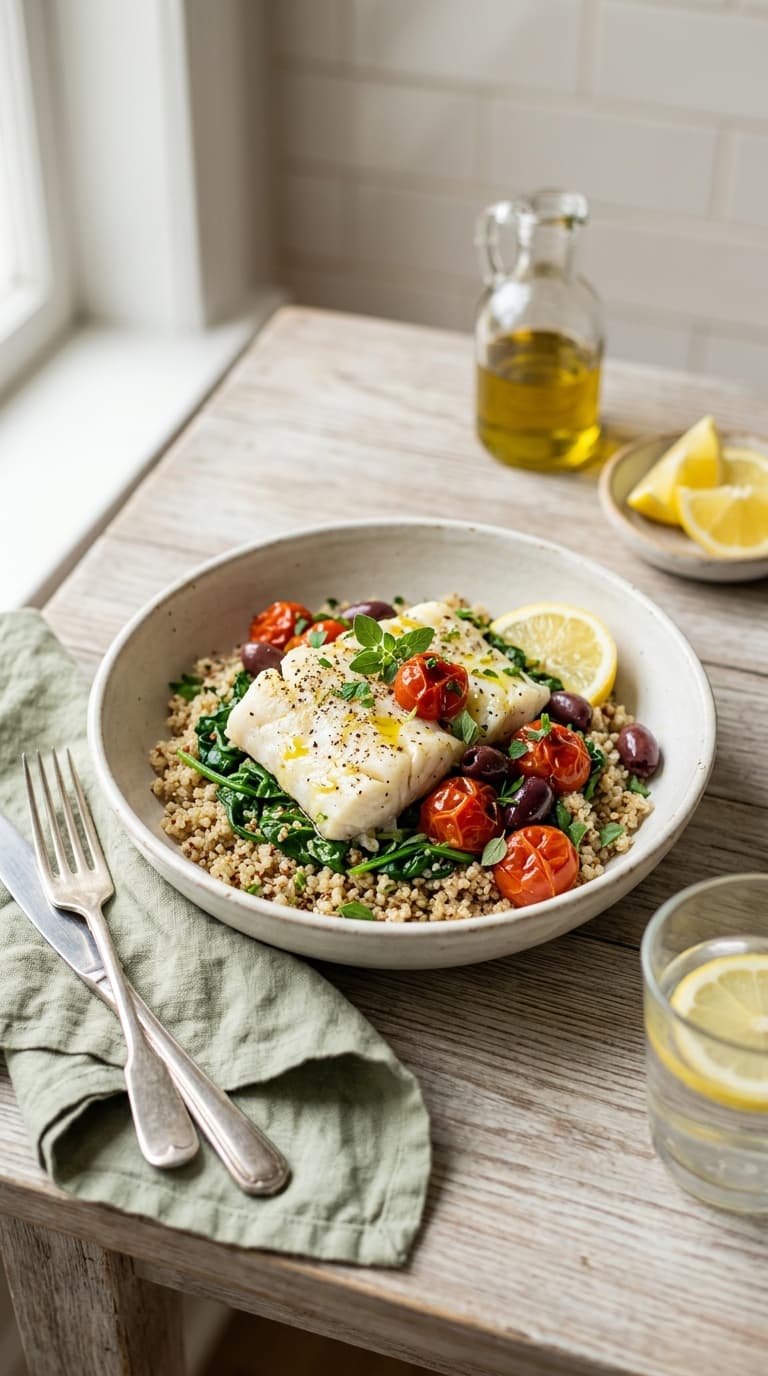
Baked Salmon with Roasted Brussels Sprouts: Season salmon with lemon, garlic, and dill. Bake it alongside Brussels sprouts tossed in a tiny bit of olive oil. The omega-3s in salmon are like a love letter to your cardiovascular system. I use a rimmed baking sheet that’s big enough for everything—one pan, less cleanup.
Shrimp Stir-Fry with Snap Peas: Quick, easy, and impressive-looking. Sauté shrimp with snap peas, bell peppers, and garlic in a hot wok or large skillet with minimal oil. Season with low-sodium soy sauce and fresh ginger. Serve over brown rice or quinoa. The whole thing takes maybe 15 minutes start to finish.
Grilled Tuna Steaks with Mango Salsa: If you’ve never tried this combo, trust me. Grill tuna steaks to medium-rare, top with fresh mango salsa (mango, red onion, cilantro, lime juice). It’s restaurant-quality impressive but stupid easy to make. For more ideas on incorporating fish into your rotation, check out these protein-packed recipes that work with various lean proteins.
Poultry Dishes That Don’t Get Old
Herb-Roasted Chicken Breast with Sweet Potato: Coat chicken breast with fresh herbs, roast it with cubed sweet potato. The sweet potato gives you complex carbs and fiber, while the lean chicken provides protein without excess saturated fat. I marinate the chicken in the morning in a glass container so the flavors really develop.
Turkey Chili with Beans: This is comfort food that happens to be heart-smart. Ground turkey, kidney beans, tomatoes, peppers, onions, and a solid spice blend. Make a huge pot and freeze portions for those nights when you just can’t. The beans add fiber and plant-based protein, and turkey keeps it lean without feeling like diet food.
Chicken and Vegetable Kabobs: Thread chicken pieces, bell peppers, onions, and zucchini onto skewers. Grill or bake. Kids actually eat these, which is a bonus if you’re feeding a family. The variety of vegetables means you’re getting different nutrients, and the presentation makes it feel special.
Speaking of chicken options, if you’re looking to expand your poultry game, these chicken recipes have seriously saved me on busy weeknights.
Plant-Based Powerhouses
Quinoa-Stuffed Bell Peppers: Cook quinoa, mix with black beans, corn, diced tomatoes, and spices. Stuff into halved bell peppers and bake. This gives you complete protein, tons of fiber, and it looks way fancier than the effort required. Plus, these reheat beautifully for lunch the next day.
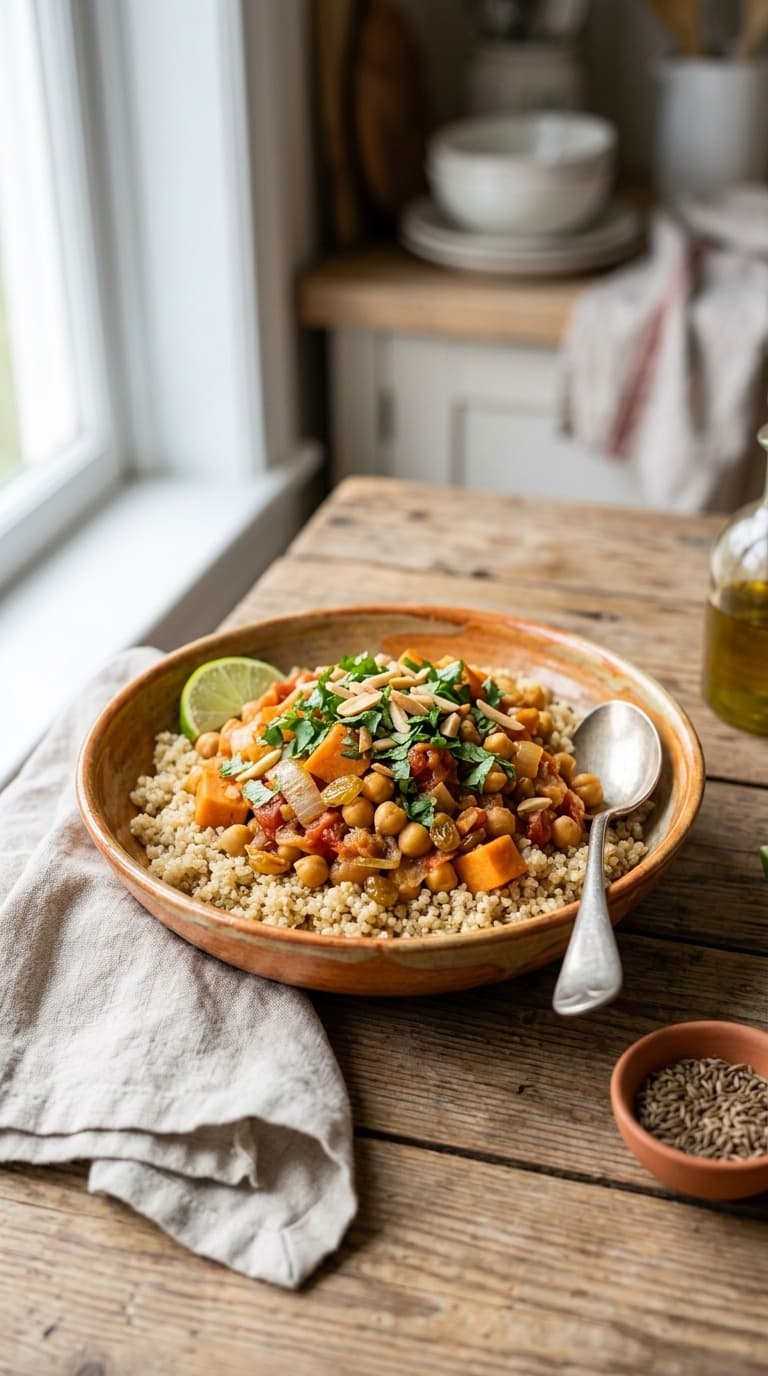
Vegetable Curry with Brown Rice: Use coconut milk (the light version), load up on vegetables like cauliflower, chickpeas, spinach, and sweet potato. Curry spices not only taste amazing but many have anti-inflammatory properties. This is one of those meals that tastes even better as leftovers.
Portobello Mushroom “Steaks” with Chimichurri: Marinate large portobello caps, grill them, and top with fresh chimichurri sauce. The meaty texture of the mushrooms makes this feel substantial, and the chimichurri (parsley, garlic, olive oil, vinegar) adds healthy fats and massive flavor.
If you’re trying to incorporate more plant-based meals but worried about protein, these vegetarian meals prove you can hit your protein goals without meat.
Meal Prep Essentials Used in This Plan
Look, you don’t need a ton of fancy equipment to make this work, but a few key items will make your life significantly easier. Here’s what actually gets used in my kitchen:
Glass Meal Prep Containers (Set of 10)
These are the ones that don’t stain, don’t smell weird after a few uses, and are microwave-safe. I’ve had mine for three years and they’re still going strong.
Cast Iron Skillet (12-inch)
For searing proteins and getting that perfect crust without a ton of oil. Seasoned properly, it’s basically nonstick and lasts forever.
Quality Chef’s Knife
A good knife makes vegetable prep way less annoying. You’ll use it for literally every meal on this list.
Heart-Healthy Meal Planning Template
Digital download that helps you map out your weekly rotation and keep track of what’s working. Takes the guesswork out of planning.
Low-Cholesterol Recipe eBook Bundle
Over 100 tested recipes specifically designed for heart health. Includes nutritional info and prep times for each one.
Printable Grocery Lists by Meal
Pre-made shopping lists for each of the 21 meals. Just print, check off what you need, and go. Saves so much time.
Grain Bowls and One-Pan Wonders
Mediterranean Farro Bowl: Cooked farro topped with roasted vegetables, chickpeas, cucumber, tomatoes, and a tahini drizzle. Farro is an ancient grain with more protein and fiber than regular wheat, plus it’s got this nutty flavor that’s actually interesting. This is one of those meals I find myself craving.
Sheet Pan Chicken Fajitas: Slice up chicken breast, bell peppers, and onions. Toss with olive oil and fajita seasonings, spread on a sheet pan, roast until done. Serve with whole wheat tortillas and all the fixings. The one-pan aspect means less cleanup, which IMO is just as important as nutrition when you’re meal planning for the long haul.
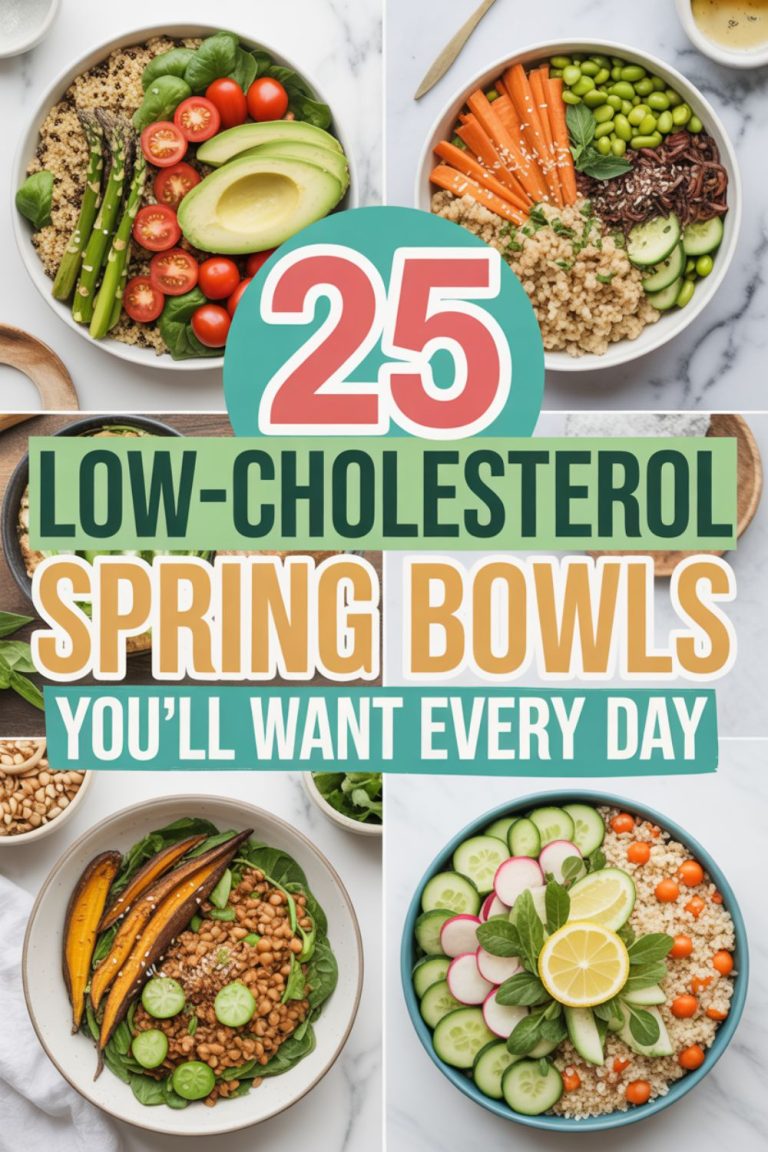
Asian-Inspired Brown Rice Bowl: Brown rice topped with edamame, shredded carrots, red cabbage, avocado, and a drizzle of low-sodium teriyaki or a simple peanut sauce. The variety of textures and colors makes this way more exciting than it has any right to be. When you need quick assembly-style meals, check out these 10-minute lunch ideas that use similar concepts.
Comfort Food, Reimagined
Turkey Meatballs with Zucchini Noodles: Make meatballs using lean ground turkey, whole wheat breadcrumbs, and Italian herbs. Serve over spiralized zucchini with marinara. You get the comfort of spaghetti and meatballs without the refined carbs and heavy feeling afterward. I use a handheld spiralizer that’s way easier to clean than those big countertop ones.
Cauliflower “Fried Rice”: Pulse cauliflower in a food processor until rice-sized. Stir-fry with mixed vegetables, scrambled egg, and low-sodium soy sauce. This gives you all the satisfaction of fried rice with way more nutrients and fiber. It’s also a great way to use up random vegetables sitting in your fridge.
Baked Eggplant Parmesan (Light Version): Slice eggplant, brush lightly with olive oil, bake until tender. Layer with marinara and a small amount of part-skim mozzarella. Bake until bubbly. You’re getting the Italian comfort food vibe without deep-frying or loading up on cheese. For more comfort food makeovers, these healthy comfort foods prove you don’t have to sacrifice flavor for heart health.
Quick Weeknight Saves
White Bean and Kale Soup: Sauté garlic and onion, add canned white beans, low-sodium broth, and fresh kale. Simmer for 20 minutes. This is my go-to when I forgot to meal prep and need something fast and nourishing. Cannellini beans give you protein and fiber, and kale adds vitamins and minerals.
Grilled Chicken Caesar Salad (Lightened): Grill chicken breast, slice over romaine with a homemade dressing using Greek yogurt, lemon juice, Dijon mustard, and a touch of Parmesan. You’re skipping the heavy mayo-based dressing but keeping all the flavor. Add whole wheat croutons if you want that crunch.
Black Bean Tacos with Avocado: Warm corn tortillas, fill with seasoned black beans, diced tomatoes, lettuce, and avocado. Top with salsa and a squeeze of lime. These come together in maybe 10 minutes, and the combination of beans and avocado gives you both protein and healthy fats. Sometimes the simplest meals are the best ones.
For those nights when you need dinner in a hurry, these one-pan dinners and lazy meals are absolute lifesavers.
Making the Rotation Work for Real Life
Here’s the reality check: you’re not going to perfectly execute 21 different meals every three weeks. Life happens. You’ll get tired, you’ll have unexpected plans, you’ll order pizza occasionally. That’s fine. The goal isn’t perfection.
What actually works is having these 21 options in your back pocket so that when you do cook, you’re not scrambling or defaulting to the same three meals on repeat. Some weeks you might make 12 of these. Other weeks maybe 8. The variety is there when you need it.
I typically prep components on Sunday—cook a big batch of quinoa and brown rice, roast a bunch of vegetables, grill some chicken. Then during the week, I mix and match these components into different meals. That way, even when I’m tired, I’m not starting from scratch.
Adapting for Your Schedule
If you work long hours, lean heavily into the meals that work well as leftovers or can be made in advance. Soups, grain bowls, and baked dishes typically fall into this category. If you’re home more often, you can incorporate more of the quick-cook options like stir-fries and salads.
Some people prefer cooking once or twice a week and eating leftovers. Others like cooking fresh every night. Both approaches can work with this rotation—it’s flexible enough to accommodate different styles.
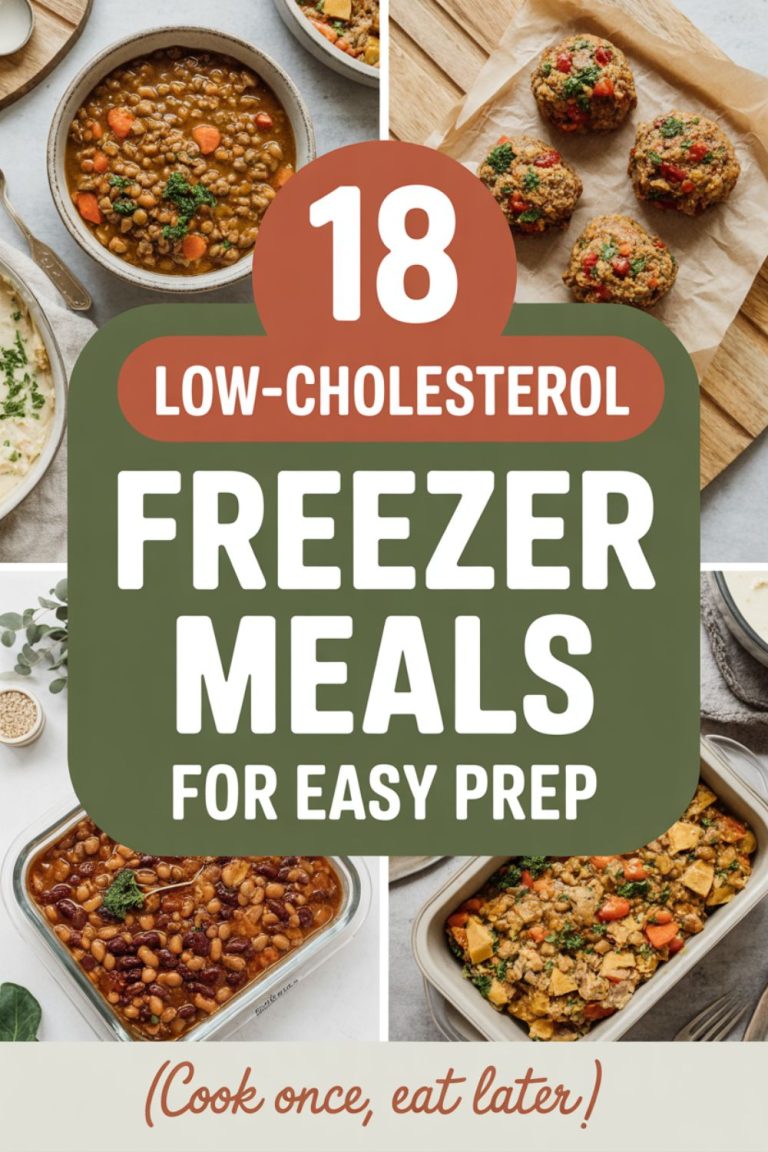
The key is figuring out what actually fits your life, not what some article tells you is the “right” way to meal plan. If freezer meals are your thing, these freezer-friendly recipes might be more your speed.
The Grocery Shopping Strategy
Once you’ve got your rotation figured out, grocery shopping becomes way less chaotic. I keep a running list of staples that I always have on hand, then add specific ingredients for whatever meals I’m making that week.
Your Core Shopping List Should Include:
- Lean proteins: chicken breast, turkey, fish, eggs, Greek yogurt
- Whole grains: brown rice, quinoa, whole wheat pasta, oats
- Legumes: canned beans, lentils, chickpeas
- Healthy fats: olive oil, avocados, nuts, seeds
- Fresh produce: dark leafy greens, colorful vegetables, berries, citrus
- Aromatics and herbs: garlic, onions, fresh herbs, ginger
- Pantry staples: low-sodium broth, canned tomatoes, spices, vinegars
When I’m shopping, I try to buy what’s in season and on sale. The specific vegetables in your stir-fry or grain bowl don’t have to be identical every time—use what looks good and what fits your budget. A reusable produce bag set keeps everything organized and is way better than those flimsy plastic ones.
If you’re trying to figure out which foods pack the biggest nutritional punch, this guide to foods that naturally lower cholesterol is super helpful for prioritizing your grocery list.
What About Eating Out and Special Occasions?
You don’t have to become a hermit just because you’re eating heart-healthy. When you’re eating out, look for grilled or baked options, ask for dressings and sauces on the side, and don’t stress too much about getting it perfect. One restaurant meal isn’t going to undo your overall pattern.
For special occasions, enjoy them. Seriously. Food is social and cultural and emotional, and that matters too. The goal is establishing healthy patterns most of the time, not achieving some impossible standard of perfect eating.
The research backs this up—consistency over time matters way more than perfection in any single moment. According to the American Heart Association’s scientific statement on dietary guidance, sustainable dietary patterns that people can actually maintain long-term are more effective than restrictive diets that people eventually abandon.
Tracking Without Losing Your Mind
Some people love tracking every meal, every nutrient, every everything. If that’s you, great. But if that level of detail makes you want to quit before you start, just keep it simple.
I use a basic weekly planner where I jot down which meals I’m planning to make. That’s it. No calorie counting, no complicated apps, just a simple list. This helps me shop efficiently and prevents the 5 PM “what’s for dinner” panic.
If you do want more structure, there are apps that can help, but honestly, the best system is the one you’ll actually use. For me, that means keeping it stupidly simple. A magnetic meal planner pad on my fridge does the job perfectly.
Frequently Asked Questions
Can I really rotate just 21 meals without getting bored?
Honestly? Yeah. When you’re eating a different meal every night for three weeks, by the time you circle back, it feels fresh again. Plus, you can easily swap in seasonal variations or adjust seasonings to keep things interesting. The key is choosing meals you actually like, not just meals that sound healthy.
How much time does meal prep actually take?
If you’re prepping components on Sunday—cooking grains, roasting vegetables, grilling proteins—you’re looking at maybe 2-3 hours. But this saves you way more time during the week when you can assemble meals in 10-15 minutes instead of starting from scratch. Whether it’s worth it depends on your schedule and priorities.
What if my family won’t eat these meals?
Start by finding the meals on this list that are closest to what your family already likes, then gradually introduce new options. Most of these meals are pretty universally appealing—things like chicken fajitas, turkey chili, and pasta aren’t exactly weird food. You can also keep some simple modifications on hand, like having cheese or different proteins available for pickier eaters.
Is this meal plan expensive?
It doesn’t have to be. Beans, lentils, eggs, and frozen vegetables are all budget-friendly. The key is planning your shopping around sales and seasonal produce. Fish can get pricey, but if you buy it frozen or on sale and stick to more affordable varieties like salmon or tilapia, it’s manageable. You’re probably spending less overall because you’re not ordering takeout multiple times a week.
Do I need to eat these meals in any particular order?
Nope. The whole point of a rotation is flexibility. Make whatever sounds good on any given night, or plan them based on your schedule and what ingredients you have on hand. There’s no magic sequence—just eat the meals you’re in the mood for when you’re in the mood for them.
The Bottom Line
Building a rotation of 21 heart-healthy meals isn’t about following some rigid plan or eating food you don’t enjoy. It’s about creating a framework that makes healthy eating feel manageable instead of overwhelming.
These meals work because they’re flexible, they actually taste good, and they’re built from ingredients that genuinely support cardiovascular health—not because some trend said so, but because the research backs it up. They’re also practical for real life, which honestly might be the most important factor.
Start with the meals that sound most appealing to you. Build your rotation gradually. Don’t stress about getting it perfect. And remember: the best meal plan is the one you’ll actually stick with for the long haul. Everything else is just noise.
30-Day Cholesterol-Lowering Meal Plan
A simple step-by-step system to help you eat heart-healthy every day without stress.
Over 1,000 people downloaded this guide
$29$9
Get Instant Access