
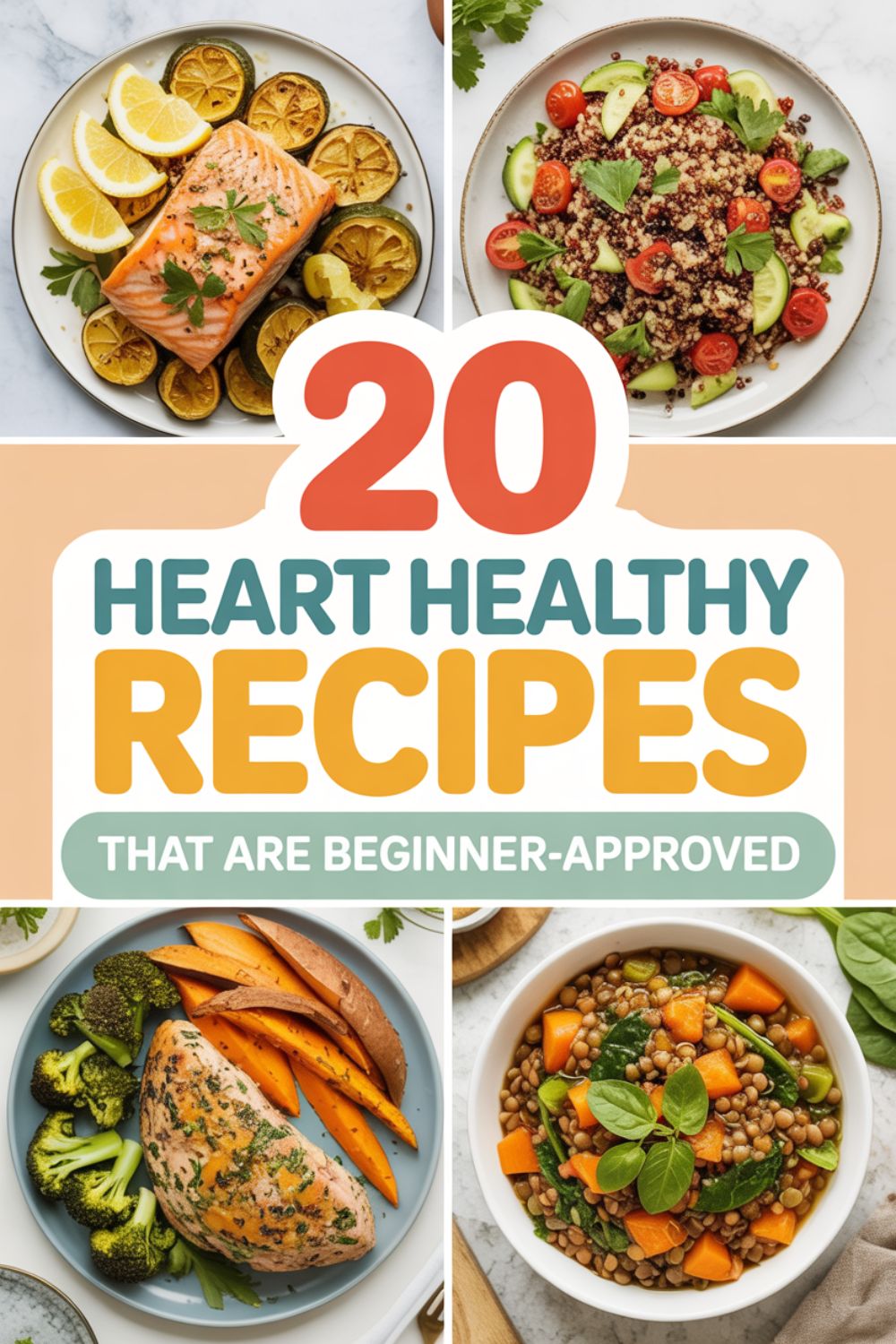
20 Heart Healthy Recipes That Are Beginner-Approved
Look, I get it. You hear “heart-healthy” and immediately picture bland chicken breast and steamed broccoli for the rest of your life. But here’s the thing—taking care of your heart doesn’t mean sacrificing flavor or spending hours in the kitchen decoding complicated recipes.
Whether your doctor just mentioned your cholesterol numbers or you’re simply trying to eat better, the recipes I’m sharing today are designed for real people with real lives. No culinary degree required, no exotic ingredients that expire before you use them again, and definitely no “what does that even mean?” moments.
These 20 recipes are the ones I actually make on busy weeknights, the ones that don’t require a trip to three different grocery stores, and the ones that taste good enough that you’ll want to make them again. Let’s get into it.
Why Heart-Healthy Eating Matters More Than You Think
Before we dive into the recipes, let’s talk about why this stuff actually matters. According to the American Heart Association, a healthy diet and lifestyle are your best weapons against cardiovascular disease. And it’s not nearly as complicated as the internet makes it seem.
The basic idea is pretty straightforward: load up on fruits, vegetables, whole grains, and lean proteins while cutting back on the processed junk. Your heart basically wants real food, not stuff that comes in a crinkly bag with ingredients you can’t pronounce.
What’s interesting is that research from Mayo Clinic shows that eating fish rich in omega-3 fatty acids at least twice a week can significantly lower your risk of heart disease. We’re talking about salmon, mackerel, and sardines—not the fried fish sandwich from the drive-thru.
Pro Tip: Prep your veggies on Sunday night and thank yourself all week. Seriously, having pre-chopped bell peppers and washed spinach in your fridge is like giving your future self a gift.
The Building Blocks of Heart-Healthy Cooking
Healthy Fats Are Your Friend
Okay, so not all fats are created equal. Your heart loves unsaturated fats—think olive oil, avocados, and nuts. These are the fats that actually help lower bad cholesterol levels. I keep this bottle of extra virgin olive oil on my counter at all times because it’s the foundation of probably half the recipes I make.
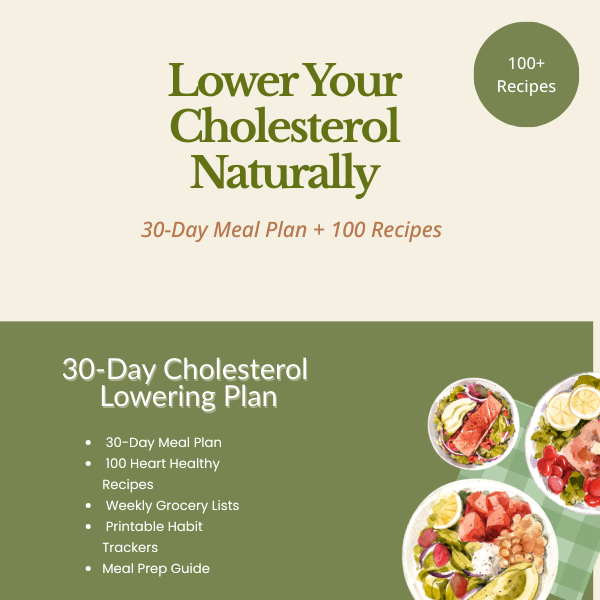
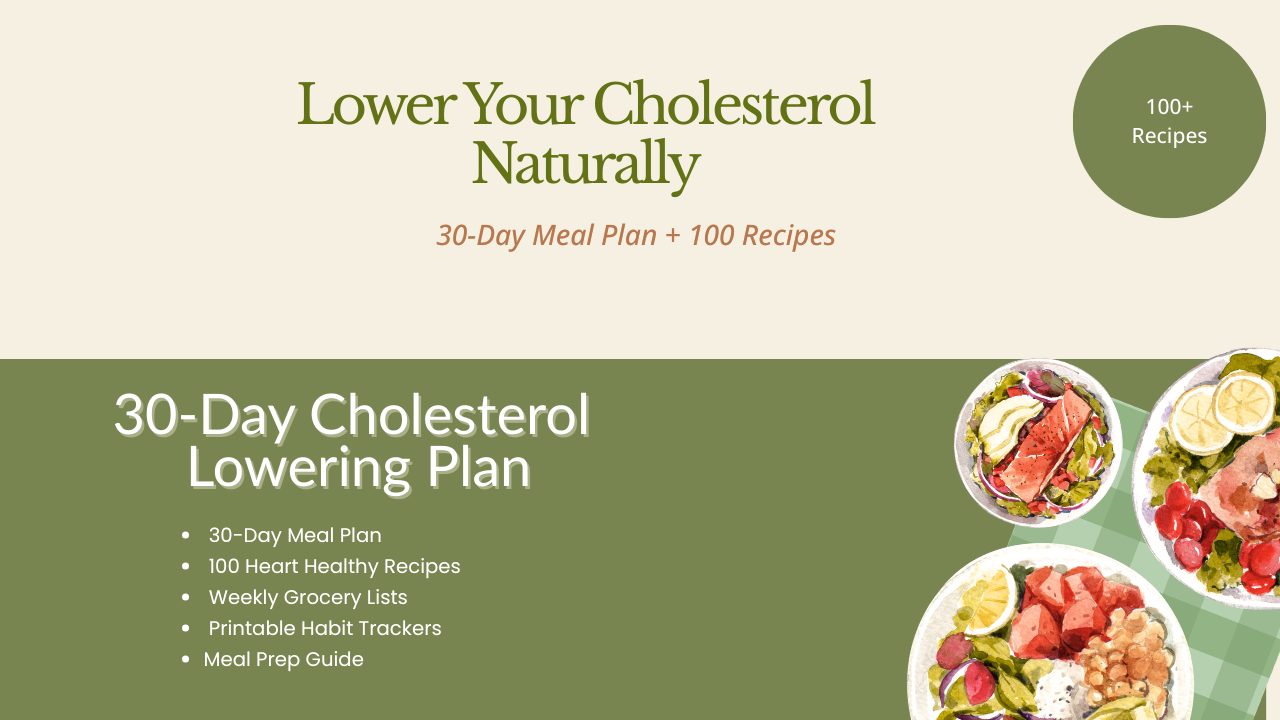
30-Day Cholesterol Reset System
A simple done-for-you plan to help you eat heart-healthy every day without confusion.
Over 1,000 people downloaded this guide
✔ 100 Easy Recipes
✔ Grocery Lists + Meal Prep Guide
🎁 FREE BONUSES:
✔ 7-Day Quick Start Plan
✔ Printable Grocery List
$29 $9
Get Instant AccessThe fats you want to avoid? Saturated and trans fats, which hide in things like butter, lard, and most processed snacks. I’m not saying you can never eat butter again (let’s be realistic here), but making olive oil your default cooking fat is a simple switch that makes a real difference.
Whole Grains Over Refined Carbs
White bread and white pasta aren’t doing your heart any favors. Whole grains like quinoa, brown rice, and whole wheat pasta contain fiber that helps control cholesterol and keeps you fuller longer. The first time I made the switch, I’ll admit the texture took some getting used to. But now? Regular pasta tastes weirdly bland to me.
I use this brand of ancient grain pasta for most of my recipes because it has a better texture than some of the cardboard-esque whole wheat options out there. Worth the extra dollar or two, IMO.
Lean Proteins That Don’t Bore You to Tears
Chicken breast gets a bad rap for being dry and boring, but that’s usually because people overcook it. The real MVPs of heart-healthy protein are fish, beans, lentils, and yes, properly cooked poultry. These foods are packed with protein and low in saturated fat.
When you’re shopping for chicken, grab a reliable meat thermometer if you don’t have one already. Cooking to exactly 165°F means juicy chicken every time, not the hockey puck situation most of us have endured.
Looking for more protein-packed options? Check out these low-cholesterol high-protein meals that actually keep you satisfied.
20 Recipes That Won’t Intimidate You
Quick Breakfast Ideas
Breakfast doesn’t have to be a production. In fact, some of the best heart-healthy breakfasts take less than 10 minutes to throw together. My go-to is overnight oats with chia seeds, almond butter, and whatever fruit I have lying around. Mix it the night before, grab it on your way out the door. Done.
The secret is having ingredients that pull double duty. Those chia seeds? They’re loaded with omega-3s and fiber. The almond butter? Healthy fats and protein. You’re basically building a nutritional powerhouse without even trying. Get Full Recipe.
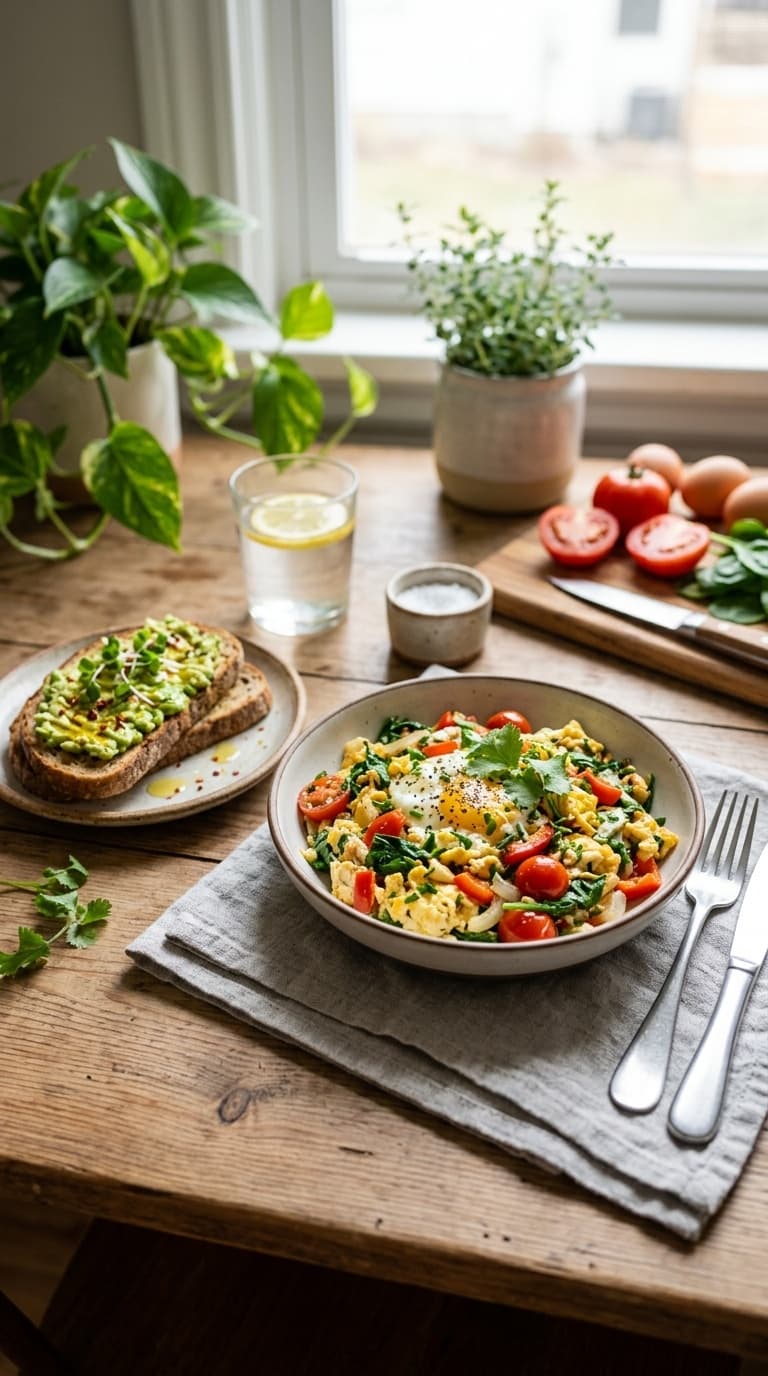
For mornings when you actually have time to sit down, try a veggie-packed scramble with spinach, tomatoes, and a sprinkle of feta. Use a good non-stick pan and you barely need any oil. The vegetables add volume without calories, and you’ll actually feel satisfied until lunch.
Want more morning options? Browse through these low-cholesterol breakfast ideas that won’t leave you starving by 10 AM.
Quick Win: Make a big batch of steel-cut oats on Sunday and portion them into containers. Reheat with a splash of almond milk and you’ve got breakfast for the week.
Lunch Options That Travel Well
The worst thing about trying to eat healthy is the 2 PM office vending machine temptation. But if you’ve got a solid lunch packed, you’re way less likely to cave. My favorite is a Mediterranean quinoa bowl with chickpeas, cucumber, cherry tomatoes, and a lemon-tahini dressing. Get Full Recipe.
The beauty of grain bowls is that you can prep the components ahead and mix them fresh each day. Cook your quinoa on Sunday (use this rice cooker if you’re lazy like me—it has a quinoa setting). Chop your veggies. Make your dressing. Then assembly takes literally two minutes.
Another winning lunch strategy? Soup. Not the canned stuff loaded with sodium, but homemade soup that you freeze in portions. A hearty lentil soup with carrots, celery, and tomatoes is stupid easy to make and freezes beautifully. Plus, lentils are basically a superfood for your heart.
If you’re looking for complete meal planning, check out these meal prep ideas that’ll save you both time and stress.
Dinner Recipes That Don’t Require a Culinary Degree
Here’s where people usually get overwhelmed, but dinner can be the easiest meal of the day if you keep it simple. One of my weekly staples is sheet pan salmon with roasted vegetables. Season the salmon with whatever spices you want (I’m partial to garlic, lemon, and dill), surround it with broccoli and bell peppers, drizzle with olive oil, and roast everything at 400°F for about 15 minutes. Get Full Recipe.
One pan. Minimal cleanup. And salmon is one of those foods that’s ridiculously good for your heart because it’s loaded with omega-3 fatty acids. I buy these pre-portioned salmon fillets from Costco and keep them in my freezer. They thaw in like 20 minutes under cold water.
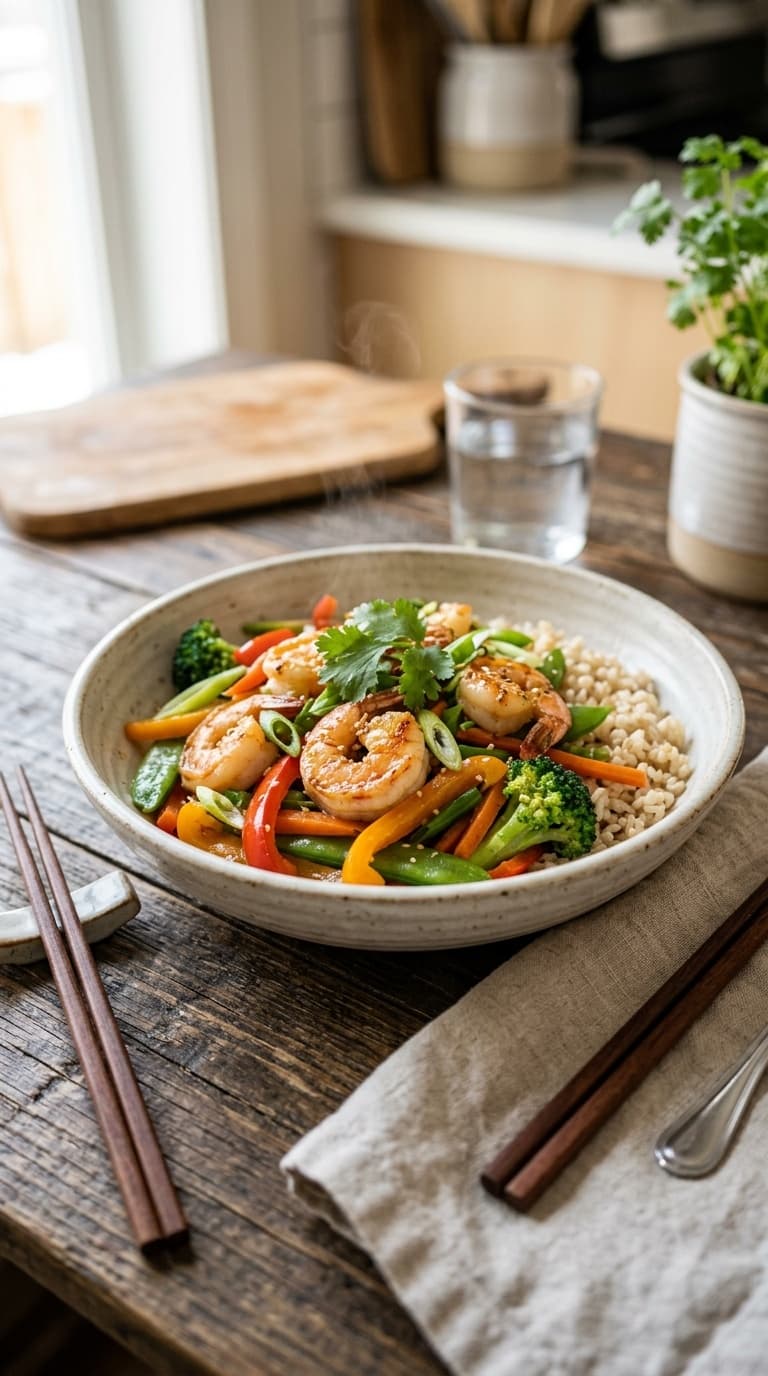
Another dinner hack is the stir-fry. Load up on vegetables (I’m talking peppers, snap peas, mushrooms, whatever), add some tofu or chicken, and use a sauce made from low-sodium soy sauce, garlic, ginger, and a touch of honey. Serve it over brown rice and you’ve got a restaurant-quality meal that took 20 minutes. For the wok, I love this carbon steel option because it distributes heat evenly.
When discussing protein sources, it’s worth noting that plant-based proteins like beans and lentils are excellent alternatives to meat. Not only are they naturally low in saturated fat, but they’re also packed with fiber—something your heart absolutely loves. The Mediterranean diet, which emphasizes these ingredients, has been consistently linked to better heart health outcomes.
For those nights when you just can’t even, try these lazy low-cholesterol meals that require minimal effort but taste like you tried.
Kitchen Tools That Make Heart-Healthy Cooking Actually Easy
Look, I’m not trying to sell you stuff you don’t need, but these tools genuinely make cooking easier and more enjoyable. These are the things I reach for constantly.
- High-speed blender for smoothies and soups – Makes silky smooth sauces without the arm workout of an immersion blender
- Quality chef’s knife – A sharp knife is safer and makes prep work so much faster
- Glass meal prep containers (set of 10) – BPA-free, microwave-safe, and they last forever
- Heart-Healthy Meal Plan eBook – 30 days of planned meals with shopping lists
- Nutrition tracking app subscription – Helps you understand what you’re actually eating
- Online cooking class: Mediterranean basics – Learn the foundation of heart-healthy cooking
Snacks That Won’t Wreck Your Progress
Snacking is where a lot of people sabotage themselves. You’re doing great all day, then 4 PM hits and suddenly you’re elbow-deep in a bag of chips. The solution isn’t to white-knuckle it through cravings—it’s to have better snacks ready to go.
My favorite is apple slices with almond butter. The combination of fiber from the apple and healthy fat from the almond butter keeps you satisfied. I use this apple slicer because I’m weirdly lazy about cutting apples, and having pre-sliced ones means I actually eat them.
Other winning snacks: a small handful of unsalted mixed nuts, carrots with hummus, or Greek yogurt with berries. The key is having protein and/or healthy fat to keep your blood sugar stable. Otherwise you’re just on a snack roller coaster all afternoon.
Craving something more substantial? These low-cholesterol snacks hit the spot without derailing your day.
Desserts That Don’t Feel Like Punishment
Yes, you can still have dessert. The difference is swapping processed sugar bombs for things that actually contain nutrients. Dark chocolate (70% cacao or higher) is genuinely good for your heart in moderation. Pair it with some strawberries and you’ve got a satisfying treat.
Baked apples with cinnamon and a sprinkle of walnuts are another win. The natural sweetness of the apples intensifies when you bake them, walnuts add omega-3s, and cinnamon might help regulate blood sugar. Throw them in the oven while you eat dinner. Get Full Recipe.
For something more substantial, try making energy balls with dates, nuts, and oats. Blend everything together, roll into balls, and keep them in the fridge. They taste indulgent but they’re made from real food. I make a batch every week using this food processor and they’re my go-to when I need something sweet.
More sweet tooth solutions in these low-cholesterol desserts that don’t taste like you’re on a diet.
Making It Stick: Tips for Long-Term Success
Stop Calling It a Diet
The minute you frame this as a “diet,” your brain treats it like temporary suffering. Instead, think of it as upgrading your default eating habits. You’re not giving anything up—you’re choosing foods that make you feel better and happen to be good for your heart.
I still eat pizza sometimes. I still have dessert. The difference is that those are occasional treats, not my everyday baseline. Most of the time, I’m eating meals like the ones in this article because they genuinely taste good and I don’t feel like garbage after eating them.
Pro Tip: Keep a “victory log” of how you feel as you eat better. More energy? Better sleep? Less afternoon slumps? Those wins motivate you way more than the number on a scale.
Meal Planning Without the Stress
You don’t need to plan every meal for the entire week. Start simple: pick 3-4 dinner recipes you like, shop for those ingredients, and repeat them. Once that feels easy, add variety. Trying to plan every meal from scratch is a recipe for burnout (pun intended).
I keep a running list of my “tried and true” recipes on my phone. When it’s time to shop, I pick three from the list. That way I’m not standing in the grocery store having an existential crisis about what to make for dinner on Thursday.
If you’re ready to get more organized, check out these meal prep strategies that won’t take over your entire weekend.
Restaurant Strategies That Actually Work
Eating out doesn’t have to mean abandoning everything. Most restaurants are happy to modify dishes—grilled instead of fried, dressing on the side, extra vegetables instead of fries. Don’t be shy about asking.
Mediterranean and Asian restaurants tend to have the most heart-healthy options. Grilled fish, vegetable-heavy dishes, and brown rice are usually on the menu. Skip the bread basket (or have one piece and move it away from you), and you’re golden.
The bigger issue is portion sizes. Restaurant portions are usually enough for two meals. Ask for a to-go box when your food arrives, immediately pack up half, and eat the rest. Then you’ve got tomorrow’s lunch sorted too.
Speaking of making dishes work better for you, these healthier versions of comfort food prove you don’t have to sacrifice flavor to eat well.
Common Mistakes to Avoid
Going Too Extreme Too Fast
The biggest mistake I see people make is overhauling their entire diet overnight. They throw out everything in their pantry, buy a bunch of ingredients they’ve never cooked with, and then burn out within two weeks.
Start with swaps, not complete overhauls. Use whole wheat pasta instead of white. Choose olive oil instead of butter. Add an extra serving of vegetables to dinner. Small changes compound over time without making you feel deprived.
Not Reading Labels
Marketing is sneaky. Things labeled “low-fat” or “heart-healthy” aren’t always what they seem. Low-fat often means high-sugar. “Natural” doesn’t actually mean anything regulated.
Get in the habit of reading the nutrition label and ingredient list. Look for foods with minimal ingredients you recognize. If the list reads like a chemistry experiment, put it back. Your great-grandmother wouldn’t know what half that stuff is, and neither does your body.
Forgetting About Sodium
This one sneaks up on people. Even if you’re not adding salt to your food, processed and restaurant meals are loaded with it. High sodium intake directly impacts blood pressure, which affects heart health.
The American Heart Association recommends no more than 2,300 milligrams of sodium per day, with an ideal limit of 1,500 mg for most adults. That’s about a teaspoon of salt total—including what’s already in your food.
Season your food with herbs, spices, lemon juice, and vinegar instead of reaching for the salt shaker. I keep this spice organizer stocked with about 20 different options so I never feel like food is bland. Smoked paprika, cumin, and garlic powder are my most-used.
When you’re cooking from scratch, you have complete control over ingredients. These everyday recipes make home cooking feel less like a chore and more like self-care.
The Role of Exercise (Yes, It Matters)
I know this is an article about food, but it would be irresponsible not to mention exercise. Your heart is a muscle, and like all muscles, it gets stronger when you use it. You don’t need to train for a marathon—even 30 minutes of walking most days makes a difference.
The cool thing about combining heart-healthy eating with movement is that they amplify each other’s benefits. You’ll have more energy to exercise when you’re eating well, and exercise makes you crave healthier foods. It’s a positive feedback loop.
Find something you don’t hate. For me, it’s walking while listening to podcasts. For you, it might be dancing, swimming, or playing basketball. The “best” exercise is the one you’ll actually do consistently.
Frequently Asked Questions
Do I really need to give up all my favorite foods?
Absolutely not. Heart-healthy eating is about what you do most of the time, not occasionally. If pizza or ice cream is your thing, have it sometimes—just not every day. The goal is making nutritious foods your default, with room for treats that bring you joy. Life’s too short to eat things you hate.
How long before I see results from eating this way?
Most people notice increased energy and better digestion within a couple of weeks. Cholesterol levels typically start improving within a month or two of consistent changes. The key word is consistent—one week of healthy eating won’t undo years of habits, but stick with it and your body will thank you.
Are frozen vegetables as good as fresh?
Yes, and sometimes they’re actually better. Frozen vegetables are picked at peak ripeness and frozen immediately, which locks in nutrients. Fresh vegetables can lose nutritional value sitting in the store or your fridge. Plus, frozen veggies are cheaper, last longer, and make weeknight cooking way easier. Win-win-win.
What if I don’t like fish?
No problem. You can get omega-3 fatty acids from plant sources like walnuts, chia seeds, and flaxseeds. Ground flaxseed mixed into oatmeal or smoothies is an easy way to sneak them in. Beans and lentils are excellent protein sources that don’t come from the ocean. Focus on what you do enjoy rather than forcing foods you don’t.
Is eating out ever okay on a heart-healthy diet?
Of course. Choose restaurants with grilled or baked options, load up on vegetables, and watch your portion sizes. Ask for dressing and sauces on the side so you control how much you use. Most places are happy to accommodate requests like grilling instead of frying. You can eat heart-healthy anywhere with a few smart choices.
The Bottom Line
Heart-healthy eating doesn’t have to be complicated, expensive, or taste like cardboard. It’s really about choosing whole foods most of the time, cooking at home when you can, and not stressing about perfection.
These 20 recipes are your starting point—simple enough for beginners, flexible enough to adapt to your preferences, and actually tasty enough that you’ll want to make them again. Start with the ones that sound good to you. Make them a few times until they feel automatic. Then add more to your rotation.
Your heart doesn’t need you to be perfect. It just needs you to be consistent. And that’s way more achievable than most people think.
30-Day Cholesterol-Lowering Meal Plan
A simple step-by-step system to help you eat heart-healthy every day without stress.
Over 1,000 people downloaded this guide
$29$9
Get Instant Access