
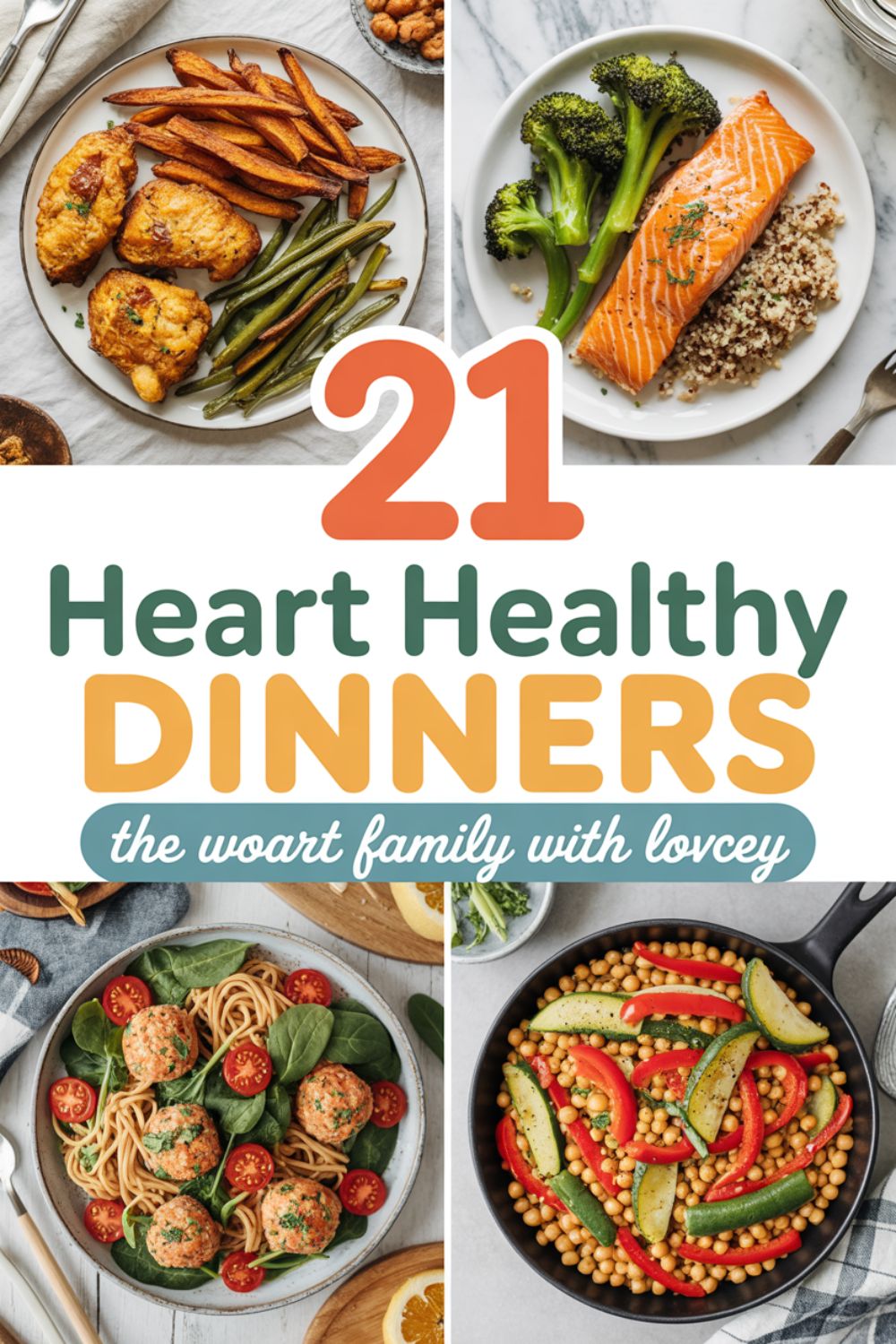
21 Heart Healthy Dinners the Whole Family Will Love
Let’s be real—when someone says “heart healthy,” most of us picture bland chicken breasts and steamed broccoli that tastes like cardboard. But here’s the thing: eating for your heart doesn’t mean sacrificing flavor or watching your family pick at their plates like reluctant toddlers.
I’ve spent years figuring out how to make dinners that check all the boxes—good for your cardiovascular system, packed with nutrients, and actually enjoyable enough that nobody’s secretly ordering pizza an hour later. These 21 recipes have become my go-to rotation, and honestly? My family requests them more than the stuff I used to make before I started paying attention to heart health.
Whether you’re managing cholesterol, trying to lower blood pressure, or just want to feel better overall, these dinners prove that heart-healthy eating can be downright delicious.
Why Heart Healthy Dinners Actually Matter
Your dinner plate is basically a pharmacy. Sounds dramatic, but according to American Heart Association guidelines, what you eat directly impacts your cholesterol levels, blood pressure, and overall cardiovascular function.
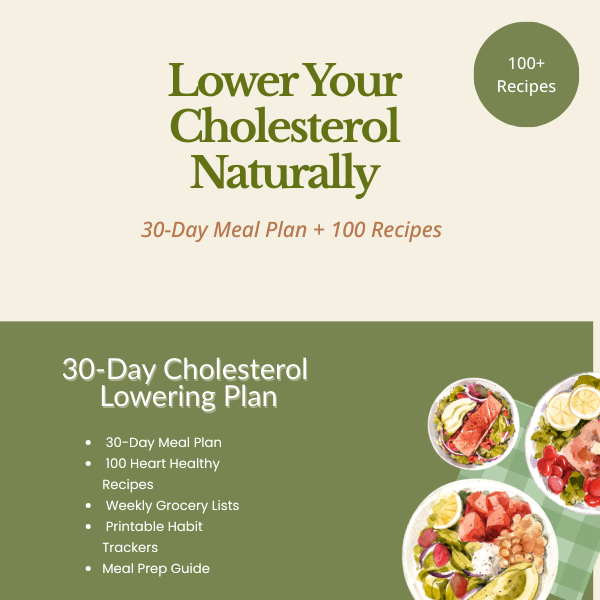
30-Day Cholesterol Reset System
A simple done-for-you plan to help you eat heart-healthy every day without confusion.
Over 1,000 people downloaded this guide
✔ 100 Easy Recipes
✔ Grocery Lists + Meal Prep Guide
🎁 FREE BONUSES:
✔ 7-Day Quick Start Plan
✔ Printable Grocery List
$29 $9
Get Instant AccessThe Mediterranean populations have known this forever—they’ve been eating heart-protective foods for generations and showing lower rates of heart disease as a result. We’re talking about meals built around vegetables, whole grains, lean proteins, and healthy fats. Nothing fancy, just smart choices that add up over time.
The cool part? Once you start eating this way, you actually feel different. More energy, better sleep, less of that sluggish feeling after dinner. Your body knows what’s up.
Building Your Heart Healthy Dinner Formula
Every great heart-healthy dinner follows a basic blueprint. You need a quality protein source—think lean chicken, fish rich in omega-3s, or plant-based options like lentils and chickpeas. Add a generous portion of vegetables, preferably in multiple colors because variety means more nutrients.
Then comes the grain component. Whole grains like quinoa, brown rice, or farro bring fiber and help you feel satisfied. And don’t forget healthy fats—a drizzle of olive oil, some avocado, or a handful of nuts can make the difference between a meal that’s just okay and one that actually tastes good.
The secret nobody tells you? Herbs and spices are your best friends. They add massive flavor without sodium, and many of them—like turmeric and garlic—have their own heart-protective properties.
21 Heart Healthy Dinners Worth Making Tonight
1. Mediterranean Salmon with Roasted Vegetables
This is my weeknight MVP. Season salmon fillets with lemon, garlic, and oregano, then roast them alongside bell peppers, zucchini, and cherry tomatoes. The fish cooks in about 15 minutes, and you’ve got a complete meal on one pan. I use this rimmed baking sheet because nothing sticks and cleanup is basically nonexistent. Get Full Recipe.
2. Quinoa-Stuffed Bell Peppers
Cut the tops off bell peppers, stuff them with a mixture of cooked quinoa, black beans, corn, and spices, then bake until tender. These are perfect for meal prep—make a batch on Sunday and reheat throughout the week. The pepper corer tool makes this job way less annoying than using a knife.
3. Lemon Herb Chicken with Sweet Potato Wedges
Marinate chicken breasts in lemon juice, olive oil, and fresh herbs. Roast them with sweet potato wedges seasoned with paprika and a touch of cinnamon. Sweet potatoes are loaded with potassium, which helps regulate blood pressure. For even cooking, I swear by this meat thermometer—takes the guesswork out completely.
Looking for more poultry inspiration? These low-cholesterol chicken recipes are packed with flavor without the guilt. If you prefer vegetarian options, check out these satisfying plant-based meals that’ll keep you full and happy.
4. Black Bean and Vegetable Stir-Fry
Heat some sesame oil in a large pan, toss in whatever vegetables you have on hand, add canned black beans, and season with ginger, garlic, and low-sodium soy sauce. Serve over brown rice. Done in 20 minutes, and it tastes like takeout without the sodium overload.
5. Baked Cod with Mediterranean Salsa
Top cod fillets with a fresh salsa made from diced tomatoes, cucumbers, olives, and red onion. Bake until the fish flakes easily. This dish is ridiculously light but surprisingly filling. The fish spatula I use makes flipping and serving delicate fish basically foolproof.
6. Turkey Chili with Beans
Brown lean ground turkey with onions and garlic, add diced tomatoes, kidney beans, black beans, and chili spices. Let it simmer while you do other things. This makes a huge batch, so you can freeze portions for lazy nights. Get Full Recipe.
7. Lentil and Vegetable Curry
Sauté onions, garlic, and ginger in a pot. Add curry powder, diced tomatoes, coconut milk (the light kind), and dried lentils. Throw in some spinach and cauliflower. Simmer until the lentils are tender. This is comfort food that happens to be incredibly good for you.
8. Grilled Chicken with Avocado Corn Salad
Grill seasoned chicken breasts and serve them with a fresh salad made from corn, avocado, tomatoes, and lime juice. The healthy fats from the avocado help your body absorb all those good nutrients from the vegetables. If you’re into meal prepping, these weekly meal prep ideas will change your weeknight game.
9. Whole Wheat Pasta with Roasted Vegetables
Roast eggplant, zucchini, bell peppers, and cherry tomatoes with garlic and olive oil. Toss with whole wheat pasta and fresh basil. Add a sprinkle of Parmesan if you want. The pasta measuring tool helps you nail the portion size every time—turns out I was making way too much before.
10. Baked Chicken Fajitas
Slice chicken breast and bell peppers, season with fajita spices, and bake everything on one sheet pan. Serve with whole wheat tortillas and all the fixings. Way easier than standing over a skillet, and the cleanup is minimal. Get Full Recipe.
More Family-Friendly Heart Healthy Options
11. Sheet Pan Shrimp and Broccoli
Toss shrimp and broccoli florets with olive oil, lemon, and garlic. Roast at high heat for about 12 minutes. Shrimp cooks crazy fast, making this perfect for those nights when you realize it’s 6 PM and you haven’t started dinner yet.
Need more quick options? These one-pan dinners are designed for busy people who still want to eat well. And if you’re really pressed for time, check out these lazy-friendly meals that require minimal effort but deliver maximum flavor.
12. Veggie-Loaded Turkey Meatballs
Mix ground turkey with grated zucchini, carrots, and onions. Form into meatballs and bake. Serve with marinara sauce and whole wheat spaghetti. The vegetables keep them super moist, and kids never notice the extra veggies hidden inside.
Kitchen Tools That Make Heart-Healthy Cooking Easier
Physical Products:
- Instant-Read Digital Thermometer – Takes the guesswork out of cooking lean proteins perfectly every time
- Ceramic Nonstick Skillet Set – Cook with minimal oil while nothing sticks or burns
- Glass Meal Prep Containers – Store your batch-cooked dinners without weird plastic chemicals leaching in
Digital Resources:
- Foods That Naturally Lower Cholesterol Guide – Science-backed info on what actually works
- Instant Pot & Air Fryer Recipe Collection – For those gadgets gathering dust in your cabinet
- 400-Calorie Heart-Healthy Meal Plans – Perfect if you’re watching portions too
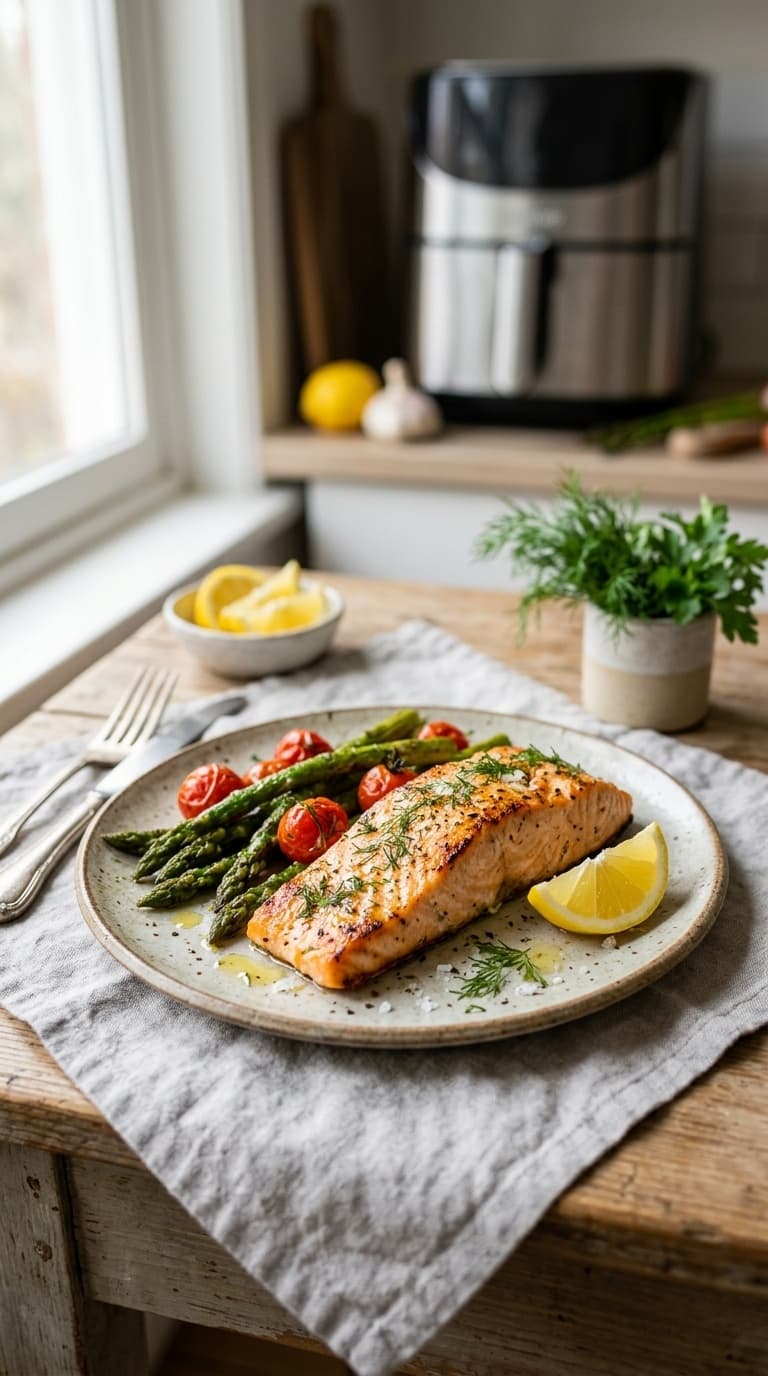
13. Baked Salmon with Asparagus
Place salmon fillets on a baking sheet, surround them with asparagus spears, drizzle everything with olive oil and lemon. Bake for about 15 minutes. Asparagus is high in folate, which supports heart health by helping reduce homocysteine levels in the blood.
14. Chickpea and Spinach Curry
Sauté onions and garlic, add curry powder and canned chickpeas, then stir in diced tomatoes and fresh spinach. Simmer until everything comes together. Serve over brown rice or with whole wheat naan. IMO, this tastes even better the next day after the flavors have had time to mingle.
15. Greek Chicken Bowls
Build bowls with quinoa as the base, add grilled chicken strips, cucumber, tomatoes, red onion, kalamata olives, and a dollop of tzatziki made with Greek yogurt. These are customizable—everyone can add what they like. Get Full Recipe.
16. Vegetable and White Bean Soup
Sauté celery, carrots, and onions. Add vegetable broth, diced tomatoes, white beans, and whatever greens you have around. Season with Italian herbs. This soup freezes beautifully, and it’s the kind of thing that feels like a warm hug in a bowl. For more warming options, try these heart-healthy soups designed to naturally support your cardiovascular system.
17. Stuffed Portobello Mushrooms
Remove the stems from large portobello caps and fill them with a mixture of quinoa, sun-dried tomatoes, spinach, and a bit of feta cheese. Bake until the mushrooms are tender. These are meaty enough that even confirmed carnivores don’t miss the actual meat.
18. Teriyaki Salmon with Bok Choy
Make a simple teriyaki sauce with low-sodium soy sauce, honey, and ginger. Brush it on salmon fillets and bake. Sauté bok choy as a side. The silicone basting brush I use is heat-resistant and way easier to clean than those bristle ones.
19. Chicken and Vegetable Kebabs
Thread chicken pieces, bell peppers, onions, and cherry tomatoes onto skewers. Grill or bake until everything is cooked through. Kids love anything on a stick, which is a weird but useful fact.
If kebabs are your thing, you might also enjoy these family dinners everyone actually wants to eat. They’re tested on real families with picky eaters and still got the thumbs up.
20. Cauliflower Fried Rice
Pulse cauliflower in a food processor until it resembles rice. Stir-fry with peas, carrots, scrambled eggs, and low-sodium soy sauce. This has all the flavor of regular fried rice with way more vegetables and fiber. The food processor makes this so much easier—trying to chop cauliflower that fine by hand is a special kind of torture.
21. Moroccan Spiced Chickpeas with Couscous
Cook whole wheat couscous according to package directions. Meanwhile, sauté chickpeas with Moroccan spices like cumin, coriander, cinnamon, and paprika. Add raisins and almonds. Serve the chickpeas over the couscous with a side of steamed greens. Get Full Recipe.
Making Heart Healthy Dinners Stick
The hardest part about eating well isn’t finding good recipes—it’s making it sustainable. Nobody can stick with something that feels like punishment or takes three hours every night.
FYI, batch cooking is your secret weapon. Make a big pot of quinoa or brown rice on Sunday. Grill or bake several chicken breasts at once. Chop vegetables in bulk and store them in containers. When dinner time rolls around, you’re just assembling components instead of starting from scratch.
Research from the Mayo Clinic on Mediterranean eating patterns shows that consistency matters more than perfection. You don’t need to be perfect—you just need to be pretty good most of the time.
Smart Swaps That Make a Difference
Small changes add up. Swap regular pasta for whole wheat. Use Greek yogurt instead of sour cream. Choose olive oil over butter for most cooking. These aren’t dramatic sacrifices—they’re subtle shifts that improve the nutritional profile without making you feel deprived.
Sodium is sneaky. It hides in canned goods, condiments, and pre-seasoned proteins. Reading labels becomes second nature after a while. Look for “no salt added” versions of canned beans and tomatoes. Season with herbs and spices instead of reaching for the salt shaker.
The American Heart Association’s eating guidelines emphasize that healthy eating is about patterns, not individual meals. One burger won’t ruin you, just like one salad won’t save you. It’s the cumulative effect of your choices over weeks and months.
Want to expand your dinner rotation even more? These truly delicious low-cholesterol meals prove that healthy eating doesn’t mean bland eating. And if you’re looking for variety beyond dinner, check out these breakfast ideas and satisfying lunches to complete your day.
Getting the Whole Family On Board
Kids can smell a “health food” agenda from a mile away, and they’ll resist it just on principle. The trick is making heart-healthy food that tastes good enough that they don’t care about the nutrition part.
Let them help cook. Kids who participate in meal prep are way more likely to actually eat what they made. Even little ones can wash vegetables, stir ingredients, or arrange things on a plate.
Don’t make separate meals. If you cook different dinners for different family members, you’re signing yourself up for years of extra work. Offer the same meal with small modifications if needed—like keeping sauces on the side or letting people add their own toppings.
The kids’ cooking knife set I got was surprisingly useful for getting my younger one involved safely. They feel more invested when they’re actually doing something, not just watching.
Frequently Asked Questions
What makes a dinner “heart healthy”?
Heart-healthy dinners focus on whole foods like vegetables, fruits, whole grains, lean proteins, and healthy fats while limiting saturated fat, sodium, and added sugars. They typically include omega-3 fatty acids from fish, fiber from whole grains and legumes, and plenty of potassium from vegetables. The goal is supporting cardiovascular function through nutrient-dense meals rather than empty calories.
Can I still eat meat on a heart-healthy diet?
Absolutely—you just want to choose lean options like chicken breast, turkey, and fish more often than red meat. When you do eat beef or pork, pick the leanest cuts and watch your portion sizes. The American Heart Association suggests treating red meat more like a side dish than the main event, and balancing it with plenty of vegetables and whole grains.
How often should I eat fish for heart health?
Aim for at least two servings of fatty fish per week, according to most cardiac health guidelines. Salmon, mackerel, sardines, and trout are excellent choices because they’re rich in omega-3 fatty acids that help reduce inflammation and support healthy cholesterol levels. If you’re not a fish person, you can get omega-3s from walnuts, flaxseeds, and chia seeds, though they’re not quite as potent.
Are these dinners suitable for kids?
Yes, these recipes work great for families with kids. Heart-healthy eating benefits people of all ages, and starting these habits young sets kids up for better health long-term. Most of these meals are naturally appealing to children—things like pasta, tacos, and meatballs—just made with better ingredients. You can adjust spice levels and let kids customize their plates with different toppings to increase buy-in.
Can I meal prep these dinners ahead of time?
Most of these recipes are excellent for meal prep. Things like chili, soups, stuffed peppers, and grain bowls actually improve in flavor after a day or two in the fridge. Cook proteins and grains in bulk on Sunday, prep your vegetables, and store everything in containers so you can quickly assemble meals throughout the week. Just avoid prepping delicate items like fresh salads too far in advance—they get soggy.
The Bottom Line on Heart Healthy Dinners
Eating for your heart doesn’t require a complete life overhaul or giving up foods you enjoy. It’s about making smarter choices most of the time and finding recipes that satisfy both your taste buds and your cardiovascular system.
These 21 dinners have become staples in my house not because they’re “healthy” but because they’re genuinely good. My family requests them. Leftovers get fought over. Nobody’s sneaking drive-through on the way home because dinner was disappointing.
Start with one or two recipes that sound appealing. Master those, then add a couple more to your rotation. Before you know it, you’ll have a solid repertoire of meals that support your heart health without making you feel like you’re on some restrictive diet. Because honestly, the best eating pattern is the one you can actually stick with long-term.
Your heart will thank you. Your energy levels will improve. And your family might actually start looking forward to dinner instead of asking what’s for takeout. That’s a win all around.
30-Day Cholesterol-Lowering Meal Plan
A simple step-by-step system to help you eat heart-healthy every day without stress.
Over 1,000 people downloaded this guide
$29$9
Get Instant Access