
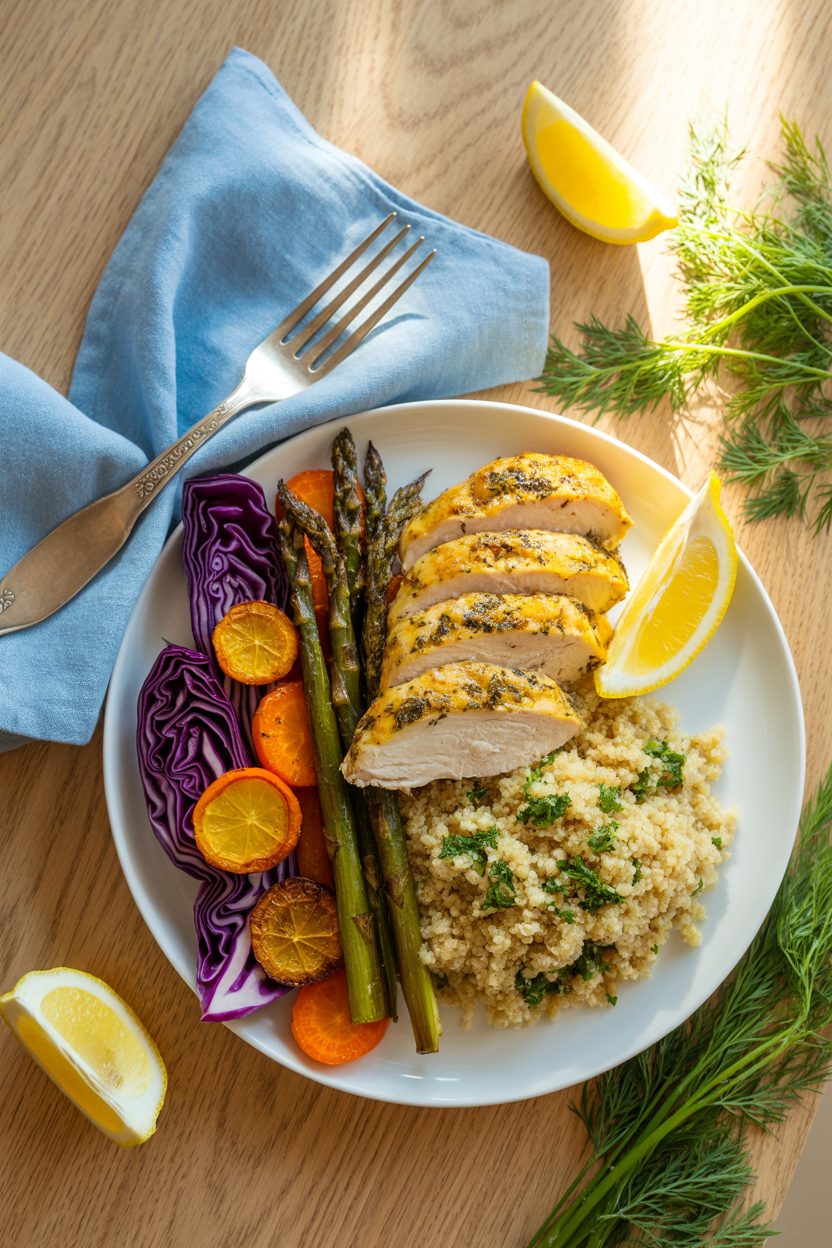
21 Low-Cholesterol, Low-Calorie Recipes That Satisfy
Here’s the reality: you’re trying to watch your cholesterol and cut calories, but you’re also trying not to hate your life. The internet is full of recipes that promise to be “healthy” but taste like regret mixed with disappointment. I’ve been there—staring at a plate of plain steamed vegetables wondering what I did to deserve this.
But here’s what I’ve learned after way too many failed attempts at “diet food”: low-cholesterol and low-calorie doesn’t have to mean flavorless or unsatisfying. You just need recipes that understand flavor comes from technique, spices, and smart ingredient choices—not from drowning everything in butter and cream.
These 21 recipes hit that sweet spot. They’re all under 400 calories, they keep cholesterol in check, and most importantly, they actually taste good. No sad desk lunches. No counting down the hours until you can eat real food again. Just meals that happen to be healthy without making a big deal about it.
Why Low-Cholesterol and Low-Calorie Actually Work Together
Let me explain why this combination makes sense. Foods that are naturally low in cholesterol—think vegetables, fruits, lean proteins, whole grains—also tend to be lower in calories. They’re nutrient-dense instead of calorie-dense, which means you get more food volume for fewer calories.
30-Day Cholesterol Reset System
A simple done-for-you plan to help you eat heart-healthy every day without confusion.
Over 1,000 people downloaded this guide
✔ 100 Easy Recipes
✔ Grocery Lists + Meal Prep Guide
🎁 FREE BONUSES:
✔ 7-Day Quick Start Plan
✔ Printable Grocery List
$29 $9
Get Instant AccessWhen you focus on lean proteins, fiber-rich vegetables, and healthy cooking methods, you automatically reduce both cholesterol and calories. You’re essentially removing the stuff that’s problematic for both issues: saturated fats, heavy oils, processed ingredients, and excessive portions.
According to research from the American Heart Association, the same dietary patterns that help manage cholesterol—emphasizing vegetables, whole grains, and lean proteins—also support healthy weight management. It’s not about restriction; it’s about choosing foods that serve multiple purposes.
Breakfast: Starting Light Without Feeling Deprived
Veggie-Packed Egg White Omelet
Three egg whites with spinach, mushrooms, tomatoes, and bell peppers clock in around 150 calories. Zero dietary cholesterol from the egg whites, tons of vegetables for volume and fiber, and enough protein to keep you satisfied until lunch.
I cook mine in a non-stick omelet pan with just a quick spray of cooking oil. The vegetables release moisture as they cook, so you don’t need much fat. Season aggressively with black pepper, garlic powder, and a pinch of red pepper flakes.
Greek Yogurt Parfait with Berries
Non-fat Greek yogurt (about 100 calories per cup) layered with fresh berries and a tablespoon of homemade granola. The yogurt brings 15+ grams of protein, berries add fiber and antioxidants, and you’re looking at around 200 calories total.
Skip the store-bought granola that’s basically candy. Make your own with oats, a tiny amount of honey, and cinnamon. You control the sugar and fat content that way.
Overnight Oats with Apple and Cinnamon
Half cup of oats, unsweetened almond milk, diced apple, cinnamon, and a touch of vanilla extract. Let it sit overnight, eat it cold in the morning. Around 250 calories with tons of soluble fiber that actively helps lower cholesterol.
The soluble fiber in oats forms a gel in your digestive system that binds to cholesterol and carries it out of your body. Science is cool like that.
For more morning options, 25 Low-Cholesterol Breakfast Ideas for Heart Health has dozens of combinations that keep calories and cholesterol in check without sacrificing flavor.
Smoothie Bowl with Spinach and Banana
Blend spinach, frozen banana, unsweetened almond milk, and a scoop of vanilla protein powder. Pour into a bowl and top with sliced strawberries and a sprinkle of chia seeds. Feels indulgent, tastes like dessert for breakfast, but it’s only about 280 calories.
The frozen banana creates a thick, ice-cream-like texture without any added sugar or fat. This is one of those tricks that makes healthy eating way easier.
Light Lunches That Actually Fill You Up
Mason Jar Salads with Lemon Vinaigrette
Layer your ingredients strategically in a mason jar: dressing on the bottom, sturdy vegetables like cucumbers and carrots next, then grains like quinoa, then leafy greens on top. When you’re ready to eat, shake it up and dump it in a bowl.
Keep the dressing simple—lemon juice, a tiny bit of olive oil, Dijon mustard, garlic, and herbs. You need way less oil than you think when you’ve got acid and mustard emulsifying everything. Total calories around 300-350 depending on what you include.
These wide-mouth mason jars are perfect for meal prep. Make five on Sunday, grab one each morning. Game changer.
Turkey and Veggie Lettuce Wraps
Skip the tortilla, use butter lettuce leaves as your wrap. Fill with sliced turkey breast, shredded carrots, cucumber, bell pepper strips, and a drizzle of low-sodium soy sauce mixed with rice vinegar and a tiny amount of sesame oil.
Turkey breast is one of the leanest proteins available. Paired with all those vegetables, you’re getting tons of volume and crunch for minimal calories—usually under 200 for a satisfying lunch.
Vegetable and Lentil Soup
Lentils are magical. They’re packed with protein and fiber, they’re filling, and they’re ridiculously low in calories. Make a big pot with vegetable broth, diced tomatoes, carrots, celery, onions, garlic, and whatever spices you’re feeling.
A huge bowl of this soup is around 250 calories. The fiber keeps you full for hours, and the lentils provide plant-based protein without any cholesterol. Make a batch on Sunday and eat it all week.
Speaking of soups, 21 Low-Cholesterol Soups and Stews for Any Season has variations for every taste and season. Some are brothy and light, others are thick and hearty—all keeping calories and cholesterol reasonable.
Zucchini Noodles with Marinara and Turkey Meatballs
Spiralize zucchini, lightly sauté it (or eat it raw if you’re into that), top with marinara sauce and a few small turkey meatballs. The zucchini noodles are basically free calories—a huge plate is maybe 50 calories—so you can eat until you’re stuffed.
The turkey meatballs keep it lean. Mix ground turkey with breadcrumbs, egg white, garlic, Italian herbs, and bake them. Three meatballs plus sauce plus a mountain of zucchini noodles is usually under 350 calories.
Dinners That Don’t Feel Like Diet Food
Baked Cod with Roasted Brussels Sprouts
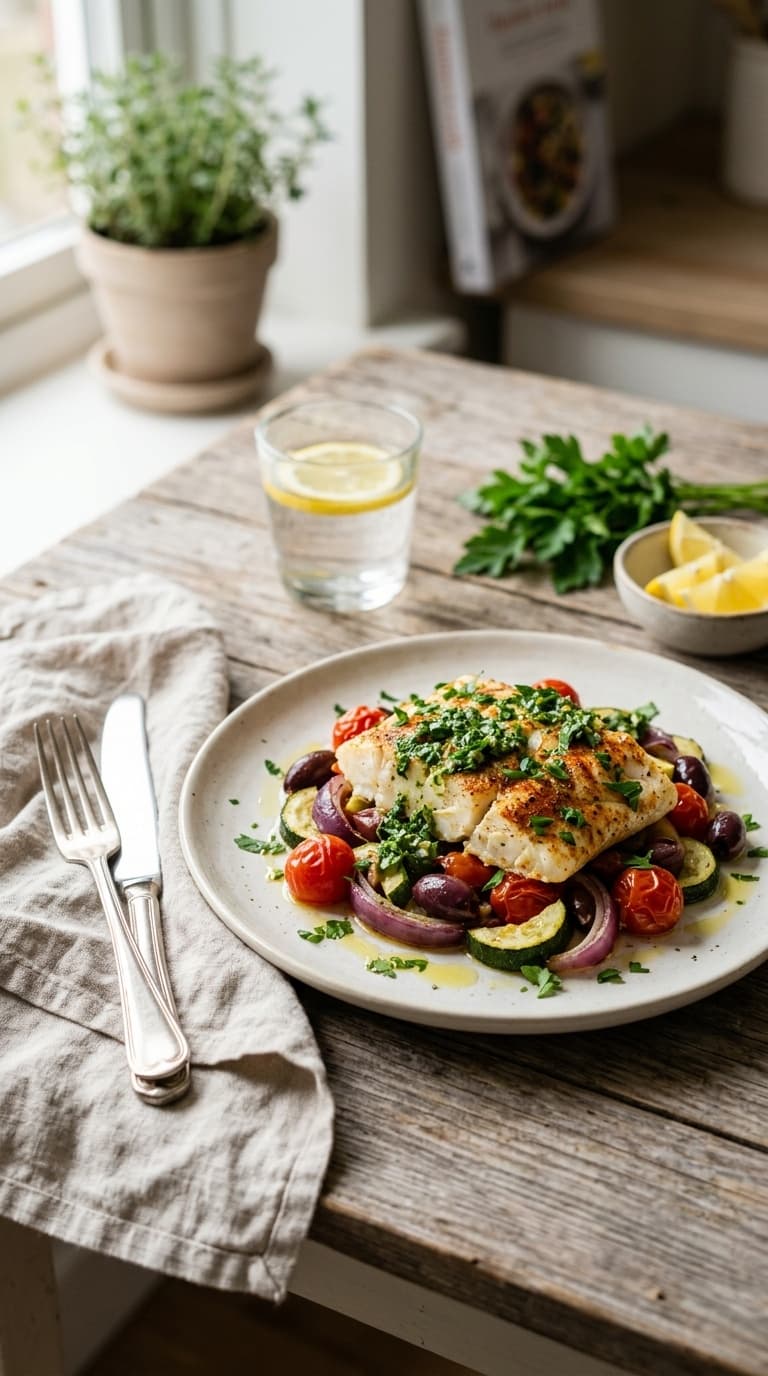
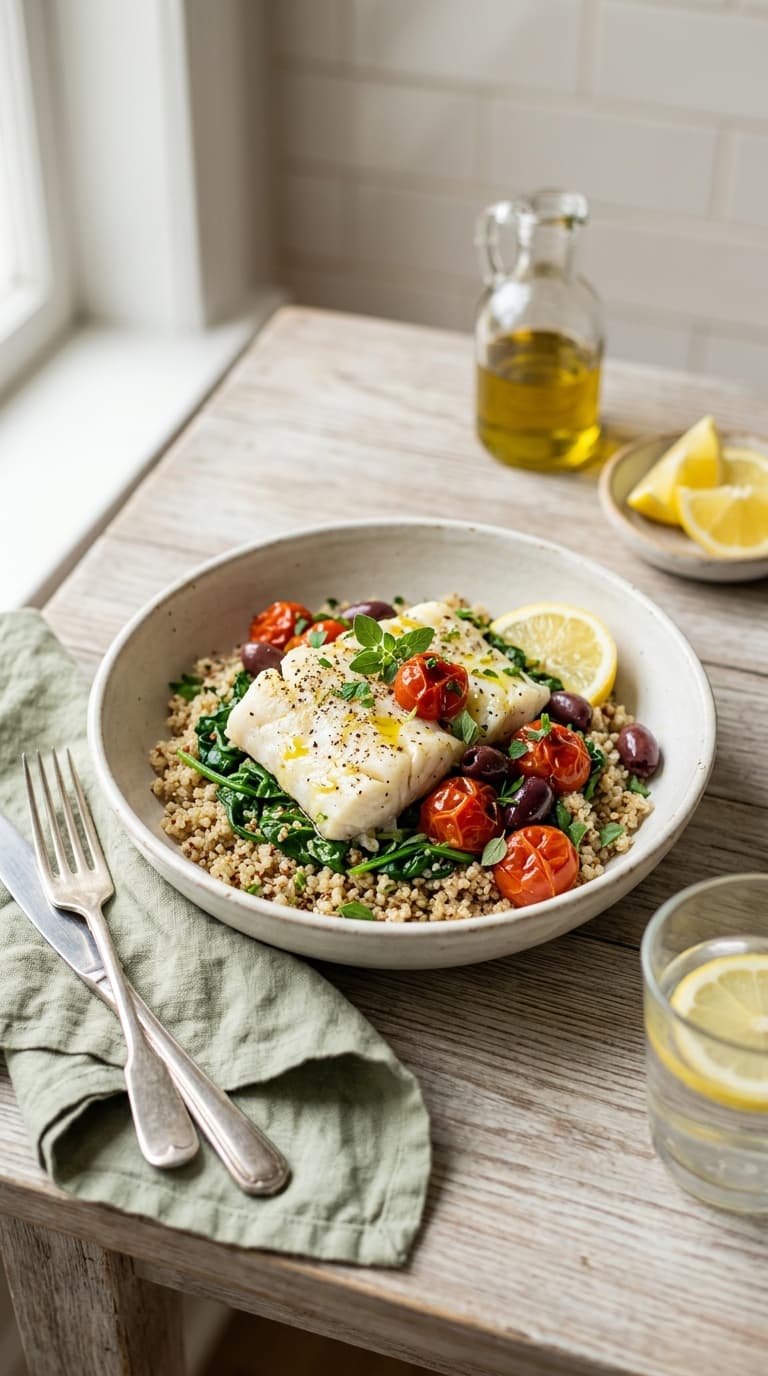
Cod is a mild white fish that’s high in protein and incredibly low in calories and fat. A 6-ounce piece is around 150 calories. Season it with lemon, garlic, and dill, then bake it.
Roast Brussels sprouts alongside with just a light spray of oil, salt, and pepper. They caramelize and get crispy on the edges. The whole meal—generous portions—comes in around 300-350 calories.
I use this fish spatula for flipping delicate fish without it falling apart. Sounds specific, but it actually matters when you’re trying to make cod look presentable.
Grilled Chicken Breast with Cauliflower Rice Stir-Fry
Marinate chicken breast in lime juice, garlic, and cumin. Grill it while you stir-fry cauliflower rice with loads of vegetables—snap peas, carrots, bell peppers, onions. Season with ginger, garlic, and a splash of low-sodium soy sauce.
Cauliflower rice is one of those swaps that’s actually worth it. You can eat a massive portion for minimal calories, and when you season it properly, it’s legitimately good. The whole meal usually lands around 350 calories.
Sheet Pan Shrimp and Vegetables
Toss shrimp with cherry tomatoes, zucchini, red onion, and bell peppers. Season everything with paprika, garlic powder, and a squeeze of lemon. Roast on a sheet pan at high heat until the shrimp are cooked and the vegetables are charred.
Shrimp are almost pure protein with minimal calories—about 30 calories per ounce. Load up your plate with vegetables, add the shrimp, and you’re looking at a 300-calorie dinner that doesn’t leave you hungry an hour later.
For more inspiration in this category, 21 Low-Cholesterol One-Pan Dinners for Easy Nights makes weeknight cooking so much easier. Less cleanup, more flavor, same health benefits.
Turkey Chili with Loads of Beans
Ground turkey, three types of beans (black, kidney, pinto), tons of tomatoes, peppers, onions, and chili spices. Make a huge pot. Each bowl is packed with protein and fiber but still stays around 300-350 calories.
The beans are doing a lot of heavy lifting here. They add substance and creaminess without any fat, plus they’re loaded with soluble fiber that helps manage cholesterol. This is comfort food that happens to be healthy.
Baked Salmon with Asparagus
A 4-ounce salmon fillet has about 200 calories and provides those omega-3 fatty acids that actually improve your cholesterol profile. Bake it with lemon and herbs, serve with roasted asparagus.
Asparagus is naturally low-calorie and high-fiber. Roast it with just a spritz of oil and some garlic. The whole meal is satisfying, feels fancy, and clocks in around 300 calories.
Satisfying Vegetarian Options
Stuffed Bell Peppers with Quinoa and Black Beans
Cut bell peppers in half, remove seeds, and stuff them with a mixture of cooked quinoa, black beans, diced tomatoes, corn, and taco seasoning. Bake until the peppers are tender.
Each stuffed pepper half is around 200 calories but feels like a complete meal. The combination of quinoa and beans provides complete protein, and the bell pepper itself adds volume and nutrients without adding calories.
Chickpea and Vegetable Curry
Simmer chickpeas in light coconut milk with curry spices, tomatoes, spinach, and cauliflower. Serve over a small portion of brown rice or just eat it as a stew.
Chickpeas bring protein and fiber. The light coconut milk gives you that creamy texture without the calorie bomb of regular coconut milk. A generous serving is around 350 calories.
If you’re into plant-based meals, 25 Low-Cholesterol Vegetarian Meals You’ll Crave proves that meatless doesn’t mean boring or unsatisfying. Some of the most flavorful meals on the planet happen to be vegetarian.
Eggplant Parmesan (Lightened Up)
Slice eggplant, brush lightly with oil, and bake until tender. Layer with marinara sauce and just a small amount of part-skim mozzarella. Bake until bubbly.
Traditional eggplant parm is breaded and fried, which destroys the calorie count. This version skips the breading and frying but keeps all the flavor. You’re looking at around 300 calories per serving instead of 700+.
Lentil and Vegetable Shepherd’s Pie
Use lentils instead of ground meat for the filling. Load it with carrots, peas, corn, and onions in a savory gravy. Top with mashed cauliflower instead of mashed potatoes.
This is one of those meals that feels indulgent but is secretly packed with fiber and protein while staying around 350 calories. The cauliflower mash is surprisingly good when you season it properly with garlic and herbs.
Snacks and Light Bites
Roasted Chickpeas
Drain and rinse canned chickpeas, toss with spices, roast until crispy. These are crunchy, satisfying, and about 120 calories per half-cup serving. Way better for you than chips.
I make different flavor versions—everything bagel, BBQ, ranch, spicy curry. Store them in an airtight container and they stay crispy for days. These spice shaker bottles make it easy to season evenly without clumps.
Cucumber Boats with Tuna Salad
Cut cucumbers in half lengthwise, scoop out the seeds to create a boat shape. Fill with tuna mixed with plain Greek yogurt, diced celery, and herbs.
The cucumber provides crunch and volume with almost no calories. The tuna salad made with Greek yogurt instead of mayo keeps it high-protein and low-fat. Two boats are usually around 150 calories.
Air-Popped Popcorn with Nutritional Yeast
Three cups of air-popped popcorn is only about 90 calories. Spray lightly with olive oil mist and sprinkle with nutritional yeast, which gives it a cheesy flavor without any actual cheese.
This is the snack that saves me when I want something crunchy and salty at night. It’s voluminous, so you feel like you’re eating a lot, but the calories are minimal.
For more ideas in this department, 25 Low-Cholesterol Snacks That Support Heart Health has everything from quick bites to more involved options that won’t derail your goals.
Frozen Grapes
Literally just wash grapes and freeze them. They taste like little sorbet balls and take forever to eat because they’re frozen. A cup of grapes is only about 60 calories, and when they’re frozen, they feel like a treat.
This sounds too simple to work, but trust me. Frozen grapes hit different.
Cooking Techniques That Cut Calories Without Cutting Flavor
Grilling and Broiling
Both methods allow fat to drip away from food while adding flavor through caramelization and char. You’re not adding any cooking fat, but you’re getting tons of flavor development.
Grilling works for proteins, vegetables, even fruit. The high heat creates those complex flavors that make food satisfying.
Roasting at High Heat
Roasting vegetables at 425°F or higher brings out their natural sugars and creates crispy, caramelized edges. You need minimal oil—just a light spray—and the vegetables do the rest.
This is why roasted vegetables are so much better than steamed. The caramelization adds depth and sweetness that makes them actually crave-worthy.
Using Broth Instead of Oil for Sautéing
You can sauté onions, garlic, and other vegetables in a few tablespoons of broth instead of oil. You still get the sautéed flavor and softened texture, but you save the 120 calories per tablespoon that oil would add.
According to guidelines from the Mayo Clinic, reducing added fats while maintaining flavor through herbs, spices, and proper cooking techniques is key to both heart health and weight management.
Baking Instead of Frying
Anything you would normally fry can be baked with similar results if you do it right. Coat food lightly in breadcrumbs or panko, spray with cooking spray, and bake at high heat.
You get crispy exteriors without submerging food in oil. The calorie savings are massive—we’re talking hundreds of calories per serving.
Flavor Without the Calories
Spices and Dried Herbs
Zero calories, infinite flavor possibilities. Build a collection of spices and you’ll never eat boring food again. Cumin, paprika, curry powder, Italian seasoning, za’atar, everything bagel seasoning—they all transform simple ingredients.
I keep my spices in these magnetic tins on the side of my fridge. Makes them visible so I actually use them instead of forgetting they exist in a dark cabinet.
Fresh Citrus
Lemon, lime, and orange zest and juice add brightness and acidity with virtually no calories. Squeeze lemon over vegetables, fish, chicken, grain bowls—everything benefits.
The acid balances flavors and makes food taste more complex and interesting. It’s the secret weapon of healthy cooking.
Vinegars
Balsamic, red wine, apple cider, rice—vinegars add tang and depth without calories. Use them in dressings, drizzle over roasted vegetables, add to marinades.
A good balsamic reduction (just balsamic vinegar simmered until thick) makes everything feel fancy. Drizzle it over roasted vegetables or grilled chicken and suddenly your healthy dinner looks restaurant-quality.
Hot Sauce and Sriracha
Heat wakes up your taste buds and makes food more satisfying. Hot sauce has basically zero calories and can transform bland protein or vegetables into something you actually want to eat.
I put hot sauce on eggs, in soups, on roasted chickpeas, mixed into dressings—it’s versatile and effective.
Meal Prep Strategies for Success
Batch Cook Proteins
Grill or bake several chicken breasts, turkey burgers, or salmon fillets at once. Store them in the fridge and use throughout the week in different meals.
Having protein ready to go makes assembling meals ridiculously easy. You’re way more likely to stick with healthy eating when the work is already done.
Pre-Chop Vegetables
Wash, chop, and store vegetables in containers. When everything’s ready to go, you’re more likely to use it. Plus, you can grab raw vegetables as snacks when they’re already prepared.
These vegetable storage containers have vents to keep produce fresh longer. Worth it when you’re trying to reduce food waste.
Make Big Batches of Soup or Chili
Both freeze well and provide easy lunches or dinners. Make a huge pot on Sunday, portion it out, freeze what you won’t eat this week.
Having healthy meals in your freezer is insurance against those nights when you don’t want to cook. You’re not stuck choosing between cooking from scratch or ordering takeout.
For comprehensive meal prep guidance, 25 Low-Cholesterol Meal Prep Ideas for the Week walks you through exactly how to set yourself up for success without spending your entire weekend in the kitchen.
Use Your Slow Cooker or Instant Pot
Both appliances let you dump ingredients in and walk away. Come back to a fully cooked meal. Perfect for soups, stews, chilis, and braised proteins.
The Instant Pot is especially clutch for beans and lentils. You can cook dried beans in 30 minutes without any soaking. That’s how I always have cooked beans ready for salads, soups, or grain bowls.
Smart Substitutions That Save Calories
Cauliflower for Starchy Vegetables
Cauliflower rice, cauliflower mash, cauliflower pizza crust—it’s not trying to be the original, but it serves a similar purpose with way fewer calories. A cup of cauliflower rice has about 25 calories versus 200+ for regular rice.
Zucchini Noodles for Pasta
We’ve covered this, but it’s worth repeating. Spiralized zucchini gives you the noodle experience with minimal calories. A huge plate of zucchini noodles is maybe 50 calories versus 200+ for pasta.
Greek Yogurt for Sour Cream and Mayo
Non-fat Greek yogurt has protein, minimal calories, and works in almost any recipe calling for sour cream or mayonnaise. Same creamy texture, completely different nutritional profile.
Mashed Banana or Applesauce for Oil in Baking
In muffins, quick breads, and some cakes, you can replace oil with mashed banana or unsweetened applesauce. You save hundreds of calories while adding fiber and moisture.
The texture is slightly different—more cake-like, less fluffy—but for healthy baking, it’s a solid trade.
Dining Out Without Derailing Everything
Order Extra Vegetables
Most restaurants will substitute vegetables for fries or rice if you ask. Double vegetables as your side keeps your meal lower in calories while adding fiber.
Ask for Dressing and Sauce on the Side
Restaurant portions of dressing and sauce are usually excessive. When it comes on the side, you control how much you use. Usually you need way less than they would have given you.
Split an Entrée or Take Half Home
Restaurant portions are huge. Plan to share or immediately ask for a to-go box and put half away before you start eating. You save money and calories.
Choose Grilled, Baked, or Steamed Preparations
Skip anything described as “crispy,” “breaded,” “fried,” or “creamy.” Look for grilled, baked, steamed, or roasted options. The preparation method makes a massive difference in calories.
Managing Hunger and Satisfaction
Eat Enough Protein at Each Meal
Protein is the most sating macronutrient. Aim for 20-30 grams at each meal to keep hunger manageable. When you skip protein, you end up hungry an hour later.
Load Up on Non-Starchy Vegetables
You can eat huge amounts of vegetables like broccoli, cauliflower, zucchini, bell peppers, leafy greens, and mushrooms without consuming many calories. They provide volume and fiber that fills you up.
Drink Water Before and During Meals
Sometimes thirst masquerades as hunger. Drinking water before meals can help you feel more satisfied with less food. Plus, staying hydrated just makes everything work better.
Get yourself a good water bottle that you actually like carrying around. It makes a difference in whether you consistently drink enough water.
Eat Slowly and Mindfully
It takes about 20 minutes for your brain to register fullness. Eating slowly gives your body time to send satiety signals before you’ve overeaten.
Put your fork down between bites. Chew thoroughly. Have a conversation. All these little habits help you eat less without feeling deprived.
Dealing with Cravings
Plan for Treats
If you know you’re going to want something indulgent, plan for it. Eat your lower-calorie meals earlier in the day so you have room for a treat without blowing your goals.
Deprivation doesn’t work long-term. Building in flexibility does.
Keep Healthy Alternatives Ready
When you want something crunchy, have roasted chickpeas or air-popped popcorn ready. When you want something sweet, have frozen fruit or dark chocolate squares available.
You’re less likely to make poor choices when you have satisfying alternatives within reach.
Distract Yourself
Sometimes cravings are just boredom or stress. Go for a walk, call a friend, do something with your hands. Often the craving passes if you wait 15-20 minutes.
Have a Small Amount of What You Actually Want
Sometimes it’s better to have a small portion of what you’re craving rather than eating everything else in the house trying to satisfy it. Two squares of chocolate are better than a whole pint of low-calorie ice cream that doesn’t really hit the spot.
Understanding What 400 Calories Actually Looks Like
This is important because calorie counts are abstract until you see them in context. Here’s what 400 calories can give you:
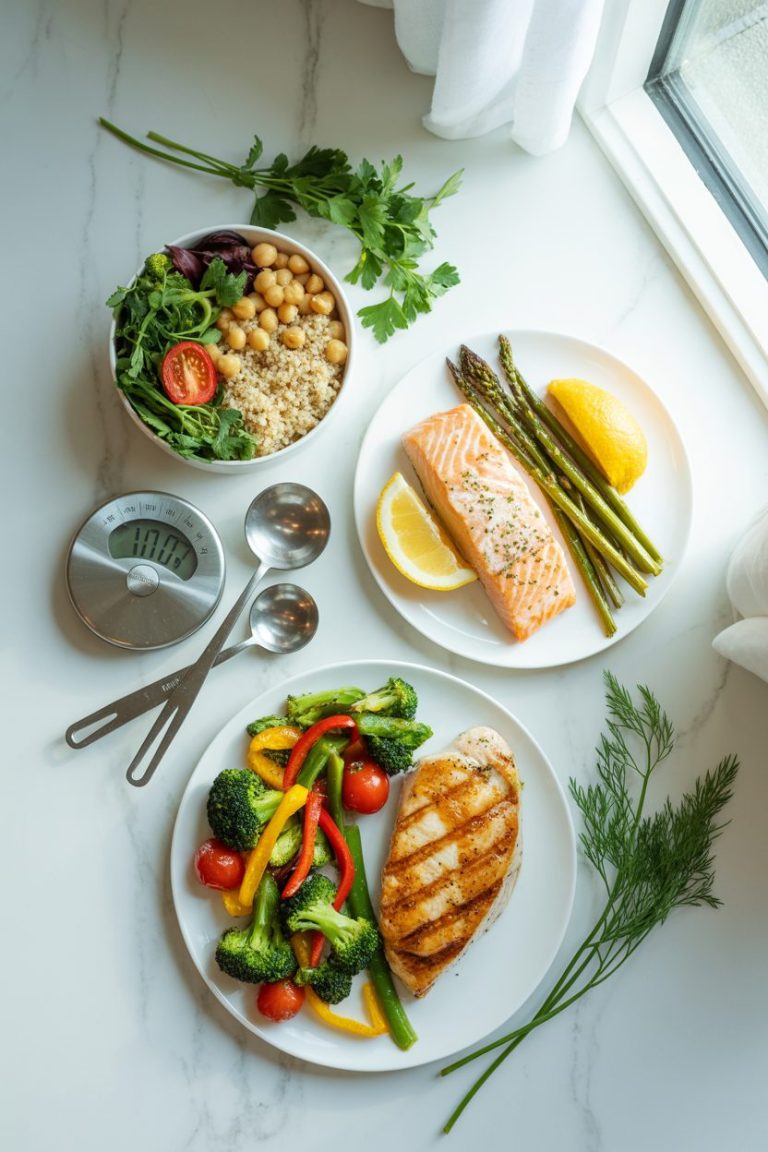
Option 1: A small fast food burger, fries, and a soda Option 2: Grilled salmon, roasted vegetables, quinoa, side salad, and fresh fruit
Same calories. Wildly different satiety, nutrition, and impact on cholesterol. The second option gives you way more food volume, more protein, more fiber, more nutrients—everything that keeps you full and supports your health goals.
When you choose nutrient-dense, low-cholesterol foods, your 400 calories go so much further. You can eat until you’re comfortably full instead of feeling like you’re rationing tiny portions.
Related Recipes You’ll Love
Looking for more inspiration? Here are some recipes that complement what we’ve covered:
Complete Meal Collections: 25 Low-Cholesterol Meals That Are Actually Delicious 21 Low-Cholesterol Dinners You’ll Want to Make Again 25 Heart-Healthy Meals Under 400 Calories
More Meal-Specific Ideas: 20 Low-Cholesterol Lunches That Keep You Full 20 Low-Cholesterol Chicken Recipes Packed with Flavor
Natural Cholesterol Support: 25 Foods That Naturally Lower Cholesterol
Final Thoughts
Low-cholesterol, low-calorie cooking isn’t about suffering through bland food or feeling hungry all the time. It’s about learning which ingredients and techniques give you maximum flavor and satisfaction for minimal calories and cholesterol impact.
The recipes I’ve shared work because they focus on what you can eat—tons of vegetables, lean proteins, whole grains, herbs, spices—rather than obsessing over what you can’t have. When you approach it that way, healthy eating stops feeling like deprivation and starts feeling like taking care of yourself.
Start with a few recipes that sound good to you. Master those. Then add more variety as you get comfortable. You don’t need to overhaul everything at once. Small, consistent changes add up to significant results over time.
And honestly? Once you start feeling better, sleeping better, and seeing your cholesterol numbers improve, this way of eating stops being something you have to force yourself to do. It becomes what you want to do because you like how it makes you feel. That’s when you know you’ve found something sustainable.
30-Day Cholesterol-Lowering Meal Plan
A simple step-by-step system to help you eat heart-healthy every day without stress.
Over 1,000 people downloaded this guide
$29$9
Get Instant Access