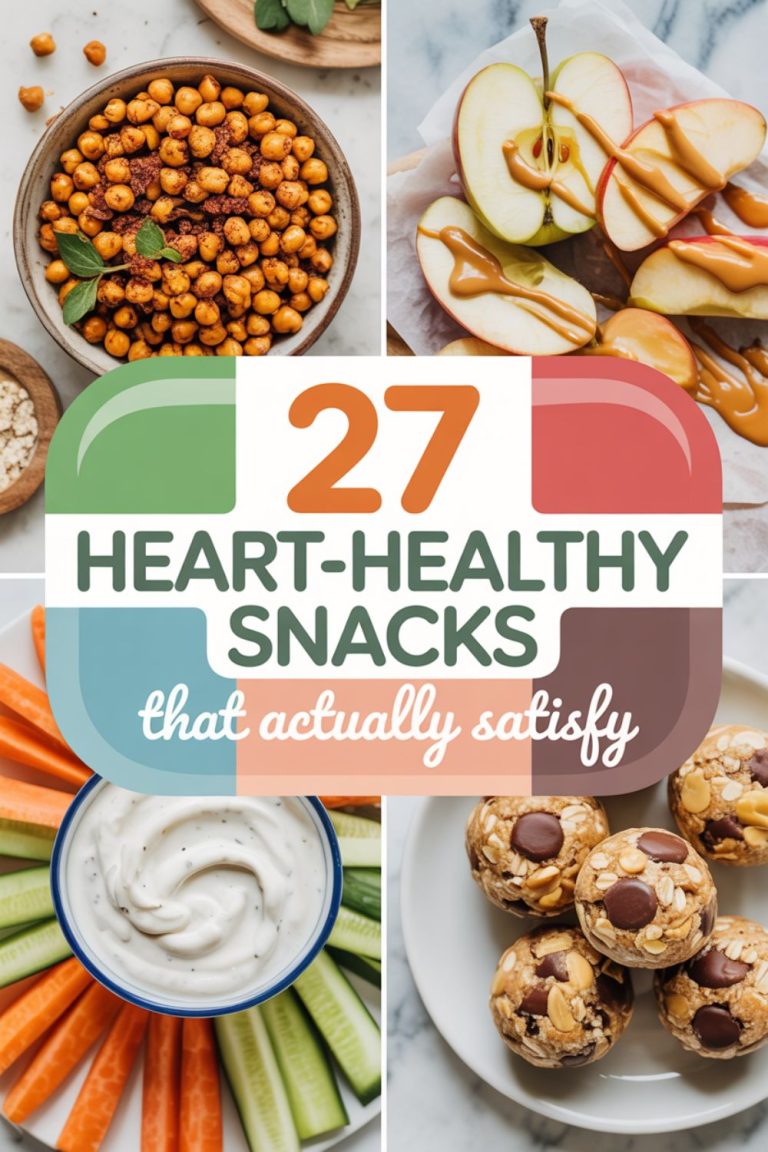

15 Spring Snacks That Support Cholesterol Control
I’m not going to bore you with lectures about LDL and HDL—you’ve heard it all before. What I will tell you is that the snacks you’re about to discover make cholesterol control feel less like a restriction and more like an upgrade. We’re talking crispy, crunchy, sweet, savory, and satisfying bites that happen to be packed with fiber, healthy fats, and all the good stuff your heart loves.
And here’s the thing: spring produce is naturally designed to support heart health. Those vibrant greens? Loaded with nutrients. Fresh berries? Antioxidant powerhouses. Crunchy radishes and snap peas? Fiber bombs wrapped in crunch. You don’t need to force yourself to eat cardboard crackers when nature’s doing all the heavy lifting.

Why Spring Snacks Are Perfect for Cholesterol Control
Spring vegetables and fruits are fiber-rich, low in saturated fat, and high in the kinds of nutrients that actively help manage cholesterol levels. According to Mayo Clinic research, soluble fiber—found in foods like oats, apples, and beans—can reduce cholesterol absorption into your bloodstream. Five to ten grams of solable fiber daily can lower LDL cholesterol significantly.
What makes spring snacks special is their natural freshness. You’re not fighting against canned or frozen vegetables trying to make them appealing. Fresh snap peas taste incredible just rinsed and eaten raw. Strawberries don’t need sugar when they’re peak-season sweet. Radishes bring that satisfying crunch and peppery bite without any effort.
30-Day Cholesterol Reset System
A simple done-for-you plan to help you eat heart-healthy every day without confusion.
Over 1,000 people downloaded this guide
✔ 100 Easy Recipes
✔ Grocery Lists + Meal Prep Guide
🎁 FREE BONUSES:
✔ 7-Day Quick Start Plan
✔ Printable Grocery List
$29 $9
Get Instant AccessPlus, seasonal eating means you’re getting produce at its nutritional peak. Antioxidants, vitamins, and phytonutrients are highest when fruits and vegetables are harvested at the right time. That translates to better heart health, better cholesterol management, and honestly, better flavor.
1. Snap Peas with Lemon Herb Hummus
Snap peas are spring’s answer to chips—crunchy, satisfying, and you can eat them by the handful without guilt. They’re loaded with fiber and vitamin C, and when you dip them in creamy homemade hummus, you’re adding plant-based protein and healthy fats from tahini and olive oil.
Making hummus at home is absurdly easy if you have a decent food processor. Chickpeas, tahini, lemon juice, garlic, and a drizzle of olive oil—blend until smooth. I like adding fresh herbs in spring: basil, parsley, or dill give it a bright, garden-fresh flavor that store-bought versions just don’t have.
The fiber in chickpeas specifically helps lower LDL cholesterol by binding to it in your digestive system and escorting it out before it hits your bloodstream. It’s like your snack is doing the work for you.
If you’re looking for even more ways to incorporate heart-healthy ingredients into your routine, check out these low-cholesterol snacks that support heart health for tons of easy, delicious options.
2. Fresh Strawberries with Dark Chocolate Drizzle
Spring strawberries are absurdly sweet on their own, but if you want to make them feel like a treat, melt some dark chocolate and drizzle it over them. Use chocolate that’s at least 70% cocoa—it’s lower in sugar and rich in antioxidants that support cardiovascular health.
Strawberries are high in pectin, a type of soluble fiber that Harvard Health notes can help lower LDL cholesterol. They’re also packed with anthocyanins, which reduce inflammation and improve blood vessel function.
I keep a bar of 85% dark chocolate in my pantry specifically for this. You don’t need much—just melt a few squares in a double boiler or microwave, drizzle over sliced strawberries, and let them set in the fridge for ten minutes. It’s fancy enough for guests but easy enough for a random Tuesday.
3. Avocado Toast on Whole Grain Crackers
Yes, avocado toast is everywhere, but there’s a reason it became a thing. Avocados are loaded with monounsaturated fats—the kind that actively lower LDL cholesterol while maintaining your HDL levels. They’re creamy, filling, and genuinely satisfying.
Instead of bread, I use whole grain crackers—they’re easier to portion, stay crispy, and you can customize each bite. Mash half an avocado with a squeeze of lemon, a pinch of sea salt, and some red pepper flakes. Spread it on crackers and top with sliced radishes or cherry tomatoes for extra crunch and color.
Avocados also keep you full longer, which means you’re less likely to reach for less-healthy snacks later. That sustained energy is clutch when you’re trying to make better choices consistently.
4. Roasted Chickpeas with Paprika and Garlic
If you miss the satisfying crunch of chips, roasted chickpeas are about to change your snack game. Drain and rinse a can of chickpeas, toss them with olive oil, smoked paprika, garlic powder, and a little salt, then roast at 400°F for about 30 minutes until crispy.
Chickpeas are fiber powerhouses—one cup delivers around 12 grams, which is almost half your daily recommended intake. That fiber binds to cholesterol in your gut and helps flush it out. Plus, they’re a complete protein source, meaning they contain all nine essential amino acids.
I make a big batch on Sunday and store them in an airtight container. They stay crispy for about three days, which is perfect for grabbing a handful when you need something crunchy mid-afternoon.
For more filling options that won’t spike your cholesterol, these low-cholesterol lunches that keep you full are total lifesavers during busy weeks.
5. Radish Slices with Herbed Goat Cheese
Radishes are criminally underrated. They’re peppery, crunchy, and pair incredibly well with creamy cheese. I use a small amount of herbed goat cheese—just enough to balance the bite of the radish without overdoing the saturated fat.
Radishes are low-calorie, high-fiber, and contain compounds that support liver function, which plays a role in cholesterol metabolism. They’re also ridiculously easy to prep—just slice them thin and you’re done.
If goat cheese isn’t your thing, try a cashew-based cream cheese instead. It’s dairy-free, still creamy, and has heart-healthy fats from the nuts. Either way, this snack feels indulgent but clocks in at under 100 calories per serving.
6. Edamame Pods with Sea Salt
Edamame is one of those snacks where you can’t believe something this simple tastes this good. Buy them frozen, steam or boil for five minutes, sprinkle with coarse sea salt, and you’re done. The ritual of popping the beans out of the pods makes it feel more satisfying, and you naturally eat slower.
Soy protein has been shown to modestly reduce LDL cholesterol levels. It’s not a magic bullet, but combined with other heart-healthy choices, it adds up. Edamame also provides fiber, folate, and plant-based protein, making it a solid snack when you need something more substantial.
I keep a bag of frozen edamame in my freezer at all times. It’s the kind of snack that saves you when you’re starving and don’t want to make terrible decisions out of desperation.
7. Apple Slices with Almond Butter
This is a classic for a reason. Apples are rich in pectin, a soluble fiber that helps reduce cholesterol absorption. Almond butter adds healthy fats, protein, and a creamy richness that makes the whole thing feel like a treat.
I use unsweetened almond butter—the kind where the only ingredient is almonds. Store-bought versions often sneak in sugar and palm oil, which defeats the purpose. Spread it on apple slices or just dip straight into the jar if you’re not feeling fancy.
Almonds specifically have been shown to lower LDL cholesterol. A study found that eating about 1.5 ounces of almonds daily can reduce LDL by up to 5%. That’s the equivalent of a couple tablespoons of almond butter, which pairs perfectly with one medium apple.
Speaking of breakfast ideas that support heart health, you’ll love these low-cholesterol breakfast ideas—perfect for starting your day right.
8. Cucumber Rounds with Smoked Salmon
This snack feels like something you’d serve at a fancy brunch, but it takes about three minutes to make. Slice cucumbers into thick rounds, top each with a small piece of smoked salmon, and finish with a squeeze of lemon and fresh dill.
Salmon is loaded with omega-3 fatty acids, which don’t directly lower LDL but do reduce triglycerides and inflammation—both major factors in heart disease. The Mayo Clinic recommends eating fatty fish like salmon at least twice a week for optimal heart health.
Cucumbers add hydration and crunch without any calories to speak of. This snack is perfect when you want something light but satisfying, especially on warmer spring days.
9. Greek Yogurt with Fresh Mint and Berries
Greek yogurt is higher in protein than regular yogurt and lower in sugar, making it a better choice for managing cholesterol. I buy plain, unsweetened Greek yogurt and add my own flavors—fresh mint, berries, and a tiny drizzle of honey if I’m feeling it.
Berries are antioxidant bombs. Blueberries, raspberries, and strawberries all contain compounds that improve cholesterol levels and reduce oxidative stress. Plus, the fiber in berries slows sugar absorption, keeping your blood sugar stable and your cravings in check.
I use a small mason jar to layer yogurt, berries, and mint for an easy grab-and-go snack. It feels fancy, tastes fresh, and takes zero effort.
10. Whole Grain Crackers with White Bean Dip
White bean dip is like hummus’s underrated cousin—creamy, garlicky, and ridiculously easy to make. Blend canned white beans with garlic, lemon juice, olive oil, and a pinch of salt. The result is a smooth, protein-packed dip that pairs perfectly with whole grain crackers.
White beans are high in soluble fiber and resistant starch, both of which help lower LDL cholesterol. They’re also incredibly filling, which means a small serving goes a long way in curbing hunger.
I make this in my mini food processor in under five minutes. It keeps in the fridge for about five days, and it’s one of those snacks that actually gets better after a day or two as the flavors meld together.
11. Roasted Asparagus Spears
Asparagus screams spring, and roasting it brings out a sweet, nutty flavor that’s addictive. Toss spears with olive oil, salt, and pepper, then roast at 425°F for about 15 minutes until the tips get crispy and slightly charred.
Asparagus is loaded with folate, fiber, and antioxidants that support cardiovascular health. It’s also a natural diuretic, which helps reduce bloating and makes you feel lighter overall.
I eat these straight off a baking sheet—no plate necessary. They’re best warm, but honestly, they’re still good at room temperature if you want to prep them ahead.
If you’re into meal prepping snacks and meals for the entire week, these low-cholesterol meal prep ideas will set you up for success without the stress.
12. Cherry Tomatoes with Basil and Balsamic
This snack is what I make when I want something fresh and flavorful without any actual cooking. Halve cherry tomatoes, toss them with torn basil leaves, a drizzle of balsamic vinegar, and a tiny pinch of flaky sea salt.
Tomatoes are rich in lycopene, an antioxidant that’s been linked to lower LDL cholesterol levels and reduced risk of heart disease. Balsamic vinegar adds a sweet-tart punch without added sugar, and basil brings a fresh, aromatic quality that makes the whole thing feel restaurant-worthy.
I serve this in a small ceramic bowl and eat it with toothpicks. It’s perfect for mindless snacking that’s actually good for you.
13. Walnut and Date Energy Bites
Energy bites are the ultimate make-ahead snack. Blend walnuts, dates, a pinch of cinnamon, and a tiny bit of vanilla extract in a food processor until sticky. Roll into balls and store in the fridge.
Walnuts are one of the best nuts for heart health—they’re packed with omega-3 fatty acids, which help reduce inflammation and improve cholesterol profiles. Dates add natural sweetness and binding power without any refined sugar.
I make a batch of these in my mini blender and keep them in the fridge for up to two weeks. They’re perfect for when you need something sweet but don’t want to derail your cholesterol management efforts.
14. Sugar Snap Peas with Tahini Drizzle
If regular snap peas feel too plain, drizzle them with tahini thinned out with lemon juice and a splash of water. The result is a creamy, nutty coating that makes the peas feel way more indulgent than they actually are.
Tahini is made from sesame seeds, which are high in healthy fats and lignans—compounds that have been shown to improve cholesterol levels. The combination of fiber from the peas and healthy fats from the tahini keeps you satisfied for hours.
I use organic tahini because the flavor is noticeably better. You can also add garlic or cumin to the drizzle if you want to switch things up.
15. Sliced Pears with Ricotta and Honey
This snack straddles the line between sweet and savory in the best way. Slice a ripe pear, spread a thin layer of part-skim ricotta on each slice, and finish with a tiny drizzle of honey and a sprinkle of cinnamon.
Pears are another fruit high in pectin, making them excellent for cholesterol management. Ricotta is lower in fat than most cheeses, and using part-skim keeps saturated fat in check while still giving you that creamy, indulgent texture.
I buy raw local honey from the farmers’ market—it has more antioxidants than processed honey and adds a floral sweetness that complements the pear perfectly.
For more ideas that combine comfort with heart health, try these low-cholesterol comfort foods made healthy—they prove you don’t have to sacrifice flavor for better cholesterol numbers.
Kitchen Tools That Make These Snacks Easier
Having the right tools makes snack prep so much less annoying. Here’s what I actually use on repeat:
Perfect for blending hummus, white bean dip, or energy bites in under a minute. I use mine at least three times a week.
These keep prepped veggies fresh and crisp for days. No more soggy snap peas or wilted herbs.
For roasting chickpeas or asparagus without sticking. Zero scrubbing, zero wasted food.
A simple digital guide that helps you plan weekly snacks and meals that support heart health. Takes the guesswork out of what to prep.
Over 50 snack recipes specifically designed for cholesterol control. Includes nutrition breakdowns and shopping lists.
A printable guide showing which spring produce is best for heart health, when to buy it, and how to store it for maximum freshness.
How to Build a Snack Routine That Actually Sticks
The best snacks in the world don’t matter if you don’t actually eat them. The key is making them visible and accessible. I keep washed and prepped veggies in clear containers at eye level in my fridge. Out of sight, out of mind is real—so don’t hide the good stuff behind leftovers.
I also portion nuts and energy bites into small containers so I can grab one on my way out the door. It removes the decision-making when you’re already rushed, which is when bad choices tend to happen.
Another trick: rotate your snacks. Eating the same thing every day gets boring fast. Pick three or four snacks from this list each week and rotate through them. That way you get variety without decision fatigue.
Looking for complete, balanced meals that support cholesterol management? These low-cholesterol meals that are actually delicious make weeknight dinners way less stressful.
The Truth About “Good” vs. “Bad” Fats
Not all fats are created equal, and spring snacks are a perfect way to understand this in practice. Monounsaturated and polyunsaturated fats—found in avocados, nuts, olive oil, and fatty fish—actively lower LDL cholesterol and protect your heart. Saturated fats from butter, fatty meats, and full-fat dairy? Those raise LDL.
Trans fats, which used to lurk in processed snacks and baked goods, are the worst of all. Thankfully, they’re mostly banned now, but it’s still worth checking labels. If you see “partially hydrogenated oil” listed, put it back on the shelf.
The snacks on this list prioritize the good fats. You’re getting healthy fat from tahini, almond butter, walnuts, and olive oil—all of which support cardiovascular health instead of working against it.
When Fresh Isn’t an Option
Spring produce is incredible, but let’s be realistic—it’s not always available or affordable. Frozen vegetables and fruits are just as nutritious as fresh, and sometimes even more so because they’re frozen at peak ripeness.
I keep frozen edamame, berries, and snap peas in my freezer year-round. They’re perfect for when I haven’t made it to the store or when fresh options look sad and wilted. You can steam frozen edamame straight from the bag, and frozen berries blend perfectly into yogurt or smoothies.
Canned beans are another staple. As long as you rinse them to remove excess sodium, they’re just as good as cooking dried beans from scratch—and way faster. I always have white beans, chickpeas, and black beans in my pantry for quick dips and snacks.
If you’re trying to eat more vegetables but struggle with variety, check out these low-cholesterol vegetarian meals you’ll crave—they’re loaded with creative, flavorful ideas.
Pairing Snacks with Meals for All-Day Cholesterol Support
Snacks aren’t meant to exist in a vacuum. They work best when they complement your meals and fill in nutritional gaps. If your breakfast is light on protein, have a mid-morning snack with Greek yogurt or almond butter. If lunch was heavy on carbs, reach for veggies and hummus in the afternoon.
The goal is consistency. Small, frequent doses of fiber and healthy fats throughout the day keep your cholesterol levels more stable than eating perfectly once and then binging on junk later.
I think of snacks as mini-meals. They should have protein, fiber, or healthy fat—ideally all three. That’s why snap peas with hummus works so well: fiber from the peas, protein and fat from the chickpeas and tahini. Same with apple slices and almond butter.
What About Store-Bought Snacks?
Let’s be real—you’re not always going to make everything from scratch, and that’s fine. The key is knowing what to look for. Check labels for fiber content (aim for at least 3 grams per serving), minimal added sugar, and healthy fats from nuts, seeds, or olive oil.
Avoid snacks with partially hydrogenated oils, high fructose corn syrup, or excessive sodium. If the ingredient list reads like a chemistry experiment, skip it.
Some solid store-bought options: roasted chickpeas, nut-based bars, seaweed snacks, and unsweetened dried fruit. They’re not as cheap as making your own, but they’re convenient and still support your cholesterol goals.
For more smart shortcuts that don’t compromise on health, these lazy low-cholesterol meals for busy people are total game-changers.
Frequently Asked Questions
How many snacks should I eat per day to help manage cholesterol?
Most people benefit from one to two snacks per day, spaced between meals to maintain steady energy and blood sugar levels. The key is choosing snacks high in fiber and healthy fats, which help reduce LDL cholesterol absorption. Aim for snacks that contain at least 3 grams of fiber and include sources of monounsaturated or polyunsaturated fats.
Can I eat nuts every day if I’m watching my cholesterol?
Absolutely. Research shows that eating about 1.5 ounces of nuts daily can lower LDL cholesterol by up to 5%. Nuts like almonds, walnuts, and pistachios are rich in healthy fats, fiber, and plant sterols that actively support heart health. Just watch your portions—nuts are calorie-dense, so stick to a small handful or about two tablespoons of nut butter per serving.
Are frozen vegetables and fruits as good as fresh for cholesterol control?
Yes, frozen produce is nutritionally comparable to fresh and sometimes even better since it’s frozen at peak ripeness. The fiber, vitamins, and antioxidants remain intact, making frozen options excellent for heart health. Just avoid varieties with added sauces, sugars, or sodium, and you’re good to go.
What’s the difference between soluble and insoluble fiber for cholesterol?
Soluble fiber dissolves in water and forms a gel-like substance in your digestive system that binds to cholesterol and helps remove it from your body. Foods like oats, beans, apples, and pears are high in soluble fiber. Insoluble fiber doesn’t dissolve and helps with digestion and regularity but doesn’t directly impact cholesterol. Both types are important for overall health, but soluble fiber is the MVP for cholesterol management.
How long does it take for diet changes to lower cholesterol?
You can start seeing improvements in your cholesterol levels within three to four weeks of consistently eating a heart-healthy diet rich in fiber, healthy fats, and plant-based foods. However, more significant changes typically take two to three months. Regular blood work with your healthcare provider is the best way to track progress and adjust your approach as needed.
Final Thoughts
Managing cholesterol doesn’t mean suffering through bland, boring snacks or feeling deprived. Spring hands you an arsenal of fresh, vibrant foods that taste incredible and happen to be exactly what your heart needs. The snacks on this list aren’t sacrifices—they’re upgrades.
Start with one or two that sound good to you. Prep them over the weekend. Keep them visible and accessible. That’s it. You don’t need to overhaul your entire life overnight. Small, consistent choices add up to real results.
And honestly? Once you start eating this way, the old snacks don’t even sound as good anymore. Your taste buds adjust, your energy stabilizes, and suddenly the idea of eating something fresh and crunchy feels way more satisfying than a processed snack from a bag. That’s when you know it’s working.
30-Day Cholesterol-Lowering Meal Plan
A simple step-by-step system to help you eat heart-healthy every day without stress.
Over 1,000 people downloaded this guide
$29$9
Get Instant Access