
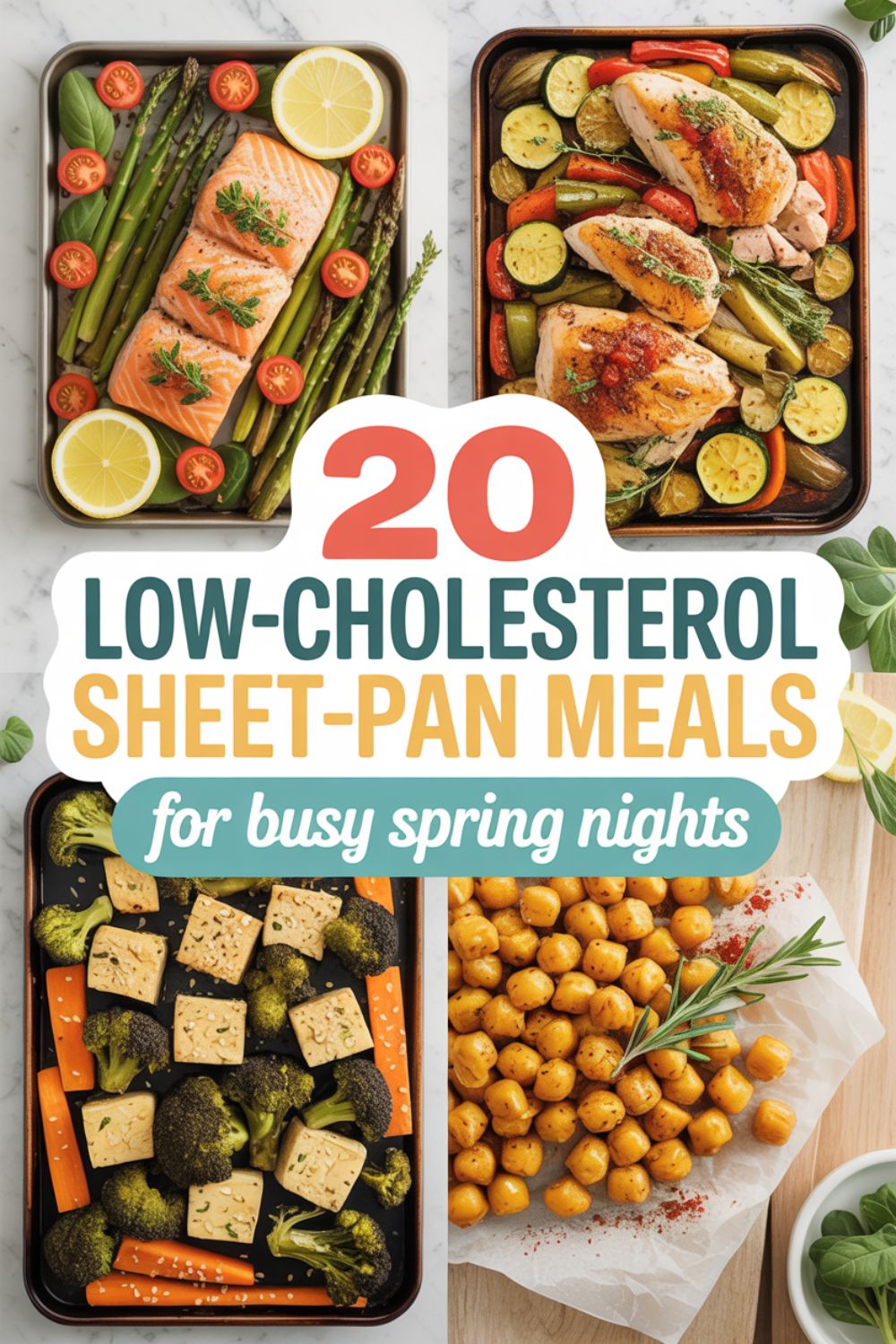
20 Low-Cholesterol Sheet-Pan Meals for Busy Spring Nights
Spring hit different this year. One minute I’m meal-prepping like my life depends on it, next thing I know I’m standing in front of my fridge at 7 PM wondering how I got here again. Sheet-pan dinners saved my sanity—and probably my cholesterol numbers too.
Here’s the thing about keeping your heart happy while juggling a thousand things: you don’t need complicated recipes or a kitchen full of gadgets. You need meals that actually work when life gets messy. That’s where these twenty sheet-pan dinners come in. They’re low in cholesterol, high in actual flavor, and most importantly, they don’t demand your entire evening.
I’ve been testing these recipes during those chaotic spring weeks when the weather can’t make up its mind and neither can my schedule. Whether you’re dealing with soccer practice, late meetings, or just the general exhaustion of existing, these meals have your back.
Why Sheet-Pan Meals Are Your Heart’s Best Friend
Look, I’m not gonna pretend I always knew this. For years I thought “heart-healthy cooking” meant steaming everything until it lost its will to live. Turns out, roasting vegetables and proteins on a sheet pan actually brings out incredible flavors without needing butter or heavy sauces that spike your cholesterol.
The magic happens in the oven. High heat caramelizes natural sugars in vegetables, creating that satisfying depth without adding saturated fat. Plus, you’re using minimal oil—usually just a drizzle of heart-healthy olive oil that’s actually good for you.
According to Mayo Clinic’s guidelines on cholesterol management, cooking methods matter just as much as ingredients. Roasting, baking, and grilling beat frying every single time when you’re watching your numbers.
The Sheet-Pan Strategy That Actually Works
Here’s what nobody tells you about sheet-pan cooking: timing is everything. You can’t just throw chicken and broccoli on a pan and hope for the best. The chicken needs 25 minutes, but your broccoli will turn to dust in half that time.
30-Day Cholesterol Reset System
A simple done-for-you plan to help you eat heart-healthy every day without confusion.
Over 1,000 people downloaded this guide
✔ 100 Easy Recipes
✔ Grocery Lists + Meal Prep Guide
🎁 FREE BONUSES:
✔ 7-Day Quick Start Plan
✔ Printable Grocery List
$29 $9
Get Instant AccessI learned this the hard way. Multiple times. Now I use what I call the “stagger method”—start proteins first, add heartier veggies halfway through, toss in quick-cooking stuff during the last few minutes. Game changer.
Temperature matters too. Most of these recipes hover around 400-425°F. That sweet spot where everything caramelizes beautifully without burning. I keep a trusty instant-read thermometer nearby because guessing if chicken is done is how you end up with either rubber or salmonella. Neither option is great.
Essential Ingredients for Low-Cholesterol Success
Stock your pantry with these staples and you’re halfway to dinner any night of the week. We’re talking olive oil, garlic, fresh herbs, citrus, and a solid spice collection. None of that fancy stuff—just quality basics.
For proteins, lean cuts work best. Chicken breast, fish fillets, shrimp, and plant-based options like chickpeas or tofu. I usually buy a few pounds of chicken on Sunday and portion it out for the week. Toss it in a set of airtight containers and you’ve got dinner prep handled.
Spring vegetables are where things get exciting. Asparagus, snap peas, baby carrots, cherry tomatoes, zucchini—they all roast beautifully and keep your cholesterol in check while actually tasting good. Unlike steamed vegetables, which taste like regret.
For more spring-inspired cooking, you might love these low-cholesterol vegetarian meals or these one-pan dinners that make weeknights easier.
Twenty Sheet-Pan Recipes That Deliver
1. Lemon Herb Salmon with Asparagus
This one’s stupid simple but feels fancy. Salmon filets get a lemon-dill situation going on while asparagus roasts alongside. Done in 18 minutes. The omega-3s in salmon actively help lower triglycerides, which is basically the opposite of what cholesterol does to you.
I use wild-caught salmon when I can find it, but honestly, any decent salmon works. Just pat it dry before seasoning or the herbs won’t stick. Get Full Recipe
2. Balsamic Chicken and Brussels Sprouts
Brussels sprouts went from “thing I avoided at Thanksgiving” to “thing I actually crave” once I learned to roast them properly. Toss them with a balsamic reduction that you make by literally just reducing balsamic vinegar. No added sugar needed when you let it concentrate naturally.
The chicken thighs stay juicy, the sprouts get crispy edges, and you’ve got a complete meal that doesn’t taste like punishment. This pairs perfectly with the heart-healthy approach found in these flavorful low-cholesterol chicken recipes. Get Full Recipe
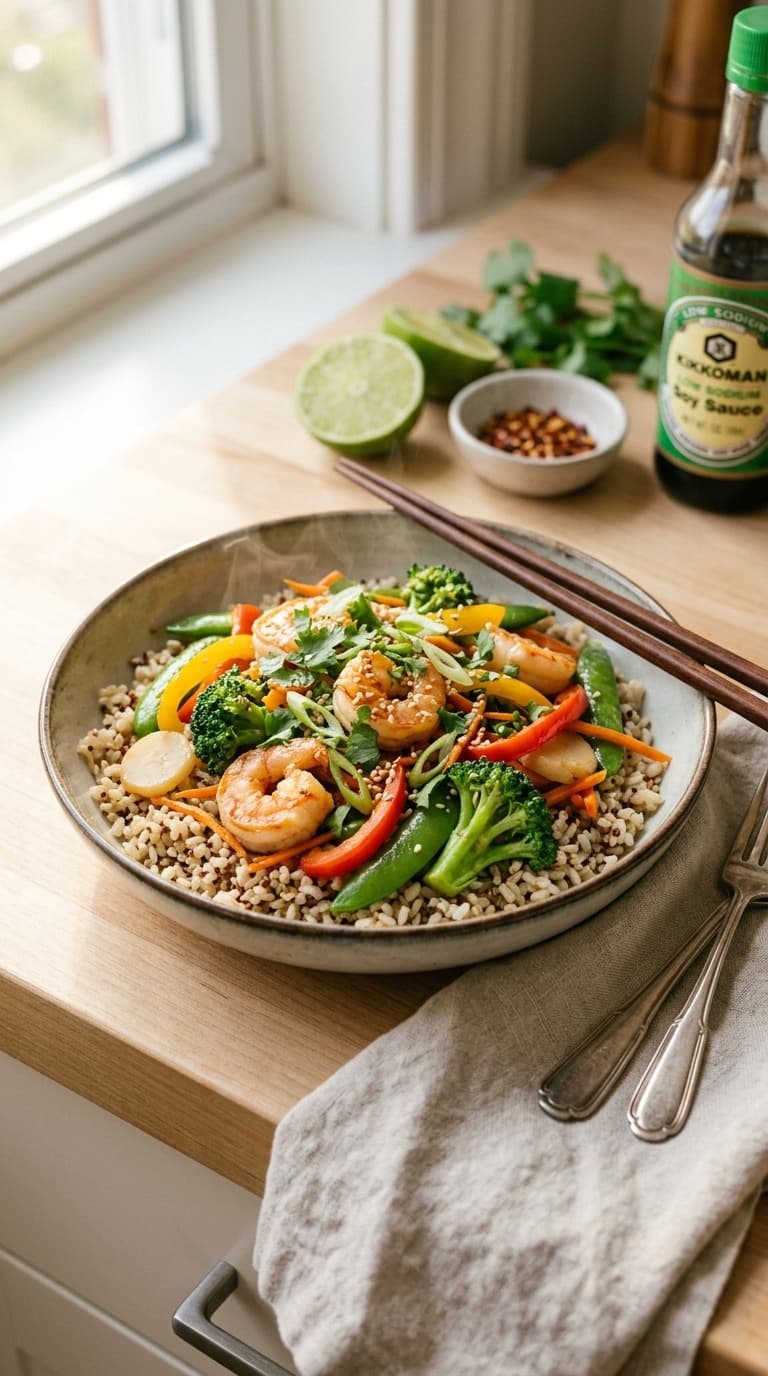
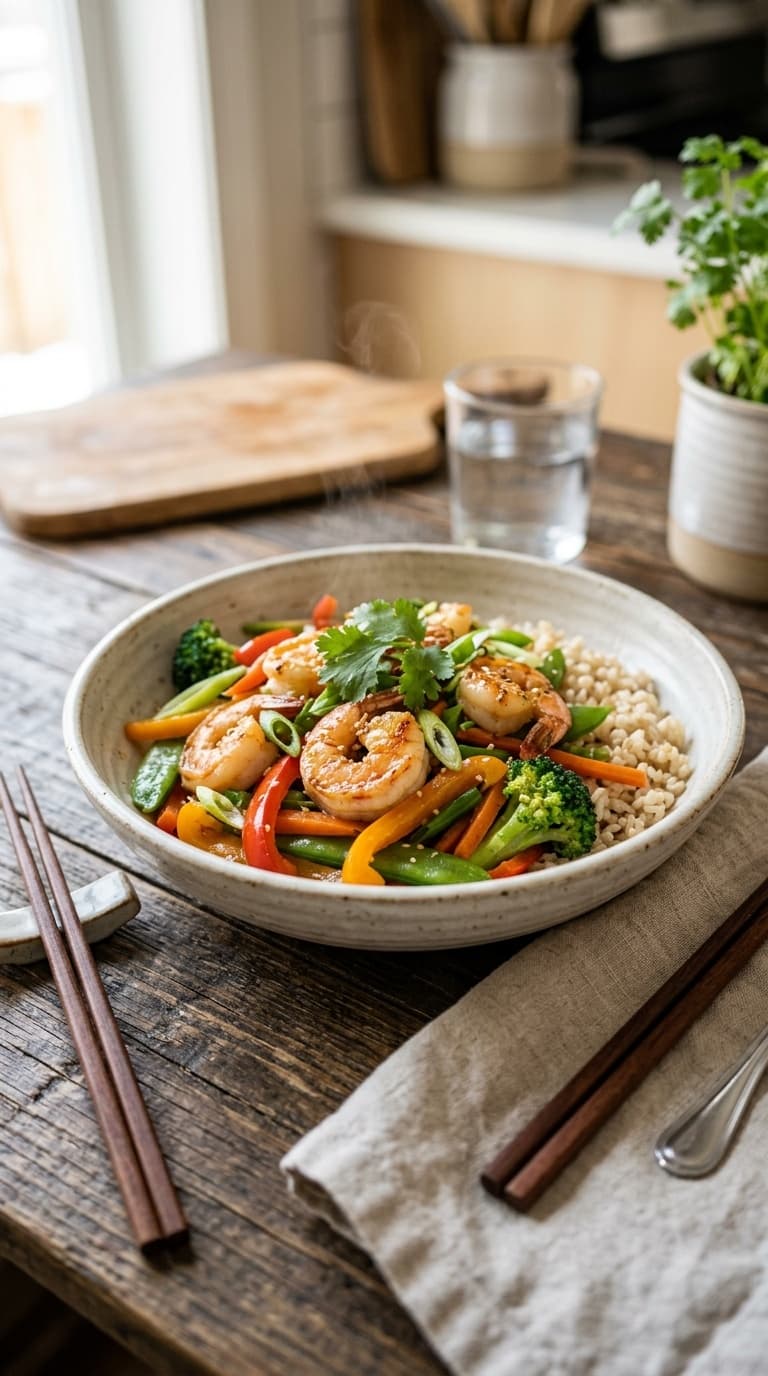
3. Mediterranean Shrimp with Cherry Tomatoes
Shrimp cooks fast—like, dangerously fast if you’re not paying attention. But when you nail it, you get this incredible meal with cherry tomatoes that burst and release their juices, creating a sauce without any cream or butter.
Add olives, capers, and fresh basil. The whole thing tastes like vacation but takes 15 minutes. I use a large rimmed baking sheet so nothing rolls off when I toss everything together. Get Full Recipe
4. Teriyaki Tofu with Snap Peas
Tofu skeptics, hear me out. When you press it properly (get yourself a tofu press or just wrap it in towels and stick some books on top), then roast it with a homemade teriyaki sauce, it transforms. Crispy outside, tender inside, packed with plant protein.
The snap peas stay bright green and crunchy. The sauce caramelizes without burning if you watch it during the last five minutes. This is one of those meals that convinced my meat-loving friends that plant-based eating doesn’t have to be boring. Get Full Recipe
5. Mustard-Crusted Pork Tenderloin with Root Vegetables
Pork tenderloin is actually pretty lean when you trim it right. The mustard coating adds flavor without the fat from traditional breading. I learned this from trial and error—the first time I used regular pork chops and wondered why my cholesterol didn’t budge.
Root vegetables like carrots and parsnips take longer to roast, so cut them smaller than you think you should. They’ll caramelize beautifully and taste almost sweet. Get Full Recipe
6. Lemon Pepper Cod with Green Beans
Cod gets a bad rap for being bland, but that’s actually its superpower. It takes on whatever flavors you throw at it without fighting back. A generous dose of lemon pepper, some garlic, and you’ve got a meal that tastes way more complex than the effort required.
Green beans roast in about the same time as cod, which makes timing actually manageable. I trim the ends while watching TV the night before because I’m efficient like that. Or lazy. Probably lazy. Get Full Recipe
7. Honey Mustard Chicken with Sweet Potatoes
Sweet potatoes are one of those ingredients that feel indulgent but are actually loaded with fiber and nutrients that support heart health. The honey mustard glaze uses real Dijon and just a touch of honey—not the bottled stuff that’s mostly corn syrup.
Cut the sweet potatoes into similar-sized chunks so they cook evenly. Nothing worse than some pieces turning to mush while others stay rock hard. Been there, done that, learned my lesson. Get Full Recipe
Speaking of sweet potatoes, these versatile low-cholesterol sides include several potato-based options that complement any main dish perfectly.
8. Cajun Catfish with Okra and Tomatoes
Catfish doesn’t get enough credit. It’s affordable, sustainable, and takes to Cajun seasoning like it was born for it. The okra gets roasted alongside—no slime, I promise—and pairs with tomatoes that soften and release their juices.
This meal feels like spring in the South even if you’re nowhere near there. The spice level is adjustable; I go easy because my tolerance is embarrassing. Get Full Recipe
9. Moroccan Chickpea Bake with Cauliflower
Chickpeas are having a moment and honestly, they deserve it. High in fiber, plant-based protein, zero cholesterol. Toss them with Moroccan spices—cumin, coriander, cinnamon—and they become genuinely crave-worthy.
The cauliflower roasts until it’s almost charred in spots, which brings out this nutty sweetness. I use a silicone baking mat for easy cleanup because chickpeas love to stick. Get Full Recipe
10. Garlic Butter Shrimp with Zucchini
Okay, “butter” might raise eyebrows in a low-cholesterol article, but hear me out. A tablespoon of real butter for four servings isn’t gonna tank your numbers, especially when combined with garlic, lemon, and shrimp that’s naturally low in saturated fat.
The zucchini releases water as it cooks, creating this light sauce that coats everything. Serve over whole grain pasta if you’re extra hungry. Get Full Recipe
Kitchen Tools That Make These Recipes Possible
Look, I’m not gonna tell you to buy a bunch of stuff you don’t need. But these six things? They actually earn their keep.
Not all sheet pans are created equal. The flimsy ones warp at high heat and your food cooks unevenly. Get the restaurant-quality aluminum ones that’ll last forever. I bought mine three years ago and they still look new.
Stop buying parchment paper every week. These mats pay for themselves in about two months and nothing—I mean nothing—sticks to them. Plus they’re dishwasher safe, which is basically the dream.
Guessing when chicken is done is how you get dry, overcooked protein. This little gadget takes the anxiety out of cooking and ensures food safety without sacrificing juiciness.
I use this downloadable meal planning spreadsheet that’s specifically designed for cholesterol management. Tracks your weekly meals and flags ingredients to watch.
This comprehensive recipe bundle includes over 200 heart-healthy meals with complete nutrition info. Way cheaper than buying individual cookbooks and everything’s searchable.
The glass container set with portion control guide changed how I approach leftovers. The digital guide teaches proper portioning for cholesterol management.
11. Thai Basil Chicken with Bell Peppers
Thai basil is different from regular basil—it’s got this peppery, almost licorice-like thing going on that makes your kitchen smell incredible. Ground chicken works great here, and it’s leaner than beef while still being satisfying.
The bell peppers add crunch and sweetness that balances the savory sauce. I buy pre-sliced peppers from the produce section when I’m feeling particularly lazy. No shame. Get Full Recipe
12. Herb-Roasted Turkey Breast with Fennel
Turkey isn’t just for Thanksgiving. A turkey breast cutlet cooks in about the same time as chicken but feels fancier. Fennel bulbs roast beautifully and have this subtle anise flavor that’s weirdly addictive.
Fresh herbs make all the difference here—rosemary, thyme, sage. The dried stuff works in a pinch but won’t give you the same flavor punch. Get Full Recipe
13. Miso Glazed Eggplant with Bok Choy
Eggplant has this almost meaty texture when you roast it right. The miso glaze caramelizes into this sweet-savory coating that’s absolutely addictive. Bok choy adds a nice crunch and wilts just enough in the oven.
This meal is completely plant-based but doesn’t feel like you’re missing anything. I serve it over brown rice to make it more filling. Get Full Recipe
14. Lemon Dill Halibut with Artichoke Hearts
Halibut is pricey but worth it occasionally. It’s firm enough to not fall apart on the sheet pan but tender enough to flake beautifully. Research shows that fatty fish high in omega-3s can significantly improve heart health markers.
Artichoke hearts from a jar work perfectly here—just drain them well. Fresh dill makes everything taste brighter. This meal feels like spring on a plate. Get Full Recipe
15. Harissa Chicken Thighs with Butternut Squash
Harissa paste is this North African chili paste that brings heat and depth without being overwhelming. A little goes a long way. Butternut squash cubes roast until they’re caramelized and sweet, balancing the spicy chicken perfectly.
I buy pre-cut squash because peeling and cubing a whole butternut squash is a workout I didn’t sign up for. Work smarter, not harder. Get Full Recipe
16. Pesto Salmon with Cherry Tomatoes and Asparagus
Store-bought pesto can be high in saturated fat from all that parmesan. Make your own in five minutes with basil, olive oil, garlic, pine nuts, and just a touch of cheese. Spread it on salmon, add vegetables, done.
The tomatoes burst and create this amazing sauce that pools around everything. It’s like pasta without the pasta. Get Full Recipe
If salmon is becoming your go-to protein, you’ll want to check out these heart-healthy meals that showcase different cooking methods and these meal prep strategies that work with fish.
17. Baked Falafel with Roasted Vegetables
Traditional falafel is deep-fried, which kinda defeats the purpose when you’re watching cholesterol. Baking them works surprisingly well—you get crispy outsides without all the oil. I use a mini food processor to blend the chickpeas and herbs.
Serve with whatever vegetables you have on hand. The falafel mixture is forgiving and freezes well, so I usually double the batch. Get Full Recipe
18. Honey Lime Chicken with Pineapple and Peppers
Sweet and savory combo that works way better than it sounds. Fresh pineapple caramelizes in the oven and gets these charred edges that are borderline dangerous. The peppers soften but keep their color.
The honey lime marinade is just four ingredients but tastes complex. Sometimes simple really is better. Get Full Recipe
19. Za’atar Roasted Chickpeas and Cauliflower
Za’atar is this Middle Eastern spice blend that’s criminally underused. It’s got thyme, sesame seeds, sumac, and salt. Toss it on chickpeas and cauliflower, roast until crispy, and you’ve got a meal that’s somehow both comforting and exotic.
This works great as a main or a side. I usually make extra chickpeas for salads later in the week. They stay crispy for days if you store them right. Get Full Recipe
20. Citrus Herb Chicken with Rainbow Vegetables
When I say rainbow vegetables, I mean it. Red peppers, orange carrots, yellow squash, green beans, purple cabbage. Not only does it look Instagram-worthy, but all those different colored vegetables mean different nutrients and antioxidants.
The citrus herb marinade uses orange and lemon juice with fresh herbs. No bottled dressing needed. This is one of those meals that makes you feel like you have your life together, even if you absolutely don’t. Get Full Recipe
The Science Behind Sheet-Pan Success
Roasting vegetables at high heat triggers the Maillard reaction—basically, proteins and sugars transform into new flavor compounds. That’s the technical way of saying “everything tastes better when it’s a little caramelized.”
The American Heart Association recommends cooking methods like baking, roasting, and grilling over frying for heart health. Sheet-pan meals check all those boxes while requiring minimal cleanup.
You’re also using way less oil than traditional cooking methods. A tablespoon or two of olive oil spread across an entire sheet pan means each serving gets just a small amount of healthy fats—the kind that actually help your cholesterol instead of hurting it.
Meal Prep Strategy for Sheet-Pan Success
I prep vegetables on Sunday afternoons. Wash, chop, store in containers. Yes, you can buy pre-cut vegetables, but they’re expensive and often not as fresh. A good chef’s knife makes quick work of most vegetables anyway.
Proteins get portioned and seasoned the night before. I keep them in the fridge in separate marinating containers so they’re ready to go. When dinner time hits, everything goes on the pan and into the oven. No thinking required.
The beauty of sheet-pan cooking is that you can prep multiple meals at once. Two sheet pans in the oven means two different dinners cooking simultaneously. That’s the kind of efficiency that makes weeknights manageable.
Common Sheet-Pan Mistakes to Avoid
Overcrowding the pan is enemy number one. When vegetables overlap, they steam instead of roast. You want them in a single layer with some breathing room. Use two pans if you need to—it’s worth it for the crispy results.
Not preheating the oven is another rookie move. Starting with a cold oven means longer cooking times and uneven results. Let it come to temperature first. Your patience will be rewarded.
Cutting vegetables different sizes guarantees some will be overcooked while others are raw. This seems obvious but I still catch myself rushing and ending up with weirdly sized carrot chunks. Take the extra two minutes to make them uniform.
These foolproof low-cholesterol dinners avoid these common pitfalls and deliver consistent results every time.
Making It Work for Your Life
Real talk: not every meal is gonna be perfect. Sometimes the chicken will be a bit dry. Sometimes you’ll burn the Brussels sprouts because you got distracted by a phone call. That’s fine. You’re still eating a home-cooked, heart-healthy meal instead of drive-through food.
I keep a backup plan for nights when even sheet-pan cooking feels like too much. Frozen vegetables, pre-cooked chicken, a jar of marinara. Ten minutes and you’ve got something reasonable on the table. Perfection is the enemy of good enough.
The goal isn’t to become a perfect cook. It’s to make managing your cholesterol sustainable without losing your mind. These recipes are tools, not rules. Swap vegetables based on what’s on sale. Use whatever protein you have in the freezer. Make it work for you.
For more flexible approaches to healthy eating, explore these unrestricted low-cholesterol recipes and these no-fuss meals designed for real life.
Budget-Friendly Strategies
Sheet-pan meals can be incredibly budget-friendly if you’re strategic. Buy proteins on sale and freeze them. Stock up on canned chickpeas and beans when they’re cheap. Seasonal vegetables are always more affordable and taste better anyway.
I probably spend less on groceries now than I did eating out constantly. A $15 chicken breast pack makes four meals. That’s less than a single takeout dinner. The math checks out.
Certain ingredients stretch further than others. Chickpeas, lentils, and beans cost pennies per serving and keep you full. They’re also loaded with fiber that actively helps lower cholesterol. Win-win situation.
Seasonal Swaps for Spring and Beyond
Spring means asparagus, snap peas, new potatoes, and fresh herbs everywhere. But these recipes adapt to any season. Winter calls for root vegetables and hearty greens. Summer brings zucchini, eggplant, and tomatoes. Fall means squash and Brussels sprouts.
The technique stays the same even when ingredients change. That’s the beauty of mastering this cooking method—you’re not locked into specific recipes. You’re learning a framework that works year-round.
I rotate through vegetables based on what looks good at the market. Keeps things interesting and ensures I’m getting different nutrients instead of eating the same five things constantly.
Frequently Asked Questions
Can I use aluminum foil instead of parchment paper for sheet-pan meals?
You can, but parchment paper or silicone mats are better for low-cholesterol cooking. Foil can react with acidic ingredients like tomatoes or citrus, potentially affecting flavor. Plus, food tends to stick more to foil even when oiled. If you must use foil, oil it generously and avoid highly acidic ingredients directly touching it.
How do I prevent vegetables from getting soggy on sheet pans?
Three key things: don’t overcrowd the pan, pat vegetables completely dry before seasoning, and make sure your oven is fully preheated to at least 400°F. The high heat creates steam that needs to escape—if vegetables are packed too tightly, they’ll steam instead of roast. Also, cut watery vegetables like zucchini into larger chunks than you think necessary.
Are sheet-pan meals actually better for cholesterol than other cooking methods?
Sheet-pan roasting is one of the healthiest cooking methods because it requires minimal added fat while maximizing flavor through caramelization. Unlike frying or sautéing, you’re using just a light coating of heart-healthy oil rather than submerging food in fat. The high, dry heat also helps render out some fat from proteins naturally.
Can I meal prep these recipes for the whole week?
Absolutely. Most sheet-pan meals keep well for 3-4 days in airtight containers in the fridge. Some vegetables like asparagus and fish are best eaten within 2 days, while heartier options like chicken with root vegetables last longer. I usually prep two different recipes on Sunday for variety throughout the week.
What temperature should I use for sheet-pan cooking?
Most sheet-pan recipes work best between 400-425°F. This temperature is hot enough to caramelize vegetables and cook proteins through without burning. If you’re cooking something delicate like fish, you might drop to 375°F. For crispier results with heartier vegetables, 425-450°F works great.
Final Thoughts on Making This Sustainable
Managing cholesterol through diet doesn’t have to be this massive, overwhelming thing. Start with one or two sheet-pan meals this week. See how it feels. Add more as you get comfortable.
These twenty recipes are just a starting point. Once you understand the basic technique, you can riff endlessly. That’s when cooking stops feeling like a chore and starts feeling like something you actually enjoy.
Your heart health matters, but so does your sanity. These meals respect both. They’re not asking you to spend hours in the kitchen or eat food that tastes like cardboard. They’re just asking you to throw some good ingredients on a pan and let the oven do the work.
Spring nights are already chaotic enough without adding dinner stress to the mix. These recipes take that stress off the table—literally. Try a few, find your favorites, and keep them in rotation. Your cholesterol numbers will thank you, and so will your taste buds.
30-Day Cholesterol-Lowering Meal Plan
A simple step-by-step system to help you eat heart-healthy every day without stress.
Over 1,000 people downloaded this guide
$29$9
Get Instant Access