
Heart-Healthy Eating for Real Life
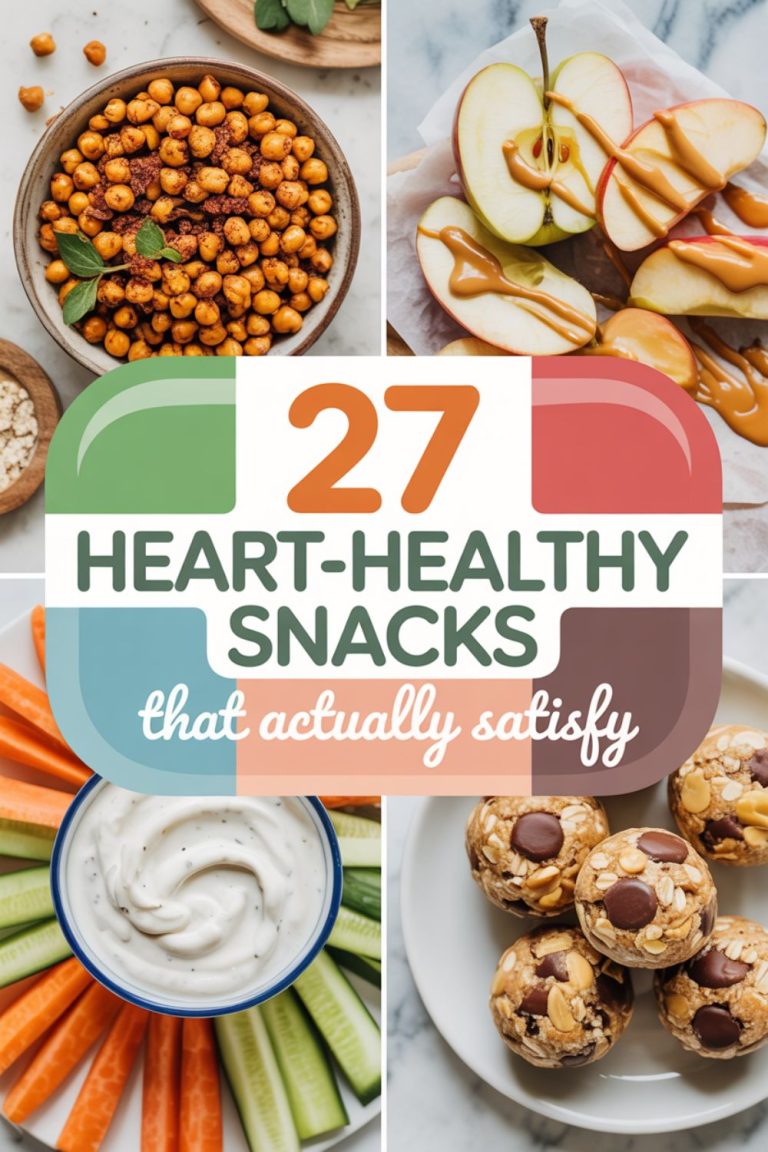
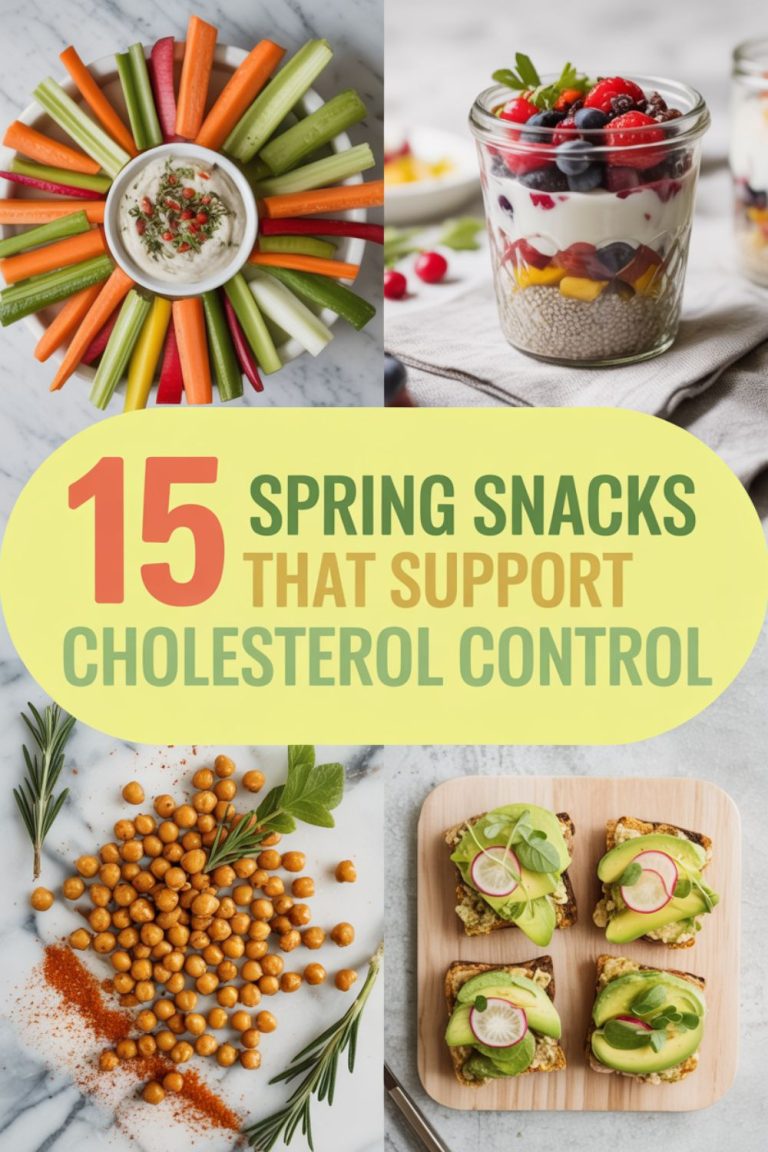
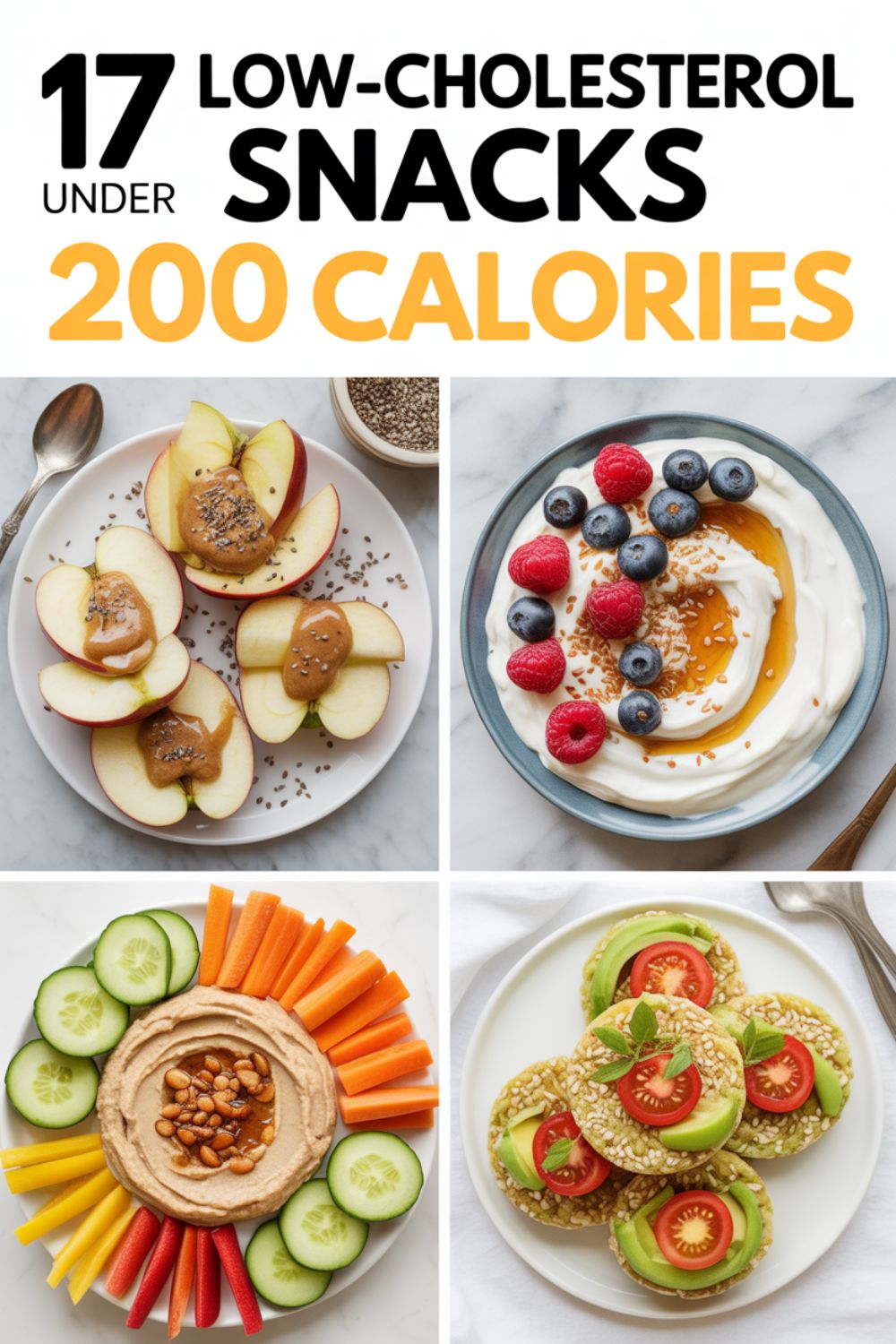
17 Low-Cholesterol Snacks Under 200 Calories
Let’s be honest — most “heart-healthy snack” lists read like they were written by someone who genuinely enjoys eating packing material. Unsalted rice cakes. Plain celery. The kind of snacks that make you feel virtuous for exactly three minutes before you’re raiding the pantry for something that actually tastes like food.
Here’s what I’ve learned after years of cooking for a cholesterol-conscious household: eating for your heart doesn’t have to be a punishment. You just need the right lineup of snacks that keep LDL in check, cap calories under 200, and — this part matters — actually taste good enough that you’ll come back to them tomorrow.
These 17 low-cholesterol snacks do exactly that. They’re built around fiber, healthy fats, and plant-forward ingredients that your cardiovascular system will quietly thank you for. Let’s get into it.

Why Snacks Actually Matter for Cholesterol Management
Before we get to the list, it’s worth pausing on why snacking strategy matters at all. Most people focus their cholesterol-lowering efforts on dinner — swapping red meat for salmon, cutting butter, loading up on vegetables. All solid moves. But snacks? They often fly under the radar, and they can quietly undo a lot of good work.
The average American eats two to three snacks per day. If those snacks are high in saturated fat — think cheese crackers, processed cookies, full-fat dairy dips — they steadily push LDL (“bad” cholesterol) in the wrong direction. Swap even one of those daily snacks for something fiber-rich or loaded with healthy unsaturated fats, and you start moving the needle. According to Mayo Clinic, foods rich in soluble fiber and unsaturated fats are among the most effective dietary tools for lowering LDL cholesterol — and snacking on them consistently throughout the day adds up faster than most people realize.
The snacks on this list lean heavily on soluble fiber (think oats, legumes, apples, and flaxseed), unsaturated fats (avocado, nuts, olive oil), and plant protein. Each one clocks in under 200 calories, and none of them require a nutrition degree to prepare. If you’re also looking to build out the rest of your day, the 25 low-cholesterol meals that are actually delicious are a great companion to everything here.
Prep your snack portions on Sunday evening — divide nuts, wash fruit, and pre-portion hummus into small containers. Future you will be genuinely grateful on Wednesday afternoon when hunger hits and there’s nothing healthy in reach.
The 17 Best Low-Cholesterol Snacks Under 200 Calories
1–5: Plant-Powered and Fiber-First
Apple Slices with Almond Butter
~170 caloriesOne medium apple sliced and paired with one tablespoon of almond butter is genuinely one of the most satisfying combinations in this entire list. The apple delivers pectin, a soluble fiber that binds to cholesterol in the digestive tract and helps carry it out of your body. The almond butter adds monounsaturated fat and a little protein to keep you full. Worth noting: almond butter edges out peanut butter slightly here because of its higher vitamin E and magnesium content, though natural peanut butter is still a great choice if that’s what you have on hand. Use [a good natural almond butter — like this one with no added oils] to keep the saturated fat low.
Hummus and Veggie Sticks
~140 caloriesThree tablespoons of hummus with a generous pile of cucumber, carrot, and bell pepper sticks. This one earns its place because it hits all the right notes — fiber from the chickpeas, healthy fat from the olive oil in the hummus, and a satisfying crunch that keeps you from reaching for chips. Make your own batch on the weekend using a [small food processor like this one] and you’ll have snacks covered for days. It takes about five minutes and the difference in freshness is noticeable. Get Full Recipe
Roasted Chickpeas
~130 caloriesIf you’ve been snacking on salted crackers out of habit, roasted chickpeas are going to be a genuine revelation. Half a cup of oven-roasted chickpeas delivers around 6 grams of fiber, solid plant-based protein, and that satisfying crunch your mouth is craving. Toss them with olive oil, smoked paprika, and a pinch of cumin, then roast at 400°F for about 30 minutes on a [rimmed baking sheet lined with a reusable silicone mat] — zero sticking and cleanup is effortless.
Avocado on Whole-Grain Crispbread
~180 caloriesTwo whole-grain crispbreads topped with a quarter of a ripe avocado, a squeeze of lemon, and cracked black pepper. Avocado’s monounsaturated fatty acids (MUFAs) actively support healthy HDL while helping lower LDL — it’s one of the few snack ingredients that works on both fronts simultaneously. This combination also hits fiber from the crispbread, which is key for sustained energy between meals.
A Small Handful of Walnuts (about 14 halves)
~185 caloriesWalnuts are genuinely impressive from a heart-health standpoint. They’re one of the few plant sources rich in ALA omega-3 fatty acids, which support healthy triglyceride levels alongside LDL reduction. According to Harvard Health Publishing, eating about 2 ounces of nuts daily can modestly lower LDL — and walnuts specifically add cardiovascular protection beyond just cholesterol numbers. Keep them in a [wide-mouth mason jar on your counter] so they’re visible and within reach when afternoon hunger kicks in. Out of sight genuinely means out of mind with healthy snacks.
Speaking of fiber-forward eating throughout the day, these snacks pair brilliantly with a well-planned meal routine. If you want to build a full picture of your day, check out these 25 low-cholesterol breakfast ideas for heart health or these 20 low-cholesterol lunches that actually keep you full — they complement the snacking strategy here perfectly.
6–11: Creamy, Crunchy, and Genuinely Satisfying
Greek Yogurt with Fresh Berries
~140 caloriesHalf a cup of non-fat plain Greek yogurt topped with a small handful of blueberries or raspberries. The yogurt adds protein to keep hunger at bay, while berries deliver soluble fiber and antioxidants that support arterial health. Go for non-fat or low-fat Greek yogurt here rather than regular yogurt — the difference in saturated fat content is real, and the protein is noticeably higher. FYI, frozen berries work just as well thawed overnight in the fridge, and they’re typically cheaper than fresh.
Air-Popped Popcorn with Nutritional Yeast
~110 caloriesThree cups of air-popped popcorn with a tablespoon of nutritional yeast shaken over the top. This is the snack that surprised me most — it’s genuinely satisfying, whole-grain based, and adds up to barely 110 calories. Skip the microwave butter versions entirely; a [stovetop popcorn maker or electric air popper] costs very little and gives you total control over what goes on the finished product. Nutritional yeast adds a savory, almost cheesy flavor alongside B vitamins — a solid upgrade over plain salt.
Edamame (Lightly Salted)
~120 caloriesHalf a cup of shelled edamame, steamed or microwaved and sprinkled with flaky sea salt. Edamame is a quiet powerhouse — it brings plant-based protein, fiber, and soy isoflavones that have a modest but meaningful effect on LDL levels. It’s also extremely easy to keep in your freezer. Steam a batch on Sunday, store it in a covered container in the fridge, and you’ve got a ready-to-go snack for three days straight. One cup of in-shell edamame delivers 8 grams of protein — hard to beat for 120 calories.
Rice Cakes with Smashed Avocado and Everything Bagel Seasoning
~160 caloriesTwo brown rice cakes topped with half a small avocado, mashed lightly and seasoned with everything bagel seasoning. This one looks like more effort than it is — total prep time is about two minutes. The rice cakes keep the calorie count modest while the avocado adds satisfying healthy fat. If you want an extra protein boost, a few thin slices of cucumber on top add a nice crunch without nudging the calorie count. Get Full Recipe
Celery with Natural Peanut Butter
~150 caloriesYes, celery sticks are on the list — but don’t write them off yet. Paired with one and a half tablespoons of natural peanut butter (the kind where the only ingredient is peanuts), this becomes a legit snack that hits protein, healthy fat, and fiber in one go. The celery itself is nearly calorie-free and adds a satisfying crunch, while peanut butter brings the substance. Peanut butter and almond butter are nutritionally close; peanut butter has slightly more protein per tablespoon, almond butter has more vitamin E and magnesium.
Cucumber Rounds with White Bean Dip
~125 caloriesThick-cut cucumber rounds topped with a simple white bean dip — cannellini beans mashed with olive oil, lemon, garlic, and a little fresh parsley. White beans are exceptionally high in soluble fiber, which makes them one of the most underrated ingredients for cholesterol management. A [set of small glass prep bowls] makes it easy to portion this out in advance and grab from the fridge throughout the week. The dip keeps for four days refrigerated and gets better on day two when the garlic mellows.
I started swapping my afternoon vending machine habit for hummus and veggie sticks along with a small handful of walnuts. Three months later, my LDL had dropped 18 points. My doctor was genuinely surprised — I told her it was all about what I was snacking on between meals.
12–17: Sweet, Seasonal, and Surprisingly Filling
A Small Bowl of Oatmeal with Cinnamon and Sliced Almonds
~190 caloriesHalf a cup of rolled oats made with water, topped with a dusting of cinnamon and ten sliced almonds. Yes, oatmeal as a snack — it sounds unusual but works brilliantly mid-morning or as a late-afternoon bridge between lunch and dinner. Oats contain beta-glucan, a specific type of soluble fiber that has been clinically shown to reduce LDL cholesterol. The almonds add healthy fat and a texture contrast that makes the bowl feel more complete. Prep it in about three minutes in a [ceramic microwave-safe bowl with a lid].
Kale Chips with Sea Salt and Olive Oil
~120 caloriesHomemade kale chips are the snack that genuinely converts skeptics. Toss a generous handful of torn kale leaves with a teaspoon of olive oil and a pinch of sea salt, spread them on a [perforated baking sheet for extra crispiness], and roast at 300°F for 20 minutes. They go from wilted mess to shatteringly crisp very quickly — keep an eye on them. At about 120 calories, they deliver fiber, vitamins K and C, and a satisfying crunch that scratches the chip itch without the saturated fat. Get Full Recipe
A Small Smoothie with Flaxseed
~175 caloriesBlend one cup of unsweetened almond milk, half a frozen banana, half a cup of mixed frozen berries, and one tablespoon of ground flaxseed. That’s it. Ground flaxseed brings ALA omega-3 fatty acids and lignan fiber, both of which actively support healthy cholesterol metabolism. The key here is ground flax rather than whole — your body can’t absorb nutrients from whole flaxseed effectively. If you’re into building more of these plant-based drinks, the 18 low-cholesterol smoothies and juices for a healthy heart is a solid resource to bookmark.
Orange and Pistachios
~165 caloriesOne medium orange alongside fifteen unsalted pistachios. Oranges are high in pectin, the same soluble fiber found in apples that helps bind and remove dietary cholesterol. Pistachios add plant sterols — compounds structurally similar to cholesterol that compete for absorption in the digestive system, effectively blocking some of it from entering the bloodstream. This pairing also delivers a genuinely satisfying combination of sweet citrus and salty crunch that feels more like a treat than a health-conscious choice.
Sliced Pear with Cottage Cheese
~155 caloriesHalf a medium pear, sliced, alongside a quarter cup of low-fat cottage cheese with a light drizzle of honey and a pinch of cinnamon. Pears are particularly high in both pectin and total fiber, making them one of the most effective fruits for supporting cholesterol management. The cottage cheese adds protein to make this feel like a proper snack rather than just a fruit course. IMO, this is one of the most underrated combinations on the list — the flavors genuinely work together in a way that feels intentional and indulgent.
Whole-Grain Crackers with Smoked Salmon
~190 caloriesFour whole-grain crackers topped with two ounces of smoked salmon, a little lemon juice, and fresh dill if you have it. Smoked salmon is dense with EPA and DHA omega-3 fatty acids, which support healthy triglyceride levels and overall cardiovascular function. This one feels special enough to serve to guests, yet takes about ninety seconds to put together. It’s the snack that makes you look like you have your life sorted, even on your most chaotic days. For more salmon inspiration, the 19 salmon recipes rich in omega-3 that actually taste amazing is well worth exploring.
Keep three to four of these snacks prepped and visible in your fridge at all times. Research consistently shows that what you eat for a snack is almost entirely determined by what’s convenient and in front of you — so set yourself up to win before hunger strikes.
If this snack list has you thinking bigger about your overall eating approach, you’ll want to pair these with well-rounded meal planning. The 25 low-cholesterol meal prep ideas for the week and these 21 low-cholesterol dinners you’ll want to make again round out a genuinely heart-healthy week without making you feel like you’re on a diet.
Kitchen Tools That Make Heart-Healthy Snacking Easier
Here are the things I actually use and recommend — nothing fancy, nothing you’ll regret buying. Consider this the low-key toolbox that makes snack prep genuinely quick.
Perfect for homemade hummus, bean dips, and nut butters. Makes two-minute prep feel achievable on any weeknight.
Pre-portion nuts, crackers, and veggie sticks so you always have grab-and-go snacks ready. Far better than plastic baggies.
Turns popcorn into a genuinely healthy snack in under three minutes. No oil required, no guesswork.
A done-for-you weekly meal and snack plan template built around cholesterol-lowering principles. Print and stick to your fridge.
Organized by store section with smart substitution suggestions for common high-fat items. Makes shopping faster and cheaper.
A simple spreadsheet that helps you track fiber, saturated fat, and calories across your daily snacks without obsessing over every number.
How to Build Better Snacking Habits (Without Overthinking It)
Having a list of great snacks is one thing. Actually reaching for them consistently, when you’re tired or stressed or just bored, is another. Here’s what I’ve found actually works — no willpower lectures, just practical stuff.
Keep the Good Stuff Visible
The biggest factor in what you snack on is what’s in front of you. Put a bowl of fruit on the counter. Keep pre-portioned nuts at eye level in the fridge. Move the tempting stuff to the back or top shelf. You’re not fighting willpower here — you’re just designing your environment to make the right choice the easy choice.
Pair Something with Something
Notice that most snacks on this list combine two components — something crunchy or fresh with something creamy or protein-rich. That combination is deliberate. A single food item rarely satisfies for long, but pairing fiber with healthy fat or protein keeps blood sugar stable and extends the time before you’re hungry again. Apple alone: back hungry in 30 minutes. Apple with almond butter: satisfied for two hours.
Think About Timing
Two intentional snacks per day — one mid-morning, one mid-afternoon — work better for most people than grazing constantly or skipping snacks entirely and showing up to dinner ravenous. When you arrive at dinner genuinely hungry, portion control becomes much harder. A small, fiber-and-fat snack about 90 minutes before dinner takes the edge off without killing your appetite. It sounds counterintuitive, but it genuinely works.
If you’re building a cholesterol-lowering eating plan from scratch, start by changing just one snack per day. That single daily swap — away from a high saturated-fat snack toward something fiber-forward — creates a meaningful cumulative effect over weeks and months without feeling overwhelming.
For anyone looking to extend this approach into full meal territory, the 25 low-cholesterol high-protein meals for weight loss and the 21 low-cholesterol low-calorie recipes that satisfy round out the picture beautifully.
I’d been told by my doctor to clean up my snacking but I had no idea where to start. I printed a list of snacks like these and started swapping two a day. Six weeks in, I feel noticeably different — more energy, less afternoon fog, and my follow-up bloodwork showed real improvement in my LDL numbers.
A Quick Word on Soluble Fiber vs. Just “Eating Fiber”
Not all fiber is equal when it comes to cholesterol — and this distinction matters when you’re picking snacks. There are two types: soluble fiber and insoluble fiber. Both are good for you, but soluble fiber is the one that directly helps lower LDL by binding to cholesterol molecules in the digestive system and removing them before they enter the bloodstream.
The snacks in this list that are highest in soluble fiber include oats, apples, pears, beans and legumes (hummus, edamame, white bean dip), and ground flaxseed. The fruits rich in pectin — apples, pears, oranges, and berries — are particularly effective. If you’re building your snack rotation specifically around cholesterol management, prioritizing snacks from this sub-group will give you the most direct impact per calorie.
It’s also worth knowing that plant sterols and stanols — found in pistachios, certain nuts, and fortified foods — work through a completely different mechanism: they structurally resemble cholesterol and literally compete for absorption in your gut, meaning less dietary cholesterol enters your bloodstream. This is why the pistachio-and-orange combination works so well as a snack — you get pectin and plant sterols working in parallel.
Frequently Asked Questions
What snacks are best for lowering LDL cholesterol naturally?
Snacks highest in soluble fiber and healthy unsaturated fats are most effective for lowering LDL. That includes options like oatmeal, hummus with vegetables, walnuts, apples with almond butter, edamame, and ground flaxseed smoothies. Regular consumption of these types of snacks — combined with reducing saturated fat across meals — produces measurable results over several weeks.
Can snacking actually affect my cholesterol levels?
Yes, meaningfully. If your current snacks are high in saturated fat (cheese crackers, processed cookies, full-fat dairy dips), they’re actively contributing to elevated LDL. Replacing even one high-saturated-fat snack per day with a fiber-rich, unsaturated-fat snack creates a cumulative shift in your cholesterol numbers over weeks. It’s one of the most underappreciated levers in a heart-healthy diet.
Are nuts good for cholesterol even though they’re high in fat?
Absolutely. The fat in nuts — almonds, walnuts, pistachios, and peanuts — is predominantly unsaturated, which supports healthy LDL levels rather than raising them. The key is portion control: about a small handful (one ounce) per snack keeps calories in check while delivering the heart-health benefits. Avoid salted or honey-roasted varieties and stick to raw or dry-roasted for best results.
How many calories should a cholesterol-friendly snack have?
Most nutritionists recommend keeping snacks in the 100–200 calorie range to support both weight management and cholesterol control — since excess body weight independently raises LDL. The snacks in this list all come in under 200 calories, with several under 150, making them easy to fit into a standard 1,800–2,000 calorie daily intake without crowding out nutrition from meals.
What should I avoid snacking on if I have high cholesterol?
The main culprits are snacks high in saturated and trans fats: processed cheese crackers, full-fat cheese with crackers, microwave popcorn with butter, commercial baked goods, and most packaged cookies. It’s worth checking ingredient labels for “partially hydrogenated oils” (a source of trans fat) and keeping saturated fat from all snacks combined below about 3–4 grams per day if cholesterol management is the goal.
The Bottom Line
Snacking for your heart health doesn’t require a dramatic lifestyle overhaul. It just requires swapping out the things that quietly work against you — the high-saturated-fat crackers, the processed dips, the vending machine habits — and replacing them with options that are genuinely tasty and actually do something useful for your LDL numbers.
The 17 snacks in this list cover the full range: sweet, savory, crunchy, creamy, quick-grab and slightly-more-assembled. Pick three or four that sound genuinely appealing to you and start there. Build the habit with the snacks you actually want to eat, and expand the rotation once those feel easy and automatic.
Your heart benefits from every single good swap you make — and so does your energy, your focus, and your long-term relationship with food. Start with what sounds good. The rest follows naturally.
30-Day Cholesterol-Lowering Meal Plan
A simple step-by-step system to help you eat heart-healthy every day without stress.
Over 1,000 people downloaded this guide
$29$9
Get Instant Access