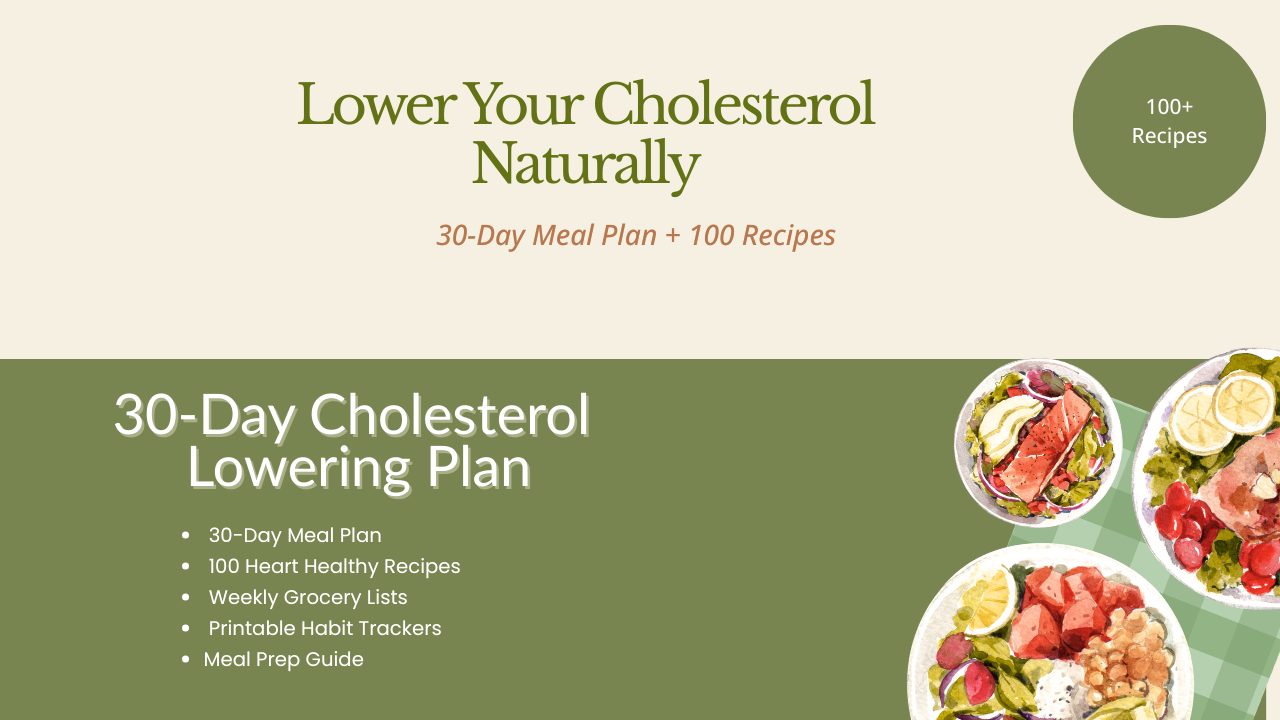

21 Low-Cholesterol Recipes That Don’t Taste Like Diet Food
Let me guess—someone mentioned your cholesterol levels, and now you’re picturing a lifetime of bland chicken breasts and sad steamed broccoli. Yeah, I’ve been there. The thing is, low-cholesterol eating doesn’t mean you’re signing up for culinary punishment. In fact, some of the most flavor-packed dishes I make regularly happen to be heart-healthy.
I’m talking about meals that make your taste buds do a little happy dance while quietly doing good things for your cardiovascular system. No cardboard texture. No “health food” aftertaste. Just real food that happens to support healthy cholesterol levels without making you feel like you’re on some restrictive diet.

Why Low-Cholesterol Cooking Is Easier Than You Think
Here’s what nobody tells you when you first start watching your cholesterol: the food that’s actually good for your heart tends to be really, really delicious. We’re talking about the Mediterranean diet superstars—olive oil, fresh fish, colorful vegetables, nuts, whole grains. These aren’t diet foods. They’re the backbone of some of the world’s best cuisines.
The American Heart Association emphasizes reducing saturated fats rather than obsessing over every milligram of dietary cholesterol. That means you’re focusing on swapping ingredients, not eliminating entire food groups. Butter becomes olive oil. Bacon becomes turkey bacon or crispy chickpeas. Heavy cream transforms into cashew cream or Greek yogurt.
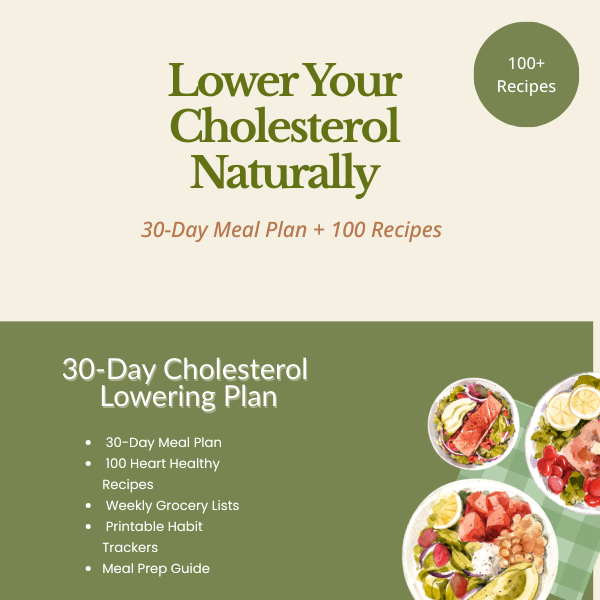
30-Day Cholesterol Reset System
A simple done-for-you plan to help you eat heart-healthy every day without confusion.
Over 1,000 people downloaded this guide
✔ 100 Easy Recipes
✔ Grocery Lists + Meal Prep Guide
🎁 FREE BONUSES:
✔ 7-Day Quick Start Plan
✔ Printable Grocery List
$29 $9
Get Instant AccessAnd honestly? Half the time, the swaps taste better. I know that sounds like something a wellness blogger would say while trying to sell you their e-book, but stick with me here.
The Building Blocks of Great Low-Cholesterol Meals
Lean Proteins That Actually Have Flavor
When people say “lean protein,” your brain probably jumps straight to dry chicken breast. But that’s because we’ve collectively forgotten how to cook chicken properly. A well-marinated, properly cooked chicken breast? Juicy, flavorful, nothing to apologize for.
But let’s expand beyond chicken. Fish like salmon and mackerel bring those omega-3 fatty acids that research shows can support cardiovascular health. Beans and lentils pack protein along with fiber. Even egg whites have their place when you want that protein hit without the cholesterol concentrated in yolks.
If you’re serious about cooking fish regularly, invest in a good quality fish spatula. The thin, flexible edge lets you flip delicate fillets without turning them into sad little flakes. Trust me on this one.
Vegetables That Steal the Show
Vegetables should be the star of your plate, not the sad side dish you tolerate. Roast them until they’re caramelized. Grill them until they’ve got char marks. Toss them with bold seasonings. When Brussels sprouts get crispy and golden with a hint of balsamic? That’s not diet food. That’s just good food.
The beauty of loading up on vegetables is that they naturally displace the higher-cholesterol ingredients without making you feel deprived. You’re not eating less food—you’re eating better food. There’s a difference.
Speaking of vegetables, I’ve become slightly obsessed with my ceramic non-stick skillet. Zero oil needed for most vegetables, and cleanup is ridiculously easy. If you’re cooking low-cholesterol meals regularly, this is the kind of tool that makes the whole thing sustainable.
21 Low-Cholesterol Recipes Worth Making
Breakfast Options That Don’t Feel Like Punishment
1. Mediterranean Veggie Scramble
Egg whites, spinach, tomatoes, red onion, and a sprinkle of feta. The key is getting the vegetables nice and caramelized first before adding the eggs. Season aggressively with oregano, black pepper, and a squeeze of lemon at the end. Get Full Recipe.
2. Overnight Oats with Berries and Walnuts
This is my go-to when I can’t be bothered to think in the morning. Rolled oats, almond milk, chia seeds, and whatever fruit is looking good. The walnuts add healthy fats and that satisfying crunch. Mix it up the night before, and breakfast is waiting for you. Get Full Recipe.
3. Avocado Toast with Everything Seasoning
Yes, it’s basic. Yes, it’s delicious. Whole grain bread, mashed avocado, everything bagel seasoning, a drizzle of olive oil. Sometimes add a soft-boiled egg white on top if I’m feeling fancy. The whole thing takes about five minutes. Get Full Recipe.
For more ways to start your day right, check out these low-cholesterol breakfast ideas or these breakfasts under 300 calories.
Lunch That Actually Keeps You Full
4. Quinoa Buddha Bowl with Tahini Dressing
Quinoa, roasted chickpeas, shredded carrots, cucumber, red cabbage, and a tahini-lemon dressing that’s criminally good. The chickpeas get nice and crispy in the oven if you toss them with a little olive oil and smoked paprika first. Get Full Recipe.
5. Turkey and Veggie Lettuce Wraps
Ground turkey, water chestnuts, green onions, ginger, garlic, and a homemade sauce that’s better than anything you’d get at a restaurant. Serve it in butter lettuce cups. Pro tip: don’t skip the water chestnuts. That crunch is what makes the whole dish work. Get Full Recipe.
6. Lentil Soup with Lemon and Herbs
This soup has no business being as good as it is for something so simple. Red lentils, vegetable broth, carrots, celery, onion, cumin, and a heavy-handed squeeze of lemon at the end. It’s the kind of soup that makes you feel like you’re taking care of yourself. Get Full Recipe.
7. Mediterranean Chickpea Salad
Chickpeas, cucumber, tomatoes, red onion, parsley, lemon juice, and olive oil. Sometimes I add kalamata olives if I’m feeling it. Make this ahead and it actually gets better after sitting in the fridge for a few hours as the flavors meld together.
Looking for more midday meal inspiration? These low-cholesterol lunches and quick lunches under 10 minutes might be exactly what you need.
Dinner Recipes You’ll Actually Want to Make Again
8. Baked Salmon with Maple-Mustard Glaze
The glaze is just Dijon mustard, maple syrup, and a splash of soy sauce. Brush it on the salmon and bake until the fish is just cooked through. Serve with roasted asparagus and you’ve got yourself a restaurant-quality meal in 20 minutes. Get Full Recipe.
9. Turkey Meatballs in Marinara
Ground turkey, breadcrumbs, egg whites, garlic, and Italian seasoning. These are tender and flavorful, nothing like the dense hockey pucks that give turkey a bad name. The secret? Don’t overmix the meat, and use a small cookie scoop to make them all the same size so they cook evenly. Get Full Recipe.
10. Veggie-Packed Stir-Fry with Tofu
Press your tofu properly, cut it into cubes, and get it really crispy in a hot pan before adding the vegetables. Bell peppers, snap peas, broccoli, carrots, whatever you’ve got. The sauce is soy sauce, rice vinegar, a tiny bit of honey, and lots of fresh ginger. Get Full Recipe.
11. Sheet Pan Chicken with Roasted Vegetables
Everything goes on one pan. Chicken breasts, Brussels sprouts, cherry tomatoes, red onion, all tossed with olive oil, garlic, and herbs. It’s the kind of dinner you can throw together when you’re too tired to think about cooking but still want something that tastes like you tried.
12. Black Bean and Sweet Potato Tacos
Roasted sweet potato cubes, black beans, avocado, lime, cilantro, and a sprinkle of crumbled queso fresco. Corn tortillas are naturally low in cholesterol, and they taste better than flour tortillas anyway. Fight me on this.
13. Grilled Shrimp with Zucchini Noodles
Shrimp cooks in literally three minutes. Toss it with spiralized zucchini, cherry tomatoes, fresh basil, garlic, and a squeeze of lemon. If you don’t have a spiralizer yet, grab one. Zucchini noodles aren’t trying to replace pasta—they’re their own thing and they’re actually good.
If you’re digging these dinner ideas, you’ll want to check out these low-cholesterol dinners and one-pan dinners for easy nights. Also, don’t sleep on these chicken recipes—they’re actually packed with flavor.
Sides and Snacks Worth Your Time
14. Roasted Cauliflower with Tahini
Cut cauliflower into florets, toss with olive oil and curry powder, roast until golden and crispy. Drizzle with tahini thinned out with lemon juice and water. This disappears at dinner parties. People always ask for the recipe.
15. Hummus and Veggie Sticks
Homemade hummus is genuinely better than store-bought, and it’s shockingly easy. Chickpeas, tahini, lemon juice, garlic, cumin, olive oil. Blend until smooth. Serve with whatever vegetables are crunchy—carrots, bell peppers, cucumber, celery.
16. Air-Fried Brussels Sprouts
If you have an air fryer, Brussels sprouts are about to become your favorite vegetable. They get this incredible crispy exterior while staying tender inside. Hit them with some balsamic vinegar right when they come out. IMO, this is the best way to cook Brussels sprouts.
17. Edamame with Sea Salt
Sometimes simple is exactly what you need. Steam or boil edamame, drain, toss with coarse sea salt. That’s it. High in protein, fiber, and absolutely zero cholesterol. Plus it’s fun to eat.
For more snacking inspiration that won’t derail your health goals, explore these low-cholesterol snacks.
Desserts That Don’t Wreck Your Progress
18. Dark Chocolate-Dipped Strawberries
Get good quality dark chocolate with at least 70% cacao. Melt it, dip fresh strawberries, let them set on parchment paper. These feel fancy enough for a dinner party but they’re actually doing your heart a favor. Dark chocolate in moderation has compounds that may support cardiovascular health.
19. Greek Yogurt Berry Parfait
Layer non-fat Greek yogurt with fresh berries and a sprinkle of granola. Add a tiny drizzle of honey if you need it sweeter. The Greek yogurt gives you protein while keeping things creamy and satisfying.
20. Baked Apples with Cinnamon
Core an apple, stuff it with a mixture of oats, cinnamon, a touch of brown sugar, and chopped walnuts. Bake until the apple is soft and your kitchen smells amazing. This is comfort food that happens to be heart-healthy.
21. Banana “Nice Cream”
Freeze banana slices, then blend them in a high-powered blender until they turn into this creamy, ice cream-like consistency. Add cocoa powder, or peanut butter, or keep it plain. It’s ridiculously good considering it’s just bananas.
If you’ve got a sweet tooth that needs more options, definitely check out these low-cholesterol desserts.
Making This Sustainable Long-Term
The recipes themselves are only half the battle. The real challenge is making this style of eating something you can actually stick with. Here’s the thing—if you’re white-knuckling your way through meals you hate, you’re going to burn out. Fast.
Meal Prep Without Losing Your Mind
I’m not going to tell you to spend your entire Sunday cooking because let’s be real, nobody wants to do that. But spending an hour prepping basics makes the week exponentially easier. Cook a big batch of quinoa or brown rice. Roast a bunch of vegetables. Grill or bake several chicken breasts.
Having these components ready means you can throw together a bowl in ten minutes when you’re starving and your decision-making skills are compromised. Which is when you’d otherwise end up ordering something that definitely doesn’t align with your health goals.
For comprehensive meal planning strategies, these meal prep ideas and freezer meals are seriously helpful.
📊 Heart-Healthy Meal Planner That Actually Works
I’ll be honest—I resisted meal planning apps for way too long because most of them are either overly complicated or designed for people training for marathons. But I finally found this low-cholesterol meal planning system that’s specifically built around heart-healthy eating patterns.
What makes it different? It automatically calculates saturated fat, cholesterol, and sodium for every meal. You can customize it based on your specific cholesterol goals, swap ingredients with one click, and it generates grocery lists organized by store section. The database includes thousands of low-cholesterol recipes with full nutritional breakdowns.
Why it’s worth it: Instead of spending hours researching whether recipes fit your dietary needs, you get pre-vetted options with all the nutrition info calculated. Plus it tracks your weekly averages so you can see patterns over time. If you’re serious about managing cholesterol through diet, this is the kind of tool that makes consistency actually achievable.
Restaurant Strategies That Actually Work
You’re going to eat out. That’s just life. The key is knowing what to look for on the menu. Grilled over fried. Vinaigrette over creamy dressing. Ask for sauces on the side. Skip the bread basket if it’s going to derail you, or just have one piece and move on.
Most restaurants are surprisingly accommodating if you just ask. Swap the fries for a side salad. Get the fish grilled instead of pan-fried. Request olive oil instead of butter. These aren’t annoying requests—they’re standard modifications that servers handle all the time.
When You Mess Up (Because You Will)
Let’s address this now: you’re going to have days where you eat the nachos. Or the birthday cake. Or the pizza that definitely wasn’t on your meal plan. This is not a moral failing. This is being a human person living in a world where delicious food exists.
The difference between someone who succeeds long-term and someone who gives up is what happens next. One bad meal doesn’t erase all your progress. Just get back to your regular eating pattern at the next meal. No drama, no guilt spiral, no “I already ruined it so I might as well keep eating poorly.”
According to heart health experts, consistency over time is what matters for cholesterol management—not perfection at every single meal.
Real talk from a reader: “I started making these recipes thinking I’d miss my old favorites. Turns out, I don’t. My cholesterol dropped 30 points in three months, but more importantly, I actually enjoy what I’m eating now. My taste buds adjusted faster than I expected.” – Sarah K.
The Ingredients That Pull Their Weight
Olive Oil: Your New Best Friend
If you’re still cooking with butter for everything, switching to olive oil is one of the easiest swaps you can make. It’s rich in monounsaturated fats, which can help maintain healthy cholesterol levels. Plus it adds this fruity, peppery flavor that butter just can’t match.
Get a decent bottle of extra virgin olive oil for finishing dishes and a less expensive one for cooking. You don’t need the $40 bottle for sautéing vegetables, but having a quality oil for drizzling over finished dishes makes a noticeable difference.
Nuts and Seeds: Tiny Nutritional Powerhouses
Walnuts, almonds, chia seeds, flaxseeds—these aren’t just garnishes. They add texture, flavor, and healthy fats that support cardiovascular health. Toast nuts before using them to bring out their flavor. Store them in the fridge so they don’t go rancid.
A small handful of nuts makes a legitimate snack when you need something to tide you over between meals. Way more satisfying than pretzels or crackers, and the protein and healthy fats actually keep you full.
Beans and Legumes: Underrated Protein Sources
Beans get a bad rap, but they’re incredibly versatile. Black beans, chickpeas, lentils, white beans—each has its own flavor profile and texture. They’re loaded with fiber and protein, and they’re dirt cheap compared to most protein sources.
The key is seasoning them properly. Bland beans are sad beans. But beans cooked with aromatics, spices, and acids? Those are beans you’ll actually want to eat. Check out these vegetarian meals for more plant-based protein inspiration.
📱 Cholesterol Tracking App I Actually Use Daily
Tracking your cholesterol intake sounds tedious until you find the right tool. I use this heart health tracking app that’s designed specifically for people managing cardiovascular health—not just generic calorie counting.
It tracks your LDL, HDL, triglycerides, and blood pressure trends over time with visual charts that make sense. The food database is massive and includes restaurant meals with accurate cholesterol and saturated fat data. But here’s what sold me: it sends you a weekly report showing your averages and highlights which meals worked best for your goals.
Game changer: The barcode scanner makes logging packaged foods instant. And when you log a meal, it tells you how it fits into your daily cholesterol budget—not in a judgmental way, just factual data. It also integrates with fitness trackers if you’re into that. For anyone who needs accountability without the guilt trip, this is the one.
Tools That Make Everything Easier
You don’t need a kitchen full of gadgets, but a few key tools make low-cholesterol cooking significantly less annoying. A good quality chef’s knife means prep work doesn’t feel like a chore. A reliable kitchen scale helps with portion awareness without making you obsessive about it.
I also swear by a cast iron skillet for getting vegetables properly caramelized without needing much oil. And having quality storage containers means leftovers actually get eaten instead of turning into science experiments in the back of your fridge.
Why This Approach Actually Works
Most “heart-healthy” diet advice fails because it focuses on restriction instead of addition. Don’t eat this. Avoid that. Cut out everything you enjoy. That’s miserable and unsustainable.
This approach is different. You’re adding more vegetables, not because you have to, but because they taste good when prepared properly. You’re choosing olive oil over butter because it actually enhances the flavor of what you’re making. You’re eating fish not as punishment, but because a well-cooked piece of salmon is genuinely delicious.
The research backs this up too. Studies on Mediterranean-style eating patterns show better adherence rates compared to restrictive diets, and better cardiovascular outcomes over time. When food tastes good, you keep eating it. Revolutionary concept, right?
For a deeper dive into foods that support heart health naturally, check out this guide on foods that naturally lower cholesterol and these foods for a stronger heart.
Building Your Low-Cholesterol Recipe Rotation
You don’t need to master all 21 recipes immediately. Start with three or four that appeal to you and make those until they’re second nature. Then add a couple more. Eventually, you’ll have a solid rotation of go-to meals that you can make without thinking too hard about it.
The goal is to get to a place where eating heart-healthy foods is just what you do, not something you’re constantly forcing yourself to do. It becomes automatic. That’s when real, lasting change happens.
FYI, meal planning gets way easier when you keep a running list of your proven recipes. I keep mine on my phone so I can reference it when grocery shopping. Sounds nerdy, but it prevents that 5pm “what’s for dinner” panic that leads to poor decisions.
📖 Complete Low-Cholesterol Recipe Ebook Collection
Look, I’m not usually someone who buys recipe ebooks when the internet exists. But this heart-healthy recipe collection is genuinely comprehensive in a way that random blog posts aren’t.
It’s got over 200 low-cholesterol recipes organized by meal type, cooking method, and prep time. Every single recipe includes detailed nutritional info with cholesterol, saturated fat, fiber, and sodium clearly listed. More importantly, the recipes are actually tested and refined—no “I think this would work” situations.
What makes it valuable: The ebook includes meal prep guides, shopping lists, and ingredient substitution charts specifically for heart-healthy cooking. There’s a whole section on converting your favorite recipes to lower-cholesterol versions. Plus it comes with a bonus tracker where you can log which recipes you’ve tried and rate them. If you’re tired of hunting through dozens of websites for reliable low-cholesterol recipes, having everything in one searchable PDF is worth it.
Frequently Asked Questions
Can I really lower my cholesterol just by changing what I eat?
Yes, but the degree varies by person. Diet can lower LDL cholesterol by about 10-15%, which is significant but not always enough on its own if your levels are very high. Some people have genetic factors that make medication necessary. That said, even if you need medication, eating heart-healthy foods amplifies the benefits and may allow you to use a lower dose. The key is consistency—occasional healthy meals won’t move the needle, but changing your overall eating pattern absolutely can.
Do I need to give up eggs completely for low-cholesterol eating?
Not necessarily. Current guidelines from heart health organizations have backed away from strict egg restrictions. The focus is more on limiting saturated fats than dietary cholesterol specifically. That said, egg yolks do contain cholesterol, so if your levels are high, using egg whites or limiting whole eggs to a few times a week is a reasonable approach. The research on this has evolved significantly, and the answer is more nuanced than the “no eggs ever” advice from decades past.
How long does it take to see cholesterol levels improve with dietary changes?
You can see measurable changes in as little as four to six weeks of consistent dietary modifications, particularly if you’re cutting back on saturated fats. However, significant improvements typically take two to three months. This is why doctors usually recheck cholesterol levels about three months after recommending dietary changes or starting medication. Keep in mind that individual responses vary based on genetics, starting levels, and how drastically you’ve changed your eating pattern.
Are plant-based meats good options for low-cholesterol diets?
It depends on the specific product. Plant-based meats are cholesterol-free since they’re not made from animals, which is a point in their favor. However, many are quite high in sodium and saturated fat from coconut or palm oil. Read the labels carefully. Sometimes a serving of beans, lentils, or tofu is a better choice both nutritionally and economically. Plant-based meats can be part of a heart-healthy diet, but they’re not automatically the healthiest option just because they’re plant-based.
Can I eat out at restaurants while managing high cholesterol?
Absolutely. The key is making strategic choices. Look for grilled or baked proteins instead of fried. Choose dishes heavy on vegetables. Ask for dressings and sauces on the side so you control how much you use. Most restaurants are happy to accommodate requests like substituting vegetables for fries or preparing fish without butter. Don’t be afraid to ask questions about how things are prepared. Managing cholesterol is about your overall eating pattern, not about being perfect at every meal.
The Bottom Line
Managing cholesterol through diet doesn’t mean resigning yourself to bland, boring meals. It means shifting your focus toward foods that support cardiovascular health while still delivering on flavor. These 21 recipes prove you can eat delicious, satisfying food without compromising your health goals.
The hardest part isn’t the cooking—it’s the mindset shift. Once you stop viewing heart-healthy eating as deprivation and start seeing it as an opportunity to discover genuinely delicious food, everything gets easier. You’re not giving up good food. You’re just redefining what good food means.
Start with one or two recipes from this list. Make them a few times until they’re familiar. Then add a couple more. Before you know it, you’ll have a solid foundation of go-to meals that happen to be great for your heart. And when your cholesterol numbers improve at your next checkup, you’ll have the satisfaction of knowing you did that with food that actually tasted good.
No cardboard chicken required.
30-Day Cholesterol-Lowering Meal Plan
A simple step-by-step system to help you eat heart-healthy every day without stress.
Over 1,000 people downloaded this guide
$29$9
Get Instant Access


