
18 Fresh Herb Recipes for Lower Cholesterol This Spring
Look, I’m not going to sugarcoat it—when my doctor mentioned my cholesterol numbers were creeping up, my first thought was “here comes the bland food prison sentence.” But here’s what nobody tells you: managing cholesterol doesn’t mean eating cardboard disguised as food. Actually, it’s the complete opposite when you know how to work with fresh herbs.
Spring is basically nature’s way of handing us a cholesterol-fighting toolkit wrapped in aromatic, flavorful bundles. Fresh basil, cilantro, parsley, dill—these aren’t just garnishes collecting dust in your crisper drawer. They’re legit nutritional powerhouses that can actually help lower LDL cholesterol while making your food taste like something you’d order at a restaurant.
I’ve spent the last year testing herb-forward recipes that don’t just support heart health—they actually make you want seconds. We’re talking meals that use herbs as the star ingredient, not an afterthought. And before you roll your eyes thinking this is another “wellness blog” pushing impossible standards, let me stop you right there. These recipes are stupidly simple, don’t require a culinary degree, and work for real people with real schedules.
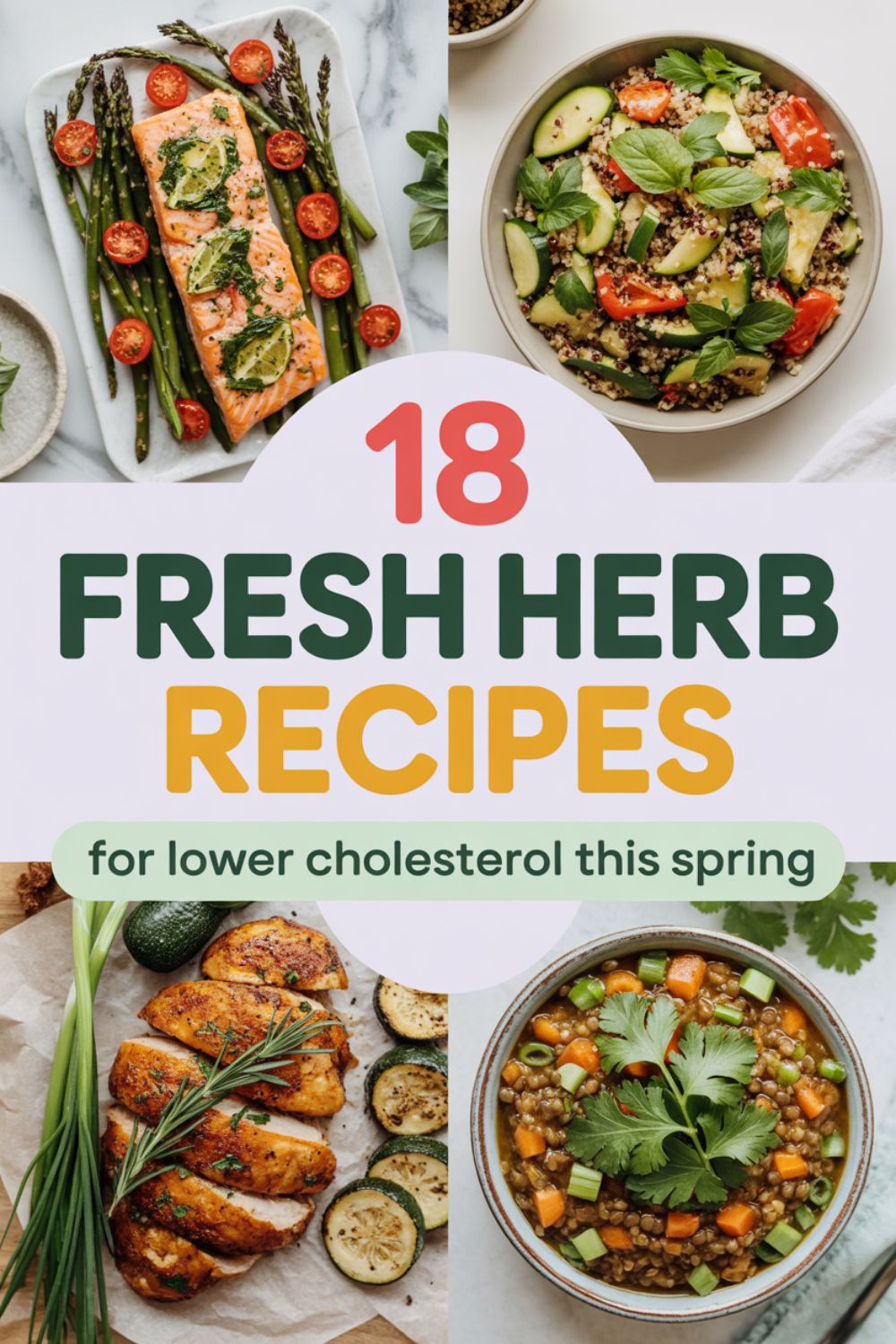
Why Fresh Herbs Are Your Secret Weapon Against High Cholesterol
Here’s something that surprised me when I started researching this: herbs aren’t just flavor enhancers. According to research on cholesterol-lowering herbs, many common culinary herbs contain compounds that actively work to reduce LDL cholesterol levels.
Take turmeric, for instance. A systematic review published in PMC found that curcumin—the active compound in turmeric—can inhibit lipid accumulation and upregulate LDL receptors. Translation? Your body gets better at clearing out the bad cholesterol naturally.
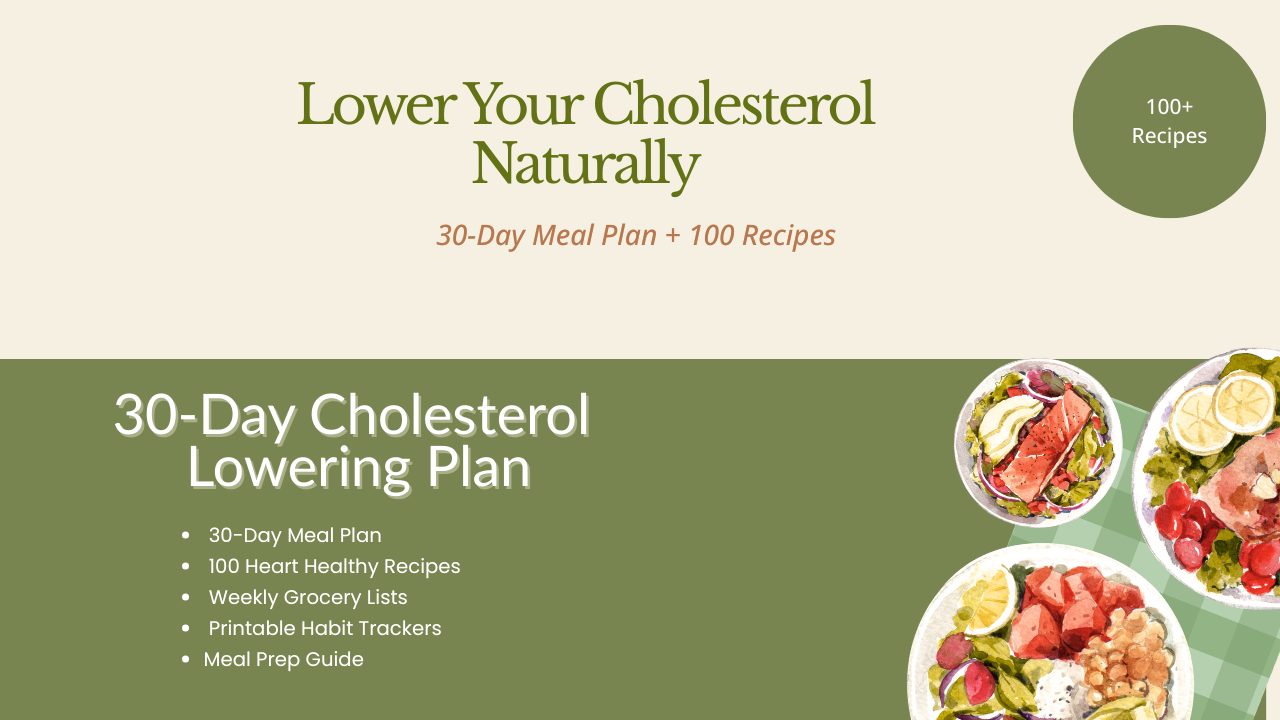
30-Day Cholesterol Reset System
A simple done-for-you plan to help you eat heart-healthy every day without confusion.
Over 1,000 people downloaded this guide
✔ 100 Easy Recipes
✔ Grocery Lists + Meal Prep Guide
🎁 FREE BONUSES:
✔ 7-Day Quick Start Plan
✔ Printable Grocery List
$29 $9
Get Instant AccessBut it’s not just turmeric. Ginger, basil, cilantro, parsley, rosemary—they all pack different cholesterol-fighting compounds. Gingerols in ginger help reduce oxidative stress that contributes to cholesterol buildup. Basil contains eugenol, which has been shown to support healthy lipid profiles. Even simple parsley is loaded with flavonoids that act as antioxidants.
The best part? You don’t need massive quantities to see benefits. We’re talking tablespoons, not cups. Just regular use in your everyday cooking can make a measurable difference over time.
Spring’s Best Heart-Healthy Herb Varieties
Basil: The Cholesterol-Lowering Superstar
Basil isn’t just for caprese salads and pesto anymore. Studies have shown that holy basil (also called tulsi) can reduce total cholesterol, LDL cholesterol, and triglycerides while boosting HDL—the good cholesterol. Regular sweet basil offers similar benefits, just in slightly lower concentrations.
I grow mine in a self-watering herb planter on my kitchen windowsill. Zero guilt about forgetting to water it for a week, and I always have fresh leaves within arm’s reach when I’m cooking.
Cilantro: More Than a Love-It-or-Hate-It Debate
Okay, I know cilantro is divisive. But if you’re in the “love it” camp, you’re in luck. Cilantro has been shown to help lower LDL cholesterol and increase HDL cholesterol. It’s packed with antioxidants and has natural diuretic properties that support overall cardiovascular health.
The trick with cilantro? Use the stems too. Most people toss them, but the stems actually contain more flavor compounds than the leaves. Just chop them finely and throw them in early when you’re sautéing.
Parsley: The Underrated Champion
Parsley gets dismissed as a plate decoration, which is honestly criminal. It’s absolutely loaded with vitamin K, vitamin C, and flavonoids that support heart health. The apigenin in parsley specifically has been linked to reduced LDL oxidation—which is when cholesterol becomes truly dangerous.
I keep a bunch of flat-leaf parsley in my fridge at all times. Toss it into salads that don’t feel like diet food, blend it into smoothies, or make chimichurri sauce that’ll make you forget butter exists.
Dill: Fresh, Bright, and Heart-Protective
Dill contains monoterpenes—compounds that activate enzymes helping your body process cholesterol more efficiently. Plus, it’s stupidly versatile. Goes with fish, potatoes, yogurt-based sauces, cucumber salads, you name it.
One of my favorite lazy dinners is salmon with dill and lemon. Takes 15 minutes, tastes fancy, and your arteries thank you. Get Full Recipe
18 Fresh Herb Recipes That Actually Lower Cholesterol
Alright, let’s get to the good stuff. These recipes aren’t ranked because honestly, they’re all winners depending on what you’re craving. What they have in common: herbs as primary ingredients (not garnishes), heart-healthy fats, and zero deprivation vibes.
Breakfast Recipes
1. Herb-Loaded Mediterranean Scramble
Eggs get a bad rap in cholesterol conversations, but recent research shows dietary cholesterol doesn’t directly impact blood cholesterol the way we thought. This scramble uses fresh oregano, basil, and parsley alongside tomatoes and spinach. The herbs add so much flavor you won’t miss the cheese. Get Full Recipe
2. Cilantro-Lime Avocado Toast
Before you groan about another avocado toast recipe, hear me out. This version uses cilantro-lime mash on sprouted grain bread, topped with hemp hearts for extra omega-3s. The cilantro isn’t just for Instagram—it’s actively helping your cholesterol numbers while tasting ridiculously fresh.
3. Parsley-Mint Green Smoothie Bowl
I blend frozen banana, spinach, fresh parsley, mint, and a scoop of flax seeds in my high-speed blender. Top with berries and a drizzle of almond butter. Tastes like dessert, works like medicine. For more morning inspiration, check out these cholesterol-friendly breakfast ideas.
Lunch Recipes
4. Herb-Crusted Chickpea Salad
Roasted chickpeas coated in fresh thyme, rosemary, and garlic powder, tossed with mixed greens, cucumber, and a lemon-herb vinaigrette. The chickpeas give you that satisfying crunch you’d normally get from croutons, but with fiber that actually helps bind cholesterol in your digestive system.
5. Dill and Cucumber Yogurt Bowl
This is my go-to when I need something light but filling. Greek yogurt (the good, thick stuff) mixed with loads of fresh dill, cucumber, lemon, and a pinch of garlic. Serve it over quinoa or alongside some filling low-cholesterol lunches for a complete meal.
6. Basil-Walnut Pesto Pasta
Classic pesto but swap half the oil for vegetable broth, use walnuts instead of pine nuts (cheaper and higher in omega-3s), and go heavy on the basil. Toss with whole grain pasta and cherry tomatoes. The walnuts specifically have been shown to improve cholesterol ratios. I use this food processor to make pesto in under three minutes.
Speaking of pasta, if you’re looking for more quick, herb-forward meals, try these 10-minute cholesterol-friendly lunches or these one-pan dinners for easy nights.
Dinner Recipes
7. Cilantro-Lime Grilled Chicken
Marinate chicken breasts in blended cilantro, lime juice, garlic, and a touch of olive oil. The cilantro marinade is so flavorful it makes plain chicken breast actually exciting. Grill it up and serve with roasted vegetables or alongside other flavor-packed chicken recipes.
8. Herb-Roasted Salmon with Dill Sauce
Salmon is already a cholesterol superstar thanks to omega-3s, but adding a fresh dill-yogurt sauce takes it to another level. The combination of fatty fish and fresh herbs is basically a one-two punch for your lipid panel. Get Full Recipe
9. Rosemary White Bean Stew
This is comfort food that happens to love your heart back. White beans simmered with fresh rosemary, tomatoes, garlic, and vegetable broth. The soluble fiber in beans binds to cholesterol and helps remove it from your body. I make a huge pot on Sunday and eat it all week. Find more ideas like this in these cholesterol-friendly soups and stews.
10. Parsley Tabbouleh with Quinoa
Traditional tabbouleh uses bulgur, but I swap it for quinoa to boost the protein. The real star here is parsley—and I mean A LOT of parsley. It should look more like a parsley salad with some grain mixed in, not the other way around.
11. Thai Basil Stir-Fry
Thai basil has a slightly different flavor profile than sweet basil—more anise-like and peppery. Toss it with vegetables, tofu or chicken, garlic, ginger, and a light sauce made with low-sodium soy sauce and lime. Cook everything in a carbon steel wok for that restaurant-quality sear.
12. Herb-Stuffed Portobello Mushrooms
Portobello caps stuffed with a mixture of fresh herbs (thyme, oregano, parsley), whole grain breadcrumbs, garlic, and a sprinkle of nutritional yeast for a cheesy flavor without the saturated fat. These are so satisfying, even non-vegetarians request them. Check out more vegetarian meals you’ll actually crave.
Sides and Snacks
13. Chimichurri Roasted Vegetables
Any vegetables work—Brussels sprouts, carrots, sweet potatoes, cauliflower—but the chimichurri is what makes them addictive. Fresh parsley, oregano, garlic, red wine vinegar, and olive oil blended together. Drizzle it over roasted veggies and watch people who “hate vegetables” go back for thirds.
14. Dill Pickle Hummus
Blend chickpeas, tahini, lemon juice, garlic, and a bunch of fresh dill with some pickle brine. Sounds weird, tastes incredible. The dill and pickles add a tangy complexity that makes regular hummus seem boring. Serve with vegetable sticks or whole grain crackers for a snack that supports heart health without feeling like deprivation.
15. Mint and Cucumber Salad
This is my summer staple. Thinly sliced cucumbers with tons of fresh mint, a squeeze of lemon, and just a drizzle of olive oil. So refreshing it makes you forget you’re eating something healthy. The mint aids digestion and the cucumber provides hydration plus potassium.
16. Herb-Marinated Olives
Buy good quality olives and marinate them yourself with fresh rosemary, thyme, lemon peel, and garlic. Let them sit in the fridge for a day or two. They’re perfect for meal prep and make any meal feel more elevated. Olives contain monounsaturated fats that help improve your HDL to LDL ratio.
Smoothies and Beverages
17. Cilantro Detox Smoothie
Cilantro, pineapple, cucumber, coconut water, and a squeeze of lime. It sounds like it should taste like a lawn, but the pineapple makes it sweet and tropical. Cilantro has natural heavy metal chelating properties too, so it’s doing double duty. For more heart-healthy drink ideas, browse these cholesterol-friendly smoothies and juices.
18. Basil-Lemon Water
This is almost too simple to call a recipe, but it’s my secret weapon for staying hydrated without getting bored. Fresh basil leaves and lemon slices in a pitcher of water. Let it infuse overnight. The basil gives it a subtle sweetness and freshness that makes you actually want to drink water.
Meal Prep Essentials for Herb-Forward Cooking
Kitchen Tools That Make Fresh Herb Cooking Actually Easy
Look, you don’t need a million gadgets. But these six things have genuinely made the difference between “I should cook with herbs more” and actually doing it consistently.
Physical Tools:
- Herb stripper and chopper combo tool – Strip leaves off stems in one motion. No more tedious plucking.
- Salad spinner that doubles as herb dryer – Wet herbs don’t chop cleanly. This fixes that in 30 seconds.
- Glass meal prep containers with dividers – Keep prepped herbs separate from other ingredients until you’re ready to use them.
Digital Resources:
- Herb pairing flavor guide PDF – Takes the guesswork out of which herbs work with what proteins and vegetables.
- 30-day herb-forward meal plan – Pre-planned recipes using seasonal herbs, with shopping lists included.
- Video course on growing kitchen herbs year-round – Even in apartments. Even if you kill every plant you touch.
Making Fresh Herbs Part of Your Cholesterol Management Strategy
Here’s the thing about managing cholesterol naturally—it’s not about one magic ingredient or recipe. It’s about consistent habits that stack up over time. Fresh herbs make it easier to stick with those habits because they make healthy food taste good enough that you actually want to eat it.
When I started prioritizing herb-forward cooking, I noticed my grocery cart looked different. More produce, fewer packages. More color, less beige. And yeah, my cholesterol numbers improved after about three months of eating this way, but honestly? The bigger win was not feeling like I was on a diet.
The recipes I’ve shared here work because they don’t ask you to give up flavor or satisfaction. They just swap out ingredients that spike cholesterol for ones that support heart health. Sometimes it’s using herbs instead of salt. Sometimes it’s replacing cream sauce with an herb-yogurt sauce. Small swaps, big impact.
And if you’re worried about the cost of fresh herbs, I get it. They can be pricey. But growing your own is easier than you think—even a small windowsill herb garden can supply enough basil, cilantro, and parsley for a household of two. I started with a self-watering three-tier herb planter and it paid for itself in about six weeks compared to buying fresh herbs at the store.
For more comprehensive meal planning ideas, check out these weekly meal prep ideas for cholesterol management that incorporate herbs naturally throughout the week.
The Science-Backed Benefits You Need to Know
I’m not a doctor or nutritionist, but I do read a lot of research when I’m obsessing over recipes. And the science on herbs and cholesterol is actually pretty compelling. According to a systematic review on herbs for cholesterol reduction, herbal medicinal products showed reductions in total serum cholesterol ranging from 10 to 33 percent across different studies.
Now, that doesn’t mean you should ditch your prescribed medication and just eat basil. But it does mean that incorporating these herbs into a balanced diet can support whatever cholesterol management plan you’re already following.
The compounds in herbs work through multiple pathways: some reduce cholesterol absorption in the gut, others increase bile acid excretion, and many provide antioxidant protection that prevents LDL oxidation. It’s like they’re attacking the problem from several angles at once.
What I appreciate about using food as part of health management is that there’s basically zero downside (unless you have specific allergies, obviously). You’re not risking side effects. You’re just making your food taste better while potentially improving your numbers.
Pairing Herbs with Other Cholesterol-Fighting Foods
Herbs work even better when you pair them with other ingredients that support healthy cholesterol levels. Think of it like building a team instead of relying on a solo player.
Combine fresh herbs with fatty fish (salmon, mackerel, sardines) for an omega-3 boost. The herbs cut through the richness of the fish while the omega-3s work on raising HDL cholesterol. Win-win.
Toss herbs with legumes and whole grains. The soluble fiber in beans, lentils, and oats binds to cholesterol in your digestive tract. Adding herbs makes these fiber-rich foods taste like something you’d choose, not something you’re forcing yourself to eat. If you need more ideas, these foods that naturally lower cholesterol pair beautifully with fresh herbs.
Use herbs in olive oil-based dressings and marinades. Olive oil is loaded with monounsaturated fats that improve your cholesterol ratio. Herbs suspended in olive oil become flavor bombs you can drizzle on anything. I keep three different herb oils in my fridge at all times—basil, rosemary, and a mixed Italian blend. For more olive oil-based recipes, check out these cholesterol-friendly dishes using olive oil.
Blend herbs into nut-based sauces. Walnuts, almonds, and pistachios all support healthy cholesterol. Adding fresh herbs to nut-based pestos or sauces creates dishes that work triple duty: lowering LDL, raising HDL, and tasting incredible.
Common Mistakes to Avoid
Real talk: I’ve made every herb-cooking mistake in the book. Here’s what I learned so you don’t have to.
Mistake #1: Adding herbs too early when cooking. Delicate herbs like basil, cilantro, and parsley lose their flavor compounds when exposed to high heat for too long. Add them at the end or use them raw. Hardier herbs like rosemary, thyme, and oregano can handle longer cooking times.
Mistake #2: Not washing herbs properly. Dirt and grit hiding in herb leaves will ruin a dish fast. But over-washing makes them slimy. The sweet spot: gentle swish in cold water, then spin dry in a salad spinner or pat very gently with a clean kitchen towel.
Mistake #3: Storing herbs like vegetables. Most herbs don’t want to be suffocating in plastic bags. Treat soft herbs (basil, cilantro, parsley, dill) like flowers—trim the stems and put them in a jar with water. Cover loosely with a produce bag and refrigerate (except basil, which prefers room temperature).
Mistake #4: Being too timid with quantities. Recipe says “2 tablespoons chopped parsley”? Double it. Triple it. Unless you’re dealing with really strong herbs like rosemary or sage, you can’t really overdo it with fresh herbs. They’re way milder than their dried counterparts.
Mistake #5: Throwing out the stems. Cilantro stems, parsley stems, even basil stems have tons of flavor. The texture might not work raw, but they’re perfect for pestos, chimichurris, and anything you’re blending or cooking down.
Frequently Asked Questions
Can fresh herbs really make a difference in cholesterol levels?
Yes, but it’s about consistent use over time, not a one-time fix. Studies show that regular consumption of certain herbs can help reduce LDL cholesterol by 10-33% when combined with an overall heart-healthy diet. Think of herbs as one tool in your cholesterol management toolkit, not a magic bullet.
Which herbs are most effective for lowering cholesterol?
Based on research, basil, cilantro, turmeric, ginger, garlic, and fenugreek show the strongest evidence for cholesterol reduction. But honestly, variety is your friend—different herbs work through different mechanisms, so rotating them gives you broader benefits.
Can I use dried herbs instead of fresh for these recipes?
You can, but you’ll need way less—usually about one-third the amount since dried herbs are more concentrated. That said, fresh herbs provide more antioxidants and some of the volatile compounds that support heart health get lost in the drying process. Fresh is better when you can swing it.
How quickly will I see results in my cholesterol numbers?
Most people see measurable changes in 8-12 weeks of consistent dietary changes. But this isn’t just about herbs—it’s about the whole package: more plants, healthy fats, regular exercise, stress management. Herbs make the diet part way easier to stick with because the food actually tastes good.
Are there any herbs I should avoid if I’m on cholesterol medication?
Some herbs can interact with statins and other medications. Grapefruit is the famous one, but also watch out for red yeast rice (which actually contains natural statin compounds). Always check with your doctor before adding large amounts of any herb if you’re on medication. Culinary amounts in food are usually fine, but therapeutic doses can be a different story.
Conclusion
Managing cholesterol through food doesn’t have to feel like punishment. Fresh herbs transform ordinary ingredients into meals you’d genuinely choose to eat, not meals you force down because they’re “good for you.” That’s the difference between a diet you abandon in three weeks and eating habits that actually stick.
Start with one or two recipes from this list. Get comfortable with them. Then add another. Before you know it, you’ll have a rotation of herb-forward meals that support your heart health while tasting like real food made by someone who actually enjoys eating.
Your cholesterol numbers matter, but so does enjoying your meals. With fresh herbs, you don’t have to choose between the two. Spring is here, the farmers markets are loaded with fresh herbs, and your kitchen is about to smell amazing. That’s a win all around.
30-Day Cholesterol-Lowering Meal Plan
A simple step-by-step system to help you eat heart-healthy every day without stress.
Over 1,000 people downloaded this guide
$29$9
Get Instant Access