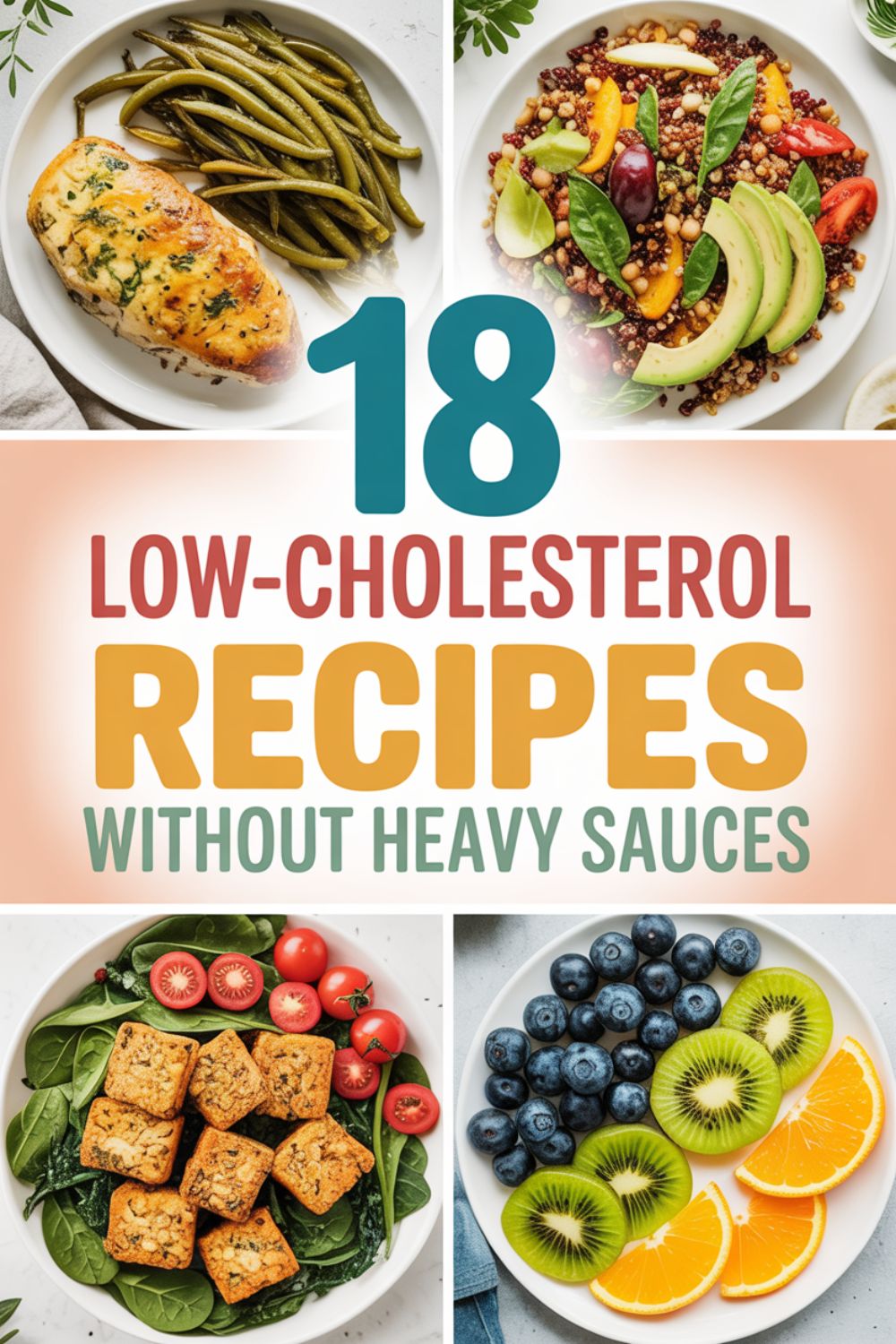
18 Low-Cholesterol Recipes Without Heavy Sauces
Look, I get it. When your doctor mentions the word “cholesterol,” your brain immediately goes to a lifetime of bland chicken breasts and sad steamed vegetables. But here’s the thing nobody tells you—ditching heavy sauces doesn’t mean kissing flavor goodbye.
I spent years thinking low-cholesterol eating meant drowning everything in vinegar or resigning myself to plain grilled everything. Turns out, I was doing it completely wrong. The secret isn’t about what you take away; it’s about what you add back in smarter ways.
Heavy sauces are usually loaded with butter, cream, and cheese—aka the trifecta of saturated fat bombs. But when you swap those for fresh herbs, citrus zests, aromatic spices, and a good splash of quality olive oil? You’re not sacrificing anything. You’re actually upgrading your taste buds while doing your arteries a solid favor.
Why Heavy Sauces Are the Real Villain
Most traditional sauces get their richness from ingredients that spike your LDL cholesterol faster than you can say “alfredo.” We’re talking heavy cream, butter by the stick, full-fat cheese, and egg yolk emulsions. Sure, they taste incredible—but they’re basically delivering fat directly to your bloodstream.
According to the American Heart Association, reducing saturated fat intake is one of the most effective dietary changes you can make for heart health. The research backs this up consistently.
But here’s where it gets interesting. You don’t need butter or cream to create depth and satisfaction in your meals. What you need is technique, the right ingredients, and maybe a slight attitude adjustment about what “good” really means.
Think about Mediterranean cooking for a second. Those people have been eating incredibly flavorful food for centuries without drowning everything in béchamel. Their secret? Olive oil, fresh herbs, garlic, lemon, tomatoes, and spices. Simple stuff that packs serious flavor.
The Foundation: Building Flavor Without the Fat
When I first started cooking without heavy sauces, I made the rookie mistake of just eliminating things. Spoiler alert: that doesn’t work. You end up with food that tastes like cardboard dressed up for dinner.
What does work is building layers of flavor using ingredients that actually support heart health. Fresh citrus juices, vinegars, mustards, salsas, and pestos made with nuts—these are your new best friends.
Acids Are Your Secret Weapon
Ever notice how a squeeze of lemon can completely transform a dish? That’s the power of acidity. It brightens flavors, cuts through richness, and makes your taste buds sit up and pay attention. I keep at least three types of vinegar in my pantry at all times—balsamic, red wine, and rice vinegar.
Try this: next time you’re making Get Full Recipe for grilled chicken, marinate it in lemon juice, minced garlic, and fresh oregano for 30 minutes. You won’t miss the butter-based sauce, I promise.
Speaking of flavor-packed marinades, you might also love these options: low-cholesterol chicken recipes and vegetarian meals that are anything but boring.
Herbs Make Everything Better
Fresh herbs aren’t just garnish—they’re the backbone of sauce-free cooking. Cilantro, basil, parsley, dill, mint… these aren’t expensive, and they add complexity that no amount of butter can match.
I use this herb keeper to store them in my fridge, and it keeps them fresh for way longer than just tossing them in a plastic bag. Total game-changer if you’re serious about cooking this way regularly.
18 Low-Cholesterol Recipes That Actually Taste Like Real Food
Alright, let’s get to the good stuff. These recipes prove you don’t need heavy sauces to make food that people actually want to eat. Each one relies on smart ingredient combinations and cooking techniques instead of fat bombs.
Grilled Lemon-Herb Salmon
Salmon is already packed with heart-healthy omega-3 fatty acids, so you’re basically doing double duty here. Marinate filets in lemon juice, fresh dill, minced garlic, and a drizzle of olive oil. Grill for about 6 minutes per side. Get Full Recipe.
Harvard Health Publishing notes that fatty fish like salmon can help lower LDL cholesterol when it replaces less healthy proteins in your diet. The omega-3s are legit backed by research.
I cook mine on this grill mat because it prevents sticking without needing extra oil, plus cleanup is ridiculously easy.
Balsamic Roasted Vegetables
This is my go-to side dish for literally everything. Toss Brussels sprouts, carrots, and red onions with balsamic vinegar, garlic, and just enough olive oil to coat. Roast at 425°F until caramelized. The vegetables get sweet, tangy, and slightly charred—no cream sauce needed.
Pro move: add a sprinkle of crushed red pepper flakes for heat.
Herb-Crusted Chicken Breast
Coat chicken breasts in a mixture of panko breadcrumbs, fresh thyme, rosemary, garlic powder, and lemon zest. Bake at 400°F for 25 minutes. You get that satisfying crunch without deep-frying or heavy sauces. Pair this with one of these versatile side dishes for a complete meal.
Citrus-Marinated Shrimp Skewers
Shrimp is naturally low in saturated fat. Marinate them in orange juice, lime juice, cilantro, and a tiny bit of honey. Thread onto skewers and grill for 2-3 minutes per side. These are insanely good served over a fresh salad that doesn’t feel like punishment.
Tomato-Basil Quinoa Bowl
Cook quinoa in vegetable broth instead of water for extra flavor. Toss with cherry tomatoes, fresh basil, cucumber, red onion, and a simple lemon-olive oil dressing. This hits all your texture notes—crunchy, fresh, satisfying. Get Full Recipe.
I prep these in glass meal prep containers on Sundays and they last all week without getting soggy.
Spice-Rubbed Pork Tenderloin
Pork tenderloin is lean and takes on spices beautifully. Create a rub with smoked paprika, cumin, garlic powder, and black pepper. Roast at 375°F until it hits 145°F internal temp. Slice it thin and serve with roasted sweet potatoes.
For more pork and poultry ideas that keep things interesting, check out these family dinner recipes that even picky eaters approve of.
Mediterranean Stuffed Peppers
Bell peppers stuffed with ground turkey, brown rice, tomatoes, olives, and feta (use sparingly). The feta adds a salty punch without needing much, and the olives bring that Mediterranean vibe. Bake until the peppers are tender.
Ginger-Lime Tofu Stir-Fry
Press your tofu to get the water out, then pan-fry in a tiny bit of sesame oil until golden. Toss with snap peas, bell peppers, and a sauce made from fresh ginger, lime juice, soy sauce, and a touch of maple syrup. The sauce is bright and punchy—zero heavy cream required.
This is one of those meals that proves vegetarian cooking doesn’t have to be boring. For more plant-based inspiration, try these crave-worthy vegetarian meals.
Lemon-Dill Baked Cod
Cod is mild, flaky, and stupid easy to cook. Place filets on parchment paper, top with lemon slices and fresh dill, season with salt and pepper, and fold the parchment into packets. Bake at 400°F for 15 minutes. The fish steams in its own juices—no butter needed.
Spicy Black Bean Tacos
Sauté black beans with cumin, chili powder, and garlic. Serve in corn tortillas with fresh salsa, diced avocado, cilantro, and lime wedges. The beans are protein-packed and fiber-rich, which helps manage cholesterol naturally.
I use this taco holder set because it makes assembly way less messy, especially if you’re feeding kids or just don’t want taco filling all over your lap.
Honey-Mustard Glazed Carrots
Roast baby carrots with a glaze made from Dijon mustard, honey, and fresh thyme. They come out caramelized and tangy-sweet without needing butter. This side dish goes with basically everything.
If you’re looking for more quick and easy sides, these go-with-everything side dishes are lifesavers for busy weeknights.
Chimichurri Grilled Steak
Choose a lean cut like sirloin or flank steak. Marinate briefly, then grill to your preferred doneness. Top with homemade chimichurri—parsley, cilantro, garlic, red wine vinegar, and olive oil blended together. This sauce is herbaceous, tangy, and has way more personality than any butter-based option.
Roasted Red Pepper and White Bean Soup
Roast red peppers until charred, then blend with white beans, vegetable broth, garlic, and smoked paprika. The result is creamy without any actual cream. Seriously, this soup is thick and velvety just from the beans. Get Full Recipe.
For more comforting soup options, you’ll want to explore these soups and stews that work year-round.
Cucumber-Tomato Chickpea Salad
Combine chickpeas, diced cucumbers, cherry tomatoes, red onion, and fresh mint. Dress with lemon juice, olive oil, and za’atar spice. This is refreshing, filling, and has enough protein to keep you full. Perfect for meal prep.
Garlic-Rosemary Turkey Meatballs
Ground turkey mixed with fresh rosemary, minced garlic, and just enough breadcrumbs to bind. Bake them instead of frying. Serve over zucchini noodles with marinara sauce (check the label for added sugars).
I form these with a small cookie scoop so they’re all the same size and cook evenly. Little things like this make cooking less annoying.
Turmeric-Ginger Lentil Bowl
Cook lentils with turmeric, ginger, and cumin. Serve over brown rice with roasted cauliflower and a dollop of tahini. Lentils are fiber powerhouses and have been shown to help manage cholesterol levels naturally.
Mango-Avocado Salsa over Tilapia
Bake or pan-sear tilapia seasoned with lime and chili powder. Top with a fresh salsa made from diced mango, avocado, red onion, cilantro, and lime juice. The salsa brings sweetness, creaminess, and acidity all at once—way more interesting than tartar sauce.
Balsamic Glazed Brussels Sprouts with Walnuts
Roast Brussels sprouts until crispy, then toss with a balsamic reduction and toasted walnuts. The walnuts add crunch and healthy fats while the balsamic brings that sweet-tangy punch.
I toast walnuts in this mini toaster oven so I don’t have to babysit them on the stovetop. Less stress, better results.
Herb-Marinated Grilled Vegetables
Marinate zucchini, eggplant, and bell peppers in a mixture of olive oil, fresh basil, oregano, garlic, and balsamic vinegar. Grill until charred and tender. These are perfect as a main or side, and the marinade does all the heavy lifting flavor-wise.
Want even more veggie-forward meals? Check out these vegetarian options that satisfy without sauces.
Kitchen Tools That Make Low-Cholesterol Cooking Easier
Real talk: having the right tools makes this whole “cooking without heavy sauces” thing way less intimidating. These are the items I use constantly, and they’re worth the investment if you’re committed to eating this way regularly.
Fresh citrus is your flavor backbone. A good juicer makes it easy to add brightness to everything without reaching for butter.
Gets you those gorgeous char marks and caramelization without needing a ton of oil. The flavor comes from the sear, not the fat.
Make big batches of these recipes and portion them out. Prevents the “I’m too tired to cook” takeout spiral.
A downloadable template to map out your weekly meals, shopping lists, and prep schedule. Takes the guesswork out of eating well.
PDF guide showing which spice combinations work best for different proteins and vegetables. Flavor without the guesswork.
Step-by-step videos teaching techniques for building flavor without relying on heavy sauces. Great for visual learners.
Making It Work in Real Life
Look, I’m not going to pretend this is always easy. There are nights when you’re exhausted and the idea of making anything from scratch sounds like torture. That’s where meal prep comes in clutch.
I spend about an hour on Sunday afternoons prepping ingredients—chopping vegetables, making marinades, cooking grains. Then during the week, assembly is quick. Having these meal prep strategies in place makes the difference between success and ordering pizza every night.
Batch Cooking Is Your Friend
Double or triple these recipes and freeze portions. Most of these dishes freeze beautifully, especially the soups, grain bowls, and meatballs. Future you will be incredibly grateful.
I use these freezer-safe containers because they stack well and don’t get weird in the freezer like cheaper plastic does.
Restaurant Survival Guide
You can absolutely eat out while managing cholesterol. Order grilled proteins, ask for sauces on the side (or skip them entirely), load up on vegetables, and don’t be shy about requesting modifications. Most places are happy to accommodate.
I usually scan the menu ahead of time and plan my order before I get there. Prevents impulse decisions when everything sounds good and you’re starving.
The Bigger Picture: Why This Actually Matters
Cutting out heavy sauces isn’t just about following doctor’s orders. It’s about feeling better, having more energy, and reducing your risk of serious cardiovascular issues down the road.
High LDL cholesterol contributes to plaque buildup in your arteries, which increases your risk of heart attack and stroke. But the good news? Dietary changes actually work. You’re not just spinning your wheels here.
When you focus on whole foods, lean proteins, healthy fats from olive oil and nuts, and tons of vegetables and whole grains, you’re giving your body what it needs to thrive. These aren’t just “diet recipes”—this is sustainable eating that supports long-term health.
Need more variety in your rotation? These delicious low-cholesterol meals prove healthy eating doesn’t mean sacrificing taste.
If you’re specifically trying to balance cholesterol management with other health goals, these resources might help: high-protein meals for weight loss and heart-healthy meals under 400 calories.
Common Mistakes to Avoid
I’ve made plenty of mistakes on this journey, so learn from my failures. Don’t go overboard with salt just because you’re not using butter. Don’t assume all plant-based sauces are automatically healthy—some store-bought options are loaded with sodium and sugar.
And please, don’t try to make everything fat-free. Your body needs healthy fats from sources like olive oil, avocados, and nuts. The goal isn’t zero fat; it’s smart fat choices.
Read Your Labels
Even products labeled “low-fat” can be problematic if they’re compensating with tons of sugar or sodium. I’ve been burned by this more times than I want to admit. Always flip to the nutrition panel and actually read it.
Don’t Fear Dining Out
You can enjoy meals with friends and family without derailing your cholesterol management. It’s about making informed choices, not living in a bubble of steamed broccoli and grilled chicken breast.
For more everyday meal ideas that fit into a busy lifestyle, these lazy low-cholesterol meals are perfect when motivation is low.
Frequently Asked Questions
Can I still eat cheese on a low-cholesterol diet?
Yes, but in moderation. Choose lower-fat options like part-skim mozzarella or feta, which pack a lot of flavor in small amounts. You don’t need to eliminate it completely—just be mindful of portions. A little goes a long way when you’re strategic about where you use it.
How quickly will these dietary changes affect my cholesterol levels?
Most people see changes within 4-6 weeks of consistent dietary modifications, though everyone’s different. Your doctor can track your progress through regular blood work. The key is consistency—occasional slip-ups won’t derail you, but you need to stick with it most of the time to see results.
Are all oils equally healthy for managing cholesterol?
Not even close. Olive oil and avocado oil are your best bets because they’re high in monounsaturated fats that support heart health. Avoid coconut oil and palm oil, which are high in saturated fats. Canola oil is also a decent option for high-heat cooking when you need something neutral.
Can I meal prep these recipes, or do they need to be made fresh?
Most of these recipes are meal prep friendly. Grain bowls, soups, meatballs, and marinated proteins all hold up well for 3-4 days in the fridge. Some items like fish are best eaten fresh, but you can prep the marinades and sides ahead to make assembly quick.
What if I really hate vegetables?
Start small and experiment with different cooking methods. Roasting vegetables brings out natural sweetness that steaming doesn’t. Try different seasonings and don’t force yourself to eat things you genuinely dislike—there are plenty of vegetable options out there. Focus on the ones that don’t make you miserable, and build from there.
Final Thoughts
Managing cholesterol through diet isn’t about deprivation or eating boring food for the rest of your life. It’s about shifting your flavor strategy and learning to build taste without relying on butter, cream, and cheese as crutches.
These 18 recipes prove that sauce-free cooking can be just as satisfying—if not more so—than heavy traditional dishes. The flavors are brighter, cleaner, and honestly more interesting once you get used to this approach.
Start with one or two recipes that sound appealing. Make them part of your regular rotation. Then gradually add more. Before you know it, this way of eating becomes second nature instead of feeling like a chore.
Your heart will thank you. Your energy levels will improve. And you might even find yourself preferring these lighter, more vibrant dishes over the heavy stuff you used to think was essential.
Give it a shot. What’ve you got to lose besides some plaque buildup?