
18 Heart Healthy Meals Without Fried Foods
Look, I get it. Fried food tastes amazing. There’s something about that crispy, golden-brown exterior that just hits different. But here’s the thing—your heart isn’t exactly throwing a party every time you reach for those french fries or fried chicken. And honestly? You don’t need to sacrifice flavor to keep your ticker happy.
I’ve spent way too much time experimenting in my kitchen, trying to figure out how to make meals that are both legitimately delicious and heart-friendly. The good news is that skipping the deep fryer doesn’t mean you’re stuck eating bland, boring food. Actually, some of the most flavorful dishes I make don’t involve a single drop of frying oil.
Whether you’re dealing with high cholesterol, trying to lower your cardiovascular disease risk, or just want to feel better overall, these 18 heart-healthy meals are going to change how you think about cooking. No lecture, no guilt—just real food that happens to be good for you.
Why Ditching Fried Foods Actually Matters
Before we dive into the recipes, let’s talk about why we’re avoiding fried foods in the first place. I’m not here to preach, but the science is pretty clear on this one.
According to research, eating fried foods frequently—we’re talking four or more times per week—significantly increases your risk of developing chronic diseases like type 2 diabetes, heart disease, and even certain cancers. The problem isn’t just the food itself; it’s the oils used for frying. When oils are heated to high temperatures repeatedly, they form compounds that trigger inflammation and mess with your cholesterol levels.
Here’s what happens when you regularly consume fried foods:
- Cholesterol chaos: Fried foods raise your LDL (the bad cholesterol) while doing nothing for your HDL (the good stuff)
- Weight gain: Each tablespoon of frying oil adds over 100 calories, and those add up fast
- Inflammation: Those crispy edges you love? They’re loaded with inflammatory compounds that stress your cardiovascular system
- Blood pressure problems: The combination of excess sodium and unhealthy fats creates a perfect storm for hypertension
Pro Tip: If you’re craving that crispy texture, invest in a quality air fryer. You’ll use about 75% less oil while still getting that satisfying crunch.
The Building Blocks of Heart-Healthy Cooking
Alright, so we’re skipping the fryer. What should we be doing instead? The American Heart Association recommends focusing on whole foods that are minimally processed and loaded with nutrients your heart actually craves.
30-Day Cholesterol Reset System
A simple done-for-you plan to help you eat heart-healthy every day without confusion.
Over 1,000 people downloaded this guide
✔ 100 Easy Recipes
✔ Grocery Lists + Meal Prep Guide
🎁 FREE BONUSES:
✔ 7-Day Quick Start Plan
✔ Printable Grocery List
$29 $9
Get Instant AccessThink of it this way: your heart wants vegetables, fruits, whole grains, lean proteins, and healthy fats. It’s not complicated, but it does require a shift in how you approach cooking.
Cooking Methods That Work
When you’re not frying, you’ve got plenty of other options that actually enhance flavor rather than mask it:
- Roasting: Brings out natural sweetness in vegetables and creates amazing caramelization
- Grilling: Adds smokiness without any oil at all
- Steaming: Preserves nutrients better than almost any other method
- Sautéing: Use a tiny bit of olive oil or even just broth for moisture
- Baking: Perfect for getting crispy exteriors without deep-frying
I’ve found that a good cast iron skillet becomes your best friend when you’re trying to cook without excess oil. The heat distribution is incredible, and you can get serious browning action with just a light coating of oil.
18 Heart-Healthy Meals That Don’t Feel Like Diet Food
Here’s where things get interesting. These aren’t your typical bland “health food” recipes. These are meals I actually want to eat, and more importantly, meals that keep me satisfied.
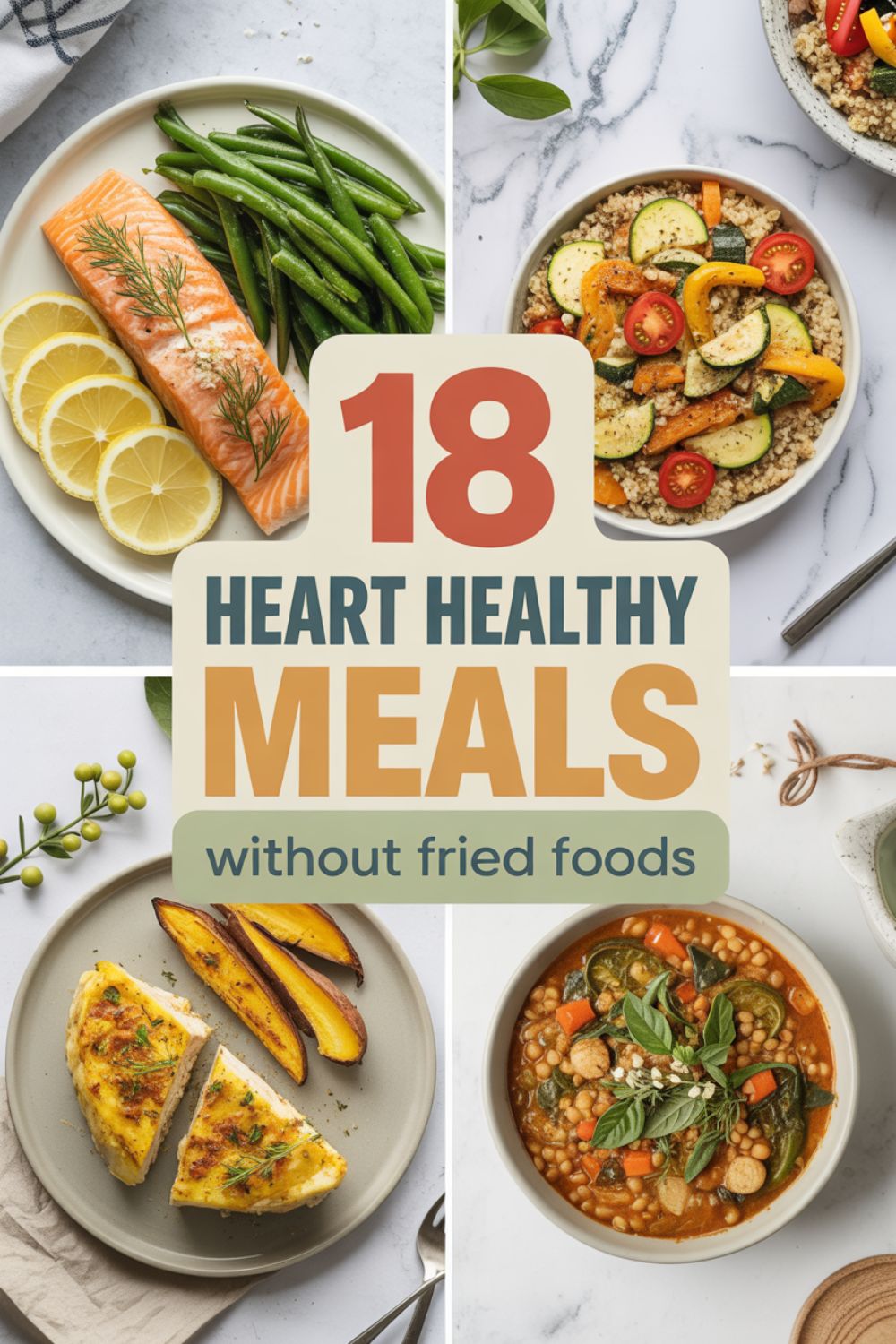
1. Mediterranean Baked Salmon with Lemon and Herbs
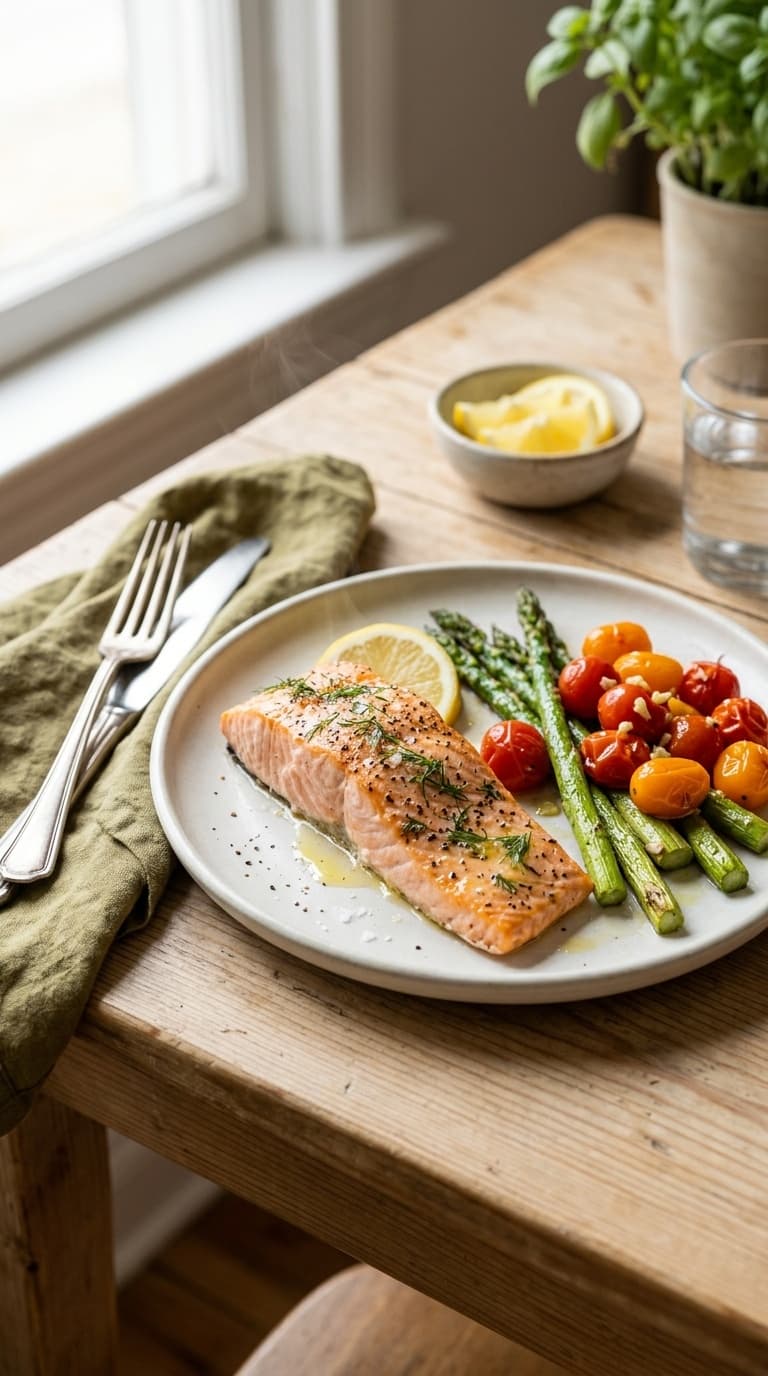
This is my go-to weeknight dinner when I’m too tired to think. Salmon is packed with omega-3 fatty acids that actually help lower triglycerides and reduce inflammation. Just season a fillet with lemon juice, fresh dill, and garlic, then bake at 400°F for about 12-15 minutes.
The fish comes out moist and flavorful, and you didn’t need to touch a single drop of frying oil. Pair it with some roasted Brussels sprouts (toss them on a rimmed baking sheet with a tiny drizzle of olive oil), and you’ve got yourself a complete meal. Get Full Recipe.
2. Quinoa-Stuffed Bell Peppers
These are ridiculously filling and surprisingly easy to make. I use quinoa instead of rice because it’s a complete protein with all nine essential amino acids. Mix cooked quinoa with black beans, corn, diced tomatoes, and cumin. Stuff it into halved bell peppers and bake until the peppers are tender.
The best part? You can make a batch on Sunday and reheat them throughout the week. They’re perfect for meal prep, and leftovers actually taste better the next day.
Quick Win: Double your recipe and freeze half. Future you will be incredibly grateful when dinner is already prepped.
3. Lentil and Vegetable Stew
IMO, lentils are one of the most underrated ingredients in heart-healthy cooking. They’re loaded with soluble fiber that literally helps sweep cholesterol out of your system. Plus, they’re crazy affordable.
I make a big pot of lentil stew with carrots, celery, onions, tomatoes, and whatever herbs I have on hand. A quality Dutch oven makes this process even easier—everything cooks evenly, and the flavors develop beautifully. This is one of those meals that gets better with time, so make extra and freeze it in portions.
Looking for more inspiration? Check out these low-cholesterol soups and stews that work for any season.
4. Grilled Chicken Breast with Chimichurri
Plain grilled chicken doesn’t have to be boring. The secret is chimichurri—a bright, herby sauce made from parsley, cilantro, garlic, red wine vinegar, and a bit of olive oil. It transforms simple grilled chicken into something you’d actually order at a restaurant.
Marinate the chicken for at least 30 minutes before grilling, and don’t overcook it. Nobody likes dry chicken. If you’re looking for more ways to keep chicken interesting, these low-cholesterol chicken recipes are legitimately packed with flavor.
5. Roasted Sweet Potato and Black Bean Tacos
Tacos without frying? Absolutely. Cube sweet potatoes, toss them with cumin and paprika, and roast until they’re caramelized and tender. Load them into corn tortillas with black beans, avocado, salsa, and a squeeze of lime.
Sweet potatoes are loaded with beta-carotene and fiber, both of which support cardiovascular health. Plus, they’re naturally sweet, which means you don’t need to add any sugar or heavy sauces to make them taste good.
6. Baked Falafel with Tahini Sauce
Traditional falafel is deep-fried, but baked falafel is just as crispy and way better for your heart. I use chickpeas, fresh herbs, garlic, and a bit of flour to bind everything together. Shape them into patties and bake on a parchment-lined baking sheet until golden.
The tahini sauce is where magic happens—blend tahini, lemon juice, garlic, and a splash of water until smooth. It’s creamy, tangy, and adds healthy fats that your body can actually use. For more plant-based options, explore these vegetarian meals you’ll actually crave.
Pro Tip: Use a food processor to pulse the chickpeas instead of mashing by hand. It saves time and creates a better texture.
7. Zucchini Noodles with Tomato Basil Sauce
Okay, hear me out. Zucchini noodles (or “zoodles” if you’re into that) are actually pretty great when you prepare them right. The trick is not to overcook them—you want them to still have a bit of bite.
I spiralize the zucchini with a handheld spiralizer, then quickly sauté them for just 2-3 minutes. Top with a simple tomato sauce made from canned tomatoes, fresh basil, and garlic. It’s light, fresh, and way lower in calories than traditional pasta while still being satisfying.
8. Sheet Pan Chicken and Vegetables
This is lazy cooking at its finest, and I mean that as a compliment. Toss chicken thighs (yes, thighs—they stay moist without needing extra fat) with broccoli, bell peppers, and red onion on a sheet pan. Season everything with Italian herbs, garlic powder, and a tiny drizzle of olive oil.
Roast it all together at 425°F for about 25 minutes. Everything cooks at the same time, there’s minimal cleanup, and you’ve got a complete meal. These one-pan dinners are perfect for busy weeknights.
9. Baked Cod with Mediterranean Vegetables
Cod is mild, flaky, and takes on whatever flavors you pair it with. I layer sliced tomatoes, olives, capers, and red onion in a baking dish, nestle the cod on top, and bake until the fish is opaque and flakes easily with a fork.
The vegetables create a natural sauce as they cook, and the whole thing feels way fancier than the effort required. Plus, white fish like cod is incredibly lean—you’re getting protein without the saturated fat that comes with fattier cuts of meat.
10. Chickpea and Spinach Curry
Curry doesn’t need to be complicated or loaded with cream. I sauté onions and garlic, add curry powder and turmeric (which has anti-inflammatory properties), then add chickpeas, diced tomatoes, and fresh spinach. Let it simmer until everything comes together.
Serve it over brown rice or quinoa, and you’ve got a meal that’s loaded with fiber, protein, and flavor. The spices do all the heavy lifting here—no frying necessary.
If you’re building a rotation of go-to meals, these heart-healthy meals under 400 calories fit perfectly into a weekly plan.
11. Turkey and Vegetable Meatballs with Marinara
Ground turkey is lean, but it can be dry if you’re not careful. The solution? Grate some zucchini and mix it into the meat along with breadcrumbs, egg, and Italian seasoning. The zucchini keeps the meatballs moist without adding fat.
Bake them in the oven (seriously, baking > frying every single time for meatballs), then simmer in marinara sauce. Serve over whole wheat pasta or zucchini noodles, depending on how you’re feeling that day.
12. Cauliflower Rice Stir-Fry
I was skeptical about cauliflower rice at first, but it’s actually pretty solid when you season it properly. Pulse cauliflower florets in a food processor until they’re rice-sized, then sauté with ginger, garlic, snap peas, carrots, and edamame.
Add a splash of low-sodium soy sauce and sesame oil for flavor. It’s a lighter take on fried rice that won’t leave you feeling sluggish after lunch. FYI, you can buy pre-riced cauliflower if you’re short on time—no judgment here.
13. Greek Yogurt Chicken Salad
Traditional chicken salad is loaded with mayo and therefore saturated fat. Swap it for plain Greek yogurt mixed with lemon juice, fresh dill, and a tiny bit of Dijon mustard. The result is tangy, creamy, and way lighter.
Mix it with shredded rotisserie chicken (remove the skin first), diced celery, and grapes for a touch of sweetness. Serve it on whole grain bread or over greens. It’s one of those meals that works for lunch all week long. For more quick options, check out these lunches you can make in under 10 minutes.
Kitchen Tools That Make Heart-Healthy Cooking Easier
Look, you don’t need a fully stocked kitchen to make these recipes, but a few smart tools can make everything so much simpler. Here’s what I actually use on repeat:
These are essential for roasting vegetables and baking protein without needing excess oil. I have three of these and use them constantly.
Portion control matters for heart health, and eyeballing portions is harder than you think. This takes the guesswork out.
Overcooked chicken is tragic. This ensures your proteins are cooked through without being dry, no oil bath required.
A simple spreadsheet that helps you plan balanced meals for the week. Includes grocery lists and prep schedules.
Over 100 recipes organized by meal type, all nutritionally analyzed with cholesterol and sodium counts.
A categorized grocery list of heart-healthy staples you can print and take to the store. Makes shopping so much faster.
14. Baked Eggplant Parmesan
Traditional eggplant parm is breaded and fried, but you can get the same crispy exterior by baking. Slice eggplant into rounds, brush lightly with olive oil, and bake until golden. Layer with marinara and a sprinkle of part-skim mozzarella.
It’s comfort food that won’t destroy your cholesterol levels. The eggplant provides fiber and antioxidants, while the light cheese gives you that satisfying richness without going overboard.
15. Shrimp and Vegetable Skewers
Shrimp is naturally low in fat and cooks quickly, making it perfect for weeknight dinners. Thread shrimp onto metal skewers (they conduct heat better than wooden ones) along with cherry tomatoes, zucchini, and red onion.
Brush with a mixture of lemon juice, garlic, and olive oil, then grill or broil until the shrimp are pink and opaque. The charring adds incredible flavor without any frying necessary. Serve over a bed of quinoa or alongside a simple green salad.
16. Black Bean and Sweet Potato Buddha Bowl
Buddha bowls are basically an excuse to throw all your favorite healthy things into one bowl and call it a meal. Start with a base of quinoa or brown rice, add roasted sweet potatoes, black beans, avocado, shredded cabbage, and whatever other vegetables you have on hand.
Drizzle with a simple lime-cilantro dressing (lime juice, cilantro, garlic, and a touch of olive oil blended together). It’s colorful, filling, and covers all your nutritional bases without any frying involved. These are similar to the salads that don’t feel like diet food—just way more substantial.
17. Herb-Crusted Pork Tenderloin
Pork tenderloin is one of the leanest cuts of pork you can buy, comparable to chicken breast in terms of fat content. Rub it with a mixture of fresh herbs (rosemary, thyme, sage), garlic, and a tiny bit of Dijon mustard, then roast in the oven.
It comes out tender and juicy, and the herb crust adds tons of flavor without needing any frying. Slice it thin and serve with roasted vegetables or a side salad. It’s fancy enough for company but easy enough for a Tuesday night.
18. Veggie-Loaded Tomato Soup with Whole Grain Crackers
There’s something deeply comforting about a bowl of tomato soup, and it’s actually incredibly heart-healthy when you make it from scratch. I roast tomatoes, carrots, onions, and red bell peppers until they’re caramelized, then blend them with vegetable broth and fresh basil.
No cream needed—the roasted vegetables create a naturally rich, velvety texture. Serve with whole grain crackers for dipping, and you’ve got a meal that feels indulgent but is actually supporting your cardiovascular health. For more warming options, browse these heart-healthy soups that naturally lower cholesterol.
Speaking of breakfast ideas, you might also love these low-cholesterol breakfast options or this collection of heart-healthy morning meals to round out your day.
Making It Work in Real Life
Here’s the thing nobody tells you about eating for heart health—it’s not about perfection. It’s about consistency and making choices that support your health most of the time.
I’m not going to pretend I never eat anything fried. Sometimes I want french fries, and sometimes I eat them. The difference is that it’s occasional rather than a daily habit. Building a rotation of go-to meals like the ones above means that eating well becomes automatic rather than something you have to force yourself to do.
Meal Prep Makes Everything Easier
If there’s one piece of advice that’s actually changed how I eat, it’s this: meal prep doesn’t have to mean spending your entire Sunday in the kitchen. It can be as simple as roasting a big batch of vegetables, cooking a pot of quinoa, and grilling some chicken that you can mix and match throughout the week.
Having components ready to go means you’re way less likely to default to takeout when you’re tired. Store everything in glass meal prep containers so you can see what you have, and meals practically assemble themselves. Check out these meal prep ideas if you need a framework to get started.
Flavor Without the Fat
One of the biggest myths about heart-healthy cooking is that it has to be bland. That’s absolutely false. The key is learning to build flavor without relying on frying or heavy sauces.
Here’s what actually works:
- Fresh herbs: Cilantro, basil, parsley, and dill add brightness to any dish
- Citrus: Lemon and lime juice wake up flavors better than salt ever could
- Spices: Cumin, paprika, turmeric, and cinnamon add depth and complexity
- Garlic and ginger: These aromatics are flavor bombs that need minimal fat to shine
- Vinegars: Balsamic, red wine, and apple cider vinegar add tanginess without calories
Investing in a good spice rack organizer actually helps you use more spices because you can see what you have. When everything’s visible and accessible, you’re more likely to experiment.
What About When You Eat Out?
Eating out doesn’t have to derail your heart-healthy habits, but it does require a bit of strategy. Most restaurants are happy to accommodate requests—you just have to ask.
Here’s what I do:
- Ask for grilled, baked, or roasted instead of fried
- Request sauces on the side so you can control how much you use
- Sub steamed vegetables or salad for fries
- Skip the bread basket (or limit yourself to one piece)
- Choose water or unsweetened tea instead of sugary drinks
It’s not about being rigid or making eating out feel like a punishment. It’s about making small adjustments that add up over time. For nights when you don’t feel like cooking, these lazy low-cholesterol meals are lifesavers.
Pro Tip: Don’t show up to restaurants starving. Have a small snack beforehand so you’re not making decisions from a place of extreme hunger.
Frequently Asked Questions
Can I still eat crispy food without frying?
Absolutely. Air frying, baking at high heat, and using the broiler can all create crispy textures without submerging food in oil. The key is using a light coating of oil (like a spray or brush) and ensuring proper spacing on your baking sheet so hot air can circulate. You won’t get exactly the same result as deep-frying, but you’ll get close—and your arteries will thank you.
How much oil should I use when cooking heart-healthy meals?
For most cooking methods, 1-2 tablespoons of heart-healthy oil (like olive, avocado, or canola) is enough for a recipe serving 4 people. Use measuring spoons rather than pouring directly from the bottle—it’s really easy to overdo it otherwise. For roasting vegetables, a light misting with an oil spray works just as well and uses even less.
Are all fried foods equally bad for heart health?
Not exactly. The type of oil, the temperature it’s heated to, and how many times that oil is reused all matter. Restaurant fryers that reuse oil repeatedly are particularly problematic because they create more inflammatory compounds. Occasional home-cooked items using fresh, heart-healthy oils and proper temperatures are less concerning than regular fast food consumption.
Will I feel satisfied eating meals without fried foods?
This is the question I worried about most when I started making these changes, and honestly? Yes, you will. The key is making sure your meals have enough protein, fiber, and healthy fats to keep you full. When you’re getting adequate nutrients, satisfaction comes naturally. It might take a week or two for your taste buds to adjust, but after that, you probably won’t miss fried foods as much as you think.
How quickly will I see heart health improvements from cutting out fried foods?
Many people notice changes within a few weeks—better energy, less bloating, and improved digestion are often the first signs. Cholesterol levels typically take 2-3 months to show measurable improvement, but that timeline varies based on your overall diet and other lifestyle factors. Your doctor can track these changes with regular blood work to show you the tangible progress you’re making.
The Bottom Line
Giving up fried foods doesn’t mean giving up flavor or satisfaction. It just means getting a little more creative with your cooking methods and ingredients. The 18 meals I’ve shared here are proof that you can eat delicious, filling food while still prioritizing your heart health.
Start with one or two recipes that sound appealing to you. Master those, then add a couple more to your rotation. Before you know it, cooking without frying becomes second nature, and your body will feel the difference—more energy, better digestion, and peace of mind knowing you’re taking care of your cardiovascular system.
Your heart is working for you 24/7. The least we can do is feed it food that supports that work rather than making its job harder. And honestly? Once you get into the rhythm of cooking this way, you won’t feel like you’re missing out on anything. If anything, you’ll wonder why you didn’t start sooner.
30-Day Cholesterol-Lowering Meal Plan
A simple step-by-step system to help you eat heart-healthy every day without stress.
Over 1,000 people downloaded this guide
$29$9
Get Instant Access