
18 Heart Healthy Desserts You Can Enjoy Guilt-Free
Look, I’ll be straight with you—when my doctor first told me I needed to watch my cholesterol, I thought my dessert days were over. Turns out? That’s complete nonsense. Heart-healthy desserts aren’t just possible, they’re legitimately delicious, and I’ve been perfecting them for the past three years.
The whole “heart health means no fun” narrative is outdated. You don’t need to sacrifice flavor or satisfaction to keep your ticker happy. What you do need is a little creativity, some smart ingredient swaps, and recipes that actually work in real kitchens with real ingredients.
I’m sharing 18 desserts that won’t spike your cholesterol, won’t leave you feeling deprived, and definitely won’t taste like cardboard. These are recipes I genuinely make on repeat, not just theoretical healthy options that sound good on paper.
Why Heart-Healthy Desserts Actually Matter
Before we dive into the good stuff, let’s talk about why this matters. According to Mayo Clinic, the foods you eat directly impact your cholesterol levels, blood pressure, and overall cardiovascular health. Traditional desserts loaded with saturated fats, refined sugars, and hydrogenated oils are basically a triple threat to your heart.
But here’s what most people miss—you’re not cutting out dessert, you’re upgrading it. Heart-healthy desserts focus on ingredients that actively support your cardiovascular system. We’re talking about foods with omega-3s, soluble fiber, antioxidants, and healthy fats that actually help lower bad cholesterol while boosting the good stuff.
The American Heart Association emphasizes that dessert can absolutely fit into a heart-healthy eating pattern when you make thoughtful choices. It’s not about deprivation—it’s about being smart.
Pro Tip: Start by swapping just one traditional dessert per week with a heart-healthy version. Your taste buds need time to adjust, and gradual changes stick better than dramatic overhauls.
The Foundation: Understanding Heart-Healthy Ingredients
Whole Grains and Oats
Oats are basically the MVP of heart-healthy baking. They’re packed with soluble fiber—specifically beta-glucan—which binds to cholesterol in your digestive system and helps eliminate it. I use oats in everything from cookies to crumbles, and honestly, the texture is better than traditional refined flour anyway.
30-Day Cholesterol Reset System
A simple done-for-you plan to help you eat heart-healthy every day without confusion.
Over 1,000 people downloaded this guide
✔ 100 Easy Recipes
✔ Grocery Lists + Meal Prep Guide
🎁 FREE BONUSES:
✔ 7-Day Quick Start Plan
✔ Printable Grocery List
$29 $9
Get Instant AccessWhen you’re baking, swap all-purpose flour for whole wheat pastry flour or oat flour. You’ll barely notice the difference in taste, but your arteries definitely will. Plus, whole grains keep you fuller longer, which means you’re less likely to faceplant into a second serving.
Natural Sweeteners and Fruit
Refined white sugar spikes your blood glucose like crazy, but fruit? Fruit comes with built-in fiber that slows down sugar absorption. Mashed bananas, unsweetened applesauce, and dates are my go-to sweeteners. They add moisture, natural sweetness, and actual nutrients instead of empty calories.
I’m not saying you need to eliminate all added sugar—that’s unrealistic. But cutting it by half and replacing it with fruit-based sweetness is a game-changer. Your desserts will taste more complex and interesting anyway.
Speaking of natural sweetness, if you’re looking for more ways to reduce added sugars in your everyday meals, check out these low-cholesterol meals that are actually delicious and these low-cholesterol dinners you’ll want to make on repeat.
Healthy Fats That Don’t Clog Arteries
Not all fats are created equal. Butter and shortening? Those saturated fats raise LDL cholesterol. But avocado, nuts, and dark chocolate contain monounsaturated and polyunsaturated fats that actually support heart health.
I use avocado oil in most of my baking now. It’s flavorless, has a high smoke point, and works one-to-one as a butter replacement. Greek yogurt also works brilliantly in moist cakes and muffins—it adds protein and creates the most incredible crumb.
Dark chocolate deserves its own mention. The flavonoids in cacao can improve blood flow and lower blood pressure. Just stick with chocolate that’s at least 70% cacao, and you’re golden. I keep a stash of high-quality dark chocolate chips specifically for desserts.
18 Heart Healthy Desserts You’ll Actually Want to Eat
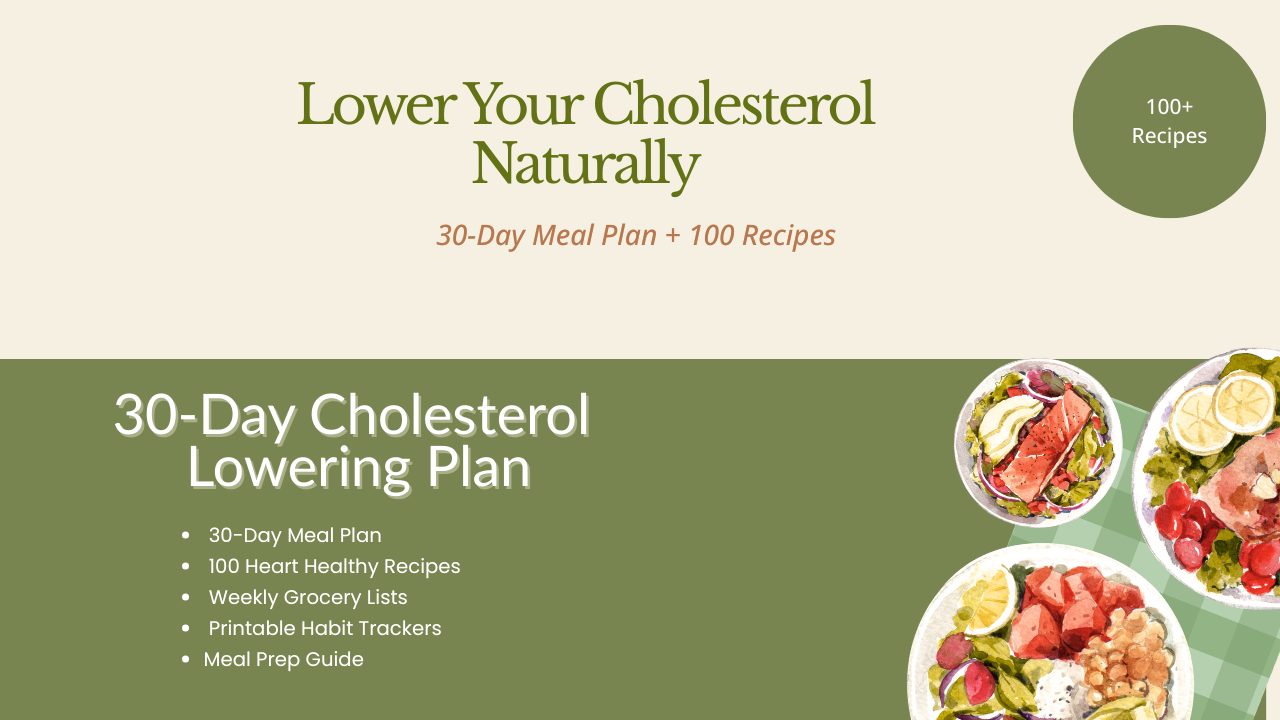
1. Dark Chocolate Avocado Mousse
This sounds bizarre until you try it. Blend ripe avocado with cocoa powder, a touch of maple syrup, and vanilla extract. The result is insanely creamy, rich chocolate mousse with zero cream or butter. The avocado’s healthy fats make it luxurious while supporting your cardiovascular system.
I make this in my high-speed blender and it takes maybe five minutes. Top it with fresh raspberries and you’ve got a dessert that looks fancy enough for guests but requires minimal effort.
2. Baked Cinnamon Apples with Walnuts
Core some apples, stuff them with chopped walnuts, cinnamon, and a drizzle of honey, then bake until tender. Walnuts are loaded with omega-3 fatty acids, and the apples provide soluble fiber. It’s basically a deconstructed apple pie without the butter-laden crust.
The smell alone when these are baking is worth making them. I use a apple corer to make prep ridiculously easy—no knife skills required.
3. Greek Yogurt Berry Parfait
Layer plain Greek yogurt with fresh berries and a sprinkle of granola. That’s it. Greek yogurt is packed with protein and probiotics, berries deliver antioxidants, and if you choose low-sugar granola, you’ve got a dessert that doubles as breakfast.
I prep these in mason jars on Sunday nights. They last all week in the fridge, and grabbing one after dinner is easier than digging through the freezer for ice cream.
Quick Win: Buy frozen berries in bulk and thaw only what you need. They’re just as nutritious as fresh, way cheaper, and you’ll never waste spoiled fruit again.
4. Banana Oat Cookies
Two ingredients: mashed bananas and oats. Seriously. You can add mix-ins like dark chocolate chips or chopped nuts, but the base is just those two things. They’re naturally sweet, surprisingly satisfying, and you can whip up a batch in 20 minutes.
These are my emergency dessert when I need something sweet immediately. I bake them on a silicone baking mat so cleanup is nonexistent.
5. Chia Seed Pudding with Fresh Mango
Mix chia seeds with unsweetened almond milk, let it sit overnight, and top with fresh mango in the morning. Chia seeds are ridiculously high in omega-3s and fiber. The texture is like tapioca pudding, and the natural sweetness from mango means you don’t need added sugar.
I make this in small glass containers because they’re portable and you can see the pretty layers.
6. Frozen Yogurt Bark
Spread Greek yogurt on a baking sheet, top with berries and nuts, freeze, then break into chunks. It’s like a healthier version of chocolate bark, and the combination of creamy frozen yogurt with crunchy toppings is addictive.
This is probably the most Instagram-worthy dessert on this list, and it’s shockingly easy. The American Heart Association even recommends this as a nutrient-dense dessert option.
7. Almond Flour Brownies
Almond flour creates the fudgiest brownies while adding protein and healthy fats. You’ll use less sugar than traditional brownies, and the texture is somehow better—more like expensive bakery brownies than boxed mix.
I was skeptical about almond flour at first, but now I buy it in bulk. The flavor is subtly nutty without being overwhelming, and it keeps brownies moist for days.
For more heart-healthy breakfast ideas that use similar wholesome ingredients, take a look at these low-cholesterol breakfast ideas and low-cholesterol breakfasts under 300 calories.
8. Poached Pears with Cinnamon
Simmer pears in water with cinnamon sticks, a splash of vanilla, and maybe a tiny bit of honey. The slow cooking brings out the fruit’s natural sweetness while the spices make it feel indulgent. This is elegant enough for dinner parties but easy enough for random Tuesday nights.
Pro tip: Save the poaching liquid and use it as a base for tea or drizzle it over oatmeal.
9. No-Bake Peanut Butter Energy Balls
Combine oats, natural peanut butter, honey, and dark chocolate chips. Roll into balls and refrigerate. These are technically dessert but also work as pre-workout snacks. The combination of protein, healthy fats, and complex carbs keeps you satisfied.
I use natural peanut butter with no added oils or sugar. The ingredient list should literally just say “peanuts.”
10. Coconut Milk Rice Pudding
Swap heavy cream for coconut milk and you’ve got creamy rice pudding with medium-chain triglycerides that your body processes differently than other fats. Use brown rice for extra fiber and nutrients.
This was a game-changer for me because I grew up on traditional rice pudding. The coconut version is actually better—richer flavor, better texture, and it doesn’t make me feel sluggish afterward.
Tools & Ingredients That Make Heart-Healthy Baking Easier
After three years of making these desserts regularly, here are the items that genuinely make the process smoother. These aren’t must-haves, but they’re the tools I reach for constantly.
Physical Products:
- High-Speed Blender – Essential for smooth avocado mousse and chia puddings. Get one with a tamper if you can.
- Silicone Baking Mats – Nothing sticks, cleanup is instant, and you’ll never buy parchment paper again.
- Glass Meal Prep Containers – Perfect for parfaits, chia pudding, and overnight oats. Stack easily and won’t absorb odors.
Digital Resources:
- Heart-Healthy Recipe eBook Collection – Comprehensive guide with macros calculated for every recipe.
- Meal Planning Template Bundle – Makes weekly dessert prep brainless. Includes shopping lists organized by store section.
- Sugar Substitute Conversion Chart – Takes the guesswork out of adapting traditional recipes.
11. Matcha Energy Bites
Matcha powder is loaded with antioxidants that specifically support cardiovascular health. Mix it with dates, cashews, and coconut for no-bake energy bites that taste sophisticated and keep you full.
These have become my go-to when I’m craving something sweet mid-afternoon. The matcha gives you a gentle energy boost without the coffee jitters.
12. Baked Peaches with Almond Crumble
Halve some peaches, top with a crumble made from oats, almond flour, and a touch of coconut oil, then bake. Peaches are naturally sweet and full of vitamins, and the almond crumble adds protein and healthy fats.
This is especially good in summer when peaches are at their peak. I use a ceramic baking dish that goes from oven to table beautifully.
13. Dark Chocolate Dipped Strawberries
Melt high-quality dark chocolate (at least 70% cacao) and dip fresh strawberries. That’s it. You get the cardiovascular benefits of dark chocolate plus vitamin C and fiber from strawberries.
These look fancy, taste indulgent, and take maybe 10 minutes to make. I prep them for gatherings because everyone assumes they’re harder than they are.
Pro Tip: Let the dipped strawberries set on parchment paper in the fridge, not at room temperature. They’ll have that satisfying snap when you bite into them.
14. Cashew Date Bars
Blend dates and cashews in a food processor, press into a pan, refrigerate, and cut into bars. The dates provide natural sweetness and fiber while cashews deliver healthy fats and protein. These taste like candy bars but are actually nutritious.
I keep a batch in the freezer and grab one when I need something sweet. They’re dense enough that one bar is genuinely satisfying.
15. Lemon Blueberry Nice Cream
Blend frozen bananas with a handful of blueberries and fresh lemon juice. The result is creamy, tangy, sweet “ice cream” with zero added sugar or dairy. Bananas provide potassium which helps regulate blood pressure, and blueberries are antioxidant powerhouses.
This is my favorite summer dessert. The texture is legitimately like soft-serve, and you can customize the flavors endlessly.
16. Oatmeal Raisin Cookies (The Good Kind)
Made with whole oats, unsweetened applesauce, and minimal added sugar, these are nothing like the sad cafeteria versions. They’re chewy, satisfying, and the cinnamon makes them taste sweeter than they are.
I bake a double batch and freeze half. Pull them out individually as needed, and you always have fresh cookies without the temptation of a full batch sitting around.
Looking for more wholesome meal ideas? These low-cholesterol lunches that keep you full and these low-cholesterol snacks follow the same philosophy of real ingredients and great taste.
17. Pumpkin Chia Custard
Combine pumpkin puree, chia seeds, almond milk, and pumpkin pie spice. Let it set overnight and you’ve got a custard-like dessert packed with fiber, omega-3s, and beta-carotene. It tastes like pumpkin pie filling without the crust.
This is ridiculously good in fall, but honestly, I make it year-round because canned pumpkin is always available. Top with chopped pecans for extra crunch.
18. Blackberry Sorbet
Blend frozen blackberries with a splash of lemon juice and a touch of honey. That’s the entire recipe. The result is bright, tart, refreshing sorbet that highlights the fruit instead of drowning it in sugar.
Blackberries are loaded with anthocyanins—compounds that reduce inflammation and support heart health. Plus, sorbet is naturally dairy-free if that matters to you.
The Science of Heart-Healthy Desserts
Let’s get nerdy for a second. The ingredients in these desserts aren’t just “less bad” than traditional options—many of them actively improve cardiovascular health.
Soluble fiber from oats and fruits binds to cholesterol in your digestive tract and helps eliminate it before it enters your bloodstream. Research shows that consuming just 3 grams of soluble fiber daily can reduce LDL cholesterol by 5-10%. Most of these desserts hit that target easily.
Omega-3 fatty acids from walnuts, chia seeds, and flaxseeds reduce inflammation and lower triglycerides. Studies show that regular omega-3 consumption can reduce your risk of cardiovascular disease significantly.
Antioxidants in berries, dark chocolate, and matcha protect your blood vessels from oxidative stress. They prevent the oxidation of LDL cholesterol, which is actually what makes it dangerous in the first place.
Ingredient Swaps That Actually Work
For Butter and Oil
Replace with unsweetened applesauce, mashed banana, Greek yogurt, or avocado depending on the recipe. For every cup of butter, use 3/4 cup of one of these substitutes. The texture might be slightly different but often better—more moist and tender.
For White Sugar
Try dates (blended into paste), mashed banana, unsweetened applesauce, or pure maple syrup. Start by replacing half the sugar and see how it goes. You can also just reduce the total sugar by 25-30% in most recipes without anyone noticing.
For All-Purpose Flour
Use whole wheat pastry flour, almond flour, or oat flour. Each behaves differently, so research the specific swap for your recipe type. Generally, you’ll use slightly less alternative flour than all-purpose.
For Heavy Cream
Coconut cream works beautifully in most applications. Cashew cream (soaked cashews blended with water) is also incredible and more neutral in flavor. For lighter applications, Greek yogurt mixed with a little milk works perfectly.
Want more heart-healthy cooking strategies? Check out these low-cholesterol meal prep ideas and these one-pan dinners that make healthy eating effortless.
Common Mistakes to Avoid
Don’t go overboard with sugar substitutes. Stevia and monk fruit are great in moderation, but if you use too much, you’ll get a weird aftertaste. Start with half the recommended amount and adjust from there.
Don’t assume “healthy” means unlimited portions. Even heart-healthy desserts have calories. A reasonable serving is still a serving, not the entire batch.
Don’t skip the fat entirely. Some recipes need fat for texture and satiety. The key is choosing healthy fats, not eliminating them altogether.
Don’t expect identical results on your first try. Different ingredients behave differently. Give yourself permission to experiment and learn what works in your kitchen.
Quick Win: Keep frozen banana chunks and berries in your freezer at all times. You’re always 10 minutes away from nice cream or a berry crisp, which makes you way less likely to reach for processed desserts.
Making It Sustainable
Here’s the thing nobody tells you about eating heart-healthy—it only works if you can actually stick with it long-term. That means your desserts need to be good enough that you genuinely want to eat them, not just tolerate them.
Start by making one heart-healthy dessert per week. Don’t overhaul everything at once because that’s overwhelming and usually backfires. Pick one recipe from this list that sounds genuinely appealing, make it, and see how it goes.
Keep your pantry stocked with the basics: oats, almond flour, dates, dark chocolate, frozen fruit, and nut butters. When these ingredients are readily available, making something healthy is just as easy as grabbing processed snacks.
Batch prep when possible. Many of these desserts keep well in the fridge or freezer. Spend an hour on Sunday making chia pudding, energy balls, and frozen yogurt bark, and you’ve got dessert covered for the week.
When You’re Craving Traditional Desserts
Some days you’re just going to want regular cake or cookies, and that’s fine. The goal isn’t perfection; it’s making better choices most of the time.
I follow the 80/20 rule—80% of the time, I choose heart-healthy options. The other 20%? I eat the birthday cake at parties. I have the occasional ice cream cone. Life is meant to be enjoyed.
The difference is that now, those traditional desserts are special occasions rather than daily occurrences. And honestly, when you’re eating nutrient-dense foods most of the time, your cravings for the super processed stuff diminish naturally.
Frequently Asked Questions
Can I really eat dessert every day if I have high cholesterol?
Yes, absolutely—if you’re choosing heart-healthy options. The desserts in this article use ingredients that support cardiovascular health rather than harm it. That said, portion control still matters. One serving of heart-healthy dessert daily fits perfectly into a balanced diet, but eating multiple servings or enormous portions will still impact your overall calorie and sugar intake.
Do these desserts taste as good as “regular” desserts?
Honestly, many taste better because they’re not overwhelmingly sweet. Your palate adjusts within a couple weeks, and suddenly, traditional desserts taste cloyingly sugary. The natural flavors in these recipes are more nuanced and satisfying. Give yourself time to adapt, and you’ll be surprised how much you prefer them.
Are dark chocolate desserts really heart-healthy?
Yes, but with caveats. Dark chocolate with at least 70% cacao contains flavonoids that improve blood flow and reduce blood pressure. The key is choosing high-quality dark chocolate and eating reasonable portions—an ounce or two, not the entire bar. Avoid milk chocolate or dark chocolate with lots of added sugar, as those negate the benefits.
How long do these desserts keep?
It varies by recipe. Nice cream and frozen yogurt bark last indefinitely in the freezer. Chia puddings and parfaits stay fresh in the fridge for 5-7 days. Baked goods like cookies and brownies keep for 3-4 days at room temperature or can be frozen for up to three months. Energy balls and date bars last about two weeks refrigerated.
Can I use these recipes if I have diabetes?
These recipes use natural sugars and have more fiber than traditional desserts, which helps stabilize blood sugar. However, everyone’s diabetes management is different, so work with your healthcare provider or dietitian. They can help you determine appropriate portion sizes and timing based on your specific needs and medication regimen.
The Bottom Line
Heart-healthy desserts aren’t about deprivation or settling for mediocre substitutes. They’re about upgrading your ingredients to ones that actually support your health while still delivering on flavor and satisfaction.
I spent way too long thinking heart health meant saying goodbye to dessert. Turns out, it just meant getting more creative and intentional about what goes into my food. These 18 desserts prove you can have your cake—or mousse, or nice cream, or cookies—and eat it too.
Start with one recipe that genuinely appeals to you. Make it this week. See how it feels to enjoy dessert without the guilt or the cholesterol spike. Then try another one. Before you know it, heart-healthy desserts will be your default, not because you have to, but because you actually want to.
Your heart will thank you, and your taste buds won’t even know they’re supposed to be missing out.
30-Day Cholesterol-Lowering Meal Plan
A simple step-by-step system to help you eat heart-healthy every day without stress.
Over 1,000 people downloaded this guide
$29$9
Get Instant Access