
21 Heart Healthy Recipes That Feel Comforting
Look, I get it. When someone says “heart healthy,” your brain probably conjures up images of sad steamed broccoli and bland chicken breast. But here’s the thing—eating for your heart doesn’t mean sacrificing the comfort food you actually want to eat. I’ve spent years testing recipes that check both boxes, and I’m here to tell you that warm, satisfying, stick-to-your-ribs meals can absolutely support your cardiovascular health.
The real secret? Understanding that heart-healthy eating isn’t about deprivation. It’s about making smarter swaps without losing the soul of the dish. We’re talking rich stews packed with fiber, creamy pasta alternatives that won’t spike your cholesterol, and desserts—yes, desserts—that your cardiologist would actually approve of.
According to the American Heart Association’s dietary guidelines, focusing on vegetables, fruits, whole grains, and healthy proteins can significantly reduce your cardiovascular disease risk. But they don’t tell you how to make those guidelines taste like something you’d choose on a Friday night when you’re exhausted and just want comfort.

Why Comfort Food Gets a Bad Rap (And Why It Shouldn’t)
Here’s what drives me nuts: somewhere along the line, we decided comfort food had to be unhealthy. Mac and cheese became the enemy. Mashed potatoes were banished. Anything that made you feel genuinely satisfied got labeled as “bad for your heart.”
30-Day Cholesterol Reset System
A simple done-for-you plan to help you eat heart-healthy every day without confusion.
Over 1,000 people downloaded this guide
✔ 100 Easy Recipes
✔ Grocery Lists + Meal Prep Guide
🎁 FREE BONUSES:
✔ 7-Day Quick Start Plan
✔ Printable Grocery List
$29 $9
Get Instant AccessBut comfort isn’t the villain here—it’s the execution. When you swap refined grains for whole grains, use olive oil instead of butter, and load up on vegetables that actually have flavor, you’re not eating “diet food.” You’re eating smart. The recipes I’m sharing here prove you can have both warmth and wellness on the same plate.
Research published in Circulation shows that dietary patterns emphasizing fruits, vegetables, whole grains, and healthy fats are associated with significantly lower cardiovascular disease risk. Translation? You don’t need to eat like a rabbit to protect your heart.
The Building Blocks of Heart-Healthy Comfort Food
Before we dive into specific recipes, let’s talk about what makes a meal both comforting and cardio-protective. It’s not rocket science, but it does require rethinking a few basics.
Embrace Whole Grains Without the Weird Texture
Whole grains are non-negotiable for heart health, but let’s be honest—some of them taste like cardboard. The trick is choosing ones that actually have character. Farro, quinoa, and bulgur bring a nutty richness that refined grains simply can’t match. When you cook them in vegetable or bone broth instead of water, they become the foundation of truly satisfying meals.
I use this stainless steel pot with a heavy bottom for cooking grains—it distributes heat evenly so you don’t get those annoying burnt spots or mushy patches. Game changer for texture.
Protein That Actually Satisfies
Fish, legumes, and lean poultry should be your go-to proteins. But here’s where most people mess up: they cook them boring. Salmon needs a crispy skin. Chickpeas need proper roasting. Chicken thighs beat breasts every time because they stay moist and flavorful even when you’re watching fat content.
According to Mayo Clinic’s guidance on omega-3 fatty acids, eating fatty fish at least twice a week can lower your risk of heart disease. That’s not a suggestion—that’s your permission slip to enjoy really good salmon.
For breakfast lovers specifically, I’ve found that incorporating protein-rich morning meals sets the tone for the whole day. These low cholesterol breakfast ideas changed how I think about morning nutrition without sacrificing satisfaction.
The Fat Question Nobody Answers Honestly
Let’s settle this: fat is not your enemy. Saturated fat and trans fats? Yeah, those can be problematic. But monounsaturated and polyunsaturated fats from sources like olive oil, avocados, and nuts are actually protective for your heart.
I keep three types of oil in my kitchen: extra virgin olive oil for finishing and low-heat cooking, avocado oil with a high smoke point for searing and roasting, and toasted sesame oil for Asian-inspired dishes. Each serves a purpose, and none of them will clog your arteries when used appropriately.
Speaking of healthy fats, if you’re looking for ways to incorporate more omega-3s and fiber, these foods that naturally lower cholesterol deserve a permanent spot in your pantry.
21 Recipes That Prove Heart-Healthy Can Be Cozy
Alright, enough theory. Let’s talk actual food—the kind that makes your kitchen smell amazing and leaves you feeling satisfied, not deprived.
Soups and Stews That Stick to Your Ribs
There’s something primal about a bowl of hot soup on a cold day. The steam rising, the way the first spoonful warms you from the inside out—that’s comfort. And surprise: soups are basically vegetable delivery systems disguised as indulgence.
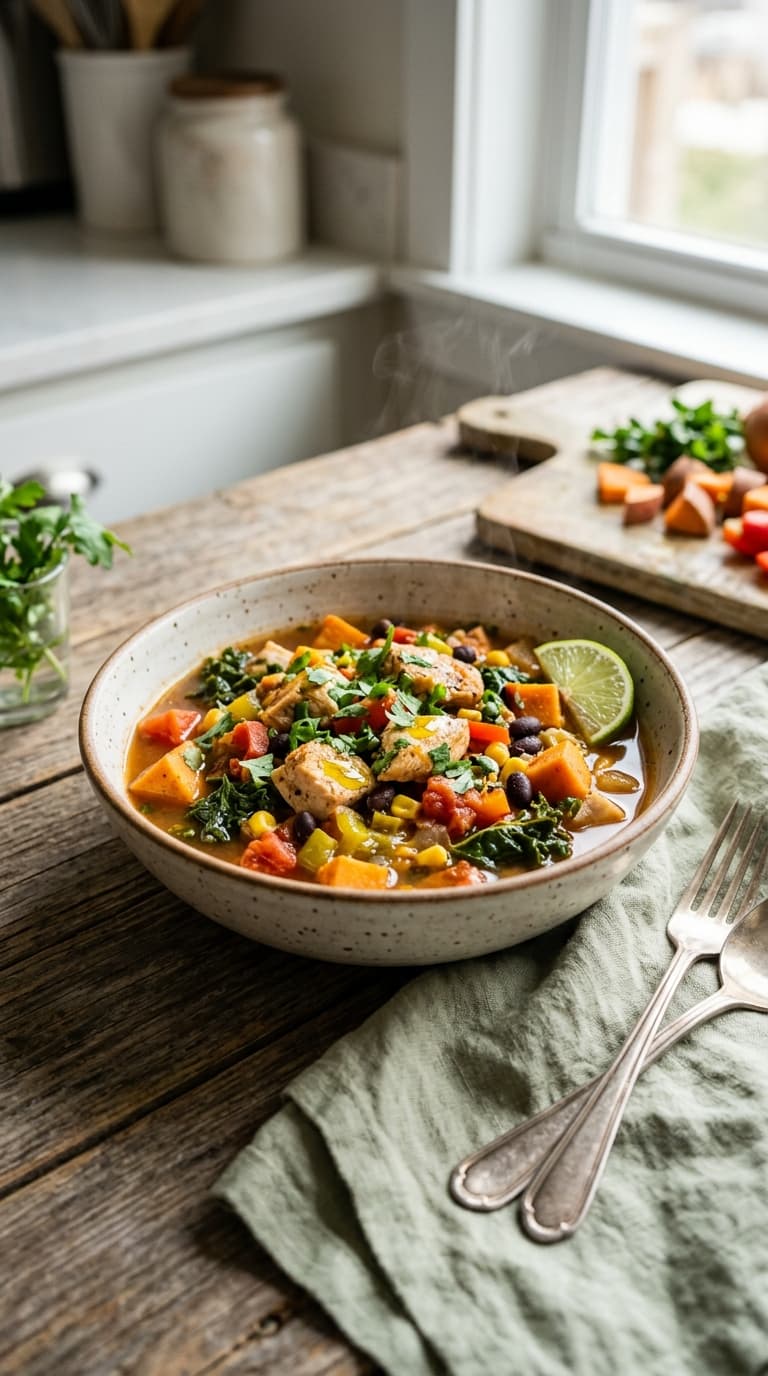
I’m talking about white bean and kale soup with a smoky paprika kick. Lentil stew so thick it coats your spoon. Tom yum that clears your sinuses and makes you feel alive. These aren’t sad diet soups. These are meals you’d order at a restaurant.
For seriously satisfying soup recipes that won’t mess with your cholesterol, check out these low cholesterol soups and stews. I’ve made at least half of them, and they’re all legitimately good.
The secret to making soups feel substantial? Layer your flavors. Start with aromatics—onions, garlic, celery—cooked until they’re sweet and golden. Add your proteins and grains. Finish with a splash of acid (lemon juice or vinegar) to brighten everything up. That acid is what most home cooks forget, and it’s the difference between “fine” and “I need the recipe.”
One-Pan Dinners for When You’re Too Tired to Care
Let’s be real: most weeknights, you’re not cooking because you love cooking. You’re cooking because the alternative is ordering takeout that’ll make you feel like garbage the next morning. That’s where one-pan dinners earn their keep.
Sheet pan salmon with roasted Brussels sprouts and sweet potatoes. Chicken thighs with artichokes and olives. Shrimp with cherry tomatoes and zucchini. Throw everything on a rimmed baking sheet, drizzle with olive oil, season aggressively, and walk away for 25 minutes. Done.
The beauty of one-pan cooking is that the vegetables absorb the proteins’ flavors while everything caramelizes together. It’s not lazy cooking—it’s efficient cooking that happens to be heart-smart.
These one-pan dinners have saved my weeknights more times than I can count. Get Full Recipe for the roasted salmon version—it’s stupid simple and tastes way fancier than the effort required.
If you’re looking for even more quick dinner options that won’t wreck your heart health goals, take a look at these low cholesterol dinners. They’re weeknight-friendly without being boring.
Comfort Classics, Reimagined
This is where things get interesting. Can you make genuinely comforting versions of mac and cheese, mashed potatoes, and casseroles without wrecking your cardiovascular system? Absolutely. You just need to stop being a purist about it.
Cauliflower mashed “potatoes” get a bad rap, but that’s because most people make them wrong. You need to roast the cauliflower first to drive off moisture and concentrate flavor. Then blend with olive oil, roasted garlic, and just enough potato to give it that creamy texture. It’s not trying to be potatoes—it’s its own thing that happens to be delicious.
For the full treatment on making classic comfort foods work for your heart, these comfort foods made healthy will change your perspective on what’s possible. The turkey meatloaf recipe alone is worth your time.
Mac and cheese? Swap half the pasta for white beans pureed into the sauce. You get creaminess, protein, and fiber without the dairy overload. Use a sharp cheddar so you need less to get big flavor. Add roasted broccoli because vegetables shouldn’t be an afterthought.
I use this high-speed blender for pureeing beans and making dairy-free cream sauces. It’s worth the investment if you’re serious about cooking this way regularly.
Breakfasts That Set You Up Right
Breakfast is where most people either win or lose the heart-healthy battle. You need something that keeps you full until lunch without spiking your blood sugar or weighing you down.
Overnight oats with chia seeds, almond butter, and berries. Veggie-loaded frittatas you can reheat all week. Smoothie bowls that actually have substance. These aren’t Instagram food—these are functional meals that happen to photograph well.
The key is getting enough protein and healthy fat so you’re not ravenous by 10 AM. When I skip this, I make terrible choices the rest of the day. When I nail breakfast, everything else falls into place.
For more morning inspiration, these low cholesterol breakfasts under 300 calories prove you don’t need a massive meal to feel satisfied. The egg white scramble with vegetables is surprisingly filling.
The Meal Prep Angle Nobody Talks About
Here’s what the cooking blogs don’t tell you: heart-healthy eating is way easier when you’re not making decisions in real-time. Meal prep isn’t about eating the same chicken and rice for five days straight. It’s about having components ready so you can assemble meals quickly.
Roast a batch of vegetables Sunday night. Cook a pot of quinoa. Grill several chicken breasts. Suddenly, weeknight dinner is just combining pre-cooked elements with fresh herbs and a good sauce. No stress, no excuses, no drive-thru runs.
I store everything in glass meal prep containers with divided sections—they’re microwave-safe, don’t absorb odors, and make portions visible at a glance. Plastic works, but glass just feels better.
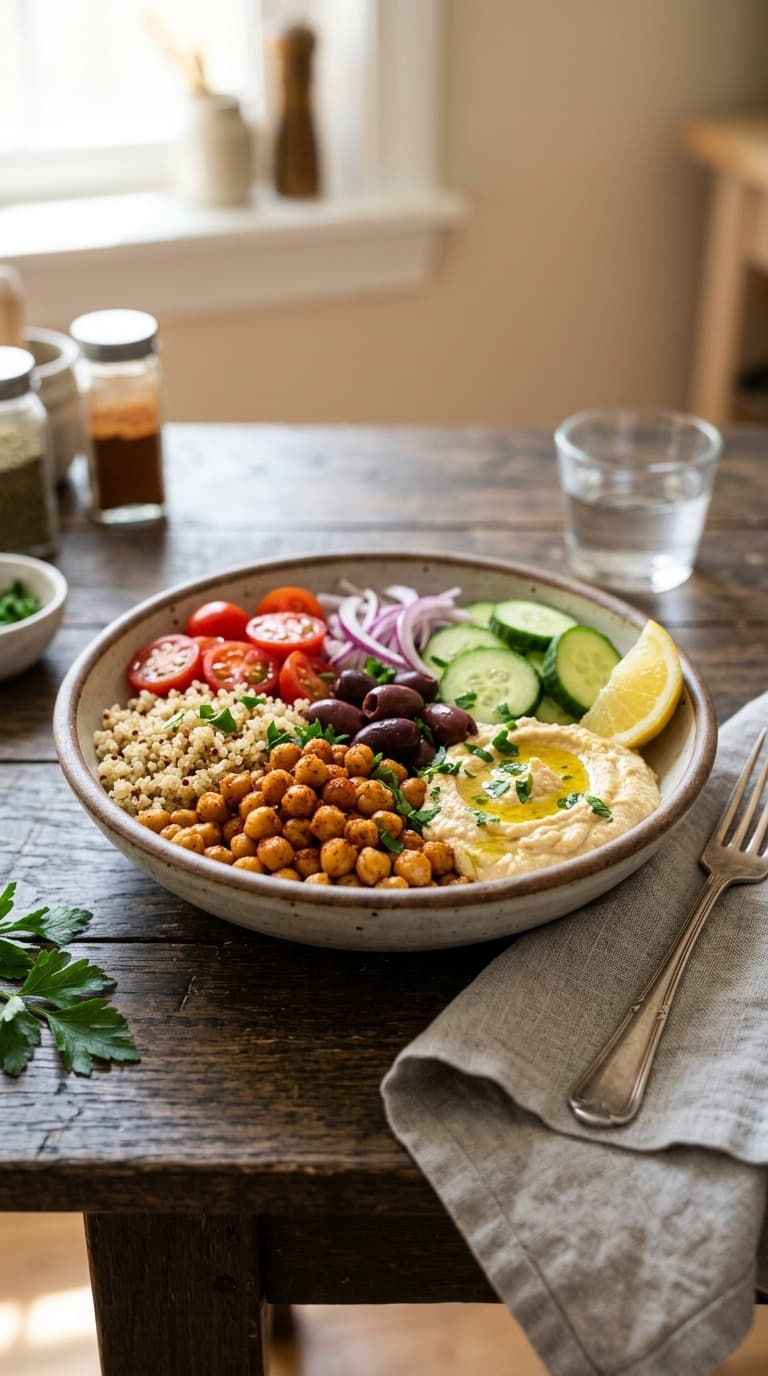
These meal prep ideas take the guesswork out of healthy eating. Get Full Recipe for the Mediterranean bowl—it’s been my go-to lunch for months.
Kitchen Tools That Make Heart-Healthy Cooking Actually Enjoyable
Look, you don’t need a fully loaded kitchen to eat well. But a few strategic tools make everything easier. Here’s what I actually use:
Vegetarian Options That Don’t Feel Like Punishment
I’m not vegetarian, but some of my favorite meals don’t have meat in them. When you treat vegetables like the star instead of the sad side dish, everything changes. Roasted cauliflower steaks with tahini sauce. Black bean and sweet potato tacos with pickled onions. Eggplant parmesan made with baked eggplant instead of fried.
The secret is understanding that vegetables need aggressive seasoning and proper cooking technique. A limp, steamed pile of veggies is depressing. The same vegetables roasted at high heat with olive oil, salt, and aromatics? That’s dinner.
These vegetarian meals convinced me that meatless doesn’t mean flavorless. The mushroom stroganoff is legitimately crave-worthy.
Desserts That Won’t Derail Your Progress
Anyone who tells you to give up dessert completely is either lying or miserable. Life without sweetness isn’t life—it’s just existing. The question is how to satisfy your sweet tooth without undoing all your hard work.
Dark chocolate (at least 70% cacao) with sea salt. Baked apples with cinnamon and a drizzle of honey. Chia pudding with coconut milk and berries. These aren’t “healthy” versions of dessert—they’re actually delicious in their own right.
I portion dark chocolate into small glass jars so I’m not eating straight from the bag at midnight. Portion control through architecture, not willpower.
For more creative sweet solutions, these guilt-free desserts prove you don’t have to choose between dessert and heart health. The berry crumble with oat topping is my weekend treat.
Making It Stick: The Mindset Shift
Here’s the part that matters most: this only works if you stop thinking of heart-healthy eating as temporary. It’s not a diet you go on and off. It’s just how you eat now, with room for flexibility and real life.
Bad days will happen. You’ll eat pizza. You’ll have birthday cake. You’ll order Chinese takeout at 10 PM because nothing else sounds good. That’s fine. One meal doesn’t define your health—the pattern over weeks and months does.
What I’ve learned is that when your baseline is solid, occasional indulgences don’t matter. But when your baseline is junk with occasional “healthy” meals thrown in, you’re fighting an uphill battle.
Build a rotation of 10-15 recipes you genuinely enjoy and can make without thinking. That’s your foundation. Everything else is just variation on a theme.
For ideas on building that rotation, these heart-healthy recipes offer serious variety without complexity. The Greek chicken bowls appear in my kitchen at least twice a month.
The Lunch Problem
Lunch is where most people’s good intentions go to die. You’re busy, you’re hungry, and that sandwich place downstairs is calling your name. I get it. But sad desk salads aren’t the answer either.
The solution is making lunch something you actually look forward to. Grain bowls with protein, roasted vegetables, and a killer sauce. Soup in a insulated thermos that stays hot until noon. Leftovers from dinner that taste even better the next day.
The trick is accepting that lunch doesn’t need to be a production. It just needs to be satisfying enough that you’re not digging through the office snack drawer at 3 PM.
These lunches that keep you full solved my midday energy crash. The turkey and hummus wrap sounds basic but the tahini-lemon dressing makes it something special.
If you need even faster options, these quick lunches under 10 minutes are legitimate lifesavers. The chickpea salad can be made in bulk and portioned out all week.
When You’re Too Lazy to Cook (Because Real Life Exists)
Some nights, cooking feels impossible. You’re exhausted, the kitchen’s a mess, and the idea of following a recipe makes you want to cry. On those nights, you need a plan that isn’t “order pizza and hate yourself tomorrow.”
Keep these in your back pocket: scrambled eggs with whatever vegetables you have. Canned beans heated with salsa and served over greens. Rotisserie chicken from the grocery store with a bagged salad and some olive oil. Is it exciting? No. Does it keep you on track? Absolutely.
The goal isn’t perfection—it’s preventing a complete derailment. Save your cooking energy for when you actually have it.
For more survival strategies, these lazy meals for busy people are shamelessly simple and completely effective. The five-ingredient chili requires opening cans and pressing buttons. That’s it.
Snacking Without Sabotaging Yourself
Snacks are where I see people mess up most. They’ll eat perfectly at meals, then graze on chips and cookies all afternoon. Or they’ll try to white-knuckle it between meals and end up so hungry they overeat at dinner.
Smart snacking means having options ready that combine protein, healthy fat, and fiber. Apple slices with almond butter. Raw vegetables with hummus. A small handful of nuts. Greek yogurt with berries.
I prep snacks on Sunday in individual portion containers so grabbing something healthy is as easy as grabbing something junky. Remove friction from good choices and add friction to bad ones.
These heart-supporting snacks keep my energy stable between meals. The roasted chickpeas are weirdly addictive in the best way.
Family Dinners That Please Everyone
Cooking for a family when you’re trying to eat heart-healthy can feel like being a short-order cook. Kids want chicken nuggets. Your spouse wants “real food.” You just want something that doesn’t require negotiation.
The answer is building flexibility into the meal. Make a protein, a grain, and roasted vegetables, then let people build their plates. Offer a familiar sauce on the side for picky eaters. Don’t make it a fight—make it a buffet.
The meals in this family dinner collection are tested on actual families with actual picky eaters. The sheet pan fajitas got approved by a kindergartener, which is saying something.
The Instant Pot and Air Fryer Question
Every food blogger acts like you need an Instant Pot and air fryer to eat well. Truth? They’re helpful but not essential. That said, if you have them, use them.
The Instant Pot excels at beans, grains, and stews—foods that normally take forever. The air fryer is basically a small convection oven that makes vegetables crispy without deep-frying. Both save time, which is the real currency when you’re trying to cook healthy meals consistently.
These Instant Pot and air fryer recipes maximize both gadgets without making you buy a kitchen appliance empire. The air fryer salmon is foolproof even for beginners.
Frequently Asked Questions
Can you really eat comfort food while protecting your heart?
Absolutely, yes. The key is understanding that comfort comes from flavor and satisfaction, not from excessive saturated fat or refined carbs. When you use whole grains, lean proteins, healthy fats, and aggressive seasoning, you create dishes that feel indulgent without the cardiovascular consequences. Think roasted vegetables with herbs, slow-cooked stews with beans, or baked salmon with a crispy herb crust—these hit the comfort spot while supporting heart health.
How often should I eat fish for heart health?
The American Heart Association recommends at least two servings of fatty fish per week, with each serving being about 3.5 ounces. Salmon, mackerel, sardines, and trout are excellent choices because they’re high in omega-3 fatty acids, which have been shown to reduce inflammation and lower triglyceride levels. If you’re not a fish person, consider incorporating walnuts, flaxseeds, and chia seeds for plant-based omega-3s, though they’re not quite as potent.
What’s the difference between low-cholesterol and heart-healthy recipes?
Low-cholesterol recipes specifically limit dietary cholesterol and saturated fat, which can raise your blood cholesterol levels. Heart-healthy recipes take a broader approach—they also emphasize fiber, omega-3s, antioxidants, and nutrients that actively support cardiovascular function. Some heart-healthy foods like avocados or nuts are relatively high in calories but provide fats that improve cholesterol ratios. The best approach combines both strategies: limiting bad fats while embracing good ones.
Do I need to give up all my favorite foods?
No, and anyone who tells you otherwise is setting you up for failure. Heart-healthy eating is about patterns, not perfection. You can still have pizza, dessert, or fried chicken occasionally—what matters is that your baseline eating habits are solid. Focus on building a rotation of genuinely satisfying meals you enjoy, then allow room for treats without guilt. The 80/20 rule works well: if 80% of what you eat supports your health, the other 20% won’t derail your progress.
How long before I see results from eating heart-healthy?
This varies, but most people notice changes within 4-8 weeks of consistent dietary improvements. You might feel more energetic within the first week or two. Cholesterol levels typically improve within a month, though significant changes can take three months. Blood pressure improvements can happen faster, sometimes within weeks. The key word is consistent—occasional healthy meals won’t move the needle, but making these recipes your regular rotation absolutely will. Your body responds to patterns, not isolated choices.
The Bottom Line
Heart-healthy eating doesn’t require superhuman willpower or a Pinterest-perfect kitchen. It requires understanding what actually matters—more plants, quality proteins, healthy fats, whole grains—and executing on those principles in ways that fit your real life.
The recipes I’ve shared here work because they’re not trying to be health food. They’re trying to be food you want to eat that happens to support your cardiovascular system. That distinction matters more than any single ingredient swap or cooking technique.
Start with one or two recipes from this list. Make them part of your regular rotation. Once they feel automatic, add a few more. Before you know it, you’ve built a way of eating that supports your heart without making you feel like you’re on a diet.
And on the nights when you order takeout anyway? Don’t sweat it. Tomorrow’s another day, and your fridge is stocked with ingredients for something actually good.
30-Day Cholesterol-Lowering Meal Plan
A simple step-by-step system to help you eat heart-healthy every day without stress.
Over 1,000 people downloaded this guide
$29$9
Get Instant Access