
25 Heart Healthy Meals Without Heavy Sauces
Let’s be honest—those creamy, thick sauces might taste incredible in the moment, but they’re basically artery kryptonite. And honestly? You don’t need them. Heart-healthy eating doesn’t mean surviving on plain grilled chicken and sad steamed broccoli. I’m talking about meals that actually make you excited to sit down at the table, minus the guilt-inducing cream and butter bombs.
The beauty of cooking without heavy sauces is discovering how good food actually tastes when you’re not drowning it in sodium and saturated fat. Fresh herbs, citrus, quality olive oil, and smart seasoning can do more for your taste buds than any jarred Alfredo ever could. Plus, your heart will genuinely thank you for it.
I’ve pulled together 25 meals that prove heart-healthy doesn’t have to mean flavor-free. These aren’t complicated restaurant-style dishes with ingredient lists longer than your grocery receipt—they’re real, everyday meals you can actually make on a Tuesday night. Ready to eat well without the heavy baggage?

Why Ditch the Heavy Sauces?
Before we jump into the recipes, let’s talk about why heavy sauces are problematic. Most commercial and restaurant sauces are loaded with saturated fats, sodium, and added sugars—the holy trinity of ingredients that contribute to high cholesterol and heart disease. We’re talking cream-based pasta sauces, cheese-heavy gravies, and those mysteriously orange mystery sauces that come with takeout.
According to research on heart-healthy eating patterns, limiting saturated fats and excess sodium is crucial for maintaining cardiovascular health. But here’s the thing—you can create incredibly flavorful meals using herbs, spices, citrus, and healthy fats like olive oil instead. Your palate might need a week or two to adjust, but once it does, you’ll wonder why you ever needed all that heavy stuff in the first place.
The Foundation of Sauce-Free Cooking
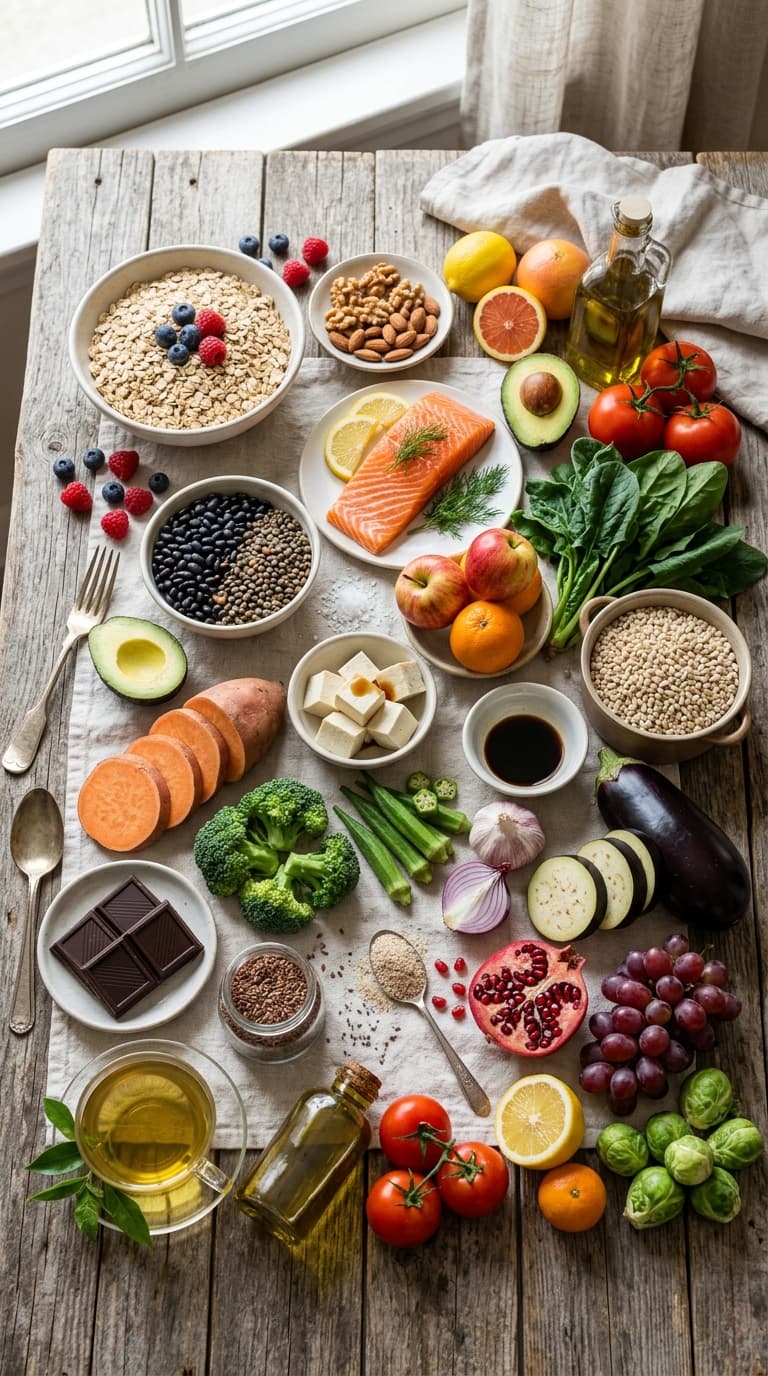
Here’s what actually makes food taste amazing without relying on cream or butter: fresh herbs, quality olive oil, citrus juice, garlic, and proper seasoning. These ingredients create layers of flavor that heavy sauces just mask. Think about Mediterranean cuisine—it’s built on these principles and consistently ranks as one of the healthiest ways to eat.
When you cook without heavy sauces, you’re forced to actually taste your ingredients. That wild-caught salmon? It has its own delicious flavor. Those roasted Brussels sprouts? They’re naturally sweet and nutty when you don’t cover them in cheese sauce. You’re not missing out—you’re actually experiencing food the way it’s meant to taste.
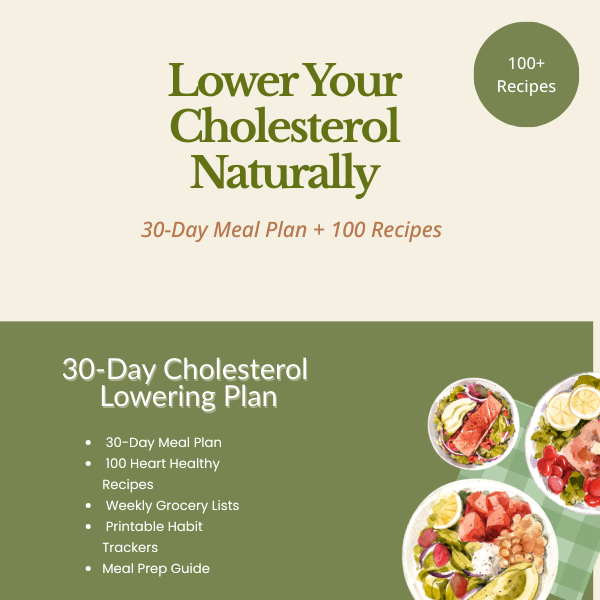
30-Day Cholesterol Reset System
A simple done-for-you plan to help you eat heart-healthy every day without confusion.
Over 1,000 people downloaded this guide
✔ 100 Easy Recipes
✔ Grocery Lists + Meal Prep Guide
🎁 FREE BONUSES:
✔ 7-Day Quick Start Plan
✔ Printable Grocery List
$29 $9
Get Instant AccessThe secret is building flavor through cooking techniques: roasting vegetables to bring out their natural sugars, properly seasoning proteins before cooking, using acid to brighten dishes, and finishing with a drizzle of good olive oil. It’s really that simple. I personally love using this ceramic-coated cast iron skillet for getting that perfect sear on proteins without needing any sauce—just herbs and a touch of oil.
25 Heart-Healthy Meals That Don’t Need Heavy Sauces
1. Lemon Herb Grilled Chicken with Roasted Vegetables
This is probably my go-to weeknight dinner. Marinate chicken breasts in lemon juice, olive oil, garlic, and fresh rosemary for at least 30 minutes. Grill them up and serve alongside whatever vegetables you have on hand, roasted with just olive oil, salt, and pepper. The lemon in the chicken provides all the “sauce” you need. Get Full Recipe
2. Baked Salmon with Dill and Capers
Salmon is naturally fatty in the best possible way—it’s packed with omega-3s that actually benefit your heart. Season with dill, lemon, and scatter some capers on top. Bake at 400°F for about 12-15 minutes. The fish releases its own moisture, and the capers add a briny punch that makes sauce completely unnecessary.
3. Quinoa Buddha Bowl with Tahini Drizzle
Buddha bowls are infinitely customizable and perfect for using up whatever vegetables you have. Start with quinoa, add roasted chickpeas, raw or roasted veggies, and finish with a simple tahini drizzle (tahini + lemon juice + water + garlic—that’s it). It’s creamy without being heavy, and the tahini provides healthy fats.
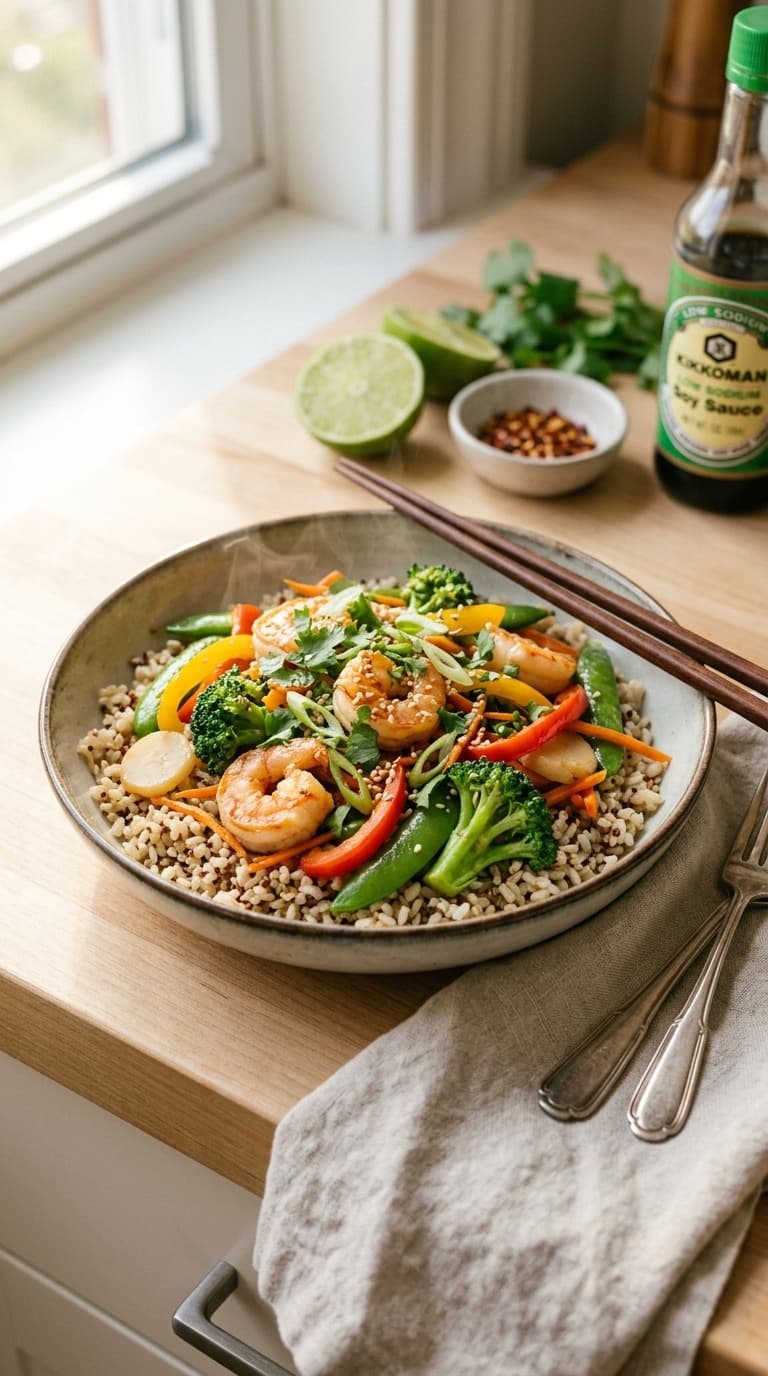
4. Turkey and Vegetable Stir-Fry
Skip the sodium-loaded stir-fry sauces from the store. Instead, use fresh ginger, garlic, a splash of low-sodium soy sauce, and rice vinegar. I keep a quality wok on hand specifically for these quick dinners. The high heat caramelizes everything beautifully without needing heavy sauce. For more high-protein inspiration, check out these low-cholesterol high-protein meals.
5. Mediterranean Stuffed Bell Peppers
Fill bell peppers with a mixture of ground turkey, brown rice, tomatoes, onions, and herbs. The tomatoes provide all the moisture you need. Top with a tiny sprinkle of feta if you want, but honestly, these are flavorful enough on their own.
6. Herb-Crusted Cod with Lemon
Mix breadcrumbs (whole grain, preferably) with fresh parsley, thyme, and lemon zest. Press onto cod fillets and bake. The crust keeps the fish moist and adds texture, eliminating any need for sauce. Squeeze fresh lemon over it when it comes out of the oven.
7. Zucchini Noodles with Cherry Tomatoes and Basil
Spiralize zucchini and sauté briefly with garlic and olive oil. Toss with halved cherry tomatoes and fresh basil. The tomatoes release their juices and create a light, fresh “sauce” that’s worlds better than anything heavy. I use this spiralizer constantly—it’s cheap, works great, and takes up minimal drawer space.
8. Grilled Shrimp Skewers with Chimichurri
Okay, technically chimichurri is a sauce, but it’s made from herbs, garlic, olive oil, and vinegar—no cream, no cheese, no problem. It’s bright, punchy, and complements grilled shrimp perfectly. This is the kind of “sauce” your heart actually approves of.
Looking for complete meal planning ideas? These low-cholesterol meal prep ideas can help you stay organized all week without defaulting to heavy, sauce-laden dishes.
9. Roasted Chicken Thighs with Root Vegetables
Chicken thighs are more forgiving than breasts and don’t dry out as easily. Roast them with carrots, parsnips, and onions. The vegetables caramelize and the chicken releases juices that create a natural pan sauce. No heavy gravy needed.
10. Tuna Poke Bowl
Fresh tuna (or even canned, if that’s what you have), cucumber, avocado, edamame, and brown rice. Dress with a mixture of rice vinegar, sesame oil, and a touch of low-sodium soy sauce. It’s light, fresh, and satisfying. The healthy fats from the avocado and sesame oil provide richness without heaviness.
11. Baked Chicken Breast with Salsa Verde
Salsa verde (the green one, made from tomatillos) is tangy and bright. Bake your chicken, top with salsa verde, and you’ve got a meal. The salsa provides moisture and flavor without any of the saturated fat you’d get from cream-based sauces. Get Full Recipe
12. Lentil and Vegetable Soup
Soups are naturally sauce-free, and lentils are a nutritional powerhouse. Sauté onions, carrots, and celery, add lentils and low-sodium broth, season well, and simmer. It’s hearty, filling, and your heart will love it. For more soup inspiration, check out these heart-healthy soups that focus on natural flavors.
13. Grilled Portobello Mushroom Steaks
Marinate portobello mushroom caps in balsamic vinegar, garlic, and herbs. Grill them like you would a steak. They’re meaty, satisfying, and vegetarian-friendly. Serve with a side salad or roasted vegetables.
14. Baked Tilapia with Mango Salsa
Fruit salsas are criminally underrated. Dice mango, red onion, jalapeño, and cilantro. Squeeze lime over it. Bake your tilapia with just salt, pepper, and a squeeze of lime, then top with the salsa. It’s fresh, tropical, and needs zero heavy sauce.
15. Cauliflower Rice Stir-Fry
Swap regular rice for cauliflower rice to cut calories and carbs. Stir-fry with lots of vegetables, egg, and your protein of choice. Season with ginger, garlic, and a tiny splash of soy sauce. The vegetables release enough moisture that you don’t need any additional sauce.
Kitchen Tools That Make Sauce-Free Cooking Easier
Having the right tools makes healthy cooking so much simpler. Here are the essentials I actually use multiple times per week:
- Cast Iron Grill Pan – Perfect for achieving restaurant-quality grill marks without any sauce. The high heat caramelizes proteins beautifully.
- Quality Knife Set – Properly cut vegetables cook more evenly and look better, making sauce-free dishes more appealing.
- Herb Keeper – Fresh herbs are crucial for sauce-free cooking. This keeps them fresh for weeks instead of days.
- Foods That Naturally Lower Cholesterol – Understanding which ingredients actively support heart health
- Recipes Using Olive Oil – Learning to use healthy fats effectively
- Minimal Prep Recipes – Quick techniques that don’t require elaborate sauces
16. Herb-Roasted Turkey Breast
Turkey isn’t just for Thanksgiving. A small turkey breast, rubbed with herbs and roasted, stays incredibly moist without gravy. The key is not overcooking it. Use a meat thermometer and pull it at 165°F. Let it rest, and the juices redistribute naturally.
17. Black Bean and Sweet Potato Tacos
Roast cubed sweet potatoes with cumin and chili powder. Warm black beans with garlic. Serve in corn tortillas with fresh cilantro, lime, and diced onion. The beans and sweet potatoes are flavorful enough that you don’t need sour cream or cheese sauce. If you love Mexican-inspired meals, these vegetarian meals offer more plant-based options.
18. Balsamic Glazed Chicken
Reduce balsamic vinegar with a touch of honey until it’s thick and syrupy. Brush on grilled or baked chicken. It’s tangy, slightly sweet, and has none of the saturated fat of traditional glazes. The reduction happens right in the pan—no special equipment needed.
19. Seared Scallops with Lemon and Herbs
Scallops are naturally sweet and buttery (yes, without actual butter). Pat them dry, season well, and sear in a hot pan with just a touch of olive oil. Finish with lemon and fresh herbs. That’s it. Perfect scallops need nothing else.
20. Chicken and Vegetable Kebabs
Thread chicken, bell peppers, onions, and zucchini on skewers. Marinate in olive oil, lemon, and herbs. Grill until everything’s charred and delicious. The charring from the grill adds smoky flavor that makes sauce unnecessary. Get Full Recipe
21. White Bean and Kale Salad
Toss canned white beans with fresh kale, cherry tomatoes, red onion, and a simple lemon vinaigrette. The beans provide protein and fiber, the kale is nutrient-dense, and the lemon vinaigrette is all you need. IMO, this is one of those meals that actually tastes better the next day.
For more satisfying salad ideas that don’t taste like diet food, browse these low-cholesterol salads packed with flavor.
22. Baked Falafel with Tzatziki
Okay, tzatziki is technically a sauce, but it’s made from Greek yogurt, cucumber, garlic, and lemon—all heart-healthy ingredients. Bake falafel instead of frying, and serve with lots of vegetables. It’s Mediterranean-inspired and delicious.
23. Pan-Seared Halibut with Asparagus
Halibut is a lean white fish that cooks quickly. Season well, sear in a hot pan, and serve with roasted or grilled asparagus. Finish with lemon. The fish is so flavorful on its own that sauce would honestly just get in the way.
24. Chickpea and Vegetable Curry (Without Cream)
Most curry recipes call for cream or coconut milk, but you can make a delicious curry with just tomatoes, onions, chickpeas, and curry spices. The tomatoes break down and create a sauce-like consistency naturally. It’s rich and flavorful without being heavy. Serve over brown rice or cauliflower rice.
25. Grilled Vegetable Platter with Hummus
Grill or roast every vegetable you can find—zucchini, eggplant, bell peppers, asparagus, tomatoes. Arrange on a platter and serve with hummus for dipping. Hummus is made from chickpeas and tahini—both heart-healthy. It’s simple, impressive, and requires zero cooking skills beyond knowing how to turn on a grill or oven.
The Real Benefits Beyond Heart Health
Cooking without heavy sauces isn’t just about your heart—though that’s obviously important. You’ll also notice you feel less sluggish after meals. Ever had that food coma feeling after pasta Alfredo? That’s not happening when you’re eating grilled salmon with roasted vegetables.
Your palate becomes more refined. You start tasting subtle flavors you never noticed before. That tomato isn’t just “red vegetable”—it’s sweet, acidic, and umami-rich. Fresh basil isn’t just green stuff—it’s slightly peppery and aromatic. You’re not dumbing down your taste buds with salt and fat; you’re actually experiencing food.
Plus, cooking this way is generally cheaper. Heavy sauces, especially restaurant-quality ones, require expensive ingredients like heavy cream, multiple cheeses, and specialized thickeners. Olive oil, lemon, and herbs? Those are pantry staples that go a long way. Speaking of cost-effective eating, these lazy low-cholesterol meals prove healthy doesn’t have to be expensive or time-consuming.
Making the Transition: Practical Tips
If you’re used to heavy sauces, going cold turkey might leave you feeling like food is bland. Here’s how to make the switch without hating your life:
Start gradually. Cut your usual sauce portion in half and compensate with extra herbs or a squeeze of lemon. Your taste buds adapt faster than you’d think. After a week or two, you won’t even miss the heavy stuff.
Invest in quality olive oil. Not all olive oils taste the same. A good extra virgin olive oil has its own peppery, fruity flavor that can carry a dish. Yes, it’s more expensive, but you’re using it in place of butter and cream, so it evens out. I keep this olive oil dispenser right by my stove because I use it constantly.
Master the art of acid. Lemon juice, lime juice, vinegar—these brighten flavors and make food taste more interesting without adding calories or fat. They’re what professional chefs use to “finish” dishes instead of adding more salt or sauce.
Don’t undersalt your food. Yes, we’re watching sodium, but properly salted food doesn’t need heavy sauce. There’s a difference between salting food while cooking and drowning it in high-sodium sauce after the fact. Learn to season as you cook.
Experiment with herbs. Fresh herbs are game-changers. Dried herbs work too, but fresh ones have brighter, more complex flavors. Start with the basics—basil, cilantro, parsley, dill—and branch out from there.
For more ideas on cooking with clean, simple ingredients, explore these clean eating recipes that focus on whole foods.
Common Mistakes to Avoid
Overcooking your protein. When you’re not hiding chicken under Alfredo sauce, overcooking becomes really obvious. Invest in a meat thermometer and pull proteins off heat just before they’re done—they’ll finish cooking from residual heat.
Under-seasoning everything. Without sauce, your seasoning game needs to be on point. Taste as you cook and adjust. Don’t be afraid of herbs, spices, garlic, and a proper amount of salt.
Not using enough acid. This is what most home cooks miss. A squeeze of lemon or splash of vinegar at the end of cooking brightens everything. It’s why restaurant food often tastes better—they’re not shy with the acid.
Buying mediocre ingredients. When you’re keeping things simple, ingredient quality matters more. You’ll notice the difference between fresh, good-quality vegetables and sad, wilted ones. Same with proteins—when sauce isn’t masking flavor, you want the good stuff.
Giving up too soon. Your taste buds need time to adjust. The first week might feel weird, but by week three, you’ll wonder why you ever needed all that heavy sauce in the first place. Trust the process.
Frequently Asked Questions
Can I still enjoy flavorful food without heavy sauces?
Absolutely. In fact, you’ll probably discover flavors you never noticed before. The key is learning to use herbs, spices, citrus, and quality olive oil effectively. These ingredients create depth and complexity without relying on cream or butter. Think Mediterranean cuisine—it’s built on these principles and it’s delicious.
What are the best alternatives to cream-based sauces?
Start with Greek yogurt-based sauces like tzatziki, which provide creaminess with far less fat. Tahini-based dressings work great too. For “sauciness” without actual sauce, try reducing balsamic vinegar or using citrus juice with olive oil. Even something as simple as the natural juices from roasted tomatoes can create a light, flavorful coating for proteins and vegetables.
How long does it take for taste buds to adjust?
Most people notice a difference within 7-10 days, but full adaptation takes about 2-3 weeks. The first few days might feel like food is “missing something,” but stick with it. Your taste buds become more sensitive to subtle flavors once they’re not overwhelmed by heavy fats and sodium. Many people report that after a month, they find their old favorite sauces taste overwhelmingly heavy.
Will I still feel satisfied without rich sauces?
Yes, if you’re eating enough protein, healthy fats, and fiber. The “satisfaction” from heavy sauces is often just sluggishness from overconsumption of saturated fat. Meals with lean proteins, vegetables, whole grains, and moderate amounts of healthy fats (like olive oil or avocado) are genuinely satisfying without the food coma effect. Plus, you won’t feel hungry again an hour later.
Are there any sauces that are actually heart-healthy?
Definitely. Salsa, chimichurri, herb-based pestos (made with olive oil instead of excessive cheese), and yogurt-based sauces like raita or tzatziki are all heart-friendly options. The common thread? They rely on herbs, spices, olive oil, and acid rather than cream, butter, or processed ingredients. These provide flavor without the saturated fat and excessive sodium.
Conclusion
Eating for heart health doesn’t mean resigning yourself to boring, bland food. These 25 meals prove you can have flavor, satisfaction, and variety without drowning everything in heavy sauces. The secret is embracing fresh ingredients, learning to season properly, and letting food taste like itself.
Your heart will thank you, yes—but so will your energy levels, your waistline, and honestly, your taste buds once they adjust. Start with a few of these recipes, figure out which ones work for your lifestyle, and build from there. You don’t need to completely overhaul your eating habits overnight. Just start making better choices one meal at a time.
The beauty of this approach is that it’s sustainable. You’re not following some restrictive diet that you’ll abandon in three weeks. You’re learning to cook in a way that supports your health long-term while still enjoying what you eat. And that’s the whole point, right? Eating well shouldn’t feel like punishment. It should feel like taking care of yourself while actually enjoying the process.
30-Day Cholesterol-Lowering Meal Plan
A simple step-by-step system to help you eat heart-healthy every day without stress.
Over 1,000 people downloaded this guide
$29$9
Get Instant Access