
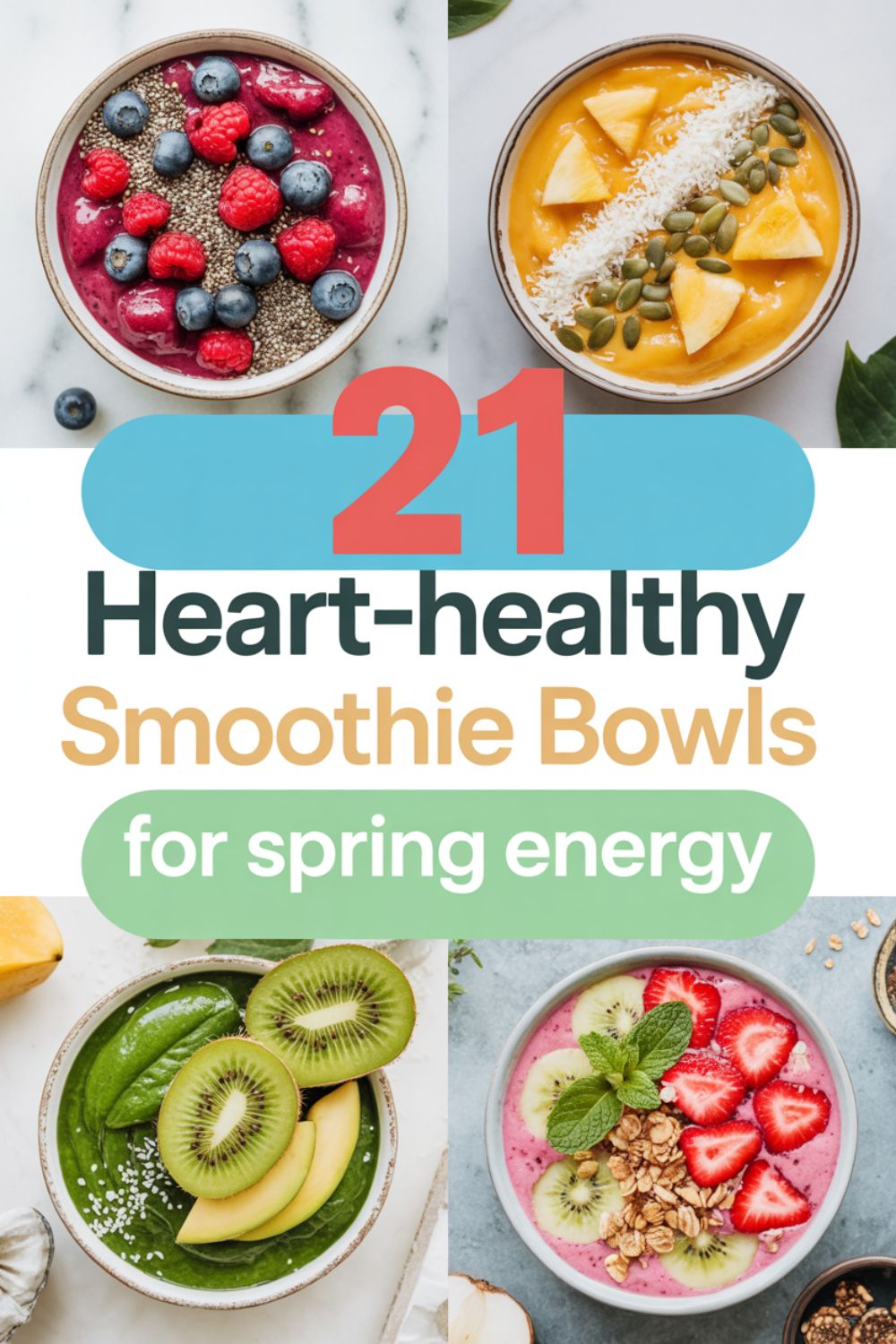
21 Heart-Healthy Smoothie Bowls for Spring Energy
Spring mornings hit different when you’ve got a smoothie bowl that actually tastes good and doesn’t leave you starving by 10 AM. I’ve been through the whole “Pinterest perfect but tastes like grass clippings” phase, and honestly? Life’s too short for that nonsense.
These 21 bowls aren’t just pretty—they’re loaded with ingredients that support cardiovascular health without making you feel like you’re eating bird food. We’re talking real flavors, actual satisfaction, and the kind of energy that carries you through spring cleaning without wanting to nap by noon.
The best part? You don’t need to be a morning person or own a fancy blender that costs more than your rent. Just some decent ingredients, a willingness to experiment, and maybe five minutes of your morning. Let’s get into it.
Why Smoothie Bowls Beat Regular Smoothies Every Time
Look, I love a drinkable smoothie as much as the next person, but bowls are where it’s at. You actually get to sit down, use a spoon, and trick your brain into thinking you’re eating a real meal. Plus, all those toppings? They’re not just for Instagram—they add texture, extra nutrients, and keep you full way longer.
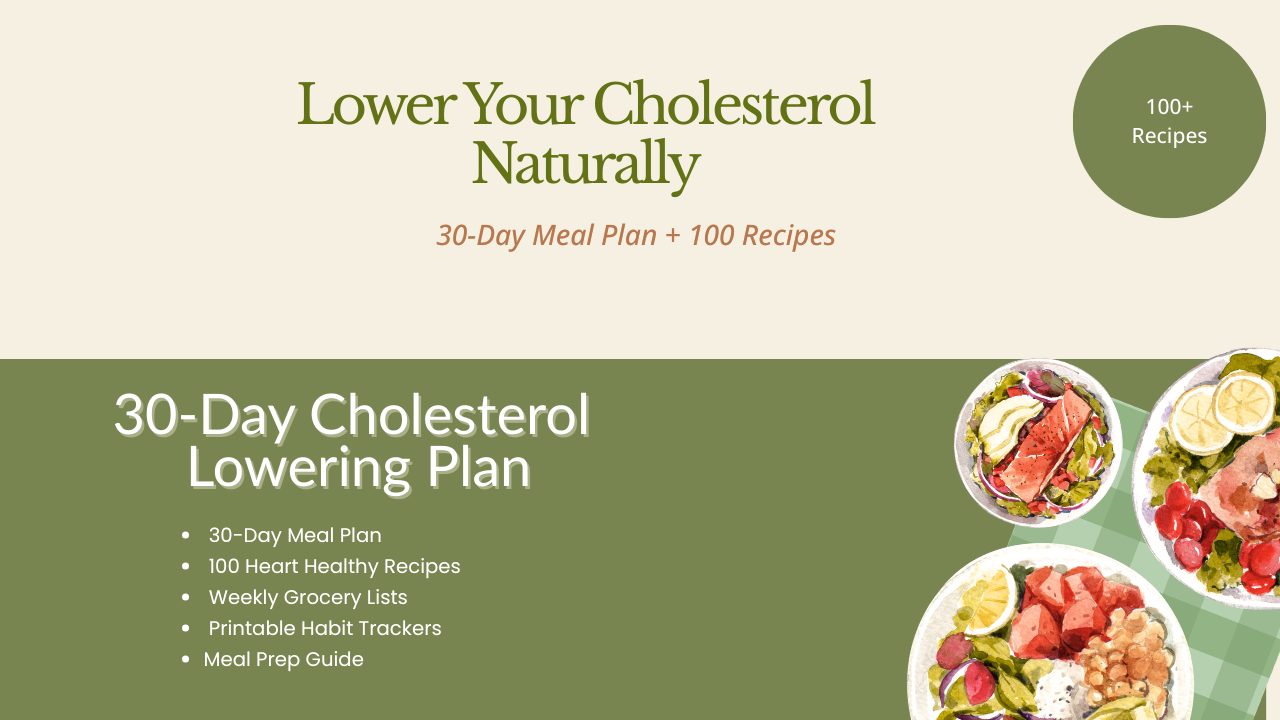
30-Day Cholesterol Reset System
A simple done-for-you plan to help you eat heart-healthy every day without confusion.
Over 1,000 people downloaded this guide
✔ 100 Easy Recipes
✔ Grocery Lists + Meal Prep Guide
🎁 FREE BONUSES:
✔ 7-Day Quick Start Plan
✔ Printable Grocery List
$29 $9
Get Instant AccessThe thickness matters too. A proper smoothie bowl should be spoonable, almost like soft-serve ice cream. That means less liquid than your typical blender drink. I usually go with frozen fruit as my base and add just enough plant-based milk to get things moving.
According to research on building nutritious smoothies, the combination of protein, healthy fats, and fiber is what keeps your blood sugar stable. Translation: no mid-morning crash that has you eyeing the office donuts.
The Heart-Health Connection You Need to Know
Here’s something most people don’t realize: those omega-3 fatty acids everyone talks about? They’re legitimately important for your ticker. Studies show that omega-3s can help lower triglycerides and reduce inflammation—both major players in heart disease.
But you don’t need fish oil pills to get them. Ground flaxseeds, chia seeds, and walnuts all pack these heart-healthy fats. I keep a jar of pre-ground flax in my fridge and dump a tablespoon into basically everything. It’s got zero taste and adds this nice nutty texture.
The fiber situation is equally crucial. Berries are loaded with soluble fiber that actually helps pull cholesterol out of your bloodstream. That’s why you’ll see them in almost every bowl here. They’re sweet, they’re pretty, and they’re working overtime for your cardiovascular system. Not bad for something that tastes like dessert.
For more ideas on incorporating heart-healthy ingredients into your routine, check out these foods that naturally lower cholesterol or browse through some low-cholesterol smoothie options.
21 Spring Smoothie Bowls That Don’t Taste Like Punishment
1. Berry Burst Acai Bowl
This is your gateway bowl if you’re new to the game. Frozen acai packets blend up thick and creamy, with this slightly tart flavor that pairs perfectly with strawberries and banana. Top it with granola (the chunky kind, not that sandy stuff), sliced almonds, and a drizzle of honey.
The acai berries bring serious antioxidant power—we’re talking anthocyanins that protect your blood vessels from damage. Plus, the combo of banana and almond butter gives you enough protein and healthy fats to actually feel satisfied. Get Full Recipe.
2. Green Machine Spinach Bowl
Before you panic about the spinach—you legitimately cannot taste it. Frozen mango and banana completely mask any green flavor, and what you’re left with is this tropical, slightly sweet bowl that happens to be packed with vitamins K and folate.
I blend mine with coconut water instead of regular milk for extra hydration, then top with kiwi slices, coconut flakes, and a handful of pumpkin seeds. The crunch is essential. Trust me on this one.
3. Chocolate Peanut Butter Protein Bowl
This bowl shuts down any argument that healthy eating has to be boring. Frozen banana, natural peanut butter, cacao powder, and a scoop of plant-based protein powder create something that tastes suspiciously like a milkshake. But it’s actually supporting your heart with magnesium and healthy fats.
Top it with banana slices, a sprinkle of cacao nibs, and maybe some hemp hearts if you’re feeling fancy. The protein content here is legit—usually around 20-25 grams depending on your powder choice. That’s serious staying power.
4. Tropical Turmeric Sunrise Bowl
Turmeric gets all this hype, and for once, it’s actually deserved. The curcumin in turmeric has anti-inflammatory properties that benefit your entire cardiovascular system. Mix it with frozen mango, pineapple, banana, and a tiny pinch of black pepper (which helps absorption), and you’ve got yourself a golden bowl that tastes like vacation.
Fresh mango chunks, toasted coconut, and chia seeds make perfect toppings. Sometimes I add a squeeze of lime right before eating—it brightens everything up and makes the tropical flavors pop even more.
5. Blueberry Walnut Wisdom Bowl
Blueberries and walnuts are like the dream team for brain and heart health. Blend frozen wild blueberries (they’re more nutrient-dense than regular ones) with banana, a handful of walnuts, and almond milk until thick. The result is this deep purple situation that’s rich and satisfying.
Top with more fresh blueberries, crushed walnuts, a drizzle of maple syrup, and maybe some bee pollen if you’re into that. The omega-3s from the walnuts pair perfectly with the antioxidants in the berries—it’s basically a heart health power couple.
6. Strawberry Beet Recovery Bowl
Beets sound weird in a smoothie bowl until you try them. They add this natural sweetness and incredible color while delivering nitrates that help lower blood pressure. Blend cooked beet chunks (I use the pre-packaged kind because who has time to roast beets at 6 AM) with frozen strawberries, banana, and Greek yogurt.
The thickness is perfect, and the flavor is pure strawberry with just a hint of earthiness. Top with granola, fresh strawberry slices, and pumpkin seeds. Sometimes I add a tiny bit of fresh ginger for extra zing.
7. Raspberry Chia Powerhouse Bowl
Raspberries are criminally underrated in the smoothie bowl world. They’re tart, they’re fibrous, and they blend up beautifully without getting seedy. Mix frozen raspberries with banana, chia seeds, and vanilla protein powder for a pink bowl that looks like dessert but acts like breakfast.
The chia seeds add omega-3s and help thicken everything up naturally. Top with fresh raspberries, sliced almonds, coconut flakes, and a drizzle of almond butter. This one keeps me full until lunch, no joke.
Looking for more morning options? These low-cholesterol breakfast ideas pair perfectly with smoothie bowls, or try these easy smoothie bowl variations when you need something quick.
8. Peachy Green Tea Bowl
Green tea in a smoothie bowl might sound strange, but hear me out. Brew a strong cup of green tea, let it cool, then use it as your liquid base. The antioxidants in green tea support heart health, and the subtle flavor pairs beautifully with frozen peaches and banana.
Blend it thick, then top with fresh peach slices, granola, and a sprinkle of matcha powder for extra green tea benefits. The result tastes like summer morning without being overly sweet. Plus, you get a gentle caffeine boost that won’t leave you jittery.
9. Cherry Almond Dream Bowl
Frozen cherries are one of my secret weapons. They’re naturally sweet, anti-inflammatory, and they create this gorgeous deep red color. Blend them with banana, almond butter, and almond milk until smooth and thick.
The almond-cherry combo is classic for a reason—it just works. Top with fresh cherries, sliced almonds, a sprinkle of cacao nibs, and maybe some granola. This bowl tastes indulgent but delivers serious heart-health benefits from the anthocyanins in the cherries.
10. Pomegranate Paradise Bowl
Pomegranate juice is basically liquid heart health. It’s packed with antioxidants that help keep your arteries clear. Mix it with frozen mixed berries, banana, and a handful of spinach (you won’t taste it, promise) for a bright red bowl that’s as nutritious as it is photogenic.
Fresh pomegranate arils make the perfect topping—they add this juicy pop of flavor and texture. Add some walnuts, chia seeds, and coconut flakes to round it out. This one’s special occasion worthy but easy enough for weekday mornings.
11. Pineapple Mint Refresh Bowl
Frozen pineapple creates the creamiest texture without any added fats. Blend it with banana, fresh mint leaves, and coconut water for a bowl that tastes like a tropical vacation. The mint adds this refreshing element that makes you feel weirdly fancy at 7 AM.
Top with fresh pineapple chunks, kiwi slices, toasted coconut, and hemp hearts. The vitamin C content is off the charts, which helps your body absorb all the other nutrients you’re throwing at it. Plus, it just tastes really, really good.
12. Mango Carrot Glow Bowl
Carrots in a smoothie bowl might raise eyebrows, but they add natural sweetness and a massive dose of beta-carotene. Blend frozen mango, cooked carrot chunks, banana, and a pinch of ginger until smooth. The result is this bright orange bowl that looks like sunshine and tastes like a tropical dessert.
Top with fresh mango chunks, shredded coconut, and a sprinkle of chia seeds. Sometimes I add a tiny drizzle of raw honey if the mangos weren’t quite sweet enough. This bowl supports heart health through fiber and antioxidants while tasting absolutely nothing like vegetables.
13. Apple Cinnamon Comfort Bowl
This bowl tastes like apple pie but acts like a nutritional powerhouse. Blend frozen apple chunks, banana, cinnamon, oats, and almond milk until thick and creamy. The oats add fiber and help create this porridge-like texture that’s incredibly satisfying.
Top with apple slices, a sprinkle of cinnamon, walnuts, and raisins. The soluble fiber from the apples and oats works to lower cholesterol naturally. It’s comfort food that’s actually doing good things for your heart. Win-win situation.
14. Dragon Fruit Delight Bowl
Pink dragon fruit (pitaya) creates the most Instagram-worthy bowls, but it’s not just pretty—it’s loaded with fiber, antioxidants, and heart-healthy nutrients. Blend frozen dragon fruit with banana and a splash of coconut milk for a magenta bowl that tastes mildly sweet and tropical.
Top with fresh kiwi slices, strawberries, coconut flakes, and granola. The visual impact is unmatched, and the nutrient profile is equally impressive. Dragon fruit helps regulate blood sugar and supports cardiovascular health without tasting medicinal.
15. Blackberry Basil Bliss Bowl
Basil in a smoothie bowl sounds bizarre until you try it. The combination of frozen blackberries, fresh basil, banana, and Greek yogurt creates this sophisticated flavor that’s slightly herbal and deeply satisfying. The blackberries bring anthocyanins and fiber, while the basil adds anti-inflammatory compounds.
Top with fresh blackberries, a few basil leaves, sliced almonds, and a drizzle of honey. This one feels grown-up in the best way—complex flavors without being complicated to make. Perfect for when you’re tired of the same old berry bowls.
16. Coconut Lime Energy Bowl
Tropical vibes meet serious nutrition in this one. Blend frozen pineapple, banana, coconut yogurt, lime juice, and a handful of spinach until thick. The lime adds this bright, zingy flavor that wakes up your taste buds, while the coconut provides healthy fats that keep you satisfied.
Top with fresh pineapple, toasted coconut, chia seeds, and macadamia nuts if you’re feeling fancy. The medium-chain triglycerides in coconut support metabolism and heart health. Plus, it tastes like you’re eating dessert on a beach somewhere. Not a bad way to start your day.
17. Mixed Berry Protein Bowl
Sometimes simple is best. Frozen mixed berries (usually a blend of strawberries, blueberries, raspberries, and blackberries) create this deep purple bowl that’s bursting with antioxidants. Add banana, vanilla protein powder, and almond milk, then blend until thick.
The berry variety means you’re getting a wide spectrum of heart-protective compounds. Top with granola, more fresh berries, almond butter, and hemp hearts. This is my go-to when I’m running late but still want something substantial. Five minutes, tops, and you’re out the door.
18. Avocado Chocolate Silk Bowl
Avocado in a smoothie bowl creates this silky, mousse-like texture that’s borderline addictive. Blend frozen banana, half an avocado, cacao powder, almond milk, and a touch of maple syrup until smooth. The result tastes like chocolate pudding but delivers healthy fats that support cardiovascular function.
Top with banana slices, cacao nibs, sliced almonds, and a sprinkle of sea salt. The monounsaturated fats in avocado help maintain healthy cholesterol levels. This bowl proves that heart-healthy eating doesn’t mean sacrificing flavor or satisfaction.
19. Matcha Mango Magic Bowl
Matcha powder adds this earthy, slightly sweet flavor plus a serious antioxidant boost. Blend it with frozen mango, banana, spinach, and coconut milk for a bright green bowl that tastes tropical with subtle tea notes. The caffeine from matcha provides clean energy without the crash.
Top with fresh mango chunks, kiwi slices, granola, and a sprinkle of matcha powder. The catechins in matcha support heart health and metabolism. This bowl feels like a wellness ritual without being pretentious about it.
20. Ginger Peach Recovery Bowl
Fresh ginger adds this warm, spicy kick that pairs beautifully with sweet frozen peaches. Blend peaches, banana, a small chunk of fresh ginger, and Greek yogurt until thick and creamy. The ginger provides anti-inflammatory benefits that support cardiovascular health.
Top with fresh peach slices, granola, candied ginger, and a drizzle of honey. This bowl is particularly good post-workout—the protein from Greek yogurt helps with recovery, and the natural sugars from peaches replenish energy stores. Plus, it tastes phenomenal.
21. Superfood Chocolate Bowl
When you want all the benefits without compromise. Blend frozen banana, cacao powder, almond butter, chia seeds, maca powder, and almond milk until thick. This bowl is loaded with adaptogens, antioxidants, and healthy fats that support overall cardiovascular function.
Top with banana slices, goji berries, cacao nibs, hemp hearts, and bee pollen. It looks like something from a fancy cafe but costs a fraction of the price. The combination of superfoods supports heart health, energy levels, and recovery. This is my Sunday morning treat-yourself bowl.
For more inspiration, explore these heart-healthy meals under 400 calories or check out high-protein options for weight loss that complement your smoothie bowl routine.
Kitchen Tools That Make Smoothie Bowl Life Easier
Look, you don’t need a $400 Vitamix, but you do need something with decent power. A solid mid-range blender with at least 1000 watts will handle frozen fruit without having a meltdown. Mine has paid for itself ten times over.
Regular bowls are too deep for proper smoothie bowl architecture. Get yourself some shallow, wide bowls—they make toppings easier to arrange and everything more enjoyable to eat. Plus they photograph better if that’s your thing.
For scraping every last bit of smoothie out of the blender. Sounds minor, but when you’ve made the perfect consistency, you don’t want to waste it. Get one with a flexible head—game changer.
Having a weekly plan means you’re not making breakfast decisions at 6 AM when your brain barely works. This digital guide includes shopping lists, prep tips, and a bunch of mix-and-match smoothie bowl combinations that prevent boredom.
Beyond smoothie bowls, this collection includes 50+ recipes that support cardiovascular health without tasting like cardboard. Great for when you want variety but don’t want to spend hours researching nutrition info.
Stick it on your fridge for instant inspiration. Lists proteins, healthy fats, and fruits organized by season. Surprisingly helpful when you’re staring into your pantry with zero ideas.
The Toppings That Actually Matter
Let’s talk toppings for a second, because this is where people either nail it or end up with a Pinterest fail. The base is important, sure, but toppings add crucial nutrients, texture, and the satisfaction factor that keeps you coming back.
First, you need crunch. Granola, nuts, or seeds—pick at least one. The textural contrast makes every bite more interesting, and you’re getting fiber, healthy fats, and protein. I rotate between almond slivers, crushed walnuts, and homemade granola that I batch-make on Sunday.
Fresh fruit is non-negotiable. It adds vitamins, brightness, and makes everything look pretty without trying. Berries, banana slices, kiwi—whatever you’ve got works. Just make sure it’s actually ripe. Nobody wants rock-hard strawberries on their morning bowl.
Then you’ve got your power-ups: chia seeds, hemp hearts, flax seeds, cacao nibs. These look tiny but pack serious nutritional punch. A tablespoon or two sprinkled on top adds omega-3s, protein, and minerals without altering the flavor. They’re the supporting actors that make everything else shine.
Finally, the optional drizzle. Nut butter, honey, maple syrup—use it sparingly but strategically. A thin zigzag of almond butter or a drizzle of raw honey adds richness and helps all those toppings stick together. Just don’t go overboard, or you’ll undo all the heart-health benefits you’re building.
Making This Work With Real Life
Theory is great, but let’s talk about actual execution when you’re rushing around at 6:30 AM trying to get out the door. The secret is prep work, but not the kind that takes over your entire Sunday.
Every weekend, I spend maybe 20 minutes portioning out smoothie base ingredients into freezer-safe bags. One banana, frozen fruit, any add-ins like spinach or protein powder. Write the liquid amount on the bag with a Sharpie. In the morning, dump it in the blender, add liquid, blend, and you’re done. Two minutes flat.
Keep your toppings in clear containers at the front of your pantry. When everything’s visible and accessible, you’re way more likely to actually use it. I’ve got small jars of chia seeds, hemp hearts, coconut flakes, and various nuts lined up. Grab-and-sprinkle situation, super quick.
The other trick? Stop trying to make a perfect bowl every single day. Some mornings it’s just frozen berries, banana, protein powder, and whatever toppings I can reach first. That’s fine. Consistency beats perfection every time. A decent smoothie bowl you actually make beats an elaborate one you keep putting off.
If you’re looking for more make-ahead strategies, check out these meal prep ideas or browse lazy meal options for those extra hectic mornings.
Common Mistakes That Ruin Smoothie Bowls
I’ve made every smoothie bowl mistake possible, so learn from my disasters. First up: too much liquid. Your bowl should require a spoon, not a straw. Start with less liquid than you think you need—you can always add more, but you can’t take it back once it’s soupy.
The frozen banana situation is crucial. Room temperature bananas make everything melty and gross. Frozen banana chunks are the foundation of proper thickness. Peel them before freezing, chop them into pieces, and store in a freezer bag. Future you will be grateful.
Skipping protein is a rookie move. Without adequate protein, you’ll be starving by mid-morning, and all that berry goodness won’t matter if you’re face-first in a box of crackers at 10 AM. Greek yogurt, protein powder, nut butter—pick one and include it always.
Another thing: not pre-freezing your bowl. Stick your serving bowl in the freezer while you prep. The cold bowl keeps everything thick while you eat instead of turning into soup halfway through. Small detail, huge difference in experience.
Finally, don’t over-blend. You want smooth but not aerated. Too much blending introduces air and makes everything fluffy instead of thick and creamy. Pulse, scrape down the sides, pulse again. Stop as soon as everything’s incorporated.
The Money Talk Nobody Has
Let’s address the elephant in the room: smoothie bowl ingredients can get expensive fast if you’re not strategic. Here’s how to keep costs reasonable without eating sad, watery bowls.
Buy frozen fruit in bulk when it’s on sale. It’s already prepped, it lasts forever, and it’s often more nutrient-dense than fresh fruit that’s been sitting around. I hit up Costco once a month and stock up on frozen berry blends, mango chunks, and banana bites.
Skip the fancy superfood powders initially. Chia seeds and ground flax get you 90% of the benefits for a fraction of the cost. Once you’re committed to the smoothie bowl lifestyle, then consider splurging on things like maca or spirulina. But they’re not essential starting out.
Store-brand basics work fine. You don’t need organic everything. Focus your organic spending on berries (which tend to have higher pesticide residue) and go conventional for bananas, mangos, and pineapple. Your wallet and your heart will both thank you.
Make your own granola. Seriously, it takes 20 minutes and costs about one-third of store-bought. Oats, nuts, honey, coconut oil, bake until golden. Done. Lasts two weeks in an airtight container and tastes way better than anything in a box.
Seasonal Swaps That Keep Things Interesting
Spring is perfect for smoothie bowls, but you don’t want to eat the same thing from March through May. Rotate your fruits based on what’s actually in season—fresher, cheaper, and more flavorful.
Early spring means strawberries are starting to peak. Load up when they’re good and freeze extras for later. Mid-spring brings cherries and early stone fruits. Late spring is all about the first berries and tropical fruits coming down in price.
Swap your greens seasonally too. Spring means baby spinach, pea shoots if you can find them, fresh mint from your garden (or the grocery store, no judgment). These add different flavors and nutrients compared to winter kale and chard.
Toppings can rotate with seasons too. Fresh edible flowers in spring (they’re actually at most grocery stores now, tucked in the herb section), seasonal nuts and seeds, local honey when available. These small changes keep your bowls feeling new without requiring whole new recipes.
When Smoothie Bowls Don’t Cut It
Real talk: some mornings you need actual solid food. Smoothie bowls are great, but they’re not the answer to everything. If you’re doing serious strength training, running long distances, or just feel constantly hungry on liquid-ish breakfasts, you might need something more substantial.
That’s totally fine. The point isn’t to force smoothie bowls every single day—it’s to have them as a solid option in your rotation. Maybe they’re your weekday quick breakfast, and weekends you make eggs and avocado toast. Or vice versa. The flexibility is the point.
Some people just don’t do well with cold food first thing in the morning. If that’s you, these recipes work just as well later in the day. Post-workout snack, afternoon pick-me-up, light dinner on hot days—smoothie bowls are versatile like that.
The goal is finding what works for your body, your schedule, and your preferences. If smoothie bowls tick all those boxes? Awesome. If they’re just one tool in your breakfast toolkit? Also awesome. Just keep showing up for yourself, whatever that looks like.
For those days when you need something different, explore these satisfying dinner options or try comfort food alternatives that still support heart health.
FAQ: Everything You’ve Been Wondering
Can I make smoothie bowls the night before?
Sort of, but they’re best fresh. You can prep and freeze the base ingredients in bags, then blend in the morning. If you absolutely must make ahead, blend it thick, store in an airtight container, and give it a vigorous stir before eating. The texture won’t be perfect, but it’s doable in a pinch.
How do I make my smoothie bowl thick enough?
Three tricks: use frozen fruit instead of fresh, use less liquid than you think you need, and add frozen banana as your base. Start with just 1/4 cup liquid and add more only if your blender is struggling. The goal is soft-serve consistency, not drinkable.
Are smoothie bowls actually healthy or just pretty?
They can be incredibly nutritious if you build them right. Include protein (Greek yogurt, protein powder, nut butter), healthy fats (nuts, seeds, avocado), and fiber (fruit, spinach, oats). Skip the ones loaded with juice and added sugars. A well-built smoothie bowl beats most grab-and-go breakfast options.
What’s the best blender for smoothie bowls?
You need at least 1000 watts of power to handle frozen fruit consistently. Vitamix and Blendtec are the gold standard but expensive. Mid-range options like Ninja or NutriBullet work fine for most people. Avoid those tiny single-serve blenders—they struggle with thick consistency and burn out fast.
How many calories are in these smoothie bowls?
Depends entirely on what you put in them. A basic fruit and protein bowl runs 300-400 calories. Add generous toppings and nut butter, and you’re looking at 500-600. That’s a full meal’s worth of nutrition. If you’re tracking, weigh your ingredients or use a recipe calculator app.
The Bottom Line on Spring Smoothie Bowls
Here’s what matters: these 21 smoothie bowls give you real options that taste good, support your cardiovascular health, and don’t require a culinary degree or trust fund to execute. They’re thick, satisfying, and built around ingredients that legitimately benefit your heart.
The whole point is making heart-healthy eating feel less like punishment and more like something you actually want to do. Spring energy comes from fueling your body with good stuff, not from suffering through food you hate because some blog told you it’s “clean.”
Pick a few recipes that sound appealing, grab the ingredients this weekend, and just start. You don’t need to overhaul your entire life or commit to smoothie bowls forever. Just try them for a week and see how you feel. My guess? You’ll feel pretty damn good.
Your heart, your energy levels, and your taste buds will thank you. And honestly, that’s the whole goal anyway.
30-Day Cholesterol-Lowering Meal Plan
A simple step-by-step system to help you eat heart-healthy every day without stress.
Over 1,000 people downloaded this guide
$29$9
Get Instant Access