
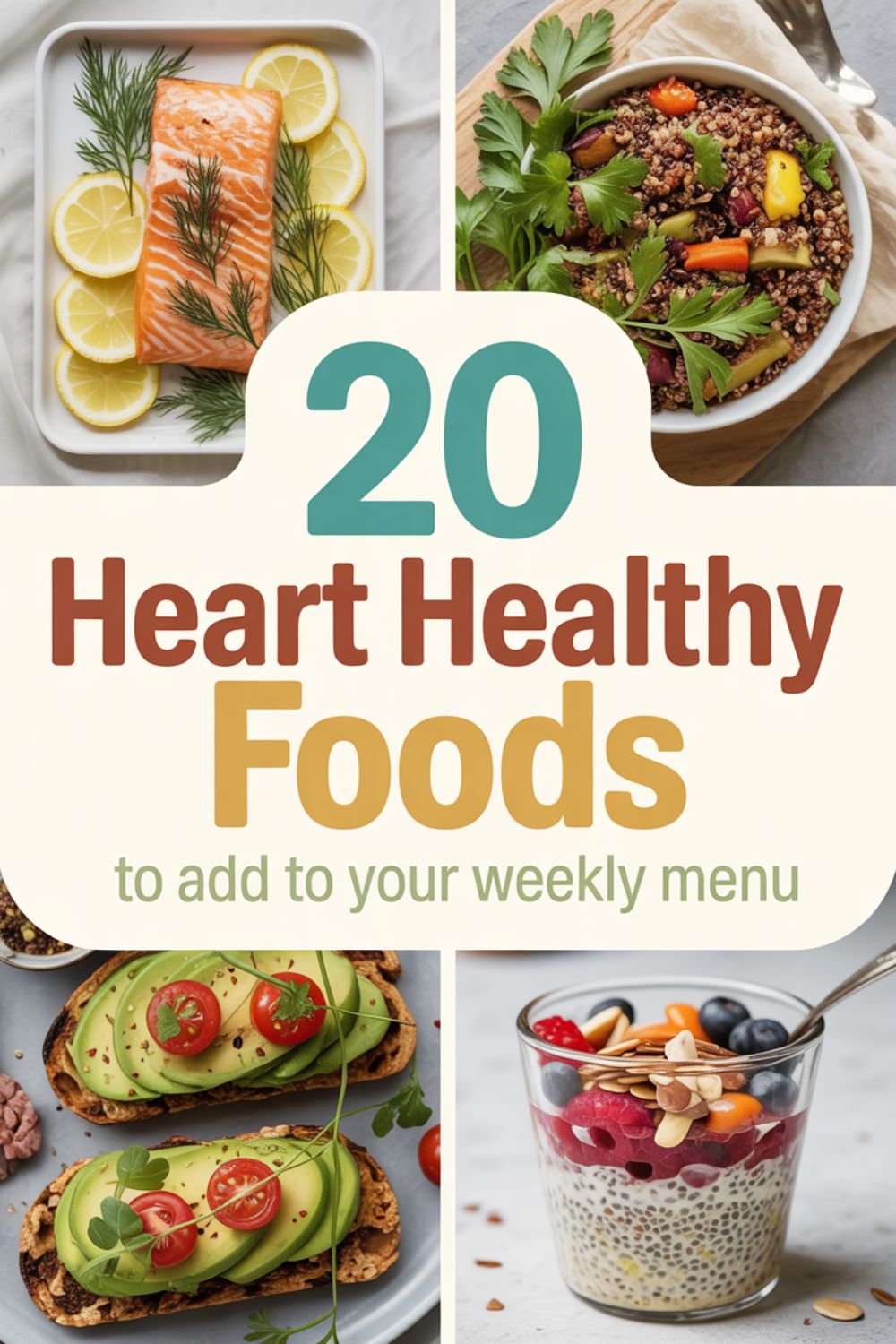
20 Heart Healthy Foods to Add to Your Weekly Menu
Look, I’m not going to lie to you—I spent most of my twenties thinking “heart health” was something I’d worry about when I hit 50. Spoiler alert: your arteries don’t wait for milestone birthdays. After my doctor casually mentioned my cholesterol was “trending upward” at 32, I had one of those wake-up moments. You know the kind where you suddenly realize you can’t just live off pizza and optimism forever?
Here’s the thing about eating for your heart—it doesn’t have to feel like punishment. I’m talking about real food that actually tastes good, not cardboard disguised as health food. The Mayo Clinic’s approach to heart-healthy eating emphasizes enjoyment alongside nutrition, which honestly sold me on the whole concept.
After completely overhauling my grocery list and cooking habits over the past year, I’ve learned which foods actually move the needle on heart health without making you feel like you’re eating rabbit food. And yeah, I’ve made plenty of mistakes along the way—like the time I tried to meal prep salmon for an entire week. Pro tip: don’t do that.
The Omega-3 Powerhouses That Changed My Mornings
Fatty Fish (The Real MVP)
Salmon became my breakfast go-to about six months ago, and I’m not even joking when I say it changed everything. Research published in the American Heart Association’s journal shows that omega-3 fatty acids from fish can significantly reduce cardiovascular disease risk. But here’s what the studies don’t tell you: wild-caught salmon tastes infinitely better than farmed, and it’s worth the extra few bucks.
I meal prep it using this nonstick fish spatula that prevents the delicate flesh from falling apart—game changer for someone who used to massacre every piece of fish I touched. Throw in some mackerel, sardines, or herring if you’re feeling adventurous. These low cholesterol breakfast ideas helped me figure out how to incorporate fish into my morning routine without feeling weird about it.
30-Day Cholesterol Reset System
A simple done-for-you plan to help you eat heart-healthy every day without confusion.
Over 1,000 people downloaded this guide
✔ 100 Easy Recipes
✔ Grocery Lists + Meal Prep Guide
🎁 FREE BONUSES:
✔ 7-Day Quick Start Plan
✔ Printable Grocery List
$29 $9
Get Instant AccessWalnuts and Almonds
I keep a jar of walnuts on my desk, which sounds incredibly boring until you realize they’re basically nature’s cholesterol medication. According to Mayo Clinic’s research on cholesterol-lowering foods, just a handful of nuts daily can improve your numbers significantly. The key word here is “handful”—not the entire jar while you’re stress-watching TV. Ask me how I know.
I toss them into overnight oats, which I prep in these glass meal prep containers—way better than plastic for storing anything with fats. If you’re looking for more ways to work nuts into your routine, check out these heart-healthy snack ideas.
The Produce Section Winners
Leafy Greens (Yes, All of Them)
Spinach, kale, Swiss chard—if it’s green and leafy, it’s on the list. I was that person who claimed to hate kale until I learned how to massage it properly. Sounds weird, but massaging kale with a bit of lemon juice and olive oil breaks down the tough fibers and makes it actually edible. Who knew?
The Mediterranean diet approach to leafy greens emphasizes regular consumption for blood pressure management. I use this salad spinner religiously because soggy greens are a crime against salads. For complete meal ideas featuring these greens, Get Full Recipe.
Speaking of greens, if you’re tired of the same old salad, you need to explore salads that don’t feel like diet food. I also rotate between these restaurant-quality salad recipes when I want to impress dinner guests without spending hours in the kitchen.
Berries (Nature’s Candy)
Blueberries, strawberries, raspberries—they’re all packed with antioxidants that protect your heart. I buy them frozen because fresh berries go bad faster than my motivation to go to the gym. Frozen berries are picked at peak ripeness anyway, so you’re not losing nutritional value.
I blend them into smoothies using this high-powered blender that actually pulverizes everything instead of leaving chunks. These heart-healthy smoothie recipes are my weekday breakfast lifesavers. The smoothie bowl variations make mornings feel less rushed and more intentional.
Avocados
If you’re not eating avocados regularly, you’re missing out on one of the best sources of monounsaturated fats. Research from the Journal of the American Heart Association found that eating just two servings of avocado per week reduced cardiovascular disease risk by 16%. That’s basically one avocado a week, people.
I use this avocado slicer tool because I’m tired of cutting my hands trying to remove the pit like some kind of culinary daredevil. They’re perfect in these satisfying dinner recipes that my whole family actually enjoys.
Whole Grains That Don’t Suck
Oatmeal (But Make It Interesting)
Plain oatmeal is about as exciting as watching paint dry. But oatmeal with berries, nuts, a drizzle of honey, and maybe some dark chocolate chips? Now we’re talking. Oats contain soluble fiber that literally grabs cholesterol in your digestive system and escorts it out of your body. Science is cool like that.
I prep mine in this electric pressure cooker for steel-cut oats that don’t take 45 minutes to cook. The texture is infinitely better than instant oats, which turn into wallpaper paste if you look at them wrong. Check out these creative breakfast variations if you’re bored with your morning routine.
Quinoa and Brown Rice
These guys are the utility players of heart-healthy grains. They work with literally everything and pack way more nutrients than white rice. I was skeptical about quinoa at first—it sounded too “wellness blogger” for me—but it’s actually pretty versatile.
The trick is cooking it in broth instead of water. Use this rice cooker with quinoa setting if you want perfect grains every time without babysitting the stove. These meal prep bowls feature quinoa heavily and have become my go-to for busy weeks.
Legumes and Beans (The Underrated Heroes)
Lentils, Chickpeas, and Black Beans
Beans are ridiculously cheap, stupid easy to prepare, and absolutely loaded with fiber and plant protein. They’re also incredibly forgiving—overcook them slightly, and they’re still totally edible. Try that with chicken breast.
I keep canned varieties in the pantry for lazy nights, but dried beans cooked in this slow cooker taste way better and cost next to nothing. The soups and stews I make with beans have become cold-weather staples. For complete protein-packed meals, Get Full Recipe.
If you’re looking for quick protein fixes during the week, I rotate between these filling lunch ideas and these 10-minute lunch recipes when I’m absolutely slammed with work.
Heart-Healthy Fats You Actually Need
Extra Virgin Olive Oil
This stuff should basically be its own food group. The Mediterranean diet research consistently shows olive oil’s benefits for cardiovascular health. But not all olive oil is created equal—cheap stuff in clear bottles sitting on grocery store shelves for months? Pass.
Invest in good quality extra virgin olive oil in dark bottles. I use this olive oil dispenser to control portions because it’s easy to go overboard. “Drizzle lightly” somehow always turns into “drown liberally” in my kitchen. These olive oil-based recipes show you how to use it properly without going overboard.
Dark Chocolate (Yes, Really)
Before you get too excited, I’m talking about 70% cacao or higher—not that milk chocolate candy bar situation. Dark chocolate contains flavonoids that can help lower blood pressure and improve blood flow. The key is moderation, which I’ll admit is not my strong suit when chocolate is involved.
I keep individually wrapped squares in this airtight container so I’m not tempted to demolish an entire bar in one sitting. For desserts that won’t wreck your progress, check out these guilt-free treats.
The Often-Overlooked Options
Tomatoes
Whether fresh, canned, or as sauce, tomatoes are loaded with lycopene—an antioxidant that’s been linked to reduced heart disease risk. Fun fact: cooked tomatoes actually have more available lycopene than raw ones. So that marinara sauce habit? Totally justified.
I make big batches in this Dutch oven and freeze portions for later. Way better than jarred sauce and you control the sodium content. These one-pan dinners feature tomato-based sauces that make weeknight cooking actually manageable.
Garlic and Onions
Both have compounds that may help lower cholesterol and blood pressure. Plus, they make basically everything taste better, which is the real selling point. I go through garlic like it’s going out of style—probably three to four bulbs a week.
Get yourself this garlic press if you’re still trying to mince garlic with a knife like some kind of medieval chef. Life’s too short for that nonsense. For recipes that showcase these flavor powerhouses, Get Full Recipe.
Green Tea
I switched from coffee to green tea for my afternoon drink, and honestly, the difference in how I feel is noticeable. No more 3 PM crash followed by jitters. Green tea has catechins that support cardiovascular health, plus way less caffeine than coffee.
I use this tea infuser for loose leaf tea—tastes way better than bags and you’re not creating a bunch of waste. Pair it with these afternoon snacks for sustained energy without the crash.
Citrus Fruits
Oranges, grapefruits, lemons—they’re all winners for heart health. The vitamin C and fiber content is impressive, plus they add brightness to literally any dish. I keep a bowl of citrus on my counter because I’m way more likely to eat fruit if I can see it.
Just be careful with grapefruit if you’re on certain medications—it can interact with some statins and other drugs. Check with your doctor if you’re unsure. These citrus-forward drinks are refreshing and pack serious nutritional value.
For comfort food that won’t derail your heart health goals, I cycle through these healthier comfort food versions and these cozy soup recipes during colder months. They satisfy cravings without the guilt.
Putting It All Together Without Losing Your Mind
Look, eating for heart health doesn’t mean you need to become some kind of meal prep robot who eats the same five things on rotation. The goal is incorporating these foods regularly, not obsessing over hitting some perfect nutritional checklist every single day.
I aim for at least two servings of fatty fish per week, a handful of nuts most days, and I try to get vegetables into every meal—even breakfast. Does it always work out? Absolutely not. There are weeks when I survive mostly on these lazy meals for busy people because life happens.
The beauty of these 20 foods is their versatility. Spinach works in morning smoothies, lunch salads, and dinner stir-fries. Beans show up in soups, as burger patties, and mashed into dips. Once you start thinking about food in terms of building blocks rather than rigid recipes, meal planning becomes way less intimidating.
The Real Talk About Meal Planning
I batch cook proteins on Sunday—usually salmon, chicken breast, and a big pot of beans or lentils. Then I chop vegetables and portion them into these glass containers. Having components ready means throwing together a heart-healthy meal takes maybe 10 minutes instead of an hour.
These freezer-friendly meals have saved me countless times when I didn’t prep ahead. I also keep these Instant Pot and air fryer recipes in rotation for nights when I need dinner ready in 20 minutes flat.
For family-friendly options that don’t require making separate meals for picky eaters, check out these family dinner recipes. They’ve been tested on actual children who claim to hate vegetables, so you know they’re good.
Kitchen Tools That Make Heart-Healthy Cooking Actually Doable
Physical Products
- High-Speed Blender – Makes smoothies, soups, and nut butters without leaving chunks. Worth every penny for daily use.
- Meal Prep Container Set (Glass) – BPA-free, microwave-safe, and they don’t stain like plastic. Game changer for batch cooking.
- Cast Iron Skillet (12-inch) – Perfect for searing fish, toasting nuts, and getting that restaurant-quality char on vegetables.
Digital Resources
- Heart Health Meal Planner App – Takes the guesswork out of weekly planning with customizable grocery lists and nutritional tracking.
- Mediterranean Diet Cookbook (Digital) – 200+ recipes focused on heart-healthy ingredients with beautiful photography and easy-to-follow instructions.
- Batch Cooking Video Course – Learn to prep a week’s worth of heart-healthy meals in under 3 hours. Seriously cuts down on decision fatigue.
What About Budget Constraints?
Not everyone can afford wild-caught salmon and organic everything, and that’s completely fine. Canned salmon and sardines cost a fraction of fresh fish and pack the same omega-3 punch. Frozen berries are cheaper than fresh and last way longer. Dried beans cost pennies per serving.
The most expensive changes I made were buying better olive oil and investing in good storage containers. Everything else? Pretty affordable, especially compared to the cost of managing heart disease down the road. These budget-friendly recipes you can rotate weekly prove you don’t need to spend a fortune eating well.
Also, check out these foods that naturally lower cholesterol for more affordable options that deliver serious health benefits. Many of them are pantry staples you might already have.
Frequently Asked Questions
Do I really need to eat fish twice a week?
While the American Heart Association recommends at least two servings weekly, you can get omega-3s from plant sources like walnuts, flaxseeds, and chia seeds if you don’t eat fish. That said, fatty fish provides the most bioavailable form of omega-3s, so if you can tolerate it, fish is your best bet.
Can I just take supplements instead of eating these foods?
Supplements can help, but whole foods provide fiber, vitamins, and other compounds that work synergistically for heart health. The National Heart, Lung, and Blood Institute emphasizes that a heart-healthy diet is the best way to get adequate nutrition for most people. Talk to your doctor before starting any supplement regimen.
How long before I see results from eating these foods?
Some changes, like improved energy levels, might show up within weeks. Measurable changes in cholesterol and blood pressure typically take 3-6 months of consistent dietary changes. Your individual timeline depends on your starting point, genetics, and overall lifestyle habits including exercise and stress management.
Are frozen vegetables and fruits as healthy as fresh?
Yes, and sometimes they’re even better. Frozen produce is picked at peak ripeness and flash-frozen, which locks in nutrients. Fresh produce might sit in transit and on store shelves for days, losing nutritional value. Frozen options are also more budget-friendly and reduce food waste.
What if I have a nut allergy?
Focus on other healthy fat sources like avocados, fatty fish, seeds (pumpkin, sunflower, chia, flax), and olive oil. Seeds provide similar benefits to nuts—healthy fats, protein, and fiber—without the allergy concerns. You’ll still get the heart-protective benefits from these alternatives.
The Bottom Line on Heart-Healthy Eating
A year ago, I thought eating for heart health meant giving up everything enjoyable about food. Turns out, I was completely wrong. These 20 foods have become the foundation of meals I actually look forward to eating. My cholesterol numbers improved, sure, but more importantly, I feel better—more energy, better sleep, less brain fog.
The real shift happened when I stopped thinking about heart-healthy eating as restriction and started seeing it as addition. Adding salmon to breakfast, adding nuts to salads, adding more vegetables to basically everything. It’s not about perfection; it’s about progress.
Start small. Pick three foods from this list that sound appealing and figure out how to work them into your current routine. Maybe that’s adding berries to your morning yogurt, switching from vegetable oil to olive oil, or trying salmon instead of chicken breast once a week. Small changes compound over time.
Your heart is working for you every second of every day, pumping blood without you even thinking about it. The least we can do is feed it foods that help it keep doing its job. And if those foods happen to taste good? That’s just a bonus.
30-Day Cholesterol-Lowering Meal Plan
A simple step-by-step system to help you eat heart-healthy every day without stress.
Over 1,000 people downloaded this guide
$29$9
Get Instant Access


