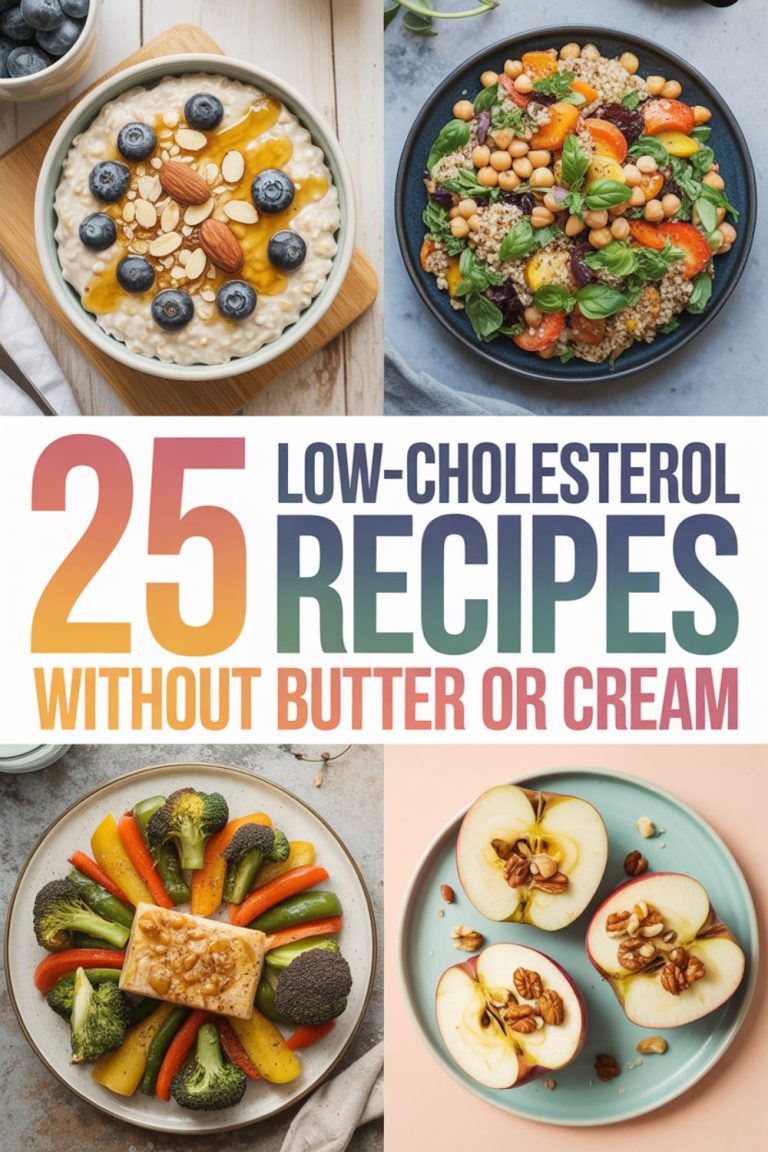
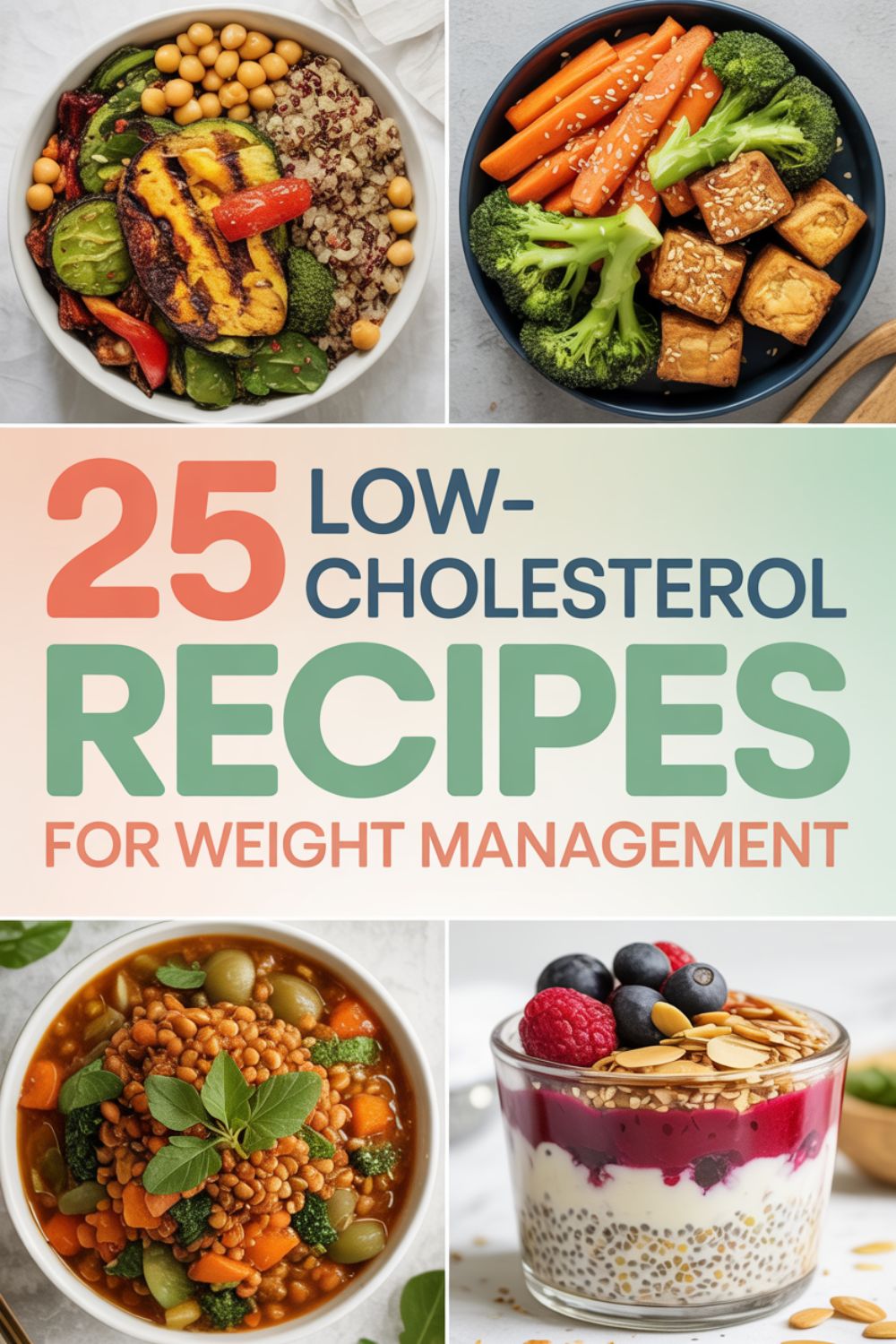
25 Low-Cholesterol Recipes for Weight Management
Look, I’m not gonna sit here and pretend that lowering cholesterol while trying to drop a few pounds is some walk in the park. It’s frustrating when every “heart-healthy” recipe you find tastes like cardboard dipped in sadness. But here’s the thing—it doesn’t have to be that way.
I’ve spent the last few years figuring out how to eat food that actually tastes good while keeping my cholesterol in check and managing my weight. And honestly? Once you know what works, it’s way easier than you’d think. These 25 recipes aren’t just about being low in cholesterol—they’re about feeling satisfied, staying full, and actually enjoying what’s on your plate.
Whether you’re dealing with high LDL numbers from your last checkup or you’re just trying to get ahead of potential heart issues, these recipes have your back. No weird ingredients you can’t pronounce, no three-hour prep times, just real food that works.
Why Low-Cholesterol Eating Actually Matters for Weight Loss
Here’s something most people don’t realize: managing cholesterol and losing weight aren’t separate goals. They’re basically two sides of the same coin. When you eat foods that help lower your LDL (bad) cholesterol, you’re usually eating foods that support weight management too.
According to the American Heart Association, cutting back on saturated fats and replacing them with healthier options naturally reduces calorie density while keeping you satisfied. Translation? You eat less without feeling like you’re starving yourself.
The real magic happens when you focus on fiber-rich foods, lean proteins, and healthy fats. These keep your blood sugar stable, which means no more mid-afternoon energy crashes that send you straight to the vending machine. Plus, when your arteries aren’t clogged with plaque buildup, your whole body functions better—including your metabolism.
The Building Blocks of Low-Cholesterol Meals
Before we dive into the recipes, let’s talk about what actually makes a meal “low-cholesterol.” It’s not rocket science, but understanding the basics helps you make better choices even when you’re winging it.
Soluble fiber is your best friend here. It literally binds to cholesterol in your digestive system and escorts it out of your body before it can cause problems. You’ll find this in oats, beans, apples, and barley. I keep a jar of steel-cut oats on my counter at all times—they’re basically non-negotiable in my kitchen.
Plant sterols and stanols are these cool compounds that block cholesterol absorption. They show up in nuts, seeds, and certain fortified foods. A small handful of almonds or walnuts can make a legit difference. I use this nut dispenser to portion them out so I don’t accidentally eat the entire bag in one sitting (been there, done that).
Omega-3 fatty acids from fish like salmon and mackerel are absolute powerhouses for heart health. They lower triglycerides and fight inflammation. If you’re not big on fish, a quality fish oil supplement can fill the gap, though real food is always better when you can swing it.
What to Ditch (Or at Least Seriously Limit)
Saturated fats are the main villain in the cholesterol story. They’re hiding in fatty cuts of red meat, full-fat dairy, butter, and tropical oils like coconut and palm oil. You don’t have to swear off these forever, but keeping them to less than 6% of your daily calories makes a measurable impact.
Trans fats? Just no. These synthetic fats are in a lot of processed foods, baked goods, and fried stuff. They raise your bad cholesterol AND lower your good cholesterol. It’s like a one-two punch to your arteries. Check ingredient labels for anything that says “partially hydrogenated oil” and put it back on the shelf.
Breakfast Recipes That Actually Keep You Full
Breakfast always feels like the hardest meal to get right when you’re watching cholesterol. You can’t do the usual bacon-and-eggs routine, but you also can’t survive on a sad piece of dry toast. These recipes hit that sweet spot.
Overnight Oats Three Ways
Overnight oats saved my mornings. You make them the night before, grab them from the fridge, and boom—breakfast is handled. Mix half a cup of rolled oats with three-quarters cup of unsweetened almond milk, a tablespoon of chia seeds, and whatever toppings you’re feeling. Get Full Recipe.
My go-to combinations: apple cinnamon with a drizzle of honey, chocolate banana with a spoonish of cocoa powder, or berry blast with mixed berries and a sprinkle of almonds. The chia seeds add omega-3s and make everything thick and pudding-like. I prep mine in these glass meal prep jars—they stack perfectly in the fridge and look way fancier than they actually are.
Veggie-Packed Breakfast Scramble
Eggs have gotten a bad rap, but research shows eating one whole egg daily is totally fine for most people. The trick is loading your scramble with vegetables to stretch one or two eggs into a full meal. Spinach, tomatoes, mushrooms, bell peppers—whatever you’ve got works.
I cook mine in avocado oil spray instead of butter, season with garlic powder and black pepper, and serve with whole grain toast. Sometimes I throw in some white beans for extra protein and fiber. Takes maybe ten minutes tops.
Looking for more morning inspiration? Check out these low-cholesterol breakfast ideas that range from super simple to weekend-special worthy. And if you need something you can grab and go, these breakfasts under 300 calories are clutch for busy mornings.
Green Smoothie Bowl
Smoothie bowls are basically smoothies you eat with a spoon, which somehow makes them feel more like a real meal. Blend a frozen banana, a big handful of spinach, half an avocado, a scoop of protein powder, and some almond milk until thick. Pour it in a bowl and top with berries, granola, and seeds.
The avocado makes it creamy without any dairy, plus you get those heart-healthy monounsaturated fats. My high-speed blender powers through frozen fruit like it’s nothing—totally worth the investment if you make these regularly.
Meal Prep Essentials Used in These Recipes
- Glass Meal Prep Containers (Set of 10) – Perfect for portioning overnight oats and storing prepared veggies
- Kitchen Scale for Portion Control – Takes the guesswork out of serving sizes
- Mandoline Slicer – Makes vegetable prep stupid-fast
- Heart-Healthy Recipe eBook Bundle – 200+ recipes organized by meal type
- 30-Day Cholesterol-Lowering Meal Plan PDF – Complete shopping lists included
- Macro Tracking Spreadsheet Template – Customizable for your goals
- Join Our Heart Health Community on WhatsApp – Daily tips, recipe swaps, and support from real people doing this with you
Lunch Ideas That Don’t Leave You Starving by 3pm
Lunch is where a lot of people fall off the wagon. You get busy, you skip it, or you grab whatever’s convenient and end up eating your body weight in chips an hour later. These lunches keep you satisfied without weighing you down.
Mediterranean Chickpea Salad
This salad is legitimately one of my favorite things to eat. Chickpeas, cucumber, tomatoes, red onion, Kalamata olives, and a lemon-herb dressing. It’s got protein, fiber, and those healthy fats from the olives and a little olive oil.
I make a big batch on meal prep day and it lasts all week. The flavors actually get better as it sits. Throw it on some mixed greens or stuff it in a whole wheat pita. Get Full Recipe.
Turkey and Veggie Wrap
Sometimes you just want something you can eat with your hands. Use a whole grain wrap, spread some hummus, layer on lean turkey breast, and pile high with lettuce, tomato, cucumber, and shredded carrots. Roll it tight and you’re done.
The hummus adds creaminess without mayo, which is usually loaded with saturated fat. I portion these out using these wrap keepers that stop them from getting soggy in my bag. Game changer for packed lunches.
For more filling lunch options that won’t spike your cholesterol, these lunches that keep you full are solid choices. And if you’re constantly short on time, check out these quick lunches under 10 minutes.
Lentil Soup
Soup is criminally underrated for weight management. It’s high volume, low calorie, and keeps you satisfied for hours. Lentil soup checks all the boxes—tons of fiber, plant-based protein, and you can make it in bulk.
Sauté some onions, carrots, and celery in a little olive oil, add lentils, vegetable broth, diced tomatoes, and your favorite spices. Let it simmer until the lentils are tender. I use my programmable slow cooker and just dump everything in before work. Dinner basically makes itself.
Dinners That Feel Like Comfort Food
Dinner is where emotional eating hits hardest. You’re tired, you’re stressed, and you want something that feels like a hug. Good news—comfort food doesn’t have to wreck your cholesterol numbers.
Baked Salmon with Roasted Vegetables
Salmon is stupid easy to cook and it’s loaded with omega-3s. Season a fillet with lemon, garlic, and dill, bake it at 400°F for about 12-15 minutes. Meanwhile, roast whatever vegetables you have—Brussels sprouts, broccoli, sweet potato, carrots.
Everything goes on one sheet pan. One pan means less cleanup, which is honestly half the battle. I line mine with a silicone baking mat so cleanup is literally just rinsing it off. No scrubbing, no stuck-on bits.
If you’re into simple dinners like this, you’ll love these one-pan dinners. And for more salmon and other fish options, check out these dinners you’ll actually want to make again.
Turkey Meatballs with Zucchini Noodles
Ground turkey is way leaner than beef, but it can dry out if you’re not careful. The secret is adding some grated zucchini right into the meat mixture. It keeps everything moist and sneaks in extra vegetables.
Mix ground turkey with the zucchini, whole wheat breadcrumbs, an egg white, garlic, and Italian seasoning. Roll into balls and bake. Serve over zucchini noodles with marinara sauce. It tastes indulgent but it’s actually super clean.
I spiralize my zucchini with this handheld spiralizer. Way cheaper than those big countertop ones and just as effective for home cooking. Get Full Recipe.
Stuffed Bell Peppers
Stuffed peppers are one of those meals that look impressive but require minimal effort. Cut bell peppers in half, fill them with a mixture of quinoa, black beans, corn, diced tomatoes, and spices. Top with a little low-fat cheese if you want.
Bake until the peppers are tender. Each pepper half is basically a complete meal—carbs, protein, fiber, vegetables. You can meal prep these and just reheat them throughout the week. Get Full Recipe.
Snacks That Actually Satisfy
Snacking is where things get dicey. You need something to tide you over between meals, but most snacks are either junk food or so boring you’d rather just be hungry. These split the difference.
Apple Slices with Almond Butter
This is my go-to afternoon snack. Slice an apple, dip it in almond butter. That’s it. The apple gives you fiber and natural sweetness, the almond butter provides healthy fats and protein. Together they keep your blood sugar stable so you don’t crash.
I portion my almond butter into these tiny sauce containers so I don’t accidentally eat half a jar. Portion control is real, people.
Homemade Trail Mix
Store-bought trail mix is usually candy pretending to be healthy—loaded with chocolate chunks and yogurt-covered nonsense. Make your own with raw almonds, walnuts, pumpkin seeds, a few dark chocolate chips, and some unsweetened dried fruit.
The nuts provide heart-healthy fats, the seeds add minerals, and the tiny bit of chocolate keeps you from feeling deprived. Measure it out into small portions because it’s calorie-dense. Get Full Recipe.
Need more snack inspiration? These snacks that support heart health range from super simple to slightly fancy.
Hummus and Veggie Sticks
Cut up carrots, celery, bell peppers, and cucumber. Dip them in hummus. I know it sounds basic, but it works. Hummus has protein and fiber from chickpeas, plus tahini (sesame seed paste) which contains plant sterols that block cholesterol absorption.
Making your own hummus is cheaper and tastier than store-bought, and you just need a food processor. Chickpeas, tahini, lemon juice, garlic, olive oil, blend until smooth. Done.
Desserts That Won’t Derail Your Progress
Let’s be real—telling someone they can never have dessert again is a recipe for failure. You need sweet treats that satisfy your cravings without loading you up with saturated fat and cholesterol. These deliver.
Banana “Nice Cream”
Freeze some ripe bananas, then blend them in a food processor until they’re creamy. It turns into this ice cream-like texture that’s genuinely impressive. Add cocoa powder for chocolate, or peanut butter for a PB flavor. No added sugar, no dairy, just frozen fruit.
This is where a decent food processor earns its keep. Cheap blenders struggle with frozen fruit, but a good processor powers through it. Get Full Recipe.
If you’ve got a sweet tooth, these low-cholesterol desserts prove you don’t have to give up everything you love.
Baked Apples with Cinnamon
Core an apple, fill the center with a mixture of oats, cinnamon, a tiny bit of honey, and chopped walnuts. Bake until the apple is soft. It smells incredible and tastes like apple pie without all the butter and sugar.
The oats add soluble fiber, the walnuts bring omega-3s, and the apple itself is packed with pectin—another type of soluble fiber that helps lower cholesterol. It’s basically a health food disguised as dessert.
Dark Chocolate-Dipped Strawberries
Dark chocolate (70% cocoa or higher) has way less saturated fat than milk chocolate, plus it’s loaded with antioxidants. Melt some in a double boiler, dip strawberries halfway, and let them harden on parchment paper.
Fancy enough for company, simple enough for a Tuesday night. The strawberries add vitamin C and fiber, and you get your chocolate fix without going overboard. Get Full Recipe.
Tools & Resources That Make Cooking Easier
- Programmable Instant Pot – Set it and forget it for soups, stews, and grains
- Quality Chef’s Knife – Makes prep work actually enjoyable
- Non-Stick Ceramic Pan Set – Cook with way less oil
- Cholesterol-Lowering Cookbook PDF (100+ Recipes) – Organized by season and cooking method
- Weekly Meal Planning Template – Drag-and-drop interface, automatically generates shopping lists
- Heart-Healthy Grocery Shopping Guide – Brand recommendations and label-reading tips
- Connect with Our Recipe Exchange Group – Share your creations and get feedback from other home cooks
Meal Prep Strategies That Actually Stick
Meal prep sounds great in theory but most people quit after two weeks because it feels like too much work. The key is keeping it simple and not trying to prep every single meal.
The Batch Cooking Method
Pick one protein, one grain, and a few vegetables. Cook them all at once in different pots and pans. Then mix and match throughout the week. Baked chicken breast, quinoa, and roasted vegetables can become a grain bowl one day, a wrap another day, and a salad the next.
I do all this on Sunday afternoon while watching TV. Takes maybe two hours and sets me up for the entire week. Using glass storage containers keeps everything fresh longer and you can reheat right in the container.
Prep the Components, Not Complete Meals
Instead of making Monday’s lunch and Tuesday’s lunch and Wednesday’s lunch separately, just prep a bunch of ingredients. Wash and chop vegetables, cook your proteins, make a big pot of brown rice or quinoa.
When mealtime hits, you’re just assembling things, not cooking from scratch. It’s way less overwhelming and gives you more flexibility if you’re not in the mood for what you planned.
For more structured meal prep guidance, check out these meal prep ideas for the week. And if you want to prep big batches and freeze them, these freezer meals are lifesavers.
Making It Work When Life Gets Crazy
The perfect meal plan falls apart the second real life happens. You work late, the kids have practice, you’re just exhausted. Here’s how to stay on track when everything’s chaos.
Keep a Lazy Day Backup List
Have a mental list of five meals you can make in under 15 minutes with ingredients you always keep on hand. Mine includes scrambled eggs with frozen vegetables, canned tuna mixed with avocado on whole grain toast, and black bean quesadillas on whole wheat tortillas.
These aren’t gourmet, but they’re way better than drive-through and they keep your cholesterol goals intact. Sometimes good enough is exactly good enough.
Use Your Freezer Strategically
Whenever you make soup, chili, or any kind of stew, double the recipe and freeze half. Future stressed-out you will be so grateful to have a homemade meal ready to go.
I freeze things in single portions using silicone freezer bags. They stack flat, take up less space than containers, and you can reheat right in the bag. Plus they’re reusable, which feels slightly less terrible for the planet.
When you’re truly strapped for time, these lazy meals for busy people are clutch.
Restaurant Survival Guide
You can’t avoid restaurants forever, so you need a strategy. Look for grilled proteins instead of fried, ask for sauces on the side, double up on vegetable sides instead of getting fries or loaded potatoes.
Most places will accommodate requests if you’re polite about it. Swap butter for olive oil, skip the cheese, get your salad dressing on the side. Small tweaks add up without making you feel like you’re eating hospital food.
Tracking Progress Without Losing Your Mind
You need some way to know if this is working, but obsessing over every number is a fast track to burnout. Here’s what actually matters.
The Numbers Worth Watching
Get your cholesterol checked before you start and then again after three months. That’s your real metric. According to research, dietary changes can lower LDL cholesterol by 10-15% in most people, sometimes more if you’re really committed.
Track your weight weekly, not daily. Daily fluctuations are mostly water weight and will drive you insane. Same day, same time, same scale each week. That’s enough data to spot trends without micromanaging.
Non-Scale Victories Matter More
Pay attention to how you feel. More energy? Sleeping better? Clothes fitting differently? These are legit markers of progress that don’t show up on a scale or blood test.
I keep a simple journal where I note my energy levels and how I’m feeling each day. Looking back over a month, patterns emerge that you don’t notice day-to-day. Sometimes you’re making way more progress than you think.
Frequently Asked Questions
Can I still eat eggs if I have high cholesterol?
Yes, for most people eating one whole egg per day is perfectly fine. Recent research shows that dietary cholesterol from eggs has less impact on blood cholesterol than previously thought. The bigger concern is saturated fat, which eggs have relatively little of. Just don’t go crazy with cheese and butter in your omelet and you’re good.
How long does it take to see cholesterol improvements from diet changes?
Most people see measurable changes in 4-6 weeks, with more significant drops after 3 months of consistent dietary changes. Some folks see their LDL drop by 10-15%, which can be enough to avoid medication depending on your numbers. The key word is consistent—occasional healthy meals won’t move the needle much.
Do I need to go vegetarian to lower my cholesterol?
Not at all. While plant-based diets are effective, you can absolutely include lean meats, fish, and even small amounts of dairy. The focus should be on limiting saturated fat and increasing fiber, which you can do with or without meat. Fish like salmon actually help lower cholesterol thanks to their omega-3 content.
Are there foods that actively lower cholesterol, or is it just about avoiding bad ones?
Both matter, but yes—certain foods actively help. Oats, beans, nuts, and fatty fish contain compounds that either block cholesterol absorption or help remove it from your bloodstream. It’s not just about what you don’t eat; strategically adding these foods makes a real difference.
Can I eat out at restaurants while managing cholesterol?
Definitely, you just need to be smart about it. Choose grilled over fried, ask for dressings and sauces on the side, skip the butter, and load up on vegetables. Most restaurants will accommodate simple requests. The occasional indulgence won’t wreck your progress—it’s your daily habits that matter most.
The Bottom Line on Low-Cholesterol Eating
Managing cholesterol through diet isn’t about perfection. It’s about making better choices most of the time and finding meals you actually enjoy eating. These 25 recipes give you a solid foundation, but the real magic happens when you stop seeing this as a diet and start seeing it as just how you eat.
Will you have pizza sometimes? Yeah, probably. Will you eat cake at your friend’s birthday? Sure. The goal isn’t to be a food monk—it’s to build sustainable habits that support your health without making you miserable.
Your cholesterol numbers are important, but so is actually living your life. Find the balance that works for you, keep the foods you love in rotation, and remember that every meal is a chance to make a choice that supports your goals. You’ve got this.
If you’re looking for even more guidance, these foods that naturally lower cholesterol are worth keeping in your regular rotation. And for those days when you want something a little fancier, these comfort foods made healthy prove you don’t have to sacrifice flavor for heart health.