
25 Low-Cholesterol Salads That Taste Restaurant-Quality
Look, I get it. When your doctor mentions cholesterol levels, the first thing that pops into your head is probably sad, wilted lettuce with a drizzle of lemon juice. But here’s the thing—eating for heart health doesn’t mean you’re sentenced to boring, flavorless meals that leave you eyeing the drive-thru on your way home.
I’ve spent way too much time perfecting salads that actually make me excited for lunch. We’re talking crispy textures, bold flavors, and ingredients that work together like they were meant to be. No rabbit food here, just legitimately delicious combinations that happen to be good for your heart.
These 25 salads prove you can eat smart without feeling like you’re punishing yourself. Each one brings restaurant-level flavor without the cholesterol bomb that usually comes with dining out. Ready to fall in love with salads again?

Why Low-Cholesterol Salads Actually Matter
Before we jump into the recipes, let’s talk about why this stuff matters. High cholesterol isn’t just some abstract number your doctor obsesses over—it genuinely affects your heart health, energy levels, and how you feel day to day.
The cool part? You don’t need medication or extreme diets to make a difference. Simple swaps in your daily meals can shift those numbers significantly. Salads loaded with fiber-rich vegetables, heart-healthy fats, and lean proteins actively help lower LDL cholesterol (the bad kind) while keeping you satisfied.
According to the American Heart Association, incorporating more plant-based meals and reducing saturated fats can significantly improve cardiovascular health. The best part? It doesn’t taste like you’re eating cardboard.
The Secret to Restaurant-Quality Salads at Home
Here’s what separates a “meh” salad from one you’d actually pay $16 for at a bistro: layering flavors and textures. You need crunch, creaminess, acidity, and something with a bit of punch.
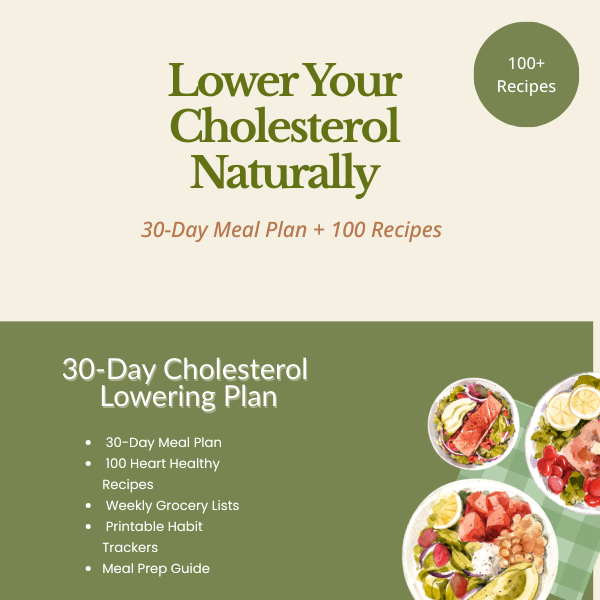
30-Day Cholesterol Reset System
A simple done-for-you plan to help you eat heart-healthy every day without confusion.
Over 1,000 people downloaded this guide
✔ 100 Easy Recipes
✔ Grocery Lists + Meal Prep Guide
🎁 FREE BONUSES:
✔ 7-Day Quick Start Plan
✔ Printable Grocery List
$29 $9
Get Instant AccessThink about it. Those fancy salads you order out aren’t just lettuce with stuff thrown on top. They’ve got toasted nuts for crunch, a creamy element (usually avocado or a killer dressing), something acidic to brighten everything up, and a protein that actually tastes like something. Once you crack this formula, you’ll never look at salad the same way.
I use this salad spinner religiously because soggy greens are the fastest way to ruin a perfectly good salad. Seriously, dry your lettuce properly—it’s a game changer.
OXO Good Grips Salad Spinner – The One I Actually Use Daily
After testing 12 different salad spinners, this is the only one that’s lived on my counter for 3+ years. The pump mechanism is satisfying to use, it actually gets greens bone-dry, and the basket doubles as a serving bowl. No more soggy salads or dressing sliding off your leaves.
- Pump handle is way easier than pull-cord styles
- Non-slip base stays put (even on my slippery marble counters)
- Basket has tiny holes that drain perfectly without losing small leaves
- Dishwasher safe and actually fits in the dishwasher
- Large 6-quart capacity – feeds 4-6 people easily
The Core Components
- Base greens: Mix it up with arugula, spinach, romaine, or kale—each brings different nutrients and flavors
- Protein: Grilled chicken, chickpeas, lentils, or white beans keep you full without the cholesterol spike
- Healthy fats: Avocado, nuts, seeds, or a drizzle of quality olive oil
- Crunch factor: Raw veggies, toasted seeds, or crispy chickpeas
- Acid: Lemon juice, vinegar, or pickled elements to brighten everything
25 Low-Cholesterol Salads You’ll Actually Crave
1. Mediterranean Chickpea Crunch Bowl
Start with crisp romaine, toss in roasted chickpeas (trust me, roast them until they’re almost burnt—that’s where the magic happens), cherry tomatoes, cucumber, red onion, and a handful of kalamata olives. The dressing is stupid simple: lemon juice, olive oil, garlic, and oregano.
The chickpeas give you that satisfying protein hit without any cholesterol, and the olive oil provides those heart-healthy monounsaturated fats. This one’s legitimately filling enough to be dinner. Get Full Recipe.
2. Grilled Chicken and Mango Salad
Mixed greens meet grilled chicken breast, fresh mango chunks, red bell pepper, and toasted almonds. The vinaigrette is a mix of lime juice, a touch of honey, and cilantro. Sweet, savory, and that crunch from the almonds makes every bite interesting.
Chicken breast is one of the leanest proteins you can pick, and mango adds natural sweetness plus a hefty dose of vitamin C. When I’m feeling lazy about slicing mango, I grab one of these mango splitters—way easier than wrestling with the pit.
3. Kale Caesar (Without the Guilt)
Traditional Caesar dressing is basically an egg yolk and cheese party. This version swaps in a tahini-based dressing with lemon, garlic, and nutritional yeast for that savory punch. Massage your kale first (yes, really—it breaks down the toughness), add chickpea croutons, and top with a sprinkle of hemp seeds.
You get all the Caesar vibes without the cholesterol overload. The tahini brings healthy fats and a creamy texture that makes you forget there’s no dairy involved.
Speaking of creative takes on classics, you might dig these low-cholesterol meals that are actually delicious or check out some vegetarian options if you’re looking to cut back on meat.
4. Asian Sesame Ginger Bowl
Napa cabbage, shredded carrots, edamame, sliced bell peppers, and cilantro get tossed with a sesame-ginger dressing. Top it with toasted sesame seeds and crushed peanuts for that addictive crunch.
Edamame is packed with plant-based protein and fiber, both of which help manage cholesterol levels. The ginger in the dressing isn’t just for flavor—it’s got anti-inflammatory properties that support heart health too.
5. Strawberry Spinach Spectacular
Baby spinach, fresh strawberries, toasted walnuts, and thinly sliced red onion. The dressing is a simple balsamic reduction with a touch of Dijon mustard. The combo of sweet berries and tangy balsamic is ridiculously good.
Walnuts are omega-3 powerhouses, which directly help lower bad cholesterol. Plus, strawberries bring antioxidants and vitamin C to the party. I toast my walnuts in a small skillet until they smell nutty and amazing—takes maybe three minutes.
6. Southwestern Black Bean Fiesta
Romaine lettuce, black beans, corn (fresh or roasted), diced tomatoes, avocado, and a squeeze of lime. Throw in some cilantro and jalapeño if you’re feeling spicy. The dressing is just lime juice, cumin, and a drizzle of olive oil.
Black beans are fiber champions, and that fiber literally helps sweep cholesterol out of your system. Avocado brings the creamy factor and those good fats your heart loves. This salad hits every flavor note.
7. Beet and Arugula Power Salad
Roasted beets (or use the pre-cooked ones if you’re short on time—no judgment), peppery arugula, goat cheese substitute (cashew cheese works great), candied walnuts, and a balsamic drizzle. The earthiness of beets with peppery arugula is chef’s kiss.
Beets contain nitrates that may help lower blood pressure, and arugula is loaded with vitamins K and C. When I’m roasting beets, I wrap them in foil and throw them in this countertop convection oven—way faster than heating up the whole oven.
8. Quinoa Tabbouleh Twist
Traditional tabbouleh goes hard on the parsley, and this version keeps that vibe but adds protein-rich quinoa. Fresh parsley, mint, diced cucumber, tomatoes, quinoa, lemon juice, and olive oil. Simple, fresh, and insanely satisfying.
Quinoa is a complete protein with all nine essential amino acids, and it’s naturally cholesterol-free. The herbs aren’t just for show—they’re packed with antioxidants and add a brightness that makes this addictive. Get Full Recipe.
9. Thai Peanut Crunch Salad
Shredded cabbage (both purple and green), carrots, snap peas, cilantro, and mint get dressed in a peanut sauce made with natural peanut butter, lime juice, soy sauce, and a touch of maple syrup. Top with crushed peanuts and sesame seeds.
The peanut sauce situation is key here. I blend mine in this mini food processor because it emulsifies everything perfectly. You want it smooth and pourable, not chunky and thick.
10. Apple Walnut Harvest Bowl
Mixed greens, crisp apple slices, dried cranberries, toasted walnuts, and a maple-Dijon vinaigrette. The combination of tart apples with sweet cranberries and earthy walnuts hits different.
Apples contain soluble fiber called pectin, which research from the National Institutes of Health shows can help lower cholesterol levels. Plus, this salad tastes like fall in the best possible way.
11. Lentil and Roasted Vegetable Medley
Roasted sweet potato, Brussels sprouts, and red onion over a bed of arugula, topped with cooked lentils and a tahini-lemon dressing. The roasted veggies bring sweetness and depth, while lentils add protein and that earthy satisfaction.
Lentils are legit one of the best foods for cholesterol management—they’re loaded with soluble fiber and plant-based protein. I meal prep a big batch on Sundays and use them throughout the week.
🎯 Heart-Healthy Meal Planner & Tracker
Stop guessing what to eat and start following a proven system. This digital planner includes cholesterol-tracking templates, 30 days of pre-planned low-cholesterol meals, and grocery lists that sync with your phone.
- Printable & digital meal planning templates
- Cholesterol tracking dashboard
- 100+ heart-healthy recipe cards
- Weekly grocery list generator
- Progress tracker with visual charts
12. Citrus Avocado Refresher
Mixed greens, segments of grapefruit and orange, sliced avocado, red onion, and pepitas (pumpkin seeds). The citrus vinaigrette is just the juice from the fruit mixed with olive oil and a pinch of salt.
Citrus fruits are packed with soluble fiber and vitamin C, both of which support heart health. The avocado makes this incredibly creamy without any dairy. Pepitas add a nice crunch and are surprisingly high in magnesium.
If you’re loving these fresh, vibrant flavors, you’ll definitely want to explore these low-cholesterol smoothies and juices for more heart-healthy options throughout your day.
13. Moroccan Carrot Salad
Shredded carrots, chickpeas, raisins, fresh mint, and toasted almonds with a cumin-spiced dressing. The sweet-savory thing happening here is absolutely next level. The spices make it feel exotic without being complicated.
Carrots are rich in beta-carotene and fiber, and when you pair them with chickpeas, you’ve got a seriously filling salad. I use a box grater for the carrots—faster than a food processor and way less cleanup.
14. Greek Goddess Bowl
Romaine, cucumber, tomatoes, red onion, kalamata olives, and white beans with a lemon-oregano dressing. Skip the feta or use a dairy-free version. This is basically all the best parts of Greek food in one bowl.
White beans are another fiber superstar that helps control cholesterol. The oregano and lemon combo makes everything taste bright and fresh. Honestly, this is one of those salads I could eat every single day and not get bored.
15. Roasted Cauliflower and Chickpea Feast
Roasted cauliflower florets and crispy chickpeas over arugula, with tahini dressing, pomegranate seeds, and fresh parsley. The roasted elements bring so much flavor, and those pomegranate seeds add bursts of sweetness.
When I roast cauliflower, I crank the oven high and spread everything out on a large sheet pan—you want crispy edges, not steamed mush. The caramelization makes all the difference.
16. Watermelon Feta (Dairy-Free) Summer Salad
Cubed watermelon, dairy-free feta (or just skip it), fresh mint, arugula, and a balsamic reduction. This one’s perfect for hot days when you want something light but satisfying.
Watermelon contains an amino acid called citrulline that may help lower blood pressure. The combination of sweet watermelon with peppery arugula and tangy balsamic is surprisingly perfect.
17. Asian Cucumber Sesame Salad
Thinly sliced cucumbers, shredded carrots, edamame, and scallions with a sesame-rice vinegar dressing. Top with toasted sesame seeds and crushed peanuts. It’s crunchy, refreshing, and ridiculously easy to throw together.
Cucumbers are super hydrating and low in calories, while edamame brings protein and fiber. This salad is perfect alongside low-cholesterol dinners when you want something light and crisp. Get Full Recipe.
18. Tuscan White Bean and Tomato
Cannellini beans, cherry tomatoes, fresh basil, red onion, and arugula with a simple red wine vinaigrette. Add some sun-dried tomatoes if you’re feeling fancy. This tastes like you’re sitting in an Italian countryside restaurant.
White beans are loaded with fiber and plant-based protein, and tomatoes bring lycopene, which is great for heart health. The basil ties everything together with that fresh, summery flavor.
19. Spicy Buffalo Chickpea Bowl
Romaine lettuce, roasted buffalo-spiced chickpeas, shredded carrots, celery, and a dairy-free ranch dressing. It’s got all those buffalo wing flavors without the cholesterol nightmare of actual wings.
I toss my chickpeas in hot sauce and nutritional yeast before roasting them—gives them that cheesy, tangy flavor without any dairy. The crunch factor on these chickpeas is unreal.
20. Autumn Apple and Brussels Sprouts Salad
Shaved raw Brussels sprouts, sliced apples, dried cranberries, toasted pecans, and a maple-Dijon dressing. Raw Brussels sprouts are way less bitter than you’d think, especially when they’re shaved thin.
Brussels sprouts are cruciferous vegetables loaded with fiber and nutrients that support heart health. The combination with apples and pecans makes this feel like a cozy fall day in salad form.
21. Vietnamese Vermicelli Bowl (Bun-Style)
Rice vermicelli noodles, shredded lettuce, cucumber, carrots, fresh herbs (mint, cilantro, Thai basil), and a lime-fish sauce dressing (or use soy sauce for a vegan version). Top with crushed peanuts and crispy shallots.
This salad is a texture party—soft noodles, crunchy vegetables, and those crispy elements on top. The fresh herbs make it taste vibrant and alive. FYI, I make my crispy shallots in an air fryer—way less oil than frying, and they come out perfectly crispy.
22. Roasted Beet and Orange Salad
Roasted beets, orange segments, mixed greens, toasted pistachios, and a citrus vinaigrette. The earthiness of beets with bright orange is a combination that just works.
Pistachios are lower in calories than most nuts but still pack those heart-healthy fats. The colors in this salad are gorgeous—it looks like something you’d get at a high-end restaurant.
23. Tex-Mex Grilled Veggie Bowl
Grilled zucchini, bell peppers, red onion, and corn over romaine, topped with black beans, avocado, and a cilantro-lime dressing. The char from grilling adds so much flavor depth.
I grill my vegetables on a grill basket so nothing falls through the grates. The smokiness from the grill combined with the creamy avocado makes this incredibly satisfying.
For more ways to incorporate grilled and roasted vegetables into your routine, check out these one-pan dinners that make weeknight cooking so much easier.
24. Mediterranean Farro Bowl
Cooked farro, cherry tomatoes, cucumber, kalamata olives, chickpeas, and fresh parsley with a lemon-olive oil dressing. Farro has this amazing chewy texture that makes the salad super filling.
Farro is a whole grain packed with fiber and protein, and it has a lower glycemic index than many other grains. This salad holds up really well, so it’s perfect for meal prep.
25. Rainbow Veggie Power Salad
Mixed greens, shredded purple cabbage, shredded carrots, diced bell peppers (all the colors), cherry tomatoes, cucumber, and sunflower seeds with a simple lemon-tahini dressing. This salad is basically eating the rainbow, and it tastes as good as it looks.
The variety of vegetables means you’re getting a huge range of vitamins, minerals, and antioxidants. The tahini dressing brings creaminess and those good fats. This is the salad I make when I need to feel like I’m treating my body right.
Dressing Game-Changers
Let’s be real—the dressing makes or breaks a salad. You can have the most beautiful, nutrient-dense ingredients, but if the dressing is weak or, worse, loaded with hidden cholesterol, you’re missing the point.
Store-bought dressings often sneak in saturated fats, added sugars, and preservatives. Making your own takes about two minutes and tastes infinitely better. My go-to ratio is three parts oil to one part acid (lemon juice, vinegar, etc.), plus salt, pepper, and whatever flavorings you’re feeling.
I keep all my dressing ingredients in these squeeze bottles so I can just grab and go. Game changer for meal prep. Also, a good jar with a tight lid is all you need—shake everything together and you’re done.
My Favorite Dressing Formulas
- Classic Lemon-Herb: Lemon juice, olive oil, Dijon mustard, garlic, dried oregano
- Tahini-Miso: Tahini, white miso, lemon juice, water to thin, garlic
- Balsamic Reduction: Balsamic vinegar reduced until syrupy, mixed with olive oil
- Asian Sesame: Rice vinegar, sesame oil, soy sauce, ginger, garlic, touch of maple syrup
- Cilantro-Lime: Fresh cilantro, lime juice, olive oil, garlic, jalapeño (optional)
Meal Prep Tips That Actually Work
If you’re thinking, “This is great, but I’m not making a fresh salad every single day,” I hear you. The trick to actually eating these salads is strategic meal prep that doesn’t result in soggy sadness by Wednesday.
First rule: keep wet and dry ingredients separate until you’re ready to eat. Store your greens in one container, your dressing in another, and your toppings separately. When lunch rolls around, you just assemble.
I use these glass meal prep containers with divided sections—keeps everything fresh and makes assembly stupid easy. The vegetables that hold up best for a few days are heartier ones like cabbage, carrots, Brussels sprouts, and bell peppers.
The Three-Day Rotation Strategy
Pick three salad bases you love and rotate them throughout the week. For example: Monday and Thursday could be your Mediterranean chickpea bowl, Tuesday and Friday your Asian sesame situation, and Wednesday your Southwest black bean fiesta. This keeps things interesting without requiring a million different ingredients.
Prep your proteins and roasted vegetables at the beginning of the week. Cook a big batch of chickpeas, grill some chicken breast, roast your vegetables—whatever proteins and cooked elements you’re using. These all keep well for 4-5 days in the fridge.
For inspiration on complete meal plans and breakfast ideas that complement these salads, explore these breakfast ideas for heart health and meal prep strategies that’ll save you tons of time.
The Ingredients That Do the Heavy Lifting
Not all salad ingredients are created equal when it comes to cholesterol management. Some foods actively work to lower your numbers, and honestly, those are the MVPs you want in rotation.
Soluble fiber is your best friend here. It literally binds to cholesterol in your digestive system and escorts it out of your body before it can cause trouble. Foods like oats, beans, lentils, and apples are loaded with this stuff.
Plant sterols and stanols are compounds that block cholesterol absorption. You’ll find these in nuts, seeds, and certain fortified foods. This is why I’m always throwing nuts and seeds on everything—they’re not just for crunch.
Top Cholesterol-Fighting Ingredients
- Avocados: Monounsaturated fats that actively lower bad cholesterol
- Nuts (especially walnuts and almonds): Omega-3s and plant sterols
- Legumes (beans, lentils, chickpeas): Soluble fiber powerhouses
- Leafy greens: Lutein and other antioxidants that support heart health
- Olive oil: Heart-healthy fats that improve cholesterol ratios
- Berries: Antioxidants and soluble fiber
- Garlic: May help lower total cholesterol and blood pressure
Understanding which foods naturally lower cholesterol helps you build salads that aren’t just delicious—they’re actively working in your favor.
📊 Ultimate Cholesterol-Lowering Food Guide
Know exactly what to eat and what to avoid with this comprehensive digital guide. Includes a printable food swap chart, restaurant ordering guide, and the complete glycemic index for heart-healthy foods.
- Complete list of 200+ cholesterol-lowering foods
- Smart food swap chart (upgrade your favorites)
- Restaurant survival guide for 15+ cuisines
- Cholesterol-friendly snack ideas by calorie range
- Quick reference wallet cards (print & carry)
Making Restaurant-Quality Dressings at Home
Seriously, if you take away one thing from this entire article, make it this: learn to whip up your own dressings. Store-bought options are loaded with preservatives, added sugars, and often hidden saturated fats that completely undermine your cholesterol goals.
The basic formula is stupid simple: three parts oil to one part acid, plus seasonings. That’s it. Olive oil plus lemon juice plus garlic and herbs. Boom—you’ve got a dressing that beats anything in a bottle.
My secret weapon is keeping everything prepped and ready. I store minced garlic in olive oil, keep lemons on hand, and have a variety of vinegars in the pantry. When I want to make a dressing, it takes literally two minutes.
The Equipment That Makes It Easy
You don’t need fancy gear, but a few tools make the process way smoother. I keep small mason jars specifically for dressings—just throw everything in, screw on the lid, and shake like crazy. The emulsification happens naturally, and you’ve got perfectly blended dressing.
For creamier dressings like tahini-based ones, a small whisk helps break up any clumps. And if you’re feeling fancy, a mini immersion blender creates restaurant-quality smooth dressings in seconds.
Busting the Boring Salad Myth
The biggest lie about heart-healthy eating is that it has to be bland and boring. People hear “low cholesterol” and immediately picture dry chicken breast over sad lettuce. But that’s not what we’re doing here.
The salads I’ve shared aren’t diet food—they’re legitimately delicious meals that happen to support your heart health. There’s a massive difference between restriction and smart choices. You’re not giving anything up; you’re just choosing ingredients that work for you instead of against you.
According to research published in the NIH’s StatPearls, emphasizing bioactive foods like fruits, nuts, seeds, vegetables, legumes, and whole grains is linked to lower risk of cardiovascular diseases. You’re not suffering—you’re eating exactly what your body thrives on.
The Flavor Layering Technique
Professional chefs know that great food comes from building layers of flavor. Start with your base (greens), add texture (raw or roasted vegetables), incorporate protein (beans, lentils, or lean meat), add richness (avocado or nuts), and finish with brightness (citrus or vinegar).
Each element brings something different to the table. When you nail this formula, you create salads that are so satisfying, you’re not even thinking about cholesterol—you’re just enjoying really good food.
🥗 52-Week Salad Recipe Collection
Never eat the same boring salad twice. This digital cookbook gives you a new salad recipe for every single week of the year—all optimized for heart health with detailed nutrition info and prep times under 15 minutes.
- 52 unique low-cholesterol salad recipes
- Seasonal ingredient guides (save money)
- Make-ahead dressing recipes (8+ varieties)
- Protein add-in calculator
- Printable recipe cards for meal prep
- Bonus: Master salad-building formula
Common Mistakes to Avoid
Even with the best intentions, it’s easy to sabotage your salad game. Let’s talk about the most common pitfalls and how to dodge them.
1. Using Too Much Dressing
More isn’t always better. Drowning your salad in dressing adds unnecessary calories and fat without improving the taste. A good salad should be lightly coated, not swimming. Start with a tablespoon or two, toss everything thoroughly, and add more only if needed.
2. Skipping the Protein
A salad without protein isn’t a meal—it’s a side dish. You’ll be hungry an hour later and reaching for snacks. Always include a substantial protein source like chickpeas, lentils, grilled chicken, or tofu. This keeps you satisfied and helps maintain stable blood sugar.
3. Not Drying Your Greens Properly
This is the one that drives me crazy. Wet greens make dressing slide right off, and you end up with a watery mess at the bottom of your bowl. Pat them dry with paper towels or use a salad spinner. It makes a world of difference.
4. Adding Too Many Ingredients
Sometimes less is more. You don’t need fifteen different components. Pick 5-7 ingredients that complement each other and let them shine. Too much going on and nothing stands out.
Looking to expand your heart-healthy repertoire beyond salads? These low-cholesterol snacks and filling lunch options will keep you satisfied throughout the day.
Smart Shopping for Salad Success
Your salad is only as good as your ingredients. Shopping smart means you’ll actually want to eat what you buy instead of watching it wilt in the crisper drawer.
Buy fresh greens that look crisp and vibrant—avoid anything with brown edges or slime. For vegetables, choose what’s in season. They’ll taste better and cost less. IMO, farmer’s markets are worth the trip for produce quality.
For pantry staples like beans, lentils, and whole grains, buying in bulk saves money. I always have these on hand because they keep forever and form the backbone of so many salads.
The Essential Salad Pantry
- Oils: Extra virgin olive oil, sesame oil, avocado oil
- Acids: Lemons, limes, balsamic vinegar, red wine vinegar, rice vinegar
- Proteins: Canned chickpeas, dried lentils, canned beans
- Nuts and seeds: Almonds, walnuts, sunflower seeds, pumpkin seeds, sesame seeds
- Grains: Quinoa, farro, bulgur wheat
- Seasonings: Garlic, fresh herbs, nutritional yeast, Dijon mustard, soy sauce
With these basics stocked, you can throw together a killer salad anytime without a special grocery trip.
💚 Never Run Out of Healthy Ideas!
Get weekly meal plans, shopping lists, and exclusive low-cholesterol recipes you won’t find anywhere else. Our WhatsApp community is where busy people share their best time-saving tips and celebrate their wins together. It’s free, it’s supportive, and it’s exactly what you need.
Join the Community NowSalads for Every Season
The beauty of salads is their versatility. You’re not stuck eating the same thing year-round. Seasonal eating keeps things interesting and usually means better flavor and nutrition.
Spring Salads
Spring is all about fresh, delicate flavors. Think asparagus, peas, radishes, and baby lettuces. Light vinaigrettes with lemon and herbs work perfectly. The Mediterranean chickpea bowl and citrus avocado refresher shine during these months.
Summer Salads
Summer calls for cooling, hydrating ingredients. Cucumber, watermelon, tomatoes, and corn are at their peak. The watermelon feta salad and Tex-Mex grilled veggie bowl are perfect for hot days when you want something refreshing but filling.
Fall Salads
Roasted vegetables take center stage in fall. Brussels sprouts, sweet potatoes, beets, and apples create heartier, more satisfying salads. The autumn apple and Brussels sprouts salad and roasted beet and orange salad capture that cozy fall vibe.
Winter Salads
Winter salads lean on heartier greens like kale and cabbage, plus roasted root vegetables. The kale Caesar and Moroccan carrot salad work great when you want something substantial that still feels fresh during colder months.
Making Salads Kid-Friendly
If you’ve got kids, getting them to eat salads can feel like negotiating with tiny terrorists. The trick is making it interactive and letting them have some control.
Set up a salad bar situation with different toppings in small bowls. Let kids build their own salads, choosing what goes in their bowl. They’re way more likely to eat something they assembled themselves.
Start with familiar flavors and gradually introduce new ingredients. Most kids like corn, cucumbers, and cherry tomatoes—build from there. The Southwestern black bean fiesta is usually a hit because of the familiar Tex-Mex flavors.
Skip the bitter greens initially. Romaine, butter lettuce, and even shredded cabbage are milder and easier for kids to handle. As they get comfortable, you can introduce more adventurous options.
The Bottom Line
Eating for heart health doesn’t mean sentencing yourself to boring, tasteless meals. These 25 low-cholesterol salads prove you can have restaurant-quality flavor while actively supporting your cardiovascular health.
The key is understanding how to layer flavors, incorporate the right ingredients, and make these salads substantial enough to actually satisfy you. When you nail those elements, you’re not eating “health food”—you’re just eating really good food that happens to be good for you.
Start with one or two salads that sound appealing. Get comfortable making them, then branch out to others. Before you know it, you’ll have a rotation of go-to recipes that keep your meals interesting and your cholesterol in check.
Your heart will thank you, and your taste buds won’t feel like they’re missing out. That’s the sweet spot we’re all looking for, right? Now get in that kitchen and start building some seriously delicious salads.
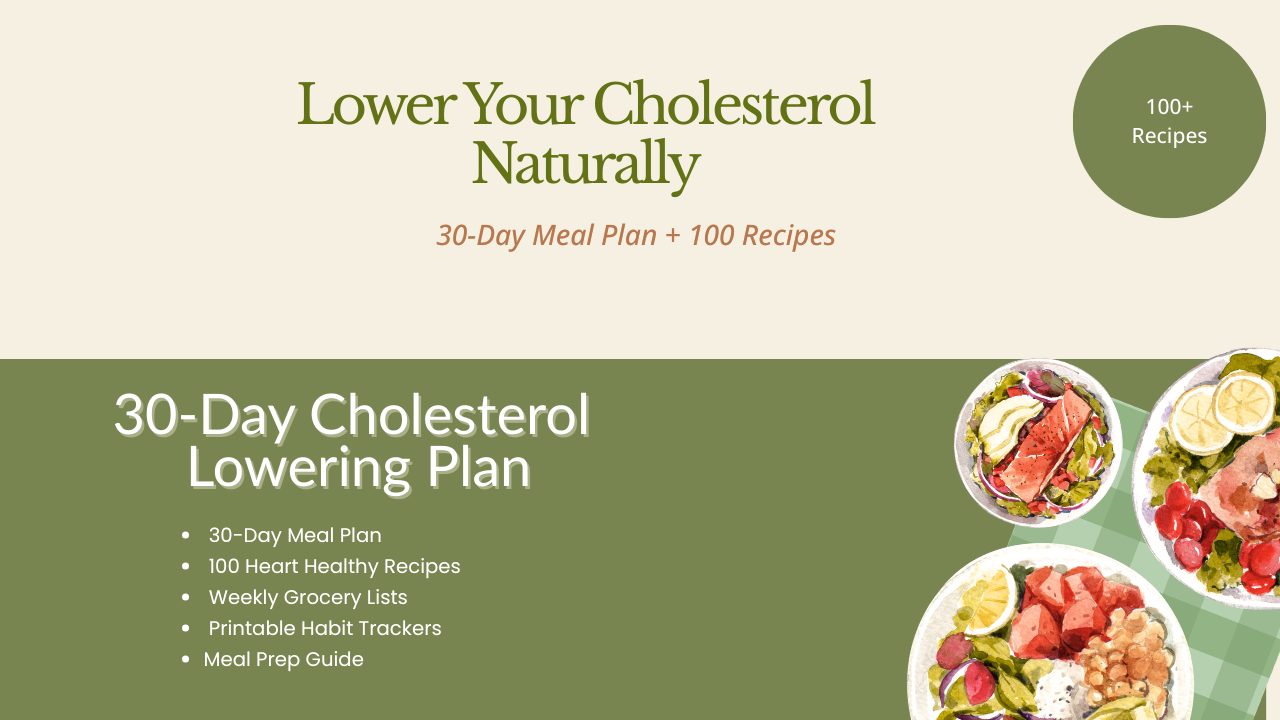
30-Day Cholesterol-Lowering Meal Plan
A simple step-by-step system to help you eat heart-healthy every day without stress.
Over 1,000 people downloaded this guide
$29$9
Get Instant Access


