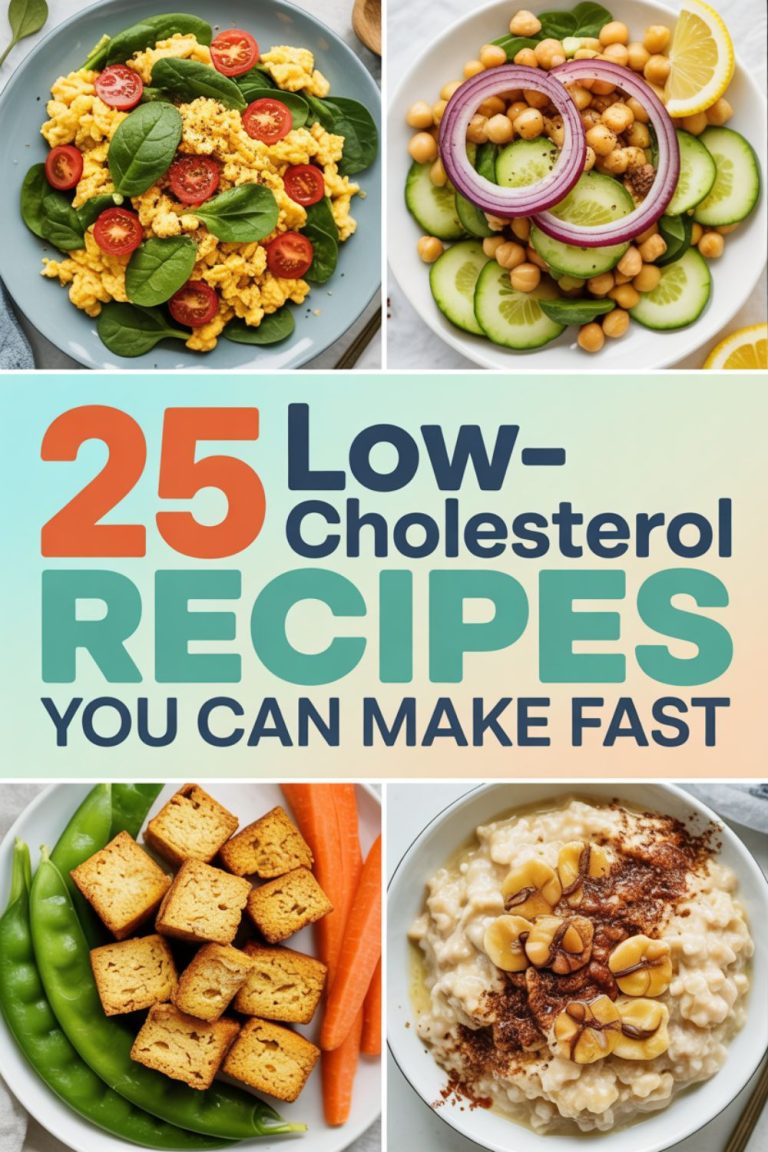

21 Low-Cholesterol Recipes That Feel Comforting
Let’s be honest—when you hear “low-cholesterol,” you’re probably picturing sad lettuce leaves and flavorless chicken breasts. But here’s the thing: eating heart-healthy doesn’t mean sacrificing the foods that make you happy. I’ve spent the last few years testing recipes that actually deliver on both fronts, and I’m ready to share what works.
These aren’t the recipes your doctor hands you on a photocopied sheet from 1992. They’re the meals you’ll crave on a Wednesday night when you’re tired and hungry. The kind that make your kitchen smell amazing and leave you satisfied, not searching the pantry an hour later.
Managing cholesterol through food is one of those things that sounds way more complicated than it actually is. Once you understand which ingredients work in your favor and which ones don’t, you can build a rotation of meals that support your heart without feeling like you’re on some restrictive diet.
Why Comfort Food and Heart Health Can Actually Coexist
I used to think comfort food was off-limits once you started watching your cholesterol. Turns out, that’s complete nonsense. The real game-changer is understanding what makes food comforting in the first place—it’s not always the butter and cream we think we need.
30-Day Cholesterol Reset System
A simple done-for-you plan to help you eat heart-healthy every day without confusion.
Over 1,000 people downloaded this guide
✔ 100 Easy Recipes
✔ Grocery Lists + Meal Prep Guide
🎁 FREE BONUSES:
✔ 7-Day Quick Start Plan
✔ Printable Grocery List
$29 $9
Get Instant AccessComfort comes from warmth, from familiar flavors, from that feeling of being full and content. You can get all of that from a bowl of bean-loaded chili or a perfectly seasoned roasted chicken with herbs. The key is building flavor through spices, aromatics, and cooking techniques rather than relying on saturated fats.
Research shows that dietary changes can significantly impact cholesterol levels, sometimes reducing LDL cholesterol by 10-15% through food choices alone. That’s not nothing—especially when you’re eating food you actually enjoy.
The Building Blocks of Satisfying Low-Cholesterol Meals
Before we jump into specific recipes, let’s talk about what actually makes these dishes work. You need three things: fiber, flavor, and substance. Miss any one of those, and you’re setting yourself up to feel deprived.
Fiber Is Your Secret Weapon
Soluble fiber—the kind you find in oats, beans, and certain fruits—actually binds to cholesterol in your digestive system and helps remove it from your body. It’s like having a tiny cleanup crew working while you eat. Multiple studies have shown that consuming at least 3 grams of soluble fiber daily can reduce LDL cholesterol by 5-10%.
That’s why so many of these recipes include ingredients like lentils, chickpeas, and whole grains. They’re not just filler—they’re actively working to improve your numbers. Plus, fiber keeps you full longer, which means you’re less likely to raid the snack drawer at 3 PM.
I’ve been using this glass storage container set to meal prep batches of cooked beans and lentils every Sunday. Makes throwing together weeknight meals so much faster, and I always have protein-packed ingredients ready to go.
Flavor Without the Fat
This is where most “healthy” recipes fall flat. They strip out all the fat and forget to replace it with anything that actually tastes good. You need to be aggressive with your seasonings—garlic, fresh herbs, citrus zest, smoked paprika, cumin, whatever makes your taste buds happy.
A quality spice grinder changed my cooking game completely. Freshly ground spices have about ten times more flavor than the pre-ground stuff that’s been sitting in your cabinet since 2019. I’m not exaggerating—the difference is wild.
For more ideas on naturally flavorful ingredients that support heart health, check out this list of foods that naturally lower cholesterol. Some of them might surprise you.
Breakfast Options That Don’t Feel Like Punishment
Breakfast is where a lot of people struggle. We’re so conditioned to think eggs and bacon are the only satisfying morning options. But I’ve found that starting your day with the right foundation makes everything else easier.
Steel-cut oats cooked with cinnamon, a drizzle of maple syrup, and some chopped walnuts hit all the right notes. They’re creamy, slightly sweet, and keep you full until lunch. The oats bring that cholesterol-lowering soluble fiber, while walnuts add omega-3 fatty acids and a satisfying crunch.
If you’re more of a savory breakfast person, a veggie-packed scrambled tofu situation with nutritional yeast can absolutely deliver. Add some black beans, salsa, and avocado, and you’ve got something that feels substantial and tastes like actual food, not diet food.
I use this non-stick ceramic pan for tofu scrambles because nothing sticks to it, even with minimal oil. Worth every penny when you’re trying to cut back on added fats.
For a complete collection of morning options, take a look at these low-cholesterol breakfast ideas for heart health—there’s everything from smoothie bowls to savory oatmeal in there.
Lunch Ideas That Actually Keep You Full
The lunch slump is real, and it’s usually because we’re eating things that sound healthy but leave us starving by 2 PM. A pile of greens with some grilled chicken breast? Yeah, that’s not cutting it. You need substance.
My go-to is a massive grain bowl with quinoa or farro as the base, then I pile on roasted vegetables, chickpeas, and a tahini-lemon dressing. The combination of whole grains, legumes, and healthy fats from the tahini keeps your energy stable for hours. Plus, you can prep all the components ahead and just assemble when you’re ready to eat.
Another winner is a hearty minestrone soup packed with white beans and vegetables. Soup gets a bad rap as being unsatisfying, but when it’s loaded with beans and served with a hunk of whole-grain bread, it absolutely delivers. Get Full Recipe
Speaking of soups, if you’re looking for more inspiration, these heart-healthy soups for lowering cholesterol are clutch. Some of them work great as make-ahead lunches that you can portion out for the week.
The insulated lunch container I picked up keeps soup hot for hours without needing a microwave. Game-changer for office lunches.
For even more lunch options that won’t leave you hungry, check out these low-cholesterol lunches that keep you full or try some of these quick low-cholesterol lunches under 10 minutes when you’re pressed for time.
Dinner Recipes That Feel Like Real Food
This is where things get fun. Dinner is when you can slow down a little, get creative, and make something that feels like an actual meal instead of some sad “health food” compromise.
One-Pan Wonders
Sheet pan dinners are my weeknight saving grace. Toss some salmon fillets, Brussels sprouts, and sweet potato chunks on a pan with olive oil, garlic, and lemon. Roast everything together at 425°F for about 20 minutes. Done. The salmon gives you those heart-healthy omega-3s, and the vegetables bring fiber and nutrients without any of the heaviness you’d get from a cream-based sauce.
The beauty of one-pan meals is minimal cleanup, which means you’re more likely to actually cook instead of ordering takeout. Plus, when everything roasts together, the flavors meld in this really satisfying way. Get Full Recipe
These low-cholesterol one-pan dinners have saved me on countless busy evenings. Less dishes, less stress, same great results.
I swear by these rimmed baking sheets for sheet pan dinners. They’re sturdy enough that they don’t warp in high heat, and cleanup is stupid easy.
Plant-Forward Comfort
You don’t have to go full vegetarian to benefit from more plant-based meals. Even swapping in a couple of meatless dinners per week makes a difference. A really good lentil bolognese over whole wheat pasta can absolutely satisfy that comfort food craving without the saturated fat from traditional meat sauce.
The trick with lentil-based sauces is cooking them long enough that they break down and get that thick, rich texture. Rush it, and you end up with something that tastes like health food. Give it time, and it tastes like something you’d order at a restaurant.
For more plant-based inspiration, these low-cholesterol vegetarian meals are all genuinely crave-worthy. No boring tofu blocks here—just real food that happens to be meat-free.
Lighter Takes on Classic Favorites
Sometimes you just want the classics, and there are smart ways to lighten them up without losing what makes them good. Turkey chili instead of beef chili still hits all those cozy, spicy notes but with way less saturated fat. Get Full Recipe
Same goes for tacos—swap ground turkey or black beans for beef, load up on the salsa and guacamole, and you’ve got something just as satisfying. The key is not skimping on the toppings and seasonings. That’s where all the flavor lives anyway.
Check out these low-cholesterol comfort foods made healthy for more ideas on making your favorite dishes work within a heart-healthy framework.
The cast iron skillet I use for everything from searing to baking adds so much flavor to dishes without needing extra fat. It’s become my most-used piece of cookware.
Smart Snacking Without the Guilt
Let’s talk about the 4 PM struggle. You need something to bridge the gap to dinner, but you don’t want to blow your progress. The secret is having snacks that combine protein and fiber so they actually hold you over.
Hummus with raw vegetables is the obvious choice, but it’s obvious because it works. The chickpeas in hummus bring fiber and protein, and the tahini adds healthy fats that keep you satisfied. Apple slices with almond butter, a handful of walnuts, or some air-popped popcorn with nutritional yeast are all solid moves.
I keep a stash of portion-control containers filled with pre-cut veggies and measured nuts in my fridge. Makes it easier to grab something good instead of whatever’s easiest.
For a full breakdown of smart snack options, check out these low-cholesterol snacks that support heart health. Some of them are surprisingly indulgent considering how good they are for you.
Desserts That Won’t Derail Your Progress
Yeah, you can still have dessert. Shocking, I know. The difference is focusing on naturally sweet ingredients rather than loads of butter and cream. Fresh fruit with a drizzle of dark chocolate, baked apples with cinnamon and a tiny bit of maple syrup, or frozen banana “nice cream” blended with cocoa powder all satisfy that sweet tooth without undoing your good work.
Dark chocolate—the real stuff with at least 70% cacao—actually contains compounds that may help improve cholesterol levels. So when you have a square or two after dinner, you’re not cheating. You’re having something delicious that happens to fit within your heart-healthy plan.
A high-speed blender makes frozen fruit desserts ridiculously easy. Frozen bananas transform into something that tastes exactly like ice cream with zero added ingredients.
For more sweet options that won’t mess with your goals, these low-cholesterol desserts are legitimately delicious. No weird artificial sweeteners or disappointing “healthy” substitutes—just good desserts made smarter.
Making It Work in Real Life
Here’s the truth: meal plans are great until Tuesday hits and you’re exhausted and the last thing you want is to cook something complicated. That’s why meal prep matters so much.
You don’t need to spend all Sunday cooking—just prep the components that take the most time. Cook a big batch of quinoa, roast a sheet pan of vegetables, portion out some cooked chicken or beans. Then during the week, you’re just assembling rather than starting from scratch.
The difference between success and giving up usually comes down to convenience. Make the healthy choice the easy choice, and you’ll stick with it. Make it complicated and time-consuming, and you’ll be ordering pizza by Wednesday.
These lazy low-cholesterol meals for busy people are perfect for those nights when cooking feels impossible. They’re simple, fast, and require minimal effort—but they still taste good.
I batch cook in these stackable meal prep containers every weekend. They’re microwave-safe, don’t stain, and make portion control automatic.
Looking for more prep-ahead inspiration? These low-cholesterol freezer meals are lifesavers when you want to get ahead on cooking. Just pull one out the night before and you’re set.
The Instant Pot and Air Fryer Factor
Let’s talk about appliances that actually earn their counter space. An Instant Pot turns dried beans into perfectly cooked legumes in under an hour with zero babysitting. Air fryers give you crispy vegetables and proteins without drowning them in oil. These aren’t gimmicks—they’re genuinely useful tools for heart-healthy cooking.
Brussels sprouts in an air fryer? Crispy on the outside, tender inside, with just a light spray of oil. Try achieving that in a regular oven and you’re looking at way more fat to get the same results. Same goes for crispy tofu, roasted chickpeas, or any vegetable that benefits from a little crunch.
The air fryer I use has been worth it for Brussels sprouts alone. They come out perfectly crispy with barely any oil—something that’s nearly impossible to achieve in a regular oven without using way more fat.
Check out these low-cholesterol Instant Pot and air fryer recipes if you want to make the most of these appliances. They’re all designed to maximize flavor while keeping the saturated fat in check.
Restaurant-Quality Results at Home
One of the biggest obstacles to sticking with heart-healthy eating is feeling like you’re missing out on restaurant food. But here’s what I’ve learned: most restaurant dishes aren’t actually that complicated to recreate. They just use more butter and salt than you’d use at home.
You can absolutely make a salad that tastes restaurant-quality by focusing on variety and texture. Mix different greens, add something crunchy like toasted nuts or crispy chickpeas, throw in fresh herbs, and make your own vinaigrette. Suddenly it’s not just “salad”—it’s an actual interesting meal you want to eat.
These low-cholesterol salads that taste restaurant-quality prove that salads don’t have to be boring. They’re the kind of salads that leave you satisfied, not searching for something else to eat 30 minutes later.
A good salad spinner makes such a difference in texture. Wet greens + dressing = sad, soggy salad. Properly dried greens = restaurant-quality results every time.
Family-Friendly Options That Everyone Will Eat
If you’re cooking for a family, the challenge multiplies. You need meals that work for heart health without requiring you to make separate dinners for picky eaters. The good news is that most of these recipes are naturally family-friendly because they focus on familiar flavors done well.
A really good stir-fry with lots of colorful vegetables, some lean protein, and brown rice served with a flavorful sauce? Kids will eat that. Sheet pan chicken with roasted sweet potatoes and green beans? That’s basically a more nutritious version of what they already like.
The key is not making a big deal about food being “healthy.” Just serve good food that happens to be better for your heart. Let the quality speak for itself.
These low-cholesterol family dinners everyone will love have been tested on actual picky eaters and passed with flying colors. No special kid meals required.
Keeping Calories in Check Without Tracking Everything
If weight management is part of your health goals, you can absolutely do that while eating heart-healthy. The beauty of low-cholesterol eating is that it naturally emphasizes foods that are filling but not calorie-dense—vegetables, whole grains, lean proteins, legumes.
Focus on building meals that are mostly vegetables and plant proteins, with smaller portions of animal proteins and healthy fats. You don’t need to count every calorie when you’re eating foods that naturally satisfy you without overdoing it on calories.
These heart-healthy meals under 400 calories show how satisfying lower-calorie meals can be when they’re built right. And these low-cholesterol low-calorie recipes that satisfy prove you don’t need a ton of calories to feel full.
If you’re specifically focused on protein for satiety and muscle maintenance, check out these low-cholesterol high-protein meals for weight loss. They’ll keep you full without the saturated fat that comes with traditional high-protein diets.
For getting ahead on meals that fit into a calorie-conscious plan, these low-cholesterol breakfasts under 300 calories are surprisingly filling for what they are.
Building Your Weekly Rotation
You don’t need 50 different recipes. You need about 10-15 solid meals that you can rotate through without getting bored. Once you have those dialed in, the whole thing becomes automatic. You’re not constantly searching for new recipes or wondering what to make—you just cook from your rotation.
My rotation includes a couple of sheet pan dinners, at least one soup or stew, a grain bowl situation, a stir-fry, and maybe a pasta dish. That’s enough variety to keep things interesting without overwhelming my grocery list or requiring me to learn new techniques every week.
The magnetic meal planner on my fridge has made planning so much easier. I can see the whole week at a glance and adjust as needed without redoing some complicated spreadsheet.
For complete meal collections to build your rotation, check out these low-cholesterol meals that are actually delicious and these low-cholesterol dinners you’ll want to make again.
Smoothies and Quick Sips
Some mornings you need something you can drink on the way out the door. A well-built smoothie with frozen fruit, spinach, ground flaxseed, and some protein powder can be a legitimate meal that supports your cholesterol goals.
The key is making sure there’s enough protein and healthy fat to keep you satisfied. Otherwise you’re basically drinking sugar, which doesn’t help anyone. Add some nut butter or chia seeds to make it more substantial.
These low-cholesterol smoothies and juices for a healthy heart are all properly balanced. They’re sweet enough to feel like a treat but substantial enough to actually work as a meal.
For something more filling, these easy low-cholesterol smoothie bowls let you eat your smoothie with a spoon and add toppings for extra texture and nutrients.
Side Dishes That Complete the Meal
Don’t sleep on sides. They’re what turn a plain piece of grilled fish into an actual meal. Roasted vegetables, whole grain pilaf, a simple bean salad—these aren’t afterthoughts. They’re where you can pack in extra nutrients and fiber while adding variety to your plate.
A really good side can make an ordinary protein feel special. Roasted cauliflower with cumin and lemon, quinoa cooked in vegetable broth with fresh herbs, or simple steamed broccoli with garlic and red pepper flakes all elevate the meal without adding cholesterol or saturated fat.
These low-cholesterol sides that go with everything are my secret weapons for making meals feel complete without much extra work.
Related Recipes You’ll Love
Looking for more inspiration? Here are some recipes that pair perfectly with everything we’ve talked about:
More Meal Ideas:
- 21 Low-Cholesterol Dinners You’ll Want to Make Again
- 25 Low-Cholesterol Meals That Are Actually Delicious
- 18 Low-Cholesterol Comfort Soups and Stews
Quick Options for Busy Days:
Salad and Lighter Options:
- 19 Low-Cholesterol Salads That Don’t Feel Like Diet Food
- 25 Low-Cholesterol Salads That Taste Restaurant-Quality
Frequently Asked Questions
Can you eat pasta on a low-cholesterol diet?
Absolutely. Pasta itself contains no cholesterol since it’s plant-based. The issue is usually what you put on it. Skip the cream-based sauces and butter-heavy preparations, and opt for tomato-based sauces, olive oil with vegetables, or pesto made with extra virgin olive oil. Whole wheat pasta adds extra fiber, which actually helps lower cholesterol. Just watch your portions and load up on vegetables to bulk out the meal.
What meats can I eat if I have high cholesterol?
Focus on lean proteins like skinless chicken breast, turkey, fish (especially fatty fish like salmon and mackerel for omega-3s), and very lean cuts of beef or pork. The key is choosing cuts with minimal visible fat and removing any you can see before cooking. Fish is particularly beneficial because it provides protein without saturated fat and adds heart-healthy omega-3 fatty acids. Plant proteins like beans, lentils, and tofu are even better options since they contain zero cholesterol.
Are eggs completely off-limits for low-cholesterol eating?
Not necessarily, but moderation matters. Current research suggests that for most healthy people, consuming eggs in moderation doesn’t significantly impact blood cholesterol levels the way saturated and trans fats do. If your doctor has recommended limiting dietary cholesterol, you might limit whole eggs to a few per week and use egg whites more liberally since they contain no cholesterol. Everyone’s body responds differently, so talk to your healthcare provider about what makes sense for your specific situation.
How quickly can diet changes lower cholesterol?
You can see changes in as little as a few weeks, though it typically takes 2-3 months of consistent dietary changes to see the full impact. Studies show that adding soluble fiber from oats, reducing saturated fats, and eating more plant-based foods can reduce LDL cholesterol by 10-15% in that timeframe. The speed of change depends on factors like how high your cholesterol was to start, how consistent you are with changes, and your individual metabolism. Keep in mind that diet is just one factor—genetics, exercise, and stress management all play roles too.
Do I need to avoid all fat when watching cholesterol?
No—and actually, some fats are beneficial for heart health. The fats to limit are saturated fats (found in red meat, full-fat dairy, and tropical oils) and trans fats (found in some processed foods). But unsaturated fats from sources like olive oil, avocados, nuts, and fatty fish actually help improve cholesterol levels by raising HDL (good cholesterol) and lowering LDL (bad cholesterol). You need some fat for nutrient absorption and satiety, so focus on choosing the right types rather than eliminating fat entirely.
The Bottom Line
Eating for better cholesterol doesn’t mean giving up food that tastes good or makes you happy. It means being smarter about ingredients, learning a few key techniques, and building a rotation of meals that work for your health goals without feeling restrictive.
The recipes and strategies here aren’t temporary fixes—they’re sustainable approaches to eating that happen to support your heart health. You’re not counting down days until you can go back to “normal eating” because this becomes your normal. And honestly? Once you get used to feeling good, energized, and not weighed down after meals, you won’t want to go back.
Start with one or two recipes that sound good to you. Get comfortable with those, then add more to your rotation. Before you know it, you’ll have a whole arsenal of meals that make you feel great and taste even better.
30-Day Cholesterol-Lowering Meal Plan
A simple step-by-step system to help you eat heart-healthy every day without stress.
Over 1,000 people downloaded this guide
$29$9
Get Instant Access