
30 Heart-Healthy Habits To Pair With Your New Diet
30 Heart-Healthy Habits To Pair With Your New Diet
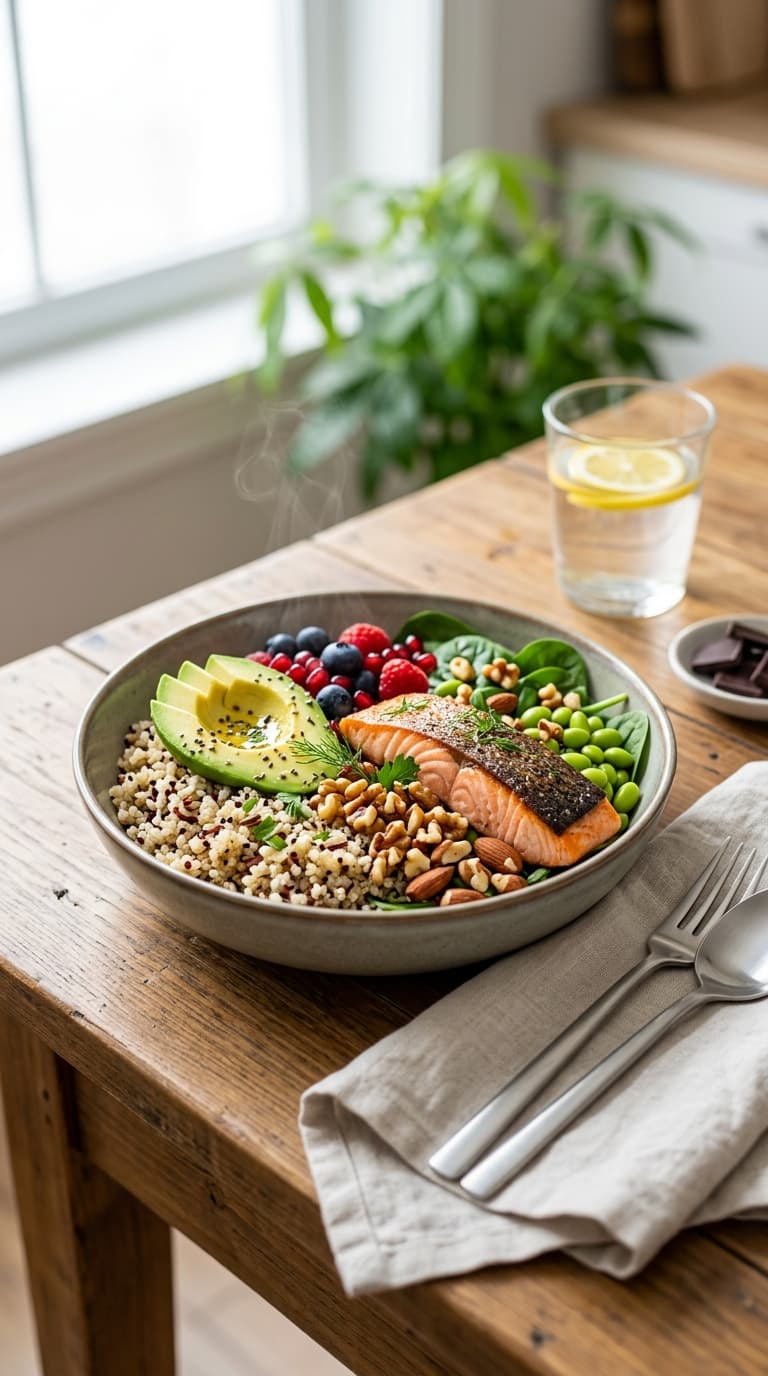
So you’ve finally committed to eating better for your heart — amazing! You’ve swapped the greasy takeout for grilled salmon, you’re loading up on veggies, and you even know what a phytosterol is now. But here’s the thing: diet alone isn’t the whole picture. Your heart needs more than just good food. It needs a full lifestyle to match.
Think of your heart like a high-performance engine. The right fuel matters, sure — but you also need regular maintenance, the right conditions, and yeah, maybe a little less stress behind the wheel. That’s exactly what these 30 habits are here for. Let’s get into it.
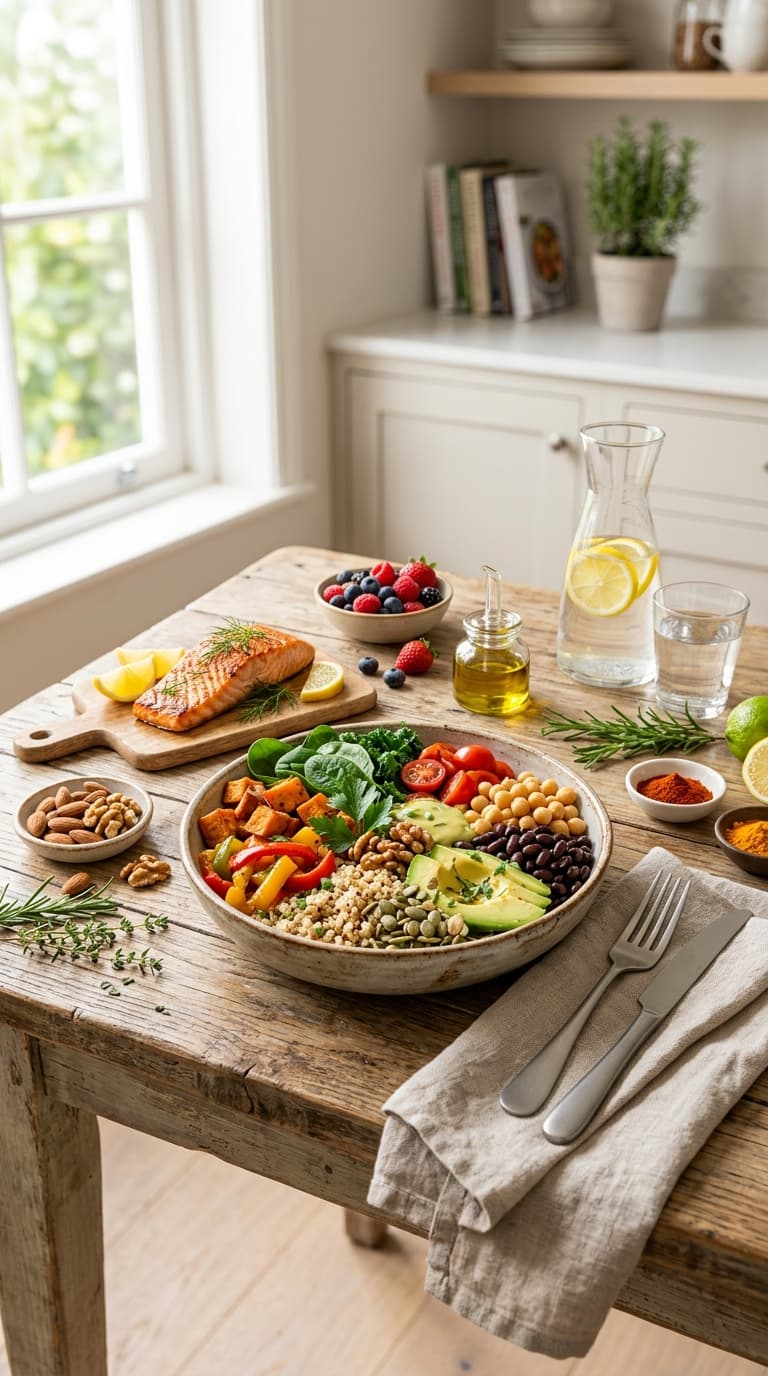
1. Move Your Body Every Single Day
You don’t need a gym membership or a six-day workout split. Even 30 minutes of moderate movement daily makes a measurable difference in blood pressure, cholesterol, and overall cardiovascular health. A brisk walk after dinner counts. Dancing in your kitchen? Absolutely counts.
The American Heart Association recommends at least 150 minutes of moderate aerobic activity per week. That breaks down to about 21 minutes a day — less time than your average Netflix intro sequence.
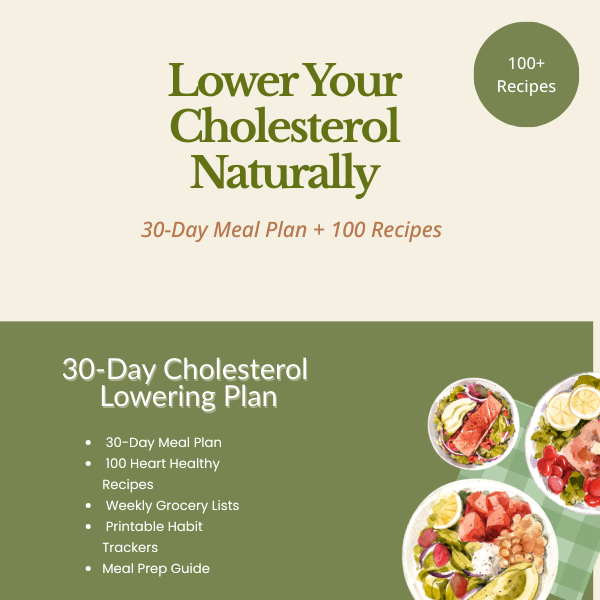
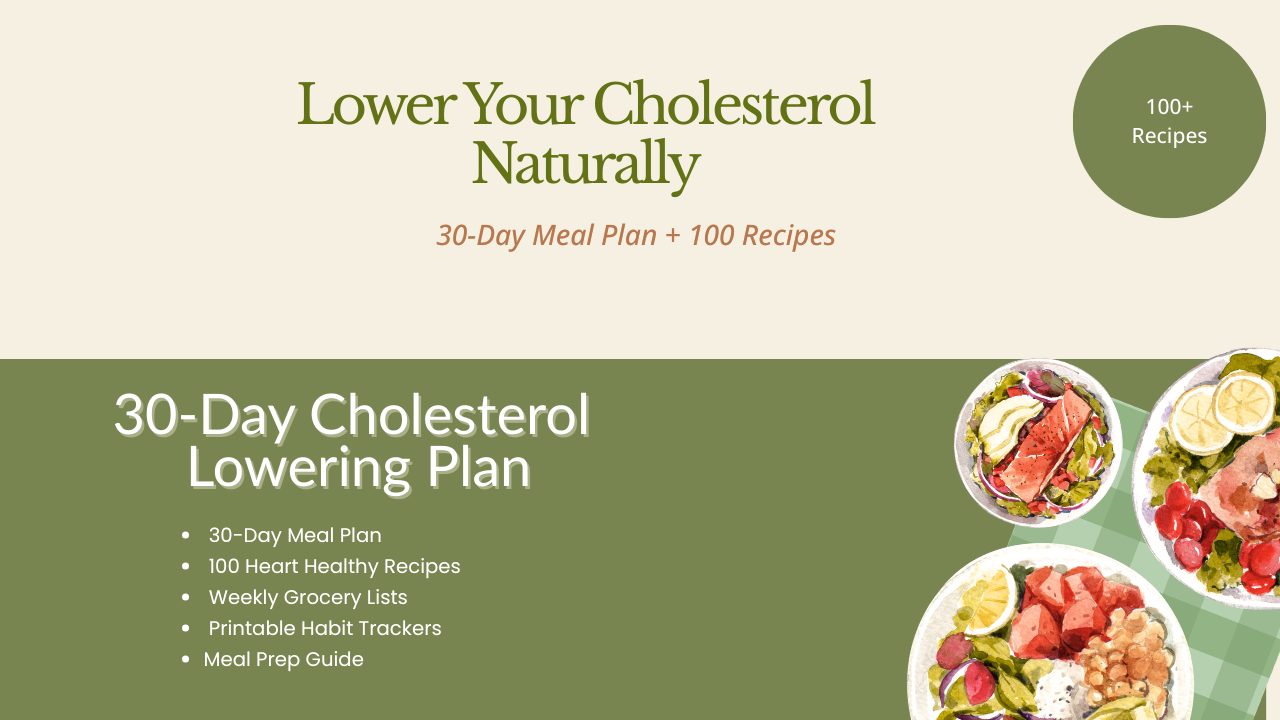
30-Day Cholesterol Reset System
A simple done-for-you plan to help you eat heart-healthy every day without confusion.
Over 1,000 people downloaded this guide
✔ 100 Easy Recipes
✔ Grocery Lists + Meal Prep Guide
🎁 FREE BONUSES:
✔ 7-Day Quick Start Plan
✔ Printable Grocery List
$29 $9
Get Instant Access2. Prioritize Sleep Like It’s Your Job
Most people treat sleep like a luxury. It isn’t. Poor sleep directly raises your risk of heart disease, high blood pressure, and inflammation. Seven to nine hours is the sweet spot for most adults.
If you’re skimping on sleep while eating all the right heart-healthy foods, you’re leaving a huge piece of the puzzle on the table. Your heart repairs itself while you sleep. Let it do its job.
3. Manage Stress Before It Manages You
Chronic stress pumps cortisol into your system, raises blood pressure, and triggers inflammation — all enemies of a healthy heart. Finding a daily stress outlet isn’t optional; it’s essential.
This could be journaling, deep breathing, a short meditation session, or even just a 10-minute walk outside. Pick something that actually works for you, not just something that sounds good on paper.
4. Quit Smoking — For Real This Time
IMO, this one deserves its own billboard. Smoking damages nearly every part of your cardiovascular system, narrows arteries, reduces oxygen in your blood, and dramatically increases your risk of heart attack and stroke. There’s no “just a few cigarettes” loophole here.
The good news: your risk starts dropping within just 24 hours of quitting. Your heart doesn’t hold grudges.
5. Limit Alcohol Intake
A glass of red wine with dinner sounds civilized and maybe even healthy, right? Well, sort of. Moderate drinking — one drink per day for women, two for men — is where the research stops being friendly. Beyond that, alcohol raises blood pressure and can lead to heart muscle damage over time.
If you’re already eating well and working on your cholesterol through great low-cholesterol meals, don’t let excess alcohol undo that progress.
6. Stay Hydrated
Your heart pumps blood more efficiently when you’re properly hydrated. Dehydration forces your heart to work harder, which over time contributes to unnecessary strain. Aim for at least 8 cups of water daily, more if you’re active or live somewhere warm.
Plain water is the gold standard here. Fancy infused waters are fine too — just skip the sugary alternatives that spike your blood sugar and add zero benefit.
7. Monitor Your Blood Pressure Regularly
You can’t manage what you don’t measure. High blood pressure is called the “silent killer” for a reason — it causes damage long before you feel any symptoms. Home blood pressure monitors are inexpensive and easy to use.
Checking your numbers regularly gives you real feedback on how your lifestyle changes are actually working. That’s empowering, not scary.
8. Know Your Cholesterol Numbers
Speaking of numbers — when did you last get a lipid panel done? Understanding your LDL, HDL, and triglyceride levels gives you a baseline to work from and helps you track progress over time.
Pairing this knowledge with genuinely satisfying foods that naturally lower cholesterol makes the whole process feel less like deprivation and more like strategy.
9. Cut Back on Added Sugar
Added sugar is arguably the most underrated villain in the heart health conversation. Excess sugar raises triglycerides, contributes to inflammation, and promotes weight gain around the abdomen — all risk factors for cardiovascular disease.
Read labels. You’d be shocked how much sugar hides in “healthy” foods like flavored yogurt, granola bars, and even salad dressings.
10. Eat More Fiber — Seriously
Soluble fiber binds to cholesterol in your digestive system and helps remove it from your body. Oats, beans, lentils, apples, and flaxseed are all fantastic sources. If your diet is already full of low-cholesterol breakfast ideas, you’re probably already ahead of the curve here.
Aim for at least 25–35 grams of fiber per day. Most people get half that. :/ Time to change that.
11. Incorporate Strength Training
Cardio gets all the glory, but strength training two to three times a week helps lower LDL cholesterol, improve insulin sensitivity, and reduce blood pressure. You don’t need to lift like a powerlifter — bodyweight exercises, resistance bands, and light dumbbells all work.
Muscle mass also helps your body manage blood sugar more efficiently. It’s a win across the board.
12. Spend Time Outside
Sunlight helps your body produce vitamin D, which plays a role in regulating blood pressure and supporting heart function. Low vitamin D levels have been linked to increased cardiovascular risk in multiple studies.
Beyond the vitamin D angle, being in nature genuinely lowers cortisol and improves mood. Fresh air and a decent view do more than most people give them credit for.
13. Cook at Home More Often
Restaurant meals — even the “healthy” ones — tend to be loaded with sodium, saturated fats, and hidden calories. Cooking at home gives you full control over what goes into your food.
And honestly? It doesn’t have to be complicated. There are tons of easy low-cholesterol recipes for everyday cooking that take less time than waiting for a delivery order.
14. Practice Mindful Eating
Eating in front of the TV or scrolling your phone while you snack leads to overeating — almost every time. Mindful eating means slowing down, chewing properly, and actually paying attention to your hunger cues.
It’s one of those habits that sounds annoyingly simple but genuinely works. Your digestion improves, your portions naturally shrink, and you actually enjoy your food more. Imagine that.
15. Reduce Sodium Intake
The standard recommendation is under 2,300 mg of sodium per day, and ideally closer to 1,500 mg if you already have high blood pressure. Excess sodium causes your body to retain water, which raises blood pressure and strains your heart.
The biggest culprits aren’t the salt shaker — they’re processed foods, canned soups, deli meats, and fast food. Cooking your own low-cholesterol soups and stews at home is one of the best ways to take control of this.
16. Add Omega-3-Rich Foods
Omega-3 fatty acids are genuinely heart-protective. They reduce inflammation, lower triglycerides, and help maintain healthy heart rhythm. Fatty fish like salmon, mackerel, and sardines are the most potent sources.
Not a fish person? Walnuts, chia seeds, and flaxseed are solid plant-based alternatives. Even adding them a few times a week makes a difference.
17. Stretch and Work on Flexibility
This one surprises people, but hear me out. Poor flexibility — especially in the hamstrings and lower back — correlates with arterial stiffness. Regular stretching improves circulation and helps your arteries stay supple.
Ten minutes of stretching morning or evening isn’t glamorous, but it’s genuinely useful. Add some yoga into the mix and you’ll also knock out stress reduction at the same time. Two birds, one mat.
18. Maintain a Healthy Weight
Excess body weight — particularly around the abdomen — puts direct strain on your heart and raises your risk for high blood pressure, diabetes, and high cholesterol. Even a 5–10% reduction in body weight can meaningfully improve cardiovascular markers.
Pairing a nutrient-dense diet with regular movement is the most sustainable approach. Crash diets and extreme restriction tend to backfire and mess with your metabolism long-term.
19. Laugh More — No, Really
Here’s a fun one: laughter literally relaxes blood vessels and increases blood flow. Research shows that laughter reduces stress hormones and can temporarily lower blood pressure. So your favorite comedy show is basically cardio. (Okay, not exactly, but still.)
Surrounding yourself with people who make you laugh isn’t just good for your mental health — it’s good for your heart.
20. Build Strong Social Connections
Loneliness and social isolation are genuine cardiovascular risk factors. People with strong social networks have lower rates of heart disease and tend to recover better from cardiac events. The research on this is pretty compelling.
Whether it’s regular dinners with family, a walking group, or a hobby club — staying connected matters more than most people realize.
21. Cut Back on Processed and Fried Foods
Fried foods are loaded with trans fats and refined oils that raise LDL cholesterol and lower HDL. Swapping fried options for baked, grilled, or air-fried alternatives is one of the highest-impact changes you can make without feeling like you’re giving up everything you love.
FYI — there are incredible low-cholesterol recipes without fried foods that actually taste amazing. You won’t miss the deep fryer as much as you think.
22. Drink Green Tea
Green tea contains catechins and antioxidants that support healthy cholesterol levels and blood pressure. Regular green tea consumption has been associated with reduced risk of cardiovascular disease in large population studies.
Swap out your afternoon coffee for a cup of green tea a few times a week. It’s a small habit with a surprisingly solid track record.
23. Take the Stairs, Park Farther Away
These tiny movement choices add up more than you’d think. Non-exercise activity thermogenesis (NEAT) — all the movement you do outside of structured workouts — significantly impacts your cardiovascular health over time.
Take the stairs. Walk to a farther parking spot. Stand up and stretch every hour if you work a desk job. These aren’t revolutionary ideas, but they genuinely work.
24. Meal Prep on Weekends
One of the biggest reasons people abandon heart-healthy eating is convenience — or the lack of it. When healthy food is ready and waiting in your fridge, you’re far less likely to reach for something that undoes your progress.
Spending a couple of hours on Sunday prepping low-cholesterol meal prep ideas for the week pays dividends every single day.
25. Choose Heart-Healthy Fats
Not all fats are the enemy. Monounsaturated fats — found in olive oil, avocados, and nuts — actively support heart health by improving your lipid profile. The Mediterranean diet, which centers around these fats, consistently ranks as one of the best diets for cardiovascular health.
Replacing butter and saturated fats with quality olive oil is one of the simplest swaps you can make. If you need recipe inspiration, these heart-healthy recipes using olive oil are genuinely worth bookmarking.
26. Limit Caffeine if You’re Sensitive
Caffeine in moderate amounts is fine for most people and may even offer some cardiovascular benefits. But if caffeine raises your blood pressure or causes palpitations, it’s worth cutting back. Everyone metabolizes caffeine differently, and some people are genuinely more sensitive than others.
Pay attention to how your body responds rather than following blanket advice. Your experience is data.
27. Establish a Consistent Eating Schedule
Irregular eating patterns — skipping meals, eating huge dinners late at night — disrupt your metabolism and can negatively affect blood pressure and triglyceride levels. Eating at consistent times each day helps regulate your body’s internal clock and supports better metabolic function.
It doesn’t have to be rigid. Just try to keep your meals within a reasonable window and avoid eating heavily right before bed.
28. Add More Plants to Every Meal
You don’t have to go full vegetarian to benefit from more plant-forward eating. Simply increasing the proportion of vegetables, legumes, and whole grains in each meal reduces saturated fat intake and boosts fiber, antioxidants, and micronutrients.
These low-cholesterol vegetarian meals are a great place to start even if you still eat meat regularly.
29. Get Regular Checkups
You can do everything right and still benefit from regular blood work and checkups. Cardiovascular risk factors like high blood pressure, high cholesterol, and elevated blood sugar often don’t produce symptoms until serious damage has occurred.
Staying on top of your numbers gives you and your doctor the information needed to act early — before small problems become big ones. Think of it as routine maintenance, not a reason to panic.
30. Be Patient and Consistent
This one is the hardest and the most important. Real, lasting change in cardiovascular health doesn’t happen overnight. Consistency over weeks, months, and years is what actually moves the needle. Not a two-week detox. Not a single perfect day of eating.
Celebrate small wins. Keep showing up. And remember — every single one of these habits builds on the last. 🙂
Putting It All Together
So there you have it — 30 heart-healthy habits that pair perfectly with whatever diet changes you’re already making. The real magic happens when your food choices and lifestyle habits work together as a complete system, not in isolation.
Start with two or three habits that feel manageable this week. Build from there. You don’t have to overhaul your entire life by Thursday. Your heart has been working hard for you every single day without complaint — these habits are just your way of returning the favor.
Whether you’re building a meal plan from scratch or just looking to get more out of a diet you’ve already started, pairing smart food choices with these daily habits is the formula that actually works. Now get out there and give your heart something to celebrate.
30-Day Cholesterol-Lowering Meal Plan
A simple step-by-step system to help you eat heart-healthy every day without stress.
Over 1,000 people downloaded this guide
$29$9
Get Instant Access