
18 Low-Cholesterol Recipes That Feel Light but Filling
Look, I’m not going to pretend that eating for heart health is always glamorous. But here’s what surprised me: once I stopped thinking of low-cholesterol meals as “diet food” and started treating them like actual recipes worth making, everything changed. These dishes don’t taste like punishment. They taste like food you’d actually crave on a random Tuesday night when you’re starving and need something that hits the spot.
What makes a recipe feel filling without the heavy cholesterol load? It’s all about smart swaps and knowing which ingredients give you that satisfying, stick-to-your-ribs feeling without clogging your arteries in the process. We’re talking fiber-rich whole grains, lean proteins, healthy fats that your body actually needs, and vegetables that add bulk and flavor without weighing you down.
I’ve tested these recipes more times than I care to admit—some winners, some that needed serious tweaking. What you’re getting here are the keepers, the ones that made it into my regular rotation because they’re legitimately good, not just good “for a healthy recipe.” Let’s get into it.

Why Light and Filling Aren’t Mutually Exclusive
Here’s something most people get wrong: they think “light” means you’ll be hungry again in an hour. Not true. The secret is understanding which foods give you lasting energy without the cholesterol baggage. Research shows that foods high in soluble fiber, lean proteins, and healthy fats can keep you satisfied for hours while supporting heart health.
When you build a meal around these components, you get the trifecta: it tastes good, keeps you full, and doesn’t spike your cholesterol. It’s not magic—it’s just smart ingredient selection. For instance, swapping butter for olive oil in your cooking, choosing oats over sugary cereals, or picking fish over red meat a few times a week. Small moves that add up.
The dishes I’m sharing here focus on whole foods that naturally support cardiovascular health. According to the American Heart Association, emphasizing fruits, vegetables, whole grains, and lean proteins while limiting saturated fats is the cornerstone of cholesterol management. But let’s be honest—you don’t need a lecture. You need recipes that work.
Prep your grains and proteins on Sunday. Cook a big batch of quinoa, brown rice, and some grilled chicken or baked tofu. Store them in separate containers. Come Tuesday night when you’re exhausted, you’ll thank yourself for having these building blocks ready to go.
The Building Blocks of a Satisfying Low-Cholesterol Meal
Let’s break down what makes these recipes actually filling. First up: fiber. When you load your plate with fiber-rich foods, your digestion slows down (in a good way), which means you stay fuller longer. We’re talking beans, lentils, oats, and vegetables—lots of vegetables. A cup of cooked lentils has about 16 grams of fiber. That’s more than half your daily needs.
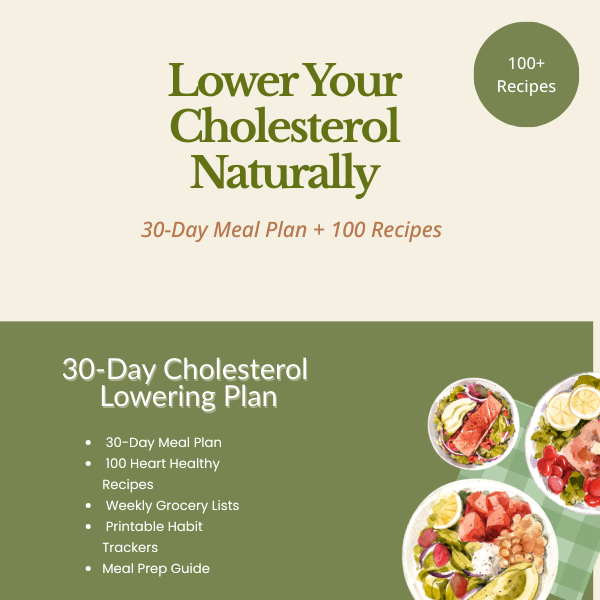
30-Day Cholesterol Reset System
A simple done-for-you plan to help you eat heart-healthy every day without confusion.
Over 1,000 people downloaded this guide
✔ 100 Easy Recipes
✔ Grocery Lists + Meal Prep Guide
🎁 FREE BONUSES:
✔ 7-Day Quick Start Plan
✔ Printable Grocery List
$29 $9
Get Instant AccessNext, protein. You need it to feel satisfied, but you don’t need it to come from ribeye steaks. Fish like salmon and mackerel are packed with omega-3 fatty acids, which have been shown to improve heart health. Chicken breast, turkey, and plant-based proteins like chickpeas and black beans all deliver that staying power without the cholesterol hit.
And then there are healthy fats. Your body needs fat—it’s not the enemy. The key is choosing the right kinds. Avocados, nuts, seeds, and olive oil provide monounsaturated and polyunsaturated fats that support heart health. I use this cold-pressed olive oil for pretty much everything. It’s got a peppery finish that makes even boring vegetables taste interesting.
Smart Swaps That Actually Work
One of the easiest ways to lower cholesterol in your cooking is making strategic ingredient swaps. Instead of sour cream, use Greek yogurt (more protein, less saturated fat). Instead of ground beef, try ground turkey or even crumbled tempeh. Instead of frying, roast or grill your proteins with a good quality cooking spray to cut down on unnecessary fats.
These aren’t sad substitutions—they’re upgrades. Greek yogurt in a taco bowl? Way better tang. Ground turkey properly seasoned? You won’t miss the beef. Roasted vegetables instead of steamed? Completely different flavor profile, worlds better.
Looking for more heart-healthy substitutions? Check out these foods that naturally lower cholesterol for inspiration on what to keep stocked in your kitchen.
“I started making these low-cholesterol swaps three months ago, and my LDL dropped 32 points. But honestly, I keep making them because the food tastes better than what I was eating before. The roasted veggie bowls are now my go-to lunch.”
The 18 Recipes That Changed My Mind About Healthy Eating
Alright, enough theory. Let’s talk actual food. These recipes are organized by meal type, but honestly? Most of them work for any time of day. I’ve eaten the breakfast quinoa bowl for dinner more times than I can count, and nobody’s judging.
Breakfast Options That Set You Up for Success
1. Overnight Oats with Berries and Walnuts
This is the laziest breakfast that still makes you feel like you have your life together. Mix old-fashioned oats with almond milk, throw in some chia seeds for extra fiber, top with fresh berries and crushed walnuts. Done. I prep five jars on Sunday and have breakfast sorted for the week. The oats soften overnight in the fridge, and you wake up to something that tastes like dessert but is actually supporting your cardiovascular health. Get Full Recipe.
The walnuts are key here—they’re packed with omega-3s and add this satisfying crunch. I use these raw California walnuts and toast them lightly in a pan before adding them. Game changer.
2. Veggie-Packed Egg White Scramble
I know egg whites have a bad reputation for being boring, but hear me out. When you load them with sautéed spinach, tomatoes, mushrooms, and bell peppers, they become a completely different animal. Add some black beans for extra protein and fiber, season aggressively with garlic powder and smoked paprika, and you’ve got a breakfast that’ll keep you full until lunch.
The trick is getting your vegetables really caramelized before you add the egg whites. Don’t rush it. Let those mushrooms get golden and release their moisture. Use a good nonstick skillet so you can cook with minimal oil. The result is silky, flavorful, and nothing like the sad hotel buffet egg whites you’re probably imagining. Get Full Recipe.
3. Green Smoothie Bowl
Smoothie bowls get a lot of hate for being Instagram bait, but this one’s legitimately filling. Blend frozen spinach, banana, mango, a scoop of plant-based protein powder, and almond milk until thick. Pour it into a bowl and top with sliced almonds, hemp seeds, and whatever fresh fruit you have around. The thickness is what makes it satisfying—you eat it with a spoon, slowly, which gives your brain time to register that you’re actually full.
I invested in a high-powered blender specifically for this, and it’s paid for itself in smoothie bowls alone. The cheaper blenders leave chunks, and nobody wants to chew their smoothie. For more breakfast ideas that won’t spike your cholesterol, explore these low-cholesterol breakfast ideas.
Lunch Recipes That Beat the Afternoon Slump
4. Mediterranean Quinoa Bowl
This is my default lunch when I have zero creativity left. Cook quinoa in vegetable broth instead of water (trust me on this), then load it with chickpeas, cucumber, cherry tomatoes, red onion, and a massive handful of fresh parsley. Dress it with lemon juice, olive oil, and a little cumin. The quinoa provides complete protein, the chickpeas add fiber and heft, and the fresh vegetables keep it light. It’s one of those bowls where you can eat a huge portion and still feel energized instead of sluggish. Get Full Recipe.
For meal prep purposes, I keep the dressing separate until I’m ready to eat. Otherwise the tomatoes get weird. Store everything in these glass meal prep containers that don’t hold onto smells or stains.
5. Lentil and Sweet Potato Soup
Soup for lunch sounds light, but this one is deceptively filling. Red lentils cook fast and break down into this creamy texture, while sweet potatoes add natural sweetness and substance. I throw in spinach at the end for extra greens, season it with cumin and coriander, and finish with a squeeze of lime. One bowl of this keeps me satisfied for hours.
The key is using vegetable broth as your base—it adds depth without any saturated fat. I make a big batch on Sunday and portion it out for the week. It actually tastes better on day three when all the flavors have melded together. If you’re looking for more soup inspiration, check out these low-cholesterol soups and stews.
6. Grilled Chicken and Arugula Wrap
Sometimes you just want a sandwich. This wrap delivers without the cholesterol spike. Grill chicken breast with lemon and herbs, slice it thin, then pile it into a whole wheat wrap with peppery arugula, roasted red peppers, and a smear of hummus. The hummus adds creaminess without the saturated fat of mayo or cheese.
I grill a bunch of chicken at once and keep it in the fridge. Then making lunch becomes a five-minute assembly job. For the hummus, I either make my own in this mini food processor or buy a good quality brand without too many additives. More filling lunch options can be found in this collection of lunches that keep you full.
Keep a jar of good quality hummus and pre-cut vegetables in your fridge at all times. When you’re hungry between meals, you’ll reach for that instead of chips. It’s not willpower—it’s just making the healthy option the easy option.
Dinner Recipes Worth Making on a Weeknight
7. Baked Salmon with Roasted Vegetables
This is my “I need to impress someone but only have 30 minutes” dinner. Season salmon fillets with garlic, lemon, and dill, throw them on a parchment-lined baking sheet with whatever vegetables you have (I usually go with asparagus, bell peppers, and zucchini), drizzle everything with olive oil, and roast at 400°F. Everything cooks in the same amount of time, and cleanup is basically nonexistent.
Salmon is one of the best sources of omega-3 fatty acids, which actively work to lower bad cholesterol and raise good cholesterol. Plus it tastes rich and satisfying in a way that chicken just doesn’t. When it comes out of the oven with those crispy edges and that flaky interior? That’s the good stuff. Get Full Recipe.
8. Turkey and Black Bean Chili
Chili is comfort food, full stop. This version uses ground turkey instead of beef, which cuts the saturated fat significantly without sacrificing flavor. The black beans and kidney beans add fiber and protein, the tomatoes provide acidity and richness, and the spice blend makes it taste like you spent hours on it (you didn’t).
I make this in my Dutch oven and let it simmer for about 45 minutes. The longer it cooks, the better it gets. Top it with a dollop of Greek yogurt instead of sour cream, some diced avocado, and fresh cilantro. It’s hearty enough to feed a crowd and reheats beautifully for lunch the next day. Find more hearty dinner ideas in this roundup of dinners you’ll want to make again.
9. Stir-Fried Tofu with Vegetables
If you think tofu is bland, you’re not pressing it properly or seasoning it enough. Press the tofu to remove excess water (use a tofu press if you’re serious about it, or just wrap it in towels and stick a heavy pan on top), cut it into cubes, and pan-fry it until golden and crispy. Then stir-fry it with broccoli, snap peas, carrots, and whatever else needs to be used up from your vegetable drawer.
The sauce is where the magic happens: low-sodium soy sauce, rice vinegar, a little sesame oil, garlic, ginger, and a touch of maple syrup. It coats everything and makes even the vegetables taste craveable. Serve over brown rice or cauliflower rice if you’re cutting carbs. This is one of those dinners that feels light but keeps you satisfied for hours. Get Full Recipe.
10. Herb-Crusted Chicken Breast
Chicken breast gets a bad rap for being dry and boring, but that’s usually because people overcook it. This version—where you coat the chicken in a mixture of whole wheat breadcrumbs, fresh herbs, garlic, and a little Parmesan (yes, a little cheese is fine)—comes out juicy and flavorful every time.
The trick is pounding the chicken to an even thickness before coating it. Use a meat mallet or just a heavy pan. Then bake at 375°F until just cooked through, about 20-25 minutes. Serve it with a side salad or roasted vegetables, and you’ve got a meal that feels special without any of the cholesterol concerns of fried chicken. More chicken recipes that actually taste good can be found in this collection of flavorful chicken recipes.
11. Grilled Vegetable and Hummus Pita
Sometimes you want something handheld and satisfying but not heavy. Enter the loaded pita. Grill eggplant, zucchini, and red onion until they’ve got nice char marks, stuff them into a whole wheat pita with hummus, fresh tomatoes, cucumbers, and a handful of arugula. The combination of grilled vegetables and creamy hummus is weirdly addictive.
I use a grill pan for this year-round. It gives you those char marks without having to fire up an outdoor grill. The vegetables stay tender but get that smoky flavor that makes the whole thing taste way more complex than it actually is. Get Full Recipe.
12. Lemon Garlic Shrimp with Zoodles
Shrimp cooks in literally three minutes, which makes this one of the fastest dinners you can make. Sauté shrimp with garlic, lemon juice, a little white wine (optional but recommended), and red pepper flakes. Toss it with spiralized zucchini (zoodles) that you’ve quickly sautéed until just tender. The whole thing takes maybe 15 minutes start to finish.
Shrimp is naturally low in saturated fat and high in protein. The zoodles give you that pasta-like experience without the heavy carb load. I use this spiralizer for the zucchini, though you can also buy pre-spiralized zucchini at most grocery stores now if you’re not feeling ambitious. For more quick weeknight options, explore these lazy meals for busy people.
Meal Prep Essentials Used in This Plan
These are the tools and products that make cooking these recipes actually doable on a busy schedule:
- Glass meal prep containers (5-pack) – No more plastic that stains or holds onto smells. These are dishwasher and microwave safe.
- High-powered blender – Makes smoothies, soups, and sauces silky smooth. Worth the investment if you cook regularly.
- Cast iron grill pan – Get those char marks year-round without an outdoor grill. Lasts forever if you season it properly.
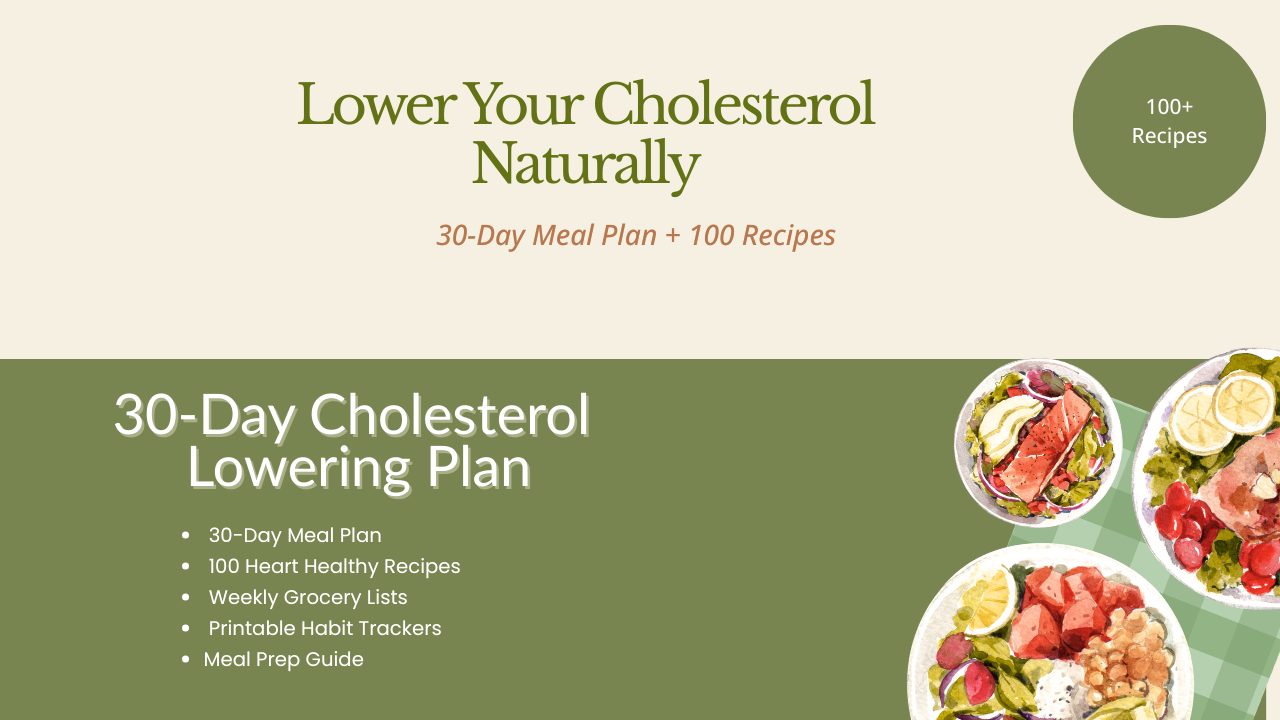
- Low-Cholesterol Meal Planning Guide (Digital Download) – Weekly meal plans with shopping lists and macro breakdowns. Takes the guesswork out of eating heart-healthy.
- 30-Day Heart Health Recipe Bundle (eBook) – Over 100 tested recipes with nutritional info and batch-cooking instructions. Real recipes from real people who eat this way every day.
- Pantry Staples Checklist (Free PDF) – Everything you need to keep stocked for quick, healthy meals. Plus substitution suggestions when you’re missing something.
Snacks That Bridge the Gap
13. Roasted Chickpeas
These are dangerously good. Drain and rinse canned chickpeas, pat them completely dry (this is crucial), toss with a tiny bit of olive oil and whatever seasonings you’re feeling (I rotate between smoked paprika, curry powder, and garlic-herb), then roast at 400°F for about 35-40 minutes until crispy. They’re crunchy, savory, and way more satisfying than chips.
The drying step matters more than you think. If they’re wet, they steam instead of crisp up. I spread them on a kitchen towel and roll them around to get them really dry before roasting on a rimmed baking sheet. Store them in an airtight container for up to a week, though they never last that long in my house. Get Full Recipe.
14. Apple Slices with Almond Butter
This is barely a recipe, but it’s one of those combinations that just works. Slice a crisp apple (Honeycrisp or Fuji are my favorites), spread each slice with almond butter, and optionally sprinkle with cinnamon or a few dark chocolate chips. The fiber from the apple plus the healthy fats and protein from the almond butter keep you satisfied between meals.
I keep single-serve almond butter packets in my desk drawer for afternoon slumps. Way better than hitting the vending machine. For more snack ideas that won’t derail your cholesterol goals, check out these heart-healthy snacks.
15. Veggie Sticks with White Bean Dip
White beans blended with garlic, lemon juice, olive oil, and fresh herbs make a dip that’s similar to hummus but lighter and somehow more addictive. Serve it with cucumber, bell peppers, carrots, and celery. The vegetables add crunch and fiber, the dip provides protein and healthy fats, and the whole thing feels more like a treat than a healthy snack.
I make the dip in my small food processor and keep it in the fridge for up to five days. Pre-cut the vegetables on Sunday so grabbing a snack becomes effortless. The easier you make healthy eating, the more likely you are to stick with it. Get Full Recipe.
Yes, Even Dessert
16. Baked Cinnamon Apples
When you want something sweet but don’t want to blow your cholesterol numbers, baked apples are your friend. Core apples, stuff them with a mixture of oats, cinnamon, a touch of maple syrup, and chopped walnuts, then bake until soft and caramelized. They taste like apple pie filling but without all the butter and refined sugar.
Serve them warm with a dollop of Greek yogurt or a scoop of low-fat vanilla frozen yogurt. The contrast between the warm apples and cold topping is ridiculously good. I use an apple corer to make prep faster, though a paring knife works fine if you’re patient. Get Full Recipe.
17. Dark Chocolate Avocado Mousse
Stay with me here. Ripe avocado blended with cocoa powder, a little maple syrup, vanilla extract, and a pinch of salt becomes this incredibly rich, creamy chocolate mousse. The avocado provides healthy fats and makes the texture silky, but you can’t taste it at all—just pure chocolate.
Chill it for at least an hour before serving. Top with fresh berries or a sprinkle of sea salt. It’s one of those desserts that makes people say “wait, this is healthy?” I use high-quality cocoa powder for this because it really does make a difference in flavor. For more dessert options that won’t spike your cholesterol, explore these guilt-free desserts.
18. Frozen Banana “Ice Cream”
The simplest dessert that still feels decadent. Slice ripe bananas, freeze them until solid, then blend them in a food processor until they turn into soft-serve ice cream. It sounds too easy to be good, but the transformation is legit. The frozen bananas whip up into this creamy, sweet treat that tastes way richer than it is.
Add cocoa powder for chocolate banana ice cream, or peanut butter for a PB banana flavor. Top with crushed nuts or dark chocolate chips if you’re feeling fancy. The whole thing is just fruit, but it satisfies that ice cream craving without any of the saturated fat or added sugar. Get Full Recipe.
Tools & Resources That Make Cooking Easier
These are the things that turned cooking from a chore into something I actually enjoy:
- Instant-read digital thermometer – Stop guessing if your chicken is cooked through. This takes out all the uncertainty.
- Quality chef’s knife – A good knife makes vegetable prep so much faster. You don’t need a whole set, just one really good knife.
- Silicone baking mats (2-pack) – Nothing sticks to these. Cleanup becomes ridiculously easy. I use them for roasting vegetables and baking fish.
- Heart-Healthy Cooking Masterclass (Video Course) – Learn proper cooking techniques that maximize flavor while minimizing unhealthy fats. Includes knife skills, sautéing methods, and flavor building.
- Meal Prep for Beginners Guide (Digital) – Step-by-step instructions for batch cooking. Includes container organization, food safety tips, and reheating guidelines.
- Join Our WhatsApp Community – Connect with others eating heart-healthy. Share recipes, ask questions, get support when you’re struggling. Real people, real encouragement.
How to Actually Stick With This Long-Term
Here’s the thing about eating for heart health: it only works if you can sustain it. And you can only sustain it if the food tastes good and fits into your actual life. That means no weird restrictions, no banning entire food groups, and definitely no eating sad desk salads every day.
The recipes I’ve shared work because they’re flexible. Don’t have quinoa? Use brown rice or farro. Hate chickpeas? Try black beans or lentils. Can’t find fresh herbs? Dried works fine. The goal is to understand the principles—lean proteins, healthy fats, lots of fiber—and then apply them to foods you actually enjoy eating.
Batch cooking is your best friend here. Spend an hour or two on Sunday prepping components, and weeknight dinners become a ten-minute assembly job. Cook grains, roast vegetables, grill proteins, make a big batch of soup. Then during the week, you’re just reheating and combining things in different ways. For more batch cooking inspiration, check out these meal prep ideas.
Don’t try to overhaul everything at once. Start by making two or three of these recipes each week alongside your regular meals. Once those become easy and familiar, add a few more. Sustainable change happens gradually, not overnight.
Making It Work in Real Life
I’m not going to pretend this is always easy. Some weeks I’m on top of my meal prep, have a fully stocked fridge, and feel like a functional adult. Other weeks I’m eating scrambled eggs for dinner three nights in a row because life happened and I didn’t get to the grocery store. Both are fine.
The key is having a few ultra-simple recipes in your back pocket for those chaotic weeks. Things like the egg white scramble, the quinoa bowl, or even just grilled chicken with whatever vegetables you can scrounge up. You don’t need to be perfect—you just need to be consistent enough that the overall trajectory is moving in the right direction.
And look, if you’re going to eat something that’s not on the heart-healthy list? Enjoy it, don’t feel guilty, and get back to your regular eating the next meal. One burger doesn’t undo weeks of good choices. The all-or-nothing mentality is what kills most people’s efforts. For more realistic, everyday meal ideas, explore these delicious low-cholesterol meals.
“I thought eating for my heart would mean giving up flavor and satisfaction. Turns out I was just making boring food. These recipes showed me that healthy and delicious aren’t mutually exclusive. My cholesterol dropped 40 points in six months, and I genuinely love what I’m eating now.”
The Ingredient Swaps That Changed Everything
Beyond specific recipes, understanding smart ingredient swaps gives you the flexibility to adapt almost any recipe to be more heart-friendly. Here are the ones I use constantly:
Instead of butter: Use olive oil or avocado oil for cooking. Use mashed avocado or nut butters for spreading. The flavor profile shifts slightly, but it’s not worse—just different. And your arteries will thank you.
Instead of cream: Blend cashews with water for a cream sauce, or use coconut milk (the lighter version) for soups and curries. Greek yogurt works for cold applications like dips and dressings. I keep raw cashews in my pantry specifically for making cream sauces that don’t actually contain cream.
Instead of cheese: Nutritional yeast gives you that umami, cheesy flavor without the saturated fat. It sounds weird if you’ve never tried it, but it’s legitimately good. Sprinkle it on popcorn, stir it into pasta, use it in place of Parmesan. For melty cheese situations, there are decent plant-based options now that don’t taste like sadness. Do your research and find one you like.
Instead of mayo: Mashed avocado, hummus, or Greek yogurt all work depending on the application. For tuna or chicken salad, Greek yogurt mixed with a little Dijon mustard is surprisingly good. For sandwiches, a thin smear of hummus adds creaminess and flavor without the saturated fat bomb of mayo.
These swaps become second nature once you start using them regularly. You stop thinking of them as substitutes and start thinking of them as ingredients in their own right. For more guidance on heart-healthy ingredient choices, check out these comfort foods made healthy.
Why Restaurant-Quality Matters
One thing I learned early on: if healthy food doesn’t taste as good as restaurant food, you’re not going to stick with it. And honestly? That’s fair. Life’s too short to eat bland food in the name of health. The good news is that with proper seasoning, good quality ingredients, and decent cooking techniques, you can make food at home that rivals what you’d get at a restaurant—without the cholesterol hit.
Season aggressively. Use fresh herbs when you can, but don’t stress if you’re using dried—just use more of them than you think you need. Toast your spices in a dry pan before using them to wake up their flavors. Don’t be afraid of acid—lemon juice, lime juice, vinegar—they brighten everything. A squeeze of lemon can transform a boring piece of fish into something special.
Invest in a few quality ingredients. Good olive oil, real vanilla extract, fresh garlic instead of the jarred stuff. These aren’t expensive splurges—they’re the foundation of food that actually tastes good. I’d rather have five high-quality ingredients than twenty mediocre ones. Speaking of salads that don’t taste like punishment, these salads that don’t feel like diet food prove the point.
Frequently Asked Questions
Can I really feel satisfied eating low-cholesterol meals?
Absolutely, and that’s the whole point of these recipes. The key is focusing on fiber-rich foods, lean proteins, and healthy fats that provide lasting satiety. When you build meals around whole grains, legumes, vegetables, and lean proteins, you get volume and nutrients that keep you full for hours. The recipes here aren’t about deprivation—they’re about smart ingredient choices that taste good and happen to support heart health.
How quickly can I expect to see changes in my cholesterol levels?
Most people see measurable changes within 4-6 weeks of consistently eating heart-healthy meals, though individual results vary based on starting levels, genetics, and other lifestyle factors. The key word is “consistently”—occasional healthy meals won’t move the needle, but making these recipes your default eating pattern absolutely can. Track your numbers with your healthcare provider to see your personal progress.
Do I need to give up all meat to lower my cholesterol?
Not at all. You don’t need to become vegetarian unless you want to. The goal is choosing lean proteins like chicken breast, turkey, and fish more often than red meat, and when you do eat red meat, selecting lean cuts and watching portion sizes. Fish like salmon, mackerel, and sardines actually support heart health with their omega-3 content. It’s about balance and smart choices, not elimination.
Are these recipes good for weight loss too?
Many people lose weight when they switch to this style of eating, but that’s more of a side effect than the primary goal. These recipes emphasize whole foods, lean proteins, and lots of vegetables, which naturally tend to be lower in calories while being more filling. If weight loss is your goal alongside cholesterol management, these recipes provide a solid foundation. Just be mindful of portion sizes and overall calorie intake.
Can I meal prep these recipes?
Most of these recipes are actually designed with meal prep in mind. The soups, grain bowls, roasted vegetables, and grilled proteins all hold up well in the fridge for 4-5 days. Store components separately when possible (like keeping dressings separate from salads) and reheat gently to maintain texture and flavor. The testimonials from people who’ve stuck with this eating pattern often mention that batch cooking on weekends makes weeknight eating effortless.
The Bottom Line
Eating for heart health doesn’t have to feel like punishment. These 18 recipes prove that low-cholesterol meals can be satisfying, flavorful, and legitimately enjoyable—not just tolerable “health food.” The secret is understanding which ingredients naturally support cardiovascular health while providing the texture, flavor, and satiety that make you want to eat this way long-term.
Start with two or three recipes that sound good to you. Make them a few times until they become familiar and easy. Then gradually expand your rotation. Before you know it, eating this way becomes your default, not something you have to think about constantly. Your cholesterol levels will improve, sure, but just as importantly, you’ll actually enjoy your food. And that’s what makes this sustainable for the long haul.
30-Day Cholesterol-Lowering Meal Plan
A simple step-by-step system to help you eat heart-healthy every day without stress.
Over 1,000 people downloaded this guide
$29$9
Get Instant Access

