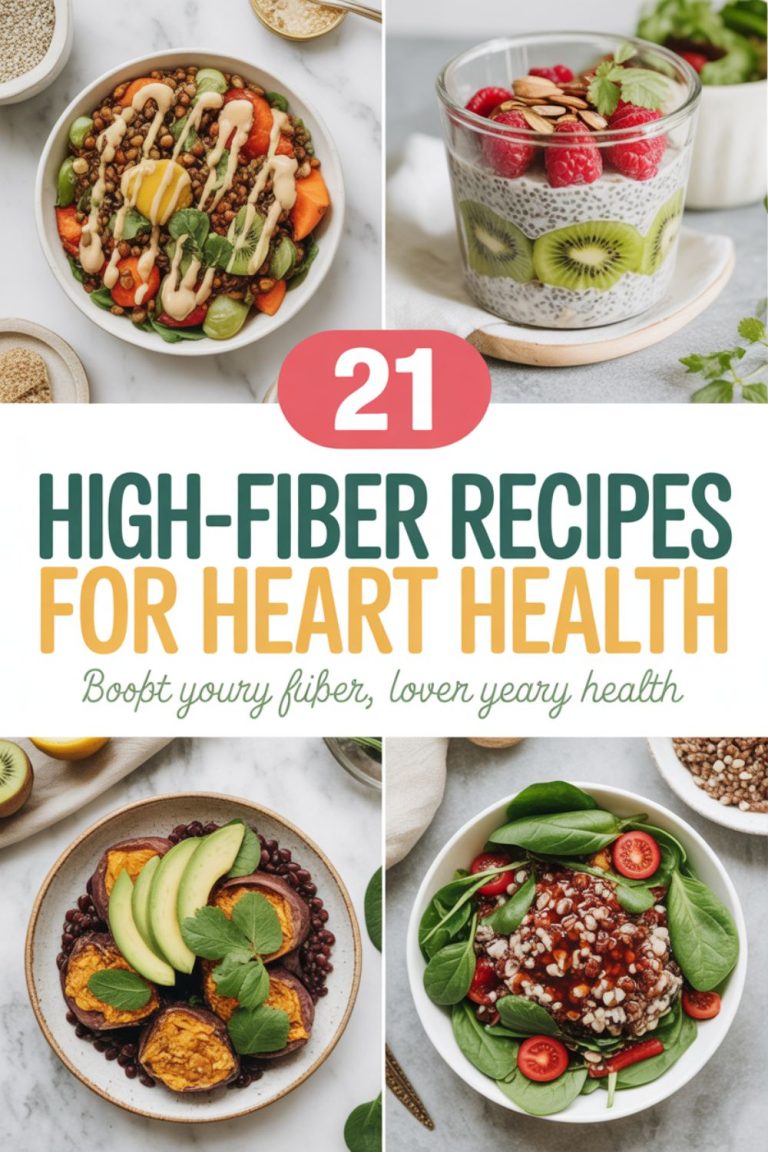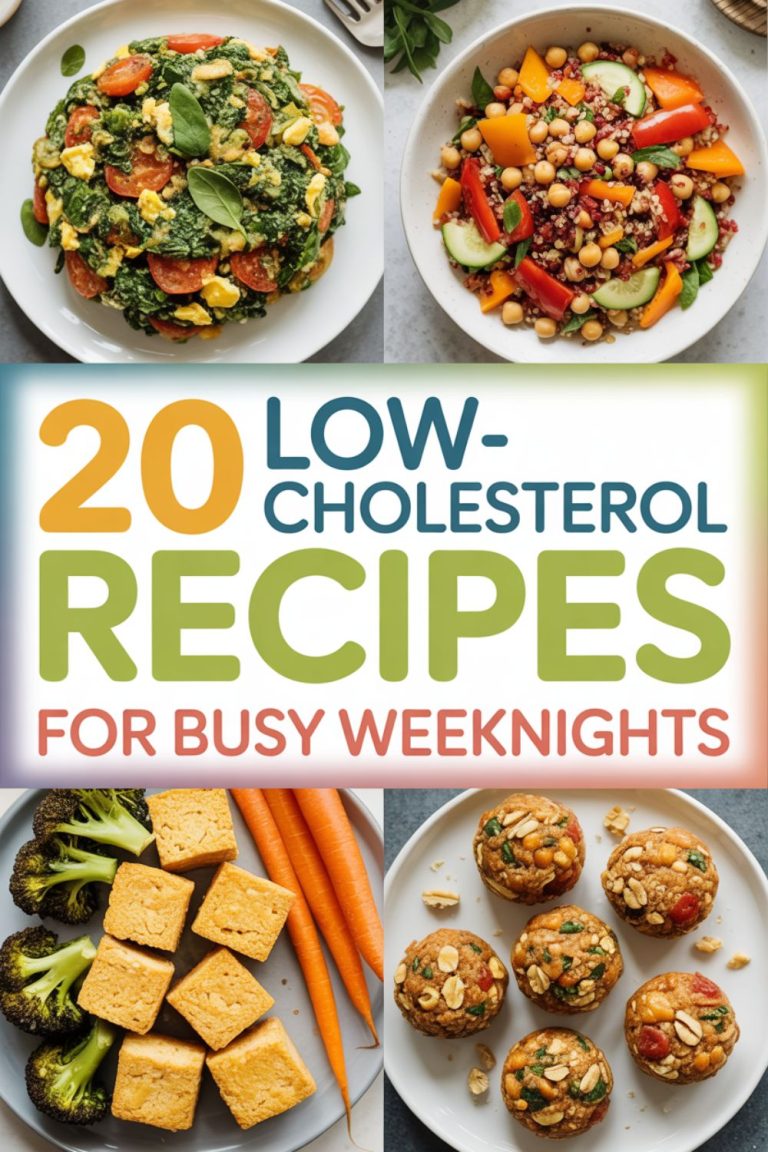

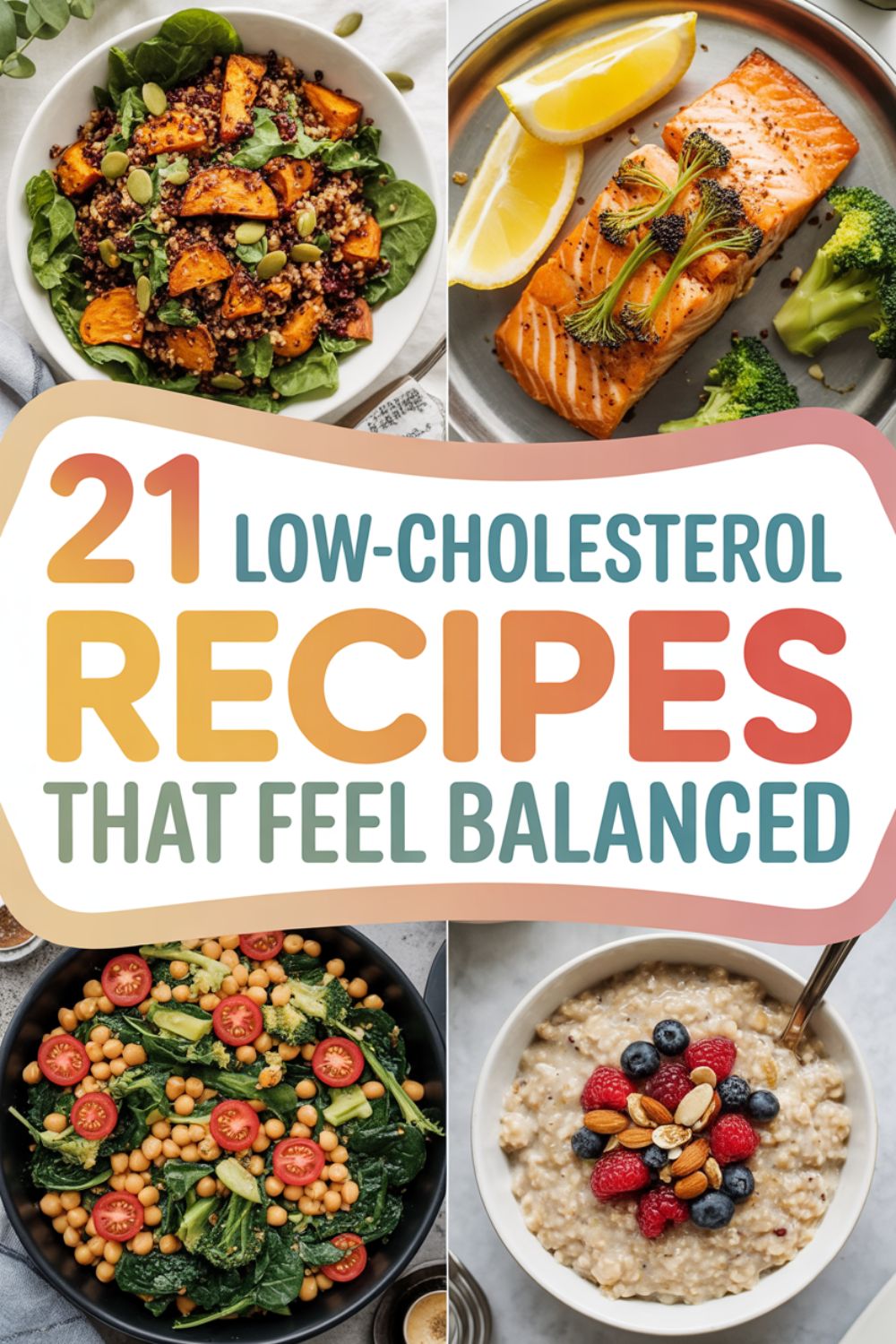
21 Low-Cholesterol Recipes That Feel Balanced
Look, I get it. When your doctor mentions cholesterol numbers, the first thing that comes to mind is bland chicken breasts and steamed vegetables for the rest of your life. But here’s the thing—eating for heart health doesn’t mean sacrificing flavor or feeling like you’re on some restrictive diet that makes you miserable.
I’ve spent years figuring out how to make low-cholesterol meals that actually taste good and leave you satisfied. Not the kind of satisfied where you’re hunting for snacks an hour later, but genuinely content. These 21 recipes prove you can support your heart without feeling like you’re missing out on anything.
Whether you’re actively working to lower your cholesterol or just want to be more mindful about heart health, these recipes strike that perfect balance between nutritious and delicious. No weird ingredients you can’t pronounce, no complicated techniques that require a culinary degree—just real food that happens to be good for your heart.
Understanding What Makes These Recipes Work
Before we jump into the recipes themselves, let’s talk about what actually makes something “low-cholesterol” in a way that matters. According to research from Harvard Health, it’s not just about avoiding cholesterol-rich foods—it’s about incorporating ingredients that actively help manage your levels.
The magic happens when you focus on three key things: soluble fiber (which binds to cholesterol in your digestive system), healthy fats (the kind that actually help raise your good HDL cholesterol), and plant sterols (compounds that block cholesterol absorption). The American Heart Association emphasizes cooking methods that preserve nutrients while keeping saturated fats in check.
I’m not suggesting you memorize nutrition labels or calculate grams of fiber at every meal. What I am saying is that when you build meals around whole grains, lots of vegetables, legumes, and lean proteins, you’re naturally checking all those boxes without overthinking it.
Why “Balanced” Actually Matters
Here’s where a lot of heart-healthy recipe collections go wrong—they focus so heavily on what you can’t have that the meals end up feeling incomplete. You know that feeling when you finish eating but still find yourself staring into the fridge 30 minutes later? That’s not balance.
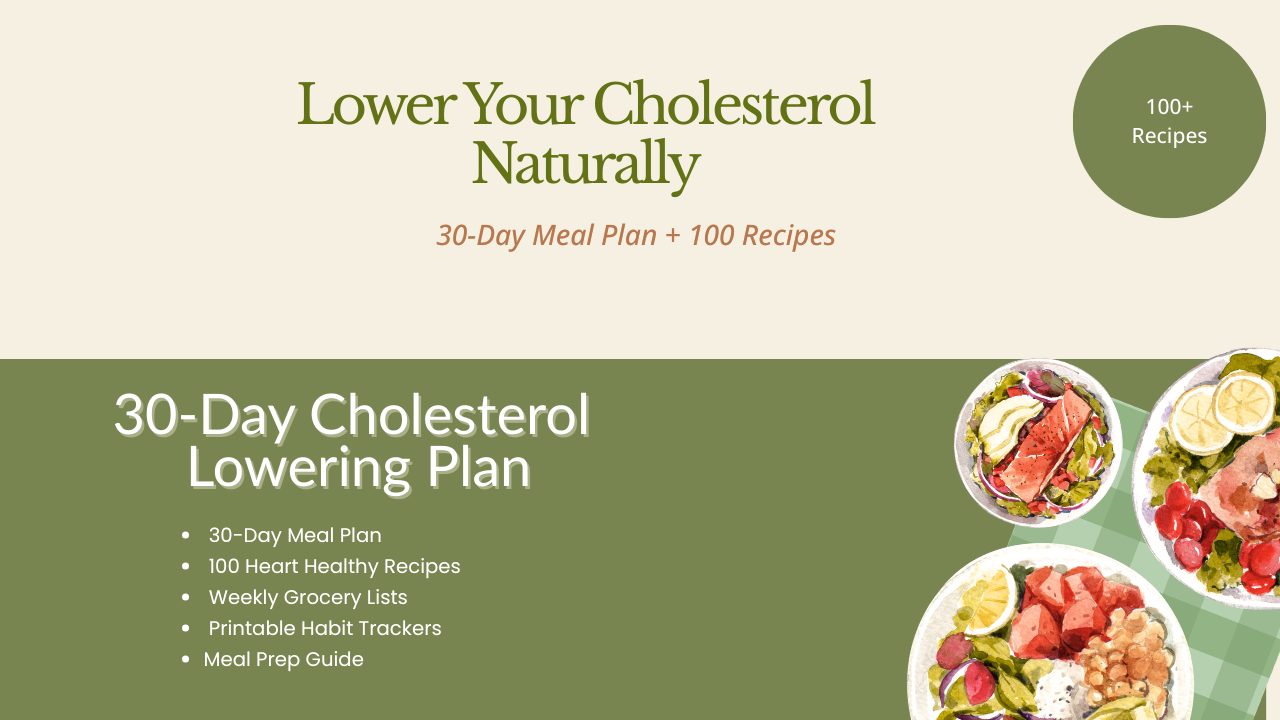
30-Day Cholesterol Reset System
A simple done-for-you plan to help you eat heart-healthy every day without confusion.
Over 1,000 people downloaded this guide
✔ 100 Easy Recipes
✔ Grocery Lists + Meal Prep Guide
🎁 FREE BONUSES:
✔ 7-Day Quick Start Plan
✔ Printable Grocery List
$29 $9
Get Instant AccessReal balance means you’re getting enough protein to feel satisfied, enough complex carbs for energy, healthy fats for hormone function and nutrient absorption, and yes—enough flavor to actually enjoy what you’re eating. These recipes hit that sweet spot where nutrition and satisfaction meet.
I’m a huge fan of using silicone baking mats instead of oil for roasting vegetables—you get that perfect caramelization without the extra fat. And honestly, once you try roasted Brussels sprouts that way, you’ll never go back to the soggy steamed version.
Starting Your Day Right: Breakfast Ideas
Breakfast can be tricky when you’re watching cholesterol. Most traditional breakfast foods—eggs Benedict, buttery croissants, bacon—are basically a cholesterol bomb. But you don’t have to resort to sad bowls of plain oatmeal either.
Think about overnight oats loaded with fresh berries, ground flaxseed, and a drizzle of almond butter. Or a veggie-packed tofu scramble that’s so well-seasoned you won’t miss the eggs. The key is adding enough texture and flavor so breakfast feels like something to look forward to, not endure.
I make mine in small glass meal prep containers so I can grab them on busy mornings without thinking twice. For more ways to kickstart your day, check out these low-cholesterol breakfast ideas that actually work or try these breakfasts under 300 calories when you need something lighter.
The Power of Plant-Based Mornings
One pattern I’ve noticed—mornings when I lean more plant-based, I feel better throughout the day. Not preachy about it, just an observation. Smoothie bowls topped with nuts and seeds, whole grain toast with mashed avocado and tomatoes, or even a simple bowl of steel-cut oats with cinnamon and walnuts.
These plant-forward breakfasts are naturally cholesterol-free and packed with fiber. According to Cleveland Clinic’s nutrition guidelines, aiming for 10-25 grams of soluble fiber daily can significantly impact your cholesterol levels. Starting your day with a fiber-rich breakfast gets you well on your way.
Lunch Without the Afternoon Crash
Lunch is where things get interesting. You need something substantial enough to power you through the afternoon but not so heavy that you’re fighting off a food coma at your desk. These recipes nail that balance.
I’m talking about grain bowls with roasted vegetables and chickpeas, hearty lentil soups that taste way better than they sound, and salads that actually fill you up because they’ve got enough protein and healthy fats. The kind of lunches that make you feel good, not guilty or unsatisfied.
My go-to lunch prep involves using a mandoline slicer for perfectly thin veggie ribbons—makes salads feel restaurant-quality without the restaurant prices. Speaking of satisfying midday meals, these low-cholesterol lunches that keep you full and these quick lunches under 10 minutes have saved me countless times when I’m short on time.
Salads That Don’t Suck
Let’s be honest—most “healthy” salads are depressing. Iceberg lettuce, a sad tomato wedge, and fat-free dressing that tastes like cardboard. Hard pass.
The salads in this collection use bold flavors, interesting textures, and enough substance to qualify as a real meal. Think massaged kale with tahini dressing, quinoa salads with roasted vegetables and herbs, or Mediterranean-inspired combinations with olives and white beans.
The trick is building layers of flavor. A good vinaigrette made with extra virgin olive oil and fresh lemon juice beats store-bought dressing every time. If you’re looking for more inspiration, check out these salads that don’t feel like diet food or these restaurant-quality salad options.
Dinner: Where Everything Comes Together
Dinner is the main event, and these recipes prove you don’t need butter, cream, or bacon to make something that tastes incredible. We’re talking about perfectly seasoned baked salmon with herb-roasted vegetables, chicken stir-fries loaded with colorful veggies, and hearty vegetarian curries that satisfy even the most devoted meat eaters.
The key to good low-cholesterol dinners is building depth of flavor through spices, herbs, and cooking techniques like roasting and searing. When you learn to caramelize onions properly or get a good sear on your proteins, you don’t miss the heavy sauces.
I rely heavily on my cast iron skillet for getting that perfect crust on chicken or fish without needing extra oil. For more dinner inspiration, these dinners you’ll want to make again are legitimately good. And if you’re feeding a crowd, these family dinners everyone will love get the whole table on board with heart-healthy eating.
One-Pan Wonders
Some nights you just can’t with a sink full of dishes. That’s where one-pan dinners become your best friend. Toss everything on a sheet pan, season it well, and let the oven do the work.
Sheet pan dinners with chicken, sweet potatoes, and broccoli. Skillet meals with chickpeas, tomatoes, and spinach. The kind of recipes where cleanup takes less time than cooking. These one-pan dinners for easy nights are exactly what you need when life gets busy.
Pro move: line your pan with parchment paper (not one of those reusable silicone baking mats) and cleanup becomes basically nonexistent. Total game-changer for weeknight sanity.
Smart Snacking Between Meals
Snacks are where a lot of people derail their cholesterol management without realizing it. Chips, cookies, cheese—those convenient grab-and-go options add up fast. But going hungry between meals isn’t the answer either.
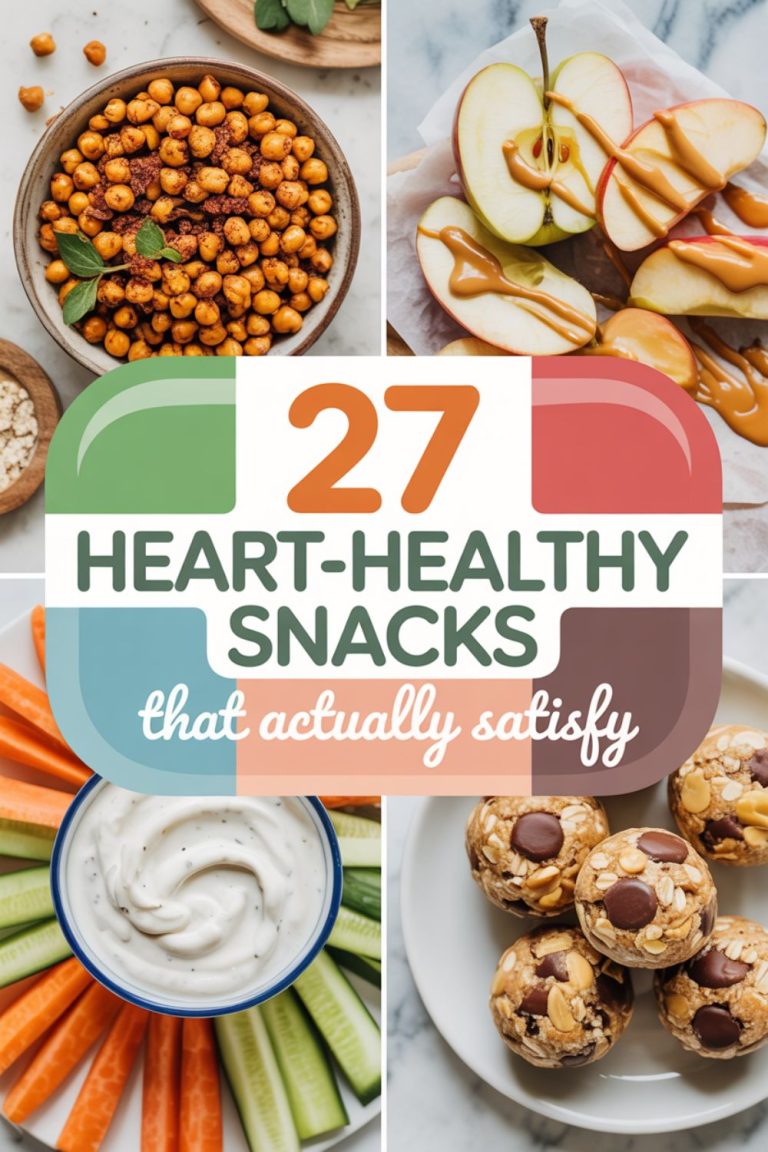
The trick is keeping snacks that are actually satisfying within easy reach. Roasted chickpeas, apple slices with almond butter, trail mix you make yourself with nuts and dried fruit. Simple stuff that doesn’t require meal prep skills or fancy equipment.
I keep a countertop herb garden going so I can make fresh hummus anytime—way better than store-bought and you control the sodium. These low-cholesterol snacks that support heart health have some creative ideas that actually taste good.
Understanding Portion Control Without Obsessing
Even healthy snacks can become a problem if you’re eating them straight from the bag while watching TV. I learned this the hard way with almonds—heart-healthy doesn’t mean unlimited.
The solution isn’t measuring every single thing you eat, but being mindful about portions. Put your snack in a bowl instead of eating from the container. That simple shift helps you notice when you’re actually satisfied versus just mindlessly munching.
Soups and Stews That Warm Your Soul
There’s something deeply comforting about a good soup or stew. The problem is that many traditional recipes rely on heavy cream, butter, or fatty cuts of meat for richness. But you can get that same satisfying depth with the right techniques.
Think about lentil stews thickened with pureed vegetables, tomato-based soups enriched with white beans, or Asian-inspired broths packed with vegetables and lean protein. The key is building layers of flavor—toasting your spices, caramelizing your aromatics, and using good quality broth.
A quality immersion blender makes creating creamy soups without cream incredibly easy. Just blend some of the vegetables back into the soup for natural thickness. These soups and stews for any season and these heart-healthy soups for lowering cholesterol use this technique brilliantly.
The Vegetarian Advantage
I’m not suggesting everyone needs to go vegetarian, but incorporating more plant-based meals into your rotation makes managing cholesterol significantly easier. Plants don’t contain cholesterol—it’s that simple.
Some of the most satisfying recipes in this collection happen to be vegetarian. Black bean tacos with all the fixings, mushroom and barley risotto, Thai-inspired peanut noodles loaded with vegetables. You don’t notice the absence of meat because the flavors are so robust.
Plus, vegetarian meals tend to be budget-friendly. Beans, lentils, and whole grains cost way less than meat, and they’re packed with fiber and protein. Check out these vegetarian meals you’ll actually crave for proof that plant-based doesn’t mean boring.
Getting Enough Protein Without Meat
The biggest concern people have about cutting back on meat is protein. But here’s the thing—it’s actually pretty easy to get enough protein from plant sources if you’re eating a variety of foods.
Lentils, chickpeas, black beans, quinoa, nuts, seeds, and tofu all pack solid protein. When you combine different plant proteins throughout the day, you’re getting all the essential amino acids your body needs. No complicated calculations required.
Making the Most of Your Kitchen Tools
You don’t need a fully equipped gourmet kitchen to make these recipes, but having a few key tools makes everything easier. I’m not talking about expensive gadgets that collect dust—these are the workhorses that actually earn their counter space.
A good chef’s knife, a sturdy cutting board, and quality cookware that distributes heat evenly. That’s like 80% of what you need. Everything else is just convenience.
Kitchen Tools That Make These Recipes Easier
After years of trial and error, these are the tools I reach for constantly when making low-cholesterol meals. Not because they’re fancy, but because they genuinely make cooking easier and more enjoyable.
- High-Speed Blender – Makes smoothies silky smooth and turns vegetables into creamy soups without adding cream. The kind that actually pulverizes nuts and seeds instead of leaving chunks.
- Quality Kitchen Scale – Not for obsessive calorie counting, but for nail portions of nuts, grains, and proteins. Way more accurate than eyeballing and helps with consistency.
- Glass Storage Containers – For meal prep that doesn’t leak or stain. They go from fridge to microwave without drama and actually keep food fresh longer than plastic.
- Meal Planning Template – A simple spreadsheet that helps you plan meals around what’s in season and on sale. Nothing fancy, just organized.
- Spice Blend Guide – Takes the guesswork out of seasoning. Tells you exactly which spices pair well together so you can build flavor without reaching for the salt.
- Grocery Shopping Checklist – Organized by store section so you’re not running back and forth. Saves time and prevents impulse purchases.
Meal Prep Strategies That Actually Work
Meal prep sounds great in theory—spend a few hours on Sunday, eat healthy all week. Reality? Most people burn out after two weeks because they’re trying to prep seven different meals.
The sustainable approach is prepping components, not complete meals. Cook a big batch of quinoa, roast several trays of vegetables, grill some chicken or bake some chickpeas. Then mix and match throughout the week so you’re not eating identical meals.
These meal prep ideas for the week show you exactly how to set this up. And if you want to take it further, these freezer meals for easy prep are clutch for those weeks when life gets overwhelming.
I use stackable meal prep containers that take up less fridge space and keep everything organized. Clear ones work best so you can actually see what you’ve got prepped.
The Lazy Person’s Approach to Healthy Eating
Sometimes you just need recipes that require minimal effort. No judgment—we all have those weeks. These lazy low-cholesterol meals for busy people are perfect for when you can’t be bothered with elaborate cooking but still want something nutritious.
Think one-pot pastas, dump-and-bake casseroles, slow cooker meals that basically cook themselves. The kind of recipes where “cooking” means chopping a few things and letting heat do the rest. No shame in that game.
Comfort Food Reimagined
One of the biggest misconceptions about eating for heart health is that you have to give up comfort food. That’s just not true. You just need to get creative with how you make it.
Mac and cheese made with cashew cream instead of butter and cheese. Lasagna layered with vegetables and part-skim ricotta. Chili loaded with beans and vegetables that’s so hearty you don’t miss the ground beef. These comfort foods made healthy prove you can have your cake and eat it too—well, metaphorically speaking.
The key is understanding that comfort food is about the flavors and textures we associate with feeling satisfied, not necessarily about the specific ingredients. When you nail the taste and mouthfeel, your brain doesn’t care that you’ve swapped in healthier alternatives.
When You’re Craving Something Sweet
Dessert doesn’t have to be the enemy of heart health. The problem is most traditional desserts are loaded with butter, cream, and eggs—basically a cholesterol trifecta.
But you can make surprisingly good desserts using fruit purees, aquafaba (chickpea liquid—sounds weird, works amazingly), and plant-based fats. Dark chocolate mousse made with avocado. Berry crumbles with oat toppings. Frozen banana “nice cream” that legitimately tastes like ice cream.
These desserts you’ll love guilt-free satisfy sweet cravings without derailing your cholesterol management. A good mini food processor makes whipping up healthier desserts incredibly quick—dates and nuts turn into energy balls in seconds.
Building Flavor Without Fat
When you cut back on butter, cream, and fatty meats, you need to build flavor in other ways. This is where most people struggle—their low-cholesterol meals end up bland and unsatisfying.
The solution is learning to layer flavors using acids, aromatics, and spices. A squeeze of lemon brightens vegetables. Fresh herbs add complexity. Good quality spices (not the ones that have been in your cabinet since 2015) make a massive difference.
Toast your spices before adding them to dishes—it wakes up their essential oils and intensifies the flavor. Use multiple cooking techniques in one dish—roast your vegetables instead of steaming them for better flavor. These little tricks add up.
The Umami Secret
Umami is that savory, deeply satisfying flavor that makes food taste rich and complete. It’s why Parmesan cheese and bacon taste so good—they’re umami bombs. But you can get umami from plant sources too.
Mushrooms, tomato paste, miso, nutritional yeast, and soy sauce all deliver serious umami without the cholesterol. A tablespoon of tomato paste added to your soup base or a splash of soy sauce in your stir-fry can transform the entire dish. Don’t underestimate these flavor boosters.
Eating Out Without Sabotaging Your Progress
You can’t cook every single meal at home. Life happens—work lunches, social dinners, those nights when you just cannot deal with cooking. Having strategies for eating out makes managing cholesterol sustainable long-term.
Look for grilled, baked, or roasted options instead of fried. Ask for dressings and sauces on the side so you control how much you use. Order an extra side of vegetables instead of fries. These small adjustments add up without making you feel like you’re on a restrictive diet.
Most restaurants are pretty accommodating if you ask. Swap butter for olive oil, get steamed vegetables instead of creamy sides, hold the cheese on your sandwich. You’re not being difficult—you’re looking after your health.
Staying Motivated When Results Feel Slow
Changing your cholesterol numbers takes time. You’re not going to see dramatic shifts after a week of eating better. This is a marathon, not a sprint, which can be frustrating when you’re putting in the effort.
Focus on the things you can feel immediately—more energy throughout the day, better sleep, feeling satisfied after meals instead of sluggish. These are real benefits that show up way before your lab results change.
And remember, you’re not going for perfection here. You’re going for sustainable changes that improve your overall health. One meal won’t make or break you. It’s about the pattern of what you eat most of the time.
Making It Work for Your Lifestyle
The best diet is the one you’ll actually stick with. If you hate cooking, focus on simple recipes with minimal ingredients. If you love experimenting in the kitchen, try more complex flavor combinations. There’s no one-size-fits-all approach here.
Maybe you start by making just one or two of these recipes per week and ordering takeout less frequently. Or maybe you go all-in with meal prep and batch cooking. Both approaches work—it’s about finding what fits your life.
The recipes in this collection span the spectrum from super simple to more involved. Start where you’re comfortable and build from there. Cooking is a skill like anything else—you get better with practice.
The Role of Exercise and Stress
I’d be remiss if I didn’t mention that food is just one piece of managing cholesterol. Regular movement and stress management play huge roles too. You can eat perfectly and still struggle with cholesterol if you’re sedentary and constantly stressed.
I’m not suggesting you need to become a gym rat or take up meditation (though both can help). Just finding ways to move more throughout your day and managing stress in whatever way works for you—whether that’s walking, yoga, time in nature, or talking with friends.
Think of it as supporting the good work you’re doing with these recipes. Exercise helps raise your good HDL cholesterol and manages your stress hormones, which can impact your cholesterol production. It all works together.
Hydration and Heart Health
Here’s something that doesn’t get talked about enough—staying properly hydrated matters for cardiovascular health. When you’re dehydrated, your blood becomes more concentrated and your heart has to work harder.
Plain water is always the best choice, but herbal teas, sparkling water, and even water-rich foods like cucumbers and watermelon all count toward hydration. What doesn’t count? Sugary drinks that add empty calories without any nutritional benefit.
I keep a insulated water bottle with me constantly—having water readily available makes drinking enough throughout the day way easier. These smoothies and juices for a healthy heart are another tasty way to stay hydrated while getting extra nutrients.
Reading Labels Like a Pro
If you buy any packaged foods (and let’s be real, most of us do), learning to read nutrition labels quickly becomes essential. You’re looking for a few key things: saturated fat, trans fat, sodium, and fiber.
Keep saturated fat as low as possible—ideally under 2 grams per serving. Trans fat should always be zero. Watch the sodium, especially in canned goods and packaged meals. And look for products with at least a few grams of fiber per serving.
The ingredient list matters too. If you can’t pronounce half the ingredients or there’s a novel-length list of additives, that’s probably not your best bet. Stick with products where you recognize most of the ingredients as actual food.
Building a Support System
Making dietary changes is easier when you’re not doing it alone. Whether that’s getting your family on board, finding an online community, or just having a friend who’s also working on heart health—support matters.
Share recipes with people who get it. Cook with family members so everyone’s eating the same meals. Join forums or social media groups focused on heart-healthy eating. Having people to trade tips with and commiserate with on hard days makes the whole thing less isolating.
And if you live with people who aren’t on the same page? That’s okay too. Make your meals work for you and let them add what they want. You don’t need everyone’s buy-in to take care of your own health.
Frequently Asked Questions
How quickly can I expect to see changes in my cholesterol levels?
Most people start seeing improvements in their cholesterol numbers within 3-6 months of making consistent dietary changes. However, this varies based on your starting point, genetics, and how strictly you follow a heart-healthy diet. Some people see changes sooner, while others take longer. The key is consistency—occasional healthy meals won’t move the needle much, but making these recipes your regular rotation absolutely will. Your doctor can track your progress with periodic blood tests.
Can I still eat eggs if I’m watching my cholesterol?
This is actually less black-and-white than it used to be. Research from the Harvard Health Publishing shows that dietary cholesterol doesn’t impact blood cholesterol as much as saturated and trans fats do. That said, if you have high cholesterol, moderation is smart—maybe 4-5 eggs per week rather than daily. Egg whites are always cholesterol-free if you want the protein without any concerns.
Do I need to give up all red meat?
Not necessarily, but it depends on your individual situation and how high your cholesterol is. If you do eat red meat, choose lean cuts, trim visible fat, keep portions moderate (think 3-4 ounces, not a 16-ounce steakhouse special), and limit frequency to once or twice a week max. Grass-fed beef tends to have a better fat profile than conventional. But honestly, most people find it easier to just focus on chicken, fish, and plant proteins most of the time.
Are all plant-based oils equally healthy for cholesterol?
Nope. Olive oil, avocado oil, and oils high in omega-3s like flaxseed oil are your best bets. Coconut oil and palm oil are actually high in saturated fat despite being plant-based, so they’re not great choices for managing cholesterol. The American Heart Association recommends using liquid oils that are rich in unsaturated fats for cooking and dressings. Quality matters too—extra virgin olive oil has more beneficial compounds than regular olive oil.
What’s the deal with dairy and cholesterol?
Full-fat dairy contains both cholesterol and saturated fat, so it’s worth limiting if you’re managing your levels. The good news is there are tons of alternatives now—low-fat and fat-free versions of yogurt and milk work great in most recipes. For cheese, use it as a flavor accent rather than a main ingredient, or try nutritional yeast for that cheesy flavor without the cholesterol. Almond milk, oat milk, and other plant-based alternatives are naturally cholesterol-free, though watch out for added sugars in flavored versions.
Final Thoughts on Balanced Eating
Managing cholesterol through diet doesn’t have to feel restrictive or miserable. These 21 recipes prove you can eat food that’s good for your heart and actually tastes good too. No weird sacrifices, no feeling deprived, no counting every gram of fat like your life depends on it.
The real secret is finding recipes and cooking methods you genuinely enjoy. When food tastes good and leaves you satisfied, eating well stops feeling like a chore and starts feeling like self-care. Which is exactly what it should be.
Start with one or two recipes that sound appealing to you. Get comfortable making them. Then add a couple more. Before you know it, you’ve got a solid rotation of meals that support your heart health without making you feel like you’re missing out on anything.
Your future self—and your heart—will thank you for the effort you’re putting in now. And honestly? Once you get the hang of cooking this way, you’ll probably wonder why you didn’t start sooner. The food really is that good.
30-Day Cholesterol-Lowering Meal Plan
A simple step-by-step system to help you eat heart-healthy every day without stress.
Over 1,000 people downloaded this guide
$29$9
Get Instant Access