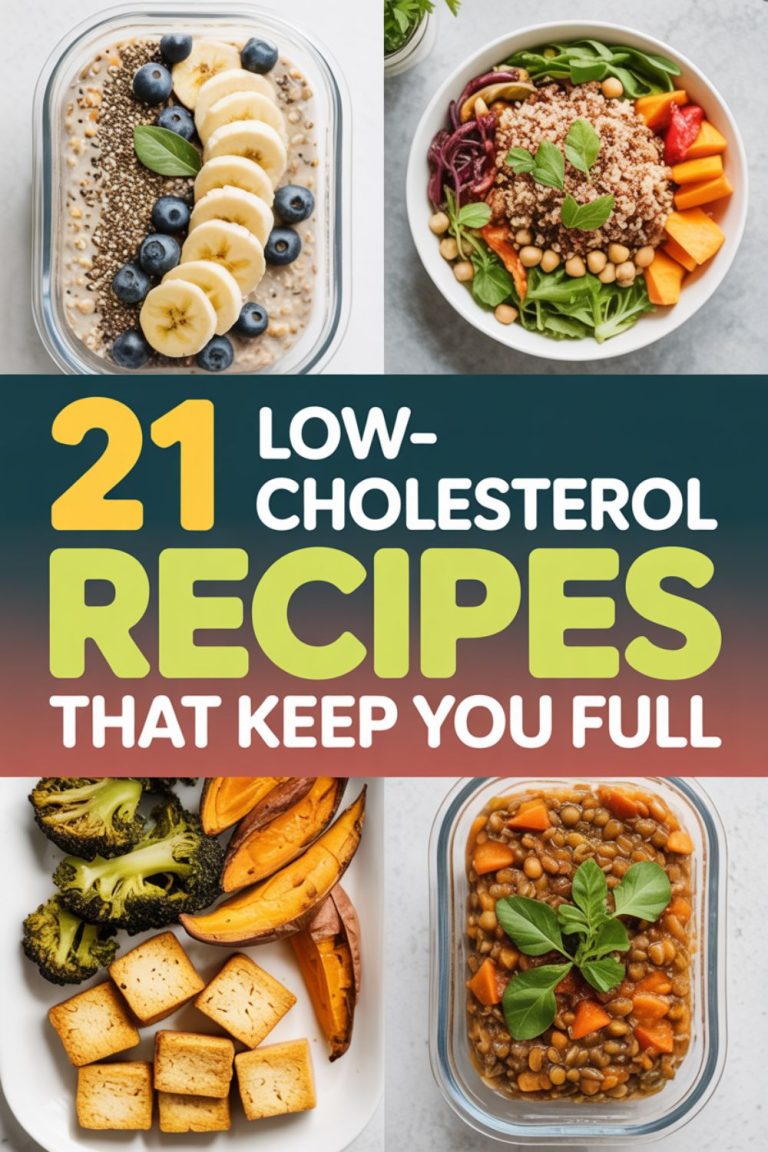

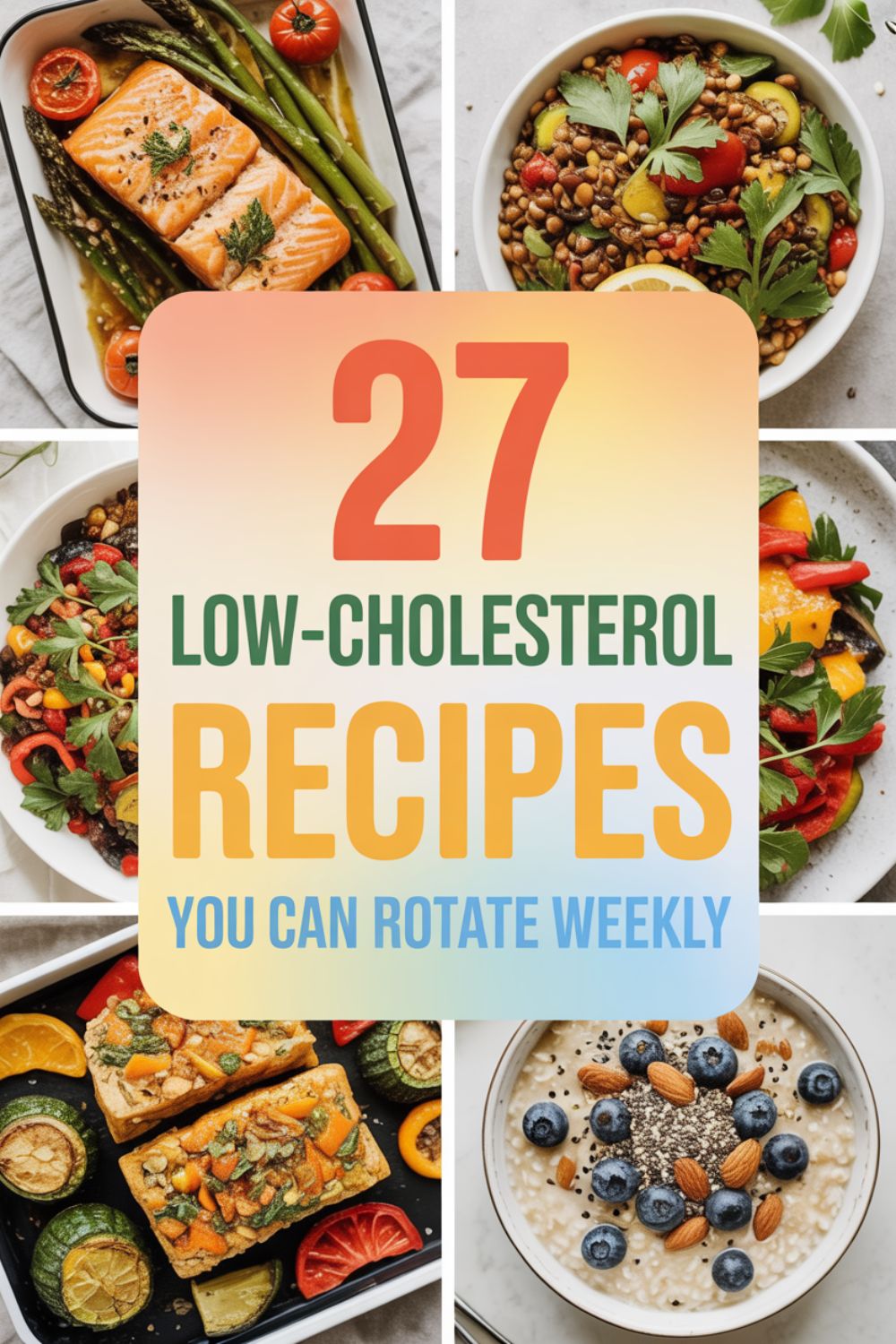
27 Low-Cholesterol Recipes You Can Rotate Weekly
Let’s be real—nobody wants to eat the same boring meals week after week, especially when you’re trying to keep cholesterol in check. I get it. You want flavor, variety, and meals that don’t feel like punishment. The good news? Managing cholesterol doesn’t mean sacrificing taste or spending hours in the kitchen.
I’ve spent years testing recipes that actually work for real life—quick enough for weeknights, delicious enough to crave, and yes, genuinely helpful for keeping those numbers where they should be. This collection gives you 27 solid options you can rotate without getting bored or resorting to takeout every other night.
Whether you’re meal prepping for the week or just trying to mix things up, these recipes cover breakfast through dinner and everything in between. No weird ingredients you can’t pronounce, no impossible techniques. Just straightforward, heart-healthy cooking that tastes like food you’d actually choose to eat.
Why Rotating Your Meals Actually Matters
Here’s something most people don’t think about: variety isn’t just about preventing food fatigue. When you rotate different ingredients throughout the week, you’re naturally getting a broader spectrum of nutrients. According to research from Mayo Clinic, diversifying your plant-based foods helps ensure you’re getting different types of soluble fiber, antioxidants, and healthy fats—all of which play distinct roles in managing cholesterol.
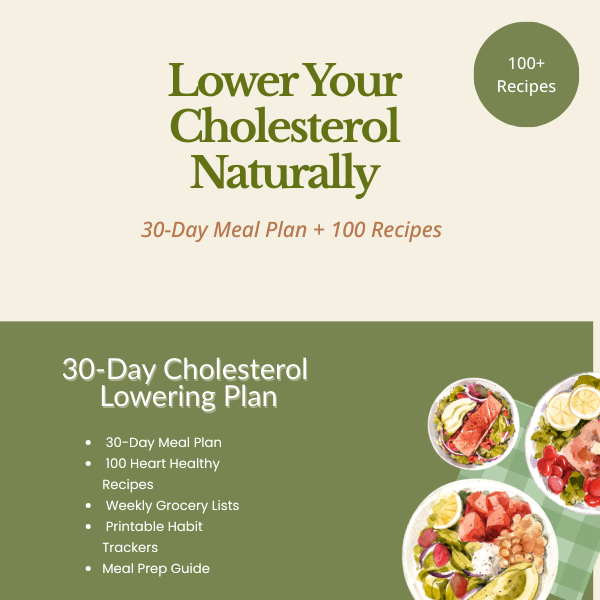
30-Day Cholesterol Reset System
A simple done-for-you plan to help you eat heart-healthy every day without confusion.
Over 1,000 people downloaded this guide
✔ 100 Easy Recipes
✔ Grocery Lists + Meal Prep Guide
🎁 FREE BONUSES:
✔ 7-Day Quick Start Plan
✔ Printable Grocery List
$29 $9
Get Instant AccessPlus, rotation keeps you from getting stuck in a rut. You know that feeling when you’ve made the same chicken breast three nights in a row and suddenly pizza sounds like the only option? Yeah, we’re avoiding that.
Building Your Weekly Rotation: The Strategy
The key to making this work is thinking in categories rather than individual meals. I break my week into breakfast staples, lunch options, dinner proteins, and snacks. Within each category, I rotate 3-4 favorites. This way, you’re never eating the exact same thing two days in a row, but you’re also not constantly reinventing the wheel.
Breakfast Rotation (Days 1-7)
Mornings set the tone, and starting with a cholesterol-friendly breakfast doesn’t have to mean sad egg whites and dry toast. I rotate between oatmeal variations, smoothie bowls, and veggie-packed scrambles. The trick is prepping components ahead—overnight oats basically make themselves, and smoothie freezer packs save you five minutes of fumbling with frozen fruit at 6 AM.
For more morning inspiration, check out these heart-healthy breakfast ideas or try a nutrient-packed smoothie that actually keeps you full.
My go-to breakfast formula: whole grains + fruit + nuts or seeds + a protein source. One morning it’s steel-cut oats with blueberries and walnuts. The next, it’s a green smoothie bowl topped with chia seeds and sliced almonds. I use this overnight oats container set for meal prep—makes portion control automatic and cleanup nonexistent.
Lunch That Actually Holds You Over (Days 1-7)
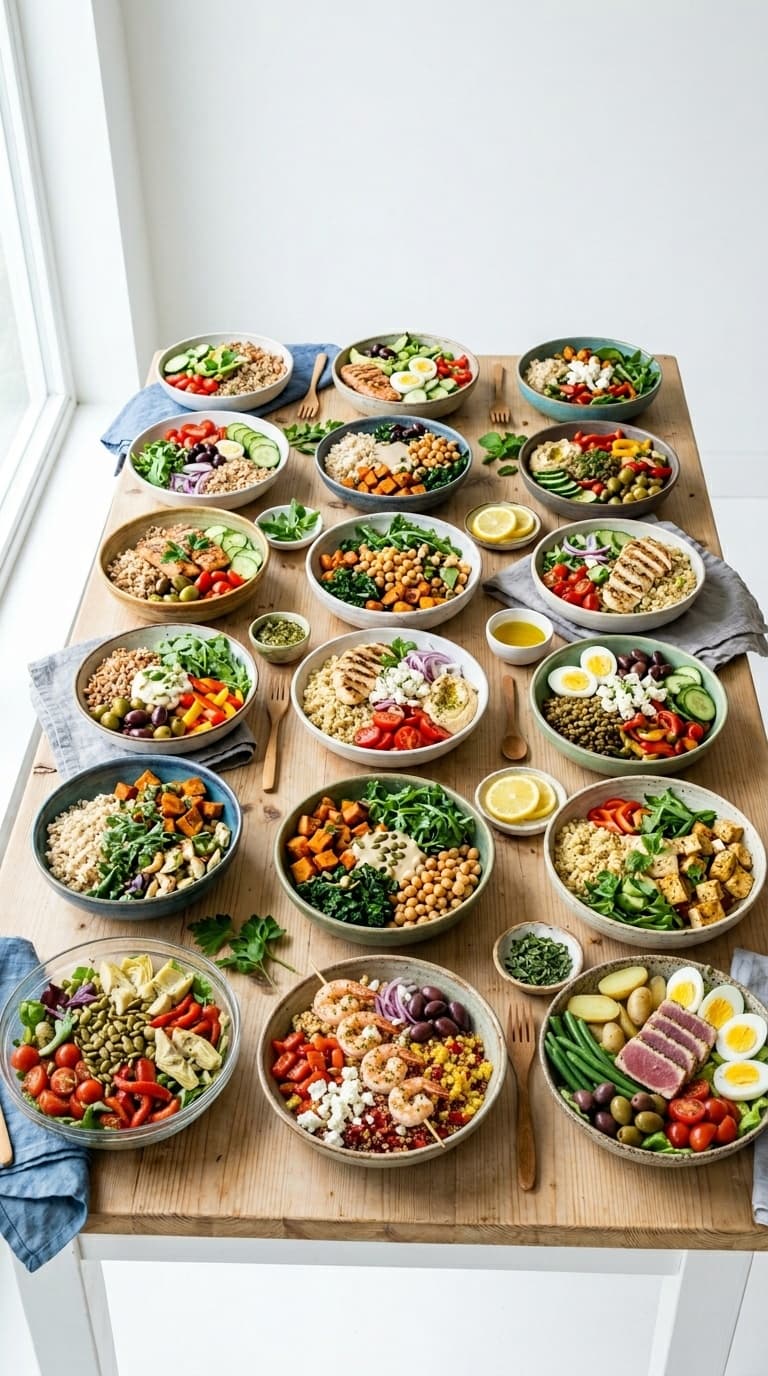
Lunch is where people usually fall off the wagon. You’re busy, you forgot to pack something, and suddenly that vending machine looks very appealing. I solve this by batch-cooking grains and proteins on Sunday. Quinoa, brown rice, or farro stay good all week, and you can pair them with different toppings to keep things interesting.
Think grain bowls with rotated proteins: grilled chicken one day, chickpeas the next, then salmon. Top with whatever vegetables you have, add a simple vinaigrette (lemon juice, olive oil, Dijon, done), and you’ve got a complete meal. Get Full Recipe for some of my favorite lunch combinations that won’t leave you hungry by 3 PM.
I meal prep with these divided glass containers—keeps the dressing separate from greens so nothing gets soggy, and you can see exactly what you packed without playing mystery lunch roulette.
Speaking of lunch ideas, if you’re looking for quick options that come together fast, you’ll want to bookmark these 10-minute lunch recipes. They’re perfect for when meal prep didn’t happen and you need something decent in a hurry.
Dinner Rotation: Where the Magic Happens
Dinner is where I get the most creative because, honestly, it’s the meal I actually have time to think about. The strategy here is rotating between different protein sources and cooking methods so you’re not just grilling chicken every single night.
Fish Nights (2-3 Times Per Week)
Fatty fish like salmon and mackerel are absolute powerhouses for heart health. The omega-3 fatty acids in fish have been shown to help lower triglycerides and reduce inflammation. The American Heart Association recommends eating fish at least twice weekly for cardiovascular benefits.
I keep frozen salmon fillets on hand—they thaw fast under cool running water and cook in fifteen minutes. Season with lemon, garlic, and herbs, roast at 400°F, done. Pair with roasted vegetables and quinoa, and you’ve got dinner without the stress. For more flavor-packed ideas, these dinners you’ll actually want to repeat include several fish options that don’t taste fishy.
My secret weapon is a silicone baking mat—fish slides right off without sticking, cleanup is stupid easy, and you can toss it in the dishwasher. Life-changing for someone who hates scrubbing baking sheets.
Chicken That Doesn’t Bore You
Skinless chicken breast gets a bad rap for being dry and flavorless, but that’s usually a technique problem, not a chicken problem. The key is not overcooking it (use a thermometer, seriously) and using marinades or rubs that actually have flavor.
I rotate between Mediterranean-style chicken with olives and tomatoes, Asian-inspired stir-fries with ginger and garlic, and Mexican-seasoned options with beans and peppers. Same protein, completely different meals. Check out these chicken recipes that actually have personality.
For stir-fries, I swear by this nonstick wok. You need way less oil than traditional pans, everything cooks evenly, and it heats up fast enough for actual high-heat cooking.
Plant-Based Nights (At Least 2 Per Week)
Going meatless a couple nights a week isn’t just trendy—it’s backed by solid research. Plant-based meals are naturally lower in saturated fat and often pack more fiber, both of which help with cholesterol management. Plus, they’re usually easier on the wallet.
My rotation includes lentil curry, black bean tacos, chickpea pasta with vegetables, and loaded sweet potatoes. These aren’t sad salads pretending to be dinner—they’re genuinely filling meals that happen to be vegetarian. Explore more options in these vegetarian meals you’ll actually crave.
Canned beans are your friend here. I know, I know, dried beans are cheaper and supposedly better, but let’s be practical. If opening a can means you’ll actually cook versus ordering pizza, just open the can. Rinse them well to reduce sodium, and you’re good to go.
The Snack Situation
Snacks are where people either stay on track or completely derail. The problem isn’t snacking itself—it’s reaching for whatever’s convenient, which is usually something wrapped in crinkly packaging with questionable ingredients.
My approach is having 3-4 go-to snacks prepped and visible. When you open the fridge and see apple slices with almond butter already portioned out, or hummus with cut veggies ready to grab, you’re way more likely to choose those over chips. For more ideas, these heart-healthy snacks are actually satisfying.
I portion snacks using these small containers—perfect size for nuts, cut fruit, or veggie sticks. Visible, portable, and they stack neatly so your fridge doesn’t look like a disaster zone.
If you’re short on time, don’t sleep on these lazy-friendly meals. Sometimes you just need something that requires minimal effort but still counts as actual food.
One-Pan Wonders for Busy Weeknights
Let me tell you about my favorite weeknight hack: one-pan dinners. Everything cooks on a single sheet pan or in one skillet, which means less cleanup and more time doing literally anything else. These aren’t compromise meals either—they’re legitimately delicious.
The formula is simple: protein + vegetables + healthy fat + seasonings, all roasted together. The vegetables caramelize, the protein stays juicy, and your kitchen doesn’t end up looking like a disaster area. I lean heavily on one-pan dinner recipes during busy weeks.
Sheet pan meals work best with heavy-duty rimmed baking sheets—the flimsy ones warp in the oven and everything slides to one corner. Not fun when you’re trying to evenly roast vegetables.
Soups and Stews for Meal Prep Champions
Soup is massively underrated for weekly rotation. Make a big batch on Sunday, portion it out, and you’ve got lunches or quick dinners sorted for days. Plus, soups and stews are perfect vehicles for vegetables, beans, and whole grains—all the stuff that helps manage cholesterol naturally.
I rotate between lentil soup, vegetable minestrone, chicken and white bean stew, and tomato-based options. They all freeze beautifully, so you can stash extra portions for those weeks when cooking feels impossible. Find inspiration in these soups and stews for any season.
For soup making, an immersion blender is worth its weight in gold. No transferring hot liquid to a regular blender (dangerous and messy), just blend right in the pot. Makes creamy soups without actual cream.
Sarah from our community tried rotating these soup recipes and dropped 15 pounds in three months without even focusing on weight loss—she just felt fuller on fewer calories and stopped snacking out of boredom. Not a guarantee for everyone, obviously, but worth noting.
Kitchen Tools That Actually Make a Difference
Look, I’m not here to sell you seventeen gadgets you’ll use once. These are the things that genuinely make cooking these recipes easier and faster. IMO, good tools pay for themselves in saved time and frustration.
Physical Essentials:
- High-speed blender for smoothies and soups – Mine gets used daily. Smoothies in the morning, blended soups at night, nut butter when I’m feeling fancy. Worth every penny.
- Quality chef’s knife – A sharp knife makes prep work so much faster and safer. I finally upgraded last year and meal prep takes half the time now.
- Food processor – Chops vegetables in seconds, makes hummus from scratch, grinds nuts. The difference between spending 20 minutes chopping or 2 minutes pulsing.
Digital Resources:
- Meal planning app subscription – Generates grocery lists automatically from your meal plan. Game-changer for staying organized.
- Recipe nutrition calculator tool – If you’re tweaking recipes or creating your own, this helps track exactly what you’re eating without guesswork.
- Digital food scale – Sounds obsessive, but portion awareness matters. Plus, it’s weirdly satisfying to actually know what 4 ounces of chicken looks like.
Making It Work When Life Gets Messy
Here’s what nobody tells you about meal planning: some weeks just don’t go according to plan. You get sick, work explodes, or you just don’t feel like cooking. That’s normal. The goal isn’t perfection—it’s having enough options that you can pivot without defaulting to takeout every time.
I keep a few emergency meals in my back pocket. Frozen fish fillets that cook in fifteen minutes. Canned beans for quick tacos. Pasta with jarred tomato sauce and frozen vegetables. Are they exciting? No. Do they keep you on track? Yes.
The Freezer Is Your Secret Weapon
A well-stocked freezer means you always have options. I dedicate one weekend day per month to making freezer meals—usually soups, casseroles, or marinated proteins. Future-you will be extremely grateful when Wednesday hits and cooking from scratch sounds impossible.
These freezer-friendly meals are designed specifically for make-ahead situations. They thaw and reheat without turning into mush or losing all their flavor.
Understanding the Cholesterol-Lowering Ingredients
Let’s talk about what actually makes these recipes work from a cholesterol perspective. It’s not magic—it’s strategic ingredient choices backed by research.
Soluble Fiber: The Cholesterol Sponge
Soluble fiber binds to cholesterol in your digestive system and escorts it out before your body can absorb it. It’s in oats, beans, lentils, apples, and Brussels sprouts. The goal is getting 5-10 grams of soluble fiber daily, which sounds technical but really just means including these foods regularly.
Oatmeal for breakfast? Check. Bean-based lunch? Check. You’re probably halfway there without even trying. For ingredient-specific guidance, check out this list of foods that naturally lower cholesterol.
Healthy Fats vs. The Other Kind
Not all fats are created equal, which you’ve probably heard a thousand times but bears repeating. Saturated fats (mostly from animal products and tropical oils) can raise LDL cholesterol. Unsaturated fats from sources like olive oil, avocados, nuts, and fish do the opposite—they actually help improve your cholesterol profile.
According to guidance from Mayo Clinic cardiologists, replacing saturated fats with unsaturated versions is one of the most effective dietary changes you can make for heart health.
The swap doesn’t have to be dramatic. Use olive oil instead of butter for cooking. Choose salmon over steak a couple times a week. Snack on almonds instead of cheese. Small changes, significant impact.
Plant Sterols and Stanols
These compounds naturally occur in plants and work similarly to cholesterol structurally, which means they compete for absorption in your digestive system. More plant sterols absorbed means less actual cholesterol making it into your bloodstream. They’re in nuts, seeds, vegetable oils, and whole grains.
Some foods are fortified with extra plant sterols (certain margarines and orange juices), but you can get meaningful amounts just by eating whole plant foods regularly. FYI, this is why plant-heavy diets consistently show cholesterol benefits in studies.
For complete weekly planning, these meal prep ideas walk you through exactly how to organize an entire week of heart-healthy eating without losing your mind.
When You’re Cooking for a Family
Trying to eat for heart health while feeding people who don’t share your health goals? I feel you. The secret is making meals that work for everyone without cooking two separate dinners every night.
Most of these recipes are crowd-pleasers that happen to be low in cholesterol rather than obviously “diet” food. Tacos, pasta dishes, stir-fries, casseroles—they’re familiar comfort foods with strategic ingredient swaps. Your family probably won’t even notice you’re using ground turkey instead of beef or whole wheat pasta instead of regular.
These family-friendly dinners are tested with actual picky eaters. If they pass the kid test, they’ll work for skeptical partners too.
The Comfort Food Conundrum
Let’s address the elephant in the room: sometimes you just want mac and cheese or a burger. Trying to pretend you’ll never crave comfort food again is setting yourself up for failure. The better approach is finding versions of those foods that fit within your cholesterol goals.
Can you make a legitimately good burger with lean ground turkey or a black bean patty? Yes. Will it taste identical to a greasy fast-food burger? No, and that’s okay. It can still be delicious in its own right. Same goes for pasta, pizza, and other comfort staples.
I’ve spent way too much time perfecting healthier versions of comfort classics, and honestly, some are better than the originals. These comfort foods made healthy prove you don’t have to give up everything you actually enjoy eating.
Dessert Doesn’t Have to Disappear
Real talk: I have a massive sweet tooth. Telling me I can never have dessert would guarantee I’d quit any eating plan within a week. The solution isn’t eliminating sweets—it’s choosing versions that don’t tank your cholesterol numbers.
Fruit-based desserts, dark chocolate (in reasonable amounts), and baked goods made with healthier fats and whole grains all work. You’re not eating cake every night, but you can absolutely have dessert a few times a week without derailing your progress.
These guilt-free desserts satisfy the sweet craving without the cholesterol baggage. The chocolate avocado mousse sounds weird but trust me on this one.
Frequently Asked Questions
How quickly can diet changes affect cholesterol levels?
Most people see measurable changes within 4-6 weeks of consistently following a cholesterol-lowering diet. However, the timeline varies based on your starting numbers, genetics, and how strictly you adhere to dietary changes. Some individuals in clinical trials have shown reductions of 9-30% in LDL cholesterol within just 30 days through strategic food choices, though results vary significantly between individuals.
Do I need to eat low-fat everything to lower cholesterol?
Not at all—in fact, some fats are beneficial. The focus should be on limiting saturated and trans fats while including healthy unsaturated fats from sources like olive oil, avocados, nuts, and fatty fish. These healthy fats can actually improve your cholesterol profile by raising HDL (good cholesterol) while lowering LDL (bad cholesterol). It’s about choosing the right types of fat, not eliminating fat entirely.
Can I still eat eggs if I’m watching my cholesterol?
Yes, for most people. Current research shows that dietary cholesterol from eggs has less impact on blood cholesterol than previously thought, especially when compared to saturated fat intake. According to the American Heart Association, eggs can be part of a heart-healthy diet when consumed in moderation and as part of an overall healthy eating pattern. The bigger concern is what you eat alongside your eggs—bacon and butter add way more problematic fats than the egg itself.
What’s the difference between meal prepping and batch cooking?
Batch cooking means making large quantities of one dish to portion and freeze or refrigerate. Meal prepping is preparing multiple components or complete meals for the upcoming week at once. Both strategies save time, but meal prep gives you more variety throughout the week while batch cooking is better for stocking your freezer with emergency meals. I use both approaches depending on what’s happening in a given week.
Are plant-based meals really better for cholesterol than meals with meat?
Generally yes, because plant foods contain zero cholesterol and are typically much lower in saturated fat than animal products. However, not all plant-based meals are automatically healthy—fried foods and heavy use of tropical oils can still be problematic. The most effective approach includes plenty of plants while incorporating lean proteins like fish and poultry, and limiting red meat and full-fat dairy. It’s less about being strictly vegetarian and more about emphasizing plant foods in your overall diet.
Final Thoughts
Managing cholesterol through diet isn’t about perfection or giving up every food you enjoy. It’s about building a sustainable rotation of meals that actually taste good while supporting your health goals. These 27 recipes give you a solid foundation to work from—mix, match, and adapt them based on what you have on hand and what sounds appealing.
Some weeks you’ll nail meal prep and have everything organized. Other weeks you’ll rely heavily on quick options and frozen backups. Both scenarios are fine. The goal is progress, not perfection, and having enough variety that eating well doesn’t feel like a chore.
Start with a few recipes that sound most appealing to you. Master those, then gradually add new ones to your rotation. Before you know it, you’ll have a solid repertoire of go-to meals that happen to be great for your cholesterol. No drama, no deprivation, just good food that works for your life.
30-Day Cholesterol-Lowering Meal Plan
A simple step-by-step system to help you eat heart-healthy every day without stress.
Over 1,000 people downloaded this guide
$29$9
Get Instant Access