
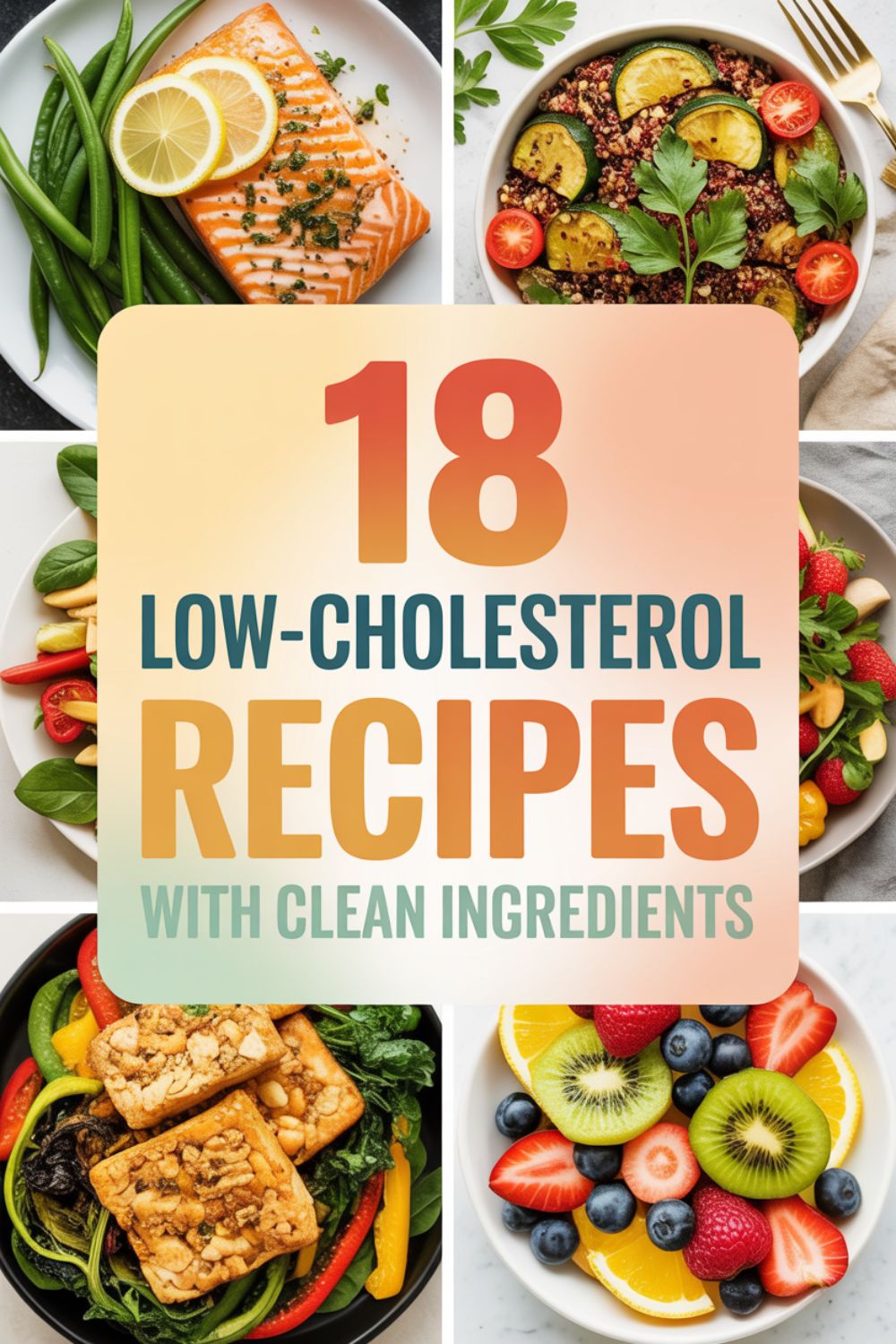
18 Low-Cholesterol Recipes with Clean Ingredients
I’ve spent years testing recipes that actually taste like something you’d choose to eat, not something you’re forcing down because WebMD scared you. The trick isn’t just cutting out the bad stuff—it’s finding clean, whole ingredients that your taste buds and your arteries can both get behind.
These 18 recipes use ingredients you can pronounce, no weird powders or fake butter substitutes that taste like regret. We’re talking real food that happens to be ridiculously good for your heart. No martyrdom required.
Why Clean Ingredients Actually Matter for Cholesterol
Here’s something most health blogs won’t tell you straight: your body doesn’t care about your good intentions. It cares about what you put in it. Research from the American Heart Association consistently shows that whole, minimally processed foods support cardiovascular health far better than their packaged counterparts.
When you eat clean, you’re not just avoiding bad ingredients—you’re loading up on fiber, omega-3s, and antioxidants that actively work to lower LDL cholesterol. Harvard Health Publishing notes that diets rich in fruits, vegetables, and whole grains are consistently associated with reduced cardiovascular disease risk.
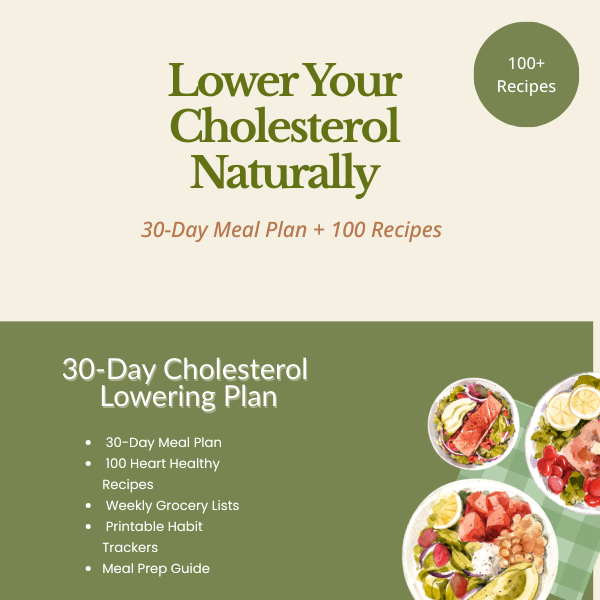
30-Day Cholesterol Reset System
A simple done-for-you plan to help you eat heart-healthy every day without confusion.
Over 1,000 people downloaded this guide
✔ 100 Easy Recipes
✔ Grocery Lists + Meal Prep Guide
🎁 FREE BONUSES:
✔ 7-Day Quick Start Plan
✔ Printable Grocery List
$29 $9
Get Instant AccessThe difference between a processed low-cholesterol meal and a clean one? One leaves you hungry an hour later, reaching for snacks. The other keeps you satisfied because it’s built on real nutrition, not synthetic fillers. Your body knows the difference even if the nutrition label doesn’t spell it out.
The Foundation: What Makes These Recipes Different
Every recipe here follows three non-negotiable rules. First, ingredients must be recognizable—if your grandmother wouldn’t know what it is, it’s out. Second, nothing with trans fats or excessive saturated fats makes the cut. Third, flavor comes from herbs, spices, and cooking techniques, not from dumping salt and sugar everywhere.
I use a lot of high-quality sea salt grinders because a little good salt goes way further than cheap table salt. Same with spices—buying whole spices and grinding them fresh makes everything taste about ten times better. Worth the extra thirty seconds, I promise.
Protein Sources That Won’t Wreck Your Numbers
Fish is your best friend here, especially fatty fish like salmon and mackerel. They’re packed with omega-3s that actually help lower triglycerides. I keep a digital meat thermometer handy because perfectly cooked fish is the difference between “this is amazing” and “never making that again.”
Chicken breast gets a bad rap for being boring, but that’s usually a cooking problem, not a chicken problem. Skinless, sure, but marinated properly and cooked right? Totally different story. Looking for more protein-focused meals? Check out these high-protein low-cholesterol recipes that keep you full without the heart-clogging saturated fats.
Beans and lentils are criminally underrated. They’re cheap, versatile, and loaded with soluble fiber that literally binds to cholesterol and helps your body eliminate it. Science is cool like that.
Carbs That Actually Work for You
Forget white bread and regular pasta. Whole grains are where it’s at—quinoa, brown rice, oats, farro. They digest slower, keep blood sugar stable, and pack way more nutrients. I store mine in airtight glass containers because they stay fresh longer and you can actually see what you have.
Oats deserve special mention. The beta-glucan fiber in oats is basically a cholesterol-fighting superhero. Overnight oats, baked oatmeal, savory oat bowls—there’s a whole world beyond the mushy stuff you ate as a kid.
Breakfast: Starting Your Day Without the Cholesterol Spike
Steel-Cut Oats with Berries and Walnuts
Steel-cut oats have more texture than rolled oats, which means they’re more satisfying. Cook them in batches using a slow cooker with a timer so you wake up to ready-to-eat breakfast. Top with fresh berries—blueberries are particularly high in antioxidants—and walnuts for omega-3s. Get Full Recipe.
The walnut thing isn’t random. Walnuts are one of the few plant sources of alpha-linolenic acid, a type of omega-3. A handful a day can improve your cholesterol ratio significantly. I keep mine in the fridge so they don’t go rancid.
Avocado Toast on Whole Grain (Done Right)
Yes, it’s trendy. It’s also legitimately good for your heart. Avocados are loaded with monounsaturated fats that can help lower LDL while maintaining HDL. Use sprouted whole grain bread—it’s easier to digest and has more available nutrients. For tons more morning ideas, browse through these heart-healthy breakfast options.
Add a poached egg if you want more protein. The cholesterol-in-eggs-is-evil thing has been pretty thoroughly debunked. Moderate egg consumption is fine for most people, and they’re nutrient powerhouses. Just skip the bacon and butter.
Green Smoothie That Doesn’t Taste Like Grass
Spinach, banana, almond milk, ground flaxseed, and a bit of vanilla extract. The banana sweetness covers the spinach completely. Use a high-powered blender if you have one—makes everything smoother and breaks down the flax better for nutrient absorption. Get Full Recipe.
Ground flaxseed adds fiber and omega-3s. Buy it pre-ground or grind it yourself; whole flaxseeds pass through your system undigested, which defeats the purpose. Store ground flax in the freezer to keep it from going rancid.
Speaking of morning fuel, you might also dig these refreshing low-cholesterol smoothies or try this Mediterranean smoothie bowl for something more substantial.
Lunch: Keeping It Clean Without Meal Boredom
Mediterranean Chickpea Salad
Chickpeas, cucumber, tomatoes, red onion, parsley, and lemon-olive oil dressing. Nothing fancy, but it tastes fresh and keeps you full for hours. The fiber content in chickpeas is ridiculous—one cup gives you about 12 grams. That’s half your daily target right there.
Make this in a large glass meal prep container on Sunday, and you’ve got lunch for three days. Just keep the dressing separate until you’re ready to eat. Get Full Recipe.
Grilled Chicken and Quinoa Bowl
Marinate chicken breast in lemon juice, garlic, and herbs. Grill it (or use a grill pan if you’re cooking inside), then serve over quinoa with roasted vegetables. Simple protein, complex carbs, plenty of fiber.
Quinoa is technically a seed, not a grain, and it’s a complete protein—meaning it has all nine essential amino acids. Most plant proteins don’t, which makes quinoa pretty special. Rinse it before cooking or it can taste bitter.
Lentil Soup with Vegetables
This is peak comfort food that happens to be incredibly healthy. Brown or green lentils, carrots, celery, tomatoes, garlic, and vegetable broth. Season with cumin, coriander, and a bay leaf. Lentils are high in soluble fiber, which directly helps lower cholesterol. Get Full Recipe.
You can make this in bulk—it freezes beautifully. I portion it into individual servings using a set of freezer-safe containers. Microwave from frozen when you need a quick lunch. If soups are your thing, you’ll love these warming low-cholesterol soups and stews.
Need more midday inspiration? These satisfying low-cholesterol lunches or quick 10-minute lunches have you covered when time is tight.
Dinner: Where Clean Eating Meets Actual Satisfaction
Baked Salmon with Roasted Brussels Sprouts
Salmon is probably the single best thing you can eat for heart health. It’s rich in omega-3 fatty acids that reduce inflammation and lower triglycerides. Season with dill, lemon, and a tiny bit of olive oil. Roast at 400°F on a silicone baking mat for easy cleanup. Get Full Recipe.
Brussels sprouts get a bad rap, but that’s usually because people boil them until they’re gray mush. Roasted with a light drizzle of olive oil and some sea salt? Completely different vegetable. They caramelize and get crispy edges. Your kids might actually eat them. For more ways to work omega-3s into dinner, try these delicious low-cholesterol dinners.
Turkey and Vegetable Stir-Fry
Ground turkey, bell peppers, snap peas, carrots, and garlic-ginger sauce. Use a carbon steel wok if you have one—they get hotter than regular pans, which gives you that restaurant-quality char. Serve over brown rice or cauliflower rice if you’re cutting carbs.
The sauce is where most stir-fries go wrong. Skip the bottled stuff—it’s usually loaded with sodium and sugar. Make your own with low-sodium tamari, rice vinegar, ginger, garlic, and a touch of sesame oil. Takes five minutes, tastes infinitely better.
Eggplant and Chickpea Curry
This is vegetarian comfort food at its finest. Eggplant, chickpeas, tomatoes, coconut milk (the light version), and curry spices. The combination of soluble fiber from chickpeas and the anti-inflammatory compounds in curry spices makes this a cholesterol-fighting powerhouse. Get Full Recipe.
Eggplant soaks up flavors like nothing else. It also contains nasunin, an antioxidant that protects cell membranes, including those in your blood vessels. Make extra and freeze portions—curry gets better after a day or two anyway.
Grilled Chicken with Quinoa and Roasted Vegetables
Another straightforward winner. Chicken breast marinated in olive oil, lemon, and herbs, served with quinoa and whatever vegetables are in season. Zucchini, bell peppers, and cherry tomatoes work great. Everything roasts at the same temperature, so it’s basically one-pan cooking. For more simple, flavorful options, check out these low-cholesterol chicken recipes.
Season the vegetables properly. That’s the secret to making them taste like something you want to eat, not something you’re choking down for health reasons. Olive oil, salt, pepper, maybe some dried oregano or thyme. Don’t overthink it.
Black Bean and Sweet Potato Tacos
Roasted sweet potato cubes, seasoned black beans, avocado, and a cabbage slaw. Serve in corn tortillas. This is the kind of meal that makes you forget you’re eating “healthy” food. Sweet potatoes are high in fiber and loaded with beta-carotene, which your body converts to vitamin A. Get Full Recipe.
The slaw adds crunch and freshness. Just shredded cabbage, lime juice, and a pinch of salt. No mayo needed. You can prep all the components ahead of time, then assemble when you’re ready to eat. Makes weeknight dinners way less stressful.
Look, you don’t need a million gadgets. But having the right few tools makes clean eating feel less like a chore and more like something you’d actually stick with. Here’s what I actually use every week:
Ditch the plastic. Glass doesn’t hold odors, is microwave-safe, and you can see what’s inside. Get the kind with snap lids—they seal better and last longer.
A sharp knife makes chopping vegetables way faster and safer. Doesn’t need to be fancy, just keep it sharp with a knife sharpener.
Takes the guesswork out of cooking proteins. Perfectly cooked chicken and fish every single time. Worth every penny.
Having a system matters more than you think. Track your meals, plan ahead, and you’ll stress less about what’s for dinner. Some free options work great.
Sometimes you just need fresh ideas. Having a solid digital cookbook means you’re never stuck making the same five things on repeat.
Learn the method once, use it forever. Batch cooking and prep strategies that actually work for busy people. Game changer for consistency.
Snacks and Sides That Support Your Goals
Hummus with Vegetable Sticks
Make your own hummus in a food processor—it’s cheaper and tastes fresher than store-bought. Chickpeas, tahini, lemon juice, garlic, olive oil. Blend until smooth. Serve with carrots, cucumber, bell peppers, or celery.
Tahini is ground sesame seeds, and it’s packed with healthy fats and minerals. If you can’t find it locally, it’s easy to order online. Once you make hummus from scratch, the pre-made stuff tastes weirdly artificial. You’ll know what I mean.
Roasted Chickpeas
Drain and dry canned chickpeas, toss with a tiny bit of olive oil and spices, then roast until crispy. They’re crunchy, savory, and ridiculously addictive. Plus, you’re getting protein and fiber in a snack. Beats potato chips by a mile. Get Full Recipe.
Spice options are endless—curry powder, cumin and paprika, garlic powder and nutritional yeast for a cheesy flavor. Store them in an airtight container, but honestly, they never last long enough to worry about storage. Need more snack ideas? Check out these heart-healthy snack options.
Apple Slices with Almond Butter
This is almost too simple to call a recipe, but it’s a staple for a reason. Apples are high in soluble fiber (especially the peel), and almond butter provides healthy fats and protein. Look for almond butter with one ingredient: almonds. If it has added sugar or oil, keep looking.
A small portion control container for the almond butter helps—nut butters are calorie-dense, and it’s easy to eat way more than you meant to. Two tablespoons is plenty.
Mixed Nuts and Seeds
Almonds, walnuts, pumpkin seeds, and sunflower seeds. Raw or lightly roasted, unsalted. Keep a stash in your desk or car. They’re filling, nutrient-dense, and won’t spike your blood sugar. Just watch portions—nuts are healthy but calorie-heavy.
Walnuts and pumpkin seeds are particularly good for heart health. If you want variety, add some dried fruit, but go easy—dried fruit is concentrated sugar. A few cranberries or raisins for flavor, not the whole bag.
Edamame
Steam or boil frozen edamame, sprinkle with sea salt. That’s it. High in protein, fiber, and plant compounds called isoflavones that may help lower cholesterol. Plus, it’s fun to eat—there’s something satisfying about popping the beans out of the pods.
You can find edamame in the freezer section at pretty much any grocery store. Keep a bag on hand for when you need a quick, protein-rich snack. Way better than reaching for processed junk food.
Looking for more ways to satisfy cravings without wrecking your numbers? These restaurant-quality salads and these versatile side dishes keep things interesting.
Desserts (Yes, Really)
Dark Chocolate and Berries
Get chocolate with at least 70% cacao. The higher the percentage, the less sugar and the more antioxidants. Pair with fresh strawberries or raspberries. You’re getting polyphenols from the chocolate and fiber from the berries. It’s legitimately good for you in moderation.
Moderation being the key word. A few squares of dark chocolate, not half the bar. But it satisfies the sweet craving without derailing your progress. For more guilt-free treats, browse these low-cholesterol desserts.
Baked Apples with Cinnamon
Core an apple, stuff it with oats, cinnamon, and a tiny drizzle of honey. Bake until soft. Smells amazing, tastes like pie, but without all the butter and sugar. Top with a dollop of plain Greek yogurt if you want something creamy. Get Full Recipe.
Use a firm apple variety—Granny Smith or Honeycrisp work well. They hold their shape better during baking. This is fall comfort food that happens to be packed with fiber and doesn’t wreck your cholesterol goals.
Chia Pudding
Mix chia seeds with almond milk and a touch of maple syrup or vanilla. Let it sit overnight in the fridge. The chia seeds expand and create a pudding-like texture. Top with fruit or a sprinkle of cinnamon.
Chia seeds are ridiculously high in omega-3 fatty acids and fiber. They’re also a complete protein. Plus, they’re basically flavorless, so they take on whatever flavors you add. Make several servings at once in small mason jars for easy grab-and-go breakfasts or desserts.
Making It Stick: The Real Talk About Consistency
Here’s what nobody tells you about clean eating for cholesterol: the first two weeks are going to feel weird. Your taste buds are adjusted to processed food, and clean ingredients taste different. Less salty, less sweet, more subtle. Give it time.
After those first couple weeks, something shifts. Real food starts tasting good again. A ripe tomato tastes sweet. Herbs and spices become interesting instead of boring. You stop craving the processed stuff as much because your body’s finally getting actual nutrition.
Meal prep is your best friend. I can’t stress this enough. If you wing it every day, you’ll end up eating whatever’s convenient, which is rarely what’s best for your heart. Spend two hours on Sunday cooking proteins, grains, and chopping vegetables. Your weeknight self will thank you.
Also, IMO, don’t try to be perfect. You’ll drive yourself crazy. Eat clean 80-90% of the time, and don’t stress about the occasional pizza or burger. Life is short, and obsessing over every bite isn’t healthy either—mentally or physically.
If you’re just starting out, these easy, lazy-friendly recipes or Instant Pot and air fryer options make the transition way less overwhelming. And for those nights when you need something familiar, try these healthier comfort food versions.
The Science Behind Why This Works
Let’s get nerdy for a second. LDL cholesterol—the “bad” kind—builds up in your arteries when there’s too much of it in your bloodstream. Over time, this creates plaque that narrows blood vessels and increases heart disease risk. That’s the problem we’re trying to solve.
The National Heart, Lung, and Blood Institute emphasizes that soluble fiber, found in oats, beans, and many fruits, binds to cholesterol in your digestive system and helps remove it before it enters your bloodstream. Omega-3 fatty acids from fish and flaxseed reduce inflammation and lower triglycerides. Antioxidants from colorful vegetables protect your blood vessels from damage.
These recipes work because they’re built around these scientifically proven ingredients. You’re not just avoiding bad stuff—you’re actively eating things that improve your cardiovascular health. The difference matters.
And FYI, while clean eating is powerful, it’s not magic. If you have genetic factors or severe cholesterol issues, you might still need medication. But diet can dramatically reduce how much medication you need and improve how effective it is. Always work with your doctor on this stuff.
Meal Planning Made Simple
Start with a framework. Breakfast: oats, smoothies, or eggs with vegetables. Lunch: grain bowl, soup, or salad with protein. Dinner: lean protein, whole grain, and lots of vegetables. Snacks: nuts, fruit, hummus with vegetables. Simple patterns make decisions easier.
Shop once a week. Make a list based on your meal plan, and stick to it. The perimeter of the grocery store is where most of the clean ingredients live—produce, meat and seafood, dairy. The middle aisles are mostly processed food. Get what you need from the center and get out. Need a structured approach? Try these make-ahead freezer meals or this complete low-calorie meal plan.
Cook double portions. If you’re making lentil soup or turkey meatballs, make extra. Freeze half for later or eat it for lunch the next few days. This is the secret to not burning out on cooking—do the work once, eat multiple times.
Keep a running list on your phone of meals you liked. When you’re planning next week’s meals, refer back to it. You don’t need infinite variety—you need 10-15 solid recipes you enjoy making and eating. Rotate through those, and you’ll be fine.
Frequently Asked Questions
Can I really lower my cholesterol just by changing what I eat?
For many people, yes—diet changes can significantly impact cholesterol levels. Soluble fiber, omega-3s, and plant sterols all help reduce LDL cholesterol. That said, genetics play a role too, and some people will need medication regardless of diet. But even if you need meds, clean eating makes them work better and may let you take a lower dose. Always work with your doctor on this.
How long does it take to see results from eating clean?
Most people see cholesterol improvements within 4-6 weeks of consistent dietary changes. Some notice changes in how they feel—more energy, better digestion—within a week or two. The key word is consistent. Eating clean for three days then binging on fast food the rest of the week won’t cut it.
Do I have to give up all meat and cheese forever?
No. You need to limit saturated fat, which is highest in fatty cuts of red meat, full-fat dairy, and processed meats. Lean proteins like chicken breast, fish, and turkey are fine. A little cheese won’t kill you—just don’t eat half a block in one sitting. It’s about patterns, not perfection.
Are eggs actually okay to eat if I have high cholesterol?
For most people, yes. Dietary cholesterol from eggs has less impact on blood cholesterol than we thought. Research published in PMC shows that dietary cholesterol doesn’t significantly raise blood cholesterol for most people. The bigger concern is saturated fat, which eggs are relatively low in. Moderation still matters—don’t eat a dozen eggs a day—but one or two is generally fine for most people.
What if I don’t have time to cook from scratch every day?
Batch cooking is your answer. Spend a few hours one day a week preparing components—cooked grains, proteins, chopped vegetables—then assemble meals quickly during the week. Many of these recipes freeze well too. You don’t need to cook fresh every single day to eat clean. You just need a system that works for your schedule.
Final Thoughts
Clean eating for cholesterol isn’t about deprivation or eating food that tastes like cardboard. It’s about choosing ingredients that your body actually recognizes and can use. Real food, prepared simply, with flavors that come from herbs and spices instead of processed additives.
These 18 recipes are a starting point, not a life sentence. Use them to build habits, figure out what works for your taste buds and your schedule, then expand from there. The goal is sustainable change, not short-term perfection that burns you out in three weeks.
Your heart doesn’t need you to be a culinary genius. It needs you to consistently feed it whole foods, healthy fats, and plenty of fiber. Do that most of the time, and you’ll see results. It’s not sexy or dramatic, but it works.
Start with one or two recipes from this list. Make them part of your regular rotation. Once they feel automatic, add another. Build slowly, and you’ll actually stick with it. That’s how real change happens—one meal at a time, one week at a time, until clean eating is just what you do.
30-Day Cholesterol-Lowering Meal Plan
A simple step-by-step system to help you eat heart-healthy every day without stress.
Over 1,000 people downloaded this guide
$29$9
Get Instant Access