
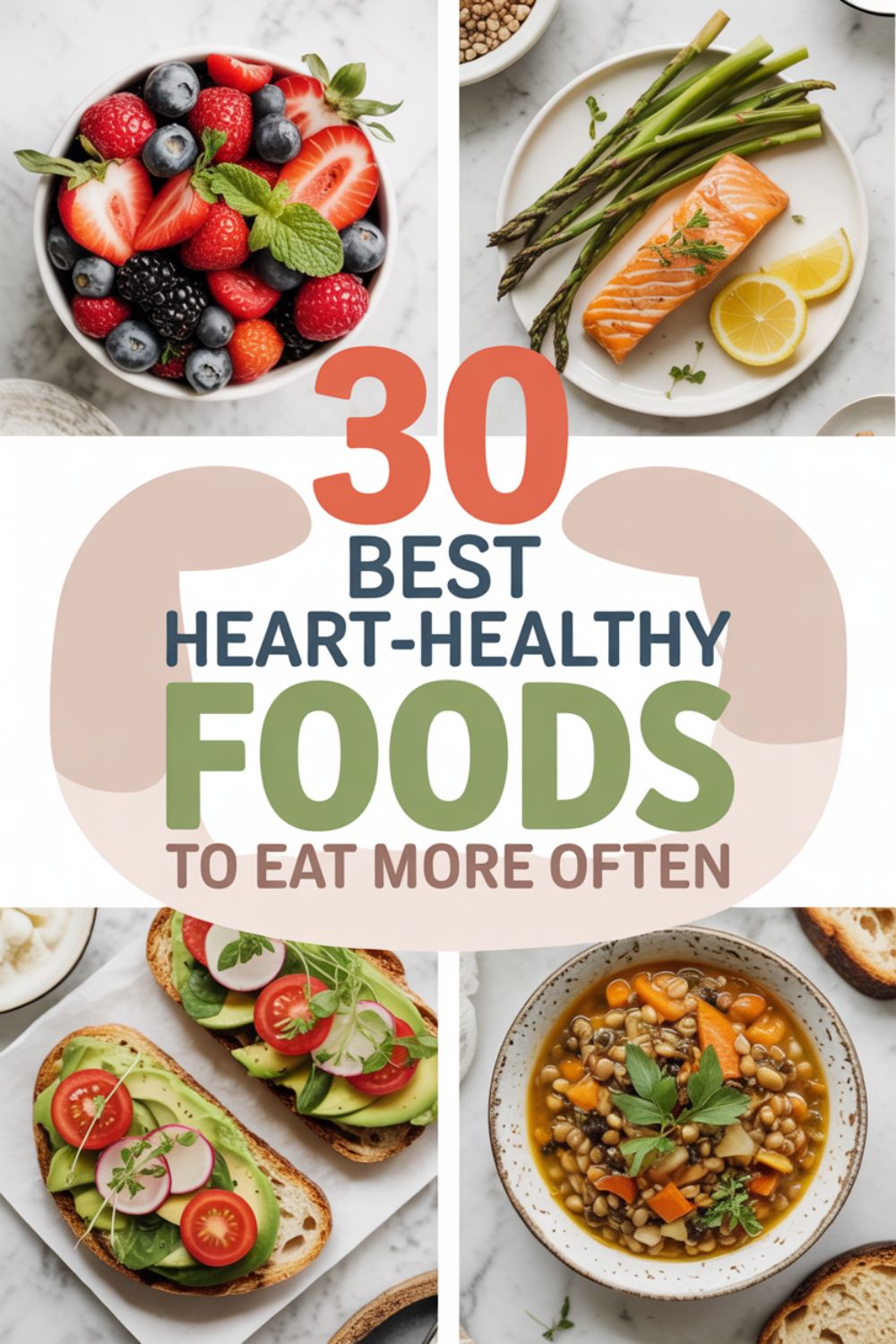
30 Best Heart Healthy Foods to Eat More Often
Look, I’m not here to tell you that kale is the answer to everything or that you need to eat like a rabbit to keep your ticker in good shape. What I am going to do is walk you through the foods that genuinely support your heart without making you feel like you’re on some impossible diet.
Heart disease is still the leading cause of death in the U.S., and while genetics play a role, what you put on your plate matters more than most people realize. The good news? You don’t need to overhaul your entire life. Just eating more of these 30 foods can make a real difference in how your cardiovascular system functions.
These aren’t exotic superfoods you’ll need to track down at some specialty store. They’re everyday ingredients you can grab at any grocery store, and honestly, most of them taste pretty damn good. Let’s get into it.
Why Heart Health Starts in Your Kitchen
Here’s the thing about heart health: it’s not just about avoiding the “bad” stuff. Sure, cutting back on processed foods and excess sodium helps, but actively eating foods that support your cardiovascular system is where the magic happens.
30-Day Cholesterol Reset System
A simple done-for-you plan to help you eat heart-healthy every day without confusion.
Over 1,000 people downloaded this guide
✔ 100 Easy Recipes
✔ Grocery Lists + Meal Prep Guide
🎁 FREE BONUSES:
✔ 7-Day Quick Start Plan
✔ Printable Grocery List
$29 $9
Get Instant AccessAccording to the American Heart Association, a heart-healthy eating pattern focuses on vegetables, fruits, whole grains, healthy proteins, and good fats. That’s not groundbreaking, but what matters is how you actually implement it.
Your heart needs specific nutrients to function properly. We’re talking omega-3 fatty acids, fiber, antioxidants, potassium, and magnesium. These nutrients help regulate blood pressure, reduce inflammation, lower cholesterol, and keep your arteries clear. And guess what? All 30 foods on this list deliver at least one of these benefits.
The Omega-3 Powerhouses
1. Salmon
If there’s one food that deserves its reputation as a heart health superstar, it’s salmon. This fish is loaded with omega-3 fatty acids, specifically EPA and DHA, which have been shown to reduce triglycerides and lower blood pressure.
I usually aim for wild-caught when possible, but honestly, farmed salmon still delivers plenty of benefits. Grill it, bake it, throw it in a salad—there’s really no wrong way to prepare it. If you’re prepping for the week, check out these low-cholesterol one-pan dinners that make salmon easy to work into your rotation.
Pro Tip: Buy frozen salmon fillets in bulk and thaw them overnight in the fridge. Saves money and they’re just as nutritious as fresh.
2. Mackerel
Mackerel doesn’t get nearly enough love, and that’s a shame because it’s one of the most affordable sources of omega-3s out there. This oily fish has even more omega-3s than salmon, plus it’s rich in vitamin D and selenium.
The flavor is stronger than salmon, which some people love and others find too fishy. If you’re new to mackerel, try it grilled with lemon and herbs. I use this simple fish grilling basket to keep it from sticking to the grates—works like a charm every time.
3. Sardines
Yeah, yeah, I know. Sardines aren’t everyone’s cup of tea. But if you can get past the mental block, these little fish are nutritional dynamite. They’re packed with omega-3s, calcium, vitamin D, and they won’t break the bank.
I keep a few cans in my pantry for quick lunches. Toss them on whole grain crackers with a squeeze of lemon, or mix them into a salad. For more quick meal ideas that won’t spike your cholesterol, these 10-minute low-cholesterol lunches are lifesavers on busy days.
4. Trout
Rainbow trout is another underrated option. It’s milder than mackerel but still delivers a solid dose of omega-3s and protein. Plus, it’s usually more affordable than salmon.
Nuts and Seeds That Love Your Heart
5. Walnuts
Walnuts are the only nut that’s a significant source of plant-based omega-3s (ALA). They’re also packed with antioxidants and have been shown to improve cholesterol levels when eaten regularly.
I keep a jar of walnuts on my counter and grab a handful as a snack. You can also toast them in a mini toaster oven like this one—less babysitting, and they come out perfectly every time without burning.
6. Almonds
Almonds are rich in monounsaturated fats, the same kind found in olive oil. They’re great for lowering LDL (bad) cholesterol while maintaining HDL (good) cholesterol. Plus, they’re loaded with vitamin E, which acts as an antioxidant.
Raw, roasted, sliced, or in butter form—almonds are versatile. Just watch your portions because they’re calorie-dense. A serving is about 23 almonds, which is roughly a handful.
Pro Tip: Buy almonds in bulk and store them in an airtight container in the fridge. They’ll stay fresh for months.
7. Flaxseeds
Flaxseeds are a fantastic source of ALA omega-3s and fiber. But here’s the catch: you need to grind them to get the full nutritional benefit. Whole flaxseeds just pass through your digestive system intact.
I use this simple coffee grinder to grind flaxseeds fresh every week. Toss them into smoothies, oatmeal, or yogurt. They add a slightly nutty flavor that I actually really enjoy.
8. Chia Seeds
Chia seeds are tiny but mighty. They’re rich in omega-3s, fiber, and protein. When mixed with liquid, they form a gel-like consistency that makes them perfect for puddings or as an egg substitute in baking.
Speaking of breakfast, if you’re looking for more heart-friendly morning options, these low-cholesterol breakfast ideas include several recipes that use chia seeds in creative ways.
Fiber-Rich Whole Grains
9. Oats
Oats contain a type of soluble fiber called beta-glucan, which has been proven to lower cholesterol levels. It’s one of the few foods with an FDA-approved health claim for reducing heart disease risk.
Steel-cut oats are my go-to because they have more texture than the instant stuff, but rolled oats work just fine too. If mornings are hectic, overnight oats are clutch. Get Full Recipe for a basic overnight oats template that you can customize however you want.
10. Quinoa
Quinoa is technically a seed, but we treat it like a grain. It’s a complete protein, meaning it contains all nine essential amino acids, and it’s loaded with fiber, magnesium, and iron.
Use it as a base for grain bowls, mix it into salads, or swap it for rice in stir-fries. For more inspiration on building balanced meals around whole grains, check out these low-cholesterol vegetarian meals.
11. Brown Rice
Brown rice keeps its bran and germ layers intact, which means more fiber, vitamins, and minerals compared to white rice. It helps regulate blood sugar and keeps you fuller longer.
12. Barley
Barley is another fiber superstar. It’s especially high in beta-glucan, just like oats. Toss it into soups or use it as a base for salads. It has a chewy texture that adds substance to meals.
The Berry Brigade
13. Blueberries
Blueberries are packed with anthocyanins, powerful antioxidants that give them their deep blue color. Research shows these compounds help reduce blood pressure and improve arterial function.
Fresh or frozen—doesn’t matter. Frozen berries are actually picked and frozen at peak ripeness, so they retain all their nutrients. I keep bags of frozen blueberries for smoothies and heart-healthy smoothies year-round.
14. Strawberries
Strawberries are high in vitamin C and manganese, plus they contain flavonoids that support heart health. They’re also one of the fruits with the lowest glycemic index, so they won’t spike your blood sugar.
15. Raspberries
Raspberries have more fiber than most fruits—about 8 grams per cup. They’re also loaded with polyphenols, which have anti-inflammatory properties.
Pro Tip: Store berries on a paper towel-lined tray in the fridge to absorb excess moisture. They’ll last way longer without getting mushy.
16. Blackberries
Like their berry cousins, blackberries are rich in antioxidants and fiber. They’re slightly tart, which makes them perfect for balancing out sweeter fruits in smoothies or parfaits.
Leafy Greens and Cruciferous Vegetables
17. Spinach
Spinach is loaded with nitrates, which convert to nitric oxide in your body. Nitric oxide helps relax blood vessels and improve blood flow. Plus, spinach is rich in potassium, which helps counteract the effects of sodium.
I throw handfuls of spinach into everything—smoothies, omelets, pasta, soups. It wilts down to almost nothing, so you can pack in a ton without it taking over the dish.
18. Kale
Kale is a nutritional powerhouse with vitamins K, A, and C, plus calcium and fiber. It’s also rich in compounds called glucosinolates, which have been linked to reduced inflammation.
Massaging kale with a bit of olive oil and lemon juice breaks down the tough fibers and makes it way more palatable in salads. If you’re looking for salads that don’t feel like punishment, these low-cholesterol salads actually taste good.
19. Swiss Chard
Swiss chard is packed with magnesium, potassium, and vitamins. It’s similar to spinach but with a slightly earthier flavor. Sauté it with garlic and olive oil for a simple side dish.
20. Broccoli
Broccoli contains sulforaphane, a compound with powerful anti-inflammatory and antioxidant properties. It’s also high in fiber and vitamin C.
Roasted broccoli is a game-changer. Toss florets with olive oil, salt, and pepper, then roast at 425°F until the edges get crispy. I use this silicone baking mat for easy cleanup—no sticking, no scrubbing.
Legumes and Beans
21. Lentils
Lentils are a fiber and protein powerhouse. They help lower cholesterol and stabilize blood sugar. Plus, they cook faster than most beans, which makes them perfect for weeknight meals.
Red lentils break down into a creamy consistency that’s perfect for soups and stews. For hearty, heart-healthy options, check out these low-cholesterol soups and stews.
22. Black Beans
Black beans are rich in fiber, folate, and magnesium. They’re incredibly versatile—use them in tacos, salads, soups, or as a base for veggie burgers.
23. Chickpeas
Chickpeas (or garbanzo beans) are packed with plant-based protein and fiber. They’re also a great source of resistant starch, which feeds the beneficial bacteria in your gut.
Roasted chickpeas make an addictive snack. Toss them with olive oil and spices, then roast until crispy. Or blend them into hummus. IMO, homemade hummus blows the store-bought stuff out of the water.
24. Kidney Beans
Kidney beans are rich in fiber and protein, and they have a low glycemic index. They’re perfect for chili, stews, or mixed into grain bowls.
Healthy Fats and Oils
25. Avocados
Avocados are loaded with monounsaturated fats, the same heart-healthy fats found in olive oil. They’re also rich in potassium—more than bananas, actually—and they help your body absorb fat-soluble vitamins from other foods.
I’m pretty sure avocado toast became a cliché for a reason. It’s quick, it’s satisfying, and it’s good for you. Just don’t go overboard—a serving is about a third to half an avocado.
26. Extra Virgin Olive Oil
Extra virgin olive oil is a staple of the Mediterranean diet, which is consistently ranked as one of the best eating patterns for heart health. It’s rich in monounsaturated fats and polyphenols that reduce inflammation.
Use it for cooking at medium heat, drizzle it over salads, or dip crusty bread in it. Look for oils in dark bottles to protect them from light, which can degrade the quality. I keep mine in this sleek oil dispenser on my counter for easy access.
27. Dark Chocolate
Yes, chocolate made the list. Dark chocolate (70% cacao or higher) contains flavonoids that have been shown to improve blood flow and lower blood pressure. It’s also rich in magnesium.
The key is moderation. A small square or two after dinner satisfies your sweet tooth without overdoing it. If you’re craving something a bit more substantial, these low-cholesterol desserts include some clever ways to incorporate dark chocolate.
Additional Heart-Healthy Superstars
28. Tomatoes
Tomatoes are rich in lycopene, an antioxidant that’s been linked to reduced risk of heart disease and stroke. Interestingly, cooked tomatoes have more bioavailable lycopene than raw ones, so tomato sauce and paste are great options.
29. Garlic
Garlic has been used medicinally for thousands of years, and for good reason. It contains compounds like allicin that can help lower blood pressure and cholesterol. Plus, it makes everything taste better.
Fresh garlic is best. I use this garlic press to make mincing easier—it’s way faster than chopping by hand and gets the job done in seconds.
30. Green Tea
Green tea is loaded with catechins, antioxidants that support heart health by improving cholesterol levels and reducing blood pressure. It’s also a great alternative to sugary drinks.
I brew a big batch in the morning and keep it in the fridge. It’s refreshing iced, and you can add a squeeze of lemon for extra flavor without any added sugar.
Kitchen Tools That Make Heart-Healthy Cooking Easier
Over the years, I’ve figured out which tools actually make a difference in the kitchen. These aren’t fancy gadgets gathering dust—they’re the ones I reach for constantly when prepping heart-healthy meals.
- High-speed blender – Perfect for smoothies, soups, and homemade nut butters. Breaks down leafy greens and frozen fruit without leaving chunks.
- Cast iron skillet – Distributes heat evenly for searing fish and sautéing vegetables. Lasts forever if you take care of it.
- Glass meal prep containers – BPA-free, microwave-safe, and they don’t stain like plastic. Makes batch cooking and portion control way easier.
- Complete meal prep guide – Walks you through planning, shopping, and prepping a week’s worth of heart-healthy meals.
- Foods that naturally lower cholesterol – A deeper look at the science behind cholesterol-lowering foods and how to incorporate them.
- Heart-healthy meals under 400 calories – Proves you can eat satisfying meals without blowing your calorie budget.
If you’re trying to build more heart-healthy habits, these lazy low-cholesterol meals are designed for people who don’t have time for complicated cooking. Simple ingredients, minimal prep, maximum benefit.
How to Actually Incorporate These Foods
Knowing which foods are good for your heart is one thing. Actually eating them consistently is another. Here’s how I make it happen without turning into a full-time meal planner.
Start with breakfast. Oatmeal with berries and walnuts covers multiple bases. Throw in some ground flaxseed and you’ve got a serious nutrient punch. If you’re more of a savory breakfast person, try scrambled eggs with spinach and avocado on whole grain toast.
Make lunch simple. Salads are great, but they don’t have to be complicated. Start with leafy greens, add some canned salmon or chickpeas for protein, toss in whatever vegetables you have, and dress it with olive oil and lemon. For more lunch inspiration that won’t bore you to tears, these low-cholesterol lunches keep you satisfied without the afternoon crash.
Keep dinner flexible. Aim for a protein (fish, beans, chicken), a whole grain (quinoa, brown rice, barley), and at least two vegetables. Roasting everything on one pan is my preferred method because it’s hands-off and cleanup is minimal. Speaking of which, these Instant Pot and air fryer recipes are clutch when you need dinner fast.
Snack smart. Keep nuts, seeds, and fruit visible. If it’s out of sight, you won’t eat it. I keep a bowl of walnuts on my desk and baby carrots in the front of the fridge. For more snack ideas that don’t feel like rabbit food, check out these heart-healthy snacks.
The Comparison: Peanut Butter vs Almond Butter
Since we’re talking nuts, let’s settle this: which nut butter is better for your heart?
Peanut butter is higher in protein and folate. It’s also usually cheaper. Almond butter has more fiber, vitamin E, and calcium, plus it contains more heart-healthy monounsaturated fats.
Honestly? Both are good choices. Peanut butter is fine if you’re watching your budget. Almond butter has a slight edge nutritionally, but the difference isn’t massive. Just avoid the versions loaded with added sugar and hydrogenated oils. Look for nut butters with one ingredient: nuts (and maybe a pinch of salt).
Quick Win: Buy a big jar of raw almonds and blend them yourself in a food processor. Fresh almond butter tastes way better, and you know exactly what’s in it.
Plant-Based vs Animal Protein for Heart Health
There’s ongoing debate about whether plant-based proteins are superior to animal proteins for heart health. Here’s what the research actually shows.
Plant-based proteins like beans, lentils, and chickpeas come packaged with fiber and phytonutrients that animal proteins lack. They’re also lower in saturated fat. However, fatty fish like salmon deliver omega-3s that are difficult to get from plant sources alone.
The sweet spot? A mix of both. Aim for at least two servings of fatty fish per week, and fill in the rest with plant-based options. If you’re leaning more plant-based, these low-cholesterol vegetarian meals show you how to build satisfying, protein-rich meals without meat.
FYI, if you’re concerned about mercury in fish, stick with smaller fish like sardines and mackerel, which accumulate less mercury than larger predatory fish like swordfish or shark.
Frequently Asked Questions
Can I eat these foods if I’m on cholesterol medication?
Absolutely. These heart-healthy foods work alongside medication, not against it. In fact, eating a heart-healthy diet can improve how well your medication works and might even allow your doctor to reduce your dosage over time. Just keep your doctor in the loop about any major dietary changes, especially if you’re on blood thinners, since foods high in vitamin K can affect how they work.
How long before I see improvements in my cholesterol levels?
Most people start seeing measurable improvements in cholesterol levels within 4-6 weeks of consistently eating more heart-healthy foods and cutting back on saturated fats. That said, everyone’s body responds differently, and factors like genetics, exercise, and stress also play a role. Stick with it for at least a few months before making any judgments about whether it’s working.
Are frozen versions of these foods just as nutritious as fresh?
In many cases, yes. Frozen fruits and vegetables are typically picked and frozen at peak ripeness, which locks in their nutrients. Sometimes they’re even more nutritious than “fresh” produce that’s been sitting in storage or on shelves for days. Frozen fish is also a great option and often more affordable. Just avoid frozen items with added sauces, sugars, or sodium.
Can I eat too much of these heart-healthy foods?
It’s possible to overdo anything, but it’s pretty hard to eat too many vegetables or berries. Where you need to watch portions is with calorie-dense foods like nuts, seeds, avocados, and oils—they’re healthy fats, but fats are still 9 calories per gram. Stick to reasonable portions and you’ll be fine. A small handful of nuts, half an avocado, or a tablespoon or two of olive oil per meal is plenty.
What if I don’t like fish? Can I still get omega-3s?
Yes, but you’ll need to be strategic about it. Plant-based sources like flaxseeds, chia seeds, walnuts, and hemp seeds contain ALA omega-3s, which your body can convert to EPA and DHA (though not very efficiently). You might also consider algae-based omega-3 supplements, which are vegan and provide EPA and DHA directly. Just talk to your doctor before starting any supplement.
Final Thoughts
Here’s the bottom line: you don’t need to eat perfectly to improve your heart health. You just need to eat better more often.
These 30 foods aren’t magic bullets. They won’t undo years of poor habits overnight, and they won’t compensate for a sedentary lifestyle or chronic stress. But when you consistently choose these foods over processed junk, you give your cardiovascular system the tools it needs to function properly.
Start small. Pick three or four foods from this list and work them into your regular rotation. Maybe that’s adding berries to your morning oatmeal, swapping white rice for quinoa, or grilling salmon once a week. Small changes compound over time.
And if you slip up? Who cares. One burger or slice of pizza isn’t going to wreck your progress. It’s what you do most of the time that matters, not what you do occasionally.
Your heart’s been working nonstop since before you were born. It deserves the best fuel you can give it.
30-Day Cholesterol-Lowering Meal Plan
A simple step-by-step system to help you eat heart-healthy every day without stress.
Over 1,000 people downloaded this guide
$29$9
Get Instant AccessSimilar Posts
18 Heart Healthy Dinners That Don’t Taste Like Diet Food
18 Heart Healthy Dinners That Don’t Taste Like Diet Food 18 Heart Healthy Dinners That Don’t Taste Like Diet Food Let’s get real for a second. When your doctor says “eat heart-healthy,” your brain probably jumps straight to bland chicken breast and sad, unseasoned vegetables. I get it. The phrase “low cholesterol dinner” sounds about…
25 Low-Cholesterol Recipes Without Butter or Cream
25 Low-Cholesterol Recipes Without Butter or Cream 25 Low-Cholesterol Recipes Without Butter or Cream Let me guess: your doctor mentioned your cholesterol numbers, and suddenly every recipe you own seems to call for a stick of butter and a cup of heavy cream. I’ve been there, staring at my favorite cookbook like it just betrayed…
21 Lightened-Up Comfort Foods for Easter
21 Lightened-Up Comfort Foods for Easter | LifeNourish Co. LifeNourish Co. — Heart-Healthy Recipes & Real Food Inspiration Easter Recipes 21 Lightened-Up Comfort Foods for Easter By LifeNourish Co. · Spring 2025 · 12 min read Let’s be real for a second. Easter dinner has a sneaky way of turning into the heaviest meal of…