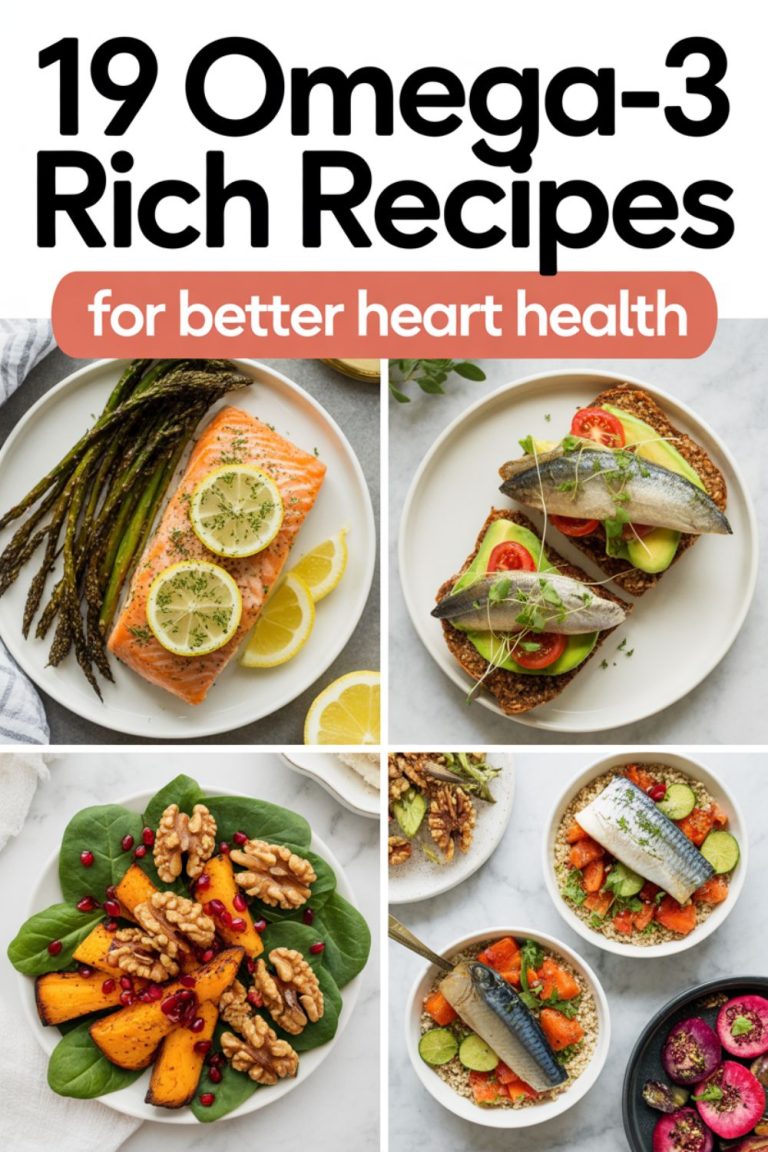

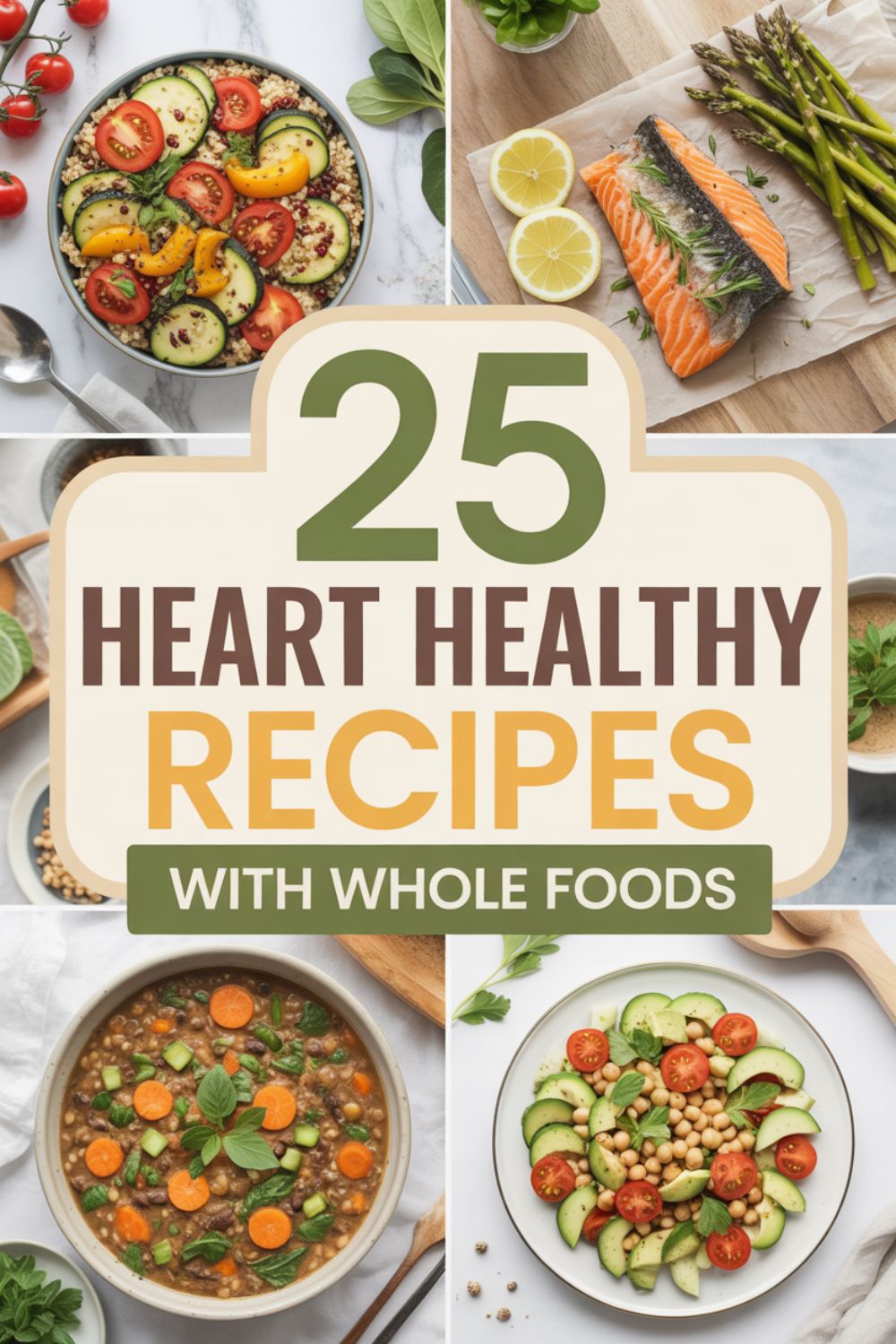
25 Heart Healthy Recipes with Whole Foods
Look, I’m not going to pretend that eating for your heart is always as exciting as ordering takeout at midnight. But here’s the thing—once you start cooking with actual whole foods instead of whatever’s lurking in that mystery box at the back of your freezer, something clicks. Your energy levels improve, you stop feeling like you need a nap after lunch, and honestly, the food tastes better.
Heart disease remains the leading cause of death globally, but the good news is that what you put on your plate has massive power. We’re talking about recipes built around vegetables, whole grains, lean proteins, and healthy fats—the stuff that the American Heart Association has been telling us about for years. No bland chicken breast and steamed broccoli every night, I promise.
These 25 recipes aren’t about restriction or suffering through meals you barely tolerate. They’re about discovering that heart-healthy eating can actually be something you look forward to. Whether you’re managing cholesterol, blood pressure, or just trying to be a bit kinder to your cardiovascular system, this collection has you covered.
Why Whole Foods Matter for Heart Health
Before we get into the recipes, let’s talk about why whole foods deserve a permanent spot in your kitchen. When I say “whole foods,” I’m talking about ingredients that haven’t been heavily processed—things you’d recognize if they were growing in a garden or walking around on a farm (okay, maybe not the walking part).
Whole foods come packed with fiber, which helps lower cholesterol levels and keeps your digestive system running smoothly. According to Mayo Clinic’s heart-healthy diet guidelines, choosing foods in their most natural state means you’re getting all the vitamins, minerals, and antioxidants without the added sodium, sugar, and unhealthy fats that sneak into processed options.
The beauty of cooking with whole foods is that you’re in control. You know exactly what’s going into your body, and you can adjust seasonings and portions to match your needs. Plus, there’s something deeply satisfying about transforming raw ingredients into a meal that actually supports your health goals. For more ideas on incorporating these nutrient-dense ingredients, check out these foods that naturally lower cholesterol.
Pro Tip: Start your weekly meal prep by washing and chopping vegetables on Sunday evening. Store them in clear containers at eye level in your fridge. When you can see them, you’ll actually use them—trust me on this one.
Building Your Heart-Healthy Kitchen
You don’t need a fancy kitchen to make these recipes work, but having a few solid tools makes everything easier. I spent years trying to dice onions with a dull knife before finally investing in a decent chef’s knife#, and honestly, it changed my entire cooking experience.
30-Day Cholesterol Reset System
A simple done-for-you plan to help you eat heart-healthy every day without confusion.
Over 1,000 people downloaded this guide
✔ 100 Easy Recipes
✔ Grocery Lists + Meal Prep Guide
🎁 FREE BONUSES:
✔ 7-Day Quick Start Plan
✔ Printable Grocery List
$29 $9
Get Instant AccessA sturdy cutting board# is non-negotiable—preferably one large enough that you’re not chasing cherry tomatoes across your counter. I also swear by my cast iron skillet# for everything from searing fish to roasting vegetables. It distributes heat evenly and, with proper care, will outlive us all.
For storage, glass meal prep containers# keep your prepped ingredients fresh without any weird plastic taste. And if you’re serious about heart health, a food scale# helps with portion control—especially useful when you’re monitoring sodium or trying to understand proper serving sizes.
Breakfast: Starting Your Day Right
Overnight Oats with Berries and Walnuts
Oats are ridiculously good for your heart. They contain beta-glucan, a type of soluble fiber that actively works to lower LDL cholesterol. I make a big batch of overnight oats on Sunday and portion them into individual jars—grab one on your way out the door, and you’ve got breakfast sorted.
Mix rolled oats with unsweetened almond milk, throw in some chia seeds for extra omega-3s, top with fresh blueberries and chopped walnuts, and let it sit overnight. In the morning, you can eat it cold or give it 30 seconds in the microwave. The walnuts add that satisfying crunch and heart-healthy fats that keep you full until lunch. Get Full Recipe.
If you’re looking for more morning inspiration that won’t spike your cholesterol, these low cholesterol breakfast ideas offer plenty of variety beyond the usual oatmeal routine.
Veggie-Packed Scrambled Eggs
Eggs got a bad reputation for years, but research has shown that for most people, dietary cholesterol doesn’t significantly impact blood cholesterol levels. What matters more is limiting saturated fat, which is why I load my scrambles with vegetables instead of cheese and bacon.
Sauté spinach, bell peppers, and cherry tomatoes in a bit of olive oil, then scramble in your eggs. The vegetables add volume, nutrients, and flavor without adding cholesterol. If you want to use a non-stick skillet# for this, it makes cleanup a breeze and you’ll need less oil.
Quick Win: Keep a bag of pre-washed spinach in your fridge. It wilts down to almost nothing when cooked, so you can add a massive handful to just about anything—scrambles, smoothies, soups—without even noticing it’s there.
Lunch Options That Actually Keep You Full
Mediterranean Quinoa Bowl
Quinoa is one of those ingredients that sounds fancy but is actually just seeds that cook like rice. It’s a complete protein, meaning it contains all nine essential amino acids, which is rare for plant-based foods. This makes it perfect for building satisfying, heart-healthy meals.
Cook your quinoa in vegetable broth for extra flavor, then top it with chopped cucumbers, tomatoes, red onion, chickpeas, and a sprinkle of feta. Dress it with olive oil, lemon juice, and oregano. The combination of fiber from the quinoa and chickpeas, plus healthy fats from the olive oil, keeps your blood sugar stable and your energy consistent all afternoon. Get Full Recipe.
This style of eating mirrors the Mediterranean diet that Mayo Clinic research has linked to reduced heart disease risk for decades. For similar meals that follow this pattern, explore these low cholesterol lunches that keep you full.
Lentil and Vegetable Soup
Lentils are criminally underrated. They’re packed with fiber and protein, incredibly cheap, and they don’t require soaking like other legumes. I make a huge pot of lentil soup every couple of weeks and freeze individual portions in freezer-safe containers#.
Sauté onions, carrots, and celery in olive oil, add dried lentils, canned tomatoes, vegetable broth, and whatever herbs you have on hand. Simmer until the lentils are tender, usually about 30 minutes. The soup freezes beautifully and tastes even better after a day or two when the flavors have had time to develop.
Speaking of soups, if you’re looking for more warming, heart-friendly options, check out these heart-healthy soups for lowering cholesterol naturally that work for any season.
Dinner Recipes Your Whole Family Will Eat
Baked Salmon with Roasted Vegetables
Fatty fish like salmon should be on your plate at least twice a week. The omega-3 fatty acids in salmon reduce inflammation, lower triglycerides, and may help prevent irregular heartbeats. Research published in the American Heart Association’s scientific statement consistently shows that regular fish consumption is associated with lower cardiovascular disease risk.
Season your salmon with nothing more than salt, pepper, and lemon, then bake it at 400°F for about 12-15 minutes. On a separate rimmed baking sheet#, roast Brussels sprouts, sweet potatoes, and red onions tossed in olive oil. Everything cooks in roughly the same time, and you’ve got a complete meal with minimal cleanup. Get Full Recipe.
Turkey and Bean Chili
This is my go-to recipe when I need something hearty that doesn’t feel like diet food. Ground turkey is leaner than beef but still satisfying, and the beans add fiber and plant-based protein. Plus, chili is one of those dishes that somehow tastes better the next day.
Brown ground turkey with onions and garlic, add canned tomatoes, kidney beans, black beans, chili powder, and cumin. Let it simmer for at least 30 minutes. Top with a dollop of Greek yogurt instead of sour cream, and maybe some diced avocado if you’re feeling fancy. For more family-friendly options that won’t leave anyone feeling deprived, try these low cholesterol family dinners everyone will love.
Pro Tip: Make a double batch of chili and freeze half. On those nights when you’re too tired to cook but don’t want to order pizza, having a homemade meal in the freezer is genuinely life-changing.
Stir-Fried Tofu with Broccoli and Brown Rice
Tofu gets a lot of hate from people who’ve only had it prepared badly. When you press it properly and get a good sear on it, tofu becomes this crispy, satisfying protein that soaks up whatever sauce you’re using. Plus, soy products have been shown to help lower LDL cholesterol when they replace animal proteins in your diet.
Press your tofu for at least 15 minutes using a tofu press# or just wrap it in towels and set something heavy on top. Cut it into cubes and pan-fry in a bit of sesame oil until golden. Toss with steamed broccoli and a sauce made from low-sodium soy sauce, rice vinegar, ginger, and a touch of honey. Serve over brown rice for a complete meal.
Snacks That Won’t Sabotage Your Progress
The space between meals is where good intentions go to die. You’re hungry, you’re busy, and suddenly that bag of chips seems like a reasonable choice. Having heart-healthy snacks prepped and ready makes all the difference.
Raw almonds, carrots with hummus, apple slices with a tiny smear of almond butter, or Greek yogurt with berries—these are all solid options that provide sustained energy without the blood sugar crash. I keep small portion containers# filled with measured servings so I’m not mindlessly eating from a family-size bag.
For a comprehensive list of options that actually satisfy, these low cholesterol snacks that support heart health will keep you covered between meals.
The Truth About Healthy Fats
Fat isn’t the enemy—it’s the type of fat that matters. Monounsaturated and polyunsaturated fats found in olive oil, avocados, nuts, and fatty fish actually support heart health by improving your cholesterol profile. The fats you want to limit are saturated fats from red meat and full-fat dairy, and you want to avoid trans fats entirely.
I use olive oil for almost everything. A drizzle over roasted vegetables, whisked into salad dressings, or used for sautéing—it adds flavor and those beneficial fats your body needs. Just watch your portions because all fats, healthy or not, are calorie-dense. A tablespoon of olive oil has about 120 calories, so a measuring spoon set# helps keep portions in check.
Want more recipes that embrace these healthy fats? Check out these low cholesterol recipes using olive oil as the foundation.
Whole Grains: Beyond Basic Brown Rice
Whole grains contain the entire grain kernel—bran, germ, and endosperm—which means you’re getting all the fiber, B vitamins, and minerals that get stripped away in refined grains. The fiber in whole grains helps control cholesterol and blood sugar levels, making them essential for heart health.
Brown rice is great, but there’s a whole world of whole grains worth exploring. Farro has a nutty flavor and chewy texture that works beautifully in grain bowls. Bulgur cooks in about 10 minutes and makes an excellent base for salads. Steel-cut oats take longer to cook than rolled oats but have a heartier texture that some people prefer.
Barley is another underappreciated grain that’s particularly good for cholesterol management. Research from Mayo Clinic shows that whole grains can significantly reduce the risk of heart disease when they replace refined grains in your diet.
Kitchen Tools That Make Heart-Healthy Cooking Easier
After years of cooking these recipes, I’ve figured out which tools actually make a difference and which are just taking up drawer space. Here’s what I genuinely use almost daily:
- High-Speed Blender# – Perfect for smoothies, soups, and homemade hummus. The difference between a cheap blender and a good one is night and day when you’re trying to make silky smooth sauces.
- Instant Pot or Pressure Cooker# – Turns dried beans into dinner in 30 minutes instead of hours. Also great for making big batches of whole grains to use throughout the week.
- Kitchen Scale# – Crucial for portion control and understanding serving sizes. Way more accurate than eyeballing, especially for calorie-dense foods like nuts and oils.
- Meal Planning App Subscription# – Takes the mental load out of deciding what to cook. Most offer heart-healthy or low-cholesterol filters so you’re not starting from scratch every week.
- Online Nutrition Course# – Understanding the why behind heart-healthy eating makes it easier to stick with. Look for courses that focus on practical application, not just theory.
- Recipe Database Membership# – Access to thousands of tested, reviewed recipes with detailed nutritional information. Worth it if you get tired of making the same five meals on repeat.
Making It Work on Busy Weeknights
Let’s be real—some nights you’re not going to feel like cooking an elaborate meal. That’s where having a rotation of simple, quick recipes becomes essential. Sheet pan dinners, one-pot meals, and 15-minute stir-fries are your friends here.
I keep my pantry stocked with canned beans, whole grain pasta, canned tomatoes, and jars of marinara sauce (watching the sodium levels on those labels). With these staples, you can throw together a nutritious meal even when the fridge is looking sad. For inspiration on quick options, these lazy low cholesterol meals for busy people are designed for exactly these moments.
Batch cooking on weekends helps too. Roast a big tray of vegetables, cook a pot of quinoa or brown rice, and prep some protein. Then during the week, you’re just assembling meals rather than starting from scratch. If you need a structured approach, check out these low cholesterol meal prep ideas for the week.
Sheet Pan Chicken with Sweet Potatoes
This is embarrassingly simple but genuinely delicious. Toss cubed sweet potatoes with olive oil, salt, pepper, and paprika. Arrange them on a large sheet pan# and nestle in some chicken thighs (skin removed to reduce saturated fat). Roast at 425°F for about 35-40 minutes until everything is golden and the chicken reaches 165°F internally.
The sweet potatoes get caramelized and slightly crispy on the edges. Serve it with a simple side salad, and you’ve got dinner done with minimal dishes. Get Full Recipe.
Comfort Foods, Reimagined
One of the biggest myths about heart-healthy eating is that you have to give up everything you love. That’s nonsense. You just have to get a little creative with how you make it.
Want mac and cheese? Use whole grain pasta, make a sauce with low-fat milk thickened with a bit of cornstarch, and use a smaller amount of sharp cheddar for maximum flavor. Craving pizza? Use a whole wheat pita as the base, top with tomato sauce, vegetables, and a light sprinkle of part-skim mozzarella.
The point is to keep the foods you enjoy in your rotation, just with some strategic swaps that reduce saturated fat, sodium, and refined carbs. For more ideas on this approach, these low cholesterol comfort foods made healthy prove you don’t have to sacrifice satisfaction for better health.
Pro Tip: When adapting your favorite recipes to be more heart-healthy, make one change at a time. If you swap everything at once and it doesn’t taste right, you won’t know what to adjust. Gradual changes also give your palate time to adapt.
The Role of Plant-Based Meals
You don’t have to become a strict vegetarian to benefit from eating more plant-based meals. Even just incorporating a couple of meatless dinners each week can make a difference for your heart health and your grocery bill.
Beans, lentils, and chickpeas are excellent sources of protein and fiber without any cholesterol or saturated fat. They’re also ridiculously cheap—a bag of dried lentils costs about the same as a single chicken breast but feeds you for days.
I aim for at least two or three vegetarian dinners a week. Black bean tacos, chickpea curry over brown rice, or a big pot of minestrone soup all fit the bill. For even more options, these low cholesterol vegetarian meals you’ll crave make going meatless something to look forward to.
Desserts That Don’t Derail Your Progress
Yes, you can still have dessert. The key is choosing options that satisfy your sweet tooth without loading up on saturated fat and refined sugar. Fresh fruit is the obvious choice, but sometimes you want something that feels more special.
Dark chocolate with at least 70% cocoa has less sugar than milk chocolate and contains flavonoids that may benefit heart health. A couple of squares after dinner hits the spot without overdoing it. Baked apples with cinnamon and a sprinkle of oats, Greek yogurt parfaits with berries and a drizzle of honey, or frozen banana “nice cream” all work as heart-friendly treats.
For occasions when you want something more dessert-like without the guilt, check out these low cholesterol desserts you’ll love guilt-free.
Staying Consistent When Life Gets Chaotic
Here’s the uncomfortable truth: knowing what to eat and actually eating it consistently are two very different things. Life happens. You get busy, you’re tired, someone brings donuts to work, and suddenly your good intentions are buried under a pile of takeout containers.
The people who succeed long-term with heart-healthy eating aren’t perfect—they’re just consistent most of the time. They plan ahead, they keep healthy options accessible, and when they do have an off day, they don’t spiral into a week of poor choices.
If meal planning feels overwhelming, start with just planning dinners. Keep breakfast and lunch simple and repetitive—there’s no rule that says you need variety at every meal. Some of us are perfectly happy eating the same breakfast for months if it works. For simple options that become second nature, these low cholesterol recipes with minimal prep are designed to become your default settings.
And remember, one meal doesn’t define your health. What matters is the pattern over time. If you have pizza on Friday night, fine—just get back to your regular eating pattern on Saturday. The consistency over weeks and months is what makes the difference, not perfection on any given day.
Frequently Asked Questions
Can I still eat eggs if I’m watching my cholesterol?
For most people, yes. Dietary cholesterol has less impact on blood cholesterol than previously thought. The bigger concern is saturated fat, which is why eggs prepared without butter or cheese and paired with vegetables are a solid choice. If you have specific cholesterol concerns, check with your doctor, but one egg a day is typically fine for most people.
Are frozen vegetables as good as fresh for heart health?
Absolutely. Frozen vegetables are often frozen at peak ripeness, which means they retain their nutrients well. They’re also cheaper and don’t spoil, which means you’re more likely to actually eat them. Just avoid varieties with added sauces or seasonings that can sneak in extra sodium and saturated fat.
How much sodium should I aim for daily?
The American Heart Association recommends no more than 2,300 mg per day, with an ideal limit of 1,500 mg for most adults, especially those with high blood pressure. Reading labels is crucial since about 70% of sodium in our diets comes from processed and restaurant foods, not the salt shaker.
Do I need to cut out red meat completely?
Not necessarily, but limiting it makes sense. Red meat is higher in saturated fat than poultry or fish. If you do eat red meat, choose lean cuts, keep portions to about 3 ounces (roughly the size of a deck of cards), and make it an occasional thing rather than a daily staple. Ground turkey or chicken can replace ground beef in most recipes.
What’s the best oil for cooking heart-healthy meals?
Olive oil and canola oil are both excellent choices. Olive oil has more flavor and works great for salad dressings and low-heat cooking. Canola oil has a higher smoke point and neutral flavor, making it good for higher-heat cooking and baking. Both are high in monounsaturated fats that support heart health.
Putting It All Together
These 25 recipes aren’t meant to be followed like some rigid meal plan you’ll abandon by week two. They’re a starting point—a collection of solid, tested meals that happen to support your heart health while actually tasting good.
Start by adding just a couple of these recipes to your regular rotation. Maybe you make the overnight oats for breakfast and try the lentil soup for lunch. Once those become habits, add another recipe or two. Before you know it, eating for your heart becomes second nature rather than something you have to consciously think about.
The goal isn’t perfection. It’s building a sustainable way of eating that you can maintain for years, not just until you hit some arbitrary health target. Your heart will thank you for the consistency far more than it would for any short-term dramatic change followed by a return to old habits.
Cook these meals, adjust them to your taste, share them with people you care about, and remember that every meal is an opportunity to support your health. That’s not pressure—it’s actually pretty empowering when you think about it.
30-Day Cholesterol-Lowering Meal Plan
A simple step-by-step system to help you eat heart-healthy every day without stress.
Over 1,000 people downloaded this guide
$29$9
Get Instant Access