
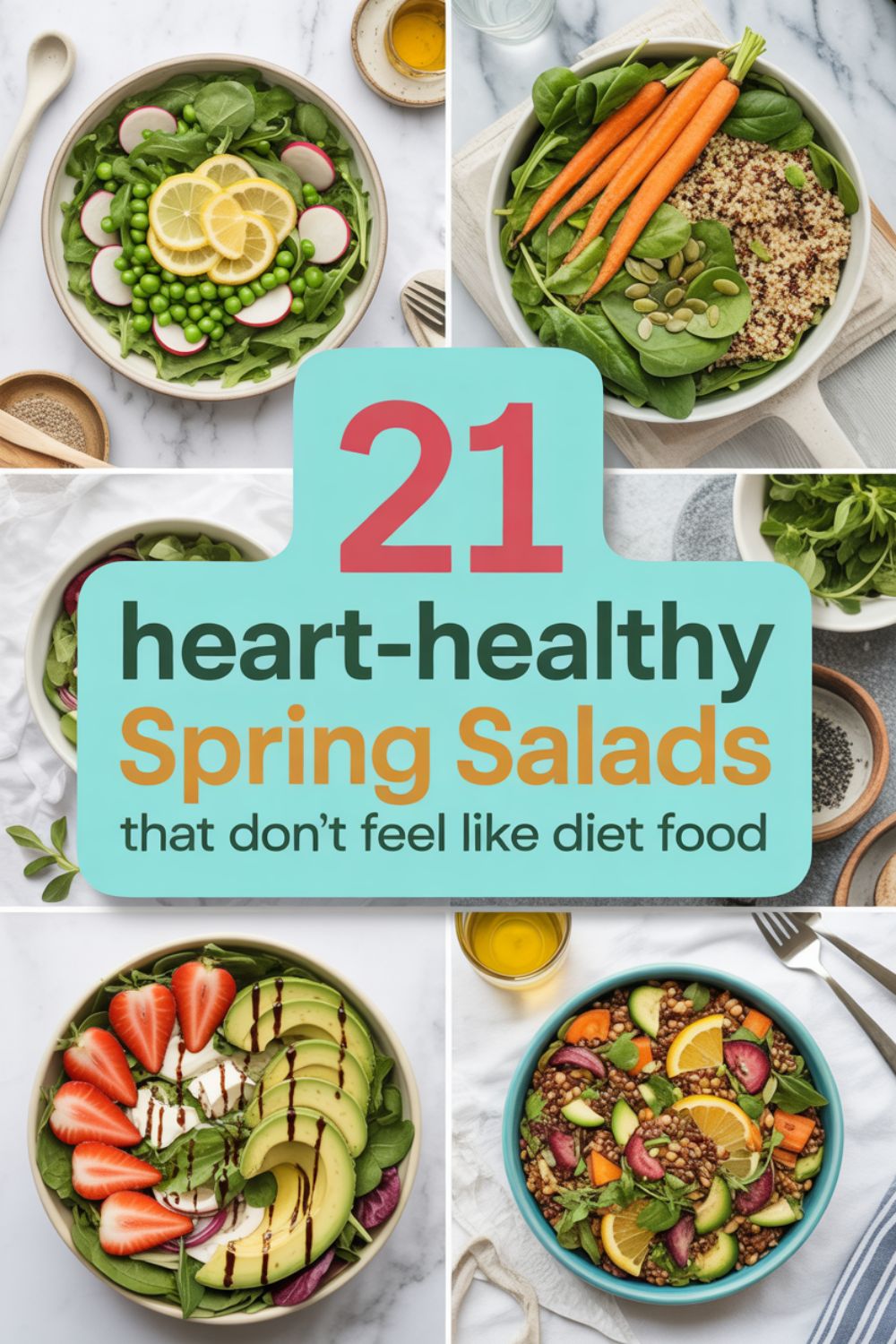
21 Heart-Healthy Spring Salads That Don’t Feel Like Diet Food
Look, I get it. The word “salad” makes you think of wilted iceberg lettuce and sad cherry tomatoes drowning in fat-free ranch. But spring salads? They’re a whole different beast. We’re talking crisp asparagus, juicy strawberries, peppery arugula, and enough flavor to make you forget you’re doing something good for your heart.
These 21 salads aren’t punishment for eating too many donuts last month. They’re legit delicious, actually filling, and happen to be great for keeping your cholesterol in check. No boring rabbit food, no flavorless vinaigrettes—just real meals you’ll want to make again.
Spring is the perfect time to load up on fresh produce that supports heart health without making you feel like you’re on some restrictive diet. Let’s dive into salads that taste like springtime and make your arteries happy at the same time.
Why Spring Salads Are Actually Perfect for Heart Health
Spring vegetables and fruits are packed with nutrients that actively work to lower cholesterol and support cardiovascular health. We’re talking fiber, antioxidants, and healthy fats that don’t just sit there looking pretty—they actually do the work.
Leafy greens like arugula and spinach are loaded with nitrates that help improve blood flow. Berries bring anthocyanins that reduce inflammation. And let me tell you, when you throw in some nuts or seeds, you’re adding omega-3s that your heart absolutely loves. This isn’t some pseudoscience wellness blog nonsense—there’s actual research backing why these ingredients matter.
The best part? You’re not sacrificing flavor for health benefits. Spring produce is at its peak, which means maximum taste with minimal effort. Ever noticed how a perfectly ripe strawberry needs zero help tasting amazing? That’s what we’re working with here.
Pro Tip: Prep your salad greens Sunday night, store them in a salad spinner with a lid, and thank yourself all week when you’ve got crisp, ready-to-go lettuce.
The Building Blocks of a Heart-Healthy Spring Salad
Before we get into the specific recipes, let’s talk about what actually makes a salad heart-healthy. It’s not just about throwing vegetables in a bowl and calling it a day.
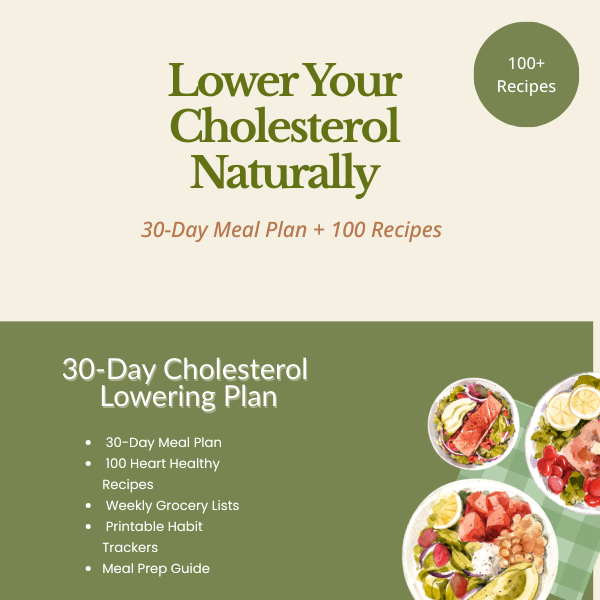
30-Day Cholesterol Reset System
A simple done-for-you plan to help you eat heart-healthy every day without confusion.
Over 1,000 people downloaded this guide
✔ 100 Easy Recipes
✔ Grocery Lists + Meal Prep Guide
🎁 FREE BONUSES:
✔ 7-Day Quick Start Plan
✔ Printable Grocery List
$29 $9
Get Instant AccessStart With Nutrient-Dense Greens
Ditch the iceberg and grab some arugula, spinach, or mixed spring greens. These darker leaves pack way more vitamins, minerals, and that cholesterol-fighting fiber. Arugula especially has this peppery bite that makes every salad taste more interesting. I pretty much use it in everything because plain lettuce feels like eating crunchy water.
Baby kale is another winner if you can handle the slightly bitter taste. Mix it with something milder if you’re not a fan of that earthy flavor. The point is to choose greens that actually contribute nutritionally instead of just being a vehicle for dressing.
Add Colorful Produce (The More, The Better)
This is where spring really shines. You’ve got strawberries, snap peas, radishes, asparagus, and cucumbers all coming into season. Different colors mean different antioxidants, so pile them on. I’m serious—the more rainbow action in your bowl, the better it is for your cardiovascular system.
Berries are particularly clutch because they’re sweet enough to make any salad feel like a treat but low in sugar compared to other fruits. Blueberries, strawberries, raspberries—any of them work. And if you want to explore more ways to incorporate heart-healthy ingredients, check out these foods that naturally lower cholesterol.
Don’t Skip the Protein
A salad without protein is just an appetizer masquerading as a meal. Grilled chicken, chickpeas, hard-boiled eggs, or even some flaked salmon will keep you full and satisfied. For heart health, lean proteins and plant-based options are your best bet.
Legumes like lentils and beans are especially good because they bring fiber and protein in one shot. Plus they’re cheap, which never hurts. If you’re looking for more protein-packed options, these low-cholesterol high-protein meals might give you some ideas.
Healthy Fats Are Your Friend
This is where a lot of people mess up. They make this beautiful salad and then drown it in some processed low-fat dressing that tastes like disappointment. Don’t do that. Use olive oil, throw in some avocado, add nuts or seeds. These fats help your body absorb all those fat-soluble vitamins while keeping your heart happy.
I’m obsessed with this extra virgin olive oil dispenser that makes it stupid easy to drizzle the perfect amount without overdoing it. Game changer for portion control without feeling like you’re measuring everything.
Quick Win: Make a big batch of dressing on Sunday. Store it in a mason jar with a pour spout and shake before each use. Homemade dressing takes 2 minutes and tastes infinitely better than store-bought.
21 Spring Salad Ideas That’ll Actually Excite You
Alright, let’s get to the good stuff. These aren’t full recipes with exact measurements—think of them as jumping-off points you can customize based on what you have and what sounds good. That’s the beauty of salads. They’re flexible.
Strawberry Spinach Salad with Balsamic
This is a classic for a reason. Baby spinach, sliced strawberries, slivered almonds, and a light balsamic vinaigrette. Add some goat cheese if you’re feeling fancy. The sweetness of the berries plays perfectly against the tang of the dressing, and you get that satisfying crunch from the nuts.
The almonds bring healthy fats and a bit of protein, while the strawberries are loaded with vitamin C and antioxidants. Simple, effective, and it looks good enough to post on Instagram if that’s your thing.
Asparagus and Arugula Salad
Blanch or roast some asparagus until it’s tender-crisp, toss it with arugula, shaved Parmesan, and lemon juice. This one’s peppery, bright, and feels way more sophisticated than it actually is to make. Get Full Recipe.
Asparagus is one of those vegetables that screams spring, and it’s packed with folate and fiber. Roasting brings out this almost nutty flavor that raw asparagus just doesn’t have. I use this sheet pan with a raised edge for roasting—nothing rolls off, and cleanup is painless.
Chickpea and Cucumber Salad
Canned chickpeas (rinsed), diced cucumber, cherry tomatoes, red onion, and a simple lemon-olive oil dressing. This one’s filling, refreshing, and keeps really well in the fridge. Perfect for meal prep because it doesn’t get soggy.
Chickpeas are seriously underrated for heart health. They’re high in soluble fiber, which binds to cholesterol in your digestive system and helps remove it. Plus they’re dirt cheap and have this creamy texture that makes salads feel more substantial.
If you’re into meal prep strategies, you’ll love these low-cholesterol meal prep ideas that take the guesswork out of your weekly cooking.
Quinoa Spring Vegetable Salad
Cooked quinoa as the base, then load it up with snap peas, radishes, shredded carrots, and fresh herbs like parsley or mint. Toss with a light vinaigrette. This one eats like a full meal because quinoa brings both protein and fiber to the table.
Quinoa is technically a seed, but it cooks like a grain and packs all nine essential amino acids. That makes it a complete protein, which is rare for plant foods. The texture is fluffy and slightly nutty, and it soaks up dressing like a champ.
Grilled Chicken and Berry Salad
Mixed greens, grilled chicken breast, mixed berries (strawberries, blueberries, whatever), candied pecans, and a raspberry vinaigrette. This is one of those salads that feels indulgent but is actually doing your body favors.
The combination of lean protein from the chicken and antioxidants from the berries makes this a solid choice for heart health. And those candied pecans? You can make them yourself in about 5 minutes with a non-stick skillet and a tiny bit of honey. Way better than store-bought.
Lentil and Roasted Beet Salad
Cooked lentils, roasted beets, crumbled feta, arugula, and a mustard vinaigrette. The earthiness of the beets pairs so well with the peppery arugula, and lentils add this hearty, satisfying element that makes it feel like a proper meal.
Beets are one of those vegetables people either love or hate, but roasting them brings out their natural sweetness and makes them less, well, dirt-tasting. They’re also rich in nitrates, which help lower blood pressure. If you’re curious about more heart-healthy combinations, these low-cholesterol vegetarian meals offer tons of plant-based inspiration.
Spring Pea and Mint Salad
Fresh or blanched snap peas, English peas, mint, lemon zest, and shaved Pecorino. This one’s light, bright, and tastes like spring in a bowl. The mint adds this refreshing kick that makes the whole thing feel sophisticated without any real effort.
Peas are surprisingly high in protein for a vegetable and bring a natural sweetness that pairs beautifully with acidic dressings. They’re also loaded with vitamins C and K. I blanch mine for literally 30 seconds to keep them crisp but take the raw edge off.
Pro Tip: Keep a herb keeper container in your fridge. Fresh herbs last way longer when stored properly, and you’ll actually use them instead of watching them turn to mush in a week.
Salmon and Avocado Salad
Grilled or baked salmon over mixed greens, sliced avocado, cucumber, and a light dill dressing. The omega-3s from the salmon combined with the healthy fats in avocado make this a heart health powerhouse. Get Full Recipe.
Salmon is one of the best sources of omega-3 fatty acids, which have been shown to reduce inflammation and lower triglyceride levels. According to Harvard Medical School, eating fatty fish like salmon at least twice a week can significantly reduce your risk of heart disease.
Shaved Brussels Sprout Salad
Raw Brussels sprouts, shaved thin, with dried cranberries, sliced almonds, Parmesan, and a lemon vinaigrette. This one surprised me because I never thought I’d enjoy raw Brussels sprouts, but shaving them changes everything. They’re crisp, slightly bitter, and totally addictive.
Brussels sprouts are cruciferous vegetables loaded with fiber, vitamins C and K, and compounds that support heart health. Shaving them thin makes them way less intimidating than those mini cabbage-looking things, and they soak up dressing better.
Greek-Inspired Spring Salad
Romaine lettuce, cucumbers, tomatoes, red onion, Kalamata olives, chickpeas, and feta with a classic Greek dressing. This is basically a Greek salad but beefed up with chickpeas to make it more filling. Olives bring healthy fats while cucumbers keep it refreshing.
The combination of vegetables, legumes, and olive oil is pretty much the foundation of the Mediterranean diet, which is consistently ranked as one of the best eating patterns for heart health. You’re getting fiber, healthy fats, and tons of flavor without any of the processed junk.
Speaking of Mediterranean-inspired meals, these heart-healthy meals under 400 calories show you how to eat well without feeling restricted.
Edamame and Cabbage Slaw
Shelled edamame, shredded cabbage, shredded carrots, green onions, and a sesame-ginger dressing. This one’s crunchy, satisfying, and has that Asian-inspired flavor profile that makes it feel different from your typical salad.
Edamame are young soybeans packed with plant-based protein and fiber. They’ve got this slightly buttery taste and a firm texture that holds up well in salads. Plus they’re one of the few plant foods that contain all essential amino acids, making them a complete protein.
Watermelon Radish and Feta Salad
Thinly sliced watermelon radishes (they’re so pretty), arugula, crumbled feta, toasted pumpkin seeds, and a citrus vinaigrette. The radishes add this peppery crunch, and the visual appeal alone makes this one worth trying.
Watermelon radishes are milder than regular radishes and add this gorgeous pop of pink when you slice them. They’re rich in vitamin C and have this slightly sweet, peppery flavor that’s less aggressive than their red counterparts. I slice mine paper-thin with a mandoline slicer—it’s faster and more uniform than doing it by hand.
White Bean and Herb Salad
Cannellini beans, cherry tomatoes, fresh basil, parsley, red onion, and a garlic-lemon dressing. This is another one that gets better as it sits, making it perfect for packing in lunches throughout the week.
White beans are creamy, mild, and loaded with soluble fiber that helps reduce LDL cholesterol. They’re also incredibly versatile and absorb whatever flavors you throw at them. Fresh herbs make a massive difference here—dried just doesn’t cut it for this type of salad.
Tuna and White Bean Spring Salad
Canned tuna (packed in water, not oil), white beans, arugula, cherry tomatoes, and a Dijon vinaigrette. Quick, protein-packed, and hits the spot when you need something substantial without turning on the stove. Get Full Recipe.
Tuna is another excellent source of omega-3s, and when you pair it with white beans, you’re getting a serious protein and fiber combo. I always keep a few cans of quality tuna in my pantry for exactly these situations. Look for sustainably caught options if you care about that kind of thing.
Kitchen Tools That Make Salad Prep Actually Easy
Let’s be real—you’re way more likely to eat healthy if prepping doesn’t feel like a chore. These tools aren’t just nice to have; they genuinely make the difference between actually making salads and ordering takeout.
- Salad Spinner with Storage Lid – Wash, dry, and store greens in one container. No more soggy lettuce drama.
- Quality Chef’s Knife – A sharp knife makes chopping vegetables infinitely less annoying. Worth every penny.
- Glass Meal Prep Containers with Locking Lids – Keep salads fresh, prevent dressing from leaking, and you can see what’s inside without opening them.
- Meal Prep Template Bundle – Pre-made templates for planning your weekly salads and shopping lists.
- Heart-Healthy Dressing Recipe E-Book – 30+ homemade dressing recipes that don’t taste like cardboard.
- Spring Produce Guide PDF – Know what’s in season, how to pick it, and how to store it for maximum freshness.
Arugula and Prosciutto Salad
Arugula, torn prosciutto, shaved Parmesan, fresh figs or pears, and a balsamic glaze. This one feels fancy enough for company but takes about 5 minutes to throw together. The salty prosciutto against sweet fruit is chef’s kiss.
Now, prosciutto isn’t exactly a health food, but a little goes a long way for flavor. The real star here is the arugula and fruit combo. Figs are in season in late spring and early summer, but pears work beautifully in early spring. Both bring fiber and natural sweetness.
Spring Grain Bowl Salad
Farro or barley as the base, roasted asparagus, peas, radishes, soft-boiled egg, and a tahini dressing. This is hearty enough to be a complete meal and has enough texture variety to keep things interesting.
Whole grains like farro and barley are packed with fiber and have this chewy, satisfying texture. They’re also rich in B vitamins and minerals. The tahini dressing adds creaminess and healthy fats from sesame seeds. For more grain-based inspiration, check out these low-cholesterol dinners that use whole grains in creative ways.
Mango and Black Bean Salad
Diced mango, black beans, red bell pepper, cilantro, lime juice, and jalapeño if you like heat. This one has a tropical vibe that feels completely different from traditional spring salads but still works with the season.
Mangoes are high in vitamin C and bring this sweet, juicy element that balances the earthiness of black beans. Black beans are loaded with fiber and protein, making this salad surprisingly filling. The lime juice adds brightness and helps your body absorb the iron from the beans.
Spinach and Mushroom Salad with Warm Bacon Dressing
Baby spinach, sautéed mushrooms, hard-boiled egg, and a warm bacon vinaigrette. Yes, bacon. A little bit adds massive flavor, and the warm dressing slightly wilts the spinach in the best way possible.
This is one of those salads that feels indulgent but isn’t actually that bad for you in moderation. The key is using bacon as a flavoring agent, not the main event. Mushrooms are low in calories but high in umami, and they’re one of the few food sources of vitamin D.
Shrimp and Avocado Spring Salad
Grilled or sautéed shrimp, mixed greens, avocado, mango, and a cilantro-lime dressing. The combination of protein from shrimp and healthy fats from avocado makes this incredibly satisfying. Get Full Recipe.
Shrimp is lean protein that’s low in calories but high in nutrients like selenium and vitamin B12. It gets a bad rap for cholesterol content, but dietary cholesterol doesn’t affect blood cholesterol levels as much as saturated fat does. According to the Mayo Clinic, shrimp can absolutely be part of a heart-healthy diet when prepared without tons of butter.
Carrot Ribbon Salad
Carrots shaved into ribbons with a vegetable peeler, mixed with arugula, goat cheese, pistachios, and a honey-mustard vinaigrette. The carrot ribbons look impressive and have this delicate texture that’s way more interesting than chopped carrots.
Carrots are packed with beta-carotene, which your body converts to vitamin A. They’re naturally sweet, which means you need less sugar in your dressing. Pistachios add healthy fats, protein, and this gorgeous green color that makes the whole salad pop visually.
Roasted Cauliflower and Chickpea Salad
Roasted cauliflower florets, chickpeas, baby kale, dried apricots, and a tahini-lemon dressing. Roasting the cauliflower and chickpeas adds this nutty, caramelized flavor that takes the whole salad to another level.
Cauliflower is one of those vegetables that transforms completely when you roast it. It gets crispy on the edges and develops this almost buttery flavor. Combined with chickpeas, you’re getting tons of fiber, plant-based protein, and antioxidants. I roast both on the same rimmed baking sheet to save on cleanup.
For even more ways to use cauliflower and chickpeas, these low-cholesterol comfort foods made healthy prove you don’t have to give up your favorites to eat well.
Spring Mix with Poached Pear and Walnuts
Spring mix greens, poached pears, toasted walnuts, blue cheese crumbles, and a light vinaigrette. The warm poached pear against cool greens is this amazing temperature contrast that makes the salad feel special.
Walnuts are particularly good for heart health because they’re high in alpha-linolenic acid (ALA), a plant-based omega-3. Poaching pears takes about 15 minutes and makes your kitchen smell amazing. You can do it ahead and keep them in the fridge for quick salad assembly during the week.
How to Make Your Salads Actually Satisfying
The biggest complaint about salads is that they’re not filling. But that’s usually because people are making them wrong. A well-built salad should keep you full for hours, not leave you raiding the pantry an hour later.
The Protein Rule
Always include at least 20-25 grams of protein. That’s roughly 4 ounces of chicken, a cup of chickpeas, or two eggs. Protein slows digestion and keeps your blood sugar stable, which prevents those energy crashes that send you straight to the vending machine.
Plant-based proteins like beans, lentils, and tofu work just as well as animal proteins for satiety. The key is just making sure you’re including enough of them. Don’t be shy with portions.
Add Complex Carbs
Quinoa, farro, sweet potato, or even a slice of whole grain bread on the side. Your body needs carbs for energy, and complex carbs provide steady fuel instead of the spike-and-crash you get from refined stuff.
These also add fiber, which is crucial for heart health and keeping you full. Fiber binds to cholesterol in your digestive tract and helps remove it from your body. Win-win.
Don’t Fear Fats
Healthy fats from nuts, seeds, avocado, and olive oil are what make salads actually taste good and keep you satisfied. They also help your body absorb fat-soluble vitamins A, D, E, and K from all those vegetables you’re eating.
A tablespoon or two of olive oil in your dressing, a quarter of an avocado, or a handful of nuts is plenty. You don’t need to drown everything in oil, but don’t be afraid of it either.
Volume Matters
Load up on low-calorie, high-volume vegetables like cucumbers, tomatoes, bell peppers, and leafy greens. These fill your stomach physically without adding a ton of calories, which tricks your brain into feeling satisfied.
This is where spring produce really shines. Asparagus, snap peas, radishes—they’re all high in water content and fiber, which means they take up space in your stomach and slow down how quickly you eat.
Quick Win: Batch-cook proteins on Sunday. Grill chicken, roast chickpeas, hard-boil eggs—whatever you like. Store them separately in airtight containers and add to salads throughout the week. Takes 10 minutes of prep and saves you hours later.
Dressing Mistakes That Ruin Healthy Salads
You can make the perfect salad with all the right ingredients and completely tank it with the wrong dressing. Let’s talk about what not to do.
Store-Bought Low-Fat Dressings
These are usually loaded with sugar, salt, and weird additives to make up for the lack of fat. Plus, without fat, your body can’t absorb those fat-soluble vitamins from your vegetables. So you’re basically sabotaging the whole point of eating the salad.
Make your own instead. It takes 2 minutes to whisk together olive oil, vinegar or lemon juice, Dijon mustard, and whatever herbs you have. Way better taste, way better for you.
Over-Dressing
Even healthy dressing can be too much of a good thing. A couple tablespoons per serving is plenty. Any more and you’re basically eating a bowl of dressing with some vegetables floating in it.
Toss your salad in a big bowl before plating it. This distributes the dressing evenly so you can use less overall. Or dress individual servings right before eating instead of pre-dressing everything.
Skipping Acid
Vinegar or citrus juice brightens everything and balances rich flavors. Without acid, salads taste flat and one-dimensional. Don’t skip this step.
Lemon juice, lime juice, balsamic vinegar, red wine vinegar, apple cider vinegar—they all work. The acid also helps tenderize tougher greens like kale and makes raw vegetables more digestible.
If you’re interested in more heart-healthy cooking techniques, these low-cholesterol recipes using olive oil show you how to maximize flavor while supporting cardiovascular health.
Meal Prep Tips for Spring Salads
Salads are one of the easiest things to meal prep if you do it right. Do it wrong and you end up with soggy, sad lunches that nobody wants to eat.
The Mason Jar Method
Layer ingredients in a wide-mouth mason jar: dressing on the bottom, then hearty vegetables (cucumbers, tomatoes), grains or proteins, and greens on top. When you’re ready to eat, shake it up and dump it in a bowl. The greens stay crisp because they’re not touching the dressing.
This method works great for taking salads to work or packing lunches for the week. Just make sure you’re using actual wide-mouth jars—the regular ones make it impossible to get everything out.
Prep Components Separately
Store your greens, proteins, vegetables, toppings, and dressing in separate containers. Assemble when you’re ready to eat. This takes slightly more space in the fridge but guarantees everything stays fresh and nothing gets soggy.
Use clear containers so you can see what you have at a glance. Label them if you’re prepping multiple different salads or if you’re cooking for other people who might not know what’s what.
Know What Holds Up and What Doesn’t
Some vegetables get better after sitting in dressing—think tomatoes, cucumbers, beans, grains. Others turn to mush—looking at you, avocado and fresh herbs. Save delicate ingredients for right before eating.
Proteins like chicken, hard-boiled eggs, and chickpeas all keep well for 3-4 days. Most greens last 4-5 days if they’re properly dried and stored. If you want more meal prep strategies, check out these low-cholesterol freezer meals that take the stress out of weekly planning.
Common Questions About Heart-Healthy Salads
Can salads really help lower cholesterol?
Absolutely. Salads packed with fiber-rich vegetables, legumes, and healthy fats can help reduce LDL (bad) cholesterol levels. The soluble fiber in beans, oats, and many vegetables binds to cholesterol in your digestive system and helps eliminate it. Plus, replacing saturated fats with unsaturated fats from nuts, seeds, and olive oil has been shown to improve cholesterol levels.
How do I make salads filling enough for a full meal?
Include all three macronutrients: protein (chicken, fish, beans, eggs), healthy fats (nuts, avocado, olive oil), and complex carbs (quinoa, farro, sweet potato). Aim for at least 20-25 grams of protein and plenty of fiber-rich vegetables. This combination slows digestion and keeps you satisfied for hours instead of leaving you hungry an hour later.
What’s the healthiest salad dressing for heart health?
Simple vinaigrettes made with olive oil and vinegar or citrus juice are your best bet. Olive oil provides monounsaturated fats that support heart health, while the acid helps your body absorb nutrients. Skip store-bought low-fat dressings—they’re usually loaded with added sugar and sodium to compensate for the missing fat.
Can I eat salads every day and still get enough nutrients?
Yes, as long as you’re varying your ingredients and including proteins, healthy fats, and different colored vegetables. Each color represents different nutrients and antioxidants. Rotate your greens (spinach, arugula, kale), switch up proteins (chicken, fish, beans), and change your toppings regularly to ensure you’re getting a wide range of vitamins and minerals.
How long can I store prepped salad ingredients?
Most washed and dried greens last 4-5 days in a salad spinner or airtight container. Cooked proteins stay fresh for 3-4 days. Chopped sturdy vegetables like carrots, cucumbers, and bell peppers last about a week. Delicate items like avocado, tomatoes, and fresh herbs should be added right before eating. Always keep dressing separate until you’re ready to eat.
Final Thoughts
Spring salads don’t have to be boring, restrictive, or leave you feeling hungry. When you build them right—with plenty of protein, healthy fats, fiber-rich vegetables, and flavors that actually excite you—they become meals you genuinely look forward to eating.
The best part about these 21 salads? They’re flexible. Use them as templates and swap ingredients based on what you have, what’s on sale, or what sounds good that day. The core principles stay the same: loads of vegetables, quality protein, healthy fats, and dressings that enhance instead of mask.
Your heart will thank you, and your taste buds won’t feel like they’re being punished. That’s pretty much the dream, right?
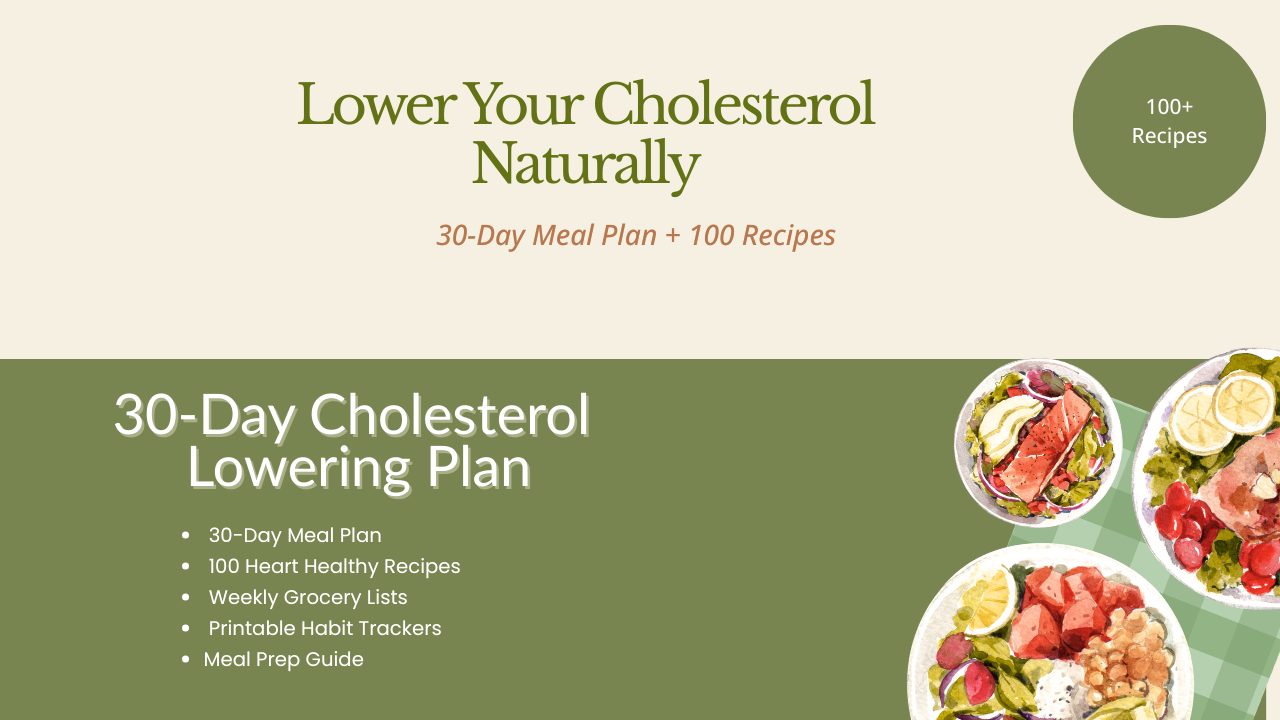
30-Day Cholesterol-Lowering Meal Plan
A simple step-by-step system to help you eat heart-healthy every day without stress.
Over 1,000 people downloaded this guide
$29$9
Get Instant Access


