
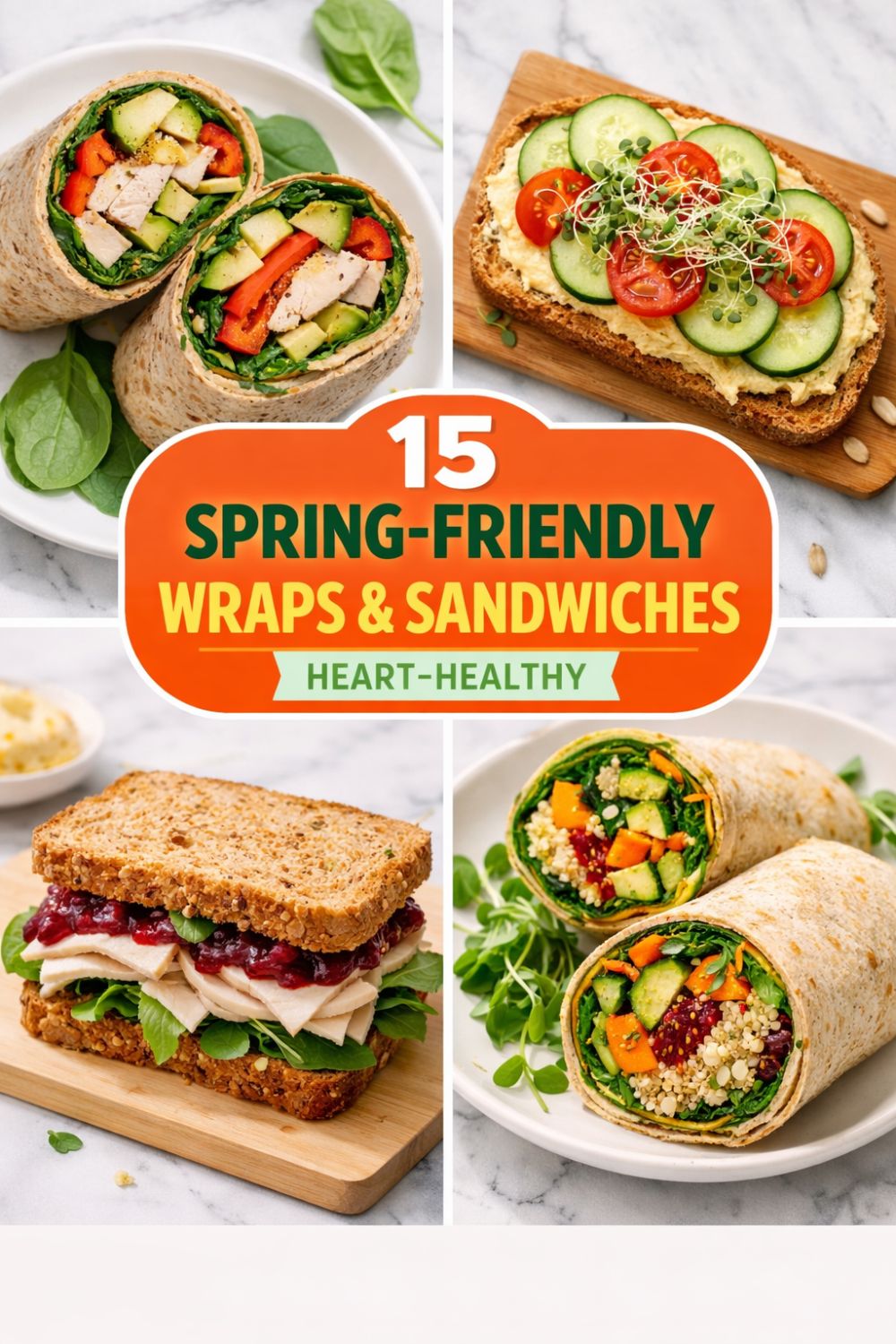
15 Spring-Friendly Heart-Healthy Wraps and Sandwiches
Spring hits different when you’re trying to eat better. The weather’s warming up, you’re feeling motivated, and suddenly that heavy lunch routine feels wrong. But here’s the thing—heart-healthy eating doesn’t mean nibbling on sad desk salads or choking down flavorless wraps that taste like disappointment wrapped in cardboard.
I’ve spent the last few months testing wraps and sandwiches that actually taste good while keeping your cholesterol in check. No boring turkey on wheat here. We’re talking bright, fresh combinations that feel right for spring—think crisp veggies, bold spreads, and proteins that don’t leave you in a food coma by 2 PM.
Whether you’re meal-prepping for the week or just tired of the same lunch rotation, these 15 options will sort you out. They’re designed for real life: quick assembly, ingredients you can actually find, and flavors that make you look forward to lunch instead of dreading it.
Why Spring Changes the Game for Heart-Healthy Eating
Spring produce hits different. You’re getting fresher vegetables at better prices, which means your wraps can actually be loaded with good stuff without breaking the bank. Asparagus, peas, radishes, and tender greens are all showing up, and they’re perfect for sandwiches that feel light but keep you full.
The American Heart Association recommends filling half your plate with vegetables and choosing whole grains—advice that’s way easier to follow when spring farmers markets are actually tempting. Plus, when you’re not freezing, cold lunches sound more appealing than they did in January.
The Foundation: What Makes These Wraps Heart-Healthy
Let’s cut through the noise. A wrap isn’t automatically healthy just because it’s not fried. What matters is what’s inside and what you’re spreading on it.
According to Mayo Clinic nutritionists, the key is avoiding processed meats packed with sodium and preservatives while loading up on fiber-rich whole grains and vegetables. The fiber helps lower your LDL cholesterol—the bad kind—while keeping you satisfied longer.
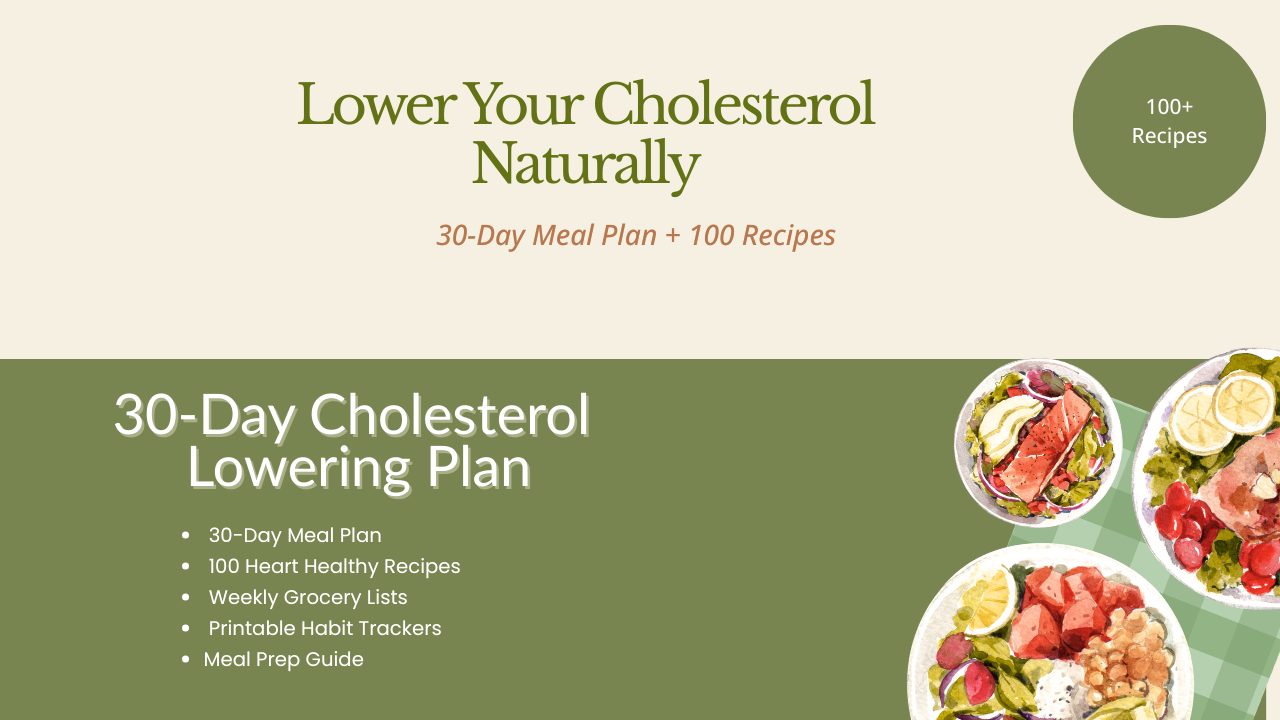
30-Day Cholesterol Reset System
A simple done-for-you plan to help you eat heart-healthy every day without confusion.
Over 1,000 people downloaded this guide
✔ 100 Easy Recipes
✔ Grocery Lists + Meal Prep Guide
🎁 FREE BONUSES:
✔ 7-Day Quick Start Plan
✔ Printable Grocery List
$29 $9
Get Instant AccessThe Non-Negotiables
- Whole grain base: Look for tortillas or bread that list “whole wheat” or “whole grain” as the first ingredient. Not “wheat flour”—that’s just white flour in disguise.
- Lean protein: Grilled chicken, turkey, fish, or plant-based options. Skip the deli meat if you can—it’s loaded with sodium and nitrates.
- Healthy fats: Avocado, hummus, or a light spread of olive oil-based spread. These help your body absorb nutrients and keep you full.
- Vegetables: As many as you can cram in there. They add volume without calories and provide the fiber your heart needs.
The Cleveland Clinic points out something interesting about wraps versus sandwiches: despite looking healthier, most wraps contain refined grains and minimal actual vegetables. The solution? Make your own so you control what goes in.
15 Spring Wraps and Sandwiches That Actually Deliver
1. Mediterranean Chickpea Wrap
Mashed chickpeas mixed with lemon juice, garlic, and a touch of olive oil create a creamy base that’s way better than mayo. Add cucumber, tomatoes, red onion, and a handful of spinach. The chickpeas give you plant-based protein and fiber, both of which are great for cholesterol management.
I like to use a good quality whole wheat tortilla for this one—the texture matters when you’re not masking everything with heavy condiments. Toast it lightly before assembling for extra points.
If you’re looking for more plant-based options, check out these low-cholesterol vegetarian meals or these delicious low-cholesterol meals that prove healthy eating doesn’t mean sacrificing flavor.
2. Grilled Chicken and Avocado on Whole Grain
Simple but effective. The avocado replaces mayo while adding monounsaturated fats that can actually help lower bad cholesterol. Throw in some arugula, tomato, and a squeeze of lemon. Done.
For the chicken, I use this meat thermometer to make sure it’s cooked through but not dry. Game changer if you’re meal-prepping multiple chicken breasts at once.
3. Spring Pea and Mint Hummus Wrap
Blend fresh or frozen peas with mint, lemon, and a touch of tahini. Spread this on your wrap and top with shredded carrots, radishes, and mixed greens. The mint makes it taste ridiculously fresh, and peas are surprisingly high in protein and fiber.
4. Tuna Salad Done Right
Instead of drowning canned tuna in mayo, mix it with Greek yogurt, diced celery, red onion, and capers. The Greek yogurt gives you the creamy texture with added protein and way less saturated fat. Serve on toasted whole grain bread with butter lettuce and tomato.
If you’re dealing with canned tuna regularly, this can opener that actually works smoothly is worth the upgrade. The cheap ones make you work way harder than necessary.
5. Roasted Veggie and Goat Cheese Wrap
Roast bell peppers, zucchini, and red onion with a drizzle of olive oil. Let them cool, then wrap them up with a small amount of goat cheese and fresh basil. The vegetables bulk up the wrap while the goat cheese adds just enough richness without overdoing the saturated fat.
6. Turkey and Cranberry with a Twist
Use freshly roasted turkey breast (not deli meat) with whole berry cranberry sauce, arugula, and thin apple slices. The apple adds crunch and natural sweetness while the arugula gives it a peppery bite. Way more interesting than the sad Thanksgiving leftover version.
Looking for more quick lunch ideas? These quick low-cholesterol lunches under 10 minutes might be exactly what you need for those crazy-busy days.
7. Smashed White Bean and Herb Sandwich
Mash white beans with fresh herbs (basil, parsley, thyme), lemon zest, and a bit of olive oil. Spread on whole grain bread and top with sliced cucumber, tomato, and microgreens. The beans give you that satisfying, substantial feeling without any meat.
I keep a fork masher specifically for this—sounds extra, but it works way better than a regular fork when you’re mashing beans or avocados.
8. Asian-Inspired Tofu Lettuce Wraps
Sauté crumbled extra-firm tofu with garlic, ginger, and low-sodium soy sauce. Let it cool slightly, then wrap in butter lettuce leaves with shredded carrots, cucumber matchsticks, and cilantro. Drizzle with a bit of rice vinegar. Super light but surprisingly filling.
9. Salmon Salad on Rye
Canned salmon (way cheaper than tuna and higher in omega-3s) mixed with Greek yogurt, dill, capers, and lemon juice. Spread on rye bread with sliced cucumber and red onion. The omega-3s in salmon are specifically good for heart health—bonus points for the convenience factor of canned.
Speaking of heart-healthy proteins, these low-cholesterol chicken recipes and heart-healthy meals under 400 calories prove you can eat well without spending all day in the kitchen.
10. Egg Salad with Avocado
Chop hard-boiled eggs and mix with mashed avocado instead of mayo. Add mustard, a pinch of paprika, and fresh dill. The avocado gives you healthy fats while cutting the cholesterol load from the eggs. Serve on whole grain bread with lots of lettuce.
11. Grilled Eggplant and Red Pepper Wrap
Grill thick eggplant slices until they’re tender and slightly charred. Layer them in a whole wheat tortilla with roasted red peppers, fresh basil, and a thin spread of sun-dried tomato hummus. The eggplant is surprisingly meaty and satisfying.
For grilling eggplant evenly, I use this grill pan on the stovetop. Works year-round and doesn’t require an actual grill.
12. Curried Chicken Salad Wrap
Shred cooked chicken breast and mix with Greek yogurt, curry powder, diced apple, golden raisins, and sliced almonds. The curry gives it depth without being spicy, and the apple-raisin combo adds sweetness and texture. Way more interesting than regular chicken salad.
13. BLT with a Healthy Makeover
Turkey bacon (way less saturated fat than regular bacon), lots of lettuce, thick tomato slices, and mashed avocado on toasted whole grain bread. The avocado replaces the traditional mayo while adding fiber and healthy fats. Still tastes like the real deal.
Cook the turkey bacon on parchment paper in the oven at 400°F. Comes out crispy without smoking up your kitchen or dealing with grease splatter.
14. Black Bean and Corn Wrap
Mix black beans, corn, diced red bell pepper, cilantro, lime juice, and a bit of cumin. Wrap it all up with romaine lettuce and a small amount of shredded pepper jack cheese. The combination is filling as hell and the beans provide both protein and fiber.
For more satisfying meal ideas, check out these low-cholesterol lunches that actually keep you full. Nobody wants to be hungry an hour after eating.
15. Spring Herb Chicken Sandwich
Marinate chicken breast in lemon juice, olive oil, garlic, and fresh herbs (parsley, basil, dill). Grill it up and serve on whole grain bread with arugula, sliced radish, and a thin spread of herb goat cheese. The radish adds a peppery crunch that makes the whole thing pop.
I marinate everything in these reusable silicone bags. Way better than plastic bags and they don’t leak in your fridge.
Kitchen Tools That Actually Make This Easier
Look, you don’t need a fancy kitchen to make these wraps. But a few smart tools can turn lunch-making from a chore into something that takes 5 minutes. Here’s what genuinely helps:
Physical Products
Quality chef’s knife — Stop fighting with tomatoes. A sharp knife makes prep 10x faster and way less frustrating.
Glass meal prep containers — For storing prepped vegetables and assembled wraps. They don’t stain or hold smells like plastic does.
Mandoline slicer — For perfect, thin vegetable slices. Makes radishes, cucumbers, and carrots actually look appetizing instead of chunky.
Digital Resources
Meal Planning App — Something simple that lets you rotate these 15 recipes without thinking too hard about what’s for lunch.
Grocery List Template — Pre-populate it with wrap staples so you’re not constantly running out of basics like whole wheat tortillas or hummus.
Batch Cooking Guide — Instructions for prepping proteins and veggies in advance. Game-changer for people who hate daily cooking.
The Real Talk on Making This Work
Here’s what nobody tells you about eating heart-healthy: the hardest part isn’t the food itself, it’s the habit change. These wraps and sandwiches taste good, but you still need a system to make them happen consistently.
Batch Prep or Daily Fresh?
IMO, a hybrid approach works best. Prep your proteins and chop your vegetables on Sunday. Then assemble fresh each morning or the night before. Assembled wraps can get soggy if they sit too long, but prepped components stay fresh for 4-5 days.
The exception: wraps with sturdy vegetables (like the roasted veggie wrap) can be assembled the night before if you keep wet ingredients (like hummus or yogurt-based spreads) in a small container on the side.
The Sodium Problem
Even “healthy” store-bought wraps and breads can pack a surprising sodium punch. Read labels. You want less than 200mg of sodium per serving for bread and ideally under 300mg for tortillas. It adds up fast when you’re also adding other ingredients.
This is one of those things that shocked me when I started paying attention. A seemingly innocent whole wheat wrap can have as much sodium as a bag of chips. Not ideal when you’re trying to keep your blood pressure in check.
For more ideas on managing a heart-healthy diet long-term, these meal prep ideas for the week and everyday low-cholesterol recipes offer solid frameworks you can actually stick with.
When You’re Eating Out
Most sandwich shops will accommodate special requests. Ask for no mayo, extra vegetables, and whole grain bread when available. Skip the chips and get fruit or a side salad instead. The “meal deal” isn’t a deal if it includes stuff that’s going to make you feel like garbage later.
And FYI, those spinach wraps at Subway? They contain about as much spinach as you’d find in a single leaf. Don’t fall for the health halo—it’s still mostly refined grains. You’re better off with whole wheat bread loaded with actual vegetables.
Ingredient Swaps That Don’t Suck
Life happens. Sometimes you can’t find fresh basil or you’re out of Greek yogurt. Here’s what actually works as a substitute without ruining the whole thing:
- Greek yogurt → Mashed avocado: Both work as creamy bases. Avocado adds healthy fats; yogurt adds protein. Pick based on what you need more of.
- Fresh herbs → Dried herbs: Use about 1/3 the amount. Dried herbs are more concentrated and can taste medicinal if you overdo it.
- Whole wheat tortilla → Lettuce wraps: Obviously different texture, but works when you want to cut carbs or use up vegetables before they go bad.
- Chicken → Turkey or tofu: Pretty interchangeable in most of these recipes. Season appropriately and you’re fine.
- Regular bread → Sprouted grain bread: Slightly different texture but arguably better for you. Easier to digest and often less processed.
The one swap I don’t recommend: replacing all vegetables with just lettuce and tomato. That’s how you end up back at boring sandwiches. The variety of vegetables is what makes these interesting and nutritious.
Common Mistakes (That I Definitely Made)
Let me save you some trial and error. These are the things that turned my first attempts at heart-healthy wraps into disappointing messes:
Overstuffing
Your wrap does not need to be the size of a burrito. An overstuffed wrap is impossible to eat without everything falling out, and you end up eating most of it with a fork anyway. Less is more. You can always have a side of fruit or vegetables if you’re still hungry.
Skipping Seasoning
Low sodium doesn’t mean no flavor. Use herbs, spices, lemon juice, garlic, and vinegar generously. The biggest complaint about healthy food is that it’s bland, which is only true if you don’t season it properly. Black pepper, smoked paprika, cumin, dried oregano—these cost nothing and transform everything.
Using Wet Vegetables
If you’re prepping cucumbers or tomatoes, pat them dry with paper towels before adding them to your wrap. Wet vegetables = soggy wrap by lunch time. Same goes for lettuce—wash it, then use a salad spinner or at least shake it out really well.
Ignoring Texture
Every good wrap needs something crunchy. Whether it’s radishes, cucumber, bell pepper, or toasted nuts, that textural contrast makes a huge difference in how satisfying the wrap feels to eat. All-soft ingredients get boring fast.
Questions You’re Probably Wondering About
Can I meal prep these wraps for the whole week?
Yes, but with strategy. Prep all your components (cooked proteins, chopped vegetables, spreads) and store them separately. Assemble wraps the night before or morning of for best results. Some heartier options like the roasted veggie wrap can handle 2-3 days assembled if you keep wet ingredients separate until eating.
Are whole wheat wraps really better than regular ones?
Absolutely. Whole grain wraps contain more fiber, which helps lower cholesterol and keeps you full longer. Regular flour tortillas are refined grains that spike your blood sugar and don’t provide the same heart-health benefits. Check the label and make sure “whole wheat” or “whole grain” is the first ingredient, not just “wheat flour.”
What if I don’t like avocado as a mayo substitute?
Try Greek yogurt, hummus, or mashed white beans instead. All three give you that creamy texture without the saturated fat of regular mayo. You can also try mixing a tiny bit of olive oil-based mayo with Greek yogurt to transition gradually if you’re not ready to give up mayo completely.
How do I keep my wraps from getting soggy?
Layer strategically. Put your spread (hummus, avocado, etc.) in the middle, then surround it with dry ingredients like lettuce before adding wet ingredients like tomatoes. This creates a barrier. Also, always pat vegetables dry with paper towels before adding them to your wrap.
Are these wraps actually filling enough for an active person?
They can be if you build them right. Include a good protein source (chicken, beans, tofu, fish), healthy fats (avocado, nuts, seeds), and fiber from whole grains and vegetables. If you’re still hungry, add a side of fruit, raw vegetables with hummus, or a handful of nuts rather than doubling the wrap size.
Making It Stick
Look, I’m not going to pretend these 15 wraps are going to revolutionize your life. They’re just food. But they’re solid, tasty food that happens to be good for your heart—and that matters when you’re trying to eat better without feeling like you’re on some restrictive diet.
The real win is finding 5-6 options from this list that you genuinely like, then rotating through them. You don’t need variety every single day. You need a reliable system that doesn’t require a ton of mental energy to execute. Pick your favorites, get the hang of making them, then expand from there if you feel like it.
Spring’s the perfect time to reset your lunch routine anyway. The weather’s nicer, fresh produce is abundant, and you’re probably already thinking about getting healthier. These wraps give you an actual plan instead of just good intentions. Start with one or two this week and see how it goes. Your arteries will thank you, and you’ll actually look forward to lunch instead of defaulting to whatever’s convenient.
30-Day Cholesterol-Lowering Meal Plan
A simple step-by-step system to help you eat heart-healthy every day without stress.
Over 1,000 people downloaded this guide
$29$9
Get Instant Access