

20 Fresh Spring Lunch Bowls That Are Low in Cholesterol
The good news? It doesn’t have to be that way. Spring lunch bowls can be fresh, vibrant, and legitimately satisfying without loading up on saturated fats or cholesterol-heavy ingredients. We’re talking about bowls that make you actually look forward to lunch, not dread it.
I’ve spent way too much time experimenting with ingredient combos that work—the kind that give you energy without the afternoon crash, keep you full without feeling heavy, and most importantly, support your heart health. These aren’t your typical “diet food” bowls that leave you hungry an hour later. They’re real meals with real flavor.

Why Low-Cholesterol Lunch Bowls Matter More Than You Think
Let’s get real for a second. High cholesterol isn’t just some abstract number your doctor throws at you during annual checkups. According to Mayo Clinic, lifestyle changes—including what you eat for lunch every single day—can significantly impact your cholesterol levels and overall heart health.
The thing is, most people think “low cholesterol” automatically means bland, boring, and unsatisfying. But that couldn’t be further from the truth. When you focus on whole foods, healthy fats, and fiber-rich ingredients, you’re not just avoiding the bad stuff—you’re actively adding nutrients that support heart health.
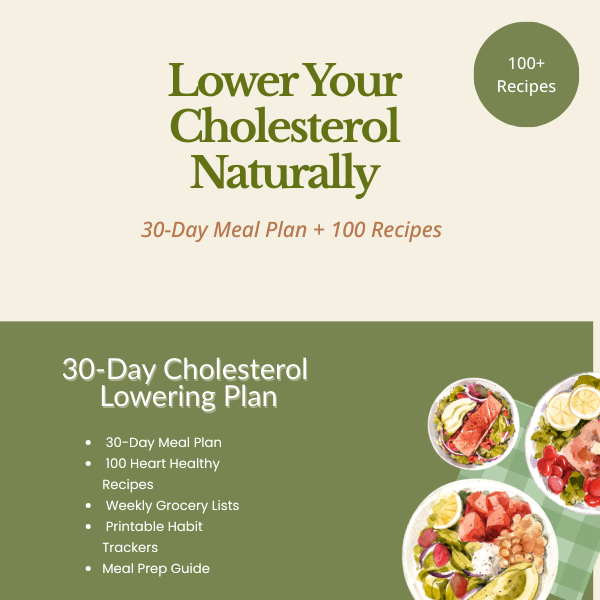
30-Day Cholesterol Reset System
A simple done-for-you plan to help you eat heart-healthy every day without confusion.
Over 1,000 people downloaded this guide
✔ 100 Easy Recipes
✔ Grocery Lists + Meal Prep Guide
🎁 FREE BONUSES:
✔ 7-Day Quick Start Plan
✔ Printable Grocery List
$29 $9
Get Instant AccessSoluble fiber, for instance, is like a little cholesterol-fighting superhero. It helps block cholesterol absorption in your bloodstream, which means every bowl packed with oats, beans, or veggies is doing double duty—feeding you AND protecting your heart. And honestly, once you know which ingredients to reach for, building these bowls becomes second nature.
The Building Blocks of a Perfect Low-Cholesterol Lunch Bowl
Here’s what I’ve learned after making probably a thousand variations of these bowls: you need five key components to make them work. Skip any of these, and you’re either going to be hungry in an hour or bored after day two.
Start With a Fiber-Rich Base
Your base is everything. Quinoa, brown rice, farro, or even cauliflower rice if you’re going lower-carb—these are your foundation. They fill you up without the cholesterol concerns of heavier grains or refined carbs.
I usually cook mine in vegetable broth instead of water. It’s a small change but adds so much more flavor. Plus, you can batch-cook these at the start of the week. Get Full Recipe for meal prep strategies that actually work.
Load Up on Colorful Vegetables
This is where spring really shines. Asparagus, snap peas, radishes, baby tomatoes, bell peppers—the more colors you pile in, the better. Not only do they look gorgeous (let’s be honest, we eat with our eyes first), but they’re also loaded with vitamins, minerals, and antioxidants that support heart health.
I’m a big fan of roasting vegetables in my convection toaster oven—it’s faster than heating up the full oven and gives you that perfect caramelized edge. A drizzle of olive oil, some garlic powder, and twenty minutes at 400°F, and you’ve got vegetables that actually taste like something.
Add Lean Protein (Without the Cholesterol Spike)
Protein is non-negotiable if you want to stay full. But you’ve got to be smart about it. Grilled chicken breast, baked salmon, chickpeas, lentils, or even a hard-boiled egg (yes, eggs are back on the menu—the yolk contains dietary cholesterol but doesn’t dramatically raise blood cholesterol for most people).
If you’re going plant-based, chickpeas are your best friend. I toss them in smoked paprika and cumin, then roast them until crispy. They add crunch and protein without any of the saturated fat concerns.
For those leaning more into vegetarian options, these low-cholesterol vegetarian meals might give you some fresh ideas beyond the usual suspects.
Include Healthy Fats
Not all fats are created equal, and this is where a lot of people get confused. Avocado, nuts, seeds, and olive oil—these are the good guys. They contain monounsaturated and polyunsaturated fats that can actually help lower your LDL (bad) cholesterol while maintaining HDL (good) cholesterol.
A quarter of an avocado adds creaminess without overdoing it. A sprinkle of pumpkin seeds or sliced almonds gives you that satisfying crunch. And a light drizzle of extra virgin olive oil ties everything together. Just don’t go overboard—healthy fats are still calorie-dense.
Finish With a Flavor-Packed Dressing
This is where most store-bought dressings fail you. They’re either loaded with added sugars or packed with inflammatory oils. Making your own takes literally two minutes and tastes infinitely better.
My go-to is lemon juice, olive oil, Dijon mustard, a tiny bit of maple syrup, and salt and pepper. I mix it in a small mason jar, shake it up, and it keeps in the fridge for a week. You can also get creative with tahini-based dressings, balsamic reductions, or herb-packed vinaigrettes.
Kitchen Tools That Make Bowl Prep Actually Easy
These changed my lunch game. They’re microwave-safe, don’t stain, and you can see exactly what’s inside without opening them. The divided sections keep dressings separate so nothing gets soggy.
If you’re cooking chicken or salmon, this is essential. No more guessing if your protein is done—just check the temp and move on with your life.
Sometimes you want a lighter base than grains. This little gadget turns zucchini, sweet potato, or carrots into noodles in seconds. Way easier than trying to use a knife.
This isn’t just another recipe list. It’s a complete system for planning, prepping, and actually sticking to healthy eating without losing your mind. Includes shopping lists and time-saving hacks.
Over 50 flavor combinations specifically designed for cholesterol management. Each one breaks down the nutritional benefits and prep time so you know exactly what you’re getting.
Twenty homemade dressing recipes that take under five minutes. No more relying on store-bought bottles with mystery ingredients. Just real food, real flavor.
Twenty Spring Bowl Combinations That Actually Work
Alright, let’s get to the good stuff. These are the exact combinations I rotate through. Each one takes about 15 minutes if you’ve done your prep work, and none of them feel like “diet food.”
Mediterranean Quinoa Bowl
Quinoa base, roasted red peppers, cucumber, cherry tomatoes, Kalamata olives (go easy—they’re salty), grilled chicken, and a lemon-herb dressing. This one feels like you’re eating at a Greek restaurant, not meal prepping for heart health.
The key here is the olives and olive oil—both rich in monounsaturated fats that support cardiovascular health. Just watch your portions because sodium can sneak up on you.
Asian-Inspired Edamame Bowl
Brown rice, steamed edamame, shredded carrots, red cabbage, snap peas, and baked tofu with a ginger-sesame dressing (made with tahini instead of heavy sesame oil). This bowl has serious crunch factor.
Edamame is an underrated protein source—it’s plant-based, cholesterol-free, and loaded with fiber. Plus it’s cheap, which is always a win.
Spring Harvest Bowl
Farro, roasted asparagus, radishes, hard-boiled egg, arugula, and a light lemon-Dijon vinaigrette. Simple, fresh, and perfect when asparagus is in season and actually affordable.
Farro has this great chewy texture that holds up way better than some other grains. I cook mine in a rice cooker so I don’t have to babysit a pot on the stove.
Southwest Chickpea Bowl
Cauliflower rice, black beans, roasted corn, diced tomatoes, avocado, cilantro, and lime-cumin dressing. This one has major Chipotle vibes but without the cholesterol hit from sour cream and cheese.
The chickpeas get tossed with chili powder and roasted until crispy. They’re so good you’ll want to snack on them straight off the pan. If you’re looking for more bean-based inspiration, check out these low-cholesterol soups and stews that use similar ingredients.
Green Goddess Power Bowl
Mixed greens, quinoa, cucumber, green beans, peas, avocado, pumpkin seeds, and a creamy avocado-lime dressing. It’s green, it’s fresh, and it somehow manages to be filling without feeling heavy.
The avocado dressing is just avocado, lime juice, cilantro, and a splash of water blended until smooth. No oil needed because the avocado already provides healthy fats.
Roasted Veggie and Lentil Bowl
Brown rice, roasted Brussels sprouts, sweet potato, red onion, cooked lentils, and balsamic glaze. This one feels more fall-ish but works great in early spring when you still want something substantial.
Brussels sprouts get a bad rap, but when you roast them properly—cut in half, high heat, don’t overcrowd the pan—they’re legitimately delicious. And lentils? Cheap, filling, and packed with soluble fiber that helps manage cholesterol levels.
Citrus Salmon Bowl
Wild rice, baked salmon (brushed with orange juice and honey), steamed broccoli, shredded cabbage, edamame, and a citrus-ginger dressing. The omega-3s from salmon are fantastic for heart health, and the bright citrus flavors make it feel special.
I use my fish spatula to flip salmon without it falling apart—game changer if you struggle with delicate fish. You might also like these other protein-packed low-cholesterol recipes if salmon isn’t your thing.
Greek-Style Chickpea Bowl
Freekeh (or bulgur), chickpeas, diced cucumber, tomatoes, red onion, parsley, and a lemon-oregano dressing. It’s basically a deconstructed Greek salad but way more filling.
Freekeh is one of those grains people overlook, but it’s got a smoky flavor and tons of fiber. Soluble fiber from whole grains can reduce cholesterol absorption in your bloodstream, which is exactly what we’re going for here.
Spring Pea and Mint Bowl
Couscous (whole wheat), fresh or frozen peas, mint, lemon zest, feta (just a tiny crumble), and grilled shrimp or chicken. This one is so fresh it practically screams springtime.
The mint-lemon combo is surprisingly powerful. It wakes up your taste buds in a way that heavy dressings just can’t match. Keep the feta minimal—cheese can add saturated fat quickly, so treat it like a garnish, not a main ingredient.
Rainbow Veggie Bowl
Quinoa, roasted bell peppers (all the colors), zucchini, yellow squash, cherry tomatoes, white beans, and basil-lemon dressing. This bowl is visually stunning and nutritionally stacked.
The variety of vegetables means you’re getting a wide range of antioxidants and phytonutrients. Plus, it’s one of those bowls that photographs well, which matters if you’re trying to stay motivated with meal prep.
Need more variety in your weekly rotation? These low-cholesterol meals cover breakfast, lunch, and dinner options that complement these bowl recipes perfectly.
Thai-Inspired Peanut Bowl
Brown rice noodles, shredded red cabbage, carrots, bell peppers, edamame, cilantro, and a light peanut-lime dressing (made with natural peanut butter and lime juice). The peanut flavor is there without drowning everything in heavy sauce.
Natural peanut butter—just peanuts and salt—is what you want here. The versions with added oils and sugar defeat the purpose of keeping things heart-healthy. I keep a jar of organic natural peanut butter specifically for dressings.
Beet and Arugula Bowl
Farro, roasted beets, arugula, goat cheese (minimal), walnuts, and balsamic reduction. Beets are underrated—they’re sweet, earthy, and packed with nutrients that support cardiovascular function.
Roast your beets wrapped in foil so cleanup is easy. Peel them after they’re cool (the skin slides right off), and you’ve got this gorgeous, jewel-toned ingredient that makes every bowl feel fancy.
Tex-Mex Cauliflower Rice Bowl
Cauliflower rice, black beans, grilled chicken, salsa, jalapeños, cilantro, lime wedge, and a dollop of Greek yogurt instead of sour cream. Lower-calorie, lower-carb, but still hitting all those Tex-Mex flavor notes.
Cauliflower rice cooks in minutes and soaks up flavors like crazy. Season it properly—cumin, garlic powder, a pinch of salt—and it’s way better than the bland version most people make.
Italian White Bean Bowl
Whole wheat pasta (small shapes like orzo), white beans, sun-dried tomatoes (the kind packed in olive oil, drained), spinach, basil, and lemon-garlic dressing. It’s like a pasta salad that won’t wreck your cholesterol numbers.
White beans are so versatile. They’re creamy, mild, and loaded with soluble fiber. Plus they’re dirt cheap, which makes them perfect for meal prep on a budget.
Mango Shrimp Bowl
Jasmine rice (or brown rice if you want more fiber), grilled shrimp, fresh mango, red bell pepper, cilantro, and a lime-chili dressing. Sweet, spicy, and surprisingly light.
Fresh mango brings natural sweetness without added sugar. It pairs perfectly with the slightly spicy dressing and makes the whole bowl feel tropical and interesting. If you want more seafood options, these low-cholesterol dinners have some great fish and shrimp recipes.
Spring Herb and Grain Bowl
Mixed grains (I use a store-bought blend of quinoa, wild rice, and barley), fresh herbs (parsley, dill, chives), cucumber, cherry tomatoes, chickpeas, and a yogurt-herb dressing. Simple ingredients, big flavor.
The herbs are what make this bowl special. Don’t skip them. Fresh herbs add brightness and complexity that dried herbs just can’t match. I buy them in bulk, chop them all at once, and store them in a herb keeper container so they last the whole week.
Sesame Ginger Tofu Bowl
Soba noodles, marinated baked tofu, bok choy, mushrooms, green onions, sesame seeds, and ginger-soy dressing. This one feels restaurant-quality but comes together at home in about twenty minutes.
Press your tofu first to get rid of excess moisture—it makes all the difference in texture. I use a tofu press because it’s hands-off, but you can also just wrap it in paper towels and put something heavy on top.
Moroccan-Spiced Bowl
Couscous, roasted carrots, chickpeas, raisins, almonds, spinach, and a cumin-paprika dressing. The raisins add little bursts of sweetness that balance out the warm spices.
Moroccan flavors work surprisingly well in a lunch bowl format. The spices—cumin, paprika, cinnamon—give you warmth and depth without needing heavy sauces or fatty ingredients.
Spring Green Smoothie Bowl
Okay, this one’s a bit different—it’s half smoothie, half bowl. Blended spinach, banana, avocado, and almond milk as the base, topped with granola, fresh berries, chia seeds, and a drizzle of raw honey. It’s more breakfast-y, but it works for a light lunch.
The avocado makes it creamy without needing yogurt or other dairy. And the chia seeds add omega-3s and fiber for heart health. For more smoothie-based ideas, check out these low-cholesterol smoothies and juices.
Lemon Herb Chicken Bowl
Wild rice, grilled lemon-herb chicken breast, steamed green beans, cherry tomatoes, artichoke hearts, and a light lemon vinaigrette. Clean, simple, and endlessly satisfying.
This is my go-to when I don’t want to overthink things. The lemon-herb chicken works with basically any vegetable combination, and wild rice gives you that nutty, hearty texture that keeps you full.
Buddha Bowl with Tahini Drizzle
Brown rice, roasted sweet potato, chickpeas, kale, red cabbage, avocado, and tahini-lemon dressing. It’s the classic Buddha bowl but optimized for cholesterol management.
Tahini is made from sesame seeds, so it’s packed with healthy fats and adds a creamy, nutty flavor to the dressing. Just thin it out with lemon juice and water until it reaches a drizzle-able consistency.
Looking for ways to make these bowls work in your weekly routine? These quick low-cholesterol lunches offer even more time-saving strategies when you’re pressed for time.
Common Mistakes People Make With Low-Cholesterol Bowls
I’ve seen these errors repeatedly, and honestly, I’ve made most of them myself. Here’s what to watch out for.
Over-Relying on Dressing
If your bowl needs a half-cup of dressing to taste good, something’s wrong with the base ingredients. Build flavor into the bowl itself—roasted vegetables, marinated proteins, fresh herbs—so the dressing just enhances things instead of carrying the entire meal.
Skipping Healthy Fats
Some people go so hard on the “low cholesterol” thing that they eliminate all fats, which is a mistake. Your body needs healthy fats to absorb certain vitamins, and they keep you satisfied longer. A quarter of an avocado or a tablespoon of nuts isn’t going to hurt you.
Not Prepping Enough Protein
If you run out of cooked chicken or beans by Wednesday, you’re going to default to something less healthy. Cook more protein than you think you need. It reheats well and saves you when you’re too tired to cook.
Ignoring Texture
All soft ingredients make for a boring bowl. You need crunch—nuts, seeds, raw vegetables, crispy chickpeas. Texture keeps things interesting and makes you feel like you’re eating real food, not baby food.
Forgetting About Sodium
Even healthy ingredients can be high in sodium if you’re not paying attention. Canned beans, olives, pickled vegetables, store-bought dressings—they all add up. Rinse your canned beans, go easy on the pickled stuff, and make your own dressings when possible.
How to Keep These Bowls Interesting Long-Term
The biggest challenge with healthy eating isn’t starting—it’s sticking with it. Here’s how I keep things fresh (pun absolutely intended).
Rotate Your Bases
Don’t eat quinoa every single day. Switch between quinoa, brown rice, farro, wild rice, cauliflower rice, and whole wheat pasta. Each one has a different texture and flavor profile, which keeps your taste buds engaged.
Change Up Your Dressings
I make a different dressing every week. One week it’s lemon-herb, the next it’s tahini-based, then ginger-sesame, then balsamic. Same base ingredients in your bowl can taste completely different with a new dressing.
Follow the Seasons
Spring is asparagus and peas. Summer is tomatoes and zucchini. Fall is Brussels sprouts and sweet potatoes. Winter is hearty greens and root vegetables. When you eat seasonally, produce tastes better and costs less. Plus it naturally forces variety into your diet.
Try One New Ingredient Each Week
Maybe it’s a grain you’ve never used, a vegetable you’ve always avoided, or a spice blend you’ve been curious about. Expanding your ingredient repertoire gradually means you’re constantly discovering new combinations without overwhelming yourself.
If you’re looking for more ways to keep your low-cholesterol eating interesting, these recipes you can rotate weekly provide structured variety that takes the guesswork out of meal planning.
The Real Talk About Eating for Heart Health
Here’s something nobody tells you when you start focusing on cholesterol management: it’s not about perfection. It’s about consistency and making better choices most of the time.
I’m not going to sit here and tell you that eating these bowls will magically fix everything. But what I will tell you is that food is one of the most powerful tools you have for managing your heart health. Research from the American Heart Association shows that fiber-rich diets can help reduce cholesterol levels and lower the risk of heart disease, largely due to their impact on how your body processes fats.
The bowls I’ve shared aren’t restrictive. They’re not about deprivation. They’re about finding a sustainable way to eat that supports your health without making you miserable. Because if you’re miserable, you’re not going to stick with it, and that defeats the entire purpose.
Some days you’ll nail it—perfectly prepped bowls, balanced nutrition, feeling great. Other days you’ll throw something together with whatever’s in the fridge and call it good enough. Both are fine. Progress over perfection, always.
Making It Work in Real Life
Let me be honest with you—I’m not someone who lives in a perfectly organized kitchen with unlimited time to meal prep. I have a full schedule, limited patience for complicated recipes, and a strong aversion to eating the same thing every day.
These bowls work for me because they’re flexible. If I’m out of quinoa, I use brown rice. If I didn’t get to the store for asparagus, frozen green beans work just fine. The formula stays the same—base, vegetables, protein, healthy fat, dressing—but the specific ingredients can shift based on what you have and what sounds good.
Also, these bowls are incredibly forgiving. Overcooked your chicken a bit? The dressing will help. Vegetables not as crispy as you wanted? Still delicious. This isn’t haute cuisine—it’s practical, everyday food that happens to be good for your heart.
For more ideas on making heart-healthy eating work in your actual, messy, real life, check out these lazy low-cholesterol meals for busy people. Sometimes you need the quick and dirty version, and that’s totally valid.
Frequently Asked Questions
Can I really lower my cholesterol just by eating lunch bowls?
Lunch bowls alone won’t magically fix high cholesterol, but they’re a significant part of an overall healthy diet. When you consistently choose fiber-rich whole grains, vegetables, lean proteins, and healthy fats instead of saturated fats and processed foods, you’re giving your body the tools it needs to manage cholesterol levels more effectively. Combine these meals with other healthy lifestyle choices for the best results.
How long do these prepped bowls last in the fridge?
Most components will stay fresh for 4-5 days when stored properly in airtight containers. Keep your dressing separate and add it right before eating to prevent sogginess. Cooked grains and roasted vegetables hold up really well, and proteins like chicken, tofu, or beans stay good throughout the week. Just use your judgment—if something smells off or looks questionable, toss it.
Are these bowls suitable for weight loss too?
Absolutely. These bowls are naturally portion-controlled when you build them properly, and they’re packed with fiber and protein that keep you full longer. The focus on whole foods and healthy fats means you’re eating nutrient-dense meals without excess calories. Just watch your portions on higher-calorie ingredients like nuts, seeds, and avocado—they’re healthy but calorie-dense.
What if I don’t like some of the ingredients?
That’s the beauty of these bowls—they’re completely customizable. Hate chickpeas? Use black beans or grilled chicken instead. Can’t stand quinoa? Brown rice or farro work just as well. The formula (grain + vegetables + protein + healthy fat + dressing) stays the same, but the specific ingredients are totally up to you and what you enjoy eating.
Do I need special equipment to make these?
Not really. A good cutting board, a sharp knife, a sheet pan for roasting, and basic storage containers are all you truly need. Nice-to-haves include a rice cooker for easier grain prep, a good salad spinner for cleaning greens, and a quality vegetable peeler, but you can make these bowls work with minimal kitchen tools. Start with what you have.
Final Thoughts
Spring is the perfect time to reset your eating habits and focus on fresh, vibrant meals that actually support your health. These lunch bowls aren’t complicated, they don’t require exotic ingredients, and they definitely don’t taste like you’re on a restrictive diet.
What they do require is a little bit of planning and a willingness to try new combinations. Once you get into the rhythm of building these bowls, it becomes second nature. You’ll know exactly what to grab at the grocery store, you’ll have your meal prep routine down, and you’ll actually look forward to lunch instead of dreading it.
Your cholesterol numbers don’t define you, but they are an indicator of your overall health. Taking control of what you eat—one bowl at a time—is a powerful way to take control of your well-being. You’ve got this.
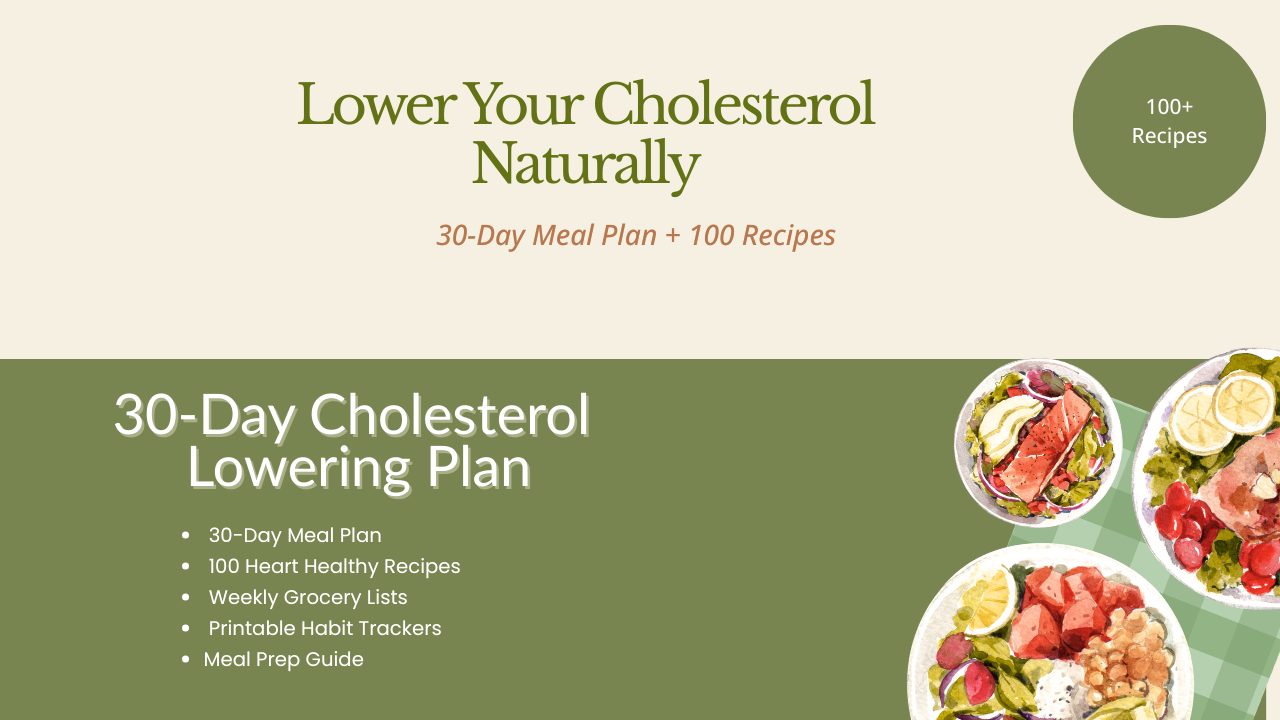
30-Day Cholesterol-Lowering Meal Plan
A simple step-by-step system to help you eat heart-healthy every day without stress.
Over 1,000 people downloaded this guide
$29$9
Get Instant Access


