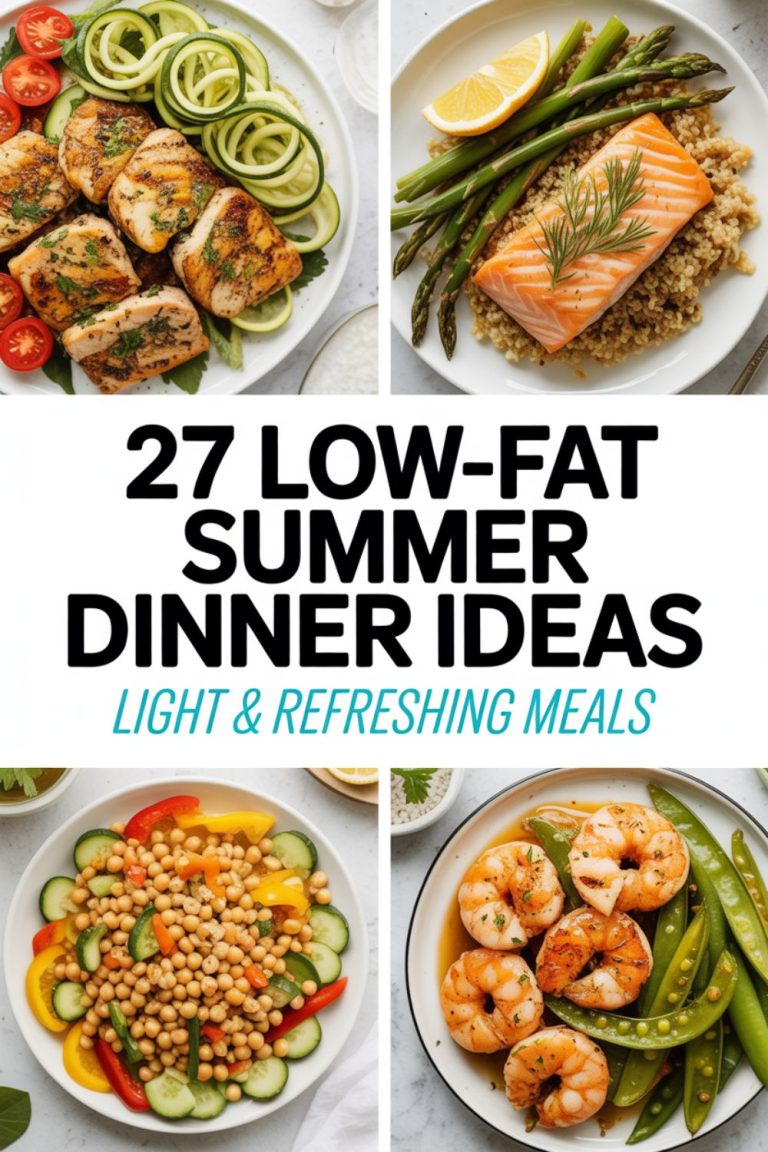

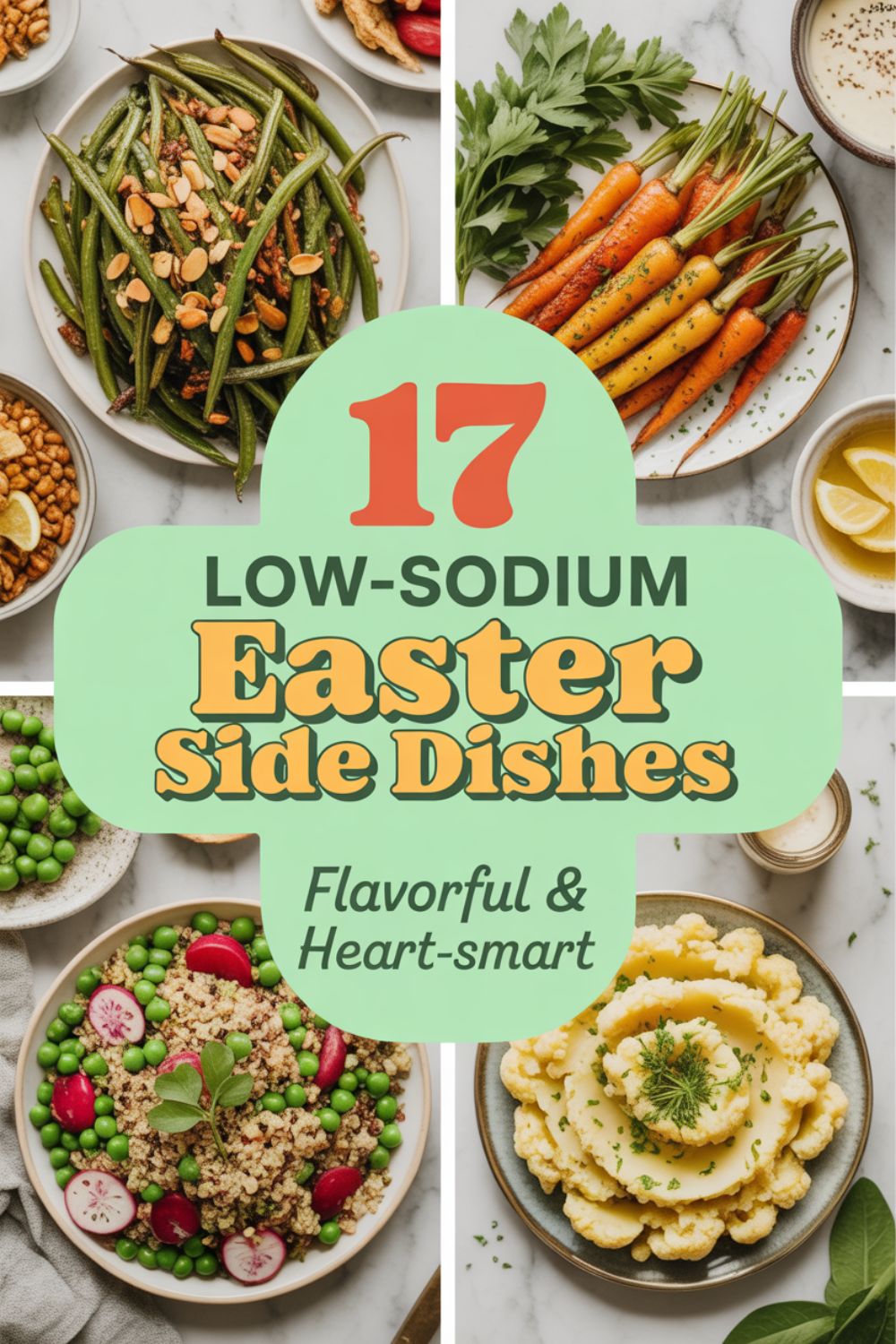
17 Low-Sodium Easter Side Dishes That Actually Taste Amazing
Because nobody at the Easter table should have to choose between flavor and feeling good the next morning.
Let’s be real for a second. Easter dinner has a sodium problem. Between the glazed ham (notoriously salty), the store-bought rolls, the canned green beans cooked in who-knows-what, and that inexplicably salty potato casserole your aunt brings every year — the average Easter plate could clock well over 3,000 milligrams of sodium before dessert even hits the table. That’s not a meal; that’s a blood pressure event.
But here’s the thing: low-sodium doesn’t have to mean low-flavor. Not even close. These 17 low-sodium Easter side dishes prove that with the right herbs, fresh produce, and a tiny bit of kitchen creativity, you can put a feast on the table that’s genuinely delicious — and won’t leave everyone reaching for water all night.
Whether you’re cooking for someone managing hypertension, following a heart-healthy eating plan, or just trying to be a little more mindful about what ends up on your family’s plates, this list has something for every kind of Easter spread. From spring-bright salads to roasted root vegetables to creamy (actually creamy) mashed dishes — we’ve got the full lineup.
Why Low-Sodium Easter Sides Are Worth the Effort
Easter is one of those holidays where the sides genuinely steal the show. The ham or lamb is the headliner, sure, but everyone remembers the roasted asparagus, the spring pea salad, the sweet potato gratin. Getting those sides right — flavorful, satisfying, and sodium-smart — is worth every bit of planning.
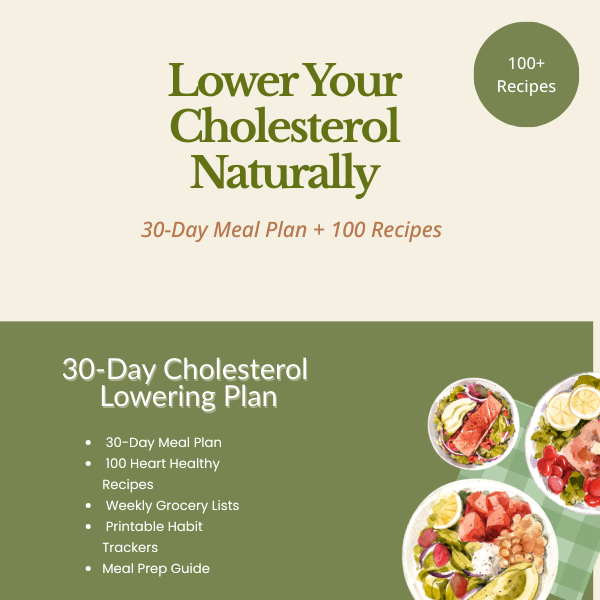
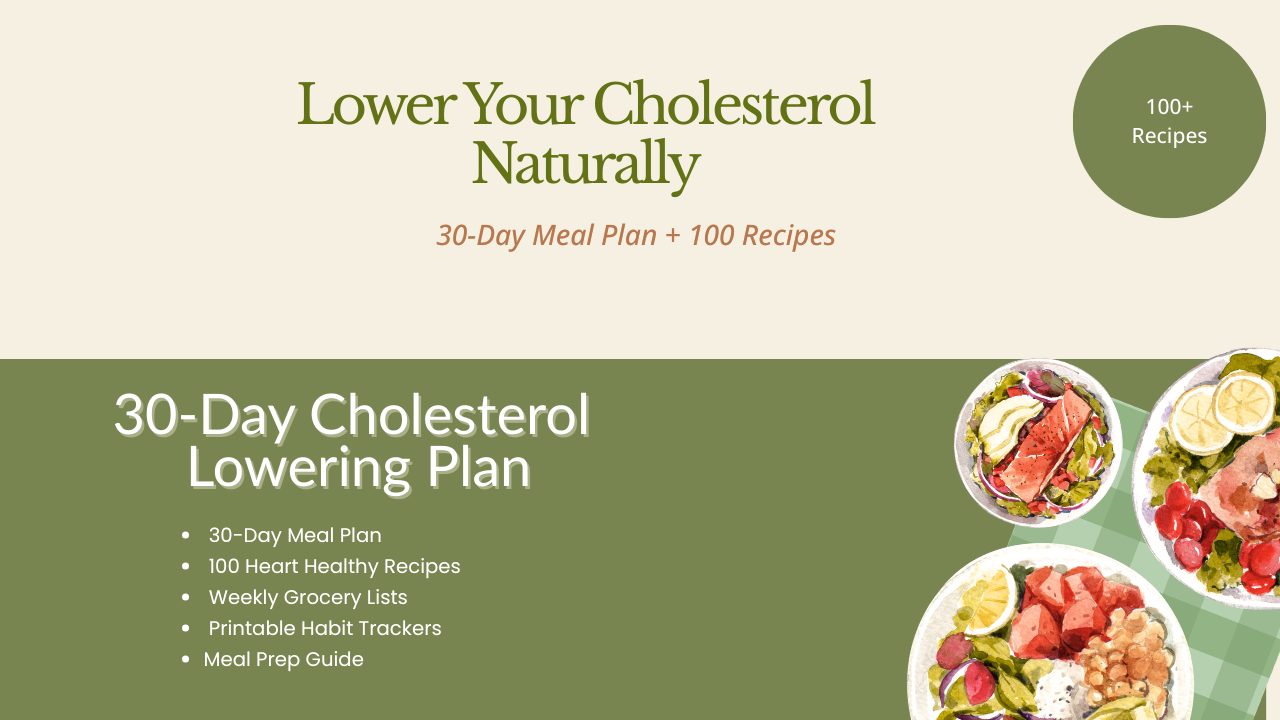
30-Day Cholesterol Reset System
A simple done-for-you plan to help you eat heart-healthy every day without confusion.
Over 1,000 people downloaded this guide
✔ 100 Easy Recipes
✔ Grocery Lists + Meal Prep Guide
🎁 FREE BONUSES:
✔ 7-Day Quick Start Plan
✔ Printable Grocery List
$29 $9
Get Instant AccessAccording to the American Heart Association, most Americans consume well over 3,400 milligrams of sodium per day — nearly double what most cardiologists recommend for optimal heart health. The target for most adults is no more than 2,300 mg daily, and closer to 1,500 mg if you’re managing high blood pressure. One holiday meal shouldn’t wreck a week’s worth of careful eating.
The good news: when you pull back on salt, your other flavor tools — lemon juice, fresh herbs, garlic, citrus zest, quality olive oil, roasted aromatics — actually step up. Food starts tasting more like itself. That’s not a downgrade; that’s a genuinely better meal.
Spring Vegetables That Pull All the Weight
Spring produce is doing a lot of the flavor work here. Easter lines up almost perfectly with peak season for asparagus, peas, radishes, artichokes, and leeks — ingredients that taste genuinely excellent with minimal intervention. That’s your first low-sodium cheat code right there.
Lemon-Herb Roasted Asparagus
Asparagus roasted at high heat until the tips just start to crisp is one of the simplest, most satisfying sides in existence. Toss with a good drizzle from a high-quality extra virgin olive oil, fresh lemon zest, cracked black pepper, and a handful of chopped fresh parsley. That’s it. The lemon does all the heavy lifting that salt would otherwise do.
- Sodium: approximately 5–10 mg per serving (naturally occurring only)
- Roast at 425°F for 12–15 minutes — don’t crowd the pan
- Add a shaving of unsalted parmesan at the end for richness
Spring Pea and Mint Puree
Think of this as the cooler, more sophisticated cousin of creamed peas. Fresh or frozen peas blended with fresh mint, a squeeze of lemon, unsalted vegetable broth, and a touch of no-salt cream cheese creates something that looks elegant in a serving bowl and takes about fifteen minutes to make. Perfect alongside roast lamb or herb-crusted chicken.
- Use frozen peas without any added sodium on the label
- Blend until silky or leave slightly chunky — both work
- Mint and lemon together completely replace any need for salt
Roasted Rainbow Carrots with Honey and Thyme
Rainbow carrots are having their moment, and honestly, they deserve it. Roasted with a drizzle of raw honey, fresh thyme, and a splash of apple cider vinegar, they caramelize into something genuinely spectacular. The vinegar adds brightness that mimics the sharpness of salt without any of the sodium hit. You can use a ceramic baking dish for even heat distribution — they roast more evenly than on a plain sheet pan.
- Cut carrots into similar sizes so they cook evenly
- Honey + thyme + acid = all the complexity you need
- Natural sodium content: roughly 65 mg per serving
Roast your vegetables at higher heat (400–425°F) than you think necessary. High heat caramelizes natural sugars, develops deep flavor, and means you need dramatically less salt to make the dish taste complete.
Garlic-Roasted Artichoke Hearts
Canned artichoke hearts are a trap — they’re packed in brine and often have 400+ mg of sodium per half cup. The move is to use frozen artichoke hearts (check the label: no added salt) or fresh artichokes if you’re feeling ambitious. Roasted with garlic, olive oil, a pinch of smoked paprika, and fresh lemon, they’re extraordinary. Slice them in half before roasting so you get more of that golden cut surface.
- Always drain and thoroughly rinse if using any canned version
- Smoked paprika adds depth without any sodium
- Serve warm with a squeeze of fresh lemon right before serving
Herbed Spring Radish Salad
Raw radishes get slept on. Thinly sliced and tossed with fresh dill, chives, lemon juice, a tiny amount of honey, and a good olive oil, they’re crisp, peppery, and refreshing — like a palate cleanser that’s also a legit side dish. The whole thing takes about ten minutes and looks beautiful on a table, especially if you mix in watermelon radishes for that wow-factor pink interior.
- Use a mandoline slicer for even, paper-thin slices
- Make it ahead and refrigerate — flavors improve with time
- Sodium: naturally occurring only, under 30 mg per serving
The Comfort Sides, Made Sodium-Smart
Okay, I know what you’re thinking. “But Easter means mashed potatoes. Easter means that warm, buttery, cozy stuff.” I hear you. And I’m not here to take that away. IMO, the most important thing about holiday cooking is that it actually feels like a celebration — these next five sides deliver all the comfort without the sodium overload.
Garlic Mashed Cauliflower (The Real Deal Version)
Before you roll your eyes — hear me out. This is not a sad diet substitution. When you steam cauliflower until completely tender, then blend it with roasted (not raw) garlic, unsalted butter, plain Greek yogurt, and a good hit of white pepper and fresh chives, the result is genuinely rich and creamy. The roasted garlic is non-negotiable — it adds sweetness and depth that makes this feel indulgent rather than virtuous.
- Roast a whole head of garlic for 45 minutes before you start
- Squeeze the garlic cloves directly into the blender
- Add chives right before serving — they wilt fast
Herb-Crusted Hasselback Potatoes
Regular roasted potatoes are wonderful. Hasselback potatoes are regular roasted potatoes that went to finishing school. The fan cuts let olive oil, garlic, and fresh rosemary work their way into every layer, creating this incredible crispness on the outside and soft interior. I use a mandoline slicer set to the widest guard to get the cuts even without going all the way through — makes the whole process way less nerve-wracking than using a knife.
- Place a wooden spoon beside the potato as a cutting guide
- Brush with garlic-infused olive oil between each fan layer
- Finish with fresh rosemary, thyme, and cracked pepper — zero added salt needed
Sweet Potato Gratin with Coconut Milk
This is the dish that gets people talking at the Easter table. Thinly sliced sweet potatoes layered with full-fat coconut milk, fresh ginger, a tiny pinch of nutmeg, and unsalted vegetable broth, then baked until golden and bubbling. The coconut milk creates this luscious, slightly sweet sauce that needs absolutely nothing in the way of added sodium. It’s naturally rich, naturally satisfying.
- Use a mandoline for thin, even slices (about 1/8 inch)
- Full-fat coconut milk only — light coconut milk turns watery
- A sprinkle of fresh thyme between layers adds herbal depth
Green Bean Almondine (Without the Butter-Salt Overload)
The classic French bistro side dish — blanched green beans tossed with toasted slivered almonds and lemon — is actually already pretty sodium-friendly when you make it from scratch. The problem is most restaurant or casserole versions drown everything in salted butter and sometimes cream of mushroom soup. We’re skipping all of that. Use unsalted butter, good lemon zest, shallots, and a splash of white wine vinegar to get every bit of that elegant flavor without the sodium baggage.
- Toast almonds dry in a pan — don’t buy pre-salted versions
- Blanch green beans 2 minutes only; they should snap, not bend
- Shallots cooked in unsalted butter add enough savory depth
Roasted Beet and Goat Cheese Salad
Roasted beets have this incredible earthiness that pairs perfectly with something creamy and tangy. A small amount of plain goat cheese (choose an unsalted or lightly salted variety) crumbled over a bed of arugula, roasted golden and red beets, candied walnuts (made with no-salt-added process), and a citrus vinaigrette pulls together something that looks like it came from a restaurant kitchen. FYI — this one photographs beautifully if you’re the type to document your Easter spread.
- Roast beets wrapped in foil at 400°F for 45–60 minutes
- Let them cool, then rub off skins with a paper towel
- Make vinaigrette with fresh orange juice, olive oil, and Dijon (low-sodium)
Swap the salt shaker for a squeeze of lemon or a splash of balsamic vinegar right before serving. Acid activates your taste buds the same way salt does — tricking your palate into perceiving a dish as more flavorful without adding a single milligram of sodium.
Salads That Are Actually Satisfying
Easter lunch in spring weather practically demands a fresh salad. And not a sad side salad — a proper, meal-worthy salad that earns its place on the table next to everything else. These four options are filling, vibrant, and low in sodium from start to finish.
Shaved Fennel and Orange Salad
This combination sounds like it belongs in a high-end restaurant, and honestly, it does — but you can make it at home in about twelve minutes. Thinly shaved fennel, fresh orange segments, torn fresh mint, a handful of arugula, and a light olive oil-lemon dressing. Fennel has a natural anise-like sweetness that makes every bite feel interesting and layered. The whole dish has under 50 mg of sodium per serving.
Get Full RecipeRoasted Corn and Avocado Salad
You might think of this as more of a summer dish, but a quick char on frozen corn (cooked from frozen in a dry cast iron — no added anything) combined with creamy avocado, cherry tomatoes, fresh cilantro, lime juice, and just a whisper of cumin makes something that genuinely pops. No added sodium. Avocado brings healthy fats and that richness that makes everything feel complete. I use a good cast iron skillet for the corn char — nothing beats it for getting that caramelization without any liquid or oil.
Get Full RecipeCucumber, Dill, and Greek Yogurt Slaw
This is the refreshing, cooling side dish that cuts through a rich Easter spread like a dream. Shredded cabbage and thinly sliced cucumber tossed with plain Greek yogurt, fresh dill, lemon juice, a small amount of apple cider vinegar, and cracked black pepper. It’s creamy without being heavy and bright without being sharp. Make it a few hours ahead — it actually improves as it sits and the flavors meld.
Get Full RecipeQuinoa Spring Salad with Lemon Vinaigrette
Quinoa is one of those ingredients that soaks up flavor beautifully when cooked in no-salt-added vegetable broth instead of plain water. Toss cooled quinoa with diced cucumber, cherry tomatoes, fresh parsley, mint, and a punchy lemon-garlic vinaigrette and you’ve got a filling, protein-rich side that also works as a main for anyone at the table eating plant-based. According to research highlighted by the Mayo Clinic, diets built around whole grains and fresh produce significantly support cardiovascular health — and quinoa checks both boxes.
Get Full RecipeThe Wildcard Sides That Always Surprise People
These last three are the unexpected ones — the dishes that guests ask about, that break the “this is health food” assumption, and that disappear from the serving dish faster than anything else. They’re not flashy for the sake of it. They’re just genuinely, surprisingly good.
Za’atar-Spiced Roasted Cauliflower Steaks
Za’atar — the Middle Eastern spice blend of dried thyme, sumac, sesame seeds, and herbs — is one of the best low-sodium flavor weapons you can have in your kitchen. Make sure you buy or make a no-salt-added version. Brushed onto thick cauliflower steaks with olive oil and roasted until golden and caramelized, this dish converts cauliflower skeptics reliably. Serve with a dollop of unsalted tahini thinned with lemon juice and water. It’s dramatic in the best way.
- Slice cauliflower into 1-inch steaks through the core to keep them intact
- Roast cut-side down first for maximum browning
- Check za’atar labels — many commercial blends contain added salt
Braised Baby Leeks with White Wine and Herbs
Leeks braised slowly in a splash of dry white wine, unsalted vegetable broth, and fresh tarragon are one of those things that seem fancy but require almost no skill. They go silky and sweet and deeply savory as they cook down. This is genuinely dinner party food that happens to be naturally low in sodium and ridiculously easy. I finish them with a drizzle of really good olive oil and a squeeze of lemon right before serving. You can find quality no-salt-added broth in cartons at most grocery stores — always worth keeping a few on hand for recipes like this.
Get Full RecipeLemon-Herb Farro with Peas and Pistachios
Farro is one of those ancient grains that’s been having a very well-deserved comeback. It’s nutty, chewy, filling, and cooks in about 30 minutes. Toss warm farro with fresh peas, toasted unsalted pistachios, lemon zest, fresh parsley, and a lemony olive oil dressing and you get a side dish that works hot or at room temperature — which is genuinely useful for Easter hosting when oven space is a strategic resource. The pistachios add crunch and a satisfying richness that makes this feel complete. Just make sure you’re buying truly unsalted pistachios — the raw unsalted variety is your best bet for sodium control.
Get Full RecipeKitchen Tools That Make These Recipes Easier
A few things I actually use and genuinely recommend for getting these dishes right. No gimmicks — just the stuff that earns its drawer space.
Adjustable Mandoline Slicer
Thin, even slices for hasselback potatoes, fennel salad, and radishes. Makes prep so much faster and more consistent than any knife.
Shop This ToolEnameled Cast Iron Skillet
The corn char, the cauliflower steaks, the green beans — cast iron gives you caramelization that replaces the need for salt every single time.
Shop This SkilletHigh-Speed Blender
For silky pea purees and smooth cauliflower mash. A powerful blender gets you restaurant-quality smooth without any added sodium thickeners.
Shop This BlenderLow-Sodium Meal Planning Guide
A printable weekly planner that helps you map out sodium across the whole week — not just individual meals — so you can see the full picture.
Get the GuideHerb & Spice Flavor Pairing Chart
Know which herbs go with which proteins and vegetables at a glance. Replaces the instinct to reach for salt when a dish needs more flavor.
Download the ChartHoliday Hosting Sodium Tracker Sheet
Plan your entire Easter menu with sodium estimates for each dish so you can see the total before anyone sits down to eat. Actually game-changing for hosts.
Get the TrackerMaking Flavor Without Leaning on Salt
One of the most useful mindset shifts in low-sodium cooking is understanding what salt actually does — and then finding alternatives that do the same job. Salt enhances flavor, suppresses bitterness, and adds what food scientists call “roundness” to a dish. You can absolutely replicate all three effects through other means.
Acid (lemon juice, vinegar, citrus zest) is your primary substitute. It activates saliva and makes flavors pop in a way that’s physiologically similar to salt. Fresh lemon juice squeezed over almost any roasted vegetable just before serving does something remarkable to the whole dish.
Heat-developed flavors matter too. Roasting garlic, caramelizing onions, charring vegetables — all of these processes create compounds (Maillard reaction products) that add savory depth without any sodium. It’s why those roasted carrot dishes taste so much more complex than boiled ones, even with identical ingredients.
Fresh herbs and toasted spices round out the picture. Freshly toasted cumin, smoked paprika, or a handful of fresh basil can transform a dish that seems flat into one that feels fully seasoned. If you’re cooking for the whole family, building this herb toolkit is way more useful than chasing expensive specialty products. Browse this roundup of low-cholesterol sides that go with everything for more ideas on flexible, flavorful low-sodium cooking that works across multiple menus.
Planning Your Low-Sodium Easter Menu
The smartest thing you can do for a low-sodium Easter dinner is plan across the whole table, not just dish by dish. Think about total sodium across the meal rather than trying to get each individual dish to hit a specific number. If your ham is the centerpiece and it’s carrying some sodium, pull the sides way back so the overall meal stays balanced.
A practical approach: aim for each side dish to contribute 100 mg or less of sodium per serving. With four to five sides on the table, that’s 400–500 mg from sides alone, which leaves room for a reasonable main dish portion without blowing past daily targets.
Prep timeline is also part of this equation. Several of these dishes — the beet salad, the cucumber slaw, the quinoa salad, the farro — taste even better made a day ahead. That takes pressure off Easter morning and means you’re actually enjoying the meal instead of panicking in the kitchen. If you love the idea of strategic holiday meal prep, these 25 low-cholesterol meal prep ideas are worth bookmarking for more than just Easter planning.
Read ingredient labels on every broth, stock, canned tomato, and condiment you use — even products marketed as “natural” or “organic” can contain 500–900 mg of sodium per serving. No-salt-added versions of the same products are widely available and taste virtually identical in cooked dishes.
Frequently Asked Questions
What counts as low-sodium for a side dish?
Generally, a side dish with 140 mg of sodium or less per serving qualifies as “low sodium” by FDA standards. For Easter sides, aiming for under 150 mg per serving per dish gives you room to enjoy multiple sides without hitting your daily limit. Naturally low-sodium ingredients — fresh vegetables, fresh herbs, unsalted grains — make this straightforward when you cook from scratch.
Can I make these low-sodium sides taste as good as traditional recipes?
Yes, genuinely. The key is leaning hard into acid (lemon, vinegar), heat-developed flavors (roasting, caramelizing), and fresh herbs. When you remove salt, other flavors sharpen and come forward — many people find that food actually tastes more vivid and interesting on a lower-sodium diet after a few weeks of adjustment. Your palate recalibrates faster than you’d expect.
Which herbs and spices work best for replacing salt in Easter recipes?
For spring and Easter dishes specifically, lemon zest, fresh dill, fresh tarragon, chives, mint, fresh parsley, and thyme are your workhorses. Za’atar, smoked paprika, and white pepper add depth without any sodium. Toasting dried spices in a dry pan for 30 seconds before using them releases aromatics that make flavors pop in the same satisfying way that salt does.
Are store-bought broths and stocks okay to use in low-sodium cooking?
Only if you specifically choose no-salt-added versions. Regular store-bought broth can have anywhere from 500 to 900 mg of sodium per cup — that one ingredient alone can blow your entire sodium budget for a dish. No-salt-added broths exist in most major grocery stores and are indistinguishable in taste once incorporated into a cooked recipe. Always check the label before assuming.
How far ahead can I prep these Easter side dishes?
Many of them do well with advance prep. The beet salad, quinoa salad, cucumber slaw, and farro dish all improve with a few hours or overnight refrigeration. Roasted vegetables are best day-of but can be prepped (cut, seasoned) the night before and stored covered in the refrigerator. The spring pea puree reheats well with a splash of broth and can be made up to two days ahead.
The Bottom Line on Low-Sodium Easter Sides
Easter dinner doesn’t need a sodium overhaul to feel like a celebration. It just needs the right ingredients, the right techniques, and a little advance planning. These 17 low-sodium Easter side dishes are proof that flavor and heart-health aren’t opposites — they actually work together beautifully when you cook with fresh produce, real herbs, good olive oil, and acid-forward dressings.
Whether you pick two of these or serve six, the table is going to look full and feel festive. And the best part? Everyone eats well, the conversation flows, nobody mentions sodium, and you’re not undoing a week of healthy eating with one holiday meal. That’s a genuinely good Easter dinner in every sense of the word.
Start with the two or three that excite you most, make them your own, and let the flavors speak for themselves. Your guests won’t ask what you left out. They’ll just ask for the recipes.
30-Day Cholesterol-Lowering Meal Plan
A simple step-by-step system to help you eat heart-healthy every day without stress.
Over 1,000 people downloaded this guide
$29$9
Get Instant Access