
17 DASH Diet Dinner Recipes That Are Actually Worth Eating
Let’s be real for a second. “Heart-healthy dinner” does not have to mean a piece of dry chicken on a bed of sadness. I spent way too long thinking that eating for blood pressure control meant eating for boredom, and I’m here to save you from that mistake. The DASH diet, which stands for Dietary Approaches to Stop Hypertension, is genuinely one of the most flexible and flavor-friendly eating patterns out there. The problem is that most recipe roundups treat it like a punishment.
These 17 DASH diet dinner recipes are different. They use real ingredients, deliver real flavor, and happen to be exactly what your heart needs. Whether you’re cooking for one on a Tuesday night or feeding the whole family on a weekend, there’s something here that’s going to become a regular in your rotation.
What the DASH Diet Actually Looks Like at Dinner
If you’ve already read up on the basics, you know the DASH diet emphasizes vegetables, whole grains, lean proteins, legumes, and low-fat dairy while cutting back on sodium, added sugars, and saturated fat. According to the National Heart, Lung, and Blood Institute, the DASH eating plan has been rated the number one diet for high blood pressure and heart health for multiple years running. That’s not a coincidence.
30-Day Cholesterol Reset System
A simple done-for-you plan to help you eat heart-healthy every day without confusion.
Over 1,000 people downloaded this guide
✔ 100 Easy Recipes
✔ Grocery Lists + Meal Prep Guide
🎁 FREE BONUSES:
✔ 7-Day Quick Start Plan
✔ Printable Grocery List
$29 $9
Get Instant AccessAt dinner, this translates to meals built around a solid lean protein, lots of vegetables, a whole grain or legume base, and healthy fats like olive oil or avocado. The goal for most people is staying under 2,300 milligrams of sodium per day, and many of these recipes clock in well under that. The good news: you stop noticing the sodium when the food actually tastes interesting.
IMO, the biggest mistake people make with DASH is under-seasoning. You can use all the herbs, spices, citrus, garlic, and vinegar you want. The restriction is salt, not flavor. Once you internalize that, the whole thing clicks.

The 17 DASH Diet Dinner Recipes You Need Right Now
Herb-Crusted Baked Salmon with Roasted Asparagus
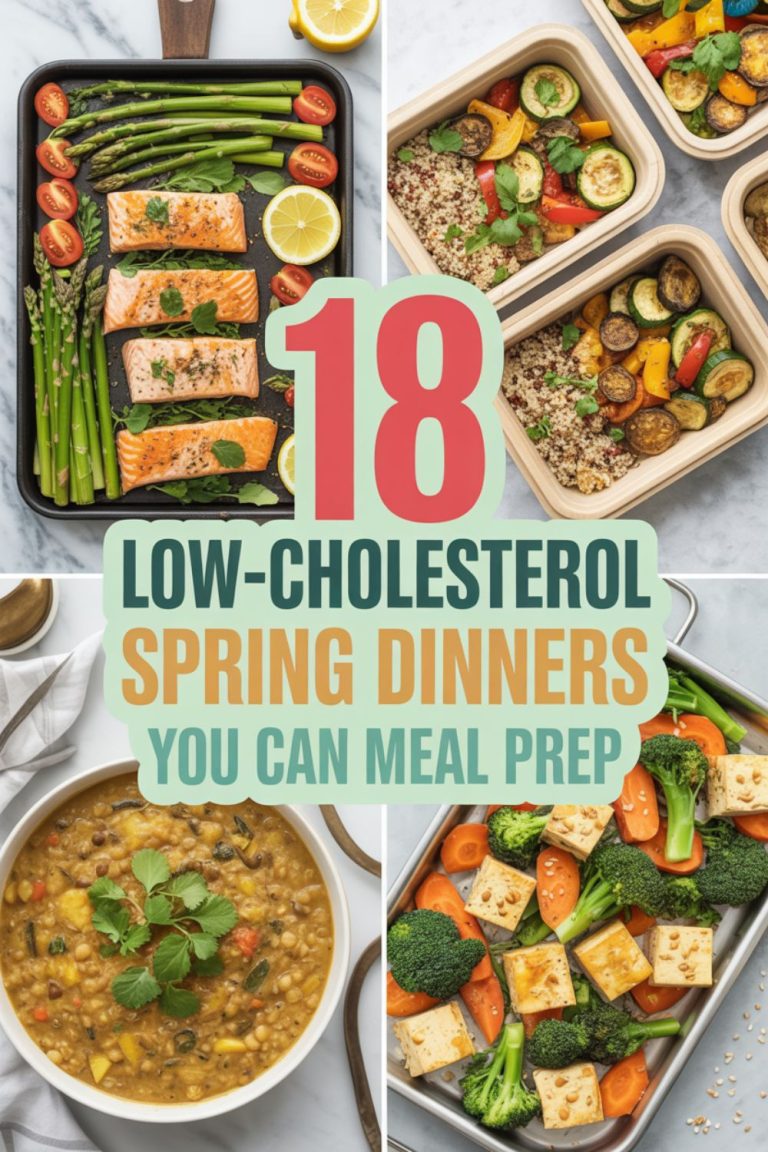
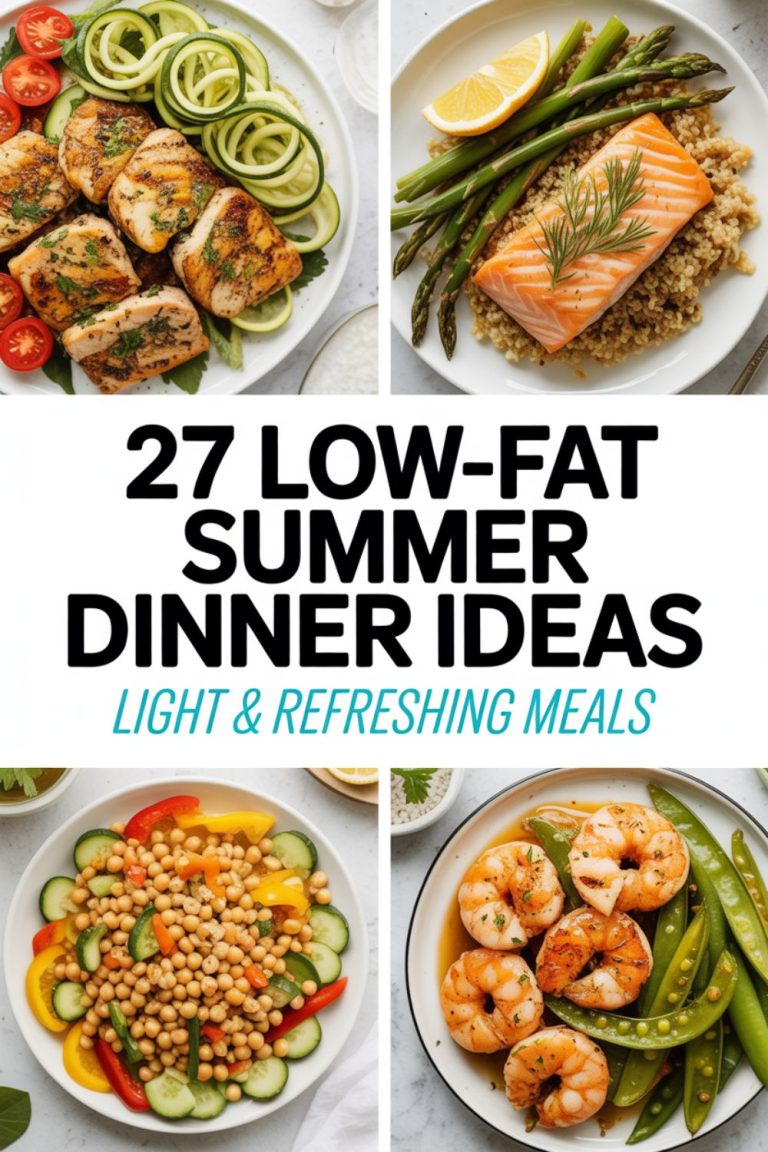
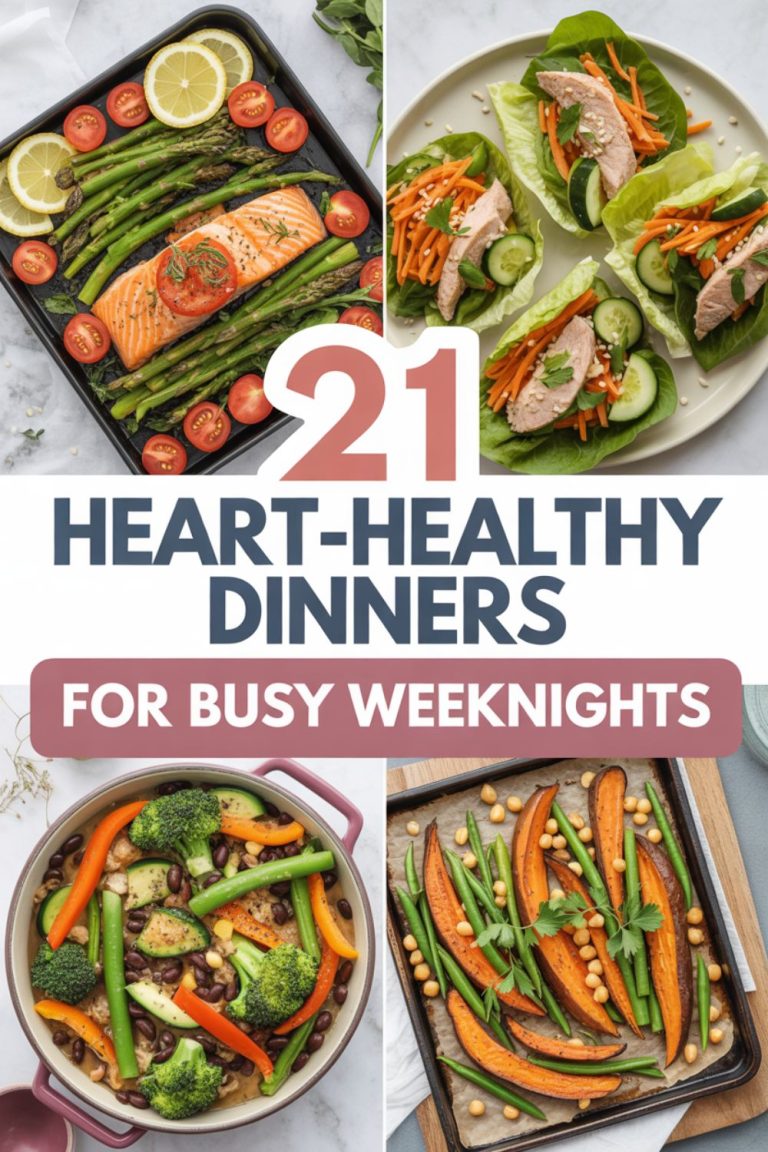
Salmon is a DASH diet superstar, and not just because of the omega-3 fatty acids. It cooks fast, takes on flavors beautifully, and pairs with basically everything. This version uses a crust of fresh dill, parsley, lemon zest, and a touch of Dijon mustard pressed into the top of each fillet before it goes into the oven. The asparagus roasts alongside it on the same sheet pan, which means fewer dishes. A quality rimmed baking sheet makes all the difference here—you want the heat to distribute evenly so the asparagus gets those crispy tips while the salmon stays moist.
Get Full RecipeChicken and Vegetable Quinoa Bowl
Grain bowls are the workhorses of weeknight DASH cooking. This one starts with a base of fluffy quinoa, which delivers both complete protein and fiber, making it doubly satisfying. Grilled or baked chicken thighs go on top, followed by roasted zucchini, red bell peppers, and cherry tomatoes. A drizzle of tahini-lemon dressing brings the whole thing together. If you’re building this for meal prep, store each component separately and assemble as needed throughout the week. You can find more ideas like this in our low-cholesterol meal prep guide.
Get Full RecipeTurkey and White Bean Stuffed Bell Peppers
Stuffed peppers are one of those recipes that look far more impressive than they are to make. Ground turkey is leaner than beef and takes on seasoning incredibly well. Mix it with cooked white beans, diced tomatoes, garlic, smoked paprika, and a handful of fresh spinach, then stuff the mixture into halved bell peppers and bake until the peppers are tender and slightly caramelized at the edges. White beans, by the way, are a nutritional powerhouse for DASH eating—high in potassium and magnesium, both of which actively support healthy blood pressure.
Get Full RecipeLemon Garlic Shrimp with Whole Wheat Pasta
This is the recipe I turn to when I need dinner on the table in under 30 minutes and I refuse to sacrifice flavor to do it. Shrimp cooks in about four minutes, whole wheat pasta takes twelve, and everything else happens simultaneously. The sauce is nothing more than olive oil, a lot of garlic, lemon juice, a pinch of red pepper flakes, and fresh parsley—but that combination is genuinely irresistible. A good olive oil for cooking matters here; use something you’d actually enjoy the flavor of, because it’s doing a lot of the heavy lifting.
Get Full RecipeBaked Cod with Mediterranean Tomato Sauce
Cod is mild, affordable, and naturally low in sodium, which makes it a natural fit for DASH cooking. Here it’s baked directly in a sauce made from crushed tomatoes, kalamata olives, capers, garlic, and fresh basil. It’s a loose interpretation of Italian-style fish that takes about 10 minutes to assemble and 20 to cook. Serve it over a small portion of farro or alongside a simple green salad. The result is a dinner that feels properly restaurant-quality without requiring anything close to restaurant-level effort.
Get Full RecipeBlack Bean and Sweet Potato Tacos
Plant-based dinners tend to get dismissed as side dishes in a trench coat, but these tacos are filling, satisfying, and bring enough flavor to silence the skeptics at the table. Roasted sweet potato cubes and black beans get seasoned with cumin, chili powder, and lime juice, then piled into warm corn tortillas with shredded cabbage, avocado, and a quick cilantro-yogurt crema. Sweet potatoes are an excellent source of potassium, which works directly against the blood-pressure-raising effects of sodium—so this is one of those recipes where the nutrition story and the taste story are equally compelling.
Get Full RecipeChicken Stir-Fry with Brown Rice and Bok Choy
Stir-fries have a sodium problem when they lean on bottled sauces. This version uses low-sodium tamari, fresh ginger, garlic, a splash of rice vinegar, and a tiny drizzle of sesame oil at the end, which gives you all the flavor without the sodium bomb. Bok choy is one of those vegetables that goes from underrated to essential once you cook it properly—it wilts quickly, absorbs flavor well, and adds a satisfying crunch. A well-seasoned cast iron skillet or wok is worth every penny for recipes like this.
Get Full RecipeLentil and Vegetable Curry
Red lentils are genuinely one of the most useful ingredients in a DASH-friendly kitchen. They cook in 20 minutes without soaking, require no pre-rinsing, and melt into a naturally thick, creamy sauce that carries spices beautifully. This curry builds on a base of diced tomatoes, onion, garlic, grated ginger, and a blend of turmeric, cumin, and coriander. Add light coconut milk for creaminess, stir in a handful of baby spinach at the end, and serve over brown rice. Filling, warming, and deeply savory. Also, batch-cooking friendly.
Get Full RecipeBaked Chicken Thighs with Roasted Root Vegetables
Bone-in chicken thighs are more forgiving than breasts, harder to overcook, and frankly more flavorful for the same calorie cost. Here they’re rubbed with smoked paprika, dried oregano, garlic powder, and a small amount of olive oil, then roasted on a pan alongside cubed parsnips, carrots, and beets. The root vegetables take on a beautiful caramelized sweetness in the oven heat while the chicken skin crisps up just enough. This is the kind of dinner that makes the whole house smell incredible.
Get Full RecipeKitchen Tools That Make DASH Cooking Easier
You don’t need a gadget for every recipe, but a few well-chosen tools genuinely cut your cooking time and stress in half. Here’s what I actually use.
Physical Essentials
Half-sheet pans are the backbone of one-pan cooking. Good ones distribute heat evenly so your vegetables roast instead of steam.
Shop on AmazonFor soups, stews, curries, and anything braised. Holds heat like a dream and goes from stovetop to oven without complaint.
Shop on AmazonFresh herbs are the secret to making low-sodium food taste vibrant. A good herb keeper keeps them fresh for 2-3 weeks instead of days.
Shop on AmazonDigital Resources
Tracks your sodium, potassium, and servings automatically so you’re not doing mental math at every meal.
Try FreeA focused online course teaching technique-first cooking so you can build flavor without relying on salt.
View Course28-day printable PDF plan with shopping lists, prep schedules, and recipe cards organized by week.
Download PDFMore DASH Dinner Recipes for Every Craving
One of the things I appreciate most about the DASH framework is how much it overlaps with other eating patterns that prioritize whole foods. A lot of these recipes lean Mediterranean in spirit, which makes sense—both approaches center olive oil, legumes, vegetables, and lean proteins. If you’re also working on cholesterol alongside blood pressure, take a look at our collection of low-cholesterol vegetarian meals for even more plant-forward ideas.
Baked Turkey Meatballs with Zucchini Noodles
Ground turkey meatballs hold together better than you’d expect when you add an egg, a bit of whole wheat breadcrumb, garlic, and fresh parsley into the mix. Bake them instead of frying, and you skip both the added fat and the mess. Serve them on a pile of spiralized zucchini noodles tossed with a simple marinara made from canned crushed tomatoes, garlic, and basil. A quality spiralizer makes the zucchini step genuinely quick, though a vegetable peeler works fine for wider noodle-like ribbons too.
Get Full RecipeChickpea and Spinach Shakshuka
Shakshuka is traditionally a breakfast dish in North African and Middle Eastern cuisine, but it makes an equally excellent DASH-friendly dinner. This version adds chickpeas and spinach to the spiced tomato base before the eggs are nestled in to poach. The chickpeas add enough heft and protein to make it feel like a proper dinner, and the whole thing comes together in one skillet in under 30 minutes. Serve with warm whole grain pita for dipping. FYI, this is the recipe I recommend most often to people who say they’re bored of dinner.
Get Full RecipeGrilled Tilapia with Mango Avocado Salsa
Tilapia is one of the lowest-sodium fish you can buy, and it cooks in about five minutes per side. The real star of this recipe is the salsa: diced ripe mango, avocado, red onion, fresh cilantro, lime juice, and a small jalapeño if you like a little heat. The contrast between the lightly charred fish and the cool, sweet-bright salsa is the kind of combination that makes you wonder why you ever bothered ordering takeout. This one is also excellent on top of a simple heart-healthy salad base.
Get Full RecipeSlow-Cooker White Bean and Kale Soup
On days when you know the evening is going to be chaotic, the slow cooker is your best friend. This soup builds on a base of cannellini beans, Tuscan kale, diced tomatoes, onion, garlic, rosemary, and low-sodium chicken or vegetable broth. It comes together in about 10 minutes of prep in the morning and is ready by dinner without you touching it again. The kale holds up beautifully after hours of slow cooking and adds a satisfying chew to every spoonful. You can find our extended collection of warming soups at low-cholesterol soups and stews for any season.
Get Full RecipeThe Final Four: Satisfying DASH Dinners for Every Mood
The last stretch of this list covers the cravings that tend to derail people—the nights you want something comforting, the evenings you want something quick, and the moments when you’re craving something that feels like it shouldn’t be health food but somehow is. Harvard Health has published a great overview of why the DASH diet supports heart health beyond just blood pressure, and these recipes are built around exactly those principles.
Cauliflower Fried Rice with Edamame
Yes, cauliflower rice has had its moment in the spotlight, and yes, it genuinely works here. Pulse a head of cauliflower in a food processor until it resembles coarse grains, then stir-fry it with shelled edamame, diced carrots, scrambled egg, garlic, ginger, low-sodium tamari, and a drizzle of sesame oil. The edamame adds a complete plant protein profile alongside a satisfying pop of texture. A food processor with a pulse setting makes the ricing step take about 15 seconds flat.
Get Full RecipePesto Chicken with Roasted Cherry Tomatoes and Farro
Store-bought pesto tends to run high in sodium, so making a quick homemade version gives you control over the salt. Blend fresh basil, a small handful of pine nuts or walnuts, a clove of garlic, a squeeze of lemon, and enough olive oil to bring it together. Spread it over chicken breasts, roast alongside halved cherry tomatoes, and serve over cooked farro, which is nuttier and more interesting than most other whole grains. Walnuts, by the way, are an excellent swap for pine nuts in pesto—they’re less expensive, higher in omega-3 fatty acids, and the flavor difference is minimal.
Get Full RecipeSpaghetti Squash with Turkey Bolognese
Comfort food that you can actually eat without guilt should be on every DASH diet dinner list, and spaghetti squash with turkey bolognese delivers exactly that. The squash roasts in halves until the flesh pulls into noodle-like strands, which then get piled with a slow-simmered meat sauce made from ground turkey, crushed tomatoes, carrots, celery, onion, garlic, and fresh thyme. Use a sturdy chef’s knife to halve the squash safely—a sharp blade on a cutting board with a damp towel underneath is the move. The whole dish is warming, filling, and genuinely satisfying in the way only a bolognese can be.
Get Full RecipeBaked Falafel Bowls with Tabbouleh and Hummus
Falafel gets baked instead of fried here, which cuts the fat significantly while keeping the outside crispy and the inside tender and herby. The base is a mixture of chickpeas, fresh parsley and cilantro, cumin, coriander, garlic, and just enough flour to bind. Serve them in bowls alongside tabbouleh made with bulgur wheat, loads of fresh parsley and mint, diced tomatoes, cucumber, lemon juice, and olive oil. A dollop of store-bought hummus that checks the sodium label brings everything together. This is the dinner that always surprises people who think plant-based DASH meals won’t fill them up. Spoiler: they will.
Get Full RecipeHow to Make DASH Dinners a Habit, Not a Chore
The biggest barrier to eating well isn’t knowledge—it’s logistics. You can know exactly what to eat and still end up ordering pizza because Tuesday was brutal and you have no meal prepped. A few structural habits make a real difference here.
Keep a base of cooked grains in the fridge at all times. Rotate between quinoa, brown rice, farro, and bulgur so you don’t get bored. Have at least one legume on hand, either canned or pre-cooked. Stock your pantry with good low-sodium basics: canned crushed tomatoes, no-salt-added beans, low-sodium broth, good olive oil, and a solid spice collection. If you’re looking for more batch-friendly options, our low-cholesterol freezer meals guide has a great collection of recipes that hold up well after freezing.
One more thing worth noting: DASH eating and cholesterol management often go hand-in-hand. A lot of the same foods that support healthy blood pressure—oats, legumes, fatty fish, olive oil, nuts, leafy greens—also support healthy cholesterol levels. That means the same dinner habits that help your blood pressure are also doing something good for your lipid panel. Not a bad deal.
Frequently Asked Questions About DASH Diet Dinners
Can you lose weight on the DASH diet?
Yes, weight loss is a common outcome for people who follow the DASH diet consistently, though it wasn’t the primary design goal. The eating pattern naturally emphasizes whole, minimally processed foods that tend to be filling and lower in calories than typical Western diets. If you’re pairing DASH eating with any calorie awareness, the results tend to be even more pronounced.
How much sodium is allowed on the DASH diet?
The standard DASH plan targets 2,300 mg of sodium per day, which aligns with general dietary guidelines. A more aggressive version targets 1,500 mg daily and tends to show even greater blood pressure reductions in research. For reference, the average American takes in closer to 3,400 mg per day, so most people have room to make meaningful changes without feeling overly restricted.
Is the DASH diet good for high cholesterol too?
It can be. The DASH diet’s emphasis on fiber-rich whole grains, legumes, fruits, and vegetables, alongside its limits on saturated fat, creates conditions that are generally favorable for healthy LDL cholesterol levels. For a more targeted approach to cholesterol, pairing DASH principles with foods specifically shown to lower LDL, like oats, barley, and plant sterols, gives you the best of both worlds.
Can I follow the DASH diet as a vegetarian?
Absolutely, and the plant-forward nature of DASH makes it well-suited to vegetarian eating. Beans, lentils, tofu, tempeh, eggs, low-fat dairy, nuts, and whole grains more than cover your protein needs. Several recipes in this list, including the lentil curry, shakshuka, and falafel bowls, are already fully vegetarian without modification.
How quickly does the DASH diet lower blood pressure?
Clinical research suggests that meaningful reductions in blood pressure can occur within two weeks of starting the DASH eating plan, though individual results vary depending on baseline health, starting sodium intake, and overall diet quality. Consistency over months rather than days is what tends to produce the most lasting results.
The Bottom Line on DASH Diet Dinners
Eating for heart health doesn’t require giving up the parts of cooking you actually enjoy. The 17 DASH diet dinner recipes in this collection prove that you can build genuinely satisfying meals around vegetables, lean proteins, whole grains, and legumes without producing anything that tastes like it belongs in a hospital cafeteria. The key is treating flavor as the priority and letting the nutrition follow naturally from the ingredients.
Start with two or three recipes that already sound appealing to you, get comfortable with them, and build outward from there. The DASH framework rewards consistency over perfection—small, sustainable changes to your dinner routine add up faster than you’d expect. Pick one recipe from this list for tonight and see how you feel about DASH eating by Friday.
30-Day Cholesterol-Lowering Meal Plan
A simple step-by-step system to help you eat heart-healthy every day without stress.
Over 1,000 people downloaded this guide
$29$9
Get Instant Access