
Olive Oil & Vegetables
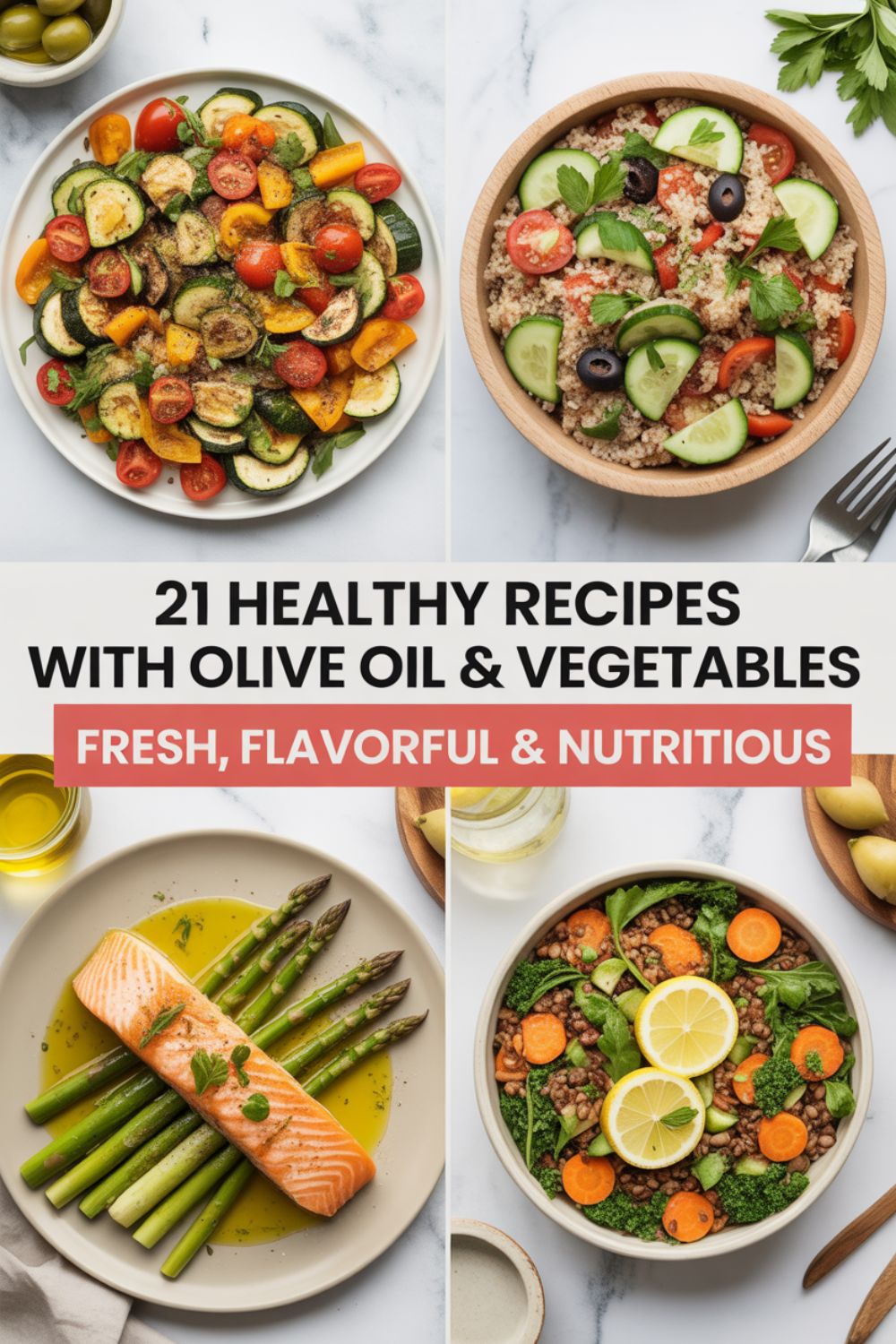
21 Healthy Recipes with Olive Oil & Vegetables
Simple, satisfying meals built on the two ingredients your kitchen always needs more of.
The Everyday Lineup: Simple Weeknight Recipes
The recipes in this first batch are the ones you’ll come back to on a Wednesday when you haven’t meal prepped and have exactly forty minutes to get dinner on the table. They’re fast, flexible, and built around whatever vegetables you have kicking around.
1. Garlic Roasted Broccoli with Lemon Olive Oil Drizzle
Roasted broccoli might sound uneventful, but when you coat the florets in extra virgin olive oil, smashed garlic, a pinch of red pepper flakes, and a hit of lemon zest, something genuinely special happens. The edges go crispy, the garlic mellows into something almost sweet, and the lemon brightens the whole thing. Toss it with a grain or pile it over pasta. Get Full Recipe
30-Day Cholesterol Reset System
A simple done-for-you plan to help you eat heart-healthy every day without confusion.
Over 1,000 people downloaded this guide
✔ 100 Easy Recipes
✔ Grocery Lists + Meal Prep Guide
🎁 FREE BONUSES:
✔ 7-Day Quick Start Plan
✔ Printable Grocery List
$29 $9
Get Instant Access2. Olive Oil Sautéed Spinach with Cherry Tomatoes
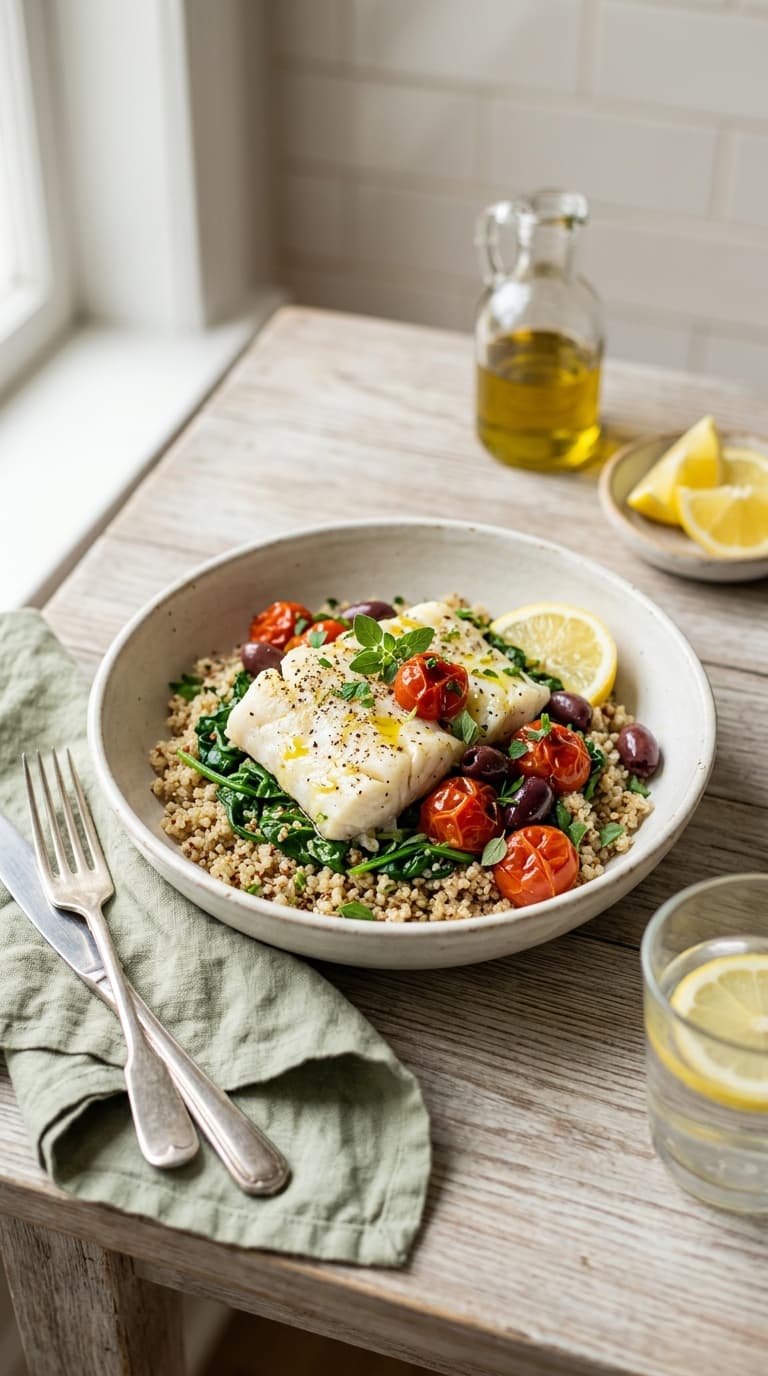
This is a five-minute side dish that doubles as a base for eggs, a pasta topping, or a standalone vegetable when you just need something green on the plate. Fresh garlic bloomed in olive oil is the move here — it transforms the whole dish from boring to borderline addictive. Cherry tomatoes burst and release their juice, which mingles with the oil into a loose, glossy sauce. Get Full Recipe
3. Mediterranean Zucchini Ribbon Salad
No cooking required for this one. Use a vegetable peeler to shave raw zucchini into wide ribbons, then toss with a simple dressing of good olive oil, lemon juice, crumbled feta, fresh mint, and toasted pine nuts. It’s light, it’s bright, and it takes about ten minutes if you move efficiently. A solid candidate for summer lunches. Get Full Recipe
4. Roasted Eggplant with Tahini and Pomegranate
Eggplant needs fat to shine, and olive oil delivers. Halve the eggplant, score the flesh, brush generously with EVOO, and roast at high heat until collapsed and caramelized. Then drizzle tahini over the top and scatter pomegranate seeds. The contrast between smoky, creamy, and bright is legitimately restaurant-quality. Get Full Recipe
5. One-Pan Olive Oil Potatoes with Green Beans and Herbs
This is the kind of sheet pan situation where you’re basically just using olive oil as a vehicle for herbs. Baby potatoes and green beans, tossed with plenty of olive oil, fresh thyme, rosemary, and a whole head of garlic roasted alongside. Everything cooks together at 400°F for about 35 minutes and comes out looking effortlessly good. Get Full Recipe
Always add olive oil after roasting for finishing, not just before — a second drizzle of fresh EVOO right when the vegetables come out of the oven adds a whole layer of flavor that cooking destroys.
If these weeknight recipes hit the spot, you’ll also love these 21 one-pan low-cholesterol dinners and our roundup of 20 lazy low-cholesterol meals for busy people. Both are built around the same “minimal effort, maximum flavor” principle.
Soups, Stews, and Slow-Cooked Favorites
One of the most underrated uses for good olive oil is in slow-cooked dishes where the oil becomes part of the flavor base. The technique is old and it’s not complicated — you bloom aromatics in olive oil at the start of the pot, and you build from there. What you end up with is a depth of flavor that shortcuts simply can’t replicate.
According to research published by the American Heart Association, consuming more than half a tablespoon of olive oil daily is linked to lower rates of cardiovascular disease — making these soups not just satisfying but genuinely heart-protective.
6. Tuscan White Bean Soup with Kale
This soup is the definition of comfort food that actually supports your health. White cannellini beans, lacinato kale, and diced tomatoes all simmered in a base built on olive oil, garlic, and onion. A Parmesan rind thrown in during cooking adds a quiet richness that most people can’t identify but everyone notices. Get Full Recipe
7. Moroccan-Spiced Carrot and Lentil Stew
Red lentils are an underrated powerhouse — they’re high in plant-based protein, loaded with soluble fiber, and they cook to a creamy consistency without any blending. Pair them with roasted carrots and a warm spice blend of cumin, coriander, smoked paprika, and a pinch of cinnamon, all started in a generous base of olive oil. Finish with a big squeeze of lemon. Get Full Recipe
8. Greek-Style Tomato and Pepper Stew (Shakshuka-Inspired)
Heavy on olive oil, bell peppers, onions, and whole tomatoes, this slow-cooked stew is equally good served with bread for mopping as it is spooned over grains. The olive oil here doesn’t just cook the vegetables — it becomes the sauce. Briny olives and crumbled feta stirred in at the end make this feel genuinely indulgent. Get Full Recipe
9. Minestrone with Herb Oil
Classic minestrone, but the move that elevates it is finishing every bowl with a spoonful of herb oil — fresh parsley, basil, and garlic blitzed into olive oil, almost like an unstrained pesto. It adds brightness and richness simultaneously. You can make the herb oil ahead and keep it in the fridge for a week. Get Full Recipe
10. Slow-Cooked Caponata
Caponata is a Sicilian sweet-and-sour eggplant stew that requires olive oil in quantities that might initially alarm you. Don’t adjust it. The olive oil is not excessive — it’s structural. Eggplant, celery, tomatoes, capers, and olives cooked down into a thick, jammy spread that improves dramatically overnight. Serve it warm, at room temperature, or straight from the fridge on bread. Get Full Recipe
“I started making the white bean soup every Sunday as part of my meal prep. Three months in, my LDL dropped noticeably and my doctor was genuinely surprised by the change. I wasn’t even trying — I just liked the soup.”
Salads, Bowls, and Fresh Assembly Meals
Here’s where olive oil really shines in a different way — as a dressing base rather than a cooking fat. A well-made olive oil vinaigrette is one of those things that makes vegetables taste like themselves, only better. No emulsifiers, no added sugar, no thickeners. Just oil, acid, salt, and sometimes a little mustard to hold it together.
IMO, the biggest salad mistake people make is using too little olive oil. A properly dressed salad should have every leaf lightly coated. You’re not drowning it — you’re finishing it. There’s a difference.
11. Warm Grain Bowl with Roasted Vegetables and Olive Vinaigrette
Farro, spelt, or brown rice as the base, then a pile of roasted vegetables — whatever’s in season — and a sharp olive oil dressing with sherry vinegar, Dijon, and shallots. Adding a handful of fresh herbs right before serving is what separates a good grain bowl from a great one. Get Full Recipe
12. Greek Village Salad (Horiatiki)
No lettuce in a true horiatiki. Thick-cut tomatoes, cucumber, red onion, Kalamata olives, and a slab of feta — dressed with nothing but extra virgin olive oil, dried oregano, and a pinch of salt. This is the recipe that proves you don’t need a complicated dressing. The olive oil is the dressing. Get Full Recipe
13. Roasted Beet Salad with Olive Oil and Orange
Beets roasted in foil packets with olive oil, then peeled and sliced, served over arugula with orange segments, toasted walnuts, and a citrus-olive oil dressing. The earthiness of the beets against the brightness of the orange is one of those combinations that never gets old. Get Full Recipe
14. Chickpea and Cucumber Bowl with Herb Olive Oil Dressing
Chickpeas are one of those ingredients that deserve a dedicated appreciation moment here. They’re high in both protein and fiber, they hold dressings beautifully, and they make bowls genuinely filling without any meat. Toss them with cucumber, olives, fresh dill, and a lemony olive oil dressing. Done. Get Full Recipe
15. Warm Lentil Salad with Roasted Peppers and Olive Oil
French green lentils hold their shape well when cooked, which makes them ideal for warm salads. Roasted red peppers, caramelized shallots, fresh parsley, and a mustardy olive oil dressing. Serve it over wilted spinach for an extra layer that adds greens without making it feel heavy. Get Full Recipe
Make a big batch of olive oil vinaigrette on Sunday — one part acid (lemon or vinegar), two parts EVOO, plus salt, garlic, and Dijon. Store in a jar in the fridge and use it on everything for the week.
For more salad ideas that actually keep you full, check out these 19 low-cholesterol salads that don’t feel like diet food and 25 salads that taste restaurant quality. Both are full of olive oil-forward dressings you’ll want to memorize.
Kitchen Tools That Make These Recipes Easier
A few favorites worth having on hand — physical tools and digital resources that genuinely make olive oil and vegetable cooking more enjoyable.
Physical Tools
Every soup and stew in this list benefits from a heavy, even-heating pot. The enamel coating means nothing sticks, no seasoning required, and cleaning is mercifully painless.
Le Creuset 5.5-Qt Dutch Oven is the one I’ve used for years. Worth every cent.
Sheet pan meals are only as good as the pan. Thin, warped pans steam your vegetables instead of roasting them. A heavy-gauge rimmed sheet pan solves this completely.
This Nordic Ware Natural Aluminum Half Sheet gives you restaurant-level roasting at home.
A good pouring bottle gives you real control over how much oil you’re adding — and it keeps your olive oil away from heat and light, which actually degrades the flavor.
Tablecraft Glass Oil Dispenser is simple, functional, and won’t look out of place on the counter.
Digital Resources
A full 4-week printable plan built around olive oil, vegetables, and lean proteins. No subscription, no app required — just download and use.
4-Week Mediterranean Meal Plan PDF — straightforward and actually usable.
A curated collection of 60+ recipes specifically developed for cholesterol management, most of which are olive oil and vegetable-forward.
Heart-Healthy Kitchen eBook is well-organized and genuinely practical.
A Notion template built for weekly meal planning — tracks ingredients you have, what you need, and what to prep ahead. Saves the Sunday panic of staring at a half-empty fridge.
Weekly Meal Prep Notion Template — simple and genuinely useful.
Heartier Mains: When Vegetables Are the Star
Here’s what a lot of people get wrong about vegetable-forward cooking: they treat it like a compromise. Like eating vegetables in place of something “real.” The recipes in this section are built around the idea that a well-constructed vegetable dish — given proper fat, heat, seasoning, and technique — is the real thing. Olive oil is what makes it happen.
Research from the Harvard Health Publishing team confirms that the monounsaturated fats in olive oil actively lower LDL cholesterol when substituted for saturated fats — making these vegetable-heavy mains a genuinely smart swap, not just a lighter option.
16. Olive Oil-Braised Artichoke Hearts with Lemon and Herbs
Braising in olive oil is different from cooking in olive oil. Here, the artichoke hearts are submerged in a shallow bath of EVOO with garlic, thyme, lemon peel, and a bay leaf, and they cook low and slow until incredibly tender. The oil takes on all those flavors and becomes something you want to mop bread into. Get Full Recipe
17. Roasted Cauliflower Steaks with Olive Oil and Harissa
Cauliflower, cut into thick cross-section steaks, brushed heavily on both sides with olive oil, and roasted at high heat until deeply golden. Then finished with a smear of harissa and a squeeze of lemon. The key is not being shy with the olive oil — these need to be well-coated to develop proper color and a satisfying, almost meaty texture. Get Full Recipe
18. Sicilian-Style Pasta with Roasted Vegetables and Olive Oil
This is where olive oil functions as a sauce rather than just a cooking fat. Roasted cherry tomatoes, zucchini, and red onion are tossed with pasta and a big pour of fresh extra virgin olive oil, finished with torn basil and a handful of capers. The pasta water is essential here — it emulsifies with the oil to create a loose, glossy coating rather than a greasy pool. Get Full Recipe
19. Olive Oil Poached Salmon with Asparagus
Olive oil poaching is one of those techniques that sounds fancier than it is. The salmon sits in warmed olive oil infused with garlic and herbs at a low temperature — around 200°F — and cooks gently for about 15 minutes. The result is impossibly tender, silky fish that flakes at the touch of a fork, served alongside roasted asparagus. Get Full Recipe
For more omega-3-rich preparations like this one, the 19 salmon recipes rich in omega-3 that actually taste amazing is a strong follow-up list worth saving.
20. Baked Feta with Roasted Vegetables and Olive Oil
Before a certain baked feta pasta went viral, this was just a standard preparation in Greek home cooking. A block of feta surrounded by cherry tomatoes, bell peppers, and olives, everything drowned in olive oil, baked until the vegetables collapse and the feta goes golden and soft. Incredibly simple, completely impressive. Serve it straight from the dish with bread or over pasta. Get Full Recipe
21. Roasted Root Vegetable Tray with Olive Oil and Balsamic
Carrots, parsnips, beets, and sweet potato all roasted together on a single tray with olive oil and a balsamic glaze that caramelizes and deepens during cooking. FYI, the secret to getting good caramelization on root vegetables is giving them space — don’t overcrowd the tray. A single layer with room between pieces is what gets you those golden edges rather than steamed, soft chunks. Get Full Recipe
Extra virgin olive oil has a smoke point around 375–405°F. For high-heat roasting above that, use regular olive oil or a neutral oil — save the EVOO for finishing, dressings, and lower-heat cooking where its flavor stays intact.
“The roasted cauliflower steaks recipe changed how my family eats. My partner — who, let me be clear, was not interested in eating ‘vegetable steaks’ — cleaned the plate and asked if we could make them again next week. Small wins.”
Why Olive Oil and Vegetables Work So Well Together
There’s a reason the Mediterranean diet has been studied more extensively than almost any other dietary pattern — and the olive oil and vegetable combination is central to what makes it work. When you roast, sauté, or drizzle vegetables with good olive oil, you’re not just adding fat for flavor. You’re increasing the bioavailability of fat-soluble vitamins — particularly vitamins A, D, E, and K — and carotenoids that your body can’t absorb efficiently from raw vegetables alone.
Extra virgin olive oil specifically is loaded with polyphenols like oleocanthal and oleuropein, compounds with documented anti-inflammatory and antioxidant properties. This isn’t marketing language — the European Food Safety Authority has formally validated health claims around olive oil’s polyphenols protecting blood lipids from oxidative damage. That’s a real, regulated position, not a label claim somebody made up.
Compared to other plant-based oils, olive oil holds a genuinely unique position. Avocado oil is similar in fat profile but lacks the polyphenol load of EVOO. Coconut oil, despite its popularity, is predominantly saturated fat and doesn’t support the same LDL-lowering effect. For cooking and finishing at the temperatures these recipes use, extra virgin olive oil remains the most nutritionally complete option.
If you’re working on cholesterol numbers specifically, combining olive oil with high-fiber vegetables creates a particularly effective pairing. Soluble fiber from vegetables like carrots, legumes, and leafy greens works alongside olive oil’s monounsaturated fats to support LDL reduction through two separate mechanisms simultaneously. You can read more about this in our guide to 25 foods that naturally lower cholesterol.
Buying and Using Olive Oil: What Actually Matters
Not all olive oil is the same — and this isn’t just food-snob gatekeeping. The difference between a good extra virgin olive oil and a refined “olive oil” is significant in terms of both flavor and nutritional profile. EVOO is mechanically pressed from fresh olives with no heat or chemical processing, which preserves the polyphenols, flavor compounds, and antioxidants that make it worth buying in the first place.
A few practical buying notes:
- Look for a harvest date on the bottle, not just a “best by” date. Fresher oil means more polyphenols and better flavor. Most EVOO is best consumed within 18 months of harvest.
- Dark glass or tin packaging is better than clear glass — light degrades olive oil faster than heat does.
- A slight bitterness and peppery finish at the back of the throat is a good sign. That’s the oleocanthal you’re tasting — the compound with the strongest anti-inflammatory properties.
- For California Olive Ranch Extra Virgin Olive Oil, it’s one of the more reliably fresh domestic options you’ll find at major grocery stores without paying specialty prices.
- If you cook through olive oil quickly, buying in larger quantities makes sense. This 3-liter tin of imported EVOO is the most cost-effective option for heavy users.
Store olive oil away from the stove — heat and proximity to your burners will degrade it faster than you’d expect. A cool, dark cupboard is ideal. And if you have a particularly good finishing-quality olive oil, designate it only for raw uses — dressings, finishing, bread dipping — so you’re not cooking off its most delicate flavor compounds.
Frequently Asked Questions
Can I use regular olive oil instead of extra virgin olive oil in these recipes?
Yes, for most cooking applications, regular olive oil works fine. The main difference is that EVOO retains more polyphenols and has a more pronounced flavor, which matters most in raw applications like dressings, finishing drizzles, and low-heat dishes. For high-heat roasting, regular olive oil is actually a reasonable choice since EVOO’s delicate compounds can degrade above 375°F anyway.
Are these recipes suitable for a low-cholesterol diet?
Most of them are well-aligned with low-cholesterol eating. Olive oil’s monounsaturated fats actively support healthy LDL levels when they replace saturated fats in the diet. The vegetable-heavy recipes are naturally low in cholesterol-raising ingredients. For a more targeted selection, see our 25 low-cholesterol vegetarian meals.
How much olive oil is healthy to consume per day?
Research suggests meaningful cardiovascular benefit starts at around half a tablespoon daily, with most Mediterranean diet frameworks recommending two to four tablespoons per day as part of a balanced diet. Olive oil is calorie-dense, so the quantity matters if you’re managing weight, but moderate use is well-supported by the research on cardiovascular and metabolic health.
Can these recipes be made ahead for meal prep?
Most of them hold up well for three to four days in the fridge. The soups and stews actually improve overnight as the flavors develop. Fresh salads with olive oil dressings are best assembled day-of, but you can prep the components in advance. For dedicated meal prep guidance, check out 25 low-cholesterol meal prep ideas.
What vegetables pair best with olive oil?
Practically all of them, but the ones that truly excel are those with some natural bitterness or density — eggplant, broccoli, cauliflower, kale, and root vegetables. The fat in olive oil tempers bitterness while developing a richness in denser vegetables that water-based cooking simply can’t achieve. Tomatoes and herbs are classic partners because the oil carries their volatile compounds and amplifies flavor dramatically.
The Takeaway
Twenty-one recipes, one bottle of good olive oil, and whatever vegetables look best at the market this week — that’s genuinely all you need to eat well. The recipes here span quick weeknight sides, slow-cooked soups, fresh salads, and proper vegetable-forward mains, which means there’s something for every kind of cook and every kind of evening.
The bigger point isn’t about any single recipe. It’s about building a cooking habit around ingredients that actually support long-term health without requiring you to give up flavor, satisfaction, or the pleasure of a good meal. Olive oil and vegetables, done properly, check every one of those boxes.
Pick two or three from this list to try this week. Roast something. Make a big pot of soup. Throw together a proper Greek salad with the good oil and proper feta. See how quickly these become part of your regular rotation — because once you start cooking this way, it’s genuinely hard to go back to anything that feels more complicated or less satisfying.